How Many Calories Are in Protein Bars? A Complete Nutrition Guide
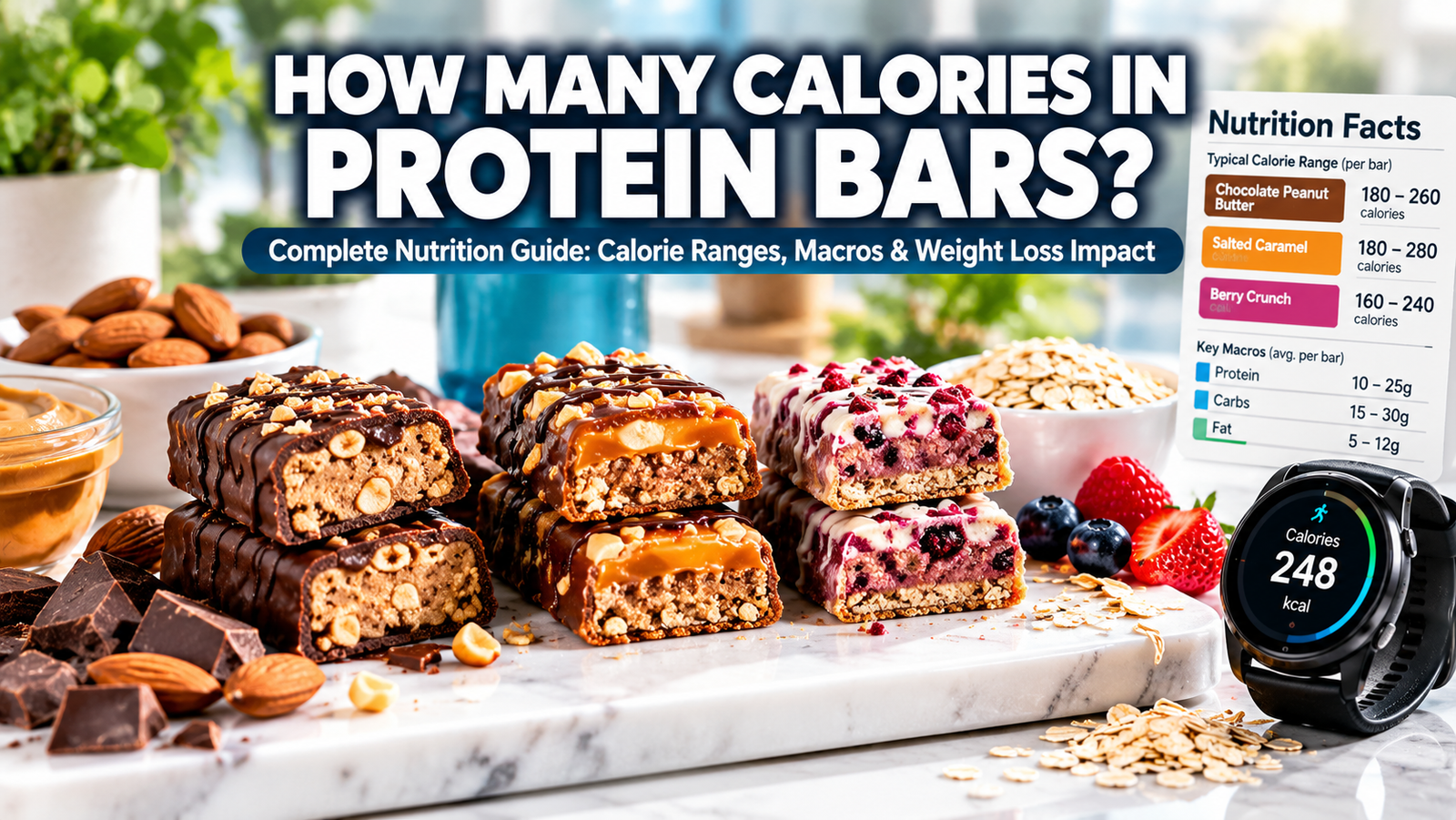
If you have ever stood in a U.S. grocery store aisle and wondered, “how many calories are in protein bars?”, you are not alone. Protein bars vary a lot. A small snack bar may have around 100 to 150 calories, while a large meal-style bar can reach 300 calories or more.
The word “protein” does not tell you the calorie count. Protein bars also contain fat and carbohydrates, and these nutrients add calories. Nuts, seeds, chocolate, nut butter, dates, oats, syrups, and other ingredients can also change the total.
The most useful way to judge a protein bar is to look at the full nutrition Facts label. In this guide, we will explain how many calories are in protein bars, why the numbers differ, and how to choose a bar that fits your goals.

How Many Calories Are in Protein Bars?
So, how many calories are in protein bars in general? A practical range is about 150 to 300 calories per bar. This is not a fixed rule. Some light bars contain close to 100 calories, while larger bars made with nuts, chocolate, nut butter, or other calorie-dense foods can contain 300 to 400 calories or more.
Bar size is one major reason for the difference. A 40-gram bar and an 80-gram bar should not be compared as if they are the same serving. Always check both the serving size and the calories per serving.
For many people, a bar around 150 to 220 calories works as a snack. A bar around 250 to 300 calories may make more sense when it replaces part of a meal or serves as a more filling post-workout option.
- ✦ Lower-calorie bars
Often provide around 100 to 150 calories and may work well when you want a small snack.
- ✦ Moderate-calorie bars
Often fall around 150 to 250 calories and can provide a useful balance of protein and energy.
- ✦ Higher-calorie bars
May contain 250 to 400 calories or more, often because they are larger or contain more nuts, seeds, oils, chocolate, or other calorie-dense ingredients.
Why There Is No Single Calorie Count
Protein bars are not one standard food. They are a broad group of products with very different recipes. One bar may be built around whey protein and fiber, while another may use nuts, oats, dates, and nut butter.
That is why the question “how many calories are in protein bars?” needs a range rather than one number. The label on the exact product you eat is the most accurate answer.
- ✦ Check the package
Use the calories listed for the actual serving you plan to eat.
- ✦ Check bar size
A larger bar can have much more energy even when the front of the package looks similar to a smaller bar.
What Determines the Calories in a Protein Bar?
The calorie count comes mainly from protein, carbohydrates, and fat. Protein and carbohydrates provide about 4 calories per gram, while fat provides about 9 calories per gram. This is why a bar with a lot of nuts or added fat can have many calories even when its sugar content is low.
Fiber can make the math less simple because different types of fiber are handled differently in nutrition labeling and by the body. Sugar alcohols can also affect the calorie value of some bars. For that reason, do not try to estimate a product’s exact calories from its protein and carb numbers alone.
Ingredients matter too. A bar with peanuts, almonds, seeds, chocolate, coconut, or nut butter may be more calorie-dense than a bar made with a lighter protein blend and added fiber.

- ✦ Protein
Protein adds energy and helps make a bar more filling. Many protein bars provide roughly 10 to 25 grams of protein, though amounts vary.
- ✦ Fat
Fat is calorie-dense, so nuts, seeds, oils, and nut butters can raise the calorie count quickly.
- ✦ Carbohydrates
Oats, grains, dried fruit, dates, sugar, syrups, and other carb sources can add calories.
- ✦ Added ingredients
Chocolate coatings, fillings, and other extras can raise total calories without making the bar look much larger.
Protein Does Not Mean Low Calorie
A common mistake is to assume that a high-protein food must be low in calories. That is not true. A protein bar can contain 20 grams of protein and still provide 300 calories or more.
This does not make the bar unhealthy. It simply means the bar provides more energy. Whether that amount works for you depends on your daily needs and what the bar replaces.
How to Read a Protein Bar Nutrition Label
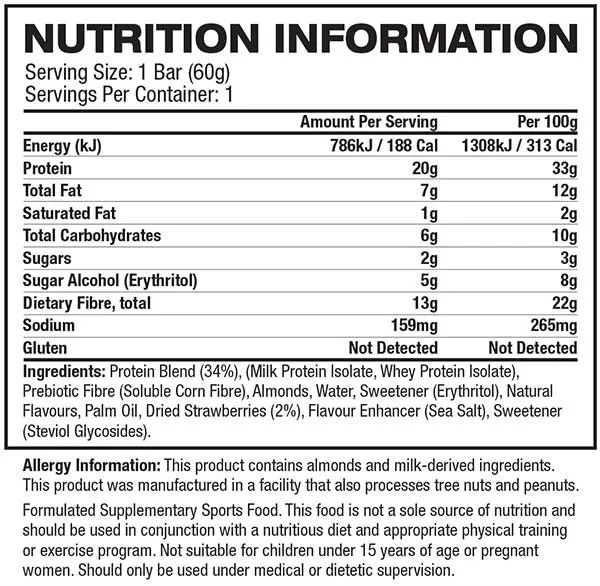
The Nutrition Facts label is the best tool for answering how many calories are in protein bars. Start with the serving size. Then look at calories per serving, protein, fiber, total carbohydrate, added sugars, and fat.
Do not stop at the calorie number. Two bars may both contain 200 calories, but one may offer more protein and fiber while the other contains mostly added sugar and fat. The rest of the label helps you understand what those calories provide.
It also helps to check the ingredient list. Ingredients appear in descending order by weight, so the first few ingredients can give you a quick idea of what makes up most of the bar.

- ✦ Calories
Shows how much energy one serving provides.
- ✦ Protein
Shows how much protein the bar provides. A higher number can be useful when protein is a key goal.
- ✦ Fiber
Fiber can support digestive health and may help a snack feel more filling.
- ✦ Added sugars
Shows sugars added during processing rather than sugars that naturally occur in foods.
- ✦ Total fat
Shows the total amount of fat. Check the type of fat as well when comparing products.
A Simple Label Check
A quick label check can take less than a minute. First ask how many calories are in protein bars of the type you want, then compare the calorie count with protein and fiber. Finally, look at added sugar and the ingredient list.
This approach is more useful than choosing a bar based only on a front-of-package claim such as “high protein” or “low sugar.”
- ✦ Step 1
Check calories per serving.
- ✦ Step 2
Check the serving size and make sure one bar equals one serving.
- ✦ Step 3
Compare protein and fiber with the calorie count.
- ✦ Step 4
Check added sugar, fat, and the ingredient list.
Are Protein Bars Good for Weight Loss?
A protein bar can fit into a weight-loss plan, but the bar itself does not cause weight loss. Body weight is influenced by total energy intake, activity, body composition, sleep, and many other factors. For weight loss, overall food intake matters more than whether a snack carries a protein-focused label.
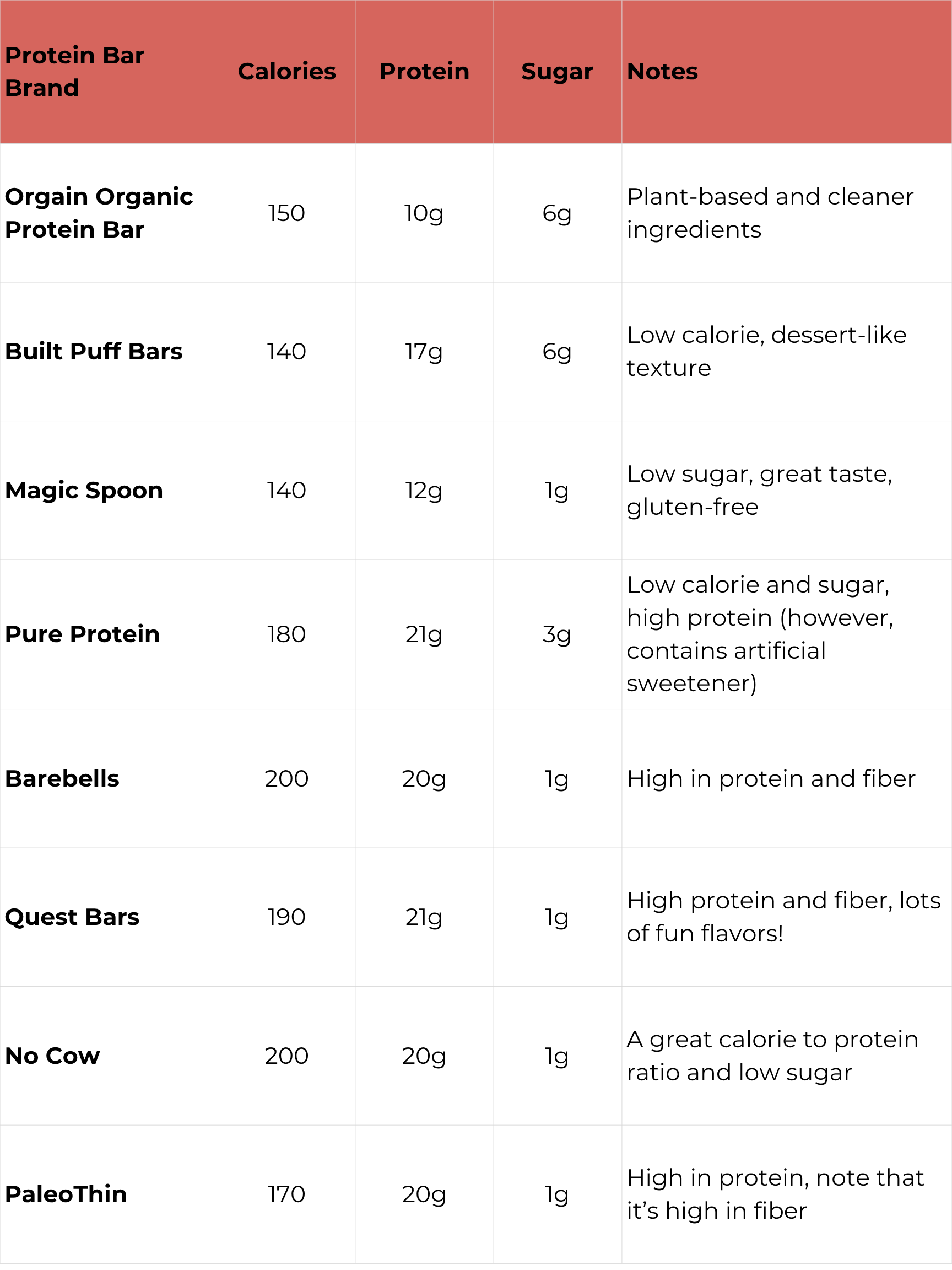
The better question is whether the bar helps you manage hunger and stay within your overall calorie needs. A 200-calorie bar with useful protein and fiber may be a practical snack. A 350-calorie bar may still be useful, but it should be counted as part of the day’s food rather than treated as a free snack.
Protein can help with fullness, and protein-rich foods can be useful during weight loss. Still, whole foods such as Greek yogurt, eggs, beans, fish, poultry, nuts, and dairy can also provide protein and may offer more nutrients or better value depending on the meal.
- ✦ Look at the whole diet
One protein bar matters less than your total daily food intake and eating pattern.
- ✦ Match the bar to your hunger
A larger bar may make sense when it replaces a meal component, while a smaller bar may be enough for a light snack.
- ✦ Compare protein with calories
A bar that provides useful protein without excessive calories may be easier to fit into a calorie-controlled diet.
- ✦ Think beyond the bar
Whole foods can also provide protein, fiber, vitamins, minerals, and other nutrients.
Can You Eat Protein Bars Every Day?
For many healthy adults, a protein bar can be part of a normal eating pattern. The key issue is variety. Relying on bars for most meals can crowd out whole foods that provide a wider mix of nutrients.
If you enjoy protein bars, use them as a convenient tool rather than as a replacement for every protein-rich food in your diet.
Protein Bar Calories vs. Other Common Snacks
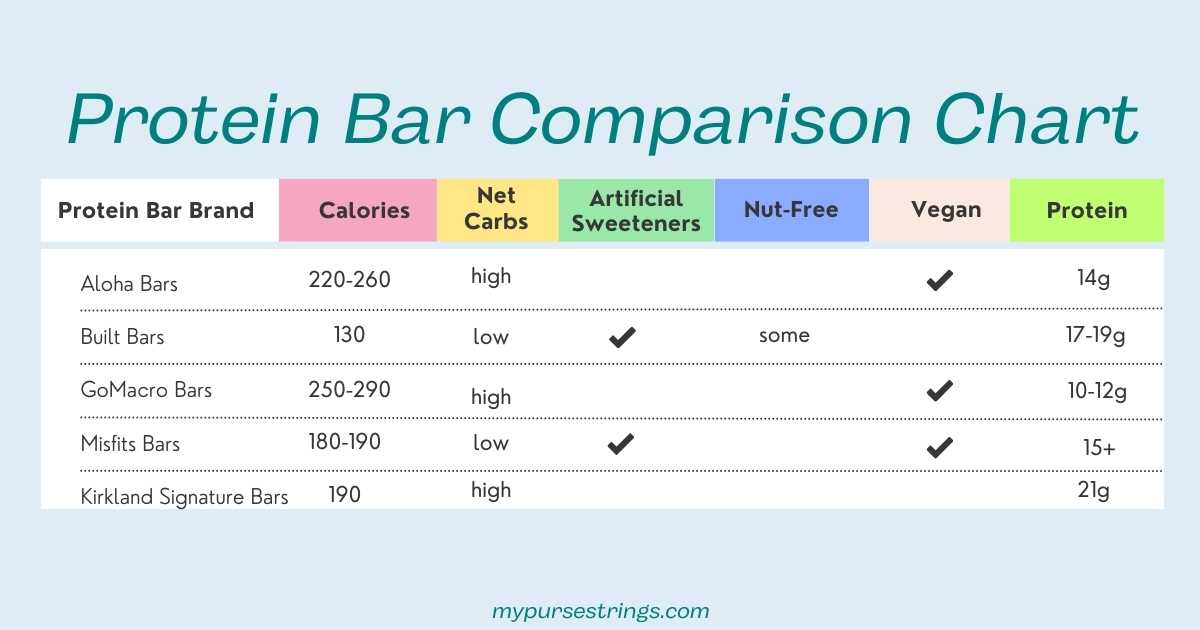
Looking at protein bar calories in isolation can be misleading. The more useful comparison is what the bar replaces. A 200-calorie protein bar may be reasonable if it replaces a larger snack with less protein, but it may add unnecessary calories if you eat it on top of a full meal.
Common U.S. snacks vary widely in calories. Greek yogurt, fruit, nuts, cheese, sandwiches, trail mix, and protein bars can all have very different calorie counts depending on portion size and ingredients.
This is why there is no universal answer to whether a protein bar is a better snack. The right comparison depends on your hunger, protein needs, calorie needs, food preferences, and the rest of your diet.
- ✦ Fruit
Often provides fewer calories than a protein bar but usually contains less protein.
- ✦ Greek yogurt
Can provide substantial protein and may have a calorie count similar to or lower than some bars, depending on the product.
- ✦ Nuts
Provide protein, unsaturated fat, and other nutrients, but their small size can hide a high calorie density.
- ✦ Trail mix
Can be energy-dense because it often combines nuts, seeds, dried fruit, chocolate, or other calorie-rich ingredients.
The Calorie-to-Protein Idea
One simple way to compare bars is to look at how much protein you get for the calories you spend. This is not a formal health score, but it can help when your main goal is to increase protein without adding too much energy.
For example, two bars could both contain 200 calories, but one might provide 20 grams of protein while another provides 10 grams. The first gives more protein for the same calorie budget, although the best choice still depends on the full nutrition label.
How Many Calories Should a Protein Bar Have?
There is no single ideal calorie count for every person. Your best choice depends on whether the bar is a snack, a pre-workout bite, a post-workout option, or part of a meal.
For a small snack, some people may prefer a bar around 100 to 200 calories. For a more substantial snack or meal replacement, a bar around 200 to 300 calories may make more sense. These are practical ranges, not medical targets.
Your total daily calorie needs depend on factors such as age, sex, body size, activity level, and health goals. If you have a medical condition or a specific nutrition plan, a registered dietitian can help set an appropriate target.

- ✦ For a light snack
A lower-calorie bar may be enough when you are only mildly hungry.
- ✦ Before exercise
Choose based on your workout, hunger, and tolerance. A bar with carbohydrates may be useful for some activities.
- ✦ After exercise
A bar with protein and carbohydrates can be convenient when a full meal is not available.
- ✦ As part of a meal
A higher-calorie bar may fit better when it replaces another part of the meal rather than being added on top.
What About Protein Bars for Muscle Gain?
If your goal is to build muscle, calories are only one part of the picture. Total protein intake, resistance training, recovery, and overall energy intake all matter.
A higher-calorie protein bar can be useful when you need a convenient source of protein and energy. It is not automatically better than a lower-calorie bar, though. Choose the amount that fits your daily needs.
Are Low-Calorie Protein Bars Always Better?
Not necessarily. A low-calorie bar can be useful when you want a small snack, but fewer calories do not automatically mean better nutrition. Some low-calorie products use sugar alcohols, added fibers, or other ingredients that may cause digestive discomfort for some people.
A slightly higher-calorie bar may keep you full longer if it provides more protein, fiber, or other useful nutrients. The right choice depends on your needs and how the food fits into your day.
It is also worth considering taste and satisfaction. A bar that leaves you hungry and leads you to eat several other snacks may not be as useful for you as a more filling option.
- ✦ Do not judge by calories alone
Consider protein, fiber, added sugar, fat, ingredients, and serving size too.
- ✦ Watch your digestion
Some bars contain large amounts of added fiber or sugar alcohols that may cause gas, bloating, or loose stools in sensitive people.
- ✦ Consider satisfaction
A bar that keeps you satisfied can be more practical than one with fewer calories but little staying power.
Calories Are Not the Enemy
Calories are simply a measure of energy. Your body needs energy to support basic functions, movement, exercise, and daily life.
The goal is not to avoid calories. The goal is to choose an amount and quality of food that fit your needs.
How to Choose a Protein Bar for Your Goal
Once you know how many calories are in protein bars, the next step is to match the product to your goal. Someone looking for a quick office snack may want a different bar from someone using it after a long workout.
Start with calories, then check protein and fiber. After that, look at added sugar, fat, ingredients, serving size, and your own tolerance. This simple process makes it easier to compare products without getting distracted by marketing claims.

- ✦ For weight management
Look for a calorie amount that fits your daily plan and provides enough protein and fiber to make the snack satisfying.
- ✦ For muscle support
Focus on adequate protein and enough total energy across the day, not just the protein bar itself.
- ✦ For convenience
Choose a bar you enjoy, can store easily, and can use when whole-food options are not practical.
- ✦ For pre-workout use
Consider the bar’s carbohydrate content, fat, fiber, portion size, and how close you eat it to exercise.
- ✦ For post-workout use
A bar with protein can be convenient when you cannot eat a normal meal soon after training.
A Practical Protein Bar Checklist
When shopping, take a few seconds to ask five questions. How many calories are in the bar? How much protein does it provide? How much fiber does it contain? How much added sugar is present? Does the ingredient list match what you want to eat?
This checklist works across brands and price ranges. It also keeps the focus on the nutrition facts rather than the marketing on the front of the package.
- ✦ Calories
Does the energy content fit the role of this bar in your day?
- ✦ Protein
Does it provide enough protein for your intended use?
- ✦ Fiber
Does it offer a useful amount of fiber without causing digestive issues for you?
- ✦ Added sugar
Is the amount reasonable for your overall diet?
- ✦ Ingredients
Do you recognize and feel comfortable with the main ingredients?
Common Mistakes When Counting Protein Bar Calories
Even people who track food carefully can miss details on protein bar labels. The most common mistake is assuming every bar is one serving. Some products may list more than one serving per package, so check the label before logging the food.
Another mistake is ignoring extras. A bar may be eaten with coffee, fruit, milk, or another snack. Those foods still count toward your total daily intake.
Finally, do not rely on the front of the wrapper. Claims such as “high protein,” “keto,” “natural,” or “low sugar” describe selected features. They do not tell you the full calorie or nutrition picture.
- ✦ Ignoring serving size
Always confirm whether the listed nutrition applies to one whole bar.
- ✦ Counting only protein
Protein is important, but carbohydrates and fat also contribute calories.
- ✦ Trusting marketing claims
Front-of-package claims do not replace the Nutrition Facts label.
- ✦ Forgetting companion foods
Calories from drinks, fruit, spreads, and other foods eaten with the bar still matter.