Are Protein Bars Good for Breakfast? Benefits, Drawbacks, and How to Choose One
For many Americans, breakfast happens between a school drop-off, a commute, a workout, or the first work call. That makes a protein bar an easy option. The key question is not just whether it has protein. You also need to look at fiber, added sugar, calories, fat, sodium, and the quality of the ingredients.
So, are protein bars good for breakfast? They can be. A well-made bar can help you get protein when you have little time to cook. But a bar is not automatically a healthy breakfast just because the package says high protein. The whole nutrition profile matters.
Think of a protein bar as a tool, not a magic food. It can work well on busy mornings, before a workout, or when you need a quick meal between errands. On slower days, a breakfast built around foods such as eggs, oatmeal, Greek yogurt, fruit, whole-grain toast, or nuts may offer more variety and a wider mix of nutrients.

Are Protein Bars Good for Breakfast?
The short answer is yes, but it depends on the bar and what else you eat. A protein bar can be a useful breakfast when it gives you a solid amount of protein, some fiber, and enough energy to meet your needs. It becomes less useful when it is mostly added sugar and refined ingredients with little fiber or nutritional value.
Protein helps support muscle repair and growth, and it can help you feel full after eating. Breakfast protein may also be useful for people who struggle to get enough protein across the day. Still, protein is only one part of a balanced meal.
When asking are protein bars good for breakfast, consider your entire morning. A bar with fruit and Greek yogurt is very different from a small candy-like bar eaten alone with coffee. The first option gives you a broader mix of protein, carbohydrates, fiber, vitamins, minerals, and fluids.

- ✦ A good breakfast bar
Usually provides meaningful protein, some fiber, moderate added sugar, and enough calories to fit your hunger and daily needs.
- ✦ A weak breakfast bar
May have a high protein claim but little fiber, lots of added sugar, or a calorie level that does not match your needs.
- ✦ The bigger picture
The rest of your breakfast matters. Adding fruit, dairy, nuts, or another whole food can improve the meal.
When a Protein Bar Makes Sense
A protein bar can make sense when time is short. It is portable, shelf-stable, and easy to eat in a car, at work, or after a morning workout. For someone who often skips breakfast, a sensible bar may be a better choice than eating nothing until lunch.
It can also help people who need more protein but do not enjoy cooking in the morning. The important point is to use the bar as part of a practical eating plan rather than assuming every bar is a complete meal.
- ✦ Busy mornings
A bar can provide a quick source of protein and energy when cooking is not practical.
- ✦ Post-workout mornings
A protein bar can be convenient after exercise, especially when a full meal will come later.
- ✦ Food access
Shelf-stable bars can be useful when refrigeration or cooking space is limited.
What Makes a Protein Bar a Good Breakfast Choice?
The nutrition label gives you more useful information than the front of the package. Words such as high protein, natural, keto, or low sugar can sound appealing, but they do not tell the full story. Compare the serving size, protein, fiber, added sugar, saturated fat, sodium, and total calories.
There is no single perfect number for every person. A smaller bar may work as a snack, while an active adult may need a larger breakfast. Your age, body size, activity, appetite, and health goals all affect what makes sense.
For many people, a bar with roughly 10 to 20 grams of protein can be a useful starting point, but this is not a universal rule. Some people need more protein, while others may get enough from the foods they eat with the bar.

- ✦ Protein
Look for a meaningful amount of protein for your needs. Protein can come from milk proteins, soy, eggs, nuts, seeds, or plant protein blends.
- ✦ Fiber
Fiber can support digestive health and may help you feel full. Oats, nuts, seeds, and some added fibers can raise the fiber content.
- ✦ Added sugar
Check the added sugar line rather than relying only on claims such as low sugar or naturally sweetened.
- ✦ Calories
Choose an amount that fits your hunger and daily energy needs. A very small bar may not be enough to serve as breakfast.
- ✦ Sodium and saturated fat
These can vary widely between bars, so check the Nutrition Facts label if you eat bars often.
Protein Is Important, but More Is Not Always Better
Protein is essential for many body functions. It helps build and maintain muscle and other tissues. But adding more protein does not automatically make a food healthier.
A bar with 30 grams of protein may sound better than one with 15 grams, yet the higher-protein bar could also contain more calories, saturated fat, sodium, or sweeteners. Compare the whole label rather than chasing the biggest protein number.
- ✦ Look beyond the protein claim
Compare protein with fiber, added sugar, calories, saturated fat, sodium, and the ingredient list.
- ✦ Match the bar to your needs
A snack-sized bar may work for one person, while another person may need a larger meal.
Benefits of Eating Protein Bars for Breakfast
Protein bars offer one major advantage: convenience. You can keep one in a desk drawer, gym bag, backpack, or pantry. That makes them useful for mornings when a cooked breakfast is not realistic.
They can also help you add protein to a diet that falls short. This may be useful for people who exercise regularly, have busy schedules, or simply prefer a quick breakfast. A bar can also be easier to portion than a large snack bag or a meal bought on the go.
Another benefit is consistency. If you have a simple breakfast option available, you may be less likely to skip breakfast or grab whatever food is easiest. That said, consistency should not mean eating the same highly processed bar every day without considering the rest of your diet.
- ✦ Convenience
Protein bars need little or no preparation and can travel well.
- ✦ Protein intake
They can make it easier to add protein to breakfast.
- ✦ Portion control
A single packaged bar gives you a defined portion, which can be useful for people who prefer simple meal planning.
- ✦ Easy storage
Many bars are shelf-stable, so they are practical for work, travel, and emergency snacks.
Protein Bars and Morning Workouts
If you train early, a protein bar can fit before or after exercise. Before a workout, some people prefer a smaller bar or one with carbohydrates that feels easy to digest. After training, a bar can provide protein when a full meal is not available right away.
Your own tolerance matters. Bars with a lot of fiber, sugar alcohols, or fat may cause stomach discomfort during exercise for some people. Test a new bar during normal training before relying on it on an important workout day.
- ✦ Before exercise
Choose a bar that you digest well and consider adding carbohydrates if your workout requires them.
- ✦ After exercise
A protein bar can be convenient when your next full meal is still some time away.
Potential Downsides of Protein Bars for Breakfast
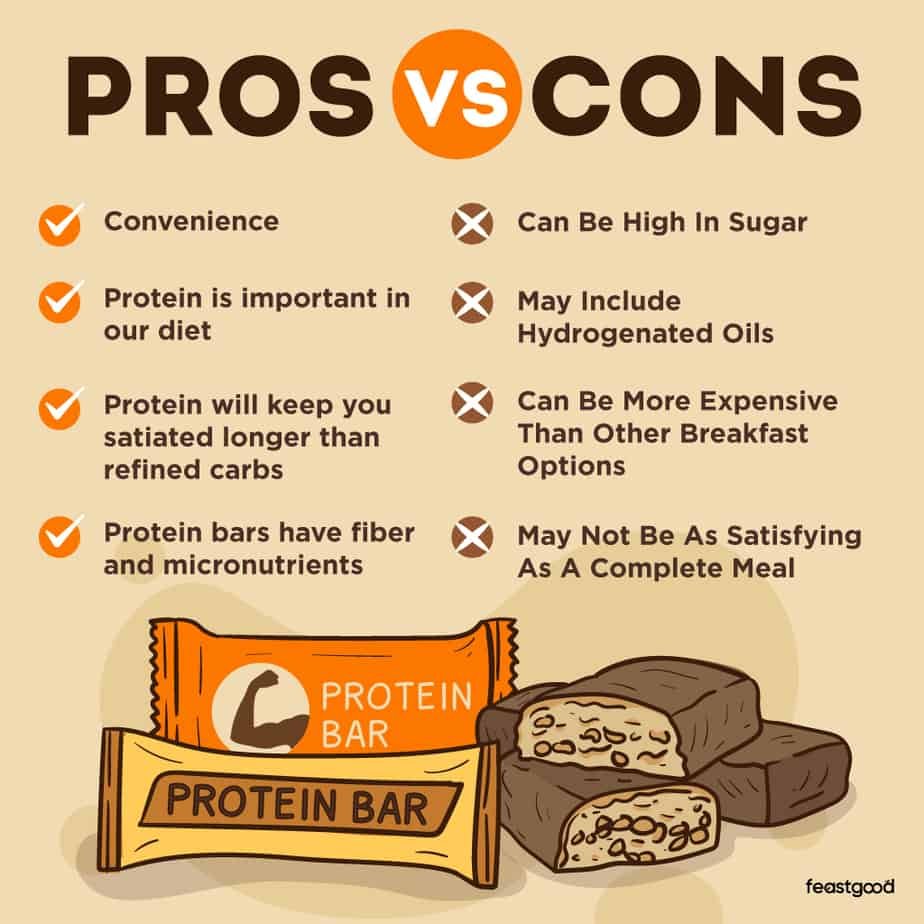
Protein bars are not automatically healthy. Some contain a long list of sweeteners, syrups, refined starches, and added fats. Others may be high in calories while offering little fiber or few whole-food ingredients.
Some bars also use sugar alcohols or added fibers. These ingredients can help lower sugar or raise fiber on the label, but they may cause gas, bloating, or diarrhea in sensitive people. If a bar bothers your stomach, try a different product rather than forcing yourself to eat it.
A bar can also become a poor breakfast when it does not satisfy you. If you are hungry again an hour later, the bar may not have provided enough food for your needs. Adding a whole food can often make the meal more satisfying.

- ✦ Added sugar
Some bars contain enough added sugar to make them closer to a sweet snack than a balanced breakfast.
- ✦ Low fiber
A high-protein bar may still have little fiber, especially when it is built around refined ingredients.
- ✦ Digestive issues
Sugar alcohols and some added fibers can cause digestive symptoms in some people.
- ✦ Not enough food
A small bar may not provide enough energy or volume to replace breakfast for everyone.
- ✦ Highly processed ingredients
Processing alone does not determine whether a food is healthy, but a bar should still fit into a diet that includes a variety of whole and minimally processed foods.
When a Protein Bar Is More Like a Snack
A bar with 150 calories and modest protein may be useful as a snack but may not be enough for breakfast. This is especially true if you have a long morning, exercise, or tend to feel hungry soon after eating.
There is nothing wrong with using a protein bar as a snack. The important step is to label it honestly in your own meal plan. If it does not keep you full, add food rather than simply eating another bar.
- ✦ Small bar
A small bar may work better as part of breakfast than as the entire meal.
- ✦ Long morning
If lunch is several hours away, include more food to support fullness and energy.
How to Build a Balanced Breakfast With a Protein Bar
If you like protein bars, you do not need to stop eating them. Instead, use simple food pairings to fill the gaps. Fruit can add carbohydrates, water, fiber, vitamins, and minerals. Greek yogurt or milk can add protein and calcium, while nuts or seeds can add healthy fats and more fiber.
This approach can make a bar feel more like a meal. It also gives you more control over what the breakfast contains. You do not need a complicated recipe or a large meal prep session.
For example, a protein bar with an apple and plain Greek yogurt can provide a wider range of nutrients than the bar alone. Another option is a bar with a banana and a glass of milk. The best combination depends on your hunger, preferences, activity, and dietary needs.

- ✦ Add fruit
Apples, bananas, berries, oranges, and other fruit can add fiber, carbohydrates, fluids, and micronutrients.
- ✦ Add Greek yogurt
Plain or lightly sweetened Greek yogurt can add protein and calcium.
- ✦ Add milk
Milk can provide protein, calcium, and fluid alongside the bar.
- ✦ Add nuts or seeds
A small serving of nuts or seeds can add unsaturated fat, fiber, and minerals.
- ✦ Drink water
A protein bar does not replace your need for fluids, so include water as part of your morning routine.
Simple Protein Bar Breakfast Ideas
A good breakfast does not need to look the same every day. You can change the pairing based on your schedule and hunger. The goal is to combine foods that give you enough protein and energy while adding nutrients that the bar may lack.
For a very busy morning, keep fruit and shelf-stable milk or another suitable drink available. At home, pair the bar with yogurt and berries. If you have more time, use the bar as a backup and choose a whole-food breakfast instead.
- ✦ Fast option
Protein bar plus a banana and water.
- ✦ Higher-protein option
Protein bar plus plain Greek yogurt and berries.
- ✦ More filling option
Protein bar plus fruit and a small serving of nuts or seeds.
- ✦ After a workout
Protein bar plus fruit and milk when a full meal is not available soon.
Protein Bar vs. Other Common Breakfast Foods
There is no need to treat protein bars as a replacement for every other breakfast. They are one option among many. Eggs, oatmeal, Greek yogurt, whole-grain toast, fruit, cottage cheese, and other foods can all fit into a healthy breakfast pattern.
Protein bars have an advantage in convenience. Whole foods often have an advantage in variety and can provide nutrients without relying on a packaged product. The best choice is the one that fits your needs while supporting a varied diet.
If you enjoy bars and they fit your nutrition needs, there is no reason to avoid them simply because they are packaged. At the same time, relying on bars for every meal can reduce food variety. Variety matters because different foods provide different nutrients.

- ✦ Protein bar
Best for convenience, portability, and quick protein.
- ✦ Oatmeal
A flexible breakfast that can provide whole grains and fiber, with protein added through milk, yogurt, nuts, seeds, or other foods.
- ✦ Greek yogurt and fruit
A simple combination that can provide protein, carbohydrates, calcium, and other nutrients.
- ✦ Eggs and whole-grain toast
A traditional option that can provide protein, carbohydrates, and a range of nutrients.
Is a Protein Bar Better Than Skipping Breakfast?
That depends on the person. Some people feel fine without breakfast and prefer to eat later. Others become hungry, distracted, or low on energy when they skip a morning meal.
If you are hungry and have no time to cook, a nutritious protein bar can be a practical choice. If you are not hungry, there is no universal rule that says you must eat a protein bar simply because it is morning.
- ✦ Listen to hunger
Your appetite and daily routine can help guide whether you need breakfast.
- ✦ Plan ahead
Keep a balanced option available if you often become hungry when you are away from home.
How to Read a Protein Bar Nutrition Label
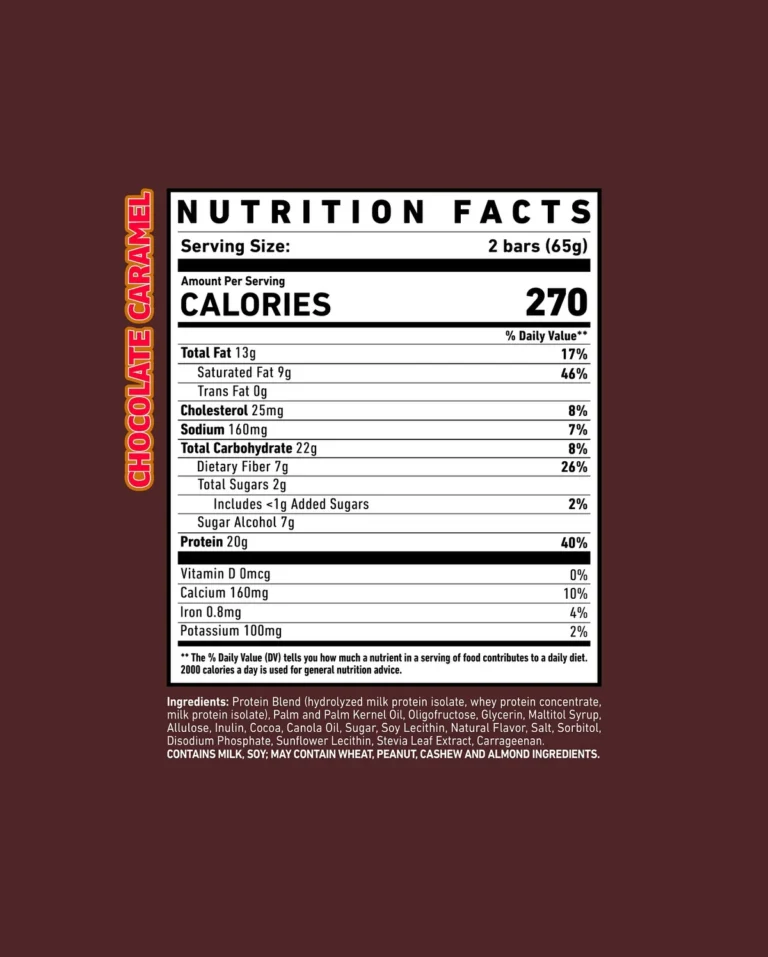
The Nutrition Facts label can help you answer are protein bars good for breakfast without relying on marketing claims. Start with serving size and calories. Then check protein, total carbohydrate, fiber, total sugar, added sugar, fat, saturated fat, and sodium.
Next, look at the ingredient list. Ingredients appear in order by weight, so the first few ingredients can tell you a lot about what makes up the bar. You do not need to avoid every ingredient with a long name. Instead, focus on the overall nutrition profile and how the food makes you feel.
Also remember that nutrition needs vary. Someone with diabetes, kidney disease, food allergies, digestive disorders, or another medical condition may need a more specific approach. In those cases, a registered dietitian or health professional can help you choose foods that fit your needs.
- ✦ Step 1: Check serving size
Make sure the Nutrition Facts panel applies to the amount you actually plan to eat.
- ✦ Step 2: Check protein
See how much protein the bar provides and whether that amount fits your breakfast needs.
- ✦ Step 3: Check fiber
More fiber can help make a breakfast more filling, although individual tolerance varies.
- ✦ Step 4: Check added sugar
Compare added sugar across products instead of judging a bar by its total sugar alone.
- ✦ Step 5: Check calories and fat
Consider total calories and saturated fat in the context of your whole diet.
- ✦ Step 6: Read the ingredients
Use the ingredient list to understand the main foods, protein sources, sweeteners, and other components in the bar.
Who May Benefit Most From Protein Bars at Breakfast?
Protein bars can be especially useful for people who need a portable breakfast. This includes commuters, students, travelers, shift workers, and people who train early. The main benefit is practical: the bar is easy to carry and requires little preparation.
They may also help people who have trouble eating enough protein from regular meals. Still, a protein bar should not become the only source of protein. A varied diet can include foods such as dairy, eggs, fish, poultry, beans, lentils, soy foods, nuts, and seeds.
People with medical nutrition needs should pay closer attention to the label. Some bars contain ingredients that may not suit certain allergies or digestive conditions. If you have a condition that requires dietary restrictions, check the full ingredient list and ask a qualified health professional when needed.
- ✦ Commuters
A bar can be easier to eat than a cooked breakfast during a busy commute.
- ✦ Early exercisers
A bar can offer a convenient source of protein before or after training.
- ✦ Travelers
Shelf-stable bars can be useful when healthy food choices are limited.
- ✦ Busy parents
A ready-to-eat option can help when morning schedules leave little time for cooking.
Who Should Be More Careful?
People with food allergies should check every ingredient and allergen statement. A bar may contain milk, soy, peanuts, tree nuts, wheat, or other allergens, and manufacturing practices can vary.
People with certain medical conditions may also need to consider protein, potassium, phosphorus, sodium, sugar, or other nutrients. A general recommendation about protein bars cannot replace individualized medical or nutrition advice.
- ✦ Food allergies
Read the allergen statement and full ingredient list before eating a new bar.
- ✦ Medical diets
Ask a qualified health professional whether a particular bar fits your dietary needs.
Are Protein Bars Good for Weight Loss?
A protein bar can fit a weight-loss plan, but the bar itself does not cause weight loss. Body weight changes are influenced by overall energy intake, activity, food choices, sleep, and many other factors. A bar can be helpful when it replaces a less filling snack and fits your overall calorie needs.
Protein and fiber can help with fullness, which may make it easier for some people to manage food intake. But some protein bars are calorie-dense and easy to eat quickly. A bar with several hundred calories can be a full meal, not a light snack.
If your goal is weight loss, compare the bar with the foods it replaces. A bar that keeps you satisfied for several hours may work better for you than a low-calorie bar that leaves you hungry soon after eating.
- ✦ Check calories
A protein label does not tell you whether the bar fits your overall energy needs.
- ✦ Check fullness
Choose foods that help you stay satisfied rather than focusing only on the lowest calorie number.
- ✦ Watch liquid calories
If you pair a bar with a drink, remember that the drink also contributes calories and nutrients.
Can Protein Bars Help You Stay Full?
They can, especially when they contain a useful amount of protein and fiber. But fullness is personal. Food volume, meal size, fat, fiber, protein, taste, and eating speed can all affect how satisfied you feel.
If a bar does not keep you full, pair it with a high-volume food such as fruit or plain yogurt. You can also choose a more substantial breakfast rather than forcing a bar to act as a complete meal.
- ✦ Protein plus fiber
This combination may support fullness better than a bar that is mostly refined carbohydrate.
- ✦ Add volume
Fruit or yogurt can make a small bar breakfast more substantial.