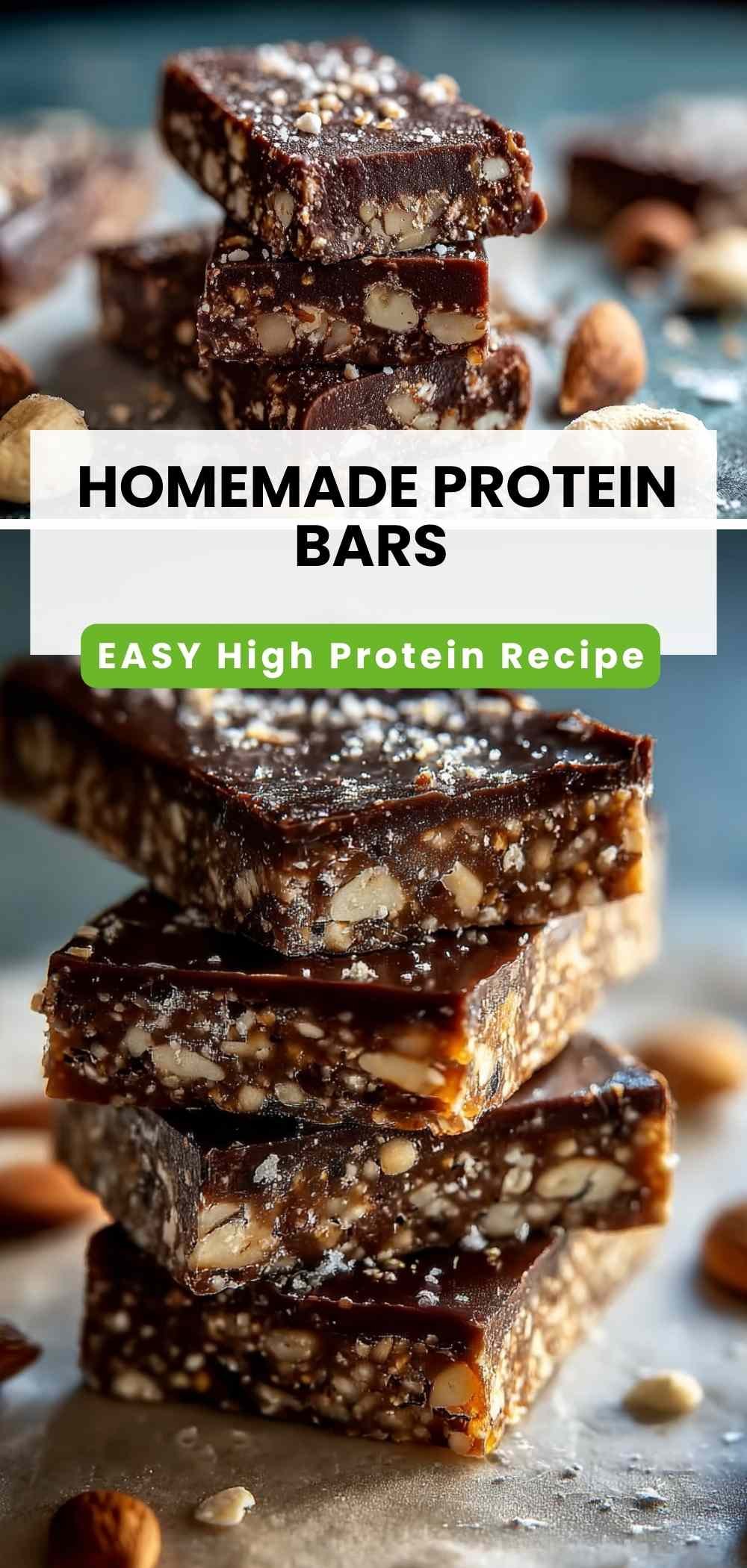
Make high protein bars by mixing protein powder, oats, nut butter, and a natural binder, then pressing the mixture into a pan and chilling until firm.
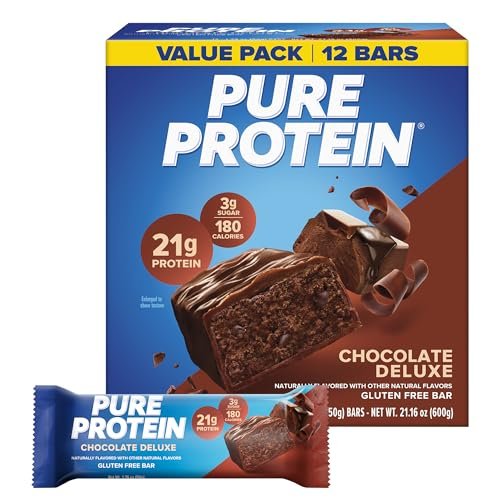
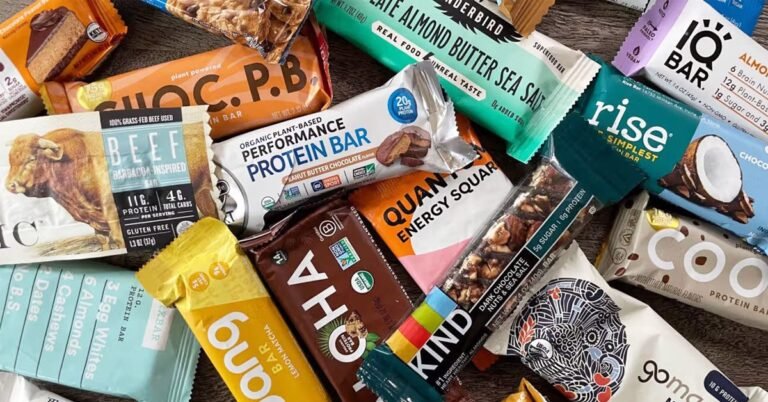
Whether you are heading to the gym, packing lunch for work, or looking for a filling snack between meals, homemade protein bars can make meal planning easier. In the United States, ready-made protein bars are common in grocery stores, fitness centers, and convenience shops. However, making your own gives you more control over the ingredients, flavor, texture, and amount of protein in each serving.
The basic method is simple. Combine a protein source, a dry base, and a sticky ingredient that holds everything together. Press the mixture into a lined pan, chill it, and cut it into bars. You do not need special equipment or advanced cooking skills.
This guide explains how to make high protein bars at home, how to choose the right ingredients, and how to adjust the recipe for your nutrition goals. It also covers common texture problems, storage, food safety, and ways to make each bar more filling. The main recipe is no-bake, so you can prepare a batch without turning on your oven.
Source: bitebloomery.com
What Are High Protein Bars?
High protein bars are compact snacks made with ingredients that provide a useful amount of protein. They may contain whey protein, milk protein, soy protein, pea protein, nuts, seeds, or other protein-rich foods. Many recipes also include oats, nut butter, dried fruit, and a sweetener.
Unlike ordinary snack bars, protein bars are designed to provide more protein in a convenient serving. Protein helps build and repair body tissues. It also supports muscle maintenance and many other normal body functions.
Homemade bars can be adjusted to suit different needs. You can make them with dairy-based protein powder, plant-based protein, less added sugar, or extra fiber. The key is to balance the ingredients so the bars taste good and hold their shape.
Source: julieannart.com
Protein source
Protein powder, milk powder, nuts, seeds, and nut butter provide protein. Using a measured amount makes the protein content easier to estimate.
Dry base
Oats, ground nuts, and seeds add structure. They help prevent the mixture from becoming too sticky.
Binder
Honey, nut butter, or another suitable sticky ingredient helps hold the mixture together.
Flavor ingredients
Cocoa powder, vanilla, cinnamon, and dried fruit add flavor without requiring a complicated recipe.
How Much Protein Should a Homemade Bar Have?
There is no single protein amount that makes a bar suitable for everyone. A small snack bar may provide less protein, while a larger bar made for a post-workout snack may contain more. Your total daily protein intake matters more than one snack in isolation.
For a practical homemade recipe, you can aim for roughly 12 to 20 grams of protein per bar. This is a recipe target, not a medical requirement. The actual amount depends on the ingredients and serving size.
For a light snack
A smaller bar with a moderate amount of protein may be enough between meals.
For a filling snack
Combine protein with oats, nuts, or seeds to add fiber and fat.
For workout nutrition
Consider your overall meal and daily protein needs instead of relying on a bar alone.
Ingredients You Need to Make High Protein Bars
You can make high protein bars with a short list of everyday ingredients. The best combination depends on your preferred flavor, protein source, and desired texture. Start with a basic recipe before adding extra ingredients.
For a balanced homemade bar, use protein powder as the main protein source, oats for structure, peanut butter for healthy fats and binding, and honey for sweetness. A small amount of milk helps adjust the texture when needed.
Measure your ingredients before mixing. Protein powders have different densities and moisture levels, so one brand may behave differently from another. Check the nutrition label rather than assuming every scoop contains the same amount of protein.
Source: i.pinimg.com
Protein powder
Whey protein concentrate, whey isolate, casein, soy protein, and pea protein are common choices. Select a product that fits your dietary needs and check its protein content per serving.
Rolled oats
Oats add carbohydrates, fiber, and structure. Use rolled oats or blend them into a coarse flour for a smoother texture.
Peanut butter
Natural peanut butter adds flavor, fat, and some protein. Almond butter or sunflower seed butter can also work.
Honey or maple syrup
These ingredients add sweetness and help bind the mixture. Their moisture and sugar content can affect the final texture.
Milk or plant milk
A small amount helps soften a dry mixture. Add it slowly because too much liquid can make the bars difficult to shape.
Flavor additions
Unsweetened cocoa, vanilla extract, cinnamon, chopped nuts, and a small amount of dark chocolate can improve flavor.
Which Protein Powder Works Best?
Whey protein is a common choice because it mixes well with many ingredients and provides a complete protein. Whey isolate usually contains more protein and less lactose per serving than whey concentrate, although exact values vary by brand.
Casein tends to absorb more liquid and can create a thicker mixture. It may require additional milk or nut butter to prevent the bars from becoming dry. Plant-based powders, such as pea or soy protein, are useful for people who avoid dairy, but their taste and texture vary.
If you use a flavored protein powder, taste the mixture before adding extra sweetener. Some products already contain sweeteners, cocoa, or vanilla.
Whey concentrate
A useful general option for homemade bars. It may contain some lactose.
Whey isolate
Often has a higher protein concentration and less lactose than whey concentrate.
Casein
Creates a thick mixture and may need more liquid to reach a workable consistency.
Pea or soy protein
Suitable alternatives for many plant-based recipes. Adjust the liquid based on how much the powder absorbs.
How to Choose a Healthy Binder
A binder is the ingredient that keeps the dry ingredients together. Peanut butter is a practical choice because it contains fat and helps create a soft, chewy texture. Honey and maple syrup add moisture and sweetness.
You can also use date paste or a small amount of mashed banana in some recipes. However, fruit-based binders add moisture and can shorten storage time. They may also change the flavor and texture.
How to Make High Protein Bars at Home: Easy No-Bake Recipe
This simple no-bake recipe makes a useful starting point for homemade high protein bars. It uses common ingredients and does not require an oven. You only need a mixing bowl, measuring cups, a spoon or spatula, and a small baking pan.
The recipe makes approximately 12 bars, depending on how you cut them. The final protein amount will depend on the exact brands and quantities used, so use the nutrition labels to calculate your own result.
Source: camilacooks.com
Ingredients
Prepare the following ingredients before you begin. Use a standard measuring cup and level off dry ingredients for more consistent results.
Rolled oats
2 cups of rolled oats.
Protein powder
1 cup of protein powder, or the measured amount needed to match your preferred protein target.
Peanut butter
1 cup of natural or regular peanut butter.
Honey
1/2 cup of honey. Adjust slightly if your protein powder is already sweet.
Milk
2 to 4 tablespoons of milk or unsweetened plant milk, added as needed.
Vanilla extract
1 teaspoon for extra flavor.
Dark chocolate chips
2 tablespoons, optional.
Step 1: Prepare the Pan
Choose an 8-inch square pan or another small rectangular container. Line it with parchment paper so the finished bars can be removed without sticking.
Leave a little extra paper over two sides. These edges will work as handles when you lift the chilled mixture from the pan.
Useful tip
Press the parchment paper into the corners before adding the mixture. A flat surface helps create bars with an even thickness.
Step 2: Mix the Dry Ingredients
Add the rolled oats and protein powder to a large bowl. Stir until the powder is spread evenly through the oats.
Break up any large lumps with a fork or spoon. This step helps prevent dry pockets of protein powder in the finished bars.
For a smooth texture
Pulse the rolled oats in a blender or food processor to make a coarse flour before mixing.
Step 3: Combine the Wet Ingredients
Place the peanut butter and honey in a separate microwave-safe bowl if they are too thick to stir. Warm them briefly in short intervals, using a microwave-safe container, until they become easier to mix.
Add the vanilla extract and stir until combined. The mixture should be smooth and easy to pour or scoop, not hot.
Important
Do not overheat the nut butter or honey. You only need enough warmth to soften them.
Step 4: Combine Everything
Pour the wet mixture into the bowl of dry ingredients. Stir with a strong spoon or spatula until the oats and protein powder are coated.
Check the texture before adding milk. If the mixture is dry and crumbly, add milk one tablespoon at a time. If it is already sticky and holds together when pressed, do not add more liquid.
Signs of the right texture
The mixture should hold together when squeezed in your hand. It should feel moist and slightly sticky without leaving a wet coating on your fingers.
Step 5: Add Optional Ingredients
Fold in dark chocolate chips, chopped almonds, pumpkin seeds, or other suitable additions. Keep the total amount moderate so the mixture remains easy to press into the pan.
Taste a small portion before shaping the bars. If you want more sweetness, add a little honey. If the mixture tastes too sweet, a small amount of unsweetened cocoa powder can help balance the flavor.
Step 6: Press the Mixture Into the Pan
Transfer the mixture to the lined pan. Spread it toward the corners with a spatula, then press it down firmly using the back of a spoon or clean hands.
Make the surface as level as possible. Pressing the mixture firmly helps the bars stay together after chilling.
Better shape
Use the bottom of a flat measuring cup to press the mixture into an even layer.
Step 7: Chill Until Firm
Place the pan in the refrigerator for about 1 to 2 hours. The mixture should become firm enough to lift from the pan and cut into clean pieces.
If the center still feels soft, leave it in the refrigerator longer. Chilling time can vary with the pan, ingredient temperature, and moisture level.
Step 8: Cut and Store the Bars
Lift the chilled mixture from the pan using the parchment paper. Place it on a cutting board and use a sharp knife to cut it into 12 even bars.
Wrap the bars individually or place them in a sealed food-safe container. Refrigerate them and keep them cold until you are ready to eat.
Signs of success
The bars should hold their shape, feel firm but not rock-hard, and have an even texture without dry pockets.
How to Calculate Protein in Homemade Protein Bars
The easiest way to calculate protein per bar is to add the protein from every ingredient and divide the total by the number of bars. Do not estimate protein from the size of a scoop alone because serving sizes vary between products.
Start by checking the nutrition facts label on your protein powder, oats, peanut butter, milk, and other ingredients. Use the actual amount in your recipe rather than the full package serving when the quantities differ.
The following table shows a hypothetical example of how to calculate protein. The numbers are estimates for illustration and are not verified nutrition values for every brand.
Source: minikitchenmagic.com
Read the label
Find the protein amount per serving and the serving size in grams or tablespoons.
Measure your recipe
Work out how many label servings you used. Multiply the protein per serving by that number.
Add all sources
Include the protein from oats, nut butter, milk, seeds, and other ingredients.
Divide by the number of bars
Divide the total protein by the number of equal portions you cut.
Example Protein Calculation
Suppose your ingredients provide an estimated 180 grams of protein in total. If you divide the mixture into 12 equal bars, each bar provides about 15 grams of protein.
The calculation is simple: 180 grams divided by 12 bars equals 15 grams per bar. If you cut the same mixture into 10 larger bars, each one would provide about 18 grams, assuming the mixture is evenly divided.
Total recipe protein
180 grams in this hypothetical example.
Number of bars
12 equal portions.
Protein per bar
Approximately 15 grams.
How to Increase Protein Without Making Bars Too Dry
Adding more protein powder is not always the best way to increase protein. Protein powder absorbs moisture, and too much can make a bar chalky, stiff, or difficult to chew.
Instead, adjust the recipe gradually. You can replace part of the oats with protein powder, add skim milk powder, or use a higher-protein nut or seed ingredient. Increase the binder or liquid slightly when the mixture becomes too dry.
Use skim milk powder
It adds dairy protein and can improve the body of some recipes.
Add more protein powder carefully
Start with a small increase and check the texture before adding more.
Choose higher-protein ingredients
Soy protein, dairy protein, and some seeds can contribute additional protein.
Keep the serving size realistic
A larger bar may contain more protein, but it also contains more calories and other nutrients.
How to Customize High Protein Bars for Different Diets
One benefit of homemade protein bars is that you can change the ingredients to match your food preferences. The same basic recipe can produce chocolate bars, fruit bars, nut-free bars, or plant-based snacks.
However, changing one ingredient can affect the texture, sweetness, and nutrition of the entire batch. Make small changes and test the mixture before pressing it into the pan.
Source: savingandsimplicity.com
How to Make Chocolate Protein Bars
Add 2 to 3 tablespoons of unsweetened cocoa powder to the dry ingredients. Chocolate or chocolate-flavored protein powder can add more flavor, but check its sweetener content first.
You can also add a small amount of dark chocolate chips. If the cocoa makes the mixture dry, add a little milk or nut butter until it holds together.
How to Make Low-Sugar Protein Bars
Reduce the honey or maple syrup and use an unsweetened protein powder. You may also choose a nut butter without added sugar.
Remember that reducing sweetener can change the texture because honey and syrup also act as binders. You may need a little extra nut butter or another suitable ingredient to help the bars hold together.
Sugar-free sweeteners do not all behave like honey. Some provide sweetness without moisture or binding, so a direct one-to-one replacement may not work.
How to Make Vegan High Protein Bars
Use pea, soy, or another suitable plant-based protein powder instead of whey or casein. Choose a plant-based milk and replace honey with maple syrup or date paste.
Check every ingredient label if you need the bars to be fully vegan. Some protein powders and chocolate products contain milk ingredients or other animal-derived additives.
How to Make Nut-Free Protein Bars
Replace peanut butter or almond butter with sunflower seed butter if it fits your dietary needs. Pumpkin seed butter is another possible option.
Use oats, seeds, and a suitable binder to maintain the structure. Check the protein powder and all packaged ingredients for allergen warnings if the bars are being prepared for someone with a food allergy.
How to Make Gluten-Free Protein Bars
Choose oats labeled gluten-free and check the protein powder, flavorings, and other packaged ingredients. Oats can be exposed to gluten-containing grains during growing or processing.
For someone with celiac disease, ingredient selection and cross-contact control matter. Use products that meet the person’s dietary requirements and prepare the bars on clean equipment.
Baked vs. No-Bake High Protein Bars
Both baked and no-bake protein bars can be useful homemade snacks. The main difference is how the mixture sets and how much moisture it contains.
No-bake bars are usually easier for beginners because they require fewer steps. Baked bars can create a firmer, more cookie-like texture, but protein powder can become dry when exposed to too much heat.
Source: i.pinimg.com
No-bake bars
Mix the ingredients, press them into a pan, chill, and cut. They are convenient and do not need oven time.
Baked bars
Use a recipe designed for baking. Baking can help set some mixtures, but the time and temperature need to match the ingredients.
Texture
No-bake bars are often soft and chewy, while baked bars can be firmer or more cake-like.
Storage
Neither method automatically makes bars shelf-stable. Storage depends on moisture, ingredients, handling, and the recipe.
Can You Bake Homemade Protein Bars?
Yes. You can bake protein bars, but it is best to follow a recipe developed for baking rather than simply placing a no-bake mixture in the oven.
A baked mixture may need eggs, mashed fruit, or another ingredient to help it set. Protein powder can dry out when overbaked, so check the bars before the expected cooking time ends.
Allow baked bars to cool fully before cutting and storing them. If the recipe contains eggs or dairy, follow suitable food safety and refrigeration guidance.
Common Mistakes When Making High Protein Bars
Most homemade protein bar problems come from the balance between dry ingredients and wet ingredients. Protein powder, oats, and nut butter can absorb moisture in different ways, so the mixture may need small adjustments.
The best approach is to change one thing at a time. This makes it easier to identify the cause and improve the next batch.
Source: camilacooks.com
Adding too much protein powder
Too much powder can create a chalky, dry texture. Reduce the amount or add a little more binder or liquid.
Adding too much milk
Excess liquid makes the mixture sticky and difficult to cut. Add oats or a small amount of protein powder to correct it.
Not pressing firmly
A loosely packed mixture may fall apart. Press it evenly into the pan before chilling.
Using too little binder
Dry ingredients need enough nut butter or another suitable binder to hold together. Adjust the amount gradually.
Skipping the chilling step
Warm mixtures may be too soft to cut. Refrigerate until firm before slicing.
Cutting the bars too early
Give the mixture enough time to set. Use a sharp knife and wipe the blade between cuts if needed.
Adding too many extras
Large amounts of nuts, chocolate, or dried fruit can weaken the structure. Keep additions moderate.
What to Do If Your Protein Bars Fall Apart
If the mixture falls apart before chilling, it may need more binder or a small amount of liquid. Add one tablespoon at a time and mix again.
If the mixture breaks after chilling, return the pieces to a bowl. Add a little nut butter or another suitable binder, mix, and press the mixture into the pan again.
Avoid adding a large amount of liquid at once. A mixture that becomes too wet can be harder to fix than one that is slightly dry.
What to Do If Your Bars Are Too Sticky
Sticky bars may contain too much honey, nut butter, or liquid for the amount of dry ingredients. Add a small amount of oats or protein powder and mix until the texture improves.
Chill the mixture again before cutting. You can also use parchment paper between layers when storing the bars to reduce sticking.
What to Do If Your Bars Are Too Hard
Bars that feel very hard may contain too much dry powder or too little moisture. A protein powder that absorbs a lot of liquid can also cause this problem.
For the next batch, reduce the dry ingredients slightly or increase the binder. If the current batch is safe to eat, allow a portion to sit briefly at room temperature before eating, while keeping the remaining bars properly refrigerated.
How to Store Homemade High Protein Bars Safely
Homemade protein bars do not automatically have the long shelf life of commercially packaged bars. Their storage life depends on ingredients, moisture, preparation methods, and handling.
Bars made with milk, fresh fruit, mashed banana, or other moist ingredients should be treated as perishable. Refrigerate them in a sealed container and avoid leaving them at room temperature for long periods.
For general food safety, keep refrigerated foods at 40 degrees Fahrenheit or below. Follow the USDA’s food safety guidance for time limits and handling, especially when a recipe contains perishable ingredients.
Refrigerator
Keep homemade bars in an airtight container at 40 degrees Fahrenheit or below. A practical starting point is to prepare small batches and use them within about one week, unless the recipe or ingredients require a shorter period.
Freezer
Wrap individual bars and place them in a freezer-safe container. Freezing can help preserve quality for longer storage, although texture may change after thawing.
Room temperature
Do not assume a homemade bar is safe at room temperature just because it contains protein powder or honey. Moisture and other ingredients affect food safety.
Individual wrapping
Use clean food-safe wrapping or containers to protect the bars and make portions easier to pack.
Can You Freeze Homemade Protein Bars?
Yes. Freezing is a useful way to store extra bars when you prepare a large batch. Wrap each bar separately, place the portions in a sealed freezer-safe container, and label the container with the preparation date.
For best texture, thaw a bar in the refrigerator before eating. Avoid repeated thawing and refreezing because it can affect quality and food safety.
How to Tell If Protein Bars Have Gone Bad
Check the bars before eating them. Discard any bar with visible mold, an unusual smell, unexpected changes in texture, or signs of contamination.
Do not taste a bar to determine whether it is safe. Food can contain harmful microorganisms without an obvious change in smell or appearance. When storage history is uncertain, the safer choice is to throw it away.
Are Homemade High Protein Bars Healthy?
Homemade high protein bars can be part of a balanced eating pattern, but their nutritional value depends on the ingredients and portion size. Making them at home does not automatically make them low in calories, low in sugar, or suitable for every diet.
Nut butter, seeds, oats, and protein powder can provide useful nutrients. However, these ingredients also contribute calories. Honey, chocolate, and dried fruit can add more sugar, even when the recipe uses natural ingredients.
A balanced bar should provide protein while also fitting your overall needs for calories, carbohydrates, fats, and fiber. Think of it as one part of your daily food plan rather than a replacement for every meal.
Benefits of Making Protein Bars at Home
Preparing protein bars at home gives you control over the ingredient list. You can choose the protein source, reduce added sweeteners, avoid ingredients that cause problems for you, and adjust the portion size.
Homemade bars can also make meal preparation easier. A batch can provide ready-to-eat snacks for several days when stored correctly.
Ingredient control
You decide which protein powder, sweetener, fats, and flavor ingredients go into the recipe.
Flexible portions
Cut smaller or larger bars depending on your snack needs.
Dietary adjustments
Adapt the recipe for many dairy-free, vegan, gluten-free, or nut-free preferences.
Meal preparation
Prepare several portions in one session and store them for later use.
Who Should Check the Ingredients Carefully?
People with food allergies should check every ingredient and the risk of cross-contact. Peanut butter, tree nuts, dairy, soy, and other common allergens may appear in protein bar recipes.
People with diabetes may want to review total carbohydrates, added sugars, fiber, and serving size rather than looking at protein alone. A protein bar can still contain a substantial amount of carbohydrate.
People with kidney disease or another condition that affects protein needs should ask a qualified health professional or registered dietitian before making a high-protein snack a regular part of their diet.
When and How to Eat Homemade Protein Bars
Homemade protein bars can work as a snack before or after exercise, between meals, or when you need a convenient option during a busy day. The best time depends on your schedule and overall diet.
A protein bar is not a complete substitute for every meal. A balanced meal usually includes several food groups, such as protein foods, vegetables or fruit, whole grains, and suitable sources of fat.
Before exercise
Choose a portion that feels comfortable to digest. Some people prefer a smaller, lower-fat snack before activity.
After exercise
A protein bar can be convenient when a full meal is not available. It can contribute to your overall daily protein intake.
At work or school
Pack a properly chilled bar in an insulated lunch bag with a cold source when it contains perishable ingredients.
Between meals
Pair a bar with fruit or another suitable food if you need a more substantial snack.
Do You Need Protein Bars Every Day?
No. Protein bars are convenient, but they are not essential for a healthy diet. You can meet your protein needs through foods such as eggs, fish, chicken, dairy products, beans, lentils, tofu, and nuts.
Use homemade bars when they solve a practical problem, such as limited time or the need for a portable snack. If regular meals already meet your needs, you may not need an extra protein bar.
Frequently Asked Questions
Q
What is the easiest way to make high protein bars?
The easiest method is to mix protein powder, rolled oats, peanut butter, and honey in a bowl. Add a little milk if the mixture is too dry, press it into a parchment-lined pan, and refrigerate until firm. Cut it into individual bars and store them in a sealed container in the refrigerator.
Q
How can I make protein bars with 20 grams of protein?
Start by calculating the protein in your ingredients. Choose a protein powder with a clearly stated protein amount, then add protein from ingredients such as milk powder, soy protein, or seeds. Divide the total protein by the number of bars you make.
For example, a recipe containing 240 grams of protein divided into 12 equal bars provides approximately 20 grams per bar. These are hypothetical numbers, so use your own ingredient labels to calculate the actual amount.
Q
Can I make high protein bars without protein powder?
Yes. You can use ingredients such as peanut butter, almonds, pumpkin seeds, hemp seeds, milk powder, soy ingredients, and other protein-rich foods. However, reaching a high protein amount without protein powder may require more ingredients and a larger serving size.
Calculate the total protein from the nutrition labels to see whether the recipe meets your target.
Q
Why are my homemade protein bars dry and crumbly?
The mixture may contain too much protein powder or oats and not enough binder or moisture. Protein powders also vary in how much liquid they absorb.
Add a small amount of peanut butter, honey, or milk and mix again. Press the mixture firmly into the pan and chill it before cutting.
Q
Can I make high protein bars without baking?
Yes. No-bake protein bars are among the simplest homemade options. Combine your ingredients, press the mixture into a lined pan, and refrigerate until firm. No oven is needed.
Q
How long do homemade high protein bars last?
Storage time depends on the recipe and ingredients. A practical approach is to refrigerate homemade bars in a sealed container and prepare a small batch for use within about one week. Recipes containing fresh fruit or other highly perishable ingredients may need shorter storage.
You can freeze individually wrapped bars for longer storage. Always discard bars with mold, unusual odors, or uncertain storage histories.
Q
Can I use plant-based protein powder in homemade bars?
Yes. Pea, soy, and other plant-based protein powders can work well. Their flavor and moisture absorption vary, so you may need to adjust the amount of liquid or binder.
Check the label to confirm the protein content and make sure the product meets your dietary requirements.
Q
Are homemade protein bars good for weight loss?
They can fit into a weight-management plan, but they do not cause weight loss by themselves. Portion size and total calorie intake matter. Ingredients such as nut butter, seeds, honey, and chocolate can add substantial calories.
For a more balanced snack, use a measured portion and include ingredients that provide protein and fiber. Consider your overall eating pattern rather than judging a food by its protein content alone.
✦ Wrapping Up
Conclusion
Learning how to make high protein bars at home is a simple way to prepare convenient snacks with ingredients you choose. A basic combination of protein powder, oats, peanut butter, and honey can create soft, chewy bars without baking. You can then change the flavor, protein source, sweetness, and texture to suit your needs.
The most important part is getting the ingredient balance right. Add liquid slowly, use enough binder, press the mixture firmly, and allow it to chill before cutting. Calculate the protein from the nutrition labels instead of assuming every homemade bar contains the same amount.
Homemade protein bars can support an active routine and make snack preparation easier. Store them safely, watch your portion size, and remember that whole foods and balanced meals remain important parts of a healthy diet.
💡 Key Takeaway
Start with the no-bake recipe using oats, protein powder, peanut butter, and honey. Make one small batch, calculate its protein from the ingredient labels, and adjust the texture or sweetness before preparing your next batch.