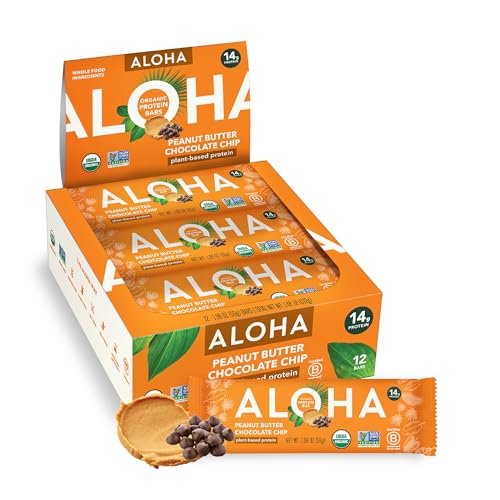
You can eat a protein bar before or after a workout. Eat it before exercise if you need a convenient snack, or afterward to help meet your protein needs and support muscle recovery.
For many Americans, fitting exercise into a busy day means working out before work, during a lunch break, or after dinner. A protein bar can be an easy snack to carry in a gym bag, keep in a desk drawer, or eat on the way home from the gym. However, the best time to eat one depends on your last meal, exercise plan, and daily nutrition needs.
Protein plays an important role in muscle repair and growth. During resistance training, your muscles experience stress that helps trigger adaptation. Eating enough protein gives your body the amino acids it needs to build and maintain muscle tissue. A protein bar can help supply those nutrients, although it is not required for every workout.
The International Society of Sports Nutrition reportsthat protein intake both before and after resistance exercise can support muscle protein synthesis. Its position stand also explains that total daily protein intake is a major factor in muscle development. This means you do not need to rush to eat a bar the moment your workout ends.
In this guide, you will learn when to eat a protein bar, how much protein to look for, what changes with different workouts, and how to choose a bar that fits your goals. You will also learn when a regular meal may be a better option.
Source: cdn.outrank.so
Should You Eat Protein Bars Before Or After A Workout?
You can eat a protein bar before or after exercise. Neither option is automatically better for everyone. Your daily protein intake, workout type, meal schedule, and digestive comfort help determine which timing makes more sense.
If you have not eaten for several hours, a bar before exercise may be a practical way to add nutrients before training. If you have already eaten a protein-rich meal, saving the bar for afterward may be more useful.
After exercise, your body begins adapting to the stress placed on your muscles. Protein provides amino acids that help support this process. However, muscle recovery does not begin and end within a narrow window of a few minutes.
The best approach is to plan your protein intake across the day. A bar is simply one way to fill a gap when a regular meal is not available.
Source: bulk.com
Choose before your workout
This can work well when your last meal was several hours ago and you want a convenient snack before training.
Choose after your workout
This is useful when you need protein after exercise and cannot eat a full meal soon.
Use either option
If both choices fit your meal schedule, focus on your overall nutrition rather than worrying about an exact time.
Benefits Of Eating A Protein Bar Before A Workout
Eating a protein bar before exercise can be useful when you need a quick and portable snack. It provides protein before your muscles face the demands of training. Some bars also contain carbohydrates, which can help provide energy.
Protein is not the body’s main fuel source during most workouts. Carbohydrates and stored fat play larger roles in supplying energy, depending on exercise intensity and duration. Still, having protein in your pre-workout meal can help support your overall nutrition.
A bar may also help prevent you from starting a workout feeling hungry. This can be useful if you train early in the morning or exercise after a long workday. However, a large or high-fiber bar may cause stomach discomfort if you eat it too close to intense exercise.
Convenient nutrition
A packaged bar is easy to carry and requires no cooking or food preparation.
Helps meet daily protein needs
Eating protein before training can contribute to the total amount you need throughout the day.
May reduce hunger
Protein can help you feel satisfied, which may make it easier to exercise without hunger distracting you.
Provides carbohydrates when included
Some bars contain carbohydrates that can help support energy needs during longer or more demanding exercise.
How Long Before Exercise Should You Eat A Protein Bar?
For many people, eating a protein bar about 60 to 90 minutes before exercise is a practical starting point. This gives your digestive system some time to process the snack. The ideal interval can vary with the bar’s size, fat content, fiber content, and your personal tolerance.
If you have a sensitive stomach, try eating a smaller portion earlier. A bar with a large amount of fat or fiber may take longer to digest. Avoid testing a new snack right before an important race or demanding workout.
If you eat a full meal two or three hours before training, you may not need another snack. Your meal may already provide enough protein and carbohydrates for that session.
30 minutes before
A small, easy-to-digest snack may work if you tolerate it well. Avoid a large bar if it makes you feel heavy.
60 to 90 minutes before
This is a reasonable starting range for many people who want to eat a regular-sized bar.
Two to three hours before
A larger meal may fit this schedule better than relying on a protein bar alone.
Is A Protein Bar Good Before Weightlifting?
A protein bar can be a useful snack before weightlifting, especially when you have not eaten protein recently. Resistance training places stress on muscle tissue, and protein supplies the amino acids needed for muscle protein synthesis.
For a demanding lifting session, look for a bar that contains protein and some carbohydrates. Protein supports muscle repair, while carbohydrates help supply energy for repeated sets and training volume.
A bar is not a substitute for a balanced diet. If you already had a meal containing eggs, yogurt, chicken, beans, or another protein source, another bar may not offer much additional value.
Benefits Of Eating A Protein Bar After A Workout
Eating a protein bar after exercise is a convenient way to provide your body with protein during recovery. This can be helpful after weightlifting, resistance circuits, or other demanding training sessions.
Exercise increases the body’s need to repair and adapt to muscle stress. Muscle protein synthesis is the process through which your body builds new muscle proteins. Eating protein provides the amino acids that support this process.
A post-workout bar can be especially useful when you are leaving the gym and cannot prepare a meal right away. It can help bridge the gap between exercise and your next regular meal.
However, you do not have to eat a protein bar immediately after your final set. The body remains responsive to protein intake for many hours after exercise. Your previous meal and total daily protein intake also affect how urgently you need another serving.
Source: i.pinimg.com
Supports muscle repair
Protein supplies amino acids that your body uses to repair and maintain muscle tissue.
Helps build muscle
Adequate protein intake, combined with progressive resistance training, supports muscle growth over time.
Convenient after gym sessions
A bar can provide a portable source of protein when a full meal is not available.
Helps fill nutrition gaps
A protein bar can help you reach your planned daily intake when meals alone do not provide enough.
How Soon Should You Eat A Protein Bar After Exercise?
You can eat a protein bar soon after exercise if you are hungry or need a convenient source of protein. For many healthy adults, eating a protein-rich meal or snack within a few hours is a practical approach.
The idea that you must consume protein within 30 minutes or lose your chance to build muscle is misleading. Research indicates that the muscle-building response to resistance exercise can remain elevated for at least 24 hours, although its strength changes over time.
The timing of your last meal matters. If you ate a protein-rich lunch shortly before an afternoon workout, you may not need another protein serving the moment you finish. If you trained after several hours without food, eating afterward may be more useful.
After a fasted morning workout
A protein bar can be a convenient option while you prepare breakfast.
After an evening workout
A bar may help if dinner is delayed, but a balanced dinner can provide the same basic nutritional role.
After a short workout
You may not need a special recovery snack if your regular meals already meet your needs.
Is A Protein Bar Better Than A Protein Shake After Exercise?
Neither a protein bar nor a protein shake is always better. Both can provide protein, and the best option depends on your preferences, digestion, ingredients, and schedule.
A shake may be easier to consume when you do not feel like chewing after exercise. A bar is more portable and does not require a shaker bottle or water for preparation.
Some bars contain added fiber, sugar alcohols, or large amounts of fat. These ingredients may cause digestive discomfort in some people. Shakes can also contain ingredients that do not agree with everyone.
Compare the nutrition labels rather than assuming one format is superior. Look at protein per serving, calories, carbohydrates, added sugars, and ingredients.
How Much Protein Should You Eat Around A Workout?
The right amount of protein depends on your body weight, activity level, age, health, and training goals. There is no single serving size that works for every person.
The International Society of Sports Nutrition identifies approximately 20 to 40 grams of high-quality protein per serving as a useful general range for many exercising adults. It also discusses an intake of approximately 0.25 grams per kilogram of body weight per serving.
These figures are practical reference points, not a rule that requires everyone to eat 40 grams after every workout. A smaller person may need less, while someone with a higher body weight or demanding training schedule may need more.
For muscle growth and maintenance, the same position stand gives a general daily range of 1.4 to 2.0 grams of protein per kilogram of body weight for many exercising individuals. Individual needs may differ, and this range should not be treated as a universal prescription.
Look at the serving size
Check whether the package lists nutrition for one whole bar or only part of it.
Check protein quality
Look for sources that provide essential amino acids, such as dairy proteins, soy, eggs, or suitable plant protein blends.
Consider your daily intake
A bar should contribute to your overall protein plan rather than become your only protein source.
Example Of Daily Protein Needs
Consider a hypothetical healthy adult who weighs 70 kilograms and regularly performs resistance training. Using the general 1.4 to 2.0 grams per kilogram range, the estimated daily protein target would be 98 to 140 grams.
One protein bar containing 20 grams would provide part of that amount. The remaining protein could come from breakfast, lunch, dinner, and other snacks.
This calculation is an example, not an individualized nutrition plan. People with kidney disease, certain medical conditions, or specific dietary restrictions may need different advice from a qualified health professional.
Body weight
70 kilograms.
Lower example target
70 multiplied by 1.4 equals 98 grams of protein per day.
Upper example target
70 multiplied by 2.0 equals 140 grams of protein per day.
Protein from one bar
A 20-gram bar supplies 20 grams toward the daily total.
Protein Bars Before Or After Different Types Of Workouts
Your exercise type can change how you plan your snack. Weightlifting, running, cycling, and low-intensity exercise place different demands on the body.
Protein helps with muscle maintenance and repair, but carbohydrates are especially important for activities that require sustained or repeated energy output. A protein bar that contains both nutrients may be useful, but the amount you need depends on the session.
Weightlifting
A protein-containing snack before or after resistance training can help you meet your daily protein needs and support muscle adaptation.
Running
For longer runs, carbohydrates are often more important for immediate energy. Protein can be included in meals and recovery snacks.
Cycling
Long rides can increase carbohydrate needs. A protein bar may be useful afterward, but it should not replace adequate carbohydrate intake.
High-intensity interval training
A mixed snack may suit demanding sessions, especially when your previous meal was several hours earlier.
Walking and light exercise
A special protein bar is usually unnecessary if you already eat enough protein through regular meals.
Protein Bars For Strength Training
Strength training creates a stimulus for muscle growth and maintenance. Adequate protein intake helps your body respond to this stimulus.
If your goal is to gain muscle, spread protein across meals and snacks during the day. A bar can fit before or after training based on your meal schedule.
Remember that protein alone does not build muscle. Progressive resistance training, enough calories, sleep, and consistent recovery all matter.
Protein Bars For Cardio And Endurance Exercise
Long cardio sessions can use a substantial amount of stored carbohydrate. If you run, cycle, swim, or take part in long endurance events, carbohydrate intake deserves special attention.
A protein bar may be more useful after a long session than during intense exercise. Some bars are dense and slow to digest, making them uncomfortable during running or cycling.
For short cardio sessions, your regular meals may provide enough nutrition. You do not need to add a protein bar just because you completed a workout.
What To Look For In A Good Workout Protein Bar
A good workout protein bar should match your nutrition goals, digestion, and dietary needs. Do not judge a bar by its protein number alone.
Start with the protein source. Whey, milk protein, casein, soy, and certain plant-based blends can provide useful amino acids. If you follow a vegan diet, check whether the bar uses a suitable combination of plant proteins.
Next, look at the amount of carbohydrates, added sugars, fiber, fat, and total calories. These values help you decide whether the bar works better as a small snack or a more substantial replacement when a meal is temporarily unavailable.
Ingredient lists also matter. Sugar alcohols and certain added fibers may cause bloating or gas in some people. If you have food allergies, check the allergen statement and manufacturing warnings.
Protein
A serving with around 20 grams or more may be convenient for many active adults, depending on their individual needs.
Carbohydrates
Consider carbohydrate content when you need energy for longer or harder training sessions.
Added sugars
Compare the added sugar amount with the total calories and your wider diet.
Fiber
Fiber supports digestive health, but a very high-fiber bar may not feel comfortable just before exercise.
Fat
Higher fat content may make a bar more filling but can slow digestion.
Allergens
Check for milk, soy, peanuts, tree nuts, wheat, and other ingredients that may trigger a reaction.
Are Low-Sugar Protein Bars Better?
A low-sugar protein bar may suit someone who wants to limit added sugars, but low sugar does not automatically mean better nutrition. Some bars use sugar alcohols or other sweeteners to maintain sweetness.
Look at the full nutrition label. A bar with very little sugar may still contain a high amount of saturated fat or calories. Another bar with some natural sugar may provide a useful combination of protein and carbohydrates.
The right choice depends on your overall diet, exercise needs, and tolerance. There is no need to avoid every bar that contains sugar.
Are Plant-Based Protein Bars Good For Workouts?
Plant-based protein bars can support workout nutrition. Soy protein is a complete protein, while some other plant proteins may be combined to provide a wider range of essential amino acids.
Read the label to identify the main protein sources. Pea and rice protein blends are common examples of combinations used in plant-based products.
People following vegan diets can meet their protein needs through a varied diet. A bar is a convenient option, not a requirement.
Should You Eat A Protein Bar On An Empty Stomach?
Most healthy adults can eat a protein bar on an empty stomach if they tolerate its ingredients. However, the best choice depends on how you feel and how soon you plan to exercise.
Some people feel comfortable eating a bar before a workout without another meal. Others may experience bloating, nausea, or stomach cramps, especially if the bar contains a large amount of fiber, fat, or sugar alcohols.
If you train early in the morning, test a small snack during an ordinary workout. You can also try a banana, toast, or another easy-to-digest carbohydrate source if a dense bar feels too heavy.
There is no need to force yourself to eat before every workout. A short, easy session may be comfortable without a snack, provided your overall food and fluid intake are adequate.
Start with a small portion
Try half a bar if you are unsure how your stomach will respond.
Check the fiber content
High-fiber products can cause discomfort for some people before intense exercise.
Drink enough water
Maintain normal hydration, especially when exercising in hot or humid conditions.
Pay attention to symptoms
If a bar repeatedly causes discomfort, choose another snack or change the timing.
Protein Bars And Weight Loss: Before Or After Exercise?
If your goal is weight loss, you can eat a protein bar before or after exercise. The timing itself does not determine whether you lose body fat. Your overall energy balance, food choices, activity, and consistency have a greater effect.
Protein can help maintain muscle while you lose weight, especially when combined with resistance training. It can also help with fullness, which may make it easier to manage hunger.
However, protein bars still contain calories. Eating one on top of your normal meals without considering your overall intake may make it harder to maintain a calorie deficit.
Use a bar when it replaces a less nutritious snack or helps you meet a planned protein target. Avoid treating it as a food that automatically burns fat or speeds up weight loss.
Check total calories
A bar with a high calorie count may fit your diet, but account for it in your daily intake.
Prioritize protein
Protein can help support muscle maintenance while you reduce your calorie intake.
Keep regular meals
Whole foods provide a wider mix of nutrients than most packaged bars.
Avoid unnecessary snacking
If you are not hungry and have already met your protein needs, another bar may not be necessary.
Can A Protein Bar Replace A Meal?
A protein bar can serve as a temporary meal substitute when you have limited time, but most bars are not designed to provide everything found in a balanced meal.
A complete meal usually includes protein, carbohydrates, healthy fats, fiber, and a range of vitamins and minerals. A bar may provide some of these nutrients but often lacks the variety found in foods such as vegetables, fruit, whole grains, and lean protein.
If you need a portable meal, combine a protein bar with fruit, yogurt, or another suitable food. This can provide a wider range of nutrients and may help keep you satisfied longer.
Common Mistakes When Eating Protein Bars Around Workouts
Protein bars can be useful, but poor timing and product choices can reduce their practical value. Avoid treating them as a shortcut to better fitness results.
The most common mistake is focusing too much on the workout window while ignoring the rest of the day. Another is assuming that a bar with a large protein number is always the best choice.
Waiting too long to eat after exercise
There is no need to panic about missing a 30-minute window, but do plan enough daily protein and eat a suitable meal or snack after demanding training.
Eating a heavy bar just before exercise
High fat and fiber content may cause digestive discomfort during intense activity.
Ignoring carbohydrates
Protein alone may not meet the energy needs of a long run, cycling session, or demanding training day.
Choosing bars only by protein content
Calories, added sugars, ingredients, allergens, and serving size also matter.
Replacing every meal with bars
This can reduce food variety and make it harder to obtain a broad range of nutrients.
Taking more protein than needed
Extra protein does not guarantee extra muscle growth when your overall needs are already met.
Forgetting hydration
A protein bar does not replace water or other fluids lost through sweat.
What If A Protein Bar Makes You Feel Sick?
If you feel bloated or nauseated after eating a protein bar, check its ingredients and timing. Sugar alcohols, added fibers, dairy proteins, and certain sweeteners can bother some digestive systems.
Try eating a smaller portion or moving the snack farther away from your workout. If symptoms continue, switch to a simpler food that you tolerate well.
Seek medical advice if you have repeated digestive problems, severe symptoms, or signs of an allergic reaction. Trouble breathing or swelling of the throat requires emergency care.
A Simple Protein Bar Timing Guide
The following table offers practical starting points for different workout schedules. These are flexible examples, not strict medical or sports nutrition rules.
Use the timing that helps you feel comfortable, train well, and meet your daily nutritional needs.
Early morning workout
If you feel hungry, try a small snack before training. Eat a protein-rich breakfast afterward.
Lunch break workout
If breakfast was several hours earlier, a bar before or after training may be useful. Plan a balanced lunch.
After-work workout
If you have not eaten recently, a bar before exercise may help. If dinner is delayed, eat one afterward.
Evening workout
A bar can help fill a protein gap, but a balanced dinner can also provide post-workout nutrition.
Weekend long workout
Plan carbohydrates and fluids as well as protein, particularly for extended endurance sessions.
Example Daily Schedule
Imagine someone who works a typical American office schedule and lifts weights at 5:30 p.m. They eat breakfast at 7:30 a.m. and lunch at noon.
A protein bar at around 4:00 p.m. may be useful if they are hungry and have not eaten since lunch. After training, they can eat dinner with chicken, rice, and vegetables rather than automatically needing another bar.
If they prefer to save the bar for later, they can eat a balanced pre-workout snack and use the bar after training. Both approaches can work when total daily nutrition is adequate.
When Should You Speak With A Health Professional?
Most healthy adults can include ordinary protein bars in a balanced diet. However, some people need individual guidance before increasing protein intake or using supplements regularly.
People with chronic kidney disease or other conditions that affect protein needs should follow advice from their healthcare team. A high-protein diet may not be suitable for every medical situation.
People with food allergies should review the full ingredient and allergen statements. Those with diabetes may also want to consider total carbohydrates, added sugars, and how a particular bar fits their meal plan.
Athletes with demanding training schedules may benefit from working with a registered dietitian who has sports nutrition experience. This can help them plan protein, carbohydrates, fluids, and total energy intake without relying on guesswork.
Kidney or other chronic disease
Ask your healthcare professional about an appropriate protein target before using high-protein products regularly.
Food allergies
Check ingredients and allergen warnings carefully. Do not assume that a plant-based or dairy-free label guarantees safety from other allergens.
Digestive conditions
Discuss recurring discomfort with a qualified healthcare professional and check ingredients that may trigger symptoms.
Pregnancy or special dietary needs
Ask your healthcare team whether a particular bar and its ingredients fit your nutrition needs.
Frequently Asked Questions
Q
Is It Better To Eat A Protein Bar Before Or After A Workout?
Both options can work. Eating a bar before exercise can help when you have not eaten for several hours, while eating one afterward can help provide protein for recovery. Your daily protein intake and meal schedule matter more than the exact timing.
Q
How Many Minutes Before A Workout Should I Eat A Protein Bar?
About 60 to 90 minutes before exercise is a reasonable starting point for many people. However, a smaller bar or portion may be comfortable closer to exercise, while a large, high-fat, or high-fiber bar may require more time to digest.
Q
Can I Eat A Protein Bar Immediately After A Workout?
Yes. You can eat one immediately after exercise if you are hungry or need a convenient protein source. There is no requirement to wait, and there is no need to rush if you recently ate a protein-rich meal.
Q
Do Protein Bars Help Build Muscle?
They can help by providing protein and essential amino acids that support muscle protein synthesis. However, muscle growth also depends on resistance training, sufficient total protein and energy intake, sleep, and recovery.
Q
Should I Eat A Protein Bar Before A Morning Workout?
If you feel hungry before an early workout, a small protein bar may be useful. If you prefer exercising without food and feel comfortable doing so, you may not need one. Plan a balanced meal after training to meet your daily nutrition needs.
Q
Can I Eat Two Protein Bars In One Day?
You can eat two bars in one day if they fit your calorie and protein needs, but there is no special benefit to eating two. Whole foods should still provide much of your daily nutrition, and you should check the combined calories, added sugars, and ingredients.
Q
Are Protein Bars Good For Weight Loss?
They can fit into a weight-loss plan because protein may help with fullness and muscle maintenance. However, they still contain calories. Choose a bar that fits your overall food intake rather than assuming that eating one will directly burn fat.
Q
Do I Need A Protein Bar After Every Workout?
No. If your regular meals provide enough protein and energy, you may not need a special recovery snack. Protein bars are convenient options, not mandatory parts of an exercise routine.
Q
Can I Eat A Protein Bar Before Cardio?
Yes, if you tolerate it well. For longer cardio sessions, also consider carbohydrate intake because it plays a key role in providing exercise energy. A large bar may feel uncomfortable during running or cycling.
Q
Are Protein Bars As Good As Whole Foods?
Protein bars can provide useful protein, but whole foods usually offer more variety in nutrients and food structure. Eggs, dairy, fish, chicken, beans, lentils, and soy foods are useful protein sources that can form the basis of a balanced diet.
✦ Wrapping Up
Conclusion
So, should you eat protein bars before or after a workout? The answer depends on your schedule, hunger, training demands, and daily protein intake. Eating one before exercise can provide a convenient snack, while eating one afterward can help support muscle recovery and meet your protein needs.
For most healthy exercising adults, total daily protein intake is more important than eating a bar at an exact time. A serving with around 20 to 40 grams of protein can be a useful reference, but your individual needs may be lower or higher.
Choose a bar with suitable protein sources, reasonable ingredients, and a nutrition profile that matches your goals. Pay attention to fiber, fat, added sugars, carbohydrates, and allergens. If a bar causes stomach discomfort, change the portion, timing, or product.
Most importantly, do not let workout nutrition become more complicated than it needs to be. Regular meals, enough protein, adequate carbohydrates, proper hydration, consistent training, and good sleep form the foundation of long-term progress.
💡 Key Takeaway
Start by checking when you last ate a protein-rich meal. If you need a snack before exercise, eat a protein bar about 60 to 90 minutes beforehand if it suits your digestion. If you already ate before training, save the bar for later only if you need it. Focus on meeting your daily protein needs rather than chasing a strict post-workout time window.
Are protein bars considered processed food? Learn how processing works, when protein bars are ultra-processed, what to check on labels, and how to choose better options.