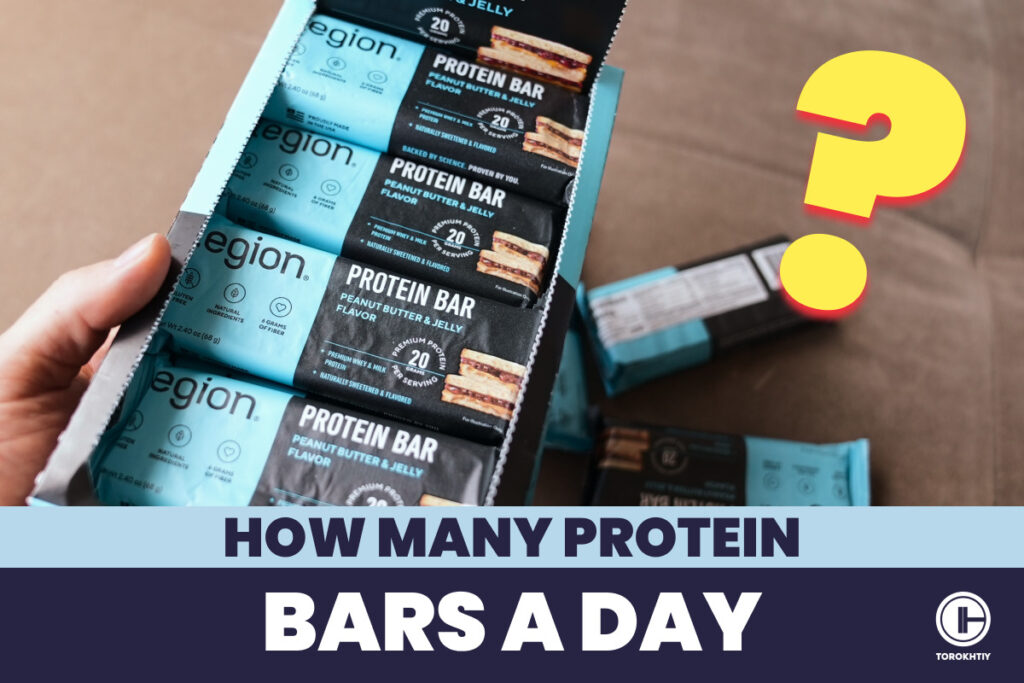
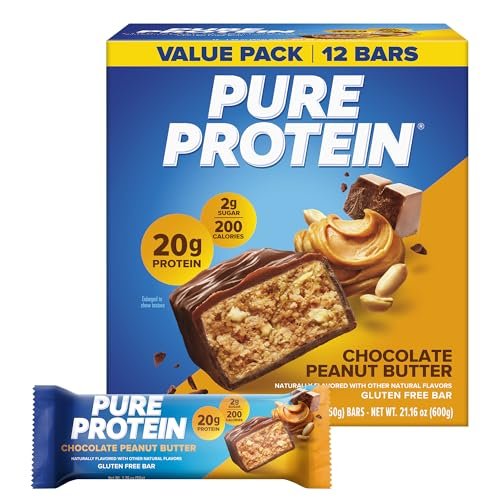
For most healthy adults, one protein bar a day is a practical starting point. Two may also fit a balanced diet when they meet a genuine nutrition need. There is no universal daily limit, but protein bars should not replace most whole-food meals.
Walk through an American grocery store, and you will find protein bars in nearly every snack aisle. They are popular with gym members, busy workers, college students, and people who want a quick snack between meals. Some bars contain 10 grams of protein, while others provide 20 or even 30 grams in one serving.
But eating more protein does not always mean getting more health benefits. Your body needs a suitable amount of protein each day, and that amount depends on your body weight, age, activity, health, and personal goals. A protein bar is simply one way to meet that need.
The key is to count protein from your entire diet, not just from bars. Eggs, chicken, fish, milk, Greek yogurt, beans, lentils, nuts, and tofu can all help meet your daily needs. These foods also provide nutrients that many packaged bars do not offer in the same amounts.
For most people, one bar is enough as a convenient snack or backup source of protein. Eating two occasionally can be reasonable, especially when you have a busy schedule or higher energy needs. The better choice depends on the nutrition label, the rest of your meals, and how your body responds.
Source: feastgood.com
How Many Protein Bars Should You Eat in a Day?
For most healthy adults, one protein bar per day is a sensible starting point. It can provide a useful snack, help fill a gap between meals, and add protein when regular food is not available. However, one is not a strict maximum.
Some people can include two protein bars in one day without a problem. For example, an athlete might eat one during a long workday and another while traveling home after training. The important question is whether both bars fit the person’s overall diet.
Eating three or more bars is not automatically harmful, but doing so regularly can make it harder to build a varied diet. It may also add more calories, added sugar, sodium, and sugar alcohols than you intended.
There is no official FDA rule that limits everyone to one or two protein bars per day. The number that makes sense depends on the nutritional value of the bars and the foods you eat around them.
Source: discover.texasrealfood.com
One bar per day
A useful starting point for someone who wants a convenient snack or a simple way to add protein to an otherwise balanced diet.
Two bars per day
May work when you have higher protein or calorie needs, limited access to regular meals, or a long day away from home.
Three or more bars per day
May be suitable in some unusual situations, but regular use deserves a closer look at total nutrition, digestive comfort, and the variety of your meals.
Is One Protein Bar a Day Enough?
One bar can be enough if your meals already provide most of the protein your body needs. A bar containing 15 to 20 grams of protein can make a useful contribution without taking over your diet.
For example, you might eat eggs at breakfast, chicken or beans at lunch, and fish or tofu at dinner. If these meals already provide enough protein, a bar can simply serve as an optional snack.
You do not need to eat a protein bar every day. If you meet your protein needs through regular food, skipping the bar is perfectly reasonable.
Best use
Use one bar when you need a convenient snack, have a gap between meals, or cannot prepare a regular protein-rich food.
Can You Eat Two Protein Bars in One Day?
Yes, many healthy adults can eat two protein bars in one day. The total amount of protein is only one part of the decision. You should also check the calories, added sugar, saturated fat, sodium, and fiber in both bars.
Imagine that each bar contains 20 grams of protein and 220 calories. Two bars provide 40 grams of protein and 440 calories. That may fit a person’s daily needs, but it could be unnecessary if regular meals already provide enough protein.
Eating two bars once in a while is different from relying on them as your main source of nutrition every day. Look at your full eating pattern before making two bars a daily habit.
A reasonable situation
You have a long workday, cannot prepare food easily, and need two convenient snacks that fit your nutrition plan.
How Much Protein Do You Actually Need Each Day?
Your daily protein requirement is more useful than a fixed protein bar limit. Once you know your target, you can work out whether one bar is enough, whether two make sense, or whether you do not need a bar at all.
Protein helps your body build and repair muscle, maintain tissues, produce enzymes, and support many normal body functions. Your needs change with age, body size, physical activity, pregnancy, and health status.
The traditional Recommended Dietary Allowance for most healthy adults is 0.8 grams of protein per kilogram of body weight each day. This is a baseline designed to meet the needs of most healthy adults, not necessarily an ideal sports nutrition target.
The 2025-2030 Dietary Guidelines for Americans provide a higher general protein goal of approximately 1.2 to 1.6 grams per kilogram of body weight per day. Individual needs can still differ, and people with medical conditions may need a different target.
These figures show why counting bars alone does not give you a complete picture. A person weighing 60 kilograms and a person weighing 100 kilograms may have very different protein requirements.
Source: amymyersmd.com
Traditional adult protein RDA
Approximately 0.8 grams per kilogram of body weight per day for most healthy adults.
2025-2030 dietary guidance
Approximately 1.2 to 1.6 grams per kilogram of body weight per day as a general protein goal, subject to individual needs.
Athletic needs
People who train regularly may need a more specific protein target based on training demands, body weight, and overall energy intake.
Calculate Your Daily Protein Needs
You can estimate your daily protein target by multiplying your body weight in kilograms by your chosen protein goal. If you know your weight in pounds, divide it by 2.2 to get kilograms.
For a simple example, imagine an adult who weighs 70 kilograms. Using the traditional 0.8-gram RDA, the calculation is 70 multiplied by 0.8, which equals 56 grams of protein per day.
Using the 1.2-to-1.6-gram range in the current dietary guidance, the same person would have a general target range of 84 to 112 grams per day. This is an example, not a personal prescription.
Step 1
Find your body weight in kilograms.
Step 2
Multiply your weight by the protein amount that fits your needs.
Step 3
Count protein from all foods and drinks you consume during the day.
Step 4
Use a protein bar only to fill the remaining gap, if one exists.
Daily Protein Examples by Body Weight
The following table shows estimated daily amounts using the traditional 0.8-gram RDA and the 1.2-to-1.6-gram range in the 2025-2030 Dietary Guidelines. These figures are general calculations for healthy adults, not individualized medical targets.
50 kilograms
40 grams using the traditional RDA, or approximately 60 to 80 grams using the newer general dietary range.
60 kilograms
48 grams using the traditional RDA, or approximately 72 to 96 grams using the newer general dietary range.
70 kilograms
56 grams using the traditional RDA, or approximately 84 to 112 grams using the newer general dietary range.
80 kilograms
64 grams using the traditional RDA, or approximately 96 to 128 grams using the newer general dietary range.
90 kilograms
72 grams using the traditional RDA, or approximately 108 to 144 grams using the newer general dietary range.
How Many Protein Bars Should You Eat for Different Goals?
Your fitness or nutrition goal can affect how often a protein bar makes sense. Someone trying to build muscle may have different needs from someone trying to lose weight or maintain a healthy eating pattern.
However, the goal itself does not determine the number of bars. Your total protein intake, calorie needs, meal quality, and food choices still matter.
Think of protein bars as tools rather than requirements. They can make a nutrition plan easier to follow, but they cannot replace a balanced diet or a suitable exercise routine.
Source: www.youtube.com
Muscle growth
One or two bars may help fill a protein gap when your regular meals do not provide enough. You still need a suitable training plan, enough calories, and adequate recovery.
Weight loss
One bar can be a convenient snack if its calories fit your daily eating plan. Eating extra bars without accounting for their calories may make a calorie deficit harder to maintain.
Weight maintenance
Choose a bar based on hunger, convenience, and your remaining protein needs rather than eating one automatically.
Weight gain
Two bars may help increase calorie and protein intake when needed, but meals, dairy, nuts, grains, and other foods can also provide useful calories.
General health
You may not need a protein bar at all if your regular meals already provide enough protein.
How Many Protein Bars for Muscle Growth?
People who lift weights or perform regular resistance training often pay closer attention to protein intake. Protein provides the amino acids needed to repair and build muscle tissue after exercise.
A protein bar can help when a meal is not available after training. For example, a bar containing 20 grams of protein can contribute to your daily total while you travel home from the gym.
You do not need several bars just because you exercise. Spread your protein across regular meals and use bars when they solve a real nutrition or scheduling problem.
Muscle growth also depends on progressive resistance training, enough food, sleep, and recovery. A high protein intake cannot replace these basic parts of a training plan.
Practical approach
Start with your total daily protein target, then decide whether one bar is enough to fill a gap between meals.
How Many Protein Bars for Weight Loss?
One protein bar can fit into a weight-loss plan when it helps control hunger and replaces a less nutritious snack. However, a protein bar does not cause fat loss by itself.
Calories still matter. If a bar contains 250 calories and you add it to your normal meals without adjusting anything else, your daily calorie intake increases by 250 calories.
Look for a bar that offers useful protein without excessive calories or added sugar. Also consider whether fruit, plain Greek yogurt, cottage cheese, or a boiled egg would meet the same need with less processing.
Watch the total calories
Include the bar in your daily food intake instead of treating it as a calorie-free fitness supplement.
Consider fullness
Protein and fiber may help you feel satisfied, but the effect varies with the bar and the rest of your meal.
How Many Protein Bars for Athletes?
Athletes who train for long periods or travel frequently may find two protein bars useful on some days. Their energy and protein needs can be higher than those of someone with a less active routine.
Still, bars should be only one part of sports nutrition. Meals that include carbohydrates, protein, healthy fats, fruit, and vegetables support broader nutrition needs.
Athletes with demanding training schedules should consider working with a registered dietitian who specializes in sports nutrition. This can help them match food intake to training volume and recovery needs.
Long training days
A bar may serve as a portable snack when a full meal is not practical.
Rest days
You may need fewer convenient snacks when your energy needs and schedule change.
What Happens If You Eat Too Many Protein Bars?
Eating too many protein bars can make your diet less balanced. The main concern is not that every extra bar is dangerous. It is that repeated use may increase your intake of calories, added sugars, sodium, and certain ingredients while reducing the variety of foods you eat.
A protein bar is a packaged food. Its nutrition profile can vary widely by brand, flavor, size, and recipe. Some bars are made mainly from nuts and seeds, while others use protein isolates, sweeteners, added fibers, and chocolate coatings.
If you eat several bars every day, check whether they are replacing meals that would otherwise provide vegetables, fruit, whole grains, and other important nutrients.
Source: betterweighmedical.com
Extra calories
Several bars can add a large amount of energy to your diet, especially if you eat them in addition to normal meals.
Excess added sugar
Some bars contain enough added sugar to make frequent use less suitable for your overall eating pattern.
Digestive discomfort
Sugar alcohols and added fibers may cause gas, bloating, cramps, or loose stools in some people.
High sodium intake
Eating multiple packaged bars can add sodium that may matter if you already consume a lot of salty foods.
Less dietary variety
Relying on bars can leave less room for foods that provide a wider range of vitamins, minerals, and other nutrients.
Can Too Many Protein Bars Cause Digestive Problems?
Yes. Some protein bars contain ingredients that can upset the digestive system, especially when eaten in large amounts. Sugar alcohols such as sorbitol, maltitol, and xylitol can be difficult for some people to tolerate.
Certain bars also contain added fibers such as inulin or chicory root fiber. These ingredients can increase fiber content, but a sudden large intake may cause gas, bloating, or stomach discomfort.
Your response depends on the ingredients and your individual tolerance. If you notice digestive problems after eating a particular bar, check its ingredient list and reduce or stop eating that product.
Try getting more of your daily fiber from foods such as oats, beans, vegetables, fruit, and whole grains. Increase fiber gradually and drink enough fluids.
Common warning signs
Bloating, gas, stomach cramps, diarrhea, or an uncomfortable feeling of fullness after eating bars.
What to do
Reduce the amount, check the sweeteners and added fibers, and seek medical advice if symptoms are severe or continue.
Can Too Many Protein Bars Cause Weight Gain?
Protein bars can contribute to weight gain when they add more calories than your body uses over time. Protein itself does not automatically cause weight gain, and a bar is not inherently a weight-loss or weight-gain food.
For example, imagine that you normally eat 2,000 calories per day and add two 220-calorie bars without reducing other food. That adds 440 calories to your daily intake.
Whether this affects your weight depends on your overall energy balance and activity. If you need extra calories to support weight gain, the bars may help. If you are trying to lose weight, those extra calories may work against your goal.
Check serving size
Some packages contain more than one serving, so make sure you calculate the full amount you eat.
Count the full diet
Consider meals, drinks, snacks, and bars together rather than judging one food in isolation.
Can Eating Too Much Protein Harm Your Kidneys?
Protein metabolism produces waste that the kidneys help remove from the blood. For people with healthy kidneys, ordinary protein intake within suitable dietary needs is generally not a reason to fear a single extra protein bar.
However, people with chronic kidney disease may need to adjust both the amount and source of protein they eat. The right amount depends on kidney function, disease stage, nutrition status, and whether the person receives dialysis.
The National Institute of Diabetes and Digestive and Kidney Diseases advises people with chronic kidney disease to work with a health care professional or dietitian to find an appropriate protein intake. People receiving dialysis may have different protein needs from those who are not receiving it.
If you have kidney disease or have been told to limit protein, do not increase your intake based on a general fitness recommendation. Ask your health care team before adding protein bars regularly.
Important distinction
Advice for healthy adults should not automatically be applied to people with kidney disease or other conditions that affect protein needs.
How to Choose a Healthy Protein Bar
The best protein bar for your needs is one that provides useful nutrition and fits your daily eating plan. Do not judge a bar only by the large protein number printed on the front of its wrapper.
Turn the package over and read the Nutrition Facts label. Compare the serving size, calories, protein, added sugar, saturated fat, sodium, and fiber. Then check the ingredient list for sweeteners or other ingredients that may not suit your needs.
There is no single perfect nutrition label for every person. A bar used as a small snack may need fewer calories than one used during a long hike or an extended training day.
Source: houseofgains.com
Protein
Look for a meaningful amount of protein for your purpose. Many bars contain approximately 10 to 20 grams, while some provide more.
Calories
Choose a serving size that fits your energy needs. A large bar may contain considerably more calories than a small snack.
Added sugar
Compare added sugar rather than looking only at total sugar. The FDA label separates added sugars from total sugars.
Fiber
Fiber can support digestive health and fullness, but very large amounts of added fiber may cause discomfort in sensitive people.
Sodium
Compare sodium across brands, especially if you need to limit sodium for blood pressure or another health concern.
Ingredients
Check for milk, soy, nuts, gluten-containing ingredients, sugar alcohols, and other ingredients that may affect allergies or digestion.
Understand the Nutrition Facts Label
The FDA requires packaged foods to display Nutrition Facts information in a standard format. The label helps you compare products and understand how much of each nutrient you receive per serving.
Start with serving size. If a package contains two servings and you eat the whole package, you may consume twice the listed calories and nutrients.
Next, look at added sugars, saturated fat, and sodium. The FDA uses a 2,000-calorie diet as the reference for general Daily Value information on labels, but your personal calorie needs may be higher or lower.
Remember that protein bars can have different nutrition profiles even when they look similar. A chocolate-coated bar and a nut-based bar may provide very different amounts of fiber, sugar, and fat.
Total sugars
Includes naturally occurring sugars and added sugars.
Added sugars
Shows sugars added during processing, including certain syrups and sweeteners.
Percent Daily Value
Helps you compare how much a serving contributes to a general daily reference amount.
Which Protein Sources Are Common in Protein Bars?
Protein bars use different protein sources. Whey and milk proteins come from dairy, while soy, pea, rice, and other plant proteins can be used in plant-based products.
Whey and milk proteins provide all nine essential amino acids. Soy is also a complete protein. Plant-based bars may use a blend of protein sources to provide a broader amino acid profile.
The protein source matters if you have a food allergy, follow a vegan diet, avoid dairy, or have trouble digesting certain ingredients. Read the label rather than assuming every protein bar contains the same ingredients.
Whey protein
A dairy-derived protein commonly used in sports nutrition products.
Milk protein
Contains a mixture of milk proteins and is often used in higher-protein bars.
Soy protein
A plant-based protein that provides all nine essential amino acids.
Pea protein
A plant-derived option that is often used in vegan protein bars.
Rice protein
A plant-derived protein that may be combined with other sources in a bar.
Can Protein Bars Replace Regular Meals?
Most protein bars are designed as snacks, not complete meal replacements. Even when a bar contains 20 or 30 grams of protein, that does not mean it provides everything your body needs from a meal.
A balanced meal usually contains several food groups. It may include protein, vegetables or fruit, whole grains or another carbohydrate source, and healthy fats.
Many protein bars contain limited amounts of vitamins, minerals, and other nutrients found in whole foods. Eating bars instead of regular meals every day may reduce dietary variety.
If you need a quick meal while traveling or working, you can pair a bar with other foods. For example, add a banana, plain yogurt, and a handful of nuts to create a more varied eating occasion.
Source: thenourishedpath.com
Better than relying on a bar alone
Combine a protein bar with fruit, yogurt, milk, nuts, or another suitable food when you need a more filling option.
Check the product type
Some products are marketed as meal replacement bars, but their calorie and nutrient content still needs to match your personal needs.
Maintain food variety
Continue eating vegetables, fruit, whole grains, legumes, dairy or suitable alternatives, and other protein foods.
Better Whole-Food Alternatives to Protein Bars
You do not need a packaged bar every time you want more protein. Many everyday foods provide protein along with other useful nutrients.
Whole foods can also be easier to fit into meals because you can adjust portions and combine different ingredients. They offer variety in taste, texture, and nutrient content.
Greek yogurt
Provides protein and calcium. Plain varieties can help you control added sugar.
Boiled eggs
Offer protein and several important nutrients in a portable form.
Cottage cheese
Provides protein and can be paired with fruit or whole-grain foods.
Nuts and seeds
Provide plant protein, healthy fats, and other nutrients, although they can also be calorie-dense.
Beans and lentils
Provide plant protein, fiber, and several minerals.
Chicken and fish
Provide high-quality protein and can form part of a balanced lunch or dinner.
Tofu and tempeh
Provide plant protein and can be used in many meals.
When Should You Eat a Protein Bar?
There is no single best time to eat a protein bar. The right time depends on your schedule, hunger, training routine, and daily protein intake.
Some people eat a bar between breakfast and lunch. Others use one as an afternoon snack or take one to the gym. You can also keep a bar in your bag for situations when a normal meal is not available.
Eating a protein bar immediately after exercise is not mandatory. Your overall daily protein intake and regular meal pattern matter more than following an exact minute-by-minute schedule.
Source: torokhtiy.com
Between meals
A protein bar can help manage hunger when there is a long gap before your next meal.
Before exercise
It may be useful when you need a convenient snack, but choose a product you can digest comfortably.
After exercise
It can provide protein when a regular meal is not available soon after training.
During travel
A bar can be a portable option when food choices are limited.
At work or school
It can serve as a backup snack when your schedule makes regular meals difficult.
Should You Eat a Protein Bar Before or After a Workout?
You can eat a protein bar before or after exercise, depending on your needs. Before exercise, consider whether the bar feels comfortable in your stomach and whether you also need carbohydrates for energy.
After exercise, a bar can be useful if you cannot eat a full meal. It provides a simple way to add protein while you return to your normal schedule.
You do not need to eat a bar both before and after every workout. Regular meals can provide the protein and energy needed for recovery.
Before training
Choose a snack that you tolerate well and allow enough time for digestion.
After training
Use a bar if it helps meet your daily protein needs and a regular meal is not convenient.
Who Should Be Careful About Eating Multiple Protein Bars?
Most healthy adults can include protein bars in a balanced diet, but some people need more care when choosing them. Medical conditions, food allergies, digestive problems, and special nutrition needs can change what is suitable.
A protein bar may contain dairy, soy, peanuts, tree nuts, wheat, or other ingredients that trigger an allergic reaction. Always check the ingredient list and allergen statement before eating a new product.
People with diabetes may need to consider the total carbohydrates, added sugars, fiber, and portion size. A label that says high protein does not automatically mean a product is suitable for every blood sugar management plan.
People with chronic kidney disease should not assume that a high-protein diet is safe for them. Their health care team may recommend a specific protein amount and may also consider sodium, potassium, and phosphorus.
Source: discover.texasrealfood.com
People with kidney disease
Ask a health care professional or kidney dietitian how much protein is appropriate before using multiple bars regularly.
People with diabetes
Review total carbohydrates, added sugars, and portion size as part of your personal meal plan.
People with food allergies
Check all ingredients and allergen warnings, including possible cross-contact information.
People with digestive sensitivity
Look for ingredients such as sugar alcohols and added fibers that may cause symptoms.
Pregnant or breastfeeding people
Protein needs can change during these stages, so choose products with appropriate ingredients and discuss supplement use with a health care professional.
Children and teenagers
Do not apply adult protein targets or supplement habits automatically to children. Their needs depend on age, growth, and development.
When Should You Speak With a Dietitian?
A registered dietitian can help you work out whether protein bars are useful in your eating plan. This is especially helpful if you have a medical condition, follow a restrictive diet, or train at a high level.
Seek individual guidance if you have been advised to limit protein, experience ongoing digestive symptoms, or are unsure how a protein bar fits your medication or medical nutrition plan.
Do not use the protein content printed on a wrapper as a reason to ignore medical advice. A suitable nutrition plan should consider your full health history and dietary needs.
Get individual advice
Ask for help calculating your protein needs and choosing suitable foods when general guidelines do not fit your health situation.
A Simple Daily Protein Bar Plan
A simple plan can help you decide whether you need a protein bar without making food choices complicated. Start by looking at your regular meals and estimating how much protein they provide.
Then consider your schedule. If you already eat protein-rich meals and feel satisfied, you may not need a bar. If you have a long gap between meals, one bar may be useful.
The following examples are hypothetical and show how bars can fit into different routines. They are not personal diet prescriptions.
Source: amymyersmd.com
Example 1: Office worker
A person eats eggs at breakfast, chicken or beans at lunch, and fish or tofu at dinner. One afternoon protein bar may be convenient, but it may not be necessary if daily protein needs are already met.
Example 2: Regular gym member
A person eats three balanced meals and uses one protein bar after training when a full meal is not available. The bar fills a practical gap.
Example 3: Frequent traveler
A person spends most of the day traveling and uses two bars as backup snacks. The person still aims to eat balanced meals when suitable food becomes available.
Example 4: Person trying to lose weight
A person chooses one moderate-calorie bar instead of a less filling snack and includes its calories in the daily eating plan.
How to Know Whether You Need Another Protein Bar
Before eating a second bar, ask whether you are genuinely hungry, whether your meals have provided enough protein, and whether the bar fits your remaining calorie needs.
If you need more protein, compare a bar with other available foods. A cup of Greek yogurt, an egg-based snack, or a serving of beans may meet the same need while adding variety.
If you feel full and have already met your daily protein target, another bar is unlikely to offer a meaningful benefit. You can save it for another day.
You may need another snack
You have a long gap before your next meal and need a convenient food option.
You may not need another bar
Your meals already meet your protein needs and you are comfortably satisfied.
You may need a different food
You want more vitamins, minerals, fiber, or variety than your current bars provide.
Frequently Asked Questions
Q
Is it OK to eat two protein bars every day?
Yes, two protein bars can fit into the diet of many healthy adults. However, the decision depends on total protein needs, calories, added sugar, sodium, fiber, and the quality of the rest of your meals.
If you eat two bars regularly, make sure they do not replace most of your whole-food protein sources. Choose products that fit your dietary needs and do not cause digestive discomfort.
Q
Can I eat three protein bars in one day?
Some people may occasionally eat three protein bars in a day without immediate problems, but this is not a necessary daily habit for most people. Three bars can add a substantial amount of calories and protein, depending on their size and ingredients.
Check your overall diet before making this routine. If you regularly need three bars to meet your nutrition goals, consider whether meals or other protein foods could provide a more varied source of nutrition.
Q
Can I eat a protein bar every day?
Yes, a protein bar can be part of a balanced daily diet. There is no general rule that says healthy adults must avoid eating one every day.
Choose a bar with suitable protein, calories, added sugar, sodium, and ingredients. Also make sure that most of your diet still includes a variety of whole foods.
Q
Will eating protein bars every day make me gain weight?
Not automatically. Weight gain depends mainly on your overall energy balance over time, not on whether a particular food contains protein.
If protein bars add more calories than your body uses, they may contribute to weight gain. If they replace another snack with a similar calorie amount, they may have little effect on your overall calorie intake.
Q
Are protein bars good for breakfast?
A protein bar can be a convenient breakfast option when you are short on time, but many bars do not provide enough energy or food variety to serve as a complete meal.
For a more balanced breakfast, pair a bar with fruit, milk, yogurt, or another suitable food. You can also choose eggs, oatmeal, Greek yogurt, or whole-grain toast with nut butter.
Q
Should I eat a protein bar on rest days?
You can eat a protein bar on rest days if it helps meet your daily nutrition needs. Your muscles still need protein for normal maintenance and recovery when you are not exercising.
However, you may not need a bar if your regular meals already provide enough protein. Adjust your snacks according to hunger, activity, and your overall eating plan.
Q
Is 40 grams of protein from bars too much in one day?
Forty grams of protein from two bars is not automatically too much for every healthy adult. Whether it is appropriate depends on your body weight, daily protein needs, total diet, and health status.
For example, someone with a daily protein target of 100 grams may be able to include 40 grams from bars while getting the remaining 60 grams from regular foods. Someone with kidney disease may need a different plan.
Q
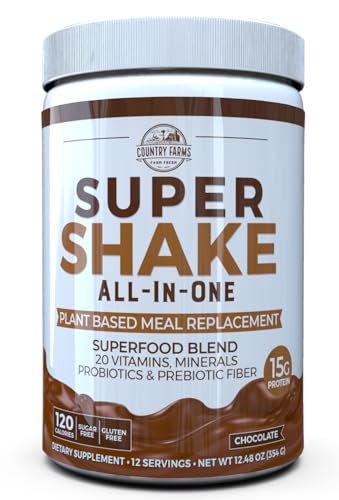
Can protein bars replace protein shakes?
Protein bars and protein shakes can both provide convenient protein, but they have different forms and nutrition profiles. Bars are portable and require no mixing, while shakes may be easier for some people to consume.
Neither option is essential if your regular meals provide enough protein. Compare the full nutrition label and choose the option that best fits your needs and preferences.
Q
Can I eat a protein bar before bed?
You can eat a protein bar before bed if it fits your daily food intake and does not disturb your sleep or digestion. There is no universal rule that protein bars must be avoided at night.
If a bar causes bloating or stomach discomfort, try eating it earlier or choosing a different snack. A small serving of yogurt or cottage cheese may also provide protein.
Q
Do I need protein bars if I do not work out?
No. You do not need to exercise to benefit from protein in your diet, because protein supports normal tissue maintenance and many other body functions.
However, you also do not need protein bars specifically. Regular foods can provide the protein your body needs, and a bar is simply a convenient optional snack.
✦ Wrapping Up
Conclusion
So, how many protein bars should you eat in a day? For many healthy adults, one bar is a sensible starting point. Two can also fit into a balanced diet when your protein needs, calorie intake, and overall food choices support that amount.
There is no universal maximum that applies to everyone. Your body weight, age, activity level, health, and daily meals all affect how much protein you need. A bar containing 20 grams of protein can be useful, but eating several bars does not automatically improve muscle growth, weight loss, or general health.
Pay attention to the Nutrition Facts label and ingredient list. Check protein, calories, added sugar, sodium, fiber, and ingredients that may cause digestive problems. If you have kidney disease, diabetes, food allergies, or another medical concern, get advice that fits your situation.
Most importantly, let whole foods provide the foundation of your diet. Eggs, fish, poultry, beans, lentils, yogurt, nuts, seeds, and tofu offer useful protein and help add variety to your meals. Use protein bars when they make your daily routine easier, not because you feel you must eat them.
💡 Key Takeaway
Start by estimating your daily protein needs and counting the protein you already get from regular meals. If you still need a convenient snack, choose one protein bar with a suitable nutrition profile. Consider a second only when it fits your overall needs, and prioritize varied whole foods throughout the day.
Compare nutrition shake powder vs ready to drink options for cost, taste, ease, nutrition, storage, and daily use. Find the better fit for your routine.