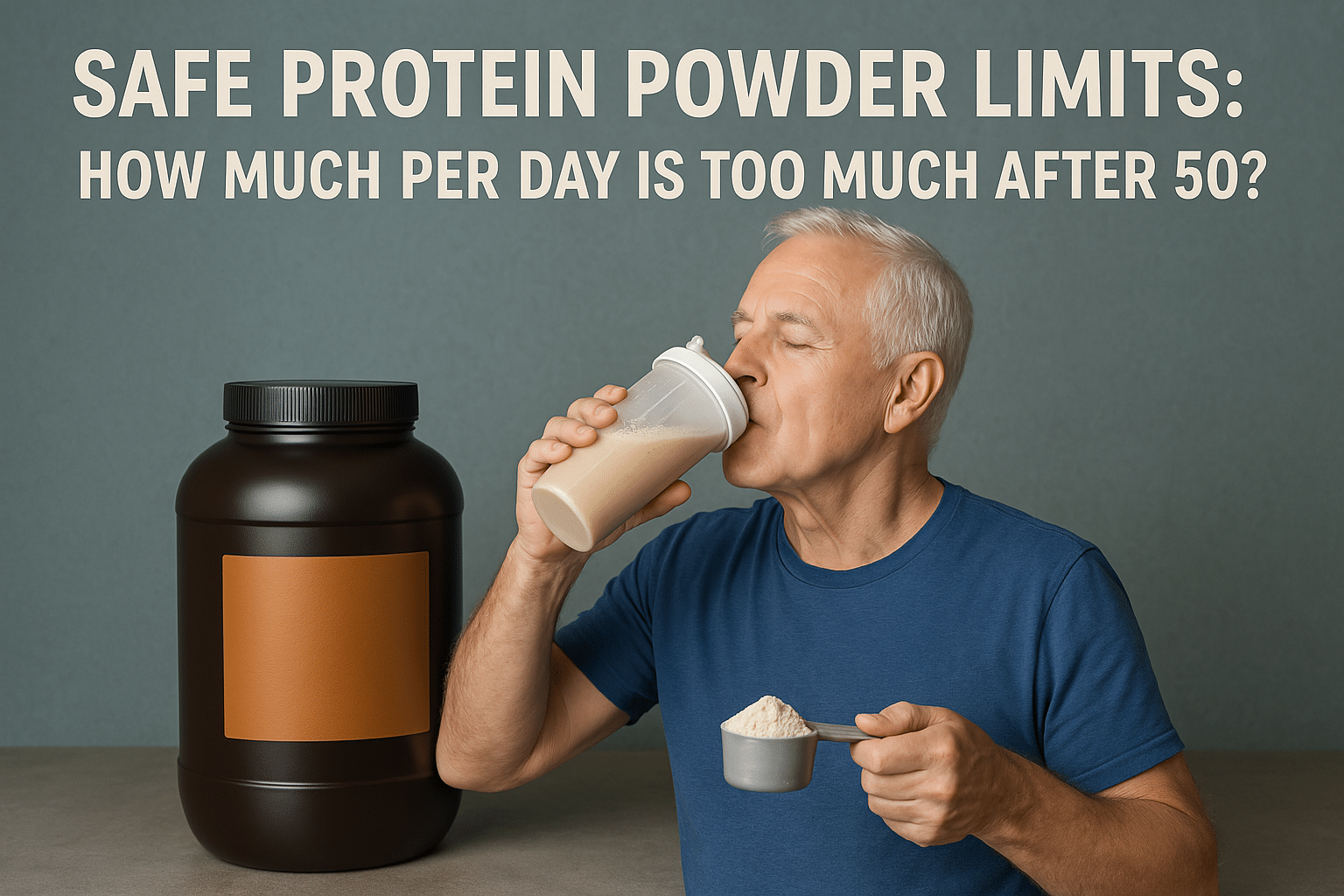
Most adults who use protein powder need one serving containing 20 to 30 grams of protein, but the right amount depends on their daily protein needs, food intake, body weight, and fitness goals.
If you shop for protein powder at Walmart, Costco, Target, or a local nutrition store in the United States, you will find many serving sizes and protein levels. Some products provide 15 grams of protein per scoop, while others offer 25 or 30 grams. This can make it hard to know how much you actually need.
The best way to decide how much protein powder to take is to calculate your total daily protein requirement first. Then subtract the protein you already get from foods such as eggs, chicken, fish, Greek yogurt, milk, beans, and nuts. Protein powder should fill the remaining gap rather than become your main source of nutrition.
Your needs may also change with your age, activity level, body weight, and health. Someone who walks regularly may need less protein than someone who lifts weights five days a week. A person trying to maintain muscle while losing weight may also have different needs from someone who is simply trying to meet basic nutrition goals.
This guide explains how to calculate a practical serving, how often to use protein powder, when to take it, and how to avoid taking more than you need. It also covers important safety limits and situations where medical advice matters.
Source: medicdrug.org
How Much Protein Powder Should I Take Each Day?
For many healthy adults, one serving containing 20 to 30 grams of protein is a practical starting point. However, there is no universal daily dose of protein powder. Your body needs a certain amount of total protein, not a certain number of scoops.
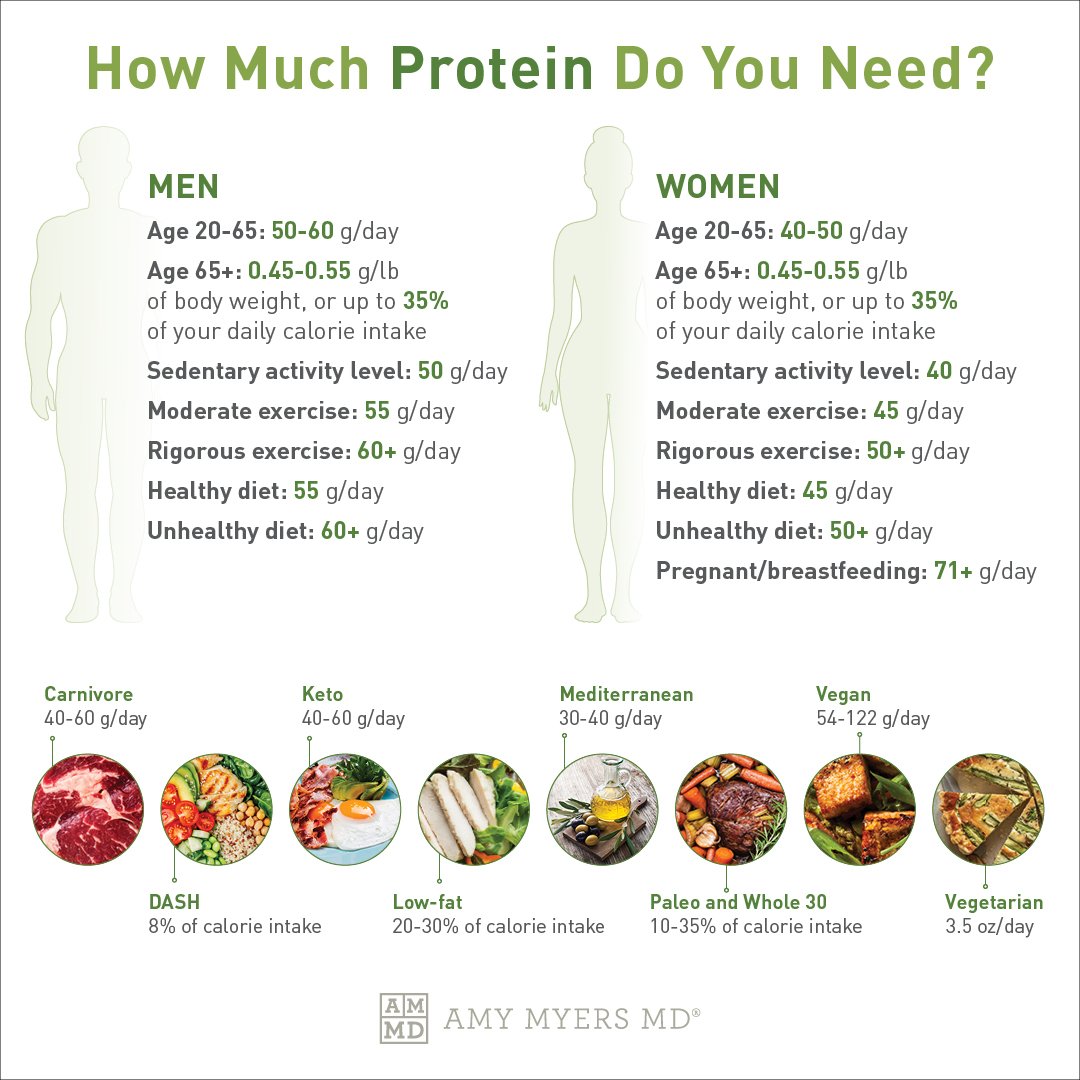
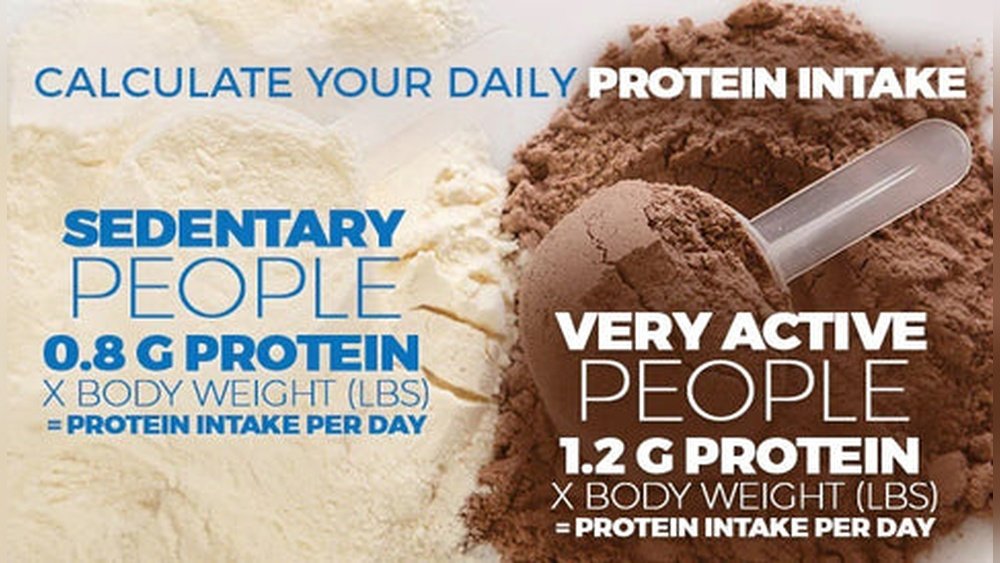
The recommended dietary allowance, or RDA, for protein is 0.8 grams per kilogram of body weight per day for most healthy adults. This amount is designed to meet the basic needs of nearly all healthy adults. It is not a specific target for athletes or people following a muscle-building program.
People who train regularly may need more. The National Institutes of Health Office of Dietary Supplements describes a daily range of about 1.2 to 2.0 grams per kilogram for athletes, depending on training and other needs.
Your protein powder intake should cover only the difference between your daily target and the protein you get from food. For example, if your daily goal is 100 grams and your meals already provide 80 grams, you may need only 20 grams from powder.
Source: images.squarespace-cdn.com
Basic nutrition
Most healthy adults can use 0.8 grams of total protein per kilogram of body weight per day as a general starting point.
Regular exercise
Active adults may need more protein, depending on the type, length, and intensity of their workouts.
Muscle growth
People doing regular resistance training may benefit from a higher daily protein intake, often within the 1.2 to 2.0 grams per kilogram range.
Food intake
The amount of powder you need decreases when your regular meals already contain enough protein.
Is One Scoop of Protein Powder Enough?
One scoop may be enough if it fills the gap between your food intake and daily protein goal. Many common protein powders provide around 20 to 30 grams of protein per serving, although the exact amount varies by product.
Check the nutrition facts label instead of assuming every scoop contains the same amount. A scoop is a volume measure, and different powders have different densities. One scoop may weigh 25 grams in one product and 35 grams in another.
If your meals already provide enough protein, you may not need a full scoop. You can also use a smaller amount in oatmeal, yogurt, or a smoothie.
Read the serving label
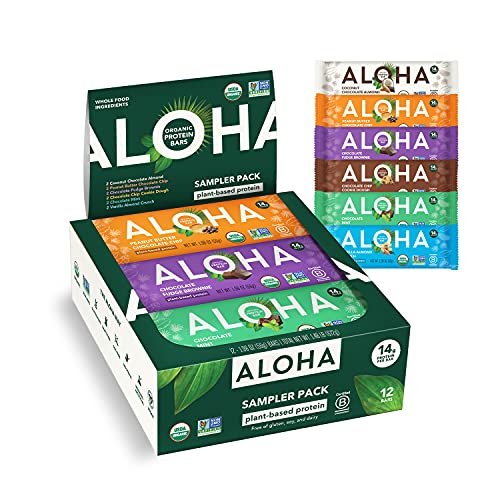
Look at the grams of actual protein per serving, not just the total powder weight.
Adjust the serving
Use only the amount needed to meet your calculated daily protein target.
How Much Protein Powder Is Too Much?
There is no single scoop limit that applies to every healthy adult. However, taking several servings without checking your total intake can add unnecessary calories and make your diet less balanced.
The NIH Office of Dietary Supplements notes that research on high protein intake has limits, especially for long-term use and different populations. The absence of a formally established upper intake limit does not mean unlimited protein powder is automatically safe.
A useful rule is to avoid adding more powder once your food and supplements already meet your daily needs. More protein does not automatically produce more muscle.
Watch total intake
Count protein from meals, snacks, shakes, bars, and other supplements.
Avoid unnecessary servings
Additional scoops may add calories without providing a meaningful benefit.
How to Calculate Your Daily Protein Powder Needs
You can calculate your protein powder needs in a few simple steps. First, estimate your daily protein target. Next, add the protein you get from your regular meals. Finally, subtract your food intake from your target.
For a basic calculation, convert your body weight from pounds to kilograms by dividing it by 2.2. Then multiply your weight in kilograms by your chosen protein target.
For example, a person who weighs 165 pounds weighs about 75 kilograms. At the general adult RDA of 0.8 grams per kilogram, that person needs about 60 grams of total protein per day.
If that same person exercises regularly and has a target of 1.4 grams per kilogram, the daily goal becomes about 105 grams. The extra amount is not automatically something to get from powder. Food can provide much of it.
Source: thehoneypotbakery.com
Step 1: Find your weight in kilograms
Divide your weight in pounds by 2.2. For example, 165 pounds divided by 2.2 is approximately 75 kilograms.
Step 2: Choose an appropriate daily target
Use 0.8 grams per kilogram as the general adult RDA. Active people may need a higher target based on training and individual needs.
Step 3: Calculate your total protein goal
Multiply your weight in kilograms by your chosen daily protein amount.
Step 4: Add your food protein
Estimate protein from breakfast, lunch, dinner, and snacks.
Step 5: Fill the remaining gap
Use enough protein powder to cover the difference, if there is one.
A Simple Protein Powder Calculation Example
Imagine that you weigh 165 pounds and follow a regular strength-training routine. You choose a hypothetical daily target of 1.4 grams of protein per kilogram.
Your weight is about 75 kilograms. Multiplying 75 by 1.4 gives you a daily target of 105 grams. Suppose your meals provide 85 grams of protein.
You have a remaining gap of 20 grams. If your protein powder provides 25 grams per full serving, you need about 80% of that serving to cover the gap.
This example shows why one full scoop is not always necessary. The goal is to meet your protein needs without adding more powder than your diet requires.
Body weight
165 pounds, or approximately 75 kilograms.
Daily protein target
75 kilograms multiplied by 1.4 grams equals 105 grams.
Protein from food
85 grams from regular meals and snacks.
Remaining protein
20 grams, which can be supplied by a partial serving of protein powder.
How to Convert Pounds Into Kilograms
If your scale displays pounds, you do not need a special calculator. Divide the number by 2.2 to estimate your weight in kilograms.
For example, 150 pounds is about 68 kilograms, while 180 pounds is about 82 kilograms. Use the converted number in your daily protein calculation.
Remember that this method is a general nutrition estimate. People with obesity, significant muscle mass, or certain medical conditions may need a more individualized approach to setting a protein target.
How Much Protein Powder Should I Take Based on My Weight?
Your body weight helps estimate your daily protein needs. However, your activity level and health goals also matter. Two people who weigh the same amount may need different amounts of protein.
The table below uses the general adult RDA and two illustrative active-adult targets. The higher figures are examples of total daily protein needs, not recommended amounts of protein powder.
These estimates assume a healthy adult and use body weight in kilograms. They are not personalized medical prescriptions.
Source: fix.com
At 120 pounds
About 44 grams per day at 0.8 g/kg, or about 76 grams at 1.4 g/kg.
At 140 pounds
About 51 grams per day at 0.8 g/kg, or about 89 grams at 1.4 g/kg.
At 160 pounds
About 58 grams per day at 0.8 g/kg, or about 102 grams at 1.4 g/kg.
At 180 pounds
About 65 grams per day at 0.8 g/kg, or about 114 grams at 1.4 g/kg.
At 200 pounds
About 73 grams per day at 0.8 g/kg, or about 127 grams at 1.4 g/kg.
Protein Needs for a 120-Pound Person
A person weighing 120 pounds weighs about 54.5 kilograms. At the general RDA, the daily target is approximately 44 grams of protein.
If this person follows regular resistance training and uses an illustrative target of 1.4 grams per kilogram, the total becomes about 76 grams. If food supplies 60 grams, a small supplement serving may cover the remaining 16 grams.
Protein Needs for a 150-Pound Person
A 150-pound person weighs about 68 kilograms. The general RDA works out to about 54 grams of protein per day.
An active person using an illustrative target of 1.4 grams per kilogram would need about 95 grams. If meals provide 75 grams, around 20 grams of protein from powder may be useful.
Protein Needs for a 180-Pound Person
At 180 pounds, body weight is approximately 82 kilograms. The general adult RDA is about 65 grams per day.
An active person using a target of 1.4 grams per kilogram would need about 115 grams. A person who already gets 100 grams from meals may need only a small additional serving.
Protein Needs for a 200-Pound Person
A person weighing 200 pounds weighs approximately 91 kilograms. The general RDA is about 73 grams of protein per day.
At an illustrative active target of 1.4 grams per kilogram, the daily total is about 127 grams. The amount of powder depends on how much protein comes from meals and whether the target is suitable for that person’s body composition and health.
How Much Protein Powder Should I Take for Muscle Growth?
If your goal is to build muscle, your daily protein intake should support your resistance-training routine. Protein supplies amino acids, which your body uses to repair and build muscle tissue.
For many people who lift weights regularly, a total daily intake within the 1.2 to 2.0 grams per kilogram range can be useful. The right point within this range depends on training volume, recovery, calorie intake, and individual needs.
Protein powder can help when meals do not provide enough protein. However, it cannot replace progressive resistance training, adequate calories, sleep, and a balanced diet.
For example, someone who weighs 75 kilograms and aims for 1.6 grams per kilogram would need 120 grams of total protein each day. If food provides 95 grams, a shake containing 25 grams can fill the gap.
Source: fitfab50.com
Prioritize total daily protein
Calculate your full-day target rather than focusing only on the amount in your post-workout shake.
Eat enough calories
A very low-calorie diet can make muscle growth and recovery harder, even when protein intake is high.
Train consistently
Resistance training gives your muscles a reason to adapt to the protein and other nutrients you consume.
Spread protein across meals
Regular protein-rich meals can help you meet your daily needs without relying on a large amount at once.
Should I Take Protein Powder Every Day to Build Muscle?
You can take protein powder every day if it helps you meet your nutritional needs and you tolerate the product well. However, daily use is not required for muscle growth.
Your muscles need enough protein over time, not a supplement on a particular calendar schedule. If you eat enough protein through chicken, eggs, dairy, beans, fish, and other foods, you may not need a shake on that day.
On rest days, your body still repairs and adapts to training. Continue meeting your daily protein needs, but do not assume that you must drink a shake simply because you exercised the previous day.
How Much Protein Should I Take After a Workout?
A serving that provides around 20 to 30 grams of protein can be a practical post-workout option for many adults. The NIH Office of Dietary Supplements describes a recommendation of about 0.3 grams per kilogram of high-quality protein after exercise for athletes.
For someone weighing 75 kilograms, that amount works out to approximately 22.5 grams. This is one reason a standard protein shake can be convenient after strength training.
You do not need to rush to drink a shake immediately after your last repetition. A protein-rich meal or snack within a reasonable period can also support recovery. Your total daily intake remains important.
How Much Protein Powder Should I Take for Weight Loss?
Protein powder may help support a weight-loss plan by making it easier to meet protein needs while controlling overall calorie intake. However, it does not directly burn body fat.
When you lose weight, getting enough protein can help support muscle maintenance, especially when combined with resistance training. This matters because weight loss can involve both fat and lean tissue.
Your protein target should account for your body size, activity level, and weight-loss plan. A higher target may be appropriate for some active adults, but there is no need to take several scoops simply to lose weight faster.
Choose a product that fits your calorie budget. Some shakes contain added sugar, oils, flavorings, and other ingredients that increase their calorie content.
Source: assets.cdn.filesafe.space
Check calories
Compare the calories in one serving with the calories in your usual snack or meal.
Protect muscle
Combine suitable protein intake with strength training rather than relying on shakes alone.
Avoid meal replacement confusion
Plain protein powder is not automatically a complete meal replacement. It may lack fiber, essential fats, and other nutrients.
Stay consistent
A balanced eating plan and sustainable calorie deficit matter more than the timing of a protein shake.
Can I Take Protein Powder Without Working Out?
Yes. Protein is an essential nutrient, not just a workout supplement. You can use protein powder on days when you do not exercise if your meals do not provide enough protein.
For example, someone with a busy work schedule may use a shake as an easy snack between meals. Another person may add a little powder to oatmeal to increase the protein content of breakfast.
If your diet already provides enough protein, there is no special benefit to adding extra powder just because it is available.
How Often Should I Take Protein Powder?
You can take protein powder once or more than once a day if your diet and protein target justify it. There is no official rule that says everyone should take one, two, or three shakes daily.
For many people, one serving is enough to cover a small protein gap. Others may use two smaller servings at different times because their meals do not provide enough protein.
Instead of planning your day around a fixed number of scoops, divide your protein needs across meals and snacks. This approach can make it easier to eat a balanced diet and avoid relying too heavily on supplements.
Source: cdn.shopify.com
Once a day
A single shake may be enough when your regular meals provide most of your daily protein.
Twice a day
Two servings may be useful for some active people with higher protein needs and limited food intake, provided the total amount is appropriate.
No daily shake
You may not need protein powder at all if food already meets your needs.
Can I Take Protein Powder Twice a Day?
Taking protein powder twice a day can be reasonable for some healthy adults. The important question is whether both servings are needed to meet a suitable daily target.
For example, a person with a daily target of 120 grams might get 85 grams from food. Two smaller shakes that provide 17.5 grams each could supply the remaining 35 grams.
However, two shakes are not automatically better than one. If food already provides 120 grams, adding two more servings may simply increase calorie intake without a clear benefit.
Can I Take Protein Powder on an Empty Stomach?
Most healthy adults can drink protein powder on an empty stomach if they tolerate it well. There is no general requirement to eat a meal first.
Some people experience bloating, gas, nausea, or stomach discomfort when they drink protein shakes without food. If this happens, try a smaller serving or take it with a meal.
People who have food allergies, digestive conditions, or a medical reason to follow a special diet should check the ingredients and seek appropriate advice.
What Is the Best Time to Take Protein Powder?
The best time to take protein powder is the time that helps you meet your daily protein needs. You can drink it at breakfast, after exercise, between meals, or before bed, depending on your routine.
The idea that protein powder only works within a short period after a workout is too restrictive. Your body uses dietary protein throughout the day, and consistent intake matters more than following a narrow timing window.
The NIH Office of Dietary Supplements discusses distributing protein intake every three to five hours for athletes seeking to support training adaptations. This is a useful approach, but it does not mean you must follow an exact schedule.
Morning
Add protein powder to a smoothie or oatmeal if breakfast is low in protein.
Before exercise
A protein-containing snack can be useful if you have not eaten enough protein during the day.
After exercise
A shake can provide convenient protein when a full meal is not available.
Between meals
Use a shake as a snack when there is a gap between your food intake and daily target.
Before bed
A protein-rich snack can contribute to your daily intake, but it is not required for everyone.
Is It Better to Take Protein Powder Before or After a Workout?
Both options can work. Taking protein before a workout may be convenient if you have not eaten for several hours. Taking it afterward may be easier if you prefer to exercise before eating.
The difference is less important than meeting your total daily protein needs. You can also get protein from a meal instead of a shake.
Choose the timing that fits your stomach, schedule, and food intake. There is no need to drink a shake twice just because you trained.
Does the Type of Protein Powder Change How Much I Should Take?
Different protein powders can have different protein levels, ingredients, and serving sizes. However, your total daily protein target does not automatically change just because you choose whey, casein, soy, pea, or another protein source.
What changes is how much actual protein you get from each serving. Always compare the nutrition facts label rather than using the scoop size as your guide.
Protein quality also matters. Complete proteins provide all nine essential amino acids in sufficient amounts. Some plant protein products combine different sources, such as pea and rice, to provide a broader amino acid profile.
Whey protein
A milk-based protein that is commonly used for muscle recovery and daily protein supplementation.
Casein protein
Another milk-based protein that is digested more slowly than whey.
Soy protein
A plant-based option that can provide all essential amino acids.
Pea protein
A plant-based option often used by people avoiding dairy. Some products combine it with other plant proteins.
Rice protein
A plant-based option that may be combined with pea protein to improve the overall amino acid balance.
How to Read a Protein Powder Nutrition Label
Start with the serving size and the amount of protein per serving. For example, a product may list a 30-gram serving but provide only 22 grams of actual protein.
Next, review the calorie count, added sugars, saturated fat, sodium, and ingredient list. These details matter if you are watching your calorie intake or managing a health condition.
Check for allergens such as milk, soy, or other ingredients that may not suit you. If you follow a vegan diet, make sure the product uses plant-based ingredients.
In the United States, dietary supplements are not approved by the FDA before they are marketed. Consider products with independent quality testing, such as NSF Certified for Sport or an applicable USP verification program. Such testing can provide useful quality checks, but it does not prove that a product is right for every person.
Serving size
Check how many grams of powder make up one serving.
Protein content
Look for the actual grams of protein rather than the total powder weight.
Calories and sugar
Compare these values if weight management is one of your goals.
Allergens
Review milk, soy, and other allergen information before using the product.
Quality testing
Look for credible independent testing when product purity and label verification are important to you.
Can You Get Enough Protein Without Protein Powder?
Yes. You can meet your daily protein needs through regular foods without using any protein powder. Supplements are a convenience, not a requirement for good nutrition or muscle development.
Foods such as eggs, chicken, fish, milk, Greek yogurt, cottage cheese, beans, lentils, tofu, and nuts can all contribute to your daily protein intake.
Whole foods also provide other nutrients. Depending on the food, you may get fiber, calcium, iron, healthy fats, vitamins, and minerals along with protein.
If you have enough time to plan meals, eating a variety of protein-rich foods may be a practical way to meet your needs. If your schedule is busy or your appetite is limited, a shake may make the process easier.
Eggs
A convenient source of complete protein that works well at breakfast or as a snack.
Chicken and turkey
Lean poultry can provide a substantial amount of protein in a meal.
Fish
Fish provides protein and, depending on the type, beneficial omega-3 fats.
Greek yogurt
A useful dairy option that can add protein to breakfast or snacks.
Beans and lentils
Plant-based sources that also provide fiber and other nutrients.
Tofu
A versatile soy food that can support a plant-based protein intake.
Example of a Day Without Protein Powder
Consider a hypothetical day in which an adult gets protein from ordinary meals. Breakfast might include two eggs and Greek yogurt. Lunch could include chicken with rice and vegetables.
A snack of nuts or cottage cheese can add more protein, while dinner could include salmon, tofu, or beans. Depending on the portions and specific foods, this type of eating pattern can provide a substantial amount of daily protein.
The exact amount depends on serving sizes and preparation. Use food labels or a reliable nutrition database to estimate your own intake rather than assuming every meal contains the same amount.
Is Taking Too Much Protein Powder Harmful?
Taking more protein powder than you need may cause practical problems, even when you are otherwise healthy. It can add unnecessary calories, replace more varied foods, and cause digestive discomfort in some people.
A very high protein intake also deserves caution when you have a medical condition that affects protein metabolism or kidney function. People with chronic kidney disease may need a specific protein target based on their stage of disease, nutritional status, and treatment.
The National Institute of Diabetes and Digestive and Kidney Diseases explains that protein needs can change as chronic kidney disease progresses. People with kidney disease should work with a health care professional or renal dietitian rather than copying a high-protein fitness plan.
Protein supplements can also contain other ingredients. Some products include caffeine, herbal ingredients, sweeteners, or additional vitamins and minerals. These ingredients may create risks that are separate from the protein itself.
Source: nutricarenow.com
Digestive discomfort
Some people experience bloating, gas, diarrhea, or nausea, especially when they use large servings or products containing ingredients they do not tolerate.
Extra calories
Several unnecessary shakes can increase daily calorie intake and make weight management harder.
Limited food variety
Replacing too many meals with shakes may reduce your intake of fiber and other important nutrients.
Medical concerns
People with kidney disease or other conditions affecting nutrition need an individualized plan.
Who Should Be Careful With Protein Powder?
Protein powder is not automatically suitable for everyone. Some people need professional advice before adding a concentrated protein supplement to their diet.
This is especially important if you have kidney disease, a history of kidney problems, a serious chronic illness, or a prescribed diet that limits certain nutrients.
People who are pregnant or breastfeeding should also discuss supplement use with their health care professional. Product ingredients and overall nutritional needs can differ during these stages.
Children and teenagers should not copy adult bodybuilding supplement routines. Their nutrition needs are different, and a parent or qualified health professional should help assess whether a supplement is appropriate.
If you take prescription medicines, ask a pharmacist or health care professional to review a supplement’s full ingredient list. Interactions may involve ingredients other than protein.
What Should I Do If Protein Powder Upsets My Stomach?
Start by checking the product ingredients and serving size. Lactose in some whey concentrates, sugar alcohols, added fibers, and certain sweeteners can cause digestive symptoms in sensitive people.
Try reducing the serving size if you have mild discomfort and no signs of an allergic reaction. You may also consider whether a different protein source is more suitable.
Stop using the product and seek medical advice if symptoms continue. Get urgent medical help if you develop signs of a serious allergic reaction, such as trouble breathing or swelling of the throat.
Common Mistakes to Avoid When Taking Protein Powder
A good protein routine should make your diet easier to manage, not more complicated. Many people make simple mistakes because they focus on the number of scoops instead of their actual nutrition needs.
Avoiding these mistakes can help you use protein powder more effectively and reduce unnecessary supplement use.
Taking a full scoop automatically
A full serving is not always necessary. Calculate your food intake before deciding how much powder to add.
Confusing powder weight with protein weight
A 30-gram serving of powder does not always contain 30 grams of protein. Check the nutrition facts panel.
Ignoring food protein
Eggs, meat, dairy, beans, and other foods count toward your daily target.
Using protein powder instead of balanced meals
Most plain protein powders do not provide all the nutrients found in a complete meal.
Expecting instant muscle growth
Protein supports muscle repair and growth, but consistent resistance training and recovery are also needed.
Following someone else’s dosage
A serving that works for a professional athlete may not suit your body weight, activity level, or health.
Ignoring the ingredient list
Check allergens, added sugar, stimulants, and other ingredients before choosing a product.
How to Know Whether Your Protein Intake Is Appropriate
There is no single physical sign that proves you are getting the perfect amount of protein. Instead, look at your overall eating pattern, training progress, energy, recovery, and general health.
If you consistently struggle to meet your calculated target through food, a supplement may help. If you already meet your target, adding more powder is unlikely to solve a problem that does not exist.
If you notice persistent digestive problems, unexpected weight changes, or other concerning symptoms, review your diet and speak with a qualified health professional.
Frequently Asked Questions
Q
How much protein powder should I take per day as a beginner?
If you are new to protein powder, start by calculating your daily protein needs and checking how much you get from food. One serving containing 20 to 25 grams of protein may be enough if you have a similar-sized gap in your diet.
You do not need to start with multiple scoops. A smaller serving may be sufficient, and you may not need a supplement at all if your meals already provide enough protein.
Q
Is 30 grams of protein powder a day too much?
For many healthy adults, a serving that provides 30 grams of protein can fit comfortably into a balanced diet. Whether you need that amount depends on your total daily protein intake.
If you already meet your protein needs through food, an additional 30 grams may be unnecessary. People with kidney disease or other medical conditions should follow individualized dietary advice.
Q
Can I take protein powder two times a day?
Yes, some healthy adults can take protein powder twice a day when they need additional protein. The important factor is the total amount of protein from food and supplements combined.
For example, two smaller servings may help someone with a high daily protein target and limited food intake. However, two shakes are not automatically better than one.
Q
Should I take protein powder on rest days?
You can take protein powder on rest days if you need it to meet your daily protein target. Your muscles continue to repair and adapt even when you are not exercising.
If your meals provide enough protein, you can skip the shake. Your overall daily nutrition matters more than taking a supplement on every day of the week.
Q
Can I take protein powder without going to the gym?
Yes. Protein is needed for normal body functions, tissue repair, and muscle maintenance. You do not have to exercise at a gym to benefit from meeting your protein needs.
However, protein powder is only useful when it helps fill a nutritional gap. Walking, recreational sports, home exercise, and ordinary daily activities can all be part of an active lifestyle.
Q
Is one scoop of protein powder enough for muscle growth?
One scoop may be enough if it provides the amount of protein missing from your daily diet. Many products provide around 20 to 30 grams per serving.
Muscle growth depends on your total daily protein intake, resistance training, sufficient calories, and recovery. One scoop alone cannot guarantee muscle growth.
Q
Should I drink protein powder every day?
You can use protein powder daily if it is appropriate for your health and helps you meet your protein needs. There is no requirement to drink it every day.
On some days, your meals may provide enough protein. On other days, a shake may help you reach your target. Adjust your intake based on your overall diet.
Q
Can I take protein powder before sleeping?
Yes, many healthy adults can have protein powder before bed. It can contribute to daily protein intake if you have not met your needs through meals.
A bedtime shake is optional. You can also get protein from ordinary foods such as Greek yogurt, cottage cheese, or milk if these foods suit your diet.
Q
Does protein powder cause weight gain?
Protein powder does not automatically cause weight gain. It provides calories, and weight changes depend on your overall calorie intake and energy use over time.
If you regularly consume more calories than your body uses, you may gain weight. If a shake replaces a higher-calorie snack, it may fit into a weight-management plan.
Q
Can I get too much protein from food and supplements?
Yes. Your total intake can become unnecessarily high when you combine large amounts of protein-rich food with several supplement servings.
Healthy adults should avoid assuming that more protein is always better. People with kidney disease and certain other medical conditions may need specific limits or targets from a qualified health professional.
✦ Wrapping Up
Conclusion
The answer to how much protein powder should I take depends on your daily protein needs, body weight, exercise routine, and regular food intake. For many healthy adults, one serving containing 20 to 30 grams of protein is a practical way to fill a dietary gap. However, there is no universal number of scoops that everyone needs.
Start with the general adult protein RDA of 0.8 grams per kilogram of body weight per day. If you exercise regularly, your needs may be higher. Active adults and athletes may use targets within the 1.2 to 2.0 grams per kilogram range, depending on their training and individual circumstances.
The most useful step is to calculate your total protein target and estimate how much you already eat. Subtract your food intake from that target before deciding how much powder to use. This can help you avoid unnecessary servings while keeping your meals balanced.
Remember that protein powder is a supplement, not a replacement for healthy food, consistent exercise, or adequate recovery. If you have kidney disease, take prescription medicines, or follow a medically restricted diet, get professional advice before changing your protein intake.
💡 Key Takeaway
Calculate your daily protein target, track the protein in your meals for a few days, and use only enough protein powder to cover the remaining gap. For many healthy adults, a serving providing 20 to 30 grams can be a useful starting point, but your actual needs should guide your serving size.