Most regular protein drinks do not contain caffeine, but coffee-flavored, mocha, and energy protein drinks may contain it.
If you shop for protein shakes at Walmart, Target, Costco, or your local grocery store in the United States, you may notice many flavors and formulas. Some are made to help you meet your daily protein needs. Others combine protein with coffee or added caffeine for an extra boost. The flavor and the word protein alone do not tell you how much caffeine a drink contains.
The key is to check the ingredient list and Nutrition Facts label. A regular vanilla, chocolate, or strawberry shake may be caffeine-free, while a coffee-flavored version can contain caffeine from coffee, coffee extract, or added caffeine. Some drinks also contain ingredients such as green tea extract or guarana, which may supply caffeine.
Protein and caffeine serve different roles in the body. Protein supplies amino acids that help build and repair body tissues. Caffeine is a stimulant that can increase alertness for a time. A drink can contain one, both, or neither in meaningful amounts, so it is worth checking the exact product rather than judging it by its name.
Source: www.pinterest.com
Do All Protein Drinks Have Caffeine?
No. Protein drinks do not all contain caffeine. Many standard ready-to-drink shakes and protein powders are made without caffeine. Their main purpose is to provide protein, not to increase alertness or energy through a stimulant.
A basic whey, casein, soy, pea, or other plant-based protein drink can be caffeine-free. Water, milk, or a milk alternative can also be used to mix protein powder without adding caffeine, as long as the other ingredients do not contain it.
However, some companies make protein drinks that combine protein with coffee or energy ingredients. These products may contain a noticeable amount of caffeine. That is why two drinks from the same brand can have very different caffeine levels.
Source: feastgood.com
Regular protein shakes
Many standard vanilla, strawberry, and unflavored shakes contain protein without added caffeine. Always check the exact formula.
Coffee protein drinks
These may contain caffeine from brewed coffee, espresso, coffee extract, or coffee powder.
Energy protein drinks
These may combine protein with added caffeine or other stimulant ingredients. Their caffeine content can vary widely.
Cocoa naturally contains small amounts of caffeine. The amount in a chocolate shake is usually much lower than in a coffee-based drink, but the formula matters.
Why Some Protein Drinks Contain Caffeine
Some people want protein and caffeine in one drink. For example, a person may want a morning shake that also provides a coffee-like boost. Combining the two can make a convenient drink for breakfast or before a workout.
Brands may use coffee, tea extracts, or purified caffeine to create this effect. Other products use caffeine as part of an energy-focused formula. These are different from ordinary protein shakes, even when they sit beside them on a store shelf.
Convenience
One bottle can provide protein and caffeine without the need to prepare a separate coffee and shake.
Flavor
Coffee and mocha ingredients create a coffee-style taste that some people prefer.
Workout routines
Some users choose a caffeinated protein drink before exercise because caffeine may improve alertness and certain aspects of exercise performance.
How Much Caffeine Is in a Protein Drink?
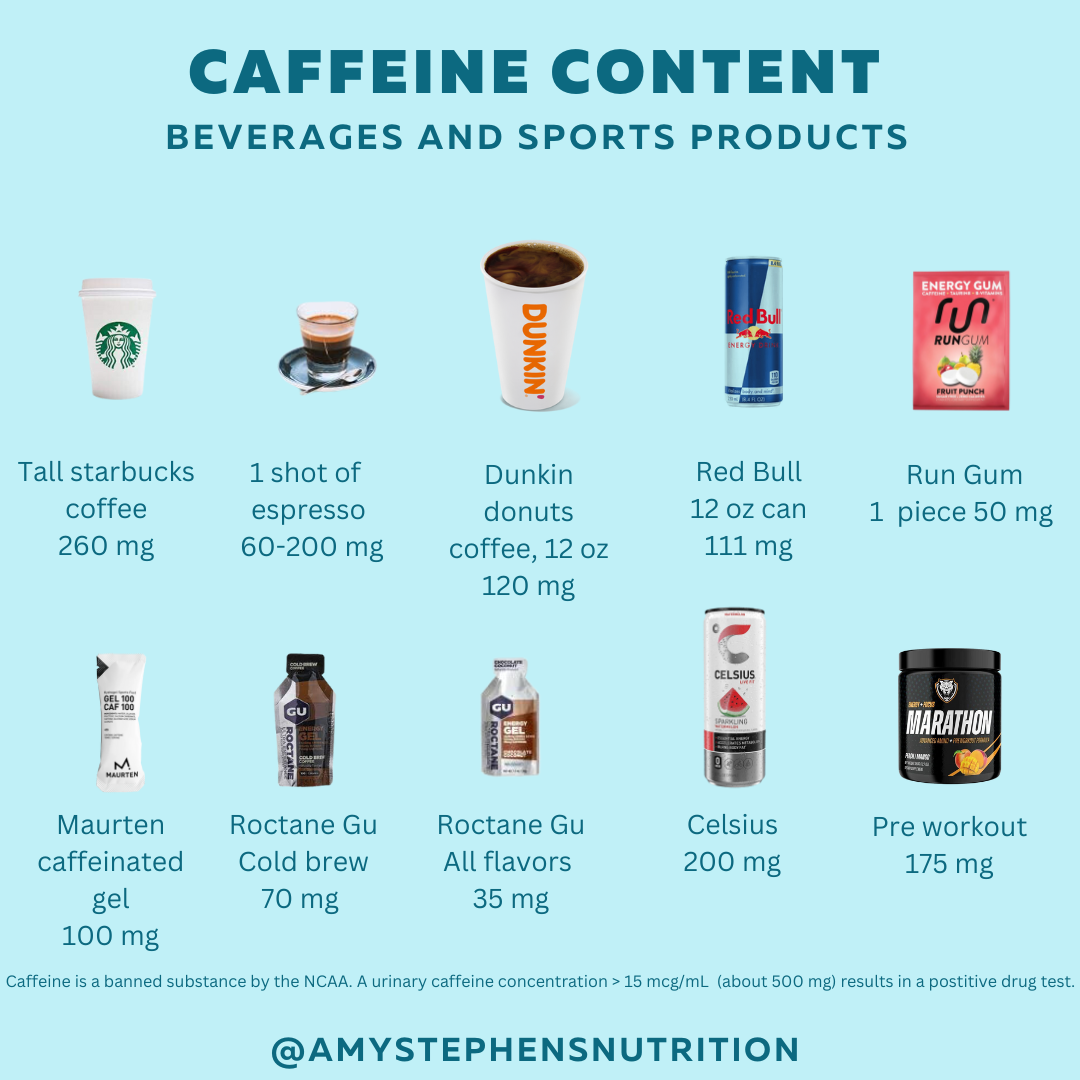
There is no single caffeine amount for all protein drinks. Some contain zero caffeine, while coffee-based and energy-style versions can contain enough to count as a meaningful source of daily caffeine.
The amount depends on the ingredients, serving size, and recipe. A drink made with a small amount of cocoa may contain only a little caffeine. A shake made with coffee or espresso can contain much more. A product with added caffeine may list a specific amount in milligrams.
For comparison, the US Food and Drug Administration says that up to 400 milligrams of caffeine per day is an amount not generally associated with dangerous negative effects for most healthy adults. This is not a personal target or a guarantee that every person can tolerate that amount. Sensitivity, health conditions, medicines, and pregnancy can change what is appropriate.
Source: amystephensnutrition.com
Caffeine-free formula
A product with no caffeine-containing ingredients and no added caffeine should provide zero caffeine.
Chocolate-based formula
Cocoa can contribute a small amount of natural caffeine. The exact level depends on the amount and type of cocoa used.
Coffee-based formula
Coffee and espresso ingredients can add a more noticeable amount of caffeine. The recipe and serving size determine the total.
Energy-style formula
Some products add caffeine directly. Look for a milligram amount on the label or the manufacturer’s product information.
A Simple Example of Daily Caffeine Intake
Imagine you drink one protein coffee with 100 milligrams of caffeine in the morning. Later, you have a cup of coffee with 95 milligrams and a can of soda with 35 milligrams. Your estimated total is 230 milligrams for the day.
This is a hypothetical calculation, not the caffeine content of a specific product. Actual amounts vary by brand, serving size, and preparation method. The useful habit is to add caffeine from all sources, not just protein drinks.
Protein coffee
Hypothetical amount: 100 milligrams.
Regular coffee
Hypothetical amount: 95 milligrams.
Soda
Hypothetical amount: 35 milligrams.
Daily total
230 milligrams from these three drinks.
Which Ingredients Can Add Caffeine to Protein Drinks?
The ingredient list is one of the best places to check for caffeine. A product does not need to be called an energy drink to contain caffeine. Some ingredients supply it naturally, while others add it directly during manufacturing.
Coffee and tea ingredients are common sources. Certain plant extracts can also contain caffeine. A label may list the source by its specific name rather than simply stating caffeine, so it helps to know which words to look for.
Not every plant extract contains caffeine in a meaningful amount. The plant part, processing method, and extract type can matter. If the label does not state the caffeine amount, contact the manufacturer rather than guessing.
Source: www.pinterest.com
Coffee and espresso
Coffee beans naturally contain caffeine. Coffee powder, brewed coffee, espresso, and coffee extract can all contribute caffeine to a shake.
Green tea extract
Green tea naturally contains caffeine unless it has been decaffeinated. Extracts may have different caffeine levels.
Guarana
Guarana seeds naturally contain caffeine and are used in some energy-focused products.
Yerba mate
Yerba mate is a plant-based source of caffeine. Its extract may appear in drinks marketed for energy or focus.
Added caffeine
Some manufacturers add caffeine as an ingredient. The amount may be stated in milligrams per serving.
Cocoa and cacao
These ingredients contain naturally occurring caffeine, usually in smaller amounts than coffee. They also contain the related stimulant theobromine.
Does Chocolate Protein Powder Have Caffeine?
Chocolate protein powder may contain a small amount of caffeine because cocoa comes from cacao beans. However, a chocolate flavor does not mean the product contains the same amount of caffeine as coffee.
Some powders use cocoa for flavor, while others use flavorings or a blend of ingredients. The amount of cocoa can also differ. If you avoid caffeine completely, choose a product that clearly confirms it is caffeine-free rather than relying on the flavor name.
Cocoa-based chocolate
May provide naturally occurring caffeine and theobromine.
Artificial chocolate flavor
Does not automatically indicate the presence of caffeine.
Chocolate coffee blend
May contain considerably more caffeine if coffee or espresso is included.
How to Check Whether a Protein Drink Contains Caffeine
You can check a protein drink for caffeine by reading its Nutrition Facts panel, ingredient list, and official product information. Do not rely only on the front label or the flavor name.
In the United States, caffeine is not always shown as a separate line on the Nutrition Facts panel. Naturally occurring caffeine from coffee or tea ingredients may not appear as a clearly stated milligram amount. Added caffeine and the way a product is labeled can also affect what information is displayed.
If you need to avoid caffeine for medical or personal reasons, a missing caffeine number is not proof that the product contains none. Check the ingredients and ask the manufacturer for confirmation when the information is unclear.
Source: feastgood.com
Step 1: Read the product name
Words such as coffee, mocha, espresso, energy, or pre-workout suggest that the drink may contain caffeine. They are clues, not proof.
Step 2: Check the ingredient list
Look for coffee, green tea extract, guarana, yerba mate, cocoa, cacao, and caffeine.
Step 3: Find the serving size
Check whether the caffeine amount applies to one bottle, one scoop, or a smaller serving. Some bottles contain more than one serving.
Step 4: Review the manufacturer’s website
Search for caffeine content, product specifications, or a frequently asked questions page for the exact flavor and size.
Step 5: Contact customer support
Ask for the total caffeine in milligrams per full bottle if the information is not clear.
What to Do When the Label Does Not List Caffeine
Do not assume that an unlisted amount means zero. A protein drink may contain caffeine from a coffee or tea ingredient even when the package does not show a separate caffeine figure.
If you are simply trying to reduce caffeine, you may decide to avoid coffee-based formulas. If you must avoid it completely, ask the manufacturer to confirm the total caffeine content, including caffeine from natural extracts and flavor ingredients.
For general caffeine reduction
Choose a standard protein formula without obvious caffeine sources.
For strict caffeine avoidance
Seek written manufacturer confirmation that the full serving contains no caffeine.
Do Popular Protein Drink Brands Contain Caffeine?
Caffeine content depends on the exact product, flavor, and formula. A brand may sell both standard protein shakes and coffee-based protein drinks, so it is not accurate to describe every product from that brand as either caffeinated or caffeine-free.
For example, a regular milk-based protein shake and a protein coffee can have very different ingredient lists. Even two flavors within one product range may use different ingredients. Check the exact bottle rather than relying on a brand-wide assumption.
The examples below explain how to assess common product types. They are not a guarantee about every current formula or package sold in the United States.
Source: reviews.cheatdaydesign.com
Premier Protein
Standard shakes and coffee-style products should be checked separately. Coffee-flavored varieties may contain caffeine, while other varieties should not be assumed to have the same amount.
Ensure
Standard nutrition shakes are not the same as coffee energy products. Check the exact formula and ingredient list for caffeine sources.
Fairlife Nutrition Plan
Do not infer caffeine content from the chocolate or vanilla flavor. Check the current product label and manufacturer information.
Muscle Milk
Different product lines can have different purposes and ingredients. Review the exact product, especially if it is marketed for energy or performance.
Protein2o
Regular protein water and energy-focused versions should be treated as separate products. The energy version may contain added caffeine.
Why Brand Names Are Not Enough
A company can change a recipe, introduce a new flavor, or sell a special product line. A caffeine amount found on an older website or package may not match the bottle currently on a store shelf.
When comparing brands, record the full product name, flavor, serving size, and package version. This simple check helps prevent mistakes when one brand sells several types of protein beverages.
Match the flavor
A coffee flavor and a vanilla flavor may have different caffeine content.
Match the serving size
A caffeine figure per serving may not represent the entire bottle.
Check current packaging
Older product information may no longer match the current formula.
Protein Drinks With Caffeine vs. Caffeine-Free Protein Drinks
The main difference is that caffeinated protein drinks provide both protein and a stimulant, while caffeine-free versions provide protein without caffeine’s stimulating effect. Neither type is automatically healthier for every person.
A caffeinated shake may be useful for someone who wants coffee and protein in one serving. A caffeine-free shake may be a better fit for someone who drinks coffee separately, avoids stimulants, or wants a protein drink later in the day.
The right option depends on your total diet, caffeine tolerance, sleep habits, and reason for using the drink. Protein quality, added sugar, calories, allergens, and other ingredients still matter.
Source: healthcareweekly.com
Caffeinated protein drinks
Combine protein with caffeine from coffee, tea extracts, or added caffeine. They can increase alertness but may also cause unwanted stimulant effects.
Caffeine-free protein drinks
Provide protein without the stimulating effects of caffeine. They can fit breakfast, post-workout, or evening routines.
Protein drinks with cocoa
May contain a small amount of natural caffeine. They are not necessarily equivalent to completely caffeine-free formulas.
Which Type Is Better for Morning Use?
Either type can work in the morning. If you already drink coffee, a caffeine-free protein shake can help you add protein without increasing your caffeine intake. If you prefer a combined drink, a coffee protein shake may replace the need for a separate cup of coffee.
The important step is to count all caffeine sources. Drinking a caffeinated shake alongside coffee may add more caffeine than you intended.
Choose caffeine-free
If you want protein but already get enough caffeine from coffee or tea.
Consider a coffee protein drink
If you want both nutrients in one beverage and know the caffeine amount.
Which Type Is Better at Night?
A caffeine-free protein drink is usually the more practical choice close to bedtime. Caffeine can interfere with sleep, and its effects may last for several hours. The amount of time it affects you depends on your metabolism and sensitivity.
If you want a shake after an evening workout, choose a formula without coffee, added caffeine, or other stimulant ingredients. Check the ingredients instead of relying only on a caffeine-free claim.
Evening protein
A simple whey, casein, soy, or plant-based shake may work without adding caffeine.
Avoid late stimulants
Skip coffee-based and energy-style protein drinks if caffeine affects your sleep.
Can You Drink Protein and Caffeine Together?
For most healthy adults, consuming protein and a moderate amount of caffeine together is generally possible. They perform different jobs in the body, and there is no general rule that says they must be consumed separately.
Protein supports tissue growth and repair. Caffeine acts on the central nervous system and can temporarily increase alertness. Some research has examined caffeine’s effects on exercise performance, while protein is commonly used to help meet daily protein needs and support recovery.
However, combining the two does not make a drink automatically better for exercise. The total caffeine amount, timing, protein intake, and type of activity all matter. More caffeine does not always produce better results.
Source: gem.clubwhites.co.uk
Before exercise
Some adults use caffeine before a workout for alertness or performance. Consider your tolerance and total daily intake.
After exercise
Protein can help meet recovery needs. Caffeine is not required for the body to use protein.
During a normal day
You can consume protein and caffeine in separate drinks if that makes it easier to manage the amount of each.
Does Caffeine Help Protein Work Better?
Caffeine does not turn protein into a more powerful muscle-building nutrient. Protein supplies amino acids, which the body uses to build and maintain tissue. Caffeine mainly affects alertness and nervous system activity.
Some exercise studies have found performance benefits from caffeine in certain settings. That does not prove that adding caffeine to a protein shake improves muscle growth or makes protein more effective. Those are separate questions.
Protein’s role
Provides amino acids needed for muscle maintenance, growth, and tissue repair.
Caffeine’s role
Can reduce feelings of fatigue and increase alertness for a limited time.
Combined effect
May offer convenience, but it does not guarantee greater muscle growth or better recovery.
How Much Caffeine Is Safe in a Protein Drink?
For most healthy adults, the FDA identifies 400 milligrams of caffeine per day as an amount not generally associated with dangerous negative effects. This includes caffeine from all sources, such as coffee, tea, soda, energy drinks, chocolate, supplements, and protein beverages.
That figure is a general reference, not a recommended daily goal. Some people experience symptoms at much lower amounts. Caffeine tolerance differs from person to person, and the same amount can affect two people in very different ways.
A protein drink with 150 milligrams of caffeine may fit within the general adult reference for one person but cause shakiness or poor sleep in another. If you are sensitive to caffeine, start by choosing a caffeine-free formula rather than trying to build tolerance.
Source: feastgood.com
Healthy adults
The FDA’s general reference is up to 400 milligrams per day for most healthy adults, from all sources combined.
Pregnancy
The American College of Obstetricians and Gynecologists advises limiting caffeine to less than 200 milligrams per day during pregnancy. Discuss your individual needs with your prenatal care provider.
Children and teens
Caffeinated energy products are not appropriate substitutes for food, sleep, or hydration. Parents should check pediatric guidance before giving young people caffeinated products.
People with health conditions
Those with heart rhythm problems, high blood pressure, anxiety, sleep disorders, or other relevant conditions may need an individualized caffeine limit.
Signs That You May Be Consuming Too Much Caffeine
Too much caffeine can cause unpleasant symptoms, even when the total amount is below the general adult reference. Your own response matters more than simply staying under a number.
If symptoms begin after drinking a caffeinated protein shake, stop consuming more caffeine and review other sources from that day. Severe symptoms, such as chest pain, fainting, or a very fast or irregular heartbeat, need urgent medical attention.
Jitters or shaking
You may feel restless, shaky, or unusually nervous.
Fast heartbeat
Caffeine can cause a racing or pounding heartbeat in some people.
Sleep problems
You may have trouble falling asleep or staying asleep.
Stomach discomfort
Some people experience nausea, acid discomfort, or an upset stomach.
Headaches or anxiety
High intake or sudden changes in caffeine use can contribute to headaches, anxiety, or other unpleasant effects.
Who Should Choose Caffeine-Free Protein Drinks?
Caffeine-free protein drinks may be the better option for people who want extra protein without a stimulant. This can include people who are sensitive to caffeine, those who drink several cups of coffee each day, and anyone who wants a protein shake close to bedtime.
People who are pregnant or breastfeeding should discuss caffeine intake with a qualified health professional. Those taking prescription medicines should also ask a pharmacist or clinician whether caffeine or specific plant extracts may affect their treatment.
A caffeine-free label does not mean a drink is automatically healthy or suitable for everyone. You still need to review sugar, calories, protein content, allergens, and other ingredients.
Source: www.pinterest.com
People with caffeine sensitivity
A caffeine-free shake can help avoid jitters, anxiety, and other symptoms linked to caffeine.
People with sleep concerns
A non-caffeinated drink is easier to fit into an evening routine.
People who already drink coffee
A caffeine-free shake can add protein without increasing an already high caffeine intake.
People advised to limit caffeine
A confirmed caffeine-free product may help follow a clinician’s advice.
People avoiding stimulants
A simple protein powder mixed with water or milk can be a practical alternative to energy-style formulas.
How to Choose a Caffeine-Free Protein Drink
Start with a product that lists a clear protein source, such as whey, casein, soy, pea, or another plant protein. Then check the ingredient list for coffee, tea extracts, guarana, yerba mate, and added caffeine.
If you need complete caffeine avoidance, do not rely on a flavor description or the absence of a caffeine line on the Nutrition Facts panel. Contact the company and ask whether the product contains any caffeine from all ingredients.
Check protein per serving
Choose an amount that helps meet your daily needs rather than assuming that more protein is always better.
Review added sugar
Compare total and added sugars across similar products.
Check allergens
Look for milk, soy, and other allergens that may matter to you.
Confirm caffeine status
Ask the manufacturer when the label does not clearly confirm that the drink is caffeine-free.
Consider serving size
Check the amount in the full bottle, not just a smaller listed serving.
Common Mistakes When Checking Protein Drink Caffeine
A few simple mistakes can lead to unexpected caffeine intake. The most common problem is assuming that all products in one brand or flavor category have the same ingredients.
The safest approach is to check the exact bottle, serving size, and ingredient list. If the caffeine amount is important for your health, confirm it with the manufacturer instead of relying on an online estimate for a different product version.
Source: healthcareweekly.com
Assuming every chocolate shake contains a lot of caffeine
Chocolate may provide some natural caffeine, but it is not the same as a coffee-based formula.
Assuming all vanilla shakes are caffeine-free
A flavor name does not guarantee a specific ingredient list. Check the product itself.
Ignoring serving size
A bottle may contain more than one serving, so the total caffeine may be higher than a per-serving figure.
Counting only coffee
Tea extracts, guarana, yerba mate, and some supplements can also add caffeine.
Assuming protein causes an energy boost like caffeine
Protein supports nutrition and tissue repair. It does not act as a stimulant in the same way caffeine does.
Trusting outdated product information
Recipes and package sizes can change. Use current information for the exact product.
Protein Energy Is Not the Same as Caffeine Energy
Protein provides calories and amino acids that help support normal body functions. If you have not eaten enough, a protein-containing meal or shake may help meet your nutritional needs. That is different from the alertness effect of caffeine.
Caffeine can temporarily make you feel more awake by affecting the nervous system. It does not replace sleep, a balanced diet, or adequate hydration. A drink with protein but no caffeine can still be useful even if it does not create a sudden energy boost.
Protein
Provides amino acids and energy from calories.
Caffeine
Acts as a stimulant and can temporarily increase alertness.
Sleep and food
Remain essential for normal energy, recovery, and daily function.
What to Look for Beyond Caffeine
Caffeine is only one part of a protein drink’s nutrition profile. A product can be caffeine-free and still contain a large amount of added sugar, calories, sodium, or ingredients that do not suit your diet.
Compare drinks based on your reason for using them. Someone who needs extra protein with breakfast may have different needs from someone using a shake after resistance training or as a snack during a busy workday.
The protein source also matters. Whey and casein come from milk, while soy and pea proteins are plant-based. People with food allergies or dietary restrictions should read the allergen statement and ingredient list carefully.
Source: www.pinterest.com
Protein amount
Check the grams of protein per serving and compare them with your daily dietary needs.
Added sugar
Review the added sugars line rather than judging sweetness by taste alone.
Calories
Consider how the drink fits into your overall meals and daily energy needs.
Protein source
Choose a source that fits your preferences, digestion, and allergy needs.
Other stimulants
Check for additional stimulant ingredients if you are avoiding energy-focused formulas.
Food safety and storage
Follow the storage directions. Refrigerate products that require it and do not use damaged or improperly stored bottles.
Do You Need a Protein Drink Every Day?
No. A protein drink is optional. Many people can meet their protein needs through foods such as eggs, fish, poultry, dairy, beans, lentils, tofu, nuts, and seeds.
A shake can be useful when your meals do not provide enough protein or when a convenient option fits your schedule. It should support your overall eating pattern rather than replace a varied diet without a clear reason.
Use food first when practical
Whole foods can provide protein along with fiber, vitamins, minerals, and other nutrients.
Use a shake for convenience
A ready-to-drink product can help when preparing a full meal is not practical.
Check your personal needs
Protein requirements depend on factors such as age, body size, activity, health, and individual goals.
Frequently Asked Questions
Q
Do Premier Protein shakes have caffeine?
Caffeine content depends on the specific Premier Protein product and flavor. Do not assume that every shake from the brand has the same amount. Check the ingredient list and current product information, especially for coffee-flavored or energy-style versions.
Q
Do chocolate protein shakes have caffeine?
Some chocolate protein shakes contain small amounts of naturally occurring caffeine from cocoa. Others may use flavorings with little or no caffeine. Coffee or mocha versions may contain more, so check the exact formula if caffeine matters to you.
Q
Can I drink a protein shake before bed?
You can drink a caffeine-free protein shake before bed if it fits your diet and does not cause stomach discomfort. Avoid coffee-based or energy-style shakes near bedtime if caffeine makes it harder for you to sleep.
Q
Does whey protein naturally contain caffeine?
Plain whey protein does not naturally contain caffeine as a normal part of whey itself. Caffeine may be present if the manufacturer adds coffee, cocoa, tea extracts, added caffeine, or other ingredients that supply it.
Q
Does protein powder give you energy without caffeine?
Yes, protein powder provides calories and amino acids that support normal body functions. However, it does not create the same short-term stimulating effect as caffeine. If you feel tired, sleep, hydration, overall food intake, and health may all play a role.
Q
Can I drink protein and coffee together?
Most healthy adults can combine a protein shake with coffee. The main concern is your total caffeine intake and individual tolerance. Count caffeine from both drinks and avoid exceeding the amount appropriate for your health.
Q
How can I tell if a protein drink is completely caffeine-free?
Check the ingredient list for coffee, tea extracts, guarana, yerba mate, cocoa, and added caffeine. If you need strict avoidance, contact the manufacturer and ask for confirmation of the total caffeine content in the full serving.
✦ Wrapping Up
Conclusion
So, do protein drinks have caffeine? Some do, but most standard protein shakes are made to provide protein rather than caffeine. Coffee, mocha, espresso, and energy-style varieties are more likely to contain it.
The best way to know is to check the exact product’s ingredients, serving size, and manufacturer information. Look beyond the flavor name because chocolate does not always mean high caffeine, and a missing caffeine figure does not always prove that a drink contains none.
If you want protein without a stimulant, choose a simple formula and confirm its caffeine status. If you enjoy caffeinated protein drinks, count their caffeine along with coffee, tea, soda, and other sources. Your total intake and personal response matter more than the drink’s marketing.
💡 Key Takeaway
Before buying your next protein drink, check the ingredient list for coffee, green tea extract, guarana, yerba mate, cocoa, and added caffeine. If the amount is not clear and you need to avoid caffeine, contact the manufacturer and ask how many milligrams are in the full bottle.