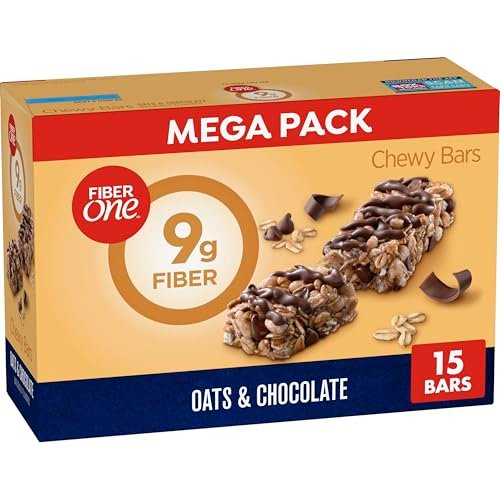
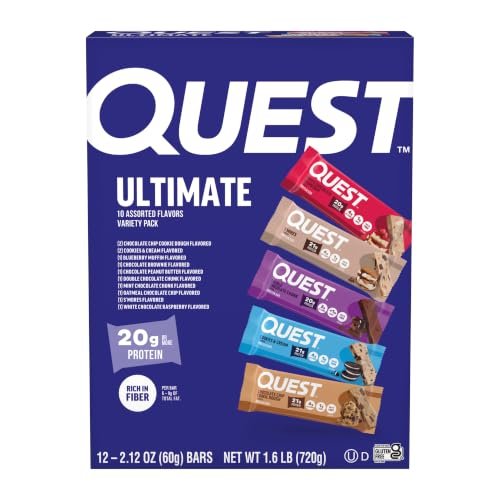
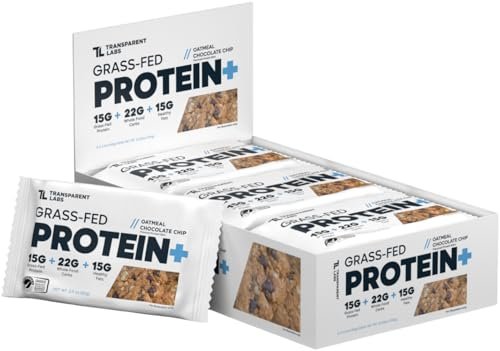
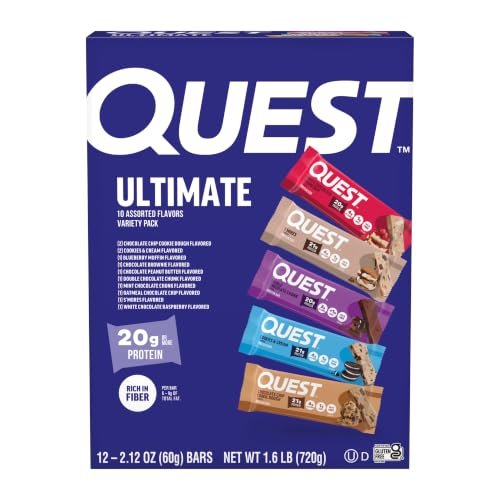
You can buy protein bars in bulk from Costco, Sam’s Club, Amazon, Walmart, brand websites, and wholesale food suppliers such as WebstaurantStore and BoxNCase.
If you live in the United States and eat protein bars every day, buying them one at a time can get expensive. A box from your local grocery store is easy to grab, but larger packs often make more sense for busy workers, gym members, athletes, families, and people who keep snacks in their cars or office drawers.
The good news is that you have several ways to buy protein bars in larger quantities. U.S. warehouse clubs sell multi-packs, online stores offer larger boxes and variety packs, and some brands have wholesale programs for businesses. Food distributors can also sell full cases to gyms, offices, convenience stores, and other buyers.
The best place depends on how many bars you need, which brand you prefer, and how much you want to spend. A 20-count box may be enough for one person, while a gym or workplace may need several cases every month. The lowest listed price is not always the best deal once shipping, membership fees, storage, and expiration dates enter the picture.
This guide explains where to shop, how to compare sellers, and what to check before placing a large order. It also covers wholesale accounts, delivery costs, product labels, and ways to avoid buying more bars than you can use.
Source: static.vecteezy.com
Where To Buy Protein Bars In Bulk
The best places to buy protein bars in bulk are warehouse clubs, online retailers, brand websites, and wholesale food distributors. Each option serves a slightly different buyer, so compare them based on order size and convenience.
For most U.S. households, starting with Costco, Sam’s Club, or a major online retailer is simple. If you run a business or need dozens of cases, a wholesale supplier or direct brand account may offer a better ordering process.
Here are the main places to check before you buy.
Source: static.vecteezy.com
Costco
A useful choice for shoppers who want large retail packs, familiar brands, and warehouse shopping.
Sam’s Club
Worth checking for multi-packs, online ordering, and larger snack boxes.
Amazon
Offers many brands, flavors, pack sizes, and delivery options. Check whether the seller is the brand or an authorized retailer.
Walmart
Provides online and in-store options, including larger packs of popular protein bars.
Brand websites
Some manufacturers sell directly through bundle offers, subscriptions, and wholesale accounts.
Wholesale distributors
Useful for gyms, offices, retailers, and buyers who need full cases rather than standard consumer boxes.
1. Costco
Costco is one of the first places I would suggest checking if you want to buy protein bars in bulk for personal use. Its warehouse model focuses on larger packs, which can help reduce the number of shopping trips you make.
You may find Kirkland Signature protein bars and other national brands in multi-count boxes. For example, Costco Business Center has listed a 20-count Kirkland Signature variety pack with two flavors and individually wrapped bars. The product listing describes 21 to 22 grams of protein per bar. Stock and prices can change by location.
Costco is especially useful if you already have a membership and want to buy enough bars for several weeks. You can also check online stock before making a trip to a warehouse.
Best for
Households, regular gym users, and people who already shop at Costco.
What to check
Membership costs, pack count, flavor selection, current stock, and delivery charges.
2. Sam’s Club
Sam’s Club is another strong option for buying protein bars in larger quantities. Its grocery and snack sections often include multi-packs that work well for families, fitness enthusiasts, and people who want a steady supply of portable snacks.
You can check the Sam’s Club website for available brands and compare online prices with local warehouse prices. Some items may qualify for delivery or pickup, depending on your area and membership.
The main advantage is convenience. You can add protein bars to a larger grocery order instead of placing a separate order with a specialty nutrition store.
Best for
Families and shoppers who want to combine protein bars with other bulk groceries.
What to check
Available flavors, pack sizes, membership benefits, and delivery eligibility.
3. Amazon
Amazon is a convenient place to compare different protein bar brands without visiting several stores. You can search for 12-count boxes, 20-count packs, larger cases, and mixed-flavor bundles.
It can also be useful when you want a specific flavor that is not available at your local grocery store. Search by brand, protein amount, flavor, and pack size to narrow the results.
However, pay attention to the seller. A familiar product name does not guarantee that every third-party listing comes directly from the manufacturer. Check seller information, package condition, product details, and recent customer feedback.
Before ordering, compare the total delivered price rather than the price shown in the first search result. Shipping charges, discounts, and pack sizes can change the real cost.
Best for
Online shoppers who want brand variety and home delivery.
What to check
Seller identity, expiration information, quantity, shipping fees, and return terms.
4. Walmart
Walmart offers another practical option for buying protein bars in bulk. You can look for larger boxes online or visit a local store to check the available snack and nutrition sections.
Its online marketplace may include products sold by Walmart and third-party sellers. Read the listing carefully so you know who will fulfill your order.
Walmart can be a good choice when you want to compare regular grocery prices with larger online packs. Pickup may also help you avoid delivery costs when the product is available nearby.
Best for
Budget-conscious shoppers who want online ordering or local pickup.
What to check
Seller details, local stock, online pack sizes, and pickup or shipping costs.
5. Brand Websites
Buying directly from a protein bar manufacturer can be useful when you have a favorite product and want to order it regularly. Many brands offer bundles, limited flavors, subscription options, or business purchasing programs.
For example, David Protein has a wholesale program for approved U.S. business customers. Its published information describes quantity-based carton pricing, wholesale application requirements, and storage and shelf-removal rules.
Brand-direct shopping also makes it easier to check product details and contact the manufacturer about ingredients, allergens, or damaged orders. However, not every brand sells directly to consumers or offers wholesale pricing.
Before opening an account, ask whether you can order mixed flavors, whether there is a minimum quantity, and whether the wholesale price includes shipping.
Best for
Loyal customers, gyms, small retailers, and buyers seeking a direct relationship with a manufacturer.
Wholesale food suppliers are worth considering when you need more than a few retail boxes. These sellers often organize products by case, making it easier to order snacks for a workplace, gym, convenience store, hotel, or food service operation.
WebstaurantStore is one example. Its snack bar catalog includes a protein bar category, multiple brands, and different case and box formats. Buyers can compare products by brand, flavor, and package quantity.
BoxNCase is another option for case-level snack purchases. Its protein bar listings include brands such as RXBAR, NuGo, FULFIL, and other products. Availability and case sizes vary.
These suppliers can be useful when you want to buy several cases in one order. Still, check freight costs, delivery terms, and the number of bars inside each case before comparing prices.
Best for
Businesses, gyms, offices, retailers, and buyers who need repeated case orders.
What to check
Minimum order quantities, case counts, freight charges, delivery areas, and product dates.
Best Places To Buy Protein Bars Wholesale
If you need protein bars for a business, a wholesale supplier or a manufacturer’s business program is often more suitable than buying many small retail boxes. These options may offer case pricing, repeat orders, and access to products in larger quantities.
Wholesale buying is different from regular online shopping. A seller may ask for business details, an application, a minimum order, or proof that you intend to resell the products. Some programs are open only to approved businesses.
The following supplier types are worth comparing.
Source: wallpapers.com
WebstaurantStore
A food service supplier with a snack bar catalog and a dedicated protein bar category.
BoxNCase
A case-oriented supplier with several protein bar brands and snack options.
Direct manufacturer programs
Useful for businesses that want to purchase from the brand itself.
Local food distributors
Potentially useful for gyms, stores, and workplaces that already receive regular food deliveries.
WebstaurantStore
WebstaurantStore is worth checking when you need protein bars for a business or a large group. Its catalog separates protein bars from other snack bar types and provides filters for brands, flavors, and product features.
You can compare products such as Clif, ONE, FULFIL, and other listed brands. Some products are sold by the box, while others are available in larger case quantities.
The main point is to compare the exact package. A case with 72 bars and a box with 12 bars are not equal purchases, even if their prices look close.
Useful for
Offices, food service businesses, gyms, and commercial snack supplies.
Important check
Confirm the quantity per case and the shipping cost before ordering.
BoxNCase
BoxNCase focuses on wholesale food and snack products sold by the box or case. Its protein bar selection provides another route for buyers who want several brands in one place.
This can save time if you are comparing multiple flavors or brands for a business. However, not every product will have the same case count, and some items may cost more because of their brand or packaging.
Check the delivery location, current inventory, and order terms before placing a large order.
Useful for
Buyers looking for case-level purchases and multiple snack brands.
Important check
Review the product count, case price, delivery terms, and stock status.
Direct Wholesale From Protein Bar Brands
Some protein bar brands have their own wholesale programs. These programs can be attractive if you want a particular product and plan to order it on a regular schedule.
For example, David Protein publishes a wholesale application for eligible U.S. businesses. Its terms include storage requirements and restrictions on how approved wholesale products may be sold. Other brands may have different rules.
Do not assume that every direct wholesale account offers the same discount. Ask about the opening order, reorder quantities, payment terms, shipping, and returns before committing.
Ask about account approval
Find out whether the program accepts individuals, gyms, retailers, or only established businesses.
Request a full price list
Check case prices, quantity discounts, and any extra fees.
Confirm product handling
Ask about storage temperatures, shelf life, and delivery conditions.
How To Choose The Right Bulk Protein Bar Seller
The right seller is the one that gives you a fair total cost, reliable products, suitable flavors, and enough time to use the bars before their best-by dates. A low case price alone does not make an order worthwhile.
Start by deciding how many bars you need each week. Then compare the sellers that can supply that amount without forcing you to buy more than you can store or consume.
A simple buying checklist can prevent costly mistakes.
Source: infashionbusiness.com
Compare the unit price
Divide the total delivered cost by the number of individual bars.
Check the best-by date
Make sure the shipment leaves enough time for you to use the full order.
Read the nutrition label
Compare protein, calories, added sugars, fiber, and serving size.
Review the seller
Choose a known retailer, manufacturer, or established distributor.
Check delivery terms
Confirm shipping fees, delivery estimates, damaged-item policies, and temperature requirements.
Calculate The Real Price Per Bar
The easiest way to compare bulk protein bar prices is to calculate the cost of one bar. This helps you compare a warehouse pack, an online bundle, and a wholesale case on equal terms.
Use this formula: total order cost divided by the number of bars received. Include shipping and other unavoidable order fees. If you pay a membership fee mainly to purchase these bars, consider that cost as well.
For example, imagine you find a box of 20 protein bars for $30. The price is $1.50 per bar before tax and delivery. Another seller offers 48 bars for $60, which is $1.25 per bar before additional charges.
The larger order looks cheaper. But if delivery costs $15, its total becomes $75, or about $1.56 per bar. In this hypothetical example, the smaller box offers the lower delivered unit cost.
Formula
Price per bar = total order cost divided by total number of individual bars.
Include
Shipping, handling, required fees, and any relevant membership cost.
Check The Minimum Order Quantity
A minimum order quantity, often called an MOQ, is the smallest purchase a seller will accept. Retail websites may let you buy one box, while wholesale programs may require several cartons or a minimum dollar amount.
This matters because a wholesale price may look attractive but require more money upfront. If you only need 24 bars, buying 200 may not be sensible.
Ask whether the supplier allows mixed cases. A mixed case can help you try several flavors without ordering a large quantity of just one type.
Small orders
Look at warehouse clubs and consumer websites.
Medium orders
Compare brand bundles and multi-box discounts.
Large orders
Request wholesale quotes and case pricing.
Review Shipping And Delivery
Shipping can change the value of a bulk order. Some retailers offer free delivery above a certain purchase amount, while others charge by weight, distance, or order size.
Protein bars are not all handled in the same way. Many shelf-stable products can be stored at room temperature, but some fresh or refrigerated bars need special handling.
If the seller ships a product that needs refrigeration, ask how it will be packed and transported. Do not assume that every protein bar is safe to leave in a hot delivery vehicle or storage area.
Before checkout
Calculate the final cost and review the delivery estimate.
After delivery
Check the cartons for damage and confirm that the products arrived in suitable condition.
Which Protein Bars Should You Buy In Bulk?
The best protein bars to buy in bulk depend on your nutrition goals, food preferences, budget, and how you plan to use them. A bar that works well after a workout may not be the best snack for someone who wants a small afternoon bite.
Start with the nutrition facts panel rather than the front of the package. Words such as high protein, low sugar, and natural can sound appealing, but the full label gives you a clearer picture of what you are buying.
There is no single protein bar that fits every person. Compare the product based on your own needs and check the ingredients before purchasing a large case.
Source: png.pngtree.com
High-protein bars
Useful for people who want a convenient snack with a larger amount of protein.
Low-added-sugar bars
Worth considering if you want to limit added sugars in your diet.
Plant-based bars
May suit people who avoid dairy or prefer plant protein sources.
Gluten-free bars
Useful for people who need to avoid gluten, provided the product meets their specific requirements.
Variety packs
A practical way to try several flavors before committing to a full case.
Compare Protein Content
Protein content is one of the first things to check. Some bars contain around 10 grams, while others provide 20 grams or more per serving.
The right amount depends on how the bar fits into your overall diet. A larger protein number does not automatically make a bar the best choice, especially if you do not enjoy the taste or cannot tolerate its ingredients.
Also compare the serving size. Make sure you are comparing similar-sized bars rather than assuming that all products offer the same amount of food.
Check the label
Look at grams of protein per bar, not only the front-of-package marketing.
Check the ingredients
Look for the protein sources, such as whey, milk protein, soy, pea, or other plant proteins.
Compare Added Sugar And Calories
Some protein bars contain chocolate coatings, syrups, dried fruit, or other sweet ingredients. These can affect the calorie and added sugar content.
If you are comparing two products, look at calories and added sugars per bar. A product with more protein may also have more calories, which may or may not fit your needs.
Remember that a protein bar is a food product, not a complete substitute for a varied diet. It can be convenient, but it should not become your only source of nutrition.
Added sugars
Check the added sugars line on the Nutrition Facts panel.
Calories
Compare the total energy in each bar based on your intended use.
Fiber
Review the fiber amount if you want a snack that also contributes dietary fiber.
Check Allergens And Dietary Needs
Protein bars may contain milk, soy, peanuts, tree nuts, wheat, or other ingredients that can cause allergic reactions. Some products also carry statements about shared manufacturing equipment or facilities.
Read the complete ingredient list and allergen statement every time you buy a different flavor or product version. Recipes and manufacturing processes can change.
If you have a serious food allergy, do not rely only on a front-of-package claim. Review the actual package and contact the manufacturer if the label does not answer your questions.
Dairy-free
Check for milk ingredients and relevant cross-contact statements.
Gluten-free
Verify the product’s labeling and suitability for your dietary needs.
Nut-free
Review both the ingredients and manufacturing warnings.
How Many Protein Bars Should You Buy At Once?
The right bulk quantity depends on how many bars you eat, how many people share them, and how long the products will stay fresh. Buying too few means placing frequent orders, while buying too many can lead to waste.
A simple monthly estimate can help. Multiply the number of bars used each day by the number of days in your buying period.
For example, if you eat one bar per day, a 30-count order may cover about one month. If two family members each eat one bar daily, the same order may last only 15 days.
Source: img.omnicontech.com
One bar per day
A 30-count pack provides about 30 days of supply for one person.
Two bars per day
A 60-count pack provides about 30 days of supply for one person.
Two people eating one bar daily
A 60-count pack provides about 30 days of supply for both people.
A small gym
Estimate weekly demand from expected purchases or snack distribution before ordering cases.
Estimate Your Monthly Usage
Start by tracking how many bars you actually eat in a normal week. Do not base your order on an ideal routine that you may not follow.
Multiply your weekly use by four to estimate a rough monthly requirement. Add a small reserve only if you know you will use it and have enough storage space.
For a business, review sales or distribution records. This gives you a better estimate than guessing how many bars customers or employees might want.
Personal use
Count your normal weekly consumption.
Family use
Add the expected use of everyone who will share the supply.
Business use
Use actual sales, staff numbers, or planned distribution quantities.
Match Your Order To Shelf Life
Before buying a large quantity, check the product’s best-by date and storage instructions. A large case is only a good deal if you can use the bars while they remain in suitable condition.
Many packaged protein bars are shelf-stable, but their shelf life varies by recipe, packaging, and storage conditions. Some products may need refrigeration, while others should be kept away from heat and direct sunlight.
Ask the seller for the expected remaining shelf life at delivery if the listing does not provide it. This is especially useful when ordering full cases or buying from a business distributor.
Small household
Choose smaller packs if you eat bars only occasionally.
Regular user
Compare 20-count and 30-count packs with your monthly usage.
Business buyer
Request the best-by date or remaining shelf-life details before placing a large order.
Is Buying Protein Bars In Bulk Cheaper?
Buying protein bars in bulk can be cheaper, but the savings depend on the seller, brand, pack size, and delivery cost. A larger box does not always have a lower price per bar.
Warehouse clubs may offer good value on popular products, while brand websites may provide bundle discounts or subscriptions. Wholesale sellers may have attractive case prices, but their minimum orders and shipping fees can change the final cost.
The best approach is to compare the delivered price per bar across at least two or three sellers. Use the same brand and flavor when possible so that you are comparing similar products.
Source: png.pngtree.com
Look for multi-pack discounts
Some sellers reduce the unit price when you purchase multiple boxes.
Check subscription offers
Recurring orders may include a discount, but review cancellation and delivery terms.
Compare wholesale tiers
Some manufacturers offer different prices based on the number of cartons ordered.
Avoid unnecessary stock
Do not buy extra cases just to qualify for a discount if you cannot use them.
Example Of A Bulk Price Comparison
The following example shows how shipping can change a buying decision. These are hypothetical prices for calculation purposes, not verified current offers from specific retailers.
Seller A offers 24 bars for $36 with free shipping. Seller B offers 48 bars for $64 but charges $12 for delivery. Seller C offers 60 bars for $75 with free shipping.
Seller A costs $1.50 per bar. Seller B costs about $1.58 per bar after delivery, while Seller C costs $1.25 per bar. Seller C has the lowest unit price, provided you can use all 60 bars.
Seller A
24 bars for $36. Total cost per bar: $1.50.
Seller B
48 bars for $64 plus $12 shipping. Total cost per bar: about $1.58.
Seller C
60 bars for $75 with free shipping. Total cost per bar: $1.25.
When Bulk Buying Is Not Worth It
Buying a large quantity may not make sense if you are trying a new brand, have limited storage, or eat protein bars only once in a while.
It can also be a poor deal if the seller has a short remaining shelf life, expensive delivery, or a strict no-return policy. A lower price is not helpful if part of the order goes unused.
For a new flavor, start with one regular box. Once you know that you like it, consider moving to a larger pack.
New product
Test a small quantity before ordering a full case.
Limited storage
Avoid orders that require more space than you have.
Short shelf life
Choose a smaller order or ask for fresher stock.
How To Store Bulk Protein Bars Properly
Proper storage helps protect the quality of your protein bars. Heat, moisture, sunlight, and damaged packaging can affect the texture and taste of some products.
Always follow the storage instructions printed on the package. A shelf-stable bar and a refrigerated bar may have very different handling needs.
If you buy several boxes, organize them so that you use the older stock first. This simple habit can reduce waste.
Source: png.pngtree.com
Keep bars in a dry place
Avoid damp cupboards, wet floors, and areas where moisture can damage packaging.
Avoid excess heat
Do not leave products in a hot car or near a heat source.
Follow refrigeration instructions
Store products in a refrigerator when the manufacturer requires it.
Protect the wrappers
Discard products with damaged or opened packaging when their safety or quality cannot be confirmed.
Use The First-In, First-Out Method
The first-in, first-out method means using older products before newer ones. It is a simple stock system used in homes and businesses.
When a new order arrives, place the newer boxes behind the older ones. Check the dates before organizing the shelves so that the earliest dates are easiest to reach.
This method is especially useful if you buy protein bars for a gym, office, or convenience store.
Check dates
Review each new shipment before adding it to storage.
Organize cartons
Keep older products in front of newer products.
Inspect stock
Check for damaged wrappers and signs of poor storage.
Understand Best-By Dates
A best-by date generally relates to the expected quality of a packaged food rather than serving as a universal safety deadline. The exact meaning depends on the product and the applicable labeling rules.
The National Institute on Aging explains that terms such as best if used by generally refer to the period when food is expected to have its best quality. These dates do not automatically tell you when a product becomes unsafe.
However, do not use this information as a reason to ignore damaged packaging, unusual odors, contamination, or manufacturer storage instructions. When a product looks or smells unusual, do not eat it.
Before buying
Ask how much shelf life remains when the order arrives.
During storage
Follow the package instructions and keep the stock organized.
When in doubt
Contact the manufacturer or discard a product that shows signs of damage or spoilage.
Common Mistakes To Avoid When Buying Protein Bars In Bulk
The biggest mistake is focusing only on the discount. Bulk orders involve more than price, and a poor choice can leave you with products you do not like or cannot use in time.
A few checks before checkout can protect your budget and help you choose a better supplier.
Source: cdn.pixabay.com
Buying an unfamiliar flavor in a large quantity
Try a small pack first so you know whether you enjoy the taste and texture.
Ignoring the delivered cost
Include shipping, handling, and membership fees in your comparison.
Not checking the seller
Review the seller’s identity, business information, and return policy.
Ignoring allergens
Read the full ingredient and allergen information before purchasing.
Buying too much stock
Estimate actual usage and check the remaining shelf life.
Assuming all bars are shelf-stable
Follow the storage requirements for the exact product.
Do Not Confuse Protein Bars With Regular Snack Bars
Not every snack bar is a protein bar. Granola bars, cereal bars, fruit bars, and energy bars can have very different nutrition profiles.
Some snack bars contain only a modest amount of protein, even if their packaging looks similar to a high-protein product. Check the Nutrition Facts panel to confirm what you are purchasing.
If your goal is to buy bars with a specific protein amount, filter by that amount rather than relying on the product category alone.
Read protein grams
Confirm the actual amount per individual bar.
Check serving size
Make sure the listed nutrition information applies to the whole bar.
Do Not Assume Every Wholesale Deal Is Genuine
A very low price from an unknown seller deserves a closer look. Check whether the seller is established and whether the product information matches the manufacturer’s official packaging.
Be careful with listings that have unclear product photos, missing ingredients, unusual payment requests, or no clear return policy.
For a large purchase, contact the brand to ask whether the seller is an authorized distributor. This is particularly useful when you plan to resell the bars.
Verify the seller
Look for clear business details and reliable contact information.
Check the product
Compare the flavor, package count, ingredients, and product identification.
Keep order records
Save invoices and delivery details in case you need to report a problem.
A Practical Buying Plan For Homes, Gyms, And Businesses
The easiest way to choose a supplier is to match the order size to the buyer. A household does not need the same purchasing process as a gym or a store.
Use the following approach to narrow down your options before spending money.
Source: static.vecteezy.com
For individuals
Start with Costco, Sam’s Club, Walmart, or Amazon. Compare 12-count, 20-count, and larger boxes.
For families
Consider warehouse clubs and mixed-flavor packs that allow several people to share the supply.
For gyms
Compare direct wholesale accounts and food distributors. Check whether individual bars can be sold or distributed under the supplier’s terms.
For offices
Look at case suppliers and recurring orders. Estimate how many bars employees will use each week.
For retailers
Contact brands and distributors about resale terms, wholesale pricing, product identification, and delivery schedules.
A Simple Five-Step Ordering Process
First, decide what you need the protein bars for. A snack supply for your home has different requirements from products you plan to sell to customers.
Second, choose two or three products that meet your nutrition, flavor, and ingredient requirements. Third, compare sellers and calculate the delivered cost per bar.
Fourth, check the best-by date, storage instructions, and order terms. Finally, place a small trial order when possible before moving to a larger purchase.
After delivery, inspect the shipment and record the quantity and product dates. This gives you a useful starting point for future orders.
Step 1
Set your monthly quantity and budget.
Step 2
Choose the brands and flavors that fit your needs.
Step 3
Compare retail, brand-direct, and wholesale sellers.
Step 4
Check the final price, shelf life, and delivery conditions.
Step 5
Order, inspect, store, and track your supply.
Frequently Asked Questions
Q
Where Is The Cheapest Place To Buy Protein Bars In Bulk?
There is no single seller that is always the cheapest. Costco, Sam’s Club, Amazon, Walmart, brand websites, and wholesale distributors may offer different prices depending on the brand and pack size.
Compare the final delivered cost per bar. Include shipping, handling, membership fees, and any minimum order requirements. The lowest unit price is only useful if you can use the entire order.
Q
Can I Buy Protein Bars In Bulk Without A Wholesale Account?
Yes. You can purchase larger packs from warehouse clubs and online retailers without opening a formal wholesale account in many cases.
A wholesale account is more relevant when you need business pricing, case quantities, or products for resale. Some manufacturers require an application and business information before approving wholesale buyers.
Q
Can I Buy Protein Bars Directly From Manufacturers?
Yes, some manufacturers sell directly to consumers and businesses. Their websites may offer bundles, subscriptions, or wholesale programs.
However, not every brand offers direct sales. Some manufacturers direct customers to authorized retailers instead. Check the official website for its current purchasing options.
Q
How Many Protein Bars Come In A Bulk Case?
The quantity depends on the brand and supplier. A retail box may contain 12, 20, or 24 bars, while a commercial case may contain several smaller boxes or a much larger number of individually wrapped bars.
Always check the product listing for the exact case count. Do not assume that a case and a box have the same number of bars.
Q
How Long Do Bulk Protein Bars Last?
Shelf life varies by product, recipe, packaging, and storage conditions. Some packaged bars are designed for room-temperature storage, while fresh or refrigerated products need different handling.
Check the best-by date and storage instructions on the package. If you are ordering several cases, ask the seller how much shelf life will remain when the shipment arrives.
Q
Is Amazon A Good Place To Buy Protein Bars In Bulk?
Amazon can be useful because it offers a wide range of brands, flavors, and pack sizes. It is especially convenient if you want home delivery or need a product that local stores do not carry.
Check who sells and fulfills the product, read the complete listing, compare the delivered cost, and review the return policy. When possible, use the brand’s official store or a seller the manufacturer recognizes.
Q
Can Gyms And Offices Buy Protein Bars Wholesale?
Yes. Gyms, offices, and other organizations can purchase protein bars through food distributors or manufacturer wholesale programs.
Before ordering, ask about minimum quantities, case prices, delivery schedules, storage rules, and resale restrictions. A direct brand account may have different conditions from a general food distributor.
✦ Wrapping Up
Conclusion
Finding where to buy protein bars in bulk is easier when you know which type of seller matches your needs. Costco and Sam’s Club are useful for household purchases, while Amazon and Walmart offer convenient online shopping and a wide range of pack sizes.
If you need larger quantities for a gym, office, or retail business, compare WebstaurantStore, BoxNCase, local food distributors, and direct manufacturer wholesale programs. These sellers may offer case pricing and business purchasing options, although minimum quantities and delivery terms vary.
Before placing an order, calculate the price per bar, check the ingredients and allergens, review the best-by date, and confirm the storage requirements. A smaller order of a product you enjoy is often a better purchase than a large case that goes unused.
The smartest bulk purchase is not always the biggest one. It is the order that gives you the right product, a fair delivered price, and enough time to use every bar.
💡 Key Takeaway
Start by comparing Costco, Sam’s Club, and Amazon for personal purchases. For business quantities, request quotes from at least two wholesale suppliers or manufacturers. Calculate the final price per bar and confirm shelf life before paying.