Can You Eat Too Many Protein Bars? Benefits, Risks, and How Many You Need
Protein bars are popular in the United States because they are fast, portable, and easy to keep in a gym bag, desk drawer, or car. They can help fill a protein gap after exercise or during a busy day. But a bar is still a packaged food, and eating several every day can create problems that are easy to miss.
The key question is not simply how many bars you eat. **It is what those bars add to your whole diet.** A bar with protein, fiber, and little added sugar is very different from one packed with calories, sugar alcohols, saturated fat, or sodium. Your daily protein target matters too.
This guide explains can you eat too many protein bars, what may happen if you do, how many may fit into a normal diet, and how to choose a better bar. It also explains why people with kidney disease or other health conditions may need a more personal plan.

Can You Eat Too Many Protein Bars?
Yes, you can. However, there is no universal cutoff such as two or three bars that applies to every adult. A person who needs more calories and protein may use a bar more often than someone with lower needs.
The bigger issue is balance. If several protein bars help you meet your needs while you still eat vegetables, fruit, whole grains, beans, dairy or alternatives, and other protein foods, they may fit well. If bars replace most meals, the diet can become less varied.
Protein bars also differ a lot. Some contain around 10 grams of protein, while others provide 20 grams or more. Some are closer to candy bars with added protein. Others contain useful amounts of fiber and less added sugar. **The Nutrition Facts label tells you more than the word ‘protein’ on the front of the package.**
The FDA Daily Value for protein is 50 grams per day for adults and children age 4 and older, based on a 2,000-calorie diet. That number is a labeling reference, not a personal target. Individual protein needs can be higher or lower depending on body size, age, activity, and health.
- ✦ The bar itself
Look at protein, calories, added sugar, saturated fat, sodium, fiber, and the ingredient list.
- ✦ Your total diet
Count protein and calories from meals, drinks, snacks, supplements, and bars together.
- ✦ Your health needs
Kidney disease and some other health conditions can change how much protein is appropriate.
- ✦ What the bar replaces
A bar used as an occasional snack has a different role from a bar that replaces breakfast, lunch, and dinner.
Why There Is No Exact Number of Protein Bars That Is Too Many
A 150-pound recreational runner and a smaller adult with a low activity level do not have the same nutrition needs. Even two bars with the same protein amount can have very different calories, sugar, fiber, and fat.
That is why the better question is not simply, ‘How many protein bars can I eat?’ Ask instead, ‘How does this bar fit into my total daily diet?’
What Happens If You Eat Too Many Protein Bars?
Eating one extra protein bar once is unlikely to cause a serious problem in a healthy adult. Problems are more likely when several bars become a regular habit and the extra calories, sweeteners, fiber, or protein add up.
Some people notice digestive symptoms first. Others may gain weight because the bars add more calories than they realize. The effect depends on the product, the rest of the diet, and the person’s health.
If you regularly rely on protein bars, pay attention to how your body responds. Persistent stomach pain, vomiting, severe diarrhea, swelling, or other concerning symptoms deserve medical attention rather than another change in snack choice.

- ✦ Bloating and gas
Some bars contain large amounts of added fiber or sugar alcohols. These ingredients can cause gas, bloating, cramps, or loose stools in some people.
- ✦ Extra calories
A bar can be a useful snack, but several bars can add hundreds of calories on top of regular meals.
- ✦ Less diet variety
Eating bars too often may reduce your intake of foods that provide different vitamins, minerals, healthy fats, and plant compounds.
- ✦ Too much added sugar
Some protein bars contain a meaningful amount of added sugar. The FDA Daily Value for added sugars is 50 grams per day on a 2,000-calorie diet.
- ✦ High sodium or saturated fat
Some bars can add more sodium or saturated fat than expected, especially when combined with processed foods eaten elsewhere in the day.
Can Too Many Protein Bars Cause Digestive Problems?
Yes. This is one of the most common practical concerns. A high-fiber bar can be helpful, but suddenly eating several high-fiber bars may overwhelm your gut.
Sugar alcohols such as erythritol, sorbitol, maltitol, and xylitol are also used in some low-sugar bars. Some people tolerate them well, while others develop gas, bloating, cramps, or diarrhea.
- ✦ Start slowly
If you are increasing fiber, increase it over time and drink enough fluid.
- ✦ Check the label
If a bar repeatedly causes stomach trouble, compare its fiber and sweetener ingredients with bars you tolerate better.
Can Too Many Protein Bars Cause Weight Gain?
They can if they push your total calorie intake above your needs over time. Protein itself does not make a food calorie-free, and a bar can contain calories from protein, carbohydrates, fats, and sweeteners.
For example, eating a protein bar as a planned snack is different from eating one after every meal while keeping all your usual snacks. The total daily intake matters more than the protein claim on the wrapper.
How Many Protein Bars a Day Is Reasonable?
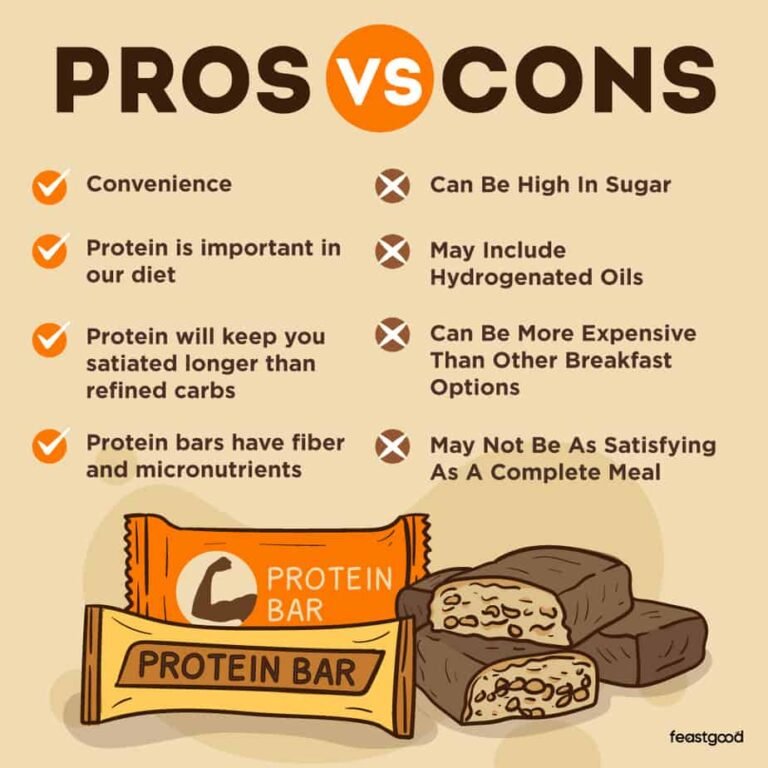
There is no official rule that says every adult should eat a specific number of protein bars each day. For many healthy people, **one protein bar a day can fit into a balanced diet**, especially when it replaces a less nutritious snack or helps meet a practical protein need.
Some people may use more than one on a busy day. That does not automatically mean they are eating too much protein. The important step is to look at the entire day’s protein, calories, fiber, added sugar, sodium, and food variety.
If you regularly need several bars to reach your protein goal, consider why. A bar can be convenient, but meals built around foods such as eggs, yogurt, milk, fish, chicken, tofu, beans, lentils, nuts, and whole grains can provide a wider range of nutrients.
- ✦ Occasional use
A bar now and then is easy to fit into most healthy eating patterns.
- ✦ One daily bar
One bar can be reasonable for many adults when its calories and ingredients fit the rest of the diet.
- ✦ Multiple bars daily
Several bars can still fit some diets, but the need for them should be clear and the rest of the diet should remain varied.
- ✦ Several bars replacing meals
This pattern deserves more attention because it can reduce food variety and may make it harder to meet broader nutrition needs.
How Much Protein Do You Need?
The basic protein requirement for healthy adults is commonly estimated at about 0.8 grams per kilogram of body weight per day. People who train hard, older adults, and some people recovering from illness may have different needs.
Your target should reflect your body size, activity, age, goals, and health. A protein bar should help you meet a reasonable target, not encourage you to consume as much protein as possible.
Why More Protein Is Not Always Better
Protein is essential for muscle, tissue repair, enzymes, hormones, and many other body functions. But once your body has enough for its needs, adding more does not automatically create more muscle or better health.
Muscle growth also depends on resistance training, enough total energy, sleep, and overall nutrition. A bar is a tool, not a shortcut.
Are Protein Bars Healthy? What to Check on the Label
A protein bar can be healthy, average, or highly processed. The name alone does not tell you which one you are buying. The Nutrition Facts label and ingredient list give a much clearer picture.
For U.S. shoppers, the FDA requires Nutrition Facts labels to list nutrients such as calories, total fat, saturated fat, sodium, total carbohydrate, dietary fiber, total sugars, added sugars, and protein. Use those numbers to compare products instead of relying only on marketing claims.
A useful bar does not need to be perfect. The goal is to find one that matches your needs and leaves room for the rest of your diet.

- ✦ Protein
Choose an amount that helps you meet your meal or snack goal without turning the bar into your main protein source.
- ✦ Fiber
Fiber can support fullness and digestive health, but very high amounts may cause discomfort if your body is not used to them.
- ✦ Added sugar
Check the added sugar line. A product can be high in protein and still contribute a lot of added sugar.
- ✦ Saturated fat
Compare saturated fat with the rest of your daily diet, especially if you already eat many foods high in saturated fat.
- ✦ Sodium
Sodium can add up across packaged foods. Compare bars if you eat them often.
- ✦ Ingredients
Look for protein sources you tolerate well and check for sweeteners, nuts, dairy, soy, gluten, or other ingredients that matter to you.
Protein Bars vs. Whole Foods
Whole foods offer benefits that a bar may not match. Greek yogurt can provide protein and calcium. Beans provide protein and fiber. Eggs provide protein and several vitamins. Fruit, vegetables, whole grains, nuts, and seeds add nutrients that help build a varied diet.
That does not make protein bars bad. Convenience matters, especially for people who work long hours, travel, exercise, or have limited access to a full meal. The best use is often to treat a bar as a convenient option rather than the foundation of the diet.
Can Eating Too Many Protein Bars Affect Your Kidneys?
For healthy adults, it is important not to assume that eating a few protein bars will damage the kidneys. However, people with chronic kidney disease may need to manage protein intake more carefully because their kidneys may not clear protein breakdown products as well.
The National Kidney Foundation notes that protein needs vary with kidney function and treatment. People with chronic kidney disease who are not on dialysis may be advised to limit protein, while people on dialysis often need more protein.
This means the question can you eat too many protein bars has a different answer for someone with kidney disease. If you have reduced kidney function, ask your doctor or a kidney dietitian how much protein you need before using high-protein foods or supplements on a regular basis.

- ✦ Known kidney disease
Do not use a generic high-protein target without checking whether it fits your kidney condition.
- ✦ Dialysis
Protein needs may be higher during dialysis, so a blanket rule to avoid protein bars may not be appropriate.
- ✦ No known kidney disease
Focus on your total diet and normal protein needs rather than assuming every protein bar is harmful.
Who Should Ask a Clinician Before Eating Many Protein Bars?
People with chronic kidney disease should get individualized protein advice. The same applies to people with certain digestive disorders, food allergies, metabolic conditions, or other medical needs that affect diet.
Pregnancy, recovery from major illness, and some athletic training plans can also change nutrition needs. A registered dietitian can help turn a general protein goal into a practical daily eating plan.
When Protein Bars Are Useful and When They Become a Problem
Protein bars can solve a real problem: lack of time. A person leaving work for the gym may not have time to prepare a meal. A bar can provide protein and energy until a proper meal is available.
The problem starts when convenience becomes dependence. If every meal is replaced with a bar, you may miss the taste, texture, nutrients, and variety that come from eating different foods.
A simple rule works well: **use protein bars to support a good diet, not to replace a good diet.**

- ✦ Before or after exercise
A bar can be useful when a full meal is not practical and you need convenient protein and calories.
- ✦ Travel
Bars are easy to carry and can be helpful when healthy food choices are limited.
- ✦ Busy workdays
A bar can work as a planned snack when you cannot access a balanced meal right away.
- ✦ Replacing most meals
This pattern can make your diet less varied and should not become the default without a clear nutritional plan.
Can You Eat Protein Bars Every Day?
Yes, many healthy adults can eat a protein bar every day if it fits their calorie and protein needs and the rest of the diet is balanced. Eating one daily is not automatically unhealthy.
The quality of the bar still matters. If your daily bar is high in added sugar, saturated fat, sodium, or calories, switching to a more balanced product may make more sense than simply focusing on the protein number.
Can You Eat Protein Bars Without Working Out?
Yes. You do not need to exercise to eat a protein bar. Protein is needed for normal body functions, not only for muscle building.
The key is matching calories and protein to your needs. If you are not very active, several high-calorie bars may provide more energy than you need.
How to Eat Protein Bars in a Healthier Way
If you enjoy protein bars, there is no need to fear them. A few simple habits can make them easier to fit into a healthy eating pattern.
Start by deciding why you are eating the bar. If the goal is protein after exercise, check the protein amount. If the goal is staying full during a long workday, fiber, calories, and overall food quality may matter more.
Also look at what you eat with the bar. A bar plus fruit, yogurt, or another whole food can create a more balanced snack than several bars eaten alone.

- ✦ Read the whole label
Check calories, protein, fiber, added sugar, saturated fat, sodium, and serving size.
- ✦ Keep food variety
Eat a mix of vegetables, fruit, whole grains, beans, nuts, dairy or alternatives, and other protein foods.
- ✦ Watch your total intake
Add the protein and calories from bars to what you already eat rather than treating them as nutritionally free.
- ✦ Choose tolerated ingredients
If sugar alcohols, dairy, soy, nuts, or high fiber cause symptoms, choose a product that better suits you.
- ✦ Drink enough fluids
Adequate fluid intake can help when you increase fiber, unless a clinician has told you to limit fluids.
- ✦ Use bars as a tool
Keep them for times when convenience matters instead of making them the main source of daily nutrition.
A Simple Protein Bar Checklist
Before buying a bar, ask five quick questions: Does it provide useful protein for my goal? Do I like the ingredients? Does the calorie amount fit my day? Is the added sugar reasonable for my diet? And does my stomach tolerate it?
If the answer is yes to those questions, the bar can have a useful place in your routine. If not, another snack may serve you better.
- ✦ Protein
Does the amount match your snack or meal goal?
- ✦ Calories
Will the bar fit your daily energy needs?
- ✦ Fiber and sweeteners
Will the ingredients support or upset your digestion?
- ✦ Added sugar and sodium
Are these amounts reasonable when you consider the rest of your diet?
- ✦ Food variety
Are you still eating a wide range of whole and minimally processed foods?