Protein Powder vs Amino Acids: Which Is Better?


Is Protein Powder Good?
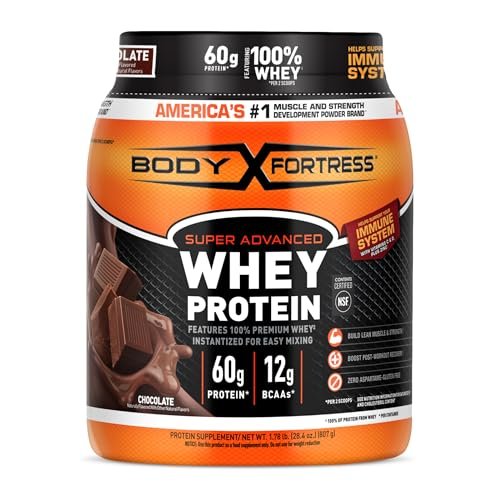
Yes, for most people who struggle to get enough protein from food, protein powder is a useful choice. It can help support muscle repair, muscle growth, and daily protein intake. A typical serving can provide around 20 to 30 grams of protein, depending on the product. That is far more total protein than most amino acid-only products provide. This is the main reason protein powder usually leads the protein powder vs amino acids debate.
I find protein powder most useful on busy days. A shake can take less than a minute to make. After an evening workout, I can mix it with water or milk and move on with dinner, work, or family time. It also works well at breakfast or as part of a snack. The big lesson from comparing protein powder vs amino acids is that protein powder is not magic. It simply makes it easier to reach a useful daily protein target.
Protein powder also provides amino acids because proteins are made from amino acids. A complete protein source can provide all nine essential amino acids. That makes it a broad option for people who want one simple supplement rather than several smaller products.
What Makes It Stand Out / Key Features
- Complete ProteinMany whey and other complete protein powders provide all nine essential amino acids.
- High Protein DoseA serving often supplies about 20 to 30 grams of protein, depending on the formula.
- Muscle SupportAdequate protein helps support muscle repair and growth when paired with resistance training.
- Easy To UseYou can mix it with water, milk, yogurt, oats, or a smoothie.
- Meal SupportIt can help fill a protein gap when a full meal is not practical.
- Flexible TimingYou can use it before or after training or at another time that fits your daily diet.
My Recommendation
Consider protein powder if your main goal is to increase daily protein, support muscle growth, or make recovery nutrition easier. It is the more complete tool in most protein powder vs amino acids situations.
| Best For | Why |
|---|---|
| Muscle Gain | It makes it easier to reach a higher daily protein intake. |
| Busy Adults | A shake gives you a quick protein source when a full meal is not convenient. |
| Protein Gaps | It can add a meaningful amount of protein without much prep. |
Are Amino Acids Good?
It depends. Amino acid supplements can make sense for specific goals, but they are not a universal replacement for protein powder or food. Amino acids are the building blocks of protein. Some supplements focus on BCAAs, while others contain a wider mix of essential amino acids. The exact formula matters a lot when comparing protein powder vs amino acids.
I see the biggest appeal in convenience. An amino acid drink can be light and easy to sip during a workout. It may suit someone who does not want a thick shake while training. But there is an important catch: if you already eat enough high-quality protein, adding more amino acids may offer little extra value. Your body already gets amino acids from the protein in your meals and shakes.
This is where the protein powder vs amino acids choice becomes more personal. Amino acids can be a targeted option. Protein powder is usually the better foundation. For a person with a low protein intake, I would focus on fixing that first rather than adding a narrow amino acid supplement.
What Makes It Stand Out / Key Features
- Selected Amino AcidsThe formula may provide BCAAs, essential amino acids, or a broader amino acid blend.
- Light DrinkMany amino acid products mix into a lighter drink than a traditional protein shake.
- Workout ConvenienceAmino acid drinks can be easy to sip before, during, or after training.
- Lower Protein VolumeThese products usually do not provide the same total protein as a full serving of protein powder.
- Targeted FormulaThe ingredient list can focus on selected amino acids rather than complete protein.
- Diet DependentThe potential value depends heavily on how much high-quality protein you already get from food.
My Recommendation
Consider amino acids if you already meet your protein needs and want a light, targeted workout drink. For most beginners, protein powder or whole-food protein should come first.
| Best For | Why |
|---|---|
| Light Workout Drink | It can be easier to sip than a thick protein shake. |
| High Protein Diets | People who already meet protein needs may prefer a targeted supplement. |
| Supplement Fans | It can add selected amino acids to an already solid nutrition plan. |
protein powder vs amino acids: Side-by-Side Test
The simplest way to understand protein powder vs amino acids is to think of protein as the whole building kit and amino acids as selected building blocks. Your body needs both, but that does not mean you need both supplements.
When I compare protein powder vs amino acids, I put daily protein intake first. Then I look at training goals, cost, taste, convenience, and diet. That order keeps the choice simple.
Protein Content: Which Gives More?
The biggest difference in protein powder vs amino acids is the amount and type of protein you get.
| Feature | Product 1 | Product 2 |
|---|---|---|
| Total Protein | Often about 20 to 30 g per serving | Usually much lower or not counted as complete protein |
| Essential Amino Acids | Complete protein sources can provide all nine | Depends on the formula |
| Protein Replacement | Can help fill a daily protein gap | Usually not a full protein replacement |
⭐ Product A – 10/10 | Product B – 6/10
Protein powder has the edge because it delivers more complete protein in one serving.
Muscle Growth: Which Helps More?
Muscle growth needs training, enough calories, and enough protein. The supplement is only one piece of the puzzle.
| Feature | Product 1 | Product 2 |
|---|---|---|
| Supports Protein Intake | Strong | Limited |
| Supports Muscle Protein Synthesis | Strong when it provides enough essential amino acids | Depends on the amino acid mix and overall diet |
| Useful for Low Protein Intake | Yes | Usually not the first choice |
⭐ Product A – 9/10 | Product B – 6/10
Protein powder has the edge for people who need more total protein to support muscle growth.
Recovery: Which Fits Better?
Recovery is not just about one drink. Sleep, food, hydration, and training load all matter.
| Feature | Product 1 | Product 2 |
|---|---|---|
| Post Workout Protein | Easy way to add a substantial protein serving | Can provide selected amino acids |
| Daily Recovery Support | Strong when total protein needs are met | More targeted |
| Meal Replacement Value | Can help fill a protein gap but is not a complete meal | Very limited |
⭐ Product A – 9/10 | Product B – 6/10
Protein powder has the edge because recovery depends heavily on adequate total protein.
Convenience: Which Is Easier?
Both products are easy to carry, but the best choice can depend on what you want to drink during training.
| Feature | Product 1 | Product 2 |
|---|---|---|
| Mixing | Usually easy with a shaker | Usually very easy |
| During Workout | May feel heavier | Often feels lighter |
| Travel | Easy in single servings or a dry shaker | Easy in powder form |
⭐ Product A – 8/10 | Product B – 9/10
Amino acids have a small convenience edge when you want a light drink during training.
Cost: Where Does Money Go?
Price varies by brand, serving size, formula, and sales. Comparing cost per gram is more useful than comparing tubs.
| Feature | Product 1 | Product 2 |
|---|---|---|
| Protein Per Dollar | Often strong | Usually less favorable when viewed as total protein |
| Serving Cost | Varies by protein source | Varies by amino acid blend |
| Value For Beginners | Usually high | Often lower |
⭐ Product A – 9/10 | Product B – 7/10
Protein powder generally offers more nutritional value per serving for people trying to increase protein intake.
Diet Fit: Who Needs What?
Your diet should guide the supplement choice, not the other way around.
| Feature | Product 1 | Product 2 |
|---|---|---|
| Low Protein Diet | Strong fit | Usually not enough on its own |
| High Protein Diet | Useful but may be optional | May also be optional |
| Vegetarian Diet | Can help meet protein needs | May provide selected amino acids |
⭐ Product A – 9/10 | Product B – 6/10
Protein powder has the edge when the main problem is not getting enough protein.
Simplicity: Which Is Easier?
A good supplement plan should feel simple enough to follow for months, not just days.
| Feature | Product 1 | Product 2 |
|---|---|---|
| One Product For Protein | Yes | No |
| Simple Daily Use | Yes | Yes |
| Broad Nutrition Role | Higher | Lower |
⭐ Product A – 10/10 | Product B – 7/10
Protein powder keeps the plan simple because it supplies a broader protein package.
Final Verdict: Which Should You Buy?
In the protein powder vs amino acids debate, protein powder is the better starting point for most people. It gives you a meaningful dose of protein and can provide all nine essential amino acids when you choose a complete protein source. It is especially useful for muscle gain, strength training, and busy days when food alone does not cover your protein needs.
Amino acids have a more specific role. They can suit people who already eat enough protein and want a light workout drink or a targeted amino acid formula. If your diet is already strong, they may be an optional extra. If your diet lacks protein, start with food and protein powder before adding more specialized supplements.