Are Protein Bars Good for Weight Loss? Benefits, Risks, and How to Choose
If you are asking, “are protein bars good for weight loss,” the most accurate answer is: sometimes. A protein bar can be a smart snack when it helps you manage hunger, adds protein to your day, and fits your calorie needs. But some bars are closer to candy bars with added protein than balanced foods.
Protein itself can help with fullness. Research on higher-protein diets suggests that protein may reduce hunger and increase feelings of fullness. It may also help support lean mass during weight loss when paired with a suitable eating plan and resistance exercise.
The key is not the word “protein” on the package. The key is the full nutrition label. For a busy person in the U.S., a good protein bar can be useful after a workout, during a long workday, or when healthier food is not easy to find. It should make your overall diet easier, not simply add more calories.
Are Protein Bars Good for Weight Loss?
So, are protein bars good for weight loss? They can be. Weight loss still depends mainly on your overall energy balance over time. A bar can support that goal if it helps you eat fewer calories overall or makes it easier to stick to a balanced eating plan.
Protein bars may be useful because protein tends to be filling. A 2020 systematic review found that higher protein intake may improve fullness in adults with overweight or obesity, although the researchers also noted that the evidence had limits.
That does not mean every protein bar will help you lose weight. A bar with 300 calories, lots of added sugar, and little fiber may add more calories than the snack it replaces. A 150 to 200 calorie bar with a useful amount of protein and fiber may fit much better into a calorie-controlled diet.

- ✦ They can improve convenience
A protein bar is easy to carry and can help you avoid an impulsive fast-food meal or sugary snack when you are busy.
- ✦ They may help control hunger
Protein can increase fullness, which may make it easier to wait until your next planned meal.
- ✦ They can add protein
A bar can help you reach your daily protein needs when meals alone do not provide enough.
- ✦ They can also add calories
A protein bar still counts as food. Eating one on top of your normal meals may increase your total calorie intake.
Protein Bars Do Not Burn Body Fat by Themselves
There is no special fat-burning effect that comes from eating a protein bar. Protein may support fullness and help preserve lean tissue, but losing body fat requires a sustained calorie deficit.
This is why it is better to think of a protein bar as a food choice rather than a weight-loss product. Its value depends on how it fits into your whole diet.
A Protein Bar Works Best as a Replacement
A useful test is simple: ask what the bar is replacing. If it replaces a pastry, candy, chips, or a large takeout snack, it may improve the quality and protein content of that eating occasion.
If you eat the bar after a full meal because the package says “high protein,” it may do the opposite. The extra calories can make weight loss harder.
How Protein Can Support Weight Loss
Protein has several traits that can make a calorie-controlled diet easier. It can increase fullness after eating, and higher-protein diets have shown modest benefits for body weight in research on adults with excess weight.
Protein also helps maintain and build muscle tissue. This matters during weight loss because the goal is not simply to make the number on the scale smaller. A good plan aims to reduce excess body fat while supporting lean mass.
Still, more protein is not always better. Your total diet, activity level, health needs, and calorie intake all matter. A protein bar is only one small part of that picture.

- ✦ Fullness
Protein can help you feel full after eating, which may reduce the urge to snack soon after.
- ✦ Muscle support
Adequate protein can help support lean tissue during a calorie deficit, especially when combined with resistance training.
- ✦ Food control
A filling snack can make it easier to follow a planned eating routine instead of making food choices based only on hunger.
- ✦ Thermic effect
The body uses energy to digest and process protein. This effect exists, but it is not large enough to make a protein bar a stand-alone fat-loss tool.
Protein and Satiety
Satiety means how full you feel after eating. Several controlled studies suggest that protein can increase fullness and reduce hunger in the short term.
The effect varies from person to person. A bar that keeps one person satisfied for hours may leave another person hungry after an hour. Your total meal pattern matters too.
Protein and Muscle During Weight Loss
When calories are reduced, some people lose both fat and lean tissue. Adequate protein, along with resistance exercise, can help support muscle during this process.
This is one reason a protein-rich snack can be useful for active adults. However, you do not need protein bars to get protein. Foods such as Greek yogurt, eggs, fish, poultry, beans, lentils, tofu, and cottage cheese can also provide it.
What to Look for in a Protein Bar for Weight Loss
If you want to know whether a protein bar fits a weight-loss plan, start with the Nutrition Facts label. Do not judge a bar by its front-of-package claims alone.
There is no single perfect protein bar for everyone. Your calorie needs, protein needs, food preferences, activity level, and tolerance for ingredients all matter.
A practical approach is to compare several bars in the same store. Look at calories first, then protein, fiber, added sugar, saturated fat, and sodium. Also check the serving size so you know how much you are actually eating.

- ✦ Calories
Choose a calorie level that fits your snack or meal plan. A bar can be high in protein but still contain enough calories to affect your daily energy balance.
- ✦ Protein
Look for a meaningful amount of protein for your needs. Many people use roughly 10 to 20 grams as a practical snack range, but individual needs vary.
- ✦ Fiber
Fiber can support fullness and digestive health. Compare fiber content across bars rather than assuming every high-protein product is high in fiber.
- ✦ Added sugar
Check the added sugar line on the Nutrition Facts label. The FDA Daily Value for added sugars is 50 grams per day based on a 2,000-calorie diet.
- ✦ Saturated fat
A bar with a large amount of saturated fat may be less useful as a daily snack, especially if the rest of your diet is also high in saturated fat.
- ✦ Ingredients
Read the ingredient list if you have food allergies, digestive issues, or specific dietary preferences. Simple ingredients are not automatically healthier, but they can make the product easier to understand.
What Does High Protein Really Mean?
The phrase “high protein” can sound impressive, but it does not tell you whether a bar is good for weight loss. Compare the protein with the calories. A bar with 20 grams of protein and 300 calories is a different choice from one with 20 grams of protein and 170 calories.
Also remember that protein is not the only nutrient that matters. A useful bar can contain protein, fiber, healthy fats, and carbohydrates while still fitting your calorie needs.
Do Low-Sugar Protein Bars Help More?
Not always. Lower added sugar can be useful, but sugar alone does not determine whether a food supports weight loss. Total calories, protein, fiber, portion size, and your overall diet still matter.
Some bars use sugar alcohols or other sweeteners to reduce sugar. These ingredients are tolerated well by many people, but some can cause gas, bloating, or diarrhea when eaten in large amounts.
How Many Calories Should a Protein Bar Have for Weight Loss?
There is no universal calorie limit for a weight-loss protein bar. A person with high energy needs may use a larger bar as a mini-meal, while another person may prefer a smaller bar as a snack.
For many people, a snack-sized bar in the roughly 150 to 250 calorie range can be easier to fit into a calorie-controlled diet. But that range is a guide, not a rule. Your daily calorie needs and what the bar replaces matter more than one number.
Think about the whole eating occasion. If the bar is your only food for several hours, a more substantial option may make sense. If you will eat dinner soon, a smaller snack may be enough.

- ✦ Small snack
A smaller bar may work when you need a light snack between meals.
- ✦ Post-workout snack
A bar can pair with fruit or another food when you need protein and carbohydrates after exercise.
- ✦ Mini-meal
A larger bar may work as a temporary meal option when combined with other nutritious foods, but many bars do not provide the variety of nutrients found in a full meal.
Calories Matter More Than the “Protein Bar” Label
A protein bar is not a free food. If you eat one every day without adjusting other food, the extra calories may slow or stop weight loss.
Instead, use the bar with a clear purpose. It can replace a less filling snack, help bridge the gap between meals, or provide a convenient source of protein when you have limited food options.
Can Protein Bars Cause Weight Gain?
Yes. A protein bar can contribute to weight gain if it regularly pushes your total calorie intake above your needs. The fact that it contains protein does not cancel out its calories.
This can happen when people treat protein bars as an extra health food rather than a replacement for another snack. For example, eating a full lunch, then adding a 250-calorie bar because it is high in protein can raise daily calories without adding much value.
Some bars are also energy-dense because they contain nuts, nut butters, chocolate, oils, dates, or other calorie-rich ingredients. These foods can be nutritious, but portions still matter.
- ✦ Eating bars in addition to meals
Extra calories can accumulate when bars are added without replacing another food.
- ✦ Large serving sizes
Some bars are closer to a small meal in calories than a light snack.
- ✦ Liquid calories and snacks together
A high-calorie shake plus a protein bar can become a large snack even when both foods are marketed as fitness products.
- ✦ Ignoring hunger signals
Eating a bar simply because it is convenient can lead to unnecessary calories when you are not actually hungry.
The Healthy Halo Effect
Words such as “protein,” “keto,” “low carb,” and “fitness” can make a food seem healthier than it is. These terms do not tell you how many calories you are eating.
The best habit is to treat the package as a source of information, not as a health guarantee. Check the Nutrition Facts panel and compare the product with other snack choices.
Protein Bars vs. Whole-Food Protein Sources
Protein bars are convenient, but convenience is their main advantage. Whole foods can offer a wider mix of nutrients and may be more satisfying for some people.
For example, Greek yogurt can provide protein along with calcium. Eggs provide protein and several vitamins and minerals. Beans and lentils provide protein and fiber. Fish can provide protein along with beneficial fats.
That does not make protein bars bad. They can fill a useful gap when you are at work, traveling, commuting, or heading to the gym. The goal is to use them as one tool rather than the foundation of your diet.

- ✦ Greek yogurt
A high-protein yogurt can be a filling snack and can be paired with berries or other fruit.
- ✦ Eggs
Eggs provide protein and can work well as part of a balanced meal or snack.
- ✦ Beans and lentils
These foods provide protein and fiber and can be part of many affordable meals.
- ✦ Cottage cheese
Cottage cheese can provide a substantial amount of protein and works well with fruit or vegetables.
- ✦ Fish or poultry
Lean fish and poultry can provide protein as part of a complete meal with vegetables and whole grains.
When a Protein Bar Makes More Sense
A bar may be a good choice when access to a refrigerator, kitchen, or full meal is limited. It can also be useful when you need something portable before or after exercise.
The best choice is the one that helps you stay consistent. A simple, practical food that you can use well may be more helpful than a theoretically perfect food that is hard to keep around.
When Is the Best Time to Eat a Protein Bar?
There is no special time when protein bars suddenly become better for weight loss. The best time is usually the time when the bar solves a real nutrition problem without adding unnecessary calories.
Some people use a bar between meals when hunger is strong. Others use one before or after exercise. A bar can also be useful during travel or a long work shift when healthier options are not available.
You do not need to eat a protein bar immediately after a workout to get results. Your overall daily food intake matters more than a narrow post-workout window.
- ✦ Between meals
A protein-rich snack may help bridge the gap between meals and reduce the chance of overeating later.
- ✦ Before exercise
A bar may provide convenient fuel when you need food before training and have limited time.
- ✦ After exercise
A bar can provide protein after training, especially when a full meal is not practical.
- ✦ Travel and work
Keeping a bar available can help you make a planned food choice when options are limited.
Common Mistakes When Using Protein Bars for Weight Loss
Even a well-designed protein bar can become unhelpful when used in the wrong way. Most problems come from portions, extra calories, or unrealistic expectations.
If you are asking, “are protein bars good for weight loss,” also ask how you plan to use them. The same bar can support one person’s goal and work against another person’s goal.
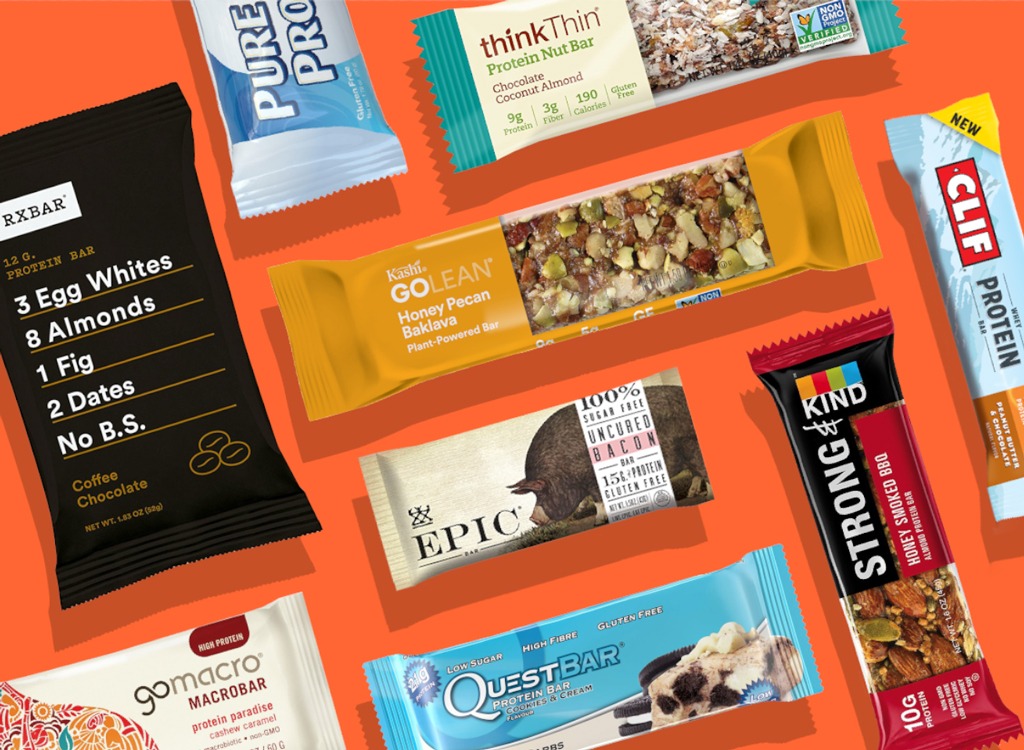
- ✦ Choosing the bar with the most protein
More protein is not automatically better. Compare protein with calories and the rest of the nutrition label.
- ✦ Ignoring calories
A bar can contain useful nutrients and still be too calorie-dense for your current plan.
- ✦ Replacing every meal
Most protein bars do not provide the food variety, volume, and nutrient range of balanced meals.
- ✦ Eating multiple bars
Several bars can quickly add a large amount of calories, protein, sweeteners, and fiber.
- ✦ Ignoring digestive tolerance
Some bars contain large amounts of sugar alcohols or added fiber that may cause bloating or digestive discomfort.
- ✦ Believing marketing claims
Words on the front of the package should not replace a careful look at calories, protein, fiber, sugar, saturated fat, and serving size.
A Simple Label-Reading Method
Start with serving size and calories. Then check protein and fiber. Next, look at added sugar and saturated fat. Finally, review the ingredient list if you have allergies or prefer to avoid certain ingredients.
The FDA provides a useful rule of thumb for Nutrition Facts labels: 5% of the Daily Value or less is considered low, while 20% or more is considered high for an individual nutrient. Use this as a guide, not as a complete measure of food quality.
How to Fit Protein Bars Into a Healthy Weight Loss Plan
A protein bar works best when it supports a broader eating pattern. Build most meals around nutritious foods such as vegetables, fruit, whole grains, beans, lean proteins, dairy or fortified alternatives, nuts, and seeds.
Use protein bars when they solve a practical problem. Keep one in your bag, desk, or car if that helps you avoid less useful choices when hunger hits. But do not let convenience replace variety.
Your activity level matters too. Regular movement and resistance training can support health, fitness, and muscle maintenance while you work toward weight loss.
- ✦ Plan the role of the bar
Decide whether it is a snack, a pre-workout option, a post-workout option, or a temporary meal bridge.
- ✦ Pair it with whole foods
Fruit, vegetables, yogurt, or another whole food can add nutrients and volume when the bar alone is not enough.
- ✦ Watch your total intake
A bar should fit into your daily calorie and protein needs rather than sit on top of them.
- ✦ Keep variety
Rotate protein bars with whole-food protein sources so your diet remains varied and nutrient-rich.
- ✦ Track how you feel
If a particular bar leaves you hungry, causes digestive discomfort, or leads to more snacking, it may not be the right choice for you.
A Practical Example
Imagine you leave work at 5 p.m. and exercise before dinner. You are hungry but do not want to arrive at the gym feeling too full. A moderate-calorie protein bar may work as a planned snack.
After training, you can have a normal dinner with vegetables, a protein source, and a suitable portion of whole grains or another carbohydrate. In this case, the bar fills a gap rather than becoming an extra meal.
Who Should Be More Careful With Protein Bars?
Protein bars are food products, but some people may need to read labels more carefully. This includes people with food allergies, digestive conditions, diabetes, kidney disease, or other health needs that affect diet choices.
Some bars contain milk, soy, peanuts, tree nuts, gluten, or other ingredients that can cause problems for people with allergies or intolerances. Others contain sugar alcohols or large amounts of added fiber that may not agree with every digestive system.
If you have kidney disease or have been told to limit protein, talk with your health care professional before increasing protein intake. Your personal needs may differ from general weight-loss advice.
- ✦ Food allergies
Read the allergen statement and ingredient list before choosing a bar.
- ✦ Digestive sensitivity
Watch for sugar alcohols, inulin, and large amounts of added fiber if these ingredients cause you discomfort.
- ✦ Kidney disease
Do not increase protein intake without guidance from your health care professional if you have kidney disease.
- ✦ Diabetes
Check total carbohydrate, added sugar, fiber, and calories rather than relying only on a low-sugar or keto claim.