Do Protein Bars Help Lose Weight: Benefits, Risks, and How to Choose
If you are trying to lose weight in the U.S., protein bars can be an easy option on busy days. They fit in a work bag, car, or gym bag and need no cooking. But a protein bar is still food, not a weight-loss treatment. Its effect depends on what it contains and what it replaces.
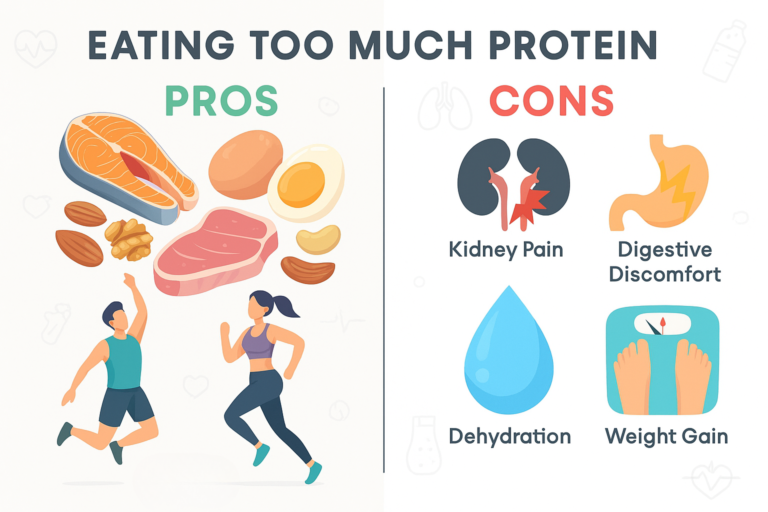
Research on higher-protein diets suggests that protein can increase fullness and may support body-weight management. A large systematic review found a modest benefit from higher protein intake, but the results do not mean that every high-protein food will lead to weight loss. **Your total calorie intake, food quality, activity, sleep, and eating habits still matter.**
That is why the better question is not only “do protein bars help lose weight?” It is also: **Does this particular protein bar help me control calories, stay full, and follow my eating plan?** That small shift can make the label much easier to understand.

Do Protein Bars Help Lose Weight?
So, do protein bars help lose weight? **They can, but only as part of an eating pattern that creates a reasonable calorie deficit.** A calorie deficit means your body uses more energy than you eat over time. No single snack can create that result by itself.
Protein may make a meal or snack more filling. Studies have found that higher protein intake can increase feelings of fullness and reduce hunger in some settings. This can make it easier to avoid frequent snacking or large portions later in the day.
Protein bars can also help with convenience. A person who skips breakfast and then buys a large pastry may use a protein bar as a more controlled option. The benefit comes from the replacement, not from the bar having special fat-burning powers.
The opposite can also happen. If you eat a protein bar after a full meal because you think it is automatically healthy, you may add hundreds of calories to your day. **A protein bar helps only when it improves your overall eating pattern.**
- ✦ They may improve fullness
Protein can help you feel satisfied, which may make it easier to manage hunger between meals.
- ✦ They can control portions
A single wrapped bar gives you a clear portion, which can be useful when compared with eating directly from a large snack bag.
- ✦ They can replace less useful snacks
Replacing a candy bar, pastry, or large sugary snack with a well-chosen protein bar may lower calories while adding protein.
- ✦ They can also add calories
Some bars are closer to meal-replacement products or candy bars in calorie content. Eating them in addition to your normal meals can work against weight loss.
Why Protein May Help With Appetite
Protein has a stronger effect on fullness than many low-protein snack foods. It can also affect signals linked with hunger and satiety. This does not mean protein removes hunger, but it may make hunger easier to manage.
For weight loss, that matters because hunger can make a calorie deficit hard to maintain. A protein-rich snack may be useful when it helps you stay comfortable until your next meal.
Protein Bars Do Not Burn Belly Fat
There is no special protein bar ingredient that selectively burns belly fat. Body fat decreases as part of overall fat loss, and where fat comes off first varies from person to person.
Claims about a protein bar melting belly fat should be treated with caution. A bar can support a weight-loss plan, but it cannot target one body area.
How Protein Bars Can Fit Into a Weight-Loss Diet
A protein bar works best when you give it a clear job. It can serve as a snack between meals, a quick option after exercise, or a backup meal component when you have no time to prepare food. It should not become an automatic extra meal.
For many Americans, convenience is a real part of nutrition. Long workdays, commuting, travel, and busy family schedules can make fresh food hard to carry. A shelf-stable protein bar can solve that problem when you choose one that fits your needs.
The key is to compare the bar with the food it replaces. If it replaces a 500-calorie pastry and keeps you satisfied until lunch, it may be useful. If it adds 250 calories after breakfast and does not reduce later eating, it may not help.
- ✦ As a planned snack
Use a bar when you need a portable snack and want a predictable amount of protein and calories.
- ✦ Before or after exercise
A protein bar can be convenient around workouts, especially when a full meal is not practical.
- ✦ During travel
A bar can provide a more structured choice when healthier food is hard to find.
- ✦ As an emergency food
Keeping one available can reduce the chance of choosing a very large snack when you are extremely hungry.
A Simple Replacement Test
Ask one question before eating the bar: **What would I eat if I did not have this bar?** If the answer is a high-calorie snack, the bar may be a useful swap. If the answer is nothing because you are not hungry, the bar may simply add calories.
This simple test is often more useful than looking at the protein number alone. Weight loss depends on the total pattern of food intake over time.
What to Look for in a Protein Bar for Weight Loss
If you want a protein bar for weight loss, start with the calorie count. Then look at protein, fiber, added sugar, and the ingredient list. There is no single perfect number for everyone because calorie and protein needs vary.
A bar with more protein is not automatically better. A very large bar may provide a lot of protein but also a lot of calories. For a snack, you may want a smaller bar that gives enough protein to fit your daily plan without turning a snack into a full meal.
Fiber can also be useful because it supports fullness and helps make a snack more satisfying. Look for fiber from ingredients such as nuts, seeds, oats, or other plant foods. If a bar causes stomach upset, check the amount and type of added fiber or sugar alcohols.
- ✦ Calories
Check calories first. A bar should fit your daily energy needs and the role you want it to play.
- ✦ Protein
Choose a bar with enough protein to make the snack useful, while avoiding the idea that more protein always means better.
- ✦ Fiber
Fiber can support fullness and may make a snack more satisfying.
- ✦ Added sugar
Compare added sugar across products. Some bars contain a large amount despite being marketed as protein foods.
- ✦ Serving size
Check whether the nutrition facts describe one bar or only part of a bar.
- ✦ Ingredients
A shorter, familiar ingredient list can make it easier to understand what you are eating, though ingredient length alone does not determine health value.
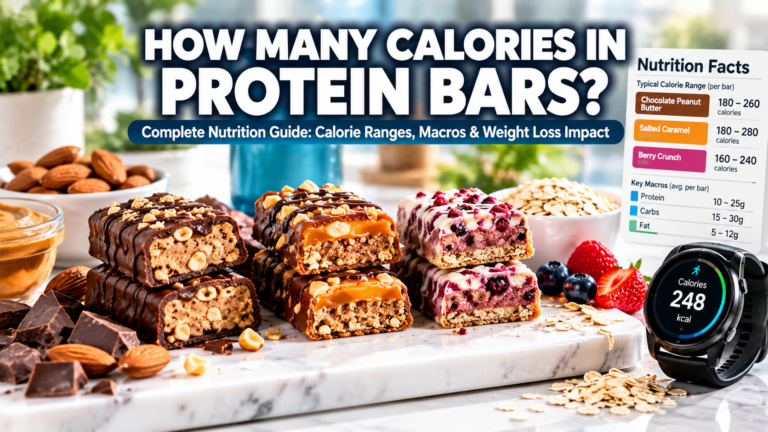
How Many Calories Should a Protein Bar Have?
There is no universal calorie limit for a weight-loss protein bar. A snack-sized bar may work well for one person, while another person may need a larger bar because it replaces part of a meal.
The better approach is to match the bar to your plan. If you need a small snack, choose a bar that fits that role. If you use it as a meal replacement, you may need more food and nutrients than a typical snack bar provides.
How Much Protein Should a Protein Bar Have?
Many protein bars contain around 10 to 20 grams of protein, while some contain more. The right amount depends on your total daily protein needs, body size, age, activity level, and overall diet.
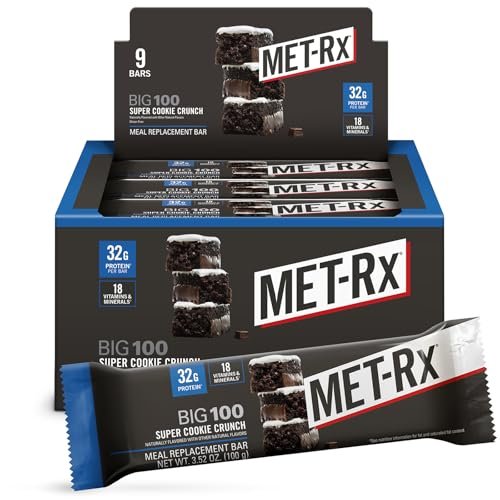
Do not judge a bar by protein alone. A bar with very high protein can still be high in calories, sugar, or saturated fat. Think about the whole label.
Protein Bars vs. Other Weight-Loss Snacks
Protein bars are only one way to get protein between meals. Whole foods can also provide protein, fiber, vitamins, and minerals. Depending on your schedule, Greek yogurt, cottage cheese, eggs, nuts, fruit, or a simple turkey wrap may work just as well.
Whole foods often give you more variety and can make meals feel less repetitive. Protein bars have a different advantage: they are portable, shelf-stable, and easy to portion. That convenience can be valuable when your schedule is unpredictable.
The best choice is the one you can use consistently while meeting your nutrition needs. There is no rule that says weight loss requires protein bars.

- ✦ Greek yogurt and fruit
This can provide protein, carbohydrates, and other nutrients while offering more food volume than many bars.
- ✦ Eggs
Eggs provide protein and can work well as part of a filling breakfast or snack.
- ✦ Cottage cheese
Cottage cheese can provide a protein-rich option that works with fruit or vegetables.
- ✦ Nuts and fruit
This combination can be convenient and nutritious, but portion size matters because nuts are calorie-dense.
- ✦ Protein bar
A bar is useful when portability, shelf life, and portion control matter more than having a full whole-food snack.
Are Protein Bars Better Than Granola Bars?
Not always. Some protein bars contain more protein and less added sugar than common granola bars, but products vary widely. Some protein bars are also high in calories and sweeteners.
Compare the nutrition facts instead of relying on the product name. A bar marketed as “protein” is not automatically a better choice for weight loss.
Are Protein Bars Better Than Protein Shakes?
Both can provide protein. A bar is easier to carry and often provides some fiber, while a shake may be easier to adjust in portion size and can work well with fruit or other foods.
For weight loss, the choice depends on calories, fullness, nutrition, convenience, and what the product replaces. Neither option has a built-in advantage that guarantees fat loss.
When Protein Bars Can Make You Gain Weight
A protein bar can support weight loss, but it can also contribute to weight gain if it regularly pushes your calorie intake above your needs. This is easy to miss because the word “protein” often creates a health halo around the product.
Some bars contain nuts, nut butters, chocolate, syrups, oils, and other calorie-dense ingredients. Those foods can be part of a healthy diet, but they still provide energy. A bar can therefore be nutritious and still make weight loss harder if portions are too large.
Another issue is double eating. You may eat a bar because it looks healthy and then have your normal snack or meal anyway. If the bar does not replace anything, its calories are added rather than substituted.
- ✦ High calorie content
Large bars can contain enough calories to function more like a meal than a light snack.
- ✦ Too much added sugar
Some bars use syrups and other sweeteners that can raise calories without adding much satiety.
- ✦ Eating without hunger
A bar can become an unnecessary extra snack if you eat it simply because it is available.
- ✦ Using bars as a license to overeat
A high-protein label does not cancel out calories from other foods eaten during the day.
Watch Out for the Health Halo
The health halo effect happens when one positive feature makes a product seem healthier overall than it really is. With protein bars, the protein number can distract from calories, added sugar, saturated fat, or a large serving size.
Read the entire nutrition label. **Protein is one part of the food, not the whole story.**
How to Use Protein Bars for Weight Loss in Real Life
The easiest way to use protein bars for weight loss is to plan their role before hunger takes over. Keep one available for situations where you know healthy food may be hard to find. This can reduce the need for last-minute choices.
Try pairing a protein bar with fruit or another nutrient-rich food when the bar alone does not feel satisfying. This can provide a wider mix of nutrients and may create a more complete snack.
Also pay attention to how you feel after eating it. If you are hungry again very soon, the bar may not be enough for your needs. If it leaves you satisfied for several hours, it may be a useful part of your routine.

- ✦ Plan the timing
Use the bar at a time when you are likely to need a portable snack rather than eating it randomly.
- ✦ Read the full label
Check calories, protein, fiber, added sugar, saturated fat, and serving size before choosing a product.
- ✦ Use it as a replacement
A bar is more likely to support weight loss when it replaces a higher-calorie or less filling snack.
- ✦ Add whole foods when needed
Fruit, vegetables, yogurt, or other whole foods can complement a bar when you need more volume or nutrients.
- ✦ Track your response
Notice hunger, fullness, energy, and total food intake. Your own response can help you decide whether the bar fits your routine.
A Simple Protein Bar Strategy
Start with one planned use per day or a few times per week. Choose a product that fits your calorie and protein needs. Then judge it by what happens to your total eating pattern, not by the marketing on the wrapper.
For example, someone who normally buys a large pastry during an afternoon work slump might use a protein bar and fruit instead. If that change lowers total calorie intake while keeping the person satisfied, the bar has a useful role.
Who Should Be More Careful?
People with kidney disease or other medical conditions may have specific protein needs or restrictions. Anyone with a medical condition, pregnancy, or a medically supervised diet should ask a qualified health professional before making major changes to protein intake.
Some bars also contain sugar alcohols, large amounts of added fiber, or other ingredients that can cause digestive symptoms in sensitive people. If a product repeatedly causes discomfort, choose a different food.
Common Mistakes to Avoid When Choosing Protein Bars
Many people focus on one number and ignore the rest of the label. That can lead to poor choices even when the bar looks healthy. A better method is to compare the whole nutrition panel and consider how the bar fits into your day.
Remember that marketing terms such as “high protein,” “keto,” “low carb,” or “natural” do not tell you whether a product will help you lose weight. Your total calorie intake and eating pattern matter more than the front of the package.
You also do not need to buy the most expensive bar. A simple food with protein and fiber may work just as well if it is practical for you.
- ✦ Choosing by protein alone
A high protein number does not make a high-calorie bar ideal for weight loss.
- ✦ Ignoring serving size
Some packages contain more than one serving, so check the label before comparing products.
- ✦ Forgetting total calories
Weight loss still depends on energy balance even when the food is high in protein.
- ✦ Believing marketing claims
Words on the package can guide you, but the nutrition facts and ingredients give you more useful information.
- ✦ Replacing every meal with bars
Protein bars are designed for convenience and should not automatically replace a varied diet built around nutritious foods.