Are Protein Bars Good Before a Workout? Benefits, Timing, and What to Look For
If you train early, rush from work to the gym, or spend long hours away from home, a protein bar can be a simple way to get food before exercise. It is easy to carry, needs no cooking, and can help fill the gap between meals and training.
Still, **are protein bars good before a workout** is not a simple yes-or-no question. A bar made mostly of protein is not always the best source of workout fuel. Your body also uses carbohydrates for exercise, while too much fat or fiber close to training may upset your stomach.
The goal is simple: choose food that gives you useful fuel without making you feel too full. For many people, that means a moderate amount of protein plus easy-to-digest carbohydrates, with less fat and fiber when the workout is close.

Are Protein Bars Good Before a Workout?
For most healthy adults, **protein bars can work well before a workout** when they fit the person’s needs. They can provide protein, carbohydrates, calories, and a convenient source of food before training.
Protein before exercise may help provide amino acids that support muscle protein balance. However, the body does not need a protein bar simply because a workout is coming. Your total food intake across the day matters more than one snack.
The type of workout also matters. A short walk, light lifting session, long run, and hard cycling session can have very different fuel needs. This is why the answer to **are protein bars good before a workout** depends on the situation.

- ✦ They can add protein
Protein helps support muscle repair and growth. A bar can make it easier to add protein when a meal is not practical.
- ✦ They can add carbohydrates
Many bars contain carbohydrates that can help provide energy for exercise, especially when the bar is eaten well before training.
- ✦ They are convenient
A bar can fit in a gym bag, desk drawer, or car. That makes it useful for busy U.S. work and travel schedules.
- ✦ They are not all the same
Some bars are closer to candy bars with added protein, while others provide a more balanced mix of protein, carbohydrates, fat, and fiber.
When a Protein Bar Makes Sense Before Exercise
A protein bar can be useful when your last meal was several hours ago and you feel hungry before training. It can also help when you have limited time and need food that travels well.
For people who train after work, a bar can bridge the gap between lunch and an evening workout. It may also work for early morning exercisers who do not want a full meal before training.
- ✦ You are hungry
Hunger can make training feel harder. A small snack may help you feel more comfortable and focused.
- ✦ You missed a meal
A bar can provide quick nutrition when a normal meal is not available.
- ✦ You train between meals
A bar can help maintain a steady eating pattern without requiring a full meal.
Why Protein Before a Workout Can Be Helpful
Protein is important for muscle tissue. Resistance exercise creates a need for repair and adaptation, and eating enough protein during the day supports that process.
Eating protein before training can be one way to spread protein intake across the day. This can be useful for people who struggle to get enough protein from regular meals.
That does not mean more protein always means a better workout. A very high-protein bar may not provide much energy if it has very few carbohydrates. For many workouts, the balance of nutrients matters more than the protein number alone.

- ✦ Muscle support
Protein supplies amino acids that the body uses to maintain and build muscle tissue.
- ✦ Better meal spacing
A protein bar can help spread protein across the day instead of putting most protein into one meal.
- ✦ Convenience
A bar can make it easier to meet daily protein needs when cooking is not practical.
- ✦ Satiety
Protein can help you feel full, which may be useful when you need a small snack between meals.
Does Eating Protein Before Exercise Build More Muscle?
Timing matters, but total daily protein is a major part of the picture. For people who train for muscle growth, a consistent intake of enough protein each day is more important than finding one perfect pre-workout snack.
A protein bar before training can be a practical part of that plan. It should support your overall diet rather than replace balanced meals on a regular basis.
Carbohydrates May Matter More Than Protein for Workout Fuel
One common mistake is choosing a bar based only on its protein content. Protein supports muscle needs, but carbohydrates are an important fuel source for many forms of exercise.
This is especially true for higher-intensity exercise and longer sessions. Muscles can use stored carbohydrate, called glycogen, during exercise. Eating carbohydrates before training can help support those fuel stores.
So, if you are asking **are protein bars good before a workout**, check the carbohydrate content too. A bar with 20 grams of protein and very little carbohydrate may not be the best choice before a hard training session.

- ✦ Strength training
A balanced bar with protein and some carbohydrates can work well, especially when your last meal was several hours earlier.
- ✦ Running and cycling
Carbohydrates often become more important as workout length and intensity rise.
- ✦ Short, easy workouts
You may need little or no extra food if you recently ate a balanced meal.
- ✦ Long sessions
A carbohydrate-containing snack may be more useful than a protein-heavy bar alone.
Protein Bar vs. Carbohydrate Snack Before Training
A protein bar is not automatically better than fruit, toast, oatmeal, cereal, or another simple carbohydrate source. The best choice depends on what you have eaten earlier and what your workout demands.
If you already had enough protein at your last meal, adding more protein right before exercise may offer less value than adding some easy-to-digest carbohydrate.
- ✦ Need protein
A protein bar may be useful when your recent meals were low in protein.
- ✦ Need quick fuel
A simple carbohydrate snack may work better when energy is the main need.
When Should You Eat a Protein Bar Before a Workout?
Timing can change how a protein bar feels during exercise. A bar eaten two hours before training gives your body more time to digest it than a bar eaten 15 minutes before you start.
There is no single perfect time for everyone. Your portion size, digestion, workout type, and personal tolerance all matter.
As a practical starting point, try a larger snack about 1 to 3 hours before training. If you eat closer to exercise, choose a smaller and easier-to-digest portion.

- ✦ 2 to 3 hours before
A more complete snack or small meal can fit here. A protein bar may work well if it is not too heavy.
- ✦ 1 to 2 hours before
Choose a moderate portion with protein and carbohydrates and avoid foods that you know upset your stomach.
- ✦ 30 to 60 minutes before
A smaller, lower-fat, lower-fiber bar may be easier to tolerate.
- ✦ Less than 30 minutes before
A large protein bar may feel heavy. A small amount of easy-to-digest carbohydrate may be more comfortable for some people.
How Long Should You Wait After Eating a Protein Bar?
If a bar feels comfortable, you may be able to train within an hour. If the bar is large or high in fat and fiber, you may need more time.
The best guide is your own response. If you often feel bloated, full, or nauseated during training, move the snack earlier or choose a smaller and simpler option.
- ✦ Test your timing
Try the same snack during less important workouts first. This lets you learn how your stomach responds.
- ✦ Watch portion size
A smaller serving is often easier to digest close to exercise.
What to Look for in a Pre-Workout Protein Bar
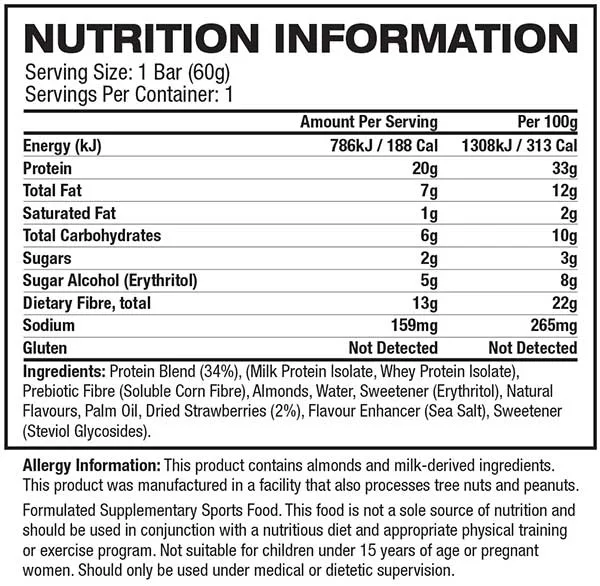
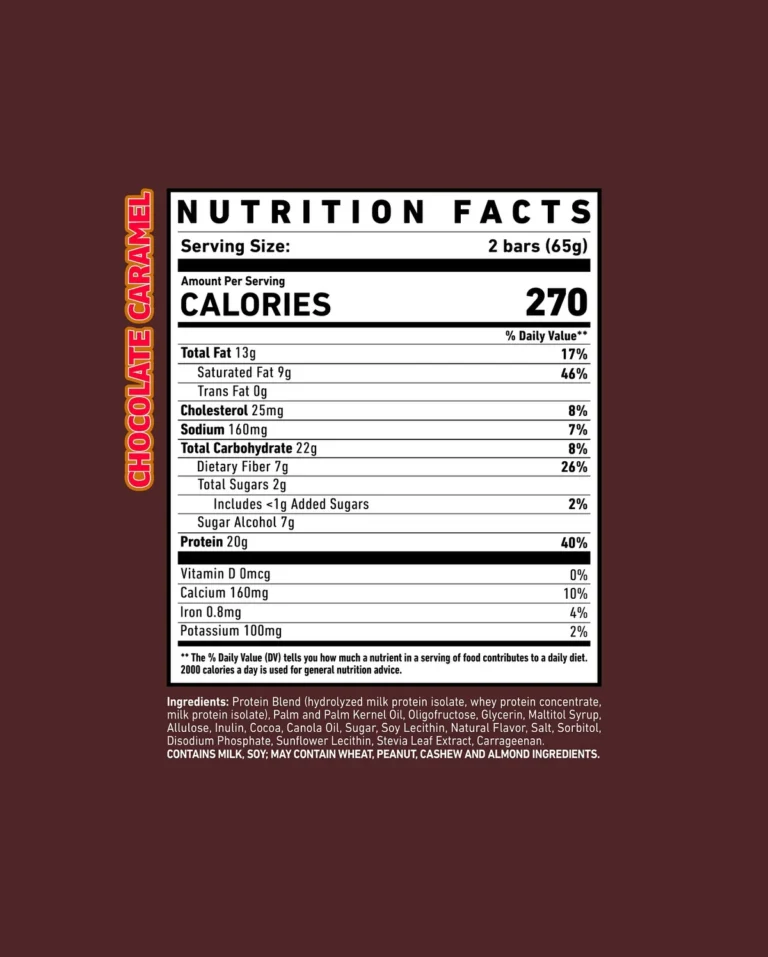
The nutrition label can tell you more than the words on the front of the package. When deciding **are protein bars good before a workout**, look at protein, carbohydrates, fat, fiber, added sugar, calories, and the ingredients that you personally tolerate.
There is no perfect protein bar for every person. A bar that works well before a strength session may feel too heavy before a run. Your goal is to match the bar to your workout and digestion.

- ✦ Protein
Look for a useful amount of protein that fits your daily needs. Many bars provide around 10 to 20 grams, but your ideal amount may differ.
- ✦ Carbohydrates
Carbs can provide useful exercise fuel. Bars with more carbohydrates may make more sense before long or intense workouts.
- ✦ Fat
Higher-fat bars can digest more slowly. That may be fine when eaten well before exercise but less comfortable right before training.
- ✦ Fiber
Fiber supports a healthy diet, but a large amount right before exercise can cause gas or stomach discomfort in some people.
- ✦ Added sugar
Some added sugar is not automatically a problem, especially around exercise. Still, compare the whole nutrition label instead of judging a bar by sugar alone.
- ✦ Ingredients
Check for ingredients you know you do not tolerate. Sugar alcohols and some added fibers can cause digestive problems for some people.
A Simple Pre-Workout Protein Bar Checklist
You do not need to spend a long time reading every label. Start with the basics and match the bar to your training plan.
If you eat the bar close to exercise, favor foods that you already know your stomach handles well. Do not test a new high-fiber bar for the first time right before a race or hard workout.
- ✦ Check protein
Make sure the bar helps meet your overall protein needs.
- ✦ Check carbs
Look for enough carbohydrate when your workout requires more fuel.
- ✦ Check fat and fiber
Lower amounts may be easier to digest when the bar is eaten close to exercise.
- ✦ Check your tolerance
A nutritionally sound bar is still a poor choice if it consistently causes stomach problems.
Are Protein Bars Good Before a Workout for Weight Loss?
A protein bar can fit into a weight-loss plan, but the bar itself does not cause fat loss. Body weight changes depend largely on overall energy intake, activity, and other factors over time.
A bar may help when it replaces a higher-calorie snack and keeps you satisfied. But some protein bars are calorie-dense, so eating one on top of your normal meals can make it harder to maintain your intended calorie intake.
If your goal is weight loss, read the full label. Look at calories, protein, fiber, and portion size rather than choosing a bar only because it says high protein.

- ✦ Use it as planned food
A bar works best when it has a clear place in your daily eating plan.
- ✦ Watch calories
Protein bars can vary widely in calorie content, so portion size matters.
- ✦ Keep protein useful
Protein can help support muscle while you train and may help with fullness.
- ✦ Do not fear carbohydrates
Carbohydrates can support exercise. Cutting them out is not required for fat loss.
Can a Protein Bar Help You Stay Full Before Exercise?
Protein can promote fullness, and some bars also contain fiber. This may help people who become hungry between meals and workouts.
However, too much fullness can work against you during exercise. If a bar makes you feel heavy, choose a smaller serving or eat it earlier.
When a Protein Bar May Not Be the Best Pre-Workout Choice
Protein bars are convenient, but convenience does not make every bar ideal before exercise. Some are large, dense, and high in fat or fiber. Those features can slow digestion and cause discomfort when you move soon after eating.
A bar may also be unnecessary if you ate a balanced meal recently. In that case, adding another snack may provide little benefit and may simply add extra calories.
The key question is not just **are protein bars good before a workout**. Ask whether this specific bar, at this specific time, makes you feel and perform better.
- ✦ You just ate a full meal
You may already have enough energy and protein for the workout.
- ✦ You have a sensitive stomach
Some bars contain ingredients that may cause gas, cramps, or bloating.
- ✦ The bar is very high in fat
A high-fat snack may digest slowly and feel heavy during exercise.
- ✦ The bar is very high in fiber
Large amounts of fiber close to exercise can cause digestive issues for some people.
- ✦ You are exercising briefly
A short and easy workout may not require a pre-workout snack at all.
What About Sugar Alcohols and Added Fiber?
Some low-sugar protein bars use sugar alcohols or added fibers to keep carbohydrate and sugar numbers low. These ingredients can be useful in some diets, but they may cause gas, bloating, or loose stools in sensitive people.
If a bar repeatedly causes stomach trouble, the problem may not be the protein. Try a different bar with a simpler ingredient list or choose another pre-workout snack.
Protein Bar Before vs. After a Workout
A protein bar can work before or after training. The better time depends on what you need and what you have eaten around the workout.
Before exercise, the goal is often to provide useful fuel without stomach discomfort. After exercise, protein and carbohydrates can help support recovery, especially when your next full meal is not soon.
You do not need to treat the post-workout period as a tiny window that closes quickly. A consistent daily diet still matters most. A protein bar is simply one convenient option.
- ✦ Before training
Think about energy, digestion, and whether the bar provides enough carbohydrate for the workout.
- ✦ After training
Protein can help support muscle repair, while carbohydrates can help replace used fuel.
- ✦ Between meals
A bar can also serve as a practical snack even when it is not tied directly to exercise.
Is a Protein Bar Better Before or After a Workout?
There is no universal rule that says a protein bar must be eaten before or after training. If you need food before exercise, eating it before can make sense. If you already ate enough before training, saving the bar for later may be more useful.
Think about the full day rather than one snack. Your total protein, carbohydrate, calorie, and nutrient intake has a larger role in your long-term results.
Best Alternatives to a Protein Bar Before a Workout
A protein bar is only one option. Many ordinary foods can work just as well, and some may be easier to digest or less expensive.
For U.S. consumers, simple foods such as bananas, toast, oatmeal, yogurt, cereal, or a small sandwich can be practical pre-workout choices. The best option depends on how much time you have and how your body responds.
- ✦ Banana with Greek yogurt
This combination provides carbohydrates and protein in a simple snack.
- ✦ Toast with peanut butter
Toast provides carbohydrates, while peanut butter adds fat and some protein. Use a smaller amount of peanut butter when eating close to exercise.
- ✦ Oatmeal with fruit
Oatmeal can provide carbohydrates, while fruit adds more carbohydrate and flavor.
- ✦ Greek yogurt with fruit
This can provide protein and carbohydrates without the need for a packaged bar.
- ✦ Cereal with milk
A small bowl can be a quick source of carbohydrates and protein.
Choosing Between Whole Foods and a Protein Bar
Whole foods often provide a wider mix of nutrients and can be less costly per serving. A protein bar wins on convenience, shelf life, and portability.
Neither choice is automatically better. If you have access to a kitchen and enough time, whole foods may be easy. If you are heading straight from the office to the gym, a bar may be much more practical.
How to Build a Simple Pre-Workout Nutrition Plan
You do not need a complex nutrition plan to decide what to eat before exercise. Start with three questions: When did you last eat? What type of workout are you doing? How does your stomach handle food before training?
If you ate a balanced meal two or three hours earlier, you may only need water or a small snack. If it has been several hours, a protein bar or another snack can help fill the gap.
Over time, keep notes on what you eat and how you feel during training. This simple habit can help you find a routine that works better than following a generic pre-workout rule.
- ✦ Step 1: Check your last meal
Consider how long ago you ate and whether that meal contained protein and carbohydrates.
- ✦ Step 2: Check the workout
Longer and harder workouts often need more fuel than short and easy sessions.
- ✦ Step 3: Pick the right portion
Use a smaller snack when training soon and a larger snack when you have more time to digest.
- ✦ Step 4: Test your response
Notice energy, hunger, fullness, and stomach comfort during the workout.
- ✦ Step 5: Adjust
Change the food, amount, or timing based on what you learn.
A Simple Example for a Busy Workday
Imagine you eat lunch at noon and plan to lift weights at 5:30 p.m. By late afternoon, you may feel hungry. A moderate protein bar eaten around 4:00 to 4:30 p.m. could be a practical bridge to the workout.
If you eat a large dinner at 4:30 p.m. instead, you may not need the bar. The right choice depends on hunger, meal size, training demands, and digestion.