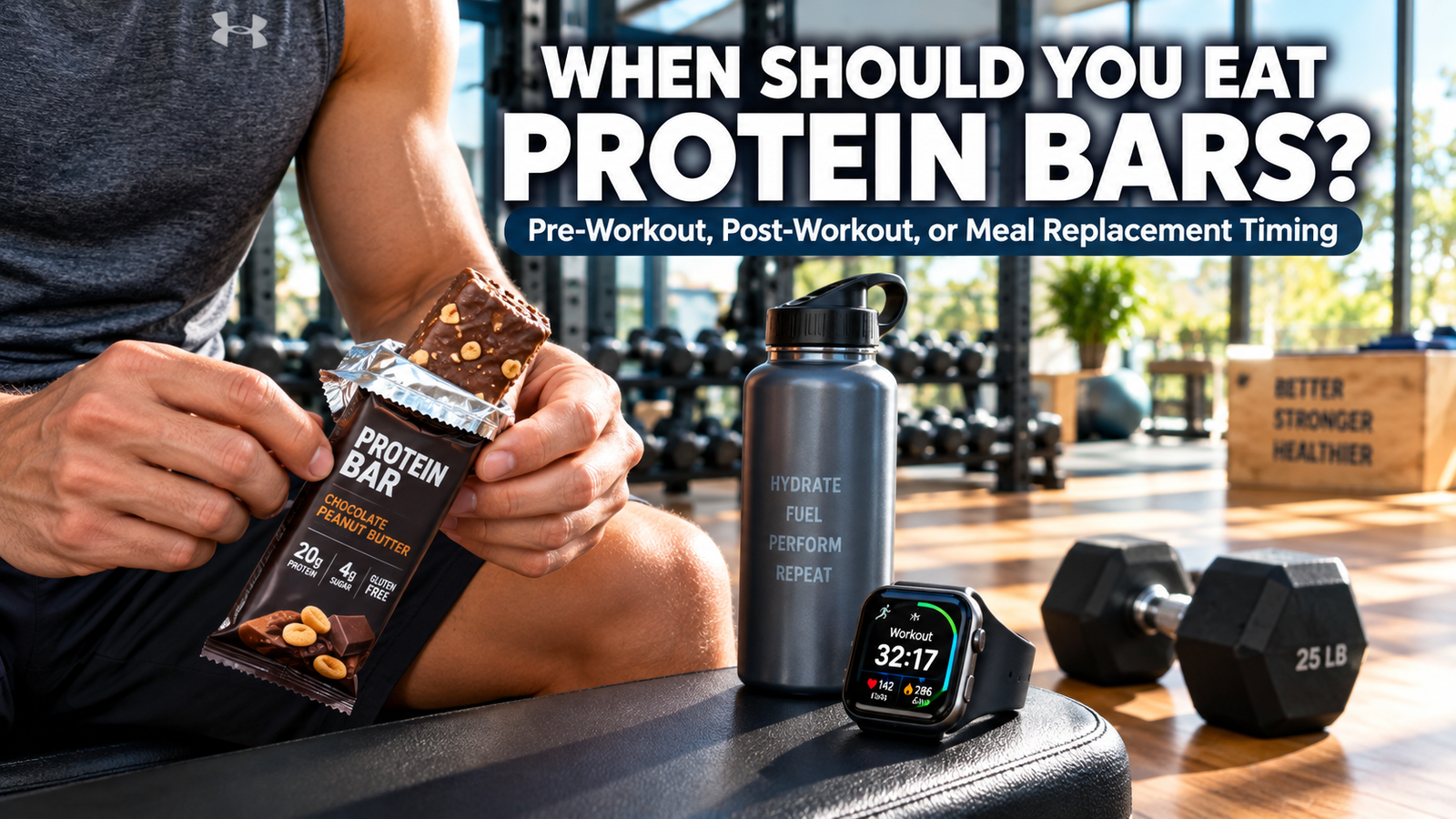
When Should Protein Bars Be Eaten? Best Times for Energy, Workouts, and Recovery
If you often wonder when should protein bars be eaten, the answer is simpler than many fitness ads suggest. There is no single magic hour. The right time depends on why you are eating the bar and how it fits into your normal meals.
For a busy U.S. worker, student, parent, or gym-goer, a protein bar can fill a real gap. It can provide protein when a full meal is hard to get. Still, a bar should support a good diet, not replace a varied diet all day.
A useful way to think about protein bars is to match the bar to the need. Before exercise, you may want easy fuel and some protein. After exercise, protein can help support muscle repair. Between meals, a protein bar may help you stay full until your next meal.
The question of when should protein bars be eaten also depends on the bar itself. A bar with more carbohydrate may suit exercise better than a very high-fiber bar. A bar with high calories may be useful for someone trying to gain weight but less useful as a casual snack for someone trying to manage calorie intake.
When Should Protein Bars Be Eaten? The Short Answer
When should protein bars be eaten? For most healthy adults, the best time is the time that helps meet a real nutrition need. That may be before a workout, after a workout, between meals, during travel, or on a busy workday.
Protein bars are not special because they come in a wrapper. Their main value comes from what they contain. A good bar can add protein, and sometimes fiber and other nutrients, in a form that is easy to carry.
Timing matters most when it helps you train, recover, or manage hunger. Your full-day eating pattern still matters more than one snack.

- ✦ Before exercise
A protein bar may work as a small pre-workout snack when you have enough time to digest it.
- ✦ After exercise
A protein bar can be useful when your next full meal is not soon and you want a convenient source of protein.
- ✦ Between meals
A protein bar can help bridge a long gap between meals and may help you feel satisfied.
- ✦ On busy days
A shelf-stable bar can provide a practical protein option when cooking or finding a balanced meal is difficult.
Does the Exact Time Matter?
Usually, no. The body uses protein throughout the day, so you do not need to eat a protein bar at one exact minute to get value from it.
For people who exercise, spreading protein across meals and snacks can be a simple way to support daily intake. The size and timing of your normal meals should guide the choice.
When Should Protein Bars Be Eaten Before a Workout?
When should protein bars be eaten before a workout? A common choice is about 1 to 2 hours before exercise, but the best window varies with the person, the bar, and the workout.
A bar can be useful before training if you have not eaten for several hours. Protein provides amino acids, while carbohydrates can provide a useful source of exercise fuel. The goal is not to eat as much as possible before training.
Digestibility matters. A bar that is very high in fiber, fat, or sugar alcohols may cause stomach discomfort when eaten close to hard exercise. Test new bars on easy training days rather than right before an important event.

- ✦ Choose a lighter bar close to exercise
If you plan to exercise soon, a smaller bar that is easy to digest may be more comfortable than a very dense bar.
- ✦ Allow more time for heavy bars
Bars with a lot of fiber, fat, or large amounts of sugar alcohols may need more digestion time.
- ✦ Consider carbohydrates
For longer or harder workouts, carbohydrate content may matter more for immediate fuel than simply choosing the highest-protein bar.
- ✦ Listen to your stomach
Bloating or cramps are signs that the bar, portion, or timing may not suit you before exercise.
How Long Before a Workout Should You Eat a Protein Bar?
For many people, 1 to 2 hours is a practical starting point. If the bar is small and easy to digest, some people can eat it closer to exercise. If the bar is large or high in fiber and fat, more time may be helpful.
There is no universal rule. Your workout intensity, meal history, personal digestion, and the nutrition label should guide the choice.
Is a Protein Bar Good Before Running?
It can be, but runners often need to pay close attention to digestion. A bar that feels fine during a normal day may feel uncomfortable during running because running can make stomach symptoms more noticeable.
For a short run, you may not need a protein bar at all if you recently ate a balanced meal. For longer sessions, carbohydrate intake may deserve more attention than protein immediately before the run.
When Should Protein Bars Be Eaten After a Workout?
When should protein bars be eaten after a workout? A protein bar can be a convenient post-workout option when you cannot have a normal meal soon after training.
Exercise places stress on muscle tissue. Eating enough protein as part of the day’s diet helps provide amino acids needed for muscle repair and adaptation. A bar can make it easier to get protein when you are leaving the gym, heading to work, or traveling home.
You do not need to panic about a tiny post-workout time window. If you ate a balanced meal before training, you already have nutrients available from that meal. What matters most is meeting your overall nutrition needs.

- ✦ Use it when a meal is delayed
A bar can bridge the gap between your workout and your next full meal.
- ✦ Look for enough protein
Choose a bar that makes a meaningful contribution to your daily protein goal rather than focusing only on the word protein on the package.
- ✦ Pair it with other foods when needed
Fruit, milk, yogurt, or another carbohydrate-rich food may complement the bar after demanding exercise.
- ✦ Think about the whole day
One post-workout bar cannot make up for poor protein intake across the rest of the day.
Do You Need a Protein Bar Immediately After Exercise?
Not always. If you will eat a balanced meal soon, you may not need a separate protein bar. The bar becomes more useful when your next meal is delayed or your normal meal does not provide much protein.
This is one reason the question when should protein bars be eaten has no single answer. The best choice changes with your schedule.
When Should Protein Bars Be Eaten Between Meals?
When should protein bars be eaten between meals? This can be a practical choice when several hours separate breakfast, lunch, and dinner. A protein-rich snack may help reduce hunger and make it easier to avoid grabbing whatever food is available.
This is especially useful during long workdays, road trips, college classes, or days filled with appointments. In the U.S., where many people eat away from home, a portable snack can make a balanced eating plan easier to follow.
Still, not every protein bar is a healthy snack by default. Some contain large amounts of added sugar, saturated fat, or calories. Others contain sugar alcohols that can cause gas or diarrhea in some people.

- ✦ Check protein
Look at the grams of protein per bar instead of relying on front-of-package claims.
- ✦ Check fiber
Fiber can support fullness and digestive health, but a very high-fiber bar may not suit everyone.
- ✦ Check added sugar
Compare added sugar amounts and choose a bar that fits your overall diet.
- ✦ Check calories
A bar can be a small snack or a substantial food. The calorie amount helps you understand where it fits in your day.
Can a Protein Bar Replace a Meal?
Sometimes a protein bar can act as a temporary meal substitute when there is no practical alternative. But most bars do not provide the full mix of foods found in a balanced meal, such as vegetables, fruit, whole grains, and a wider range of nutrients.
If you regularly replace meals with bars, consider whether your diet still provides enough fiber, healthy fats, vitamins, minerals, and whole foods. A bar is best viewed as a convenient tool, not a complete answer to nutrition.
When Should Protein Bars Be Eaten for Weight Loss?
When should protein bars be eaten for weight loss? A useful time is when a protein-rich snack helps control hunger without adding more calories than you need. The bar itself does not cause weight loss.
Protein can help with fullness, and a planned snack may make it easier to avoid highly processed snacks when hunger hits. But calories still count, and some protein bars are closer to candy bars in calorie content than people expect.
For weight management, compare the bar with other snack options. A bar that gives useful protein and fiber for a reasonable calorie cost may fit well. A large bar with high sugar and little fiber may not be as helpful.

- ✦ Use a bar to solve a real hunger problem
A planned protein snack can be useful when you know you will have a long gap between meals.
- ✦ Do not eat one just because it says protein
Protein content does not erase calories, added sugar, or a poor overall nutrient profile.
- ✦ Compare portion size
Some bars are large enough to function more like a small meal than a snack.
- ✦ Keep whole foods in the diet
Protein bars can be convenient, but foods such as eggs, yogurt, beans, fish, poultry, nuts, and milk can also provide protein.
Are Protein Bars Good for Appetite Control?
They can be. Protein may increase fullness, and many bars also contain fiber. However, the effect depends on the whole bar, the portion, your total diet, and your personal hunger pattern.
If a bar leaves you hungry again soon, it may not be the right snack for you. A meal with protein, vegetables, whole grains, or fruit may provide more volume and nutrients.
When Should Protein Bars Be Eaten for Muscle Gain?
When should protein bars be eaten for muscle gain? They can fit well between meals or after training when they help you reach your daily protein and calorie needs.
Muscle growth depends on resistance training, enough energy, adequate protein, sleep, and consistent recovery. A protein bar is only one small part of that process.
People trying to gain muscle often need more total food. In that case, a higher-calorie bar may be useful. But the bar should complement meals rather than crowd out foods that provide other nutrients.
- ✦ After resistance training
A bar can provide convenient protein when a full meal is not available soon after training.
- ✦ Between meals
A bar can help increase daily protein and calorie intake without requiring another full meal.
- ✦ Before training
A bar may work when you need a convenient snack before lifting and have enough time to digest it.
- ✦ Across the day
Regular protein intake at meals and snacks is more important than relying on one large protein dose.
How Much Protein Should a Bar Have?
There is no single protein number that makes a bar good for everyone. The useful amount depends on your body size, activity, age, health needs, and total protein intake.
For active adults, a bar with a meaningful amount of protein can be convenient. But more protein is not always better. Choose the amount that helps you meet your daily needs without ignoring the rest of the nutrition label.
When Should Protein Bars Be Eaten Before Bed?
When should protein bars be eaten before bed? A bar can be an option if you are genuinely hungry at night or need a convenient source of protein. But there is no general need to eat a protein bar before sleep.
Some people may find a small protein-rich snack useful in the evening, especially if dinner was early or daily protein intake is low. Others may sleep better when they avoid a large or heavy snack close to bedtime.
The ingredients matter here. A bar with a lot of caffeine, added sugar, fat, or fiber may not feel comfortable late at night. If you want an evening protein snack, a simple food such as Greek yogurt or milk may also work.

- ✦ Eat it if you are actually hungry
Hunger is a reasonable reason to have a planned evening snack.
- ✦ Check the ingredients
Avoid ingredients that you know disturb your digestion or sleep.
- ✦ Keep the portion sensible
A very large bar close to bedtime may feel heavy.
- ✦ Do not force a bedtime snack
If you already meet your nutrition needs and are not hungry, you do not need a protein bar simply because it is nighttime.
How to Choose the Right Protein Bar
Knowing when should protein bars be eaten is only half the question. Choosing the right bar matters just as much. Two bars can both advertise high protein but have very different amounts of calories, fiber, sugar, fat, and other ingredients.
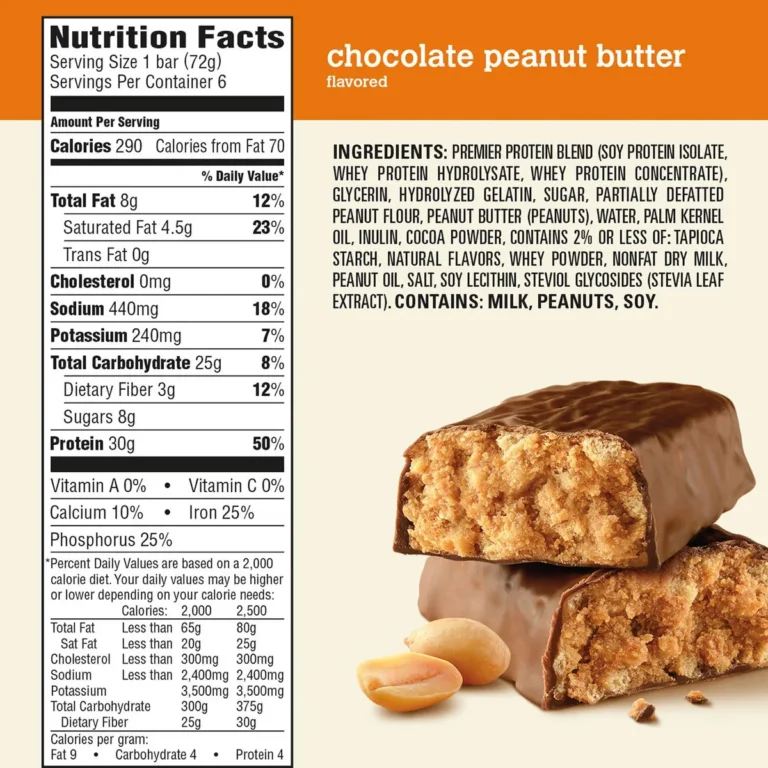
Start with the Nutrition Facts label. Compare the serving size, protein, calories, fiber, saturated fat, and added sugar. Then look at the ingredient list if you have allergies, food intolerances, or ingredients you prefer to limit.
The best bar for you depends on the job you want it to do. A pre-workout bar may need to be easy to digest. A snack bar may benefit from protein and fiber. A muscle-gain snack may need more calories.

- ✦ Protein
Check the actual grams of protein per serving and compare them with your daily needs.
- ✦ Calories
Use calories to decide whether the bar works as a snack, a mini-meal, or an addition to a meal.
- ✦ Fiber
Fiber can support fullness and digestive health, but very high amounts may cause stomach issues for some people.
- ✦ Added sugar
Look at added sugar rather than assuming every protein bar is low in sugar.
- ✦ Saturated fat
Compare saturated fat with the rest of your diet, especially if you eat bars often.
- ✦ Sugar alcohols
Some bars use sugar alcohols to reduce sugar. They can cause gas, bloating, or diarrhea in some people.
- ✦ Allergens
Check for milk, soy, peanuts, tree nuts, wheat, and other allergens when needed.
Protein Bar Versus Whole-Food Snack
A protein bar wins on convenience. It is portable, easy to store, and ready to eat. That can be valuable when you are commuting, working late, traveling, or leaving the gym.
Whole foods often offer a wider mix of nutrients and less processing. Yogurt with fruit, eggs with whole-grain toast, cottage cheese with fruit, or a bean-based snack can all provide protein without relying on a bar.
How Often Can You Eat Protein Bars?
There is no universal number of protein bars that every healthy adult should eat each day. The answer depends on the rest of your diet, your calorie needs, the ingredients in the bar, and how often you rely on processed foods.
Eating a protein bar every day can fit into a healthy diet for some people. Problems are more likely when bars replace a wide range of nutritious foods or when their calories, added sugar, saturated fat, or other ingredients do not fit your needs.
A practical approach is to use protein bars as a tool. Keep them available for situations where they solve a real problem, while building most meals around varied foods.
- ✦ Daily use can be practical
A bar can fit into a healthy eating pattern when its nutrition fits your needs.
- ✦ Variety still matters
Do not let bars crowd out fruits, vegetables, whole grains, legumes, dairy, eggs, fish, poultry, nuts, or other protein foods.
- ✦ Watch your total intake
If bars add calories without replacing other food, they can make it harder to match your energy needs.
Who May Benefit Most From Protein Bars?
Protein bars may be especially useful for active people, travelers, busy workers, students, and anyone who has trouble getting enough protein from regular meals. They can also help people who need a portable snack during long days.
They are less useful when someone already eats balanced meals, meets protein needs comfortably, and does not need a portable snack. In that case, a bar is an option rather than a requirement.
Common Mistakes to Avoid With Protein Bars
Understanding when should protein bars be eaten can prevent some common mistakes. The biggest mistake is treating the word protein as proof that a product is healthy for every person and every goal.
Another mistake is using bars to replace nearly every meal. Convenience matters, but a varied diet gives you more opportunities to get different nutrients and food textures.
- ✦ Choosing by protein alone
A high-protein bar can still be high in calories, added sugar, saturated fat, or other ingredients you may want to limit.
- ✦ Eating too close to hard exercise
A dense bar may cause stomach discomfort if you eat it immediately before intense training.
- ✦ Ignoring portion size
Some bars contain enough calories to function as a small meal.
- ✦ Assuming more protein is always better
Protein needs have limits, and total diet quality still matters.
- ✦ Ignoring digestive symptoms
Gas, bloating, cramps, or diarrhea may signal that a particular bar or ingredient does not suit you.
- ✦ Forgetting hydration
If a bar contains a lot of fiber, adequate fluid intake may help support normal digestion.
A Simple Protein Bar Timing Guide
If you still ask when should protein bars be eaten, use your schedule and goal as the starting point. You do not need a complicated nutrition plan to make a sensible choice.
The following guide is a practical framework. It is not a strict rule. Your meal pattern, training plan, digestion, and health needs may call for a different approach.
- ✦ 1 to 2 hours before exercise
Consider a protein bar if you need a snack before training and have enough time to digest it.
- ✦ After exercise
Use a bar when your next protein-rich meal is not available soon.
- ✦ Mid-morning or mid-afternoon
A bar can help bridge a long gap between meals.
- ✦ During travel
A bar can be a convenient backup when healthy food choices are limited.
- ✦ Before bed
Consider one only if you are hungry or need a convenient way to add protein, and choose an option that you digest well.
- ✦ On rest days
You can still eat a protein bar if it helps meet your daily protein or calorie needs, but exercise is not required for a bar to be useful.
The Best Rule for Most People
The most useful answer to when should protein bars be eaten is this: eat one when it fills a genuine nutrition or convenience need. Do not eat one simply because a label promises a perfect timing window.
If you exercise, focus on your full day’s protein, adequate food, good hydration, and recovery. Then use the bar as a practical tool that fits around those basics.