Best Protein Bars For Backpacking: Smart Trail Picks
The best protein bars for backpacking balance protein, calories, taste, weight, shelf life, and easy trail use.
Picture this: you are halfway through a long hike in a U.S. national forest. Your pack feels heavy, your legs need fuel, and lunch is still far away. You want food that tastes good, gives you useful energy, and takes seconds to eat. That is where a good protein bar can help. I look for bars that pack useful calories and protein into a small, easy-to-carry package. In this guide, I compare five popular choices for different backpacking needs, from full meal replacement bars to high-protein snacks. My goal is simple: help you choose the right trail bar before you leave home.
🏆 Top 3 Products

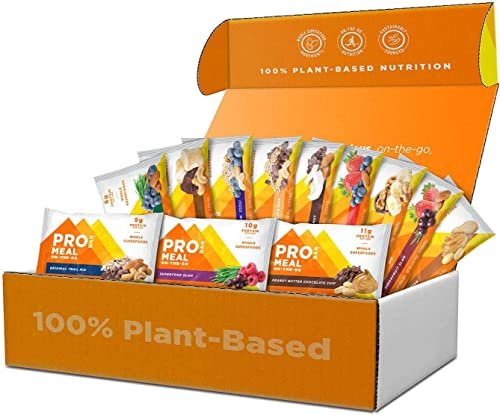
PROBAR MEAL Bar Variety Pack
It offers a useful mix of whole-food ingredients, calories, and plant-based nutrition for long days outside.

Range Meal Bar
Its high-calorie design makes it a practical choice when pack space and energy density matter most.

MET-Rx Big 100 Protein Bar
Its large size and 30 grams of protein make it useful for hikers who want a filling protein-heavy snack.
PROBAR MEAL Bar Variety Pack
The PROBAR MEAL Bar is built more like a small meal than a simple protein snack. It uses whole-food ingredients such as oats, nuts, and seeds, which gives it a hearty feel. The variety pack can also help prevent flavor fatigue during a long trip. For backpackers who want plant-based trail food, this is one of the more flexible options in this group.
I like this type of bar for busy trail mornings and long breaks when I do not want to cook. The vegan, gluten-free, and non-GMO positioning may also fit several common food preferences. Still, a meal bar is not always the same as a dedicated high-protein bar. If your main goal is maximum protein per bar, check the nutrition label before packing several days of food.
✅ Pros
- ✔ Uses oats, nuts, and seeds for a hearty texture.
- ✔ Plant-based formula suits vegan backpackers.
- ✔ Gluten-free option can fit some restricted diets.
- ✔ Works as a quick breakfast on the trail.
- ✔ Useful as a meal replacement during busy hiking days.
- ✔ Variety pack can add flavor choices to a long trip.
- ✔ Easy to pack and eat without cooking.
⚠️ Cons
- ✖ The large meal-bar format may feel heavy for short hikes.
- ✖ Nuts may be unsuitable for people with nut allergies.
- ✖ Protein content may not match a dedicated high-protein bar.
My Recommendation
I would choose this PROBAR when I want a compact food option that feels closer to breakfast or lunch than a small snack. It makes sense for backpackers who value plant-based ingredients and want more than protein alone. I also like it for trips where I want to reduce cooking time. Before a multi-day trip, I would test the texture and flavor at home. That matters because food that looks good online may not suit your taste after several hours on a trail.
| Best For | Why |
|---|---|
| Plant-based backpackers | The bar uses a plant-based formula and whole-food ingredients. |
| Trail breakfast | Its meal-style format can work well when you need quick morning fuel. |
| Long hiking days | It provides a more substantial option than many small snack bars. |
PROBAR MEAL Bar Banana Nut Bread

The Banana Nut Bread PROBAR MEAL Bar takes the meal-bar idea and gives it one clear flavor profile. Its oats, nuts, and plant-based ingredients make it suitable for hikers who want a substantial snack without stopping to prepare food. The banana nut bread flavor may also feel more like a familiar breakfast food than a standard protein bar. That can be useful when trail meals start to feel repetitive.
This bar can fit well into a day hike, road trip, or multi-day backpacking plan. I would use it when I want something easy to grab from an outside pack pocket. It can also serve as a quick breakfast when a stove or camp kitchen is not practical. Since taste is personal, I would try one before buying a large supply for a long trip.
✅ Pros
- ✔ Meal-style design can provide a more filling snack.
- ✔ Banana nut bread flavor offers a familiar taste.
- ✔ Includes oats, nuts, and seeds.
- ✔ Plant-based formula suits vegan diets.
- ✔ Gluten-free design fits some dietary needs.
- ✔ Easy to carry for day hikes and backpacking.
- ✔ Useful when you want breakfast without cooking.
⚠️ Cons
- ✖ The single flavor offers less variety than a mixed pack.
- ✖ Nut ingredients can be a concern for people with allergies.
- ✖ Its meal-bar style may be more food than needed for a short hike.
My Recommendation
I would pick the Banana Nut Bread version if I already know I enjoy that flavor and want a simple, plant-based meal bar. It is especially useful for hikers who like to eat breakfast on the move. For longer trips, I would combine it with salty snacks, dried fruit, or other foods so every meal does not have the same taste and texture. In my view, variety matters almost as much as nutrition when you spend several days on the trail.
| Best For | Why |
|---|---|
| Quick trail breakfasts | The meal-style bar can replace a cooked breakfast when time is short. |
| Banana flavor fans | The banana nut bread profile gives the bar a familiar breakfast feel. |
| Vegan hikers | The plant-based formula fits a vegan backpacking food plan. |
Range Meal Bar Mint Chocolate Chip
The Range Meal Bar takes a different approach from a small protein snack. It focuses on high-calorie meal replacement use, which can be valuable when backpackers need a lot of energy from limited pack space. The Mint Chocolate Chip flavor also gives it a dessert-like angle. For a long day on the trail, a bar that feels like a real food break can be easier to enjoy.
I see this style of bar as a useful part of a high-energy backpacking food plan. It can help fill the gap between breakfast and dinner or serve as a quick meal when weather makes cooking hard. Its gluten-free design may also help some hikers build a simple food plan. As with any calorie-dense food, I would test one before relying on it for a multi-day trip.
✅ Pros
- ✔ High-calorie design suits demanding backpacking trips.
- ✔ Meal replacement format can reduce cooking needs.
- ✔ Mint chocolate chip flavor adds variety to trail food.
- ✔ Gluten-free formula fits some dietary plans.
- ✔ Useful when you need compact calories.
- ✔ Can work as a quick lunch or meal backup.
- ✔ Convenient for long days with limited meal breaks.
⚠️ Cons
- ✖ A high-calorie bar may be more than needed for casual day hikes.
- ✖ Mint chocolate chip may not suit every taste.
- ✖ The dense meal format may feel heavy during hard climbs.
My Recommendation
I would consider the Range Meal Bar when calorie needs are a major concern. This is the kind of product I would pack for a demanding trip where I want a compact meal option. It is less about having a tiny snack and more about getting meaningful energy without cooking. For shorter hikes, I would likely choose a smaller bar instead. For long backpacking days, the high-calorie focus makes this style much more relevant.
| Best For | Why |
|---|---|
| High-mileage trips | The high-calorie format can support higher energy needs. |
| Minimal-cook trips | It can serve as a fast meal replacement when cooking is not convenient. |
| Compact meal planning | A calorie-dense bar can help save space in a food bag. |
Pure Protein Chocolate Peanut Butter Bar

Pure Protein Chocolate Peanut Butter bars focus on protein rather than acting like a full meal. Each bar provides 20 grams of protein, making it a straightforward choice for hikers who want a protein-heavy snack. The chocolate peanut butter flavor also gives it a familiar combination that many people already enjoy. Its smaller snack profile can work well when you want to spread food across the day.
For backpacking, I would pair this type of bar with foods that add carbohydrates, fats, and other nutrients. Protein is useful, but long hikes also require plenty of energy. A bar like this can fit well after a hard section of trail or during a short rest. It is one of the simpler choices here if your main goal is a clear protein target rather than a full meal.
✅ Pros
- ✔ Provides 20 grams of protein per bar.
- ✔ Chocolate peanut butter flavor is familiar and easy to pair with other foods.
- ✔ Works well as a compact protein snack.
- ✔ Easy to eat during short trail breaks.
- ✔ Can help add protein to a carbohydrate-heavy food plan.
- ✔ Useful for hikers who do not want a full meal bar.
- ✔ Convenient for day hikes and travel.
⚠️ Cons
- ✖ It may not provide enough calories for a full backpacking meal.
- ✖ The peanut ingredient may be unsuitable for people with peanut allergies.
- ✖ A protein-focused bar should not replace a varied trail diet.
My Recommendation
I would choose Pure Protein when protein is the main thing I want from a bar. It makes sense as one part of a larger backpacking food plan. I would carry it with fruit, crackers, nuts, jerky, or another energy-dense food rather than treating it as my only meal. For a day hike, it can also work as a simple post-climb or mid-trail snack.
| Best For | Why |
|---|---|
| Protein-focused hikers | Each bar provides 20 grams of protein. |
| Day hikes | Its snack format works well during short breaks. |
| Mixed trail diets | It pairs easily with fruit, grains, nuts, and other foods. |
MET-Rx Big 100 Peanut Butter Pretzel
The MET-Rx Big 100 stands out because of its large size and 30 grams of protein. The Peanut Butter Pretzel flavor combines sweet and salty notes, which can be appealing after hours of hiking. This is a substantial bar, so it can feel more like a meal than a quick bite. For hikers with high protein needs, that large protein number is the main draw.
I would think of this bar as a heavy-duty option rather than a tiny trail snack. Its size can be useful when I want one item to cover a bigger hunger gap. At the same time, a large bar takes up more room and may feel dense while climbing. I would test it on a local hike first to see how well it works for my stomach and appetite.
✅ Pros
- ✔ Provides 30 grams of protein per bar.
- ✔ Large size can make it more filling than small snack bars.
- ✔ Peanut butter pretzel flavor offers sweet and salty notes.
- ✔ Useful after demanding physical activity.
- ✔ Can fill a large hunger gap without cooking.
- ✔ Works well for hikers who prioritize protein.
- ✔ Easy to pack as a single substantial food item.
⚠️ Cons
- ✖ Its large size may be too much for a short break.
- ✖ The dense texture may feel heavy during intense climbs.
- ✖ Peanut ingredients can be a problem for people with allergies.
My Recommendation
I would pick the MET-Rx Big 100 when I want a large protein serving and do not mind carrying a bigger bar. It can work well after a hard section of trail or as part of a high-protein food plan. I would not assume that more protein automatically means better backpacking nutrition. I would still look at total calories, carbohydrates, fat, sodium, and my full day’s food before packing it for a long trip.
| Best For | Why |
|---|---|
| High-protein diets | The bar provides 30 grams of protein. |
| Big appetites | Its large format can help satisfy a bigger hunger gap. |
| Post-hike food | Its substantial protein content can fit a recovery-focused snack plan. |
Final Verdict: Which Should You Buy?
After comparing these five options, I would start with the PROBAR MEAL Bar for backpackers who want a balanced, meal-style trail option with plant-based ingredients. The Range Meal Bar is a strong fit for hikers who need a high-calorie food option, while the MET-Rx Big 100 suits people who want a large 30-gram protein serving. Pure Protein works well when protein is the main goal, and the Banana Nut Bread PROBAR gives fans of that flavor a simple meal-style choice. The best protein bars for backpacking are not the same for every hiker, so I would match the bar to my trip length, calorie needs, diet, and taste.
The right trail bar can make backpacking easier. Look for useful calories, enough protein, good taste, simple storage, and a size that fits your pack. Test your chosen bar before a major trip, then build a varied food plan around it. For most hikers, the best protein bars for backpacking are the ones they can eat easily, enjoy often, and fit into a complete trail diet.
FAQs Of best protein bars for backpacking
Q What should I look for in the best protein bars for backpacking?
Q Are protein bars good for long backpacking trips?
Q How many protein bars should I pack for backpacking?
Q Are high-calorie bars better for backpacking?
Q Can I use meal replacement bars as backpacking meals?