What Are Protein Bars Good For? Benefits, Uses, Nutrition, and How to Choose One
If you have ever rushed out the door without breakfast or needed food after a gym session, you already know why protein bars are popular in the U.S. They are easy to carry, need no cooking, and can provide a useful amount of protein in a small package. For many people, that convenience is the main benefit.
Still, asking what are protein bars good for is more useful than asking whether every protein bar is healthy. Protein bars can vary a lot. Some offer protein, fiber, and useful nutrients, while others are closer to candy bars with extra protein. The best choice depends on your goal, your overall diet, and the nutrition label.

What Are Protein Bars Good For?
Protein bars are mainly useful as a convenient source of protein. They can help you eat more protein during a busy day, after exercise, between meals, or while traveling. They may also help you feel full because protein tends to be more filling than foods that contain mostly refined carbs or sugar.
The key point is simple: a protein bar is a food, not a magic health product. What it does for you depends on what is inside the bar and how it fits into your daily diet.
For a healthy adult, protein bars can be useful when they solve a real food problem. If you have access to a balanced meal, that meal may offer more variety and nutrients. If you need a fast snack that will not spoil easily, a protein bar can be a practical option.

- ✦ Convenient protein
A protein bar can make it easier to add protein when you have little time to cook or sit down for a meal.
- ✦ Workout support
A protein bar can provide protein after exercise, when getting a normal meal soon is not practical.
- ✦ A filling snack
Protein can help support fullness, especially when the bar also contains fiber and is not loaded with added sugar.
- ✦ Travel and work
Individually wrapped bars are easy to keep in a desk, gym bag, backpack, or carry-on.
Why protein matters
Your body uses protein to build and maintain muscle and other tissues. Protein also helps make enzymes, hormones, and other important compounds. Eating enough protein across the day matters more than relying on one high-protein snack.
Protein needs vary by age, body size, activity, health status, and goals. A protein bar can help meet those needs, but it does not make an otherwise poor diet balanced.
Protein Bars and Muscle Recovery
One common answer to what are protein bars good for is exercise recovery. Resistance training and other forms of exercise create a need for muscle repair. Protein provides amino acids that the body uses during this process.
A protein bar can be helpful after a workout if you cannot eat a full meal soon. It is especially handy after a morning gym session, a long commute, or a workout done away from home.
The bar does not need to be eaten the second your workout ends. What matters more is getting enough total protein over the day and spreading protein intake across meals and snacks. Carbohydrates may also be useful after longer or harder exercise because they help replace stored energy.

- ✦ After strength training
A protein-rich snack can help provide amino acids needed for muscle repair and adaptation.
- ✦ After long workouts
A bar that contains both protein and carbohydrates may be useful when you need a portable recovery snack.
- ✦ When a meal is delayed
A protein bar can bridge the gap until you can eat a balanced meal.
How much protein should a bar have?
There is no single protein amount that makes a bar right for everyone. Many products provide around 10 to 20 grams of protein per bar, while some provide more. Your total daily protein need is the more important number.
For active adults, a bar with a useful amount of protein can be a convenient choice. But more protein is not always better. Check the full label and consider whether the calories, fiber, sugar, and ingredients fit your needs.
Can Protein Bars Help With Weight Loss and Fullness?
Another common reason people ask what are protein bars good for is weight management. A protein bar may help control hunger when it replaces a less filling snack. Protein can support fullness, and a bar with fiber can be more satisfying than a snack made mostly from refined carbohydrates.
But a protein bar does not automatically cause weight loss. Weight change depends on overall energy intake, activity, food choices, sleep, health factors, and many other parts of daily life. A high-calorie bar can make it harder to maintain a calorie deficit if you eat it in addition to your usual meals and snacks.
For weight management, look at the whole nutrition label. A bar with enough protein and fiber, a reasonable calorie amount for your needs, and little added sugar may be more useful than one that simply advertises a very high protein number.

- ✦ Check calories
Compare the bar’s calories with the role it plays in your day. A snack should fit your overall food needs.
- ✦ Look for fiber
Fiber can add bulk and help support fullness, making it useful in a satisfying snack.
- ✦ Watch added sugar
Some bars contain large amounts of added sugar. A high protein claim does not cancel out a high sugar content.
- ✦ Think about replacement
A bar may help with weight management when it replaces a less balanced snack rather than simply adding extra calories.
Are protein bars good for breakfast?
A protein bar can work as a short-term breakfast when time is tight. For a more complete breakfast, pair it with foods such as fruit, plain yogurt, milk, or another whole-food source of nutrients.
If a bar leaves you hungry soon after eating it, that is useful feedback. You may need more food, more fiber, or a meal with a better mix of protein, carbohydrates, and fat.
Are Protein Bars Healthy? What to Look For
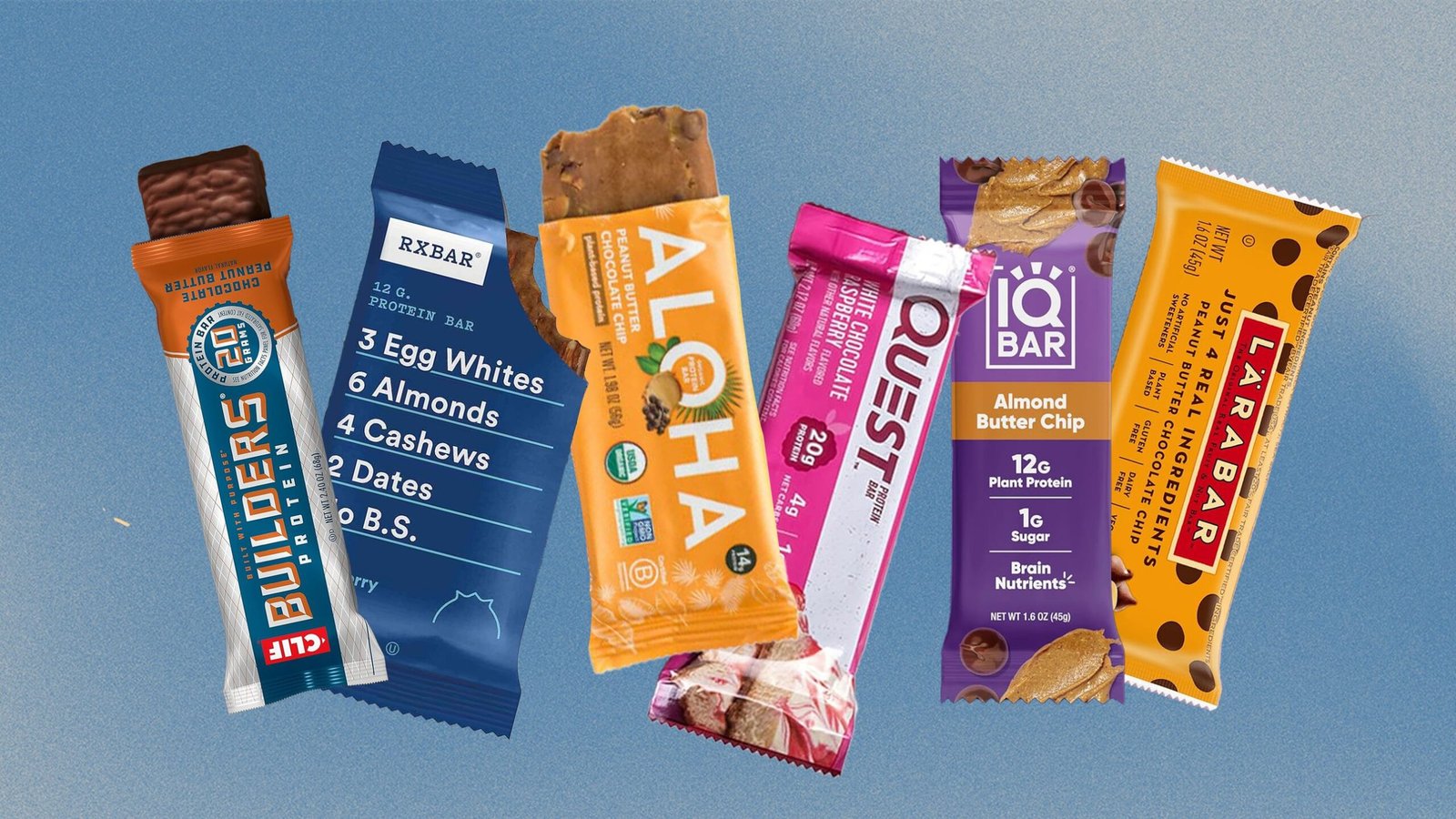
The answer depends on the product. Protein bars range from simple bars made with nuts, seeds, oats, and protein ingredients to highly processed products with sweeteners, coatings, and long ingredient lists. Processing alone does not decide whether a bar is a good choice, but the nutrition facts still matter.
When choosing a protein bar, start with your goal. A bar for post-workout recovery may need more protein and carbohydrates. A bar for an afternoon snack may work better with moderate calories, protein, and fiber. Someone watching added sugar may want a lower-sugar option.
Do not judge a bar by the front of the package alone. Marketing terms such as high protein, low carb, keto, or natural can tell you something, but they do not give the full nutrition picture.
- ✦ Protein
Check the grams of protein per serving and compare that amount with your daily needs.
- ✦ Fiber
Fiber can help support fullness and digestive health. Compare bars based on the amount listed on the Nutrition Facts label.
- ✦ Added sugar
Check the added sugars line rather than assuming a bar is low in sugar because it is marketed as a fitness food.
- ✦ Calories
Consider whether the calories fit the role of the bar in your diet.
- ✦ Saturated fat and sodium
These nutrients also matter, especially if you eat bars often.
- ✦ Ingredient list
Look for ingredients that fit your preferences, allergies, and dietary needs.
A simple protein bar label check
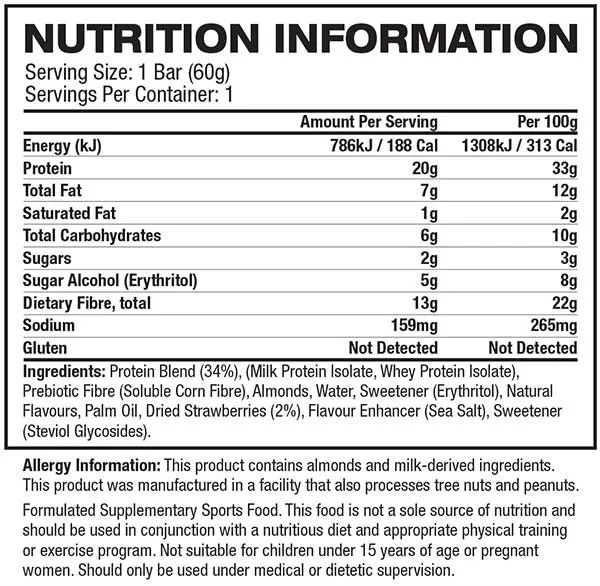
A quick label check can prevent many poor choices. First, confirm the serving size. Then check protein, fiber, calories, added sugar, saturated fat, and sodium.
You should also check allergens. Common protein bars may contain milk, soy, peanuts, tree nuts, eggs, or wheat. If you have a food allergy, read the full label every time because recipes can change.
What Are Protein Bars Good For Compared With Whole Foods?
Protein bars are convenient, but whole foods usually offer a wider mix of nutrients. Foods such as eggs, Greek yogurt, beans, lentils, fish, chicken, tofu, nuts, seeds, and milk can provide protein along with other nutrients and, in many cases, less processing.
That does not make protein bars a poor choice. Convenience has real value. If a protein bar helps you avoid skipping food during a long workday or helps you get protein after training, it can serve a useful role.
The best approach is to use protein bars as one option within a varied diet. They are most helpful when they fill a gap rather than become the main source of your daily nutrition.

- ✦ Whole foods
They can provide protein plus vitamins, minerals, fiber, healthy fats, and other useful nutrients.
- ✦ Protein bars
They offer speed, portability, and predictable nutrition when cooking or refrigeration is not practical.
- ✦ Best use
Use bars for convenience while keeping most meals centered on a broad mix of minimally processed foods.
When a protein bar makes sense
A protein bar can be especially useful during travel, long work shifts, road trips, hikes, or busy days. It can also help people who struggle to prepare protein-rich snacks ahead of time.
For everyday eating, though, variety matters. Rotate protein sources instead of relying on one product every day.
Potential Downsides of Protein Bars
Protein bars can be useful, but they are not automatically healthy. Some contain a lot of added sugar, saturated fat, or calories. Others use sugar alcohols or certain added fibers that may cause gas, bloating, or stomach discomfort in some people.
Taste and texture also matter. A bar that tastes very sweet may be harder to fit into a balanced eating pattern if it encourages frequent snacking. A bar that causes digestive problems is also not a good everyday choice for you, even if its nutrition label looks strong.
People with diabetes, kidney disease, food allergies, digestive disorders, or other medical conditions may have specific nutrition needs. In those cases, a registered dietitian or health professional can help match a protein product to the person’s needs.
- ✦ Digestive discomfort
Some bars contain sugar alcohols or large amounts of added fiber that may cause bloating, gas, or loose stools in sensitive people.
- ✦ Hidden calories
A bar can be high in calories even when it is marketed as a fitness or weight-loss product.
- ✦ Added sugar
Some protein bars contain enough added sugar to make them closer to a sweet snack than a balanced protein choice.
- ✦ Allergens
Milk, soy, peanuts, tree nuts, eggs, and wheat may appear in protein bars or be present through cross-contact.
- ✦ Too much reliance
Using bars for most meals can reduce food variety and make it harder to get a broad range of nutrients.
Who should be more careful?
People with food allergies should read labels closely and follow medical advice. People with kidney disease or other conditions that affect protein needs should not greatly increase protein intake without guidance from a qualified health professional.
If a bar repeatedly causes stomach pain, bloating, or diarrhea, stop using that product and review its ingredients. Symptoms that are severe, persistent, or concerning should be discussed with a health professional.
How to Use Protein Bars in a Healthy Diet
Knowing what are protein bars good for is only half the answer. The next step is using them in a way that supports your actual needs. Think of a protein bar as a tool, not a requirement.
For many adults, one bar can work as a snack between meals or as a temporary bridge when a full meal is delayed. Pairing it with fruit, milk, yogurt, or another whole food can create a more balanced snack when the bar alone does not satisfy you.
If you exercise regularly, plan ahead. Keep a suitable bar in your gym bag or car, but also keep whole-food options available when possible. This gives you flexibility without making processed snacks the center of your diet.
- ✦ For work
Keep a bar at your desk for days when a meal or protein-rich snack is delayed.
- ✦ For travel
Choose a shelf-stable bar that fits your nutrition needs and pair it with fruit or another food when practical.
- ✦ Before exercise
A bar may work as a convenient snack if you need food before training and tolerate it well.
- ✦ After exercise
Use a protein bar when a full meal is not available soon, especially after resistance training or a demanding workout.
- ✦ For busy mornings
A bar can be a temporary breakfast option, but add other foods when possible for more variety.
A practical way to decide
Ask three simple questions before buying a bar: Does it provide useful protein? Does the rest of the nutrition label fit my goal? Will I actually enjoy eating it? If the answer is yes to all three, it may be a practical choice.
There is no need to find a perfect protein bar. Look for one that fits your diet, budget, taste, and health needs.