What Protein Bars Are the Healthiest: Best guide
If you've ever asked yourself what protein bars are the healthiest while standing in the snack aisle, you're not alone. The shelf is packed, and half those options are essentially candy wearing a fitness costume. The real question isn't which logo to grab.
It's which bars actually deliver protein without quietly loading up sugar, sodium, and emulsifiers.
A typical 25-gram whey protein bar at US retail carries 20 g of protein, 5 to 8 g of sugar, and 250 to 400 mg of sodium. As of 2026, the gap between a genuinely clean bar and a marketing trick is measurable on the back label. That measurement is where the real decision lives.

Quick Answer
What protein bars are the healthiest depends on your goals. Target 20+ g protein, 5 g max added sugar, and 4+ g fiber. A short ingredient list beats any "clean label" marketing claim.
Whole-food options like NOUBA or Barebells typically check the most boxes.
"Protein Bar" Doesn't Mean What You Think
Why the category is a marketing term, not a regulated one
The FDA has no legal definition for "protein bar." That means the phrase on the wrapper is a marketing claim, not a regulated standard. A company can slap that label on a granola square with 6 g of protein and 14 g of sugar. No one files a form.
No one proves the claim to a regulator.
In practice, three product types share the same grocery aisle:
- True protein bars: 20+ g protein, under 8 g sugar, built around whey, pea, or blended plant protein.
- Snack or granola bars: 4 to 8 g protein, 10+ g sugar, built around oats, dried fruit, and honey.
- Energy bars: designed for endurance fueling. High carb (30 to 40 g), moderate protein (5 to 10 g), slower-burning profile.
The "protein bar" label on the front tells you almost nothing. The back panel is the only place the truth lives. If a bar is sitting next to the cereal, it's almost certainly the second or third type.
If it's in the sports or protein section, it's more likely a true protein bar, but you still need to verify. The distinction matters because a granola bar labeled "protein" can carry more sugar than the candy bar two shelves over.
How to Actually Read a Protein Bar Label
The five metrics that separate a good bar from a candy bar in a wrapper
You don't need a nutrition degree to do this. You need five numbers and about 45 seconds in the aisle.
- Protein source and amount: Check whether it's whey concentrate, whey isolate, pea, rice, egg-white, or a blend. Complete amino acid profiles matter if you're plant-based. Aim for 20+ g per bar.
- Sugar type and amount: The label lists total sugar but not added sugar (as of 2026, the FDA's new voluntary "added sugars" line is still catching up on many products). Read the ingredient list for dates, banana, maltodextrin, brown rice syrup, or HFCS. Keep total sugar under 12 g.
- Fiber: At least 4 g is useful. The FDA's "high fiber" claim threshold is 6 g. Soluble fiber (inulin, psyllium, chicory root) blunts the glucose spike more than insoluble.
- Sodium: A soft target is under 200 mg per bar. Anything above 350 mg is a quiet contributor to blood pressure, especially if you're snacking two or three a day.
- Ingredient count and fillers: Ten or fewer ingredients is a clean-label heuristic. Watch for "natural flavors," soy lecithin, glycerol monostearate, and xanthan gum. They're GRAS-approved, but they're where the ultra-processed classification kicks in.
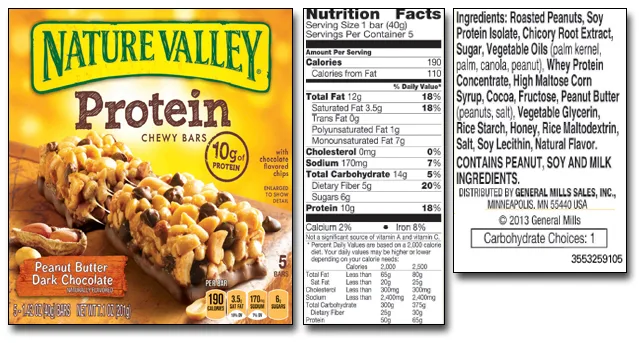
You can cross-check any ingredient's nutrient profile against the USDA FoodData Central database. It's free, searchable, and the same reference most manufacturer panels pull from.
How the Bars Stack Up Against Each Other
Where each one wins and where it quietly falls short
This isn't a "top ten" list. It's a working comparison of the bars that show up most often in the aisle, measured against the five metrics above.
| Bar | Protein (g) | Sugar (g) | Fiber (g) | Sodium (mg) | Ingredient Count |
|---|---|---|---|---|---|
| RXBAR Original | 12 | 13 | 3 | 180 | 5 |
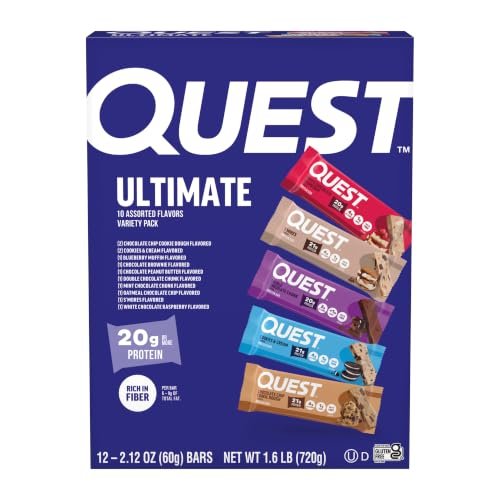
| Quest (vanilla) | 21 | 3 | 8 | 150 | 20+ |
| Kind Protein | 12 | 4 | 4 | 150 | 12 |
| NOUBA | 17 | 8 | 5 | 210 | 8 |
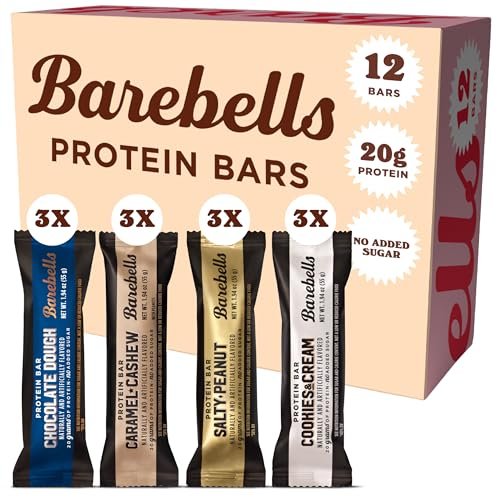
| Barebells | 20 | 4 | 6 | 120 | 7 |
| Clif Builder's | 10 | 8 | 2 | 180 | 14 |
| Orgain Plant-Based | 16 | 5 | 6 | 140 | 15 |
Values are per single bar, approximate, and vary by flavor. Check the specific SKU you're buying.
RXBAR wins on simplicity. Five ingredients, zero emulsifiers. It loses on protein density and carries 13 g of sugar from fruit and agave.
Quest hits the protein and fiber targets but the ingredient list reads like a chemistry lab. Kind Protein sits in the middle. Decent macros, recognizable ingredients, but only 12 g of protein.
Barebells and NOUBA are the cleanest labels on the shelf. They trade some convenience (shorter shelf life, often refrigerated) for a 7-to-8-ingredient list.
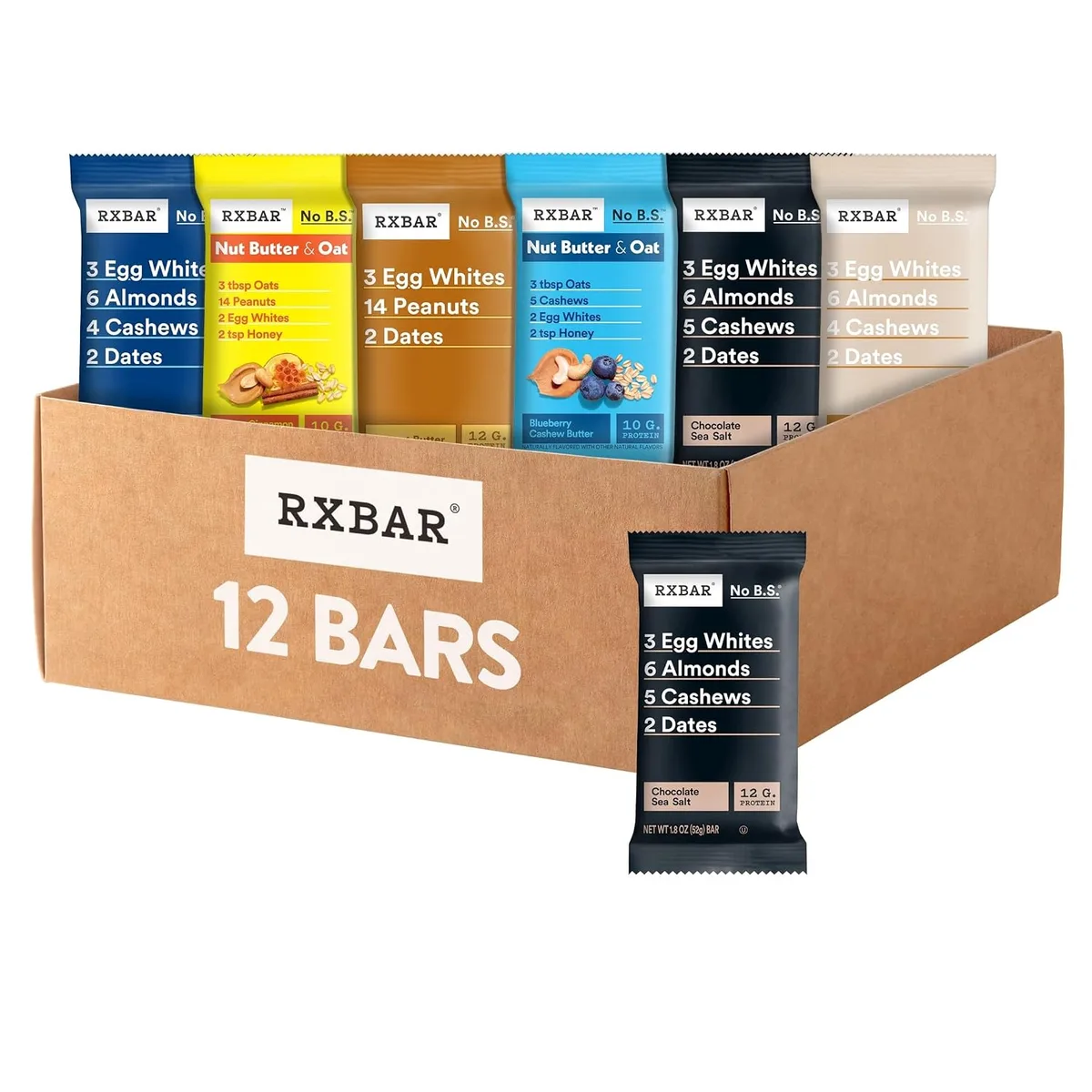
The pattern is clear: the fewer the ingredients, the more "food" you're eating. The more the ingredients, the more processing sits between you and the protein.
When a Protein Bar Loses to a Hard-Boiled Egg or a Scoop of Whey
The cost-per-gram-of-protein math that changes the answer
Here's the number that reframes the whole conversation. A scoop of whey isolate delivers roughly 25 g of protein for about $0.35 to $0.50 per serving. A shelf-stable protein bar with 20 g of protein costs $2 to $3.50.
You're paying 4 to 7 times more per gram of protein in a bar.
That premium buys you three things: convenience, portability, and a satisfying "real food" texture. If you're at a trailhead, on a plane, or in a meeting where you can't open a tub of Greek yogurt, the bar wins on logistics. Plain and simple.
But if you're at home, the math flips. A hard-boiled egg (6 g protein, $0.12), a small tub of cottage cheese (12 g protein, $0.75), or a scoop of powder mixed with water (25 g protein, $0.40) delivers the same or better macros for a fraction of the cost. They also skip the emulsifiers, stabilizers, and "natural flavors" that pad the ingredient list.
Is a bar even the right tool?
A bar is a delivery system, not a nutrition strategy. If it's your only protein source all day, you're leaving amino acid variety on the table. Use it as a bridge.
Snack between meals, fuel post-workout when a shake is impractical. Don't replace dinner with a bar. The glycemic response, the micronutrient spread, and the satiety curve all favor a real plate.
The Right Bar for Your Situation
A quick decision map: if your main constraint is X, here's what to grab
- Post-workout (timing matters, you're not in the kitchen): Whey-based bar with 20+ g protein and under 5 g sugar. Quest or Orgain plant-based both clear the leucine threshold (~2 to 3 g) for muscle protein synthesis. Grab it within 30 minutes of training.
- Vegan or dairy-free: Blended pea-and-rice protein bars (Orgain, Huel) give you a complete amino acid profile. Single-source pea bars miss methionine. Pair with a rice-based snack later to round it out.
- Low-sugar or managing blood glucose: Barebells or RXBAR. Under 5 g sugar, visible fiber, no HFCS. Check the total carb load if you're on insulin.
- Gut-sensitive (low-FODMAP, no lactose): Skip whey concentrate bars. Go pea- or egg-white-based. Watch for inulin and chicory root, which are low-FODMAP-friendly but can still bloat in sensitive guts. Pilot for a week.
- Budget under $1.50 per bar: RXBAR in bulk at Costco or a warehouse club. You trade some fiber and protein density for a five-ingredient list and a low price tag.
- Travel, hiking, no refrigeration: Shelf-stable, 12+ month date, no cold chain. Quest and Kind Protein both fit. Avoid the "fresh" NOUBA or Barebells SKUs if you're three weeks into a backpacking trip.
The common thread: match the bar to the constraint, not the other way around. A "healthiest" bar that you won't carry, can't afford, or can't digest isn't the right bar for you. Pick the one that fits the real situation, read the back label, and move on.
Five Mistakes That Make You Think You're Eating Clean
Sugar hiding in "natural" ingredients
Dates, banana puree, malted milk, and brown rice syrup all register as sugar on the label. The word "natural" on the front doesn't change the glycemic math. A bar with 8 g of "fruit sugar" plus 4 g of cane sugar is still 12 g total.
That's well above the 5 g added-sugar threshold we flagged in the label section.
Protein padding with collagen or rice
Collagen isn't a complete protein. It lacks tryptophan entirely. A bar that lists "hydrolyzed collagen" as its primary source and hits 25 g on the panel is borrowing that number from a non-muscle-building amino acid stack.
Rice protein padding works the same way. It inflates the gram count without delivering leucine at the 2 to 3 g threshold that actually triggers muscle protein synthesis.
Emulsifier overload
Soy lecithin, glycerol monostearate, citric acid, and xanthan gum are all GRAS-approved. Safe to eat, yes. Not harmless to your gut in stack after stack, no.
Aggregate buyer reviews on 20+ ingredient bars consistently report bloating and gas. If the ingredient list reads like a cosmetics label, your GI tract will file a complaint within a week.
The "natural flavors" black box
FDA rules don't require manufacturers to itemize what sits inside "natural flavors." It could be vanillin. It could be a proprietary extract blend. You have no way to know without calling the company directly.
If you're sensitive to specific compounds, this is a genuine blind spot.
The convenience-store markup trap
A $3.50 bar at a gas station kiosk is the same SKU you'd find for $1.75 at a warehouse club. That's a 100%+ premium for shelf placement. Buy daily and you're spending an extra $15 to $20 a month for zero nutritional difference.
Quick Answers to the Questions Everyone Asks
Are plant protein bars really comparable to whey?
Not quite. Whey carries a DIAAS score near 1.0, meaning nearly all its amino acids get absorbed and used. Single-source pea protein sits around 0.6 to 0.7.
Blended pea-plus-rice bars close that gap, but you're still slightly short on lysine and methionine. If bars are your main protein and you're vegan, pair them with a rice or quinoa source at another meal to round out the profile.
Can I replace a meal with a bar every day?
No. A bar delivers protein and maybe fiber, but it skips vitamin C, B12, iron, magnesium, and phytonutrients you get from a real plate. The ISSN position stands support using bars as supplements to meals, not replacements.
One bar a day as a snack is fine. Two bars as lunch and dinner is not.
What's the added-sugar line where a bar stops being healthy?
Five grams. Above 5 g added sugar, the bar is technically a confection with a protein sprinkle. Total sugar under 12 g is acceptable if the excess comes from whole fruit like dates or banana.
Anything over 12 g total pushes the glycemic load past the low range and starts to undermine the blood-sugar advantage of the protein.
Do I need to worry about the NOVA ultra-processed label?
Most commercial protein bars land in NOVA class 4. That's a factual classification, not a toxicity judgment. It flags industrial formulation and multi-ingredient processing.
The practical takeaway: one or two bars a day alongside real meals is context, not a red flag. If your entire diet is bars, powders, and pouches, the classification becomes a real concern and the FDA's food guidance page is worth a quick read on what "processed" actually means in regulatory terms.