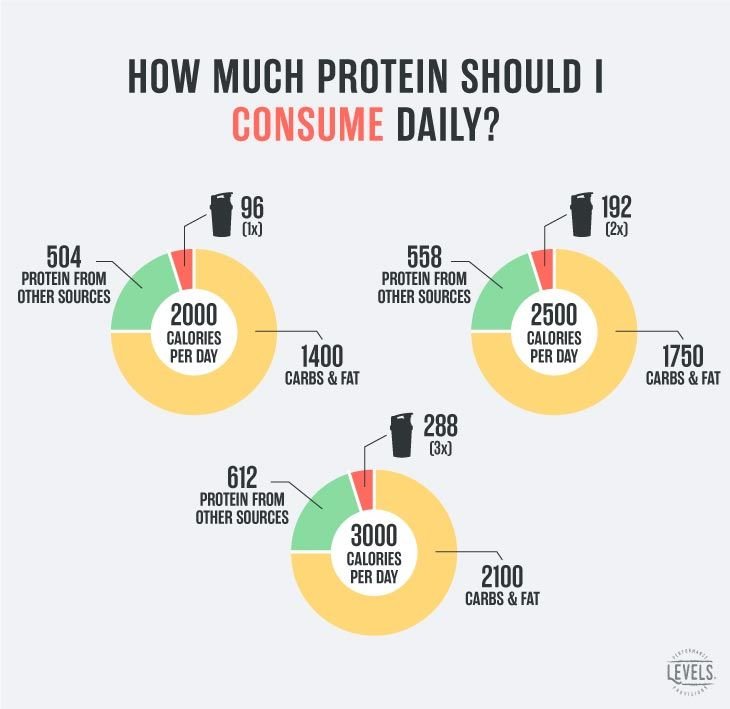
Most healthy adults can use one or two protein drinks a day when needed, but the right amount depends on total daily protein needs, regular food intake, activity, and health.
If you shop for groceries at Walmart, Target, or Costco, you have probably seen protein shakes in the nutrition aisle. They are also common in American gyms, college fitness centers, and busy workplaces. These drinks offer a quick way to add protein when a regular meal is not easy to prepare.
But how many protein drinks a day should you actually have? There is no fixed number that works for everyone. Your body needs a certain amount of protein each day, and drinks are only one way to meet that need. A person who eats eggs, chicken, Greek yogurt, beans, and fish may not need a shake at all. Someone with a busy schedule or a high training load may find one or two useful.
The 2025–2030 Dietary guidelines for Americans recommend a general protein target of 1.2 to 1.6 grams per kilogram of body weight per day. However, individual needs can differ. Exercise, age, pregnancy, medical conditions, and calorie intake all affect the right target. The key is to count protein from every source rather than treating shakes as extra nutrition that your body always needs.
This guide explains how to calculate your daily needs, decide how many drinks to use, choose a suitable serving, and avoid common mistakes. It also covers weight loss, muscle growth, meal replacement, and health conditions that call for professional advice.
Source: i.pinimg.com
How Many Protein Drinks Should You Have Per Day?
For most healthy adults, zero to two protein drinks a day can fit into a balanced eating plan. The right number depends on how much protein you get from meals and snacks. One drink may fill a small gap, while two may help someone who has higher needs or struggles to eat enough protein.
There is no official daily limit that says every adult must stop after one or two protein drinks. There is also no rule that says drinking three is automatically safe or useful. The important question is whether your total intake fits your needs and whether the drinks are replacing foods that provide other nutrients.
For example, a person who gets 90 grams of protein from regular meals and has a daily target of 100 grams may need only one small shake. Another person who already gets 120 grams from food may not benefit from adding a 30-gram drink.
Think of a protein drink as a tool for filling a nutrition gap. It should support your meals, not become the main source of everything your body needs.
Source: i.pinimg.com
No protein drink
Suitable when regular meals already provide enough protein for your daily needs.
One protein drink
A practical option when you need an extra 20 to 30 grams of protein during a busy day.
Two protein drinks
May help active people or those with limited food intake meet a higher daily target, provided their total diet remains balanced.
Three or more protein drinks
May be unnecessary for many adults and can crowd out regular meals. Consider your total intake and seek advice if you need this amount regularly.
Is One Protein Drink a Day Enough?
Yes, one protein drink a day can be enough if you need a supplement. It may provide 20 to 30 grams of protein, which can cover a useful part of your daily target.
For example, you might have a shake after a workout and get the rest of your protein from eggs at breakfast, chicken at lunch, and beans or fish at dinner. You do not need another drink if these meals already meet your needs.
People who eat enough protein from food may not need a daily shake at all.
Best use
Fill a protein shortage in your daily meal plan.
Main benefit
Convenience when preparing a full meal is difficult.
Can You Have Two Protein Drinks a Day?
Yes, two protein drinks can fit into a healthy eating plan for some adults. For example, two servings that each provide 25 grams would supply 50 grams of protein. This can be useful when someone has a high protein target and cannot meet it through meals alone.
However, two drinks should not automatically be added to an already high-protein diet. Check how much protein you get from food first. Also review the drinks for calories, added sugar, saturated fat, sodium, and other ingredients.
If two drinks replace breakfast and lunch every day, make sure your overall diet still provides enough fiber, vitamins, minerals, and healthy fats.
Useful situation
A physically active adult has a higher protein target and limited time for meal preparation.
Possible problem
Two large drinks may add more calories and protein than the person actually needs.
How Much Protein Do You Need Each Day?
Your daily protein requirement is the starting point for deciding how many protein drinks to have. Protein helps build and repair muscle, support immune function, maintain body tissues, and make important enzymes and hormones.
The 2025–2030 Dietary Guidelines for Americans recommend 1.2 to 1.6 grams of protein per kilogram of body weight per day. This is a broad dietary target, not a personal prescription for every person. Your needs may be different because of your age, activity level, health, and other factors.
The established Recommended Dietary Allowance for healthy adults is 0.8 grams per kilogram per day. This is a reference amount designed to meet the needs of nearly all healthy adults, rather than a specific muscle-building target.
These figures serve different purposes. The RDA is a baseline reference, while the newer dietary guidance gives a higher general target. Neither number tells you how many shakes you must drink.
Source: static.thcdn.com
General adult reference
The established RDA is 0.8 grams per kilogram of body weight per day.
2025–2030 US dietary guidance
The general protein target is 1.2 to 1.6 grams per kilogram of body weight per day.
Active adults
People who exercise regularly may need more protein depending on training type, intensity, and recovery needs.
Individual needs
Older age, pregnancy, medical conditions, and changes in body weight can affect protein requirements.
Calculate Your Daily Protein Needs
You can estimate your daily protein target with a simple calculation. First, convert your weight from pounds to kilograms by dividing it by 2.2. Then multiply your weight in kilograms by your chosen protein target.
For a general estimate using the 2025–2030 US dietary guidance, multiply your weight in kilograms by 1.2 and 1.6. This gives you a range rather than one exact requirement.
For example, a person weighing 150 pounds weighs about 68 kilograms. Multiplying 68 by 1.2 gives about 82 grams, while multiplying 68 by 1.6 gives about 109 grams of protein per day.
Step 1
Convert pounds to kilograms by dividing your weight by 2.2.
Step 2
Multiply your weight in kilograms by 1.2 to estimate the lower end of the general target.
Step 3
Multiply your weight in kilograms by 1.6 to estimate the upper end.
Step 4
Compare the result with the protein you already get from meals and snacks.
Daily Protein Examples by Body Weight
The following table shows estimated daily protein amounts using the 1.2 to 1.6 grams per kilogram range in the 2025–2030 Dietary Guidelines for Americans. These examples are calculations, not personalized medical recommendations.
120 pounds
About 65 to 87 grams of protein per day.
140 pounds
About 76 to 102 grams of protein per day.
160 pounds
About 87 to 116 grams of protein per day.
180 pounds
About 98 to 131 grams of protein per day.
200 pounds
About 109 to 145 grams of protein per day.
220 pounds
About 120 to 160 grams of protein per day.
How to Decide How Many Protein Drinks You Need
The easiest way to choose the right number of drinks is to calculate the difference between your daily protein target and your normal food intake. This prevents you from drinking more than you need.
Start by recording what you eat for one or two typical days. Include breakfast, lunch, dinner, snacks, dairy products, and any protein supplements. Use food labels or a reliable nutrition database to estimate the protein in each item.
Next, add the amounts together and compare the result with your daily target. If your meals provide 75 grams and your target is 100 grams, you have a 25-gram gap. One drink containing 25 grams of protein could cover that gap.
If you meet your target through food, there is no nutritional reason to add another drink simply because you exercised that day.
Source: i.pinimg.com
Track your food
Write down everything you eat and drink for a typical day.
Check protein amounts
Use nutrition labels and food records to estimate your total.
Find the difference
Subtract your food protein from your estimated daily target.
Choose a suitable serving
Use a protein drink only if it helps cover the remaining amount.
Example: A Person Who Needs 100 Grams of Protein
Imagine an adult with a daily target of 100 grams. Breakfast provides 20 grams, lunch provides 30 grams, dinner provides 25 grams, and snacks provide 10 grams. The total from regular food is 85 grams.
This person has a 15-gram gap. A full 30-gram shake would provide more than the remaining amount, so a smaller serving may be enough. Another option is to add Greek yogurt, milk, or an egg to the daily menu.
This example shows why the number of drinks should follow your food intake rather than a fixed fitness rule.
Daily target
100 grams of protein.
Food intake
85 grams of protein.
Remaining amount
15 grams of protein.
Practical choice
Use a smaller shake serving or add a protein-rich food.
Why Counting Total Protein Matters
Protein from food and protein from drinks both count toward your daily total. Your body does not treat a shake as a separate category that can be ignored when planning nutrition.
For example, drinking two shakes that provide 25 grams each adds 50 grams to your daily intake. If your meals already provide 100 grams, your total becomes 150 grams.
That amount may be suitable for some people and unnecessary for others. The important point is to assess your actual needs rather than assume that more is always better.
How Many Protein Drinks Should You Have for Muscle Growth?
If your goal is to build muscle, one or two protein drinks may help you meet your daily target. However, resistance training, enough total calories, recovery, and consistent nutrition matter more than the number of shakes you consume.
The International Society of Sports Nutrition reports that many exercising adults can support muscle growth and maintenance with about 1.4 to 2.0 grams of protein per kilogram of body weight per day. Its position stand also discusses individual protein servings of roughly 20 to 40 grams for many healthy exercising adults.
These amounts are useful reference points for people who train regularly. They do not mean that everyone who visits a gym needs two shakes a day. A person who eats enough protein at breakfast, lunch, and dinner may only need one drink or none.
Protein supports muscle repair and growth after training. However, it does not replace progressive resistance exercise. Think of protein as building material and training as the signal that tells your body where to use it.
Source: i.pinimg.com
Daily intake
Many exercising adults use a total protein target around 1.4 to 2.0 grams per kilogram of body weight per day.
Serving size
A serving of about 20 to 40 grams is a commonly discussed range in sports nutrition research.
Training
Regular resistance exercise gives the body a reason to build and maintain muscle.
Recovery
Adequate sleep, calories, fluids, and rest also support training results.
Should You Drink Protein Before or After a Workout?
You can drink protein before or after exercise. The best timing depends on when you last ate, your schedule, and your comfort. A protein-rich meal before training may already provide the nutrients you need around your workout.
After exercise, a shake can be convenient when you cannot eat a regular meal soon. However, there is no need to rush to drink one within a few minutes of finishing your last set.
The International Society of Sports Nutrition discusses spreading protein servings across the day, often about every three to four hours. Total daily intake remains a major priority.
Before exercise
A shake may help if you have not eaten enough protein and tolerate it well.
After exercise
A shake can provide convenient protein when a meal is not available.
Rest days
Your muscles still need protein on days when you do not train.
Can Two Protein Drinks Build More Muscle Than One?
Two drinks do not automatically build more muscle than one. They may help when one drink does not provide enough protein to meet your daily target.
For example, someone who needs 140 grams per day and gets only 90 grams from food may use two 25-gram shakes to cover the remaining 50 grams. Someone who already gets 140 grams from meals has little reason to add both drinks.
Once your protein needs are met, adding more shakes does not guarantee faster muscle growth. Training quality, recovery, and adequate energy intake remain important.
How Many Protein Drinks Should You Have for Weight Loss?
For weight loss, zero or one protein drink a day may be enough for many adults. Some people may use two when they have a higher protein target, but more drinks do not cause more fat loss.
Weight loss generally requires a sustained calorie deficit, which means taking in fewer calories than your body uses. Protein can help preserve muscle during weight loss, especially when combined with resistance training and an appropriate eating plan.
A protein drink can also make a snack or small meal more convenient. However, it is easy to add extra calories if you drink shakes on top of your normal meals without adjusting your overall intake.
The best choice is a drink that provides useful protein without excessive added sugar or calories. Check the entire nutrition label rather than judging a product by its protein number alone.
Source: taratq.com
Support fullness
Protein can help you feel satisfied, although individual responses vary.
Support muscle maintenance
Adequate protein and resistance training can help preserve lean tissue during weight loss.
Control calories
Count the drink as part of your daily food and calorie intake.
Avoid unnecessary servings
Do not add shakes to meals simply because they are marketed for weight loss.
Can You Replace a Meal With a Protein Drink?
You can occasionally use a protein drink as part of a quick meal, but an ordinary protein shake is not automatically a complete meal replacement. Many drinks contain protein but little fiber and limited amounts of other nutrients.
A more balanced option is to combine a shake with foods such as fruit, oats, nuts, or whole-grain toast. This can provide carbohydrates, fiber, vitamins, minerals, and healthy fats that a simple shake may lack.
If you regularly replace meals, consider a product specifically formulated as a meal replacement and check its nutrient content. People with medical or nutritional concerns should ask a registered dietitian for guidance.
Add fruit
A banana or berries can provide carbohydrates, fiber, and useful micronutrients.
Add whole grains
Oats or whole-grain toast can make a quick meal more filling.
Add healthy fats
A small serving of nuts or nut butter can add energy and unsaturated fats.
Are Two Protein Drinks Too Many During Weight Loss?
Two drinks are not automatically too many, but they may add more calories than you expect. For example, two shakes containing 200 calories each contribute 400 calories to your day.
If those drinks replace foods that would otherwise provide the same or fewer calories, they may fit your plan. If they are added on top of your usual meals, they could make a calorie deficit harder to maintain.
Check the protein, calories, added sugar, and serving size before deciding how often to use them.
Are Multiple Protein Drinks Safe Every Day?
Multiple protein drinks may fit into the diet of some healthy adults, but safety depends on total protein intake, the product’s ingredients, and personal health. There is no universal number of shakes that guarantees safety for everyone.
For healthy, active adults, research reviewed by the NIH Office of Dietary Supplements suggests that higher protein intakes used in exercise settings have not consistently shown harm to kidney function over the periods studied. However, the NIH also advises caution because long-term evidence on very high intakes from food and supplements remains limited.
This distinction matters. Findings in healthy adults who exercise should not be applied automatically to people with kidney disease or other medical conditions. People with reduced kidney function may need a specific protein target set by their healthcare team.
The quality of the product also matters. A drink can contain protein along with added sugar, sodium, saturated fat, caffeine, or other ingredients. Drinking several servings increases your exposure to everything in those servings, not just protein.
Source: feastgood.com
Kidney health
People with chronic kidney disease should get individualized protein advice before using protein supplements.
Digestive comfort
Large servings or certain ingredients may cause bloating, gas, or diarrhea in some people.
Added calories
Several drinks can increase daily calorie intake without adding much variety.
Ingredient exposure
Multiple servings can increase your intake of sweeteners, sodium, caffeine, and other added ingredients.
Can Too Much Protein Cause Problems?
Eating more protein than your body needs does not automatically create a health problem in every healthy adult. However, very high intake may be unnecessary, and long-term effects at extreme levels are not fully established.
Large amounts of protein can also displace other important foods. If you rely on shakes instead of vegetables, fruits, whole grains, and varied protein foods, your diet may lack fiber and other nutrients.
Some people experience stomach discomfort when they consume large amounts of dairy-based protein or products containing certain sugar alcohols and sweeteners. Reducing the serving or choosing a different formula may help, but ongoing symptoms deserve medical attention.
Bloating
May occur with lactose, large servings, or ingredients that do not agree with you.
Diarrhea
May occur with some sweeteners, sugar alcohols, or large amounts of certain protein products.
Unbalanced diet
Excessive reliance on drinks may reduce the variety of foods in your diet.
Who Should Ask a Healthcare Professional First?
Certain people should not choose a high-protein supplement plan without professional advice. Their nutritional needs may differ from those of healthy adults.
A healthcare professional or registered dietitian can help determine a suitable amount and review the ingredients in a product.
Kidney disease
Protein needs can change with kidney function and disease stage.
Liver disease
A clinician should assess protein needs based on the condition and nutritional status.
Pregnancy and breastfeeding
Protein needs differ, and supplement ingredients should be reviewed with a qualified professional.
Children and teenagers
Growing bodies have different nutritional requirements. Routine protein supplementation should be discussed with a pediatric healthcare professional.
Food allergies
Check for milk, soy, peanut, and other allergens before choosing a drink.
How to Choose the Right Protein Drink
Choose a protein drink based on its protein content, ingredients, calorie level, and your dietary needs. A high protein number does not automatically make a product the best option.
Many ready-to-drink products and protein powders provide around 20 to 30 grams of protein per serving. Some provide less or more, so always check the label. A serving size can also differ from the amount you actually pour or drink.
Whey protein comes from milk and contains all nine essential amino acids. Casein is another milk protein that digests more slowly. Soy protein is a plant-based option that also provides all nine essential amino acids, while pea and other plant proteins have different amino acid profiles.
You do not need an expensive formula to meet your daily protein target. Milk, yogurt, eggs, beans, lentils, tofu, chicken, and fish can all contribute useful amounts.
Source: i.pinimg.com
Protein per serving
Check the actual number of grams in one serving rather than relying on the front label.
Added sugar
Compare products and choose an amount that fits your overall diet.
Calories
Consider whether the drink is a snack, an addition to a meal, or a meal replacement.
Allergens
Check milk, soy, nuts, and other ingredients that may trigger a reaction.
Other ingredients
Review sodium, saturated fat, caffeine, and added vitamins or minerals.
Whey, Casein, and Plant Protein
Whey is a common choice for people who want a convenient dairy-based protein source. It contains essential amino acids and is generally easy to mix into drinks.
Casein is also derived from milk. Its slower digestion can make it useful in some meal plans, but it is not necessary to consume it at a particular time to maintain good health.
Plant-based drinks may use soy, pea, rice, or blends of different plant proteins. Soy provides all essential amino acids, while blends may combine ingredients to improve the overall amino acid profile.
The best option is one you tolerate well, enjoy, and can use without exceeding your daily nutrition needs.
Whey
A milk-derived protein that is commonly used after exercise.
Casein
A milk-derived protein that digests more slowly than whey.
Soy
A plant protein that supplies all nine essential amino acids.
Pea protein
A plant-based option often used in dairy-free formulas.
Read the Nutrition Label Carefully
Look at the Nutrition Facts or Supplement Facts panel before buying a protein drink. Pay attention to the serving size, protein amount, calories, added sugars, sodium, and ingredient list.
Also remember that products sold as dietary supplements and products sold as conventional foods may have different labeling rules. FDA guidance explains that protein percentage of Daily Value may be omitted on certain dietary supplement labels.
Do not assume that a product is better simply because it has a large protein number or a fitness-related claim on the package. Compare the actual serving information.
Serving size
Confirm whether the listed nutrition applies to the full bottle or only part of it.
Protein grams
Check the actual amount of protein in the serving you plan to consume.
Calories and sugar
Consider how these amounts fit into your daily eating plan.
Ingredient list
Look for allergens, sweeteners, caffeine, and ingredients you prefer to avoid.
Protein Drinks vs. Whole Foods: Which Is Better?
Whole foods should provide much of your daily protein because they offer nutrients that a simple shake may not contain. Eggs, fish, chicken, dairy, beans, lentils, tofu, nuts, and seeds also bring different vitamins, minerals, fats, and other useful nutrients.
Protein drinks are convenient, especially when you travel, work long shifts, or finish a workout away from home. They can also help people who have difficulty eating enough food to meet their needs.
However, a shake is not always as filling or nutritionally complete as a balanced meal. Whole foods often provide fiber and a wider mix of nutrients, depending on the food.
The practical approach is to use both when needed. Build most meals around varied foods, then use a drink to cover a gap when regular food is not enough or is not convenient.
Source: i.pinimg.com
Whole foods
Offer protein along with other nutrients and can support a varied eating pattern.
Protein drinks
Offer a quick and portable source of protein with a predictable serving size.
Combined approach
Uses regular meals as the foundation and supplements only when necessary.
Everyday Foods That Provide Protein
You can get a meaningful amount of protein from ordinary foods without relying on supplements. The exact amount depends on the food, preparation method, and serving size.
For example, an egg provides roughly 6 grams of protein, a cup of milk provides about 8 grams, and a serving of Greek yogurt may provide around 15 to 20 grams depending on the brand.
Chicken, fish, beans, lentils, tofu, and nuts can also help you reach your target. Combining different sources throughout the day can make a varied diet easier to maintain.
Eggs
A convenient protein source that also provides several important nutrients.
Greek yogurt
Can provide a substantial amount of protein in a single serving.
Chicken and fish
Provide concentrated protein and can form part of a balanced meal.
Beans and lentils
Provide plant protein along with fiber and other nutrients.
Tofu
A versatile soy food that works in many meals.
When Protein Drinks Are More Convenient
A ready-to-drink shake can be useful when you are commuting, traveling, working long hours, or unable to prepare a meal. Protein powder can also be mixed into milk, water, or a smoothie.
Convenience is the main advantage. You can carry a serving with you and know approximately how much protein it provides.
Still, convenience should not become a reason to skip a varied diet. A drink works best when it supports your overall eating pattern rather than replacing every source of protein.
Common Mistakes When Drinking Protein Shakes
The biggest mistake is focusing on the number of drinks instead of total nutrition. A person may follow a two-shake routine without realizing that regular meals already provide enough protein.
Another common problem is using protein drinks as a replacement for nearly every meal. This can reduce food variety and make it harder to get enough fiber and other nutrients.
It is also easy to overlook serving sizes. Some bottles contain more than one serving, and a scoop of powder may provide a different amount of protein depending on the product.
A simple routine works better than chasing a high protein number. Check your needs, count your food, and adjust the drink serving when necessary.
Source: static.thcdn.com
Drinking shakes without counting food
You may consume more protein and calories than you planned.
Replacing too many meals
You may miss fiber and nutrients found in whole foods.
Ignoring the serving size
You may drink more than one labeled serving without realizing it.
Assuming more protein means more muscle
Muscle growth also depends on training, recovery, and overall energy intake.
Ignoring medical conditions
A high-protein plan may not suit everyone, particularly people with kidney disease.
Do Not Use Protein Drinks as Your Main Source of Nutrition
A protein drink may provide useful protein, but it usually does not provide everything found in a balanced meal. Depending on the formula, it may contain little fiber or limited amounts of important vitamins and minerals.
If you drink several shakes every day, review whether you are still eating vegetables, fruits, whole grains, and varied protein foods. A healthy diet needs more than one nutrient.
Add whole foods where possible and use shakes to fill a specific need.
Do Not Ignore Digestive Symptoms
If you develop bloating, cramps, nausea, or diarrhea after drinking protein shakes, review the serving size and ingredients. Lactose, certain sweeteners, and some protein sources may cause discomfort in sensitive people.
Try not to increase the serving when symptoms are already present. If discomfort continues, stop using the product and speak with a healthcare professional, especially if symptoms are severe or persistent.
An allergic reaction involving breathing difficulty, throat swelling, or severe facial swelling requires emergency medical care.
Frequently Asked Questions
Q
Can I drink two protein drinks every day?
Yes, many healthy adults can include two protein drinks in their daily eating plan. The important factor is your total protein intake from food and drinks. Two servings may be useful if you have a higher protein target, but they may be unnecessary if your meals already provide enough protein.
Check the calories, added sugar, sodium, and other ingredients in both servings. If you have a medical condition that affects protein needs, ask your healthcare professional before using two drinks every day.
Q
Is three protein drinks a day too much?
Three protein drinks may be more than many adults need, but the number alone does not determine whether the intake is excessive. Three smaller servings could provide less protein than two large servings, so check the actual grams per serving.
Calculate your daily protein target and include all food sources. If three drinks are needed regularly because of limited food intake or a medical issue, discuss the plan with a registered dietitian.
Q
Can I drink protein shakes without working out?
Yes, you can drink a protein shake without exercising. Protein is needed every day for tissue maintenance, repair, and normal body functions. You do not have to complete a workout before consuming it.
However, a shake is only useful when it helps meet your nutritional needs. If your regular meals already provide enough protein, you may not need an additional drink.
Q
Should I drink protein shakes every day?
You can drink one every day if it fits your nutritional needs and does not replace a varied diet. There is no requirement to use protein supplements daily, and people who get enough protein from food may not need them.
If you use a shake regularly, review the ingredient list, calories, protein content, and serving size. Also make sure you continue eating foods that provide fiber, vitamins, minerals, and healthy fats.
Q
Can I drink two protein shakes in one day without eating enough food?
Two shakes can provide protein, but they do not automatically make up for an inadequate diet. Many protein drinks lack the fiber, variety, and full range of nutrients found in balanced meals.
If you are struggling to eat enough, consider adding easy foods such as yogurt, eggs, oats, fruit, beans, and nut butter. Persistent difficulty eating or unexplained weight loss should be discussed with a healthcare professional.
Q
How many protein drinks should I have after a workout?
One protein drink is usually enough if you need a convenient post-workout serving. Many sports nutrition recommendations discuss roughly 20 to 40 grams of protein per serving for healthy exercising adults.
You do not need multiple shakes immediately after training. Count your total daily protein and consider the protein in the meals you eat before and after exercise.
Q
Can protein drinks cause weight gain?
Yes, protein drinks can contribute to weight gain if they increase your total calorie intake beyond what your body uses. Protein itself does not automatically cause fat gain, but calories from shakes still count.
For example, adding two 200-calorie drinks to your normal eating routine adds 400 calories. If you do not need those calories, they may make weight management harder.
Q
Is it better to drink protein shakes in the morning or at night?
Either time can work. Morning shakes may help people who have little time for breakfast, while an evening serving may help someone meet a daily protein target.
The best time depends on your meal schedule, exercise routine, and personal comfort. Meeting your total daily protein needs is generally more important than choosing one exact time.
Q
Can older adults have protein drinks every day?
Some older adults may benefit from protein drinks when appetite, chewing problems, illness, or low food intake makes it difficult to meet their needs. Protein can help support muscle maintenance when combined with suitable physical activity.
However, age-related health conditions can change protein requirements. Older adults with kidney disease or other medical concerns should get individual advice before starting a high-protein supplement routine.
Q
Can I drink protein shakes if I have kidney disease?
Do not start a high-protein shake routine without discussing it with your kidney doctor or renal dietitian. Protein requirements can change based on kidney function, disease stage, nutrition status, and treatment.
The National Kidney Foundation explains that some people with chronic kidney disease need to manage protein intake. Your healthcare team can help you choose an appropriate amount and decide whether a protein drink is suitable.
✦ Wrapping Up
Conclusion
So, how many protein drinks a day should you have? For many healthy adults, zero to two drinks can fit into a balanced diet. One may be enough to cover a small protein gap, while two may help people with higher needs or limited time to prepare meals.
The best approach is to calculate your daily protein needs first. Then count the protein from your regular meals and snacks before deciding whether you need a supplement. The 2025–2030 Dietary Guidelines for Americans provide a general target of 1.2 to 1.6 grams per kilogram of body weight per day, although individual needs vary.
Remember that protein drinks are convenient supplements, not a replacement for a healthy diet. Whole foods provide a wider range of nutrients, and they should remain the foundation of your eating plan. People with kidney disease, pregnancy-related nutrition needs, or other medical concerns should seek personalized advice before increasing protein intake.
💡 Key Takeaway
Start by tracking your protein intake for one typical day. Calculate your daily target, subtract the protein you already get from food, and use only enough protein drink to cover the remaining gap. For many adults, one serving is sufficient, and a second is useful only when their individual needs justify it.