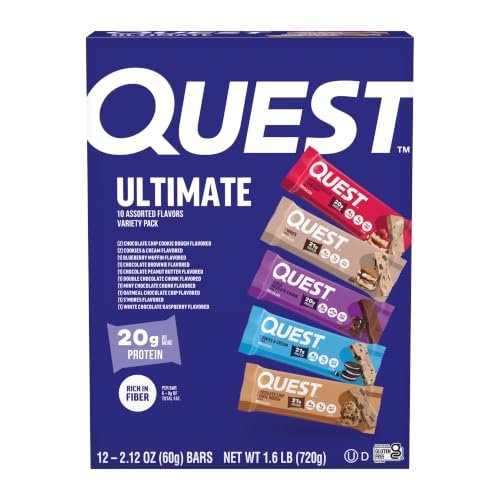
No, eating protein bars without working out is not bad for most healthy adults. Your body needs protein every day, even when you do not exercise. The main concerns are excess calories, added sugar, poor ingredient choices, and eating more protein than you need.
Walk through any American grocery store, and you will find protein bars in the snack aisle, near the cereal, or beside the checkout counter. Many people buy them for busy workdays, long commutes, school lunches, or quick snacks between meals. Yet a common question comes up: Do you need to exercise to justify eating one? The short answer is no. Protein is an essential nutrient, not a reward for going to the gym.
Your body uses protein to maintain muscles, repair cells, support your immune system, and build important tissues. These jobs continue while you work at a desk, watch television, sleep, or take a rest day. Therefore, you do not need a workout before enjoying a protein bar.
However, not every protein bar is a healthy choice. Some contain a useful mix of protein, fiber, and healthy fats. Others are closer to candy bars, with lots of added sugar and calories but little nutritional value beyond their protein content. What matters most is how the bar fits into your daily diet.
This guide explains what happens when you eat protein bars without exercising, whether they cause weight gain, how much protein you need, and how to choose a suitable bar. It also covers common mistakes and situations where you may need advice from a healthcare professional.
Source: proteinbars.com
Is It Bad To Eat Protein Bars Without Working Out?
No, eating protein bars without working out is not inherently harmful. Your body needs protein whether you lift weights, walk around your neighborhood, work at a computer, or spend the day resting at home. Exercise can increase protein needs in some people, but it does not create the basic need for this nutrient.
Protein helps maintain muscle, build and repair body tissues, make enzymes, and support immune function. These processes happen every day. Skipping the gym does not make protein useless.
The real issue is whether the protein bar meets a nutritional need. If you miss breakfast or need a quick snack between work meetings, a suitable bar can help. If you already eat enough protein and regularly add high-calorie bars without adjusting your meals, you may consume more energy than your body uses.
Think of a protein bar as food, not a workout supplement that only athletes can use. Its value depends on its ingredients, portion size, and place in your daily eating habits.
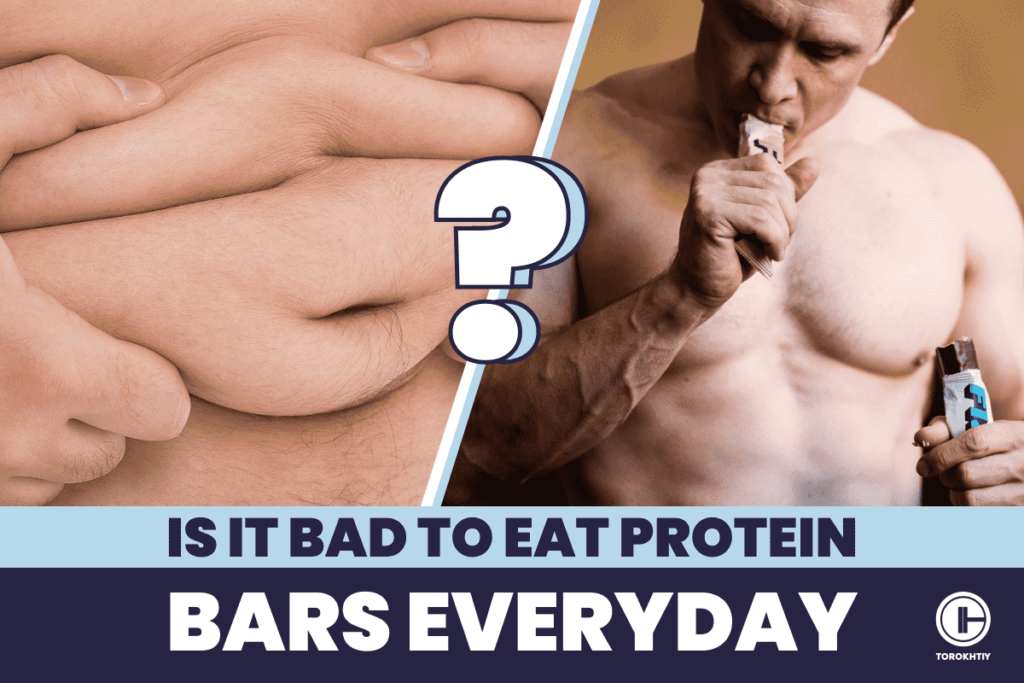
Source: torokhtiy.com
You do not need to exercise first
Protein supports normal body functions throughout the day. You can eat a protein bar on a rest day or when you have no exercise planned.
Your total diet matters
A protein bar can be helpful when it fills a nutritional gap. It may be unnecessary when your regular meals already provide enough protein.
The ingredients make a difference
A bar made with nuts, seeds, oats, or other useful ingredients may offer more nutritional value than one loaded with added sugars.
Does Your Body Use Protein Without Exercise?
Yes. Your body uses protein for much more than building larger muscles. It helps maintain existing muscle tissue, replace damaged cells, make enzymes, and support the structure of your skin and other tissues.
Your immune system also relies on proteins to make antibodies. Your body uses amino acids, which are the building blocks of protein, for many daily tasks. Some amino acids must come from food because your body cannot make them on its own.
This is why people who do not exercise still need protein. Physical activity can change how much you need, but being inactive does not remove the need.
Daily tissue maintenance
Protein helps maintain and replace tissues throughout the body.
Immune support
The body uses amino acids to make proteins involved in immune function.
Normal body processes
Protein helps make enzymes, hormones, and other substances needed for daily functions.
What Happens If You Eat Protein Bars Without Exercising?
Eating protein bars without exercise can have several effects, depending on your overall diet and how often you eat them. You may feel full for longer, meet your daily protein needs, or have a convenient snack when fresh food is not available.
You will not automatically build large muscles from eating extra protein. Muscle growth usually requires resistance training, enough food, recovery, and an appropriate protein intake. Without that training stimulus, eating more protein does not produce the same muscle-building effect.
If the bar adds calories that your body does not need, regular overeating may lead to weight gain over time. This can happen with any food, not just protein bars.
Some people also experience bloating, gas, or stomach discomfort after eating certain bars. This may happen because of added fiber, sugar alcohols, dairy ingredients, or other components that do not agree with their digestive system.
Source: sheermadnessnutrition.com
You may feel fuller
Protein can help support fullness. A bar that also contains fiber and healthy fats may be more satisfying than a low-fiber snack.
You may meet your protein needs
A bar can help fill a gap when your regular meals do not provide enough protein.
You may consume extra calories
Adding a bar on top of your normal meals can increase daily calorie intake.
You may experience digestive discomfort
Some bars contain sugar alcohols or concentrated fibers that can cause gas, bloating, or loose stools in sensitive people.
Does Protein Turn Into Fat If You Do Not Work Out?
No. Protein does not automatically become body fat simply because you skip exercise. Your body digests protein into amino acids and uses them for different functions. Any excess energy from your overall diet can contribute to weight gain when you regularly consume more calories than you burn.
For example, imagine that your daily meals already provide enough energy and protein. Adding a 250-calorie protein bar every afternoon without changing anything else increases your calorie intake. If that extra energy creates a consistent calorie surplus, your body may store some of it over time.
The same principle applies to cookies, chips, sweet drinks, and other snacks. The word protein on the wrapper does not make a food calorie-free or prevent weight gain.
Focus on total calories
Consider the energy from all meals, snacks, and drinks instead of blaming protein alone.
Check your portion size
Some bars contain more than one serving or provide considerably more calories than a light snack.
Can You Build Muscle By Eating Protein Bars Alone?
Eating protein bars alone is not an effective way to build noticeable muscle. Protein supplies building materials, but your muscles also need an appropriate training signal. Resistance exercise provides that signal by challenging muscle tissue.
Without regular strength training, extra protein does not automatically increase muscle size. However, getting enough protein can still help maintain the muscle you already have.
If your goal is to gain muscle, combine an appropriate protein intake with strength training, sufficient calories, sleep, and recovery. A protein bar can be one small part of that plan, but it cannot replace the other parts.
Protein provides building blocks
Amino acids support muscle maintenance and repair.
Resistance training provides a stimulus
Progressive strength training helps encourage muscle growth.
Recovery supports progress
Sleep, adequate food, and rest help your body respond to training.
Can Eating Protein Bars Without Exercise Cause Weight Gain?
Yes, protein bars can contribute to weight gain if they cause you to consume more calories than your body needs over time. However, eating a protein bar does not automatically make you gain weight. The effect depends on your overall calorie intake, activity level, and eating habits.
Protein bars vary widely in size and nutritional content. A small bar may contain around 150 calories, while a larger, nut-based bar may provide 300 calories or more. Two bars can add a meaningful amount of energy to your daily diet.
Consider a simple example. Suppose your usual meals provide enough calories to maintain your current weight. You then add one 250-calorie bar every day without replacing another snack. That extra food may create a calorie surplus if your energy needs remain the same.
On the other hand, replacing a less filling snack with a protein bar may help you manage hunger and maintain a more consistent eating routine. The result depends on what the bar replaces, not just what it contains.
Source: rfknfit.com
Eating more than you need
Regularly adding extra bars to an already sufficient diet may increase your calorie intake.
Replacing a snack
Using one bar instead of a higher-calorie snack may help keep your total intake steady.
Choosing large bars
Some products contain enough calories to function more like a small meal than a light snack.
Ignoring drinks and other snacks
Sweet drinks, sauces, desserts, and other foods also contribute to your daily energy intake.
Do Protein Bars Cause Belly Fat?
Protein bars do not target your stomach or cause belly fat by themselves. Your body does not store calories from a particular food in one specific area simply because that food contains protein.
Regularly consuming more calories than you use can increase body fat. Where your body stores fat depends on several factors, including genetics, hormones, age, and overall health.
If you notice unwanted weight gain after adding protein bars, review your complete eating pattern. You may need to reduce extra snacks or choose a smaller bar rather than remove protein from your diet.
Avoid food myths
No protein bar can selectively increase or reduce belly fat.
Review your routine
Look at your total calorie intake and long-term habits instead of focusing on one food.
Are Protein Bars Good For Weight Loss Without Exercise?
Protein bars can fit into a weight-loss plan even when you do not work out. Protein may help you feel satisfied, which can make it easier to manage hunger between meals. However, a bar does not directly burn fat or cause weight loss.
Choose a portion that fits your calorie needs. A bar with useful protein, some fiber, and moderate added sugar may work as a snack. You can also pair a smaller bar with fruit if you need a more filling option.
Weight management depends on your overall eating pattern and energy balance. Walking, household tasks, and other daily movement also count as physical activity, even if you never visit a gym.
Choose a suitable calorie amount
Compare the bar with the snack or meal it replaces.
Look for fiber
Fiber can help support fullness and digestive health.
Keep meals balanced
Include vegetables, fruit, whole grains, and varied protein sources.
How Much Protein Do You Need Without Working Out?
Most healthy adults need less protein than many fitness advertisements suggest. The Recommended Dietary Allowance for adults is 0.8 grams of protein per kilogram of body weight per day. This is a general guideline for healthy adults, not a personal target for every age group or medical condition.
Your protein needs can change with age, pregnancy, health status, activity level, and recovery from illness or injury. People who perform regular strength or endurance training may need more than the basic adult allowance.
You can estimate the general adult allowance by multiplying your weight in kilograms by 0.8. For example, an adult weighing 70 kilograms would have a basic reference amount of about 56 grams of protein per day.
This number represents protein from all foods and drinks throughout the day. It does not mean you must eat 56 grams from protein bars or supplements. Eggs, milk, yogurt, beans, fish, chicken, tofu, and nuts can all contribute.
Source: torokhtiy.com
Basic adult reference
The general Recommended Dietary Allowance is 0.8 grams per kilogram of body weight per day for healthy adults.
A 60-kilogram adult
The basic calculation is 60 multiplied by 0.8, which equals 48 grams per day.
A 70-kilogram adult
The basic calculation is 70 multiplied by 0.8, which equals 56 grams per day.
An 80-kilogram adult
The basic calculation is 80 multiplied by 0.8, which equals 64 grams per day.
Example Of Daily Protein Needs
The following table shows how the general adult reference amount changes with body weight. These figures are examples, not individualized prescriptions. They do not account for pregnancy, older age, medical conditions, or higher activity levels.
For a practical estimate, add the protein from your regular meals before deciding whether you need a protein bar. You may find that your breakfast, lunch, and dinner already provide enough.
Breakfast
Two large eggs provide roughly 12 grams of protein, although the amount varies by size.
Lunch
A serving of cooked chicken breast can provide around 25 grams of protein, depending on portion size.
Dinner
A cup of cooked beans can provide roughly 15 grams of protein, depending on the type.
Snacks
Milk, yogurt, nuts, and other foods can contribute additional protein.
Do You Need More Protein On Rest Days?
Your body still needs protein on rest days. Muscle repair and other body processes do not stop when you finish exercising. If you train regularly, keeping your protein intake reasonably consistent across training and rest days can support your overall nutrition plan.
If you do not exercise at all, you still need enough protein for normal health. There is no reason to avoid protein-rich foods simply because you are spending the day at home.
Keep your intake consistent
Your basic protein needs continue on days without exercise.
Avoid unnecessary extra servings
Rest days do not mean you need several additional protein bars.
Are Protein Bars Healthy If You Do Not Exercise?
Some protein bars can be part of a healthy diet, even if you are not physically active. Their nutritional value depends on the protein source, added sugar, fiber, fats, calories, and other ingredients.
A bar made with nuts, seeds, oats, or dried fruit may provide more than protein alone. These ingredients can supply fiber, fats, and other nutrients. A heavily processed bar may still be useful in some situations, but its high protein claim does not automatically make it a nutritious everyday snack.
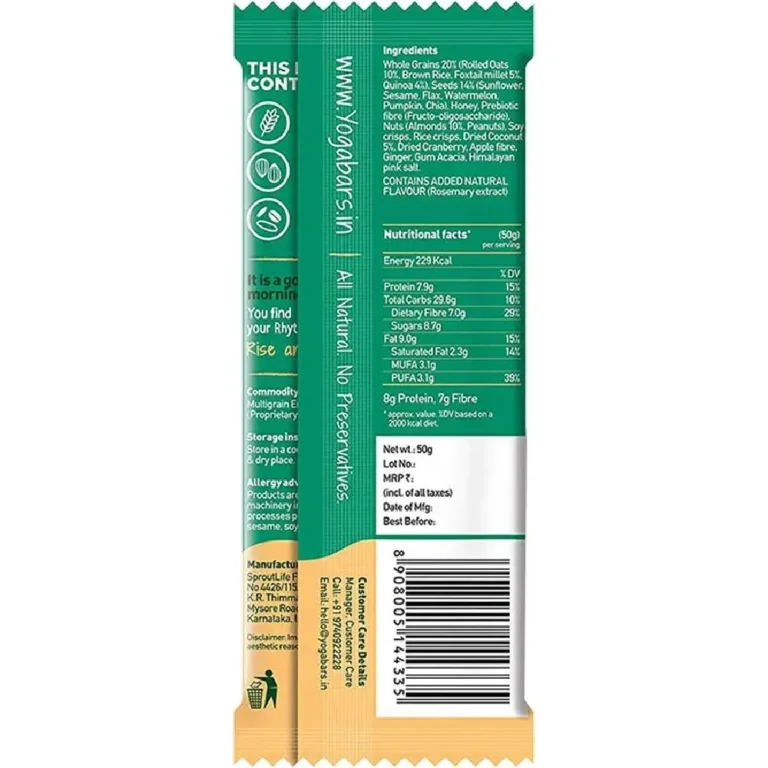
The best way to compare products is to read the Nutrition Facts label and ingredient list. Do not judge a bar only by its front packaging or the number of grams of protein printed in large letters.
The U.S. Food and Drug Administration provides guidance on reading Nutrition Facts labels. Its guidance highlights the value of checking calories, serving size, added sugars, saturated fat, sodium, and other nutrients.
Source: feastgood.com
Protein
Check how many grams the bar provides and whether you actually need the additional protein.
Added sugar
Compare added sugars rather than relying only on the total sugar number.
Fiber
Fiber supports digestive health and may help you feel full.
Saturated fat
Compare saturated fat amounts when choosing between similar products.
Sodium
Check sodium if you are watching your salt intake.
Calories
Make sure the energy in the bar fits your snack or meal needs.
What Ingredients Should You Look For?
Look for ingredients that contribute useful nutrients instead of choosing a bar based only on its protein number. Nuts, seeds, oats, and other recognizable foods can provide a mix of nutrients.
Protein sources vary. Whey and milk proteins come from dairy, while soy, pea, and other plant proteins offer options for people who avoid animal products. Check the label for allergens and ingredients that do not suit your diet.
Some bars use sugar alcohols, such as maltitol or sorbitol, to reduce added sugar. These ingredients can cause gas, bloating, or diarrhea in some people, especially when eaten in large amounts.
Useful protein sources
Whey, milk protein, soy, pea protein, nuts, seeds, and egg-based ingredients can provide protein.
Fiber-containing ingredients
Oats, nuts, seeds, and certain added fibers can improve the fiber content.
Ingredients to check carefully
Review added sweeteners, sugar alcohols, allergens, and ingredients that may trigger digestive symptoms.
How Much Sugar Should A Protein Bar Have?
There is no single sugar limit that makes every protein bar healthy or unhealthy. However, comparing added sugar can help you avoid products that provide a large amount of sweetness without much nutritional benefit.
For a regular snack, you may prefer a bar with relatively little added sugar. The total amount should fit your daily eating pattern, especially if you also drink sweetened beverages or eat desserts.
Remember that total sugars and added sugars are different. Total sugars include sugars naturally present in ingredients such as milk and fruit. Added sugars are those added during processing or preparation.
Read the added sugar line
Use the Nutrition Facts label to see how much sugar has been added.
Compare similar products
Look at serving sizes before deciding that one bar contains less sugar than another.
Consider the whole diet
One snack should be viewed alongside your other sources of added sugar.
When Is The Best Time To Eat A Protein Bar Without Working Out?
You can eat a protein bar whenever it fits your hunger, schedule, and daily nutrition needs. You do not need to save it for the morning, immediately after a workout, or before bedtime.
For someone who does not exercise, the most useful time may be between meals when there is a long gap before the next meal. A bar can also be a convenient option during a busy workday or while traveling.
There is no special time when protein bars automatically burn more fat or build more muscle. The timing is less important than your total protein intake and the quality of your overall diet.
If you are not hungry, you do not need to eat a protein bar just because it is available. Eating according to your actual needs is more useful than following an unnecessary supplement schedule.
In the morning
A protein bar can be a quick snack when you have limited time for breakfast. Pair it with fruit or milk if you need a more balanced meal.
Between lunch and dinner
A bar may help when you are hungry and your next meal is several hours away.
During travel
A shelf-stable bar can be convenient when healthy food options are limited.
In the evening
You can eat a protein bar at night if it fits your hunger and daily food intake. There is no general rule against eating protein before bed.
Can You Eat A Protein Bar For Breakfast Without Exercising?
Yes, you can eat a protein bar for breakfast without exercising. However, many bars do not provide enough energy, fiber, and variety to make a complete breakfast on their own.
You can improve the meal by adding fruit, plain Greek yogurt, milk, or another nutritious food. This creates a more balanced combination and may help you stay satisfied longer.
If you rely on a protein bar every morning, check whether your overall diet provides enough vegetables, fruit, whole grains, and other nutrient-rich foods.
Bar with fruit
Add an apple, banana, or berries for extra fiber and variety.
Bar with yogurt
Plain yogurt can provide additional protein and calcium.
Bar with milk
Milk adds protein and other nutrients while making breakfast more substantial.
Can You Eat Protein Bars Before Bed?
Eating a protein bar before bed is not automatically harmful. The important factors are your total food intake, portion size, and how the ingredients affect your digestion.
A large bar with substantial fat, fiber, or sugar alcohols may feel uncomfortable if you eat it shortly before lying down. If you experience reflux or stomach discomfort, try eating earlier or choosing a smaller snack.
You do not need a nighttime protein bar if your daily meals already meet your nutritional needs.
Consider portion size
A smaller snack may be more comfortable than a large, calorie-dense bar.
Check your digestion
Avoid ingredients that regularly cause you gas, bloating, or discomfort.
How Many Protein Bars Can You Eat Without Working Out?
There is no universal number of protein bars that every inactive adult can safely eat. Your suitable amount depends on your daily protein needs, calorie requirements, food choices, and health status.
For many people, one bar can be a convenient snack when it fills a genuine nutritional gap. However, eating several bars every day may add unnecessary calories and reduce the variety of foods in your diet.
If you already get enough protein from regular meals, you may not need any protein bars. If your diet is low in protein or you have limited access to regular meals, a bar may be useful.
Rather than setting a fixed daily limit, calculate your approximate protein needs and review the protein you get from ordinary foods. Then decide whether a bar adds something useful.
One bar occasionally
This can be a convenient snack when you need extra protein or a portable food option.
One bar most days
This may fit your routine if it provides useful nutrition and does not replace a varied diet.
Several bars daily
This may be unnecessary and can increase your intake of calories, sweeteners, and processed ingredients.
Is Eating Two Protein Bars A Day Bad?
Eating two protein bars in one day is not automatically harmful for a healthy adult. However, two bars may provide more protein and calories than you need, especially when your regular meals already contain enough.
For example, if each bar contains 200 calories and 20 grams of protein, two bars provide 400 calories and 40 grams of protein. That is a substantial contribution to your daily intake.
The question is whether those bars replace other foods or simply add to your normal meals. If you use them as occasional substitutes for less nutritious snacks, they may fit your diet. If they crowd out whole foods every day, it is worth changing your routine.
Check the combined calories
Add the calories from both bars to your meals and other snacks.
Check your total protein
Compare the combined protein with your estimated daily requirement.
Maintain food variety
Make room for vegetables, fruit, whole grains, and different protein sources.
Can Protein Bars Harm Your Health Without Exercise?
Protein bars are generally safe for most healthy adults when eaten in reasonable amounts. However, some products and personal health conditions deserve extra attention.
A bar with a large amount of added sugar can contribute to an eating pattern that is high in added sugars. Products with substantial saturated fat or sodium may also be less suitable as frequent snacks.
Some bars contain concentrated fibers or sugar alcohols that can cause digestive problems. Others include milk, soy, peanuts, tree nuts, or other allergens that may trigger reactions in sensitive individuals.
People with chronic kidney disease or certain other medical conditions may need to manage protein intake under professional guidance. The right amount can differ based on kidney function, treatment, and nutritional status.
Digestive problems
Some sweeteners and added fibers can cause bloating, gas, or diarrhea.
Excess calories
Regularly eating high-calorie bars on top of normal meals may contribute to weight gain.
High added sugar
Frequent consumption of bars with substantial added sugar can make it harder to maintain a balanced eating pattern.
Food allergies
Check for dairy, soy, peanuts, tree nuts, and other ingredients that may cause allergic reactions.
Are Protein Bars Bad For Your Kidneys?
Protein bars do not automatically damage the kidneys in healthy people when consumed as part of a balanced diet. However, eating excessive amounts of protein may not be appropriate for everyone.
Your kidneys help remove waste products formed when your body processes protein. People with chronic kidney disease may need to manage their protein intake to reduce the buildup of waste products and protect nutritional health.
The National Institute of Diabetes and Digestive and Kidney Diseases advises people with chronic kidney disease to work with healthcare professionals on suitable protein amounts. Some people need moderate protein intake, while those receiving dialysis may have different needs.
If you have kidney disease, reduced kidney function, or have been told to follow a specific protein plan, ask your doctor or registered dietitian before making protein bars a regular part of your diet. Do not assume that every high-protein product is suitable for you.
Healthy kidneys
A reasonable amount of dietary protein is generally part of a normal balanced diet.
Chronic kidney disease
Protein needs may require individual planning based on disease stage and overall health.
Dialysis
Some people on dialysis need more protein because treatment can remove protein from the blood.
Can Protein Bars Cause Stomach Problems?
Yes, certain protein bars can cause stomach discomfort, even when you do not exercise. The ingredients may be difficult for some people to digest.
Sugar alcohols such as sorbitol, maltitol, and xylitol can cause digestive symptoms in some people. Large amounts of added fiber can also lead to gas or bloating, especially when your usual diet is low in fiber.
Dairy-based protein ingredients may cause problems for people with lactose intolerance or dairy sensitivity, depending on the product. If symptoms appear repeatedly after eating a particular bar, stop eating that product and review its ingredients.
Seek medical advice if you have persistent digestive symptoms, severe abdominal pain, repeated vomiting, or other concerning reactions.
Read the sweetener list
Look for sugar alcohols if you often experience gas or loose stools.
Increase fiber gradually
Avoid suddenly adding large amounts of concentrated fiber to your diet.
Check dairy ingredients
Review whey, milk protein, and other dairy ingredients if you have digestive sensitivity.
Are Protein Bars Bad If You Have Diabetes?
People with diabetes may be able to include protein bars in their eating plans, but the carbohydrate content, total calories, fiber, and added sugars matter.
Do not assume that a product labeled low-carb or high-protein will have no effect on blood glucose. Check the total carbohydrate amount and consider how the bar fits into your meal plan.
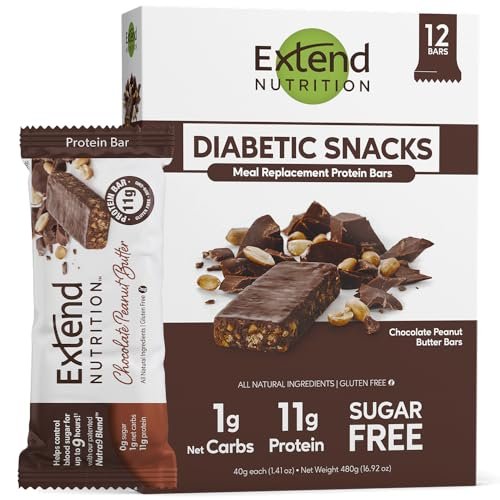
Some bars contain sugar alcohols or other sweeteners. Their effects and digestive tolerance can vary. If you use insulin or other glucose-lowering medication, follow the food and carbohydrate guidance provided by your healthcare team.
A registered dietitian who works with diabetes can help you compare products and find an option that fits your personal nutrition goals.
Check total carbohydrates
Do not focus only on the protein or sugar numbers.
Review added sugars
Compare products and consider your overall daily eating pattern.
Follow your care plan
Use the carbohydrate guidance provided by your healthcare professional.
Protein Bars vs. Whole Foods: Which Is Better Without Exercise?
Whole foods are generally the better foundation for daily nutrition because they offer a wider range of nutrients and can support a varied diet. However, protein bars can be useful when time, access, or convenience makes regular food difficult.
For example, eggs provide protein and several important nutrients. Greek yogurt offers protein and calcium. Beans provide plant protein and fiber. Nuts contain protein, unsaturated fats, and other nutrients.
A protein bar may combine some of these benefits in a portable form, but it does not always provide the same nutritional variety as a meal made from different foods.
You do not need to choose one or the other. A balanced approach uses whole foods for most meals and treats protein bars as a convenient option when needed.
Eggs
A convenient source of complete protein and several vitamins and minerals.
Greek yogurt
Provides protein and calcium, with different amounts depending on the product.
Beans and lentils
Offer plant protein, fiber, and other useful nutrients.
Fish and chicken
Provide protein that can form part of balanced meals.
Nuts and seeds
Supply protein, fiber, and unsaturated fats.
Protein bars
Offer portable nutrition but vary widely in calories, ingredients, and overall quality.
Can You Replace Meals With Protein Bars?
A regular protein bar is not always a suitable meal replacement. Many bars provide enough protein for a snack but lack the calories, fiber, vitamins, minerals, and food variety needed for a complete meal.
Some products are specifically designed as meal replacement bars and provide more energy and a broader nutrient profile. Even then, check the serving size and nutritional information before relying on them.
If you need to eat on the go, you can make a more balanced meal by combining a protein bar with fruit, yogurt, milk, or another food. This can help provide a wider mix of nutrients.
Try not to replace every breakfast, lunch, and dinner with packaged bars. A varied diet is a better long-term foundation for health.
Use bars as convenient snacks
A standard protein bar can fill a gap between meals.
Check meal replacement labels
Look at calories, fiber, protein, and other nutrients before using a product as a meal.
Add whole foods
Fruit, vegetables, dairy, and whole grains can improve meal variety.
How To Choose A Protein Bar If You Do Not Work Out
The best protein bar for someone who does not exercise is one that meets a real nutritional need without adding unnecessary calories or ingredients that cause problems. You do not need the highest-protein product on the shelf.
Start by deciding why you want the bar. A small snack between meals has different needs from a portable breakfast or a substitute for food during travel.
Next, compare the Nutrition Facts labels. Look at serving size, calories, protein, fiber, added sugar, saturated fat, and sodium. Then check the ingredient list for allergens and sweeteners that may affect your digestion.
A simple ingredient list can be useful, but fewer ingredients do not automatically guarantee better nutrition. Compare the actual nutritional values and choose a product that fits your personal needs.
Choose a useful protein amount
A snack bar does not need to contain 20 or 30 grams of protein if you only need a small contribution to your daily intake.
Compare calories
Choose a portion that matches whether you need a light snack or something more substantial.
Prefer useful fiber
Fiber can support fullness and digestive health, although very high amounts may cause discomfort in some people.
Watch added sugars
Compare the amount per serving and consider your total daily intake.
Check allergens
Review the ingredient and allergen statements, especially if you have food allergies.
A Simple Protein Bar Shopping Checklist
Use this checklist when comparing bars at a supermarket, pharmacy, or online store. It helps you look beyond the front-of-package claims.
Remember that no single nutrition number determines whether a bar is healthy. The complete nutritional profile and your personal needs matter more than a marketing label.
Step 1: Check serving size
Confirm whether the package contains one serving or several.
Step 2: Compare protein
Check whether the amount contributes meaningfully to your daily needs.
Step 3: Review added sugar
Choose a product that fits your preferred daily sugar intake.
Step 4: Look at fiber
Compare fiber amounts and consider your digestive tolerance.
Step 5: Check fats and sodium
Compare saturated fat and sodium, particularly if you have been advised to limit either.
Step 6: Read the ingredients
Look for allergens, sweeteners, and ingredients that may cause discomfort.
Common Mistakes People Make When Eating Protein Bars Without Exercise
The biggest mistake is assuming that a protein bar is automatically healthy because its packaging highlights protein. A bar can still contain substantial calories, added sugars, saturated fat, and other ingredients that do not fit your needs.
Another common mistake is eating bars without checking daily protein intake. If your regular meals already provide enough protein, adding several more servings may offer little practical benefit.
Some people also use protein bars to replace meals every day. This can reduce food variety and make it harder to get enough nutrients from different food groups.
A better approach is to treat protein bars as one possible food choice. Check the label, pay attention to your hunger, and maintain a balanced eating pattern.
Thinking protein means healthy
A high-protein claim does not tell you everything about calories, sugar, fiber, or saturated fat.
Eating bars without checking calories
A large bar can contain enough energy to be more than a light snack.
Ignoring normal food sources
Eggs, beans, fish, dairy, and other foods can provide protein and additional nutrients.
Eating too many bars
Several bars may add unnecessary calories and reduce food variety.
Expecting muscle growth without training
Protein alone does not replace the stimulus provided by resistance exercise.
Ignoring digestive symptoms
Repeated bloating or discomfort may indicate that certain ingredients do not suit you.
Do You Need To Stop Eating Protein Bars If You Never Exercise?
No, you do not need to stop eating protein bars just because you never exercise. If you enjoy them and they fit your nutritional needs, they can remain part of your diet.
However, you should not feel that you must eat them to stay healthy. If your regular meals provide enough protein and other nutrients, ordinary food may be all you need.
You can also support your health without joining a gym. Walking, gardening, household chores, and other forms of daily movement can help you stay active. Adults are generally encouraged to include regular aerobic activity and muscle-strengthening activities as part of a healthy lifestyle, according to their abilities.
If you have been inactive for a long time, begin with manageable movement and increase it gradually. You do not need to change your entire routine overnight.
Keep eating a varied diet
Include different protein sources, vegetables, fruits, whole grains, and healthy fats.
Use protein bars when useful
Keep them as a convenient option rather than a required daily supplement.
Stay active in simple ways
Walking and everyday movement can support general health without a formal gym routine.
Seek personal nutrition advice when needed
A registered dietitian can help if you have medical conditions or specific dietary requirements.
Frequently Asked Questions
Q
Is it okay to eat a protein bar every day without working out?
Yes, most healthy adults can eat a protein bar every day without working out. The important factors are the ingredients, serving size, calories, and your total daily protein intake. Choose a bar that fits your diet and avoid relying on it as your main source of nutrition.
If your regular meals already provide enough protein, you may not need a daily bar. You can enjoy one when it is convenient or when you need a filling snack.
Q
Will I gain weight if I eat protein bars but do not exercise?
Not necessarily. Weight gain is more likely when your total calorie intake regularly exceeds the energy your body uses. A protein bar can contribute to that surplus if you add it to your normal meals without adjusting your overall intake.
If the bar replaces another snack with a similar or higher calorie amount, it may not increase your total daily energy intake.
Q
Can I eat protein bars if I am not physically active?
Yes. Your body needs protein even if you do not exercise. Protein helps maintain tissues, support immune function, and make important substances such as enzymes.
You can get protein from regular foods or use a protein bar when you need a convenient option. Exercise is not a requirement for eating protein.
Q
Does eating protein without exercise make you bulky?
No. Eating protein does not automatically make your muscles larger. Significant muscle growth generally requires resistance training, enough nutrition, and recovery.
Without a suitable training stimulus, extra protein is not likely to produce the same muscle-building response. It mainly contributes to your overall nutrient and calorie intake.
Q
Can I eat protein bars on rest days?
Yes. Rest days are still days when your body needs protein. Your muscles and other tissues continue their normal repair and maintenance processes when you are not exercising.
Keep your intake consistent with your overall nutrition needs. You do not need to avoid protein bars on days when you skip the gym.
Q
Is one protein bar enough for a meal?
A regular protein bar is usually better suited to a snack than a complete meal. Many bars do not provide enough calories, fiber, and nutrient variety to replace breakfast, lunch, or dinner.
If you need a portable meal, choose a product specifically designed as a meal replacement or combine a bar with foods such as fruit, yogurt, and milk.
Q
Can eating protein bars cause constipation?
Some protein bars may contribute to digestive discomfort, including constipation, depending on their ingredients and your overall diet. A bar with little fiber may not help if your usual fiber intake is low.
Drink enough water and include fiber-rich foods such as vegetables, fruit, beans, oats, and whole grains. Some added fibers and sugar alcohols can also cause digestive symptoms, so check the ingredients if problems continue.
Q
Are protein bars better than protein shakes if I do not work out?
Neither option is automatically better. Protein bars provide solid food and may contain fiber, fats, and carbohydrates. Protein shakes offer a liquid option that can be easier to consume when you have little time or appetite.
Compare the ingredients, calories, protein, added sugars, and your personal preferences. If you already meet your protein needs through meals, you may not need either product.
Q
Should beginners eat protein bars before starting a workout routine?
Beginners do not need to start eating protein bars before beginning exercise. A balanced diet can provide the protein needed for general health and support a new activity routine.
If your meals do not provide enough protein, a suitable bar may help. However, building a consistent exercise habit, eating varied meals, and getting enough sleep are more important than buying a protein product.
Q
Can older adults eat protein bars without exercising?
Yes, older adults can eat protein bars if the ingredients and nutritional content suit their needs. Protein is important for maintaining muscle and supporting normal body functions as people age.
However, older adults may have different nutritional needs or medical conditions that affect protein intake. Anyone with kidney disease, swallowing difficulties, food allergies, or a prescribed diet should discuss suitable products with a healthcare professional.
✦ Wrapping Up
Conclusion
So, is it bad to eat protein bars without working out? No. Most healthy adults can enjoy protein bars without exercising because the body needs protein every day. It supports muscle maintenance, tissue repair, immune function, and many other important processes.
The main concern is not the lack of exercise. It is whether the bar fits your overall diet. Products with excess calories, added sugars, saturated fat, or ingredients that upset your stomach may not be suitable for regular use.
Before buying a protein bar, check its serving size, protein content, calories, fiber, added sugars, and ingredient list. Consider how much protein you already get from foods such as eggs, fish, chicken, beans, milk, and yogurt.
You do not need to be an athlete to eat protein bars, and you do not need to buy them to stay healthy. They are simply a convenient food option. A varied diet, suitable portions, and regular movement are more important than any single snack.
If you have a medical condition that affects protein needs, especially chronic kidney disease, seek advice from a qualified healthcare professional before making high-protein products a regular part of your diet.
💡 Key Takeaway
Before eating your next protein bar, check its calories, protein, fiber, and added sugar. Compare those numbers with your daily food intake and choose a bar only when it serves a useful purpose. Remember that protein is essential even when you do not work out.
You’re in the healthfood aisle, and every wrapper says “protein bar.” Some have 4 grams of protein and 18 grams of sugar. Others list 14 ingredients you can’t…