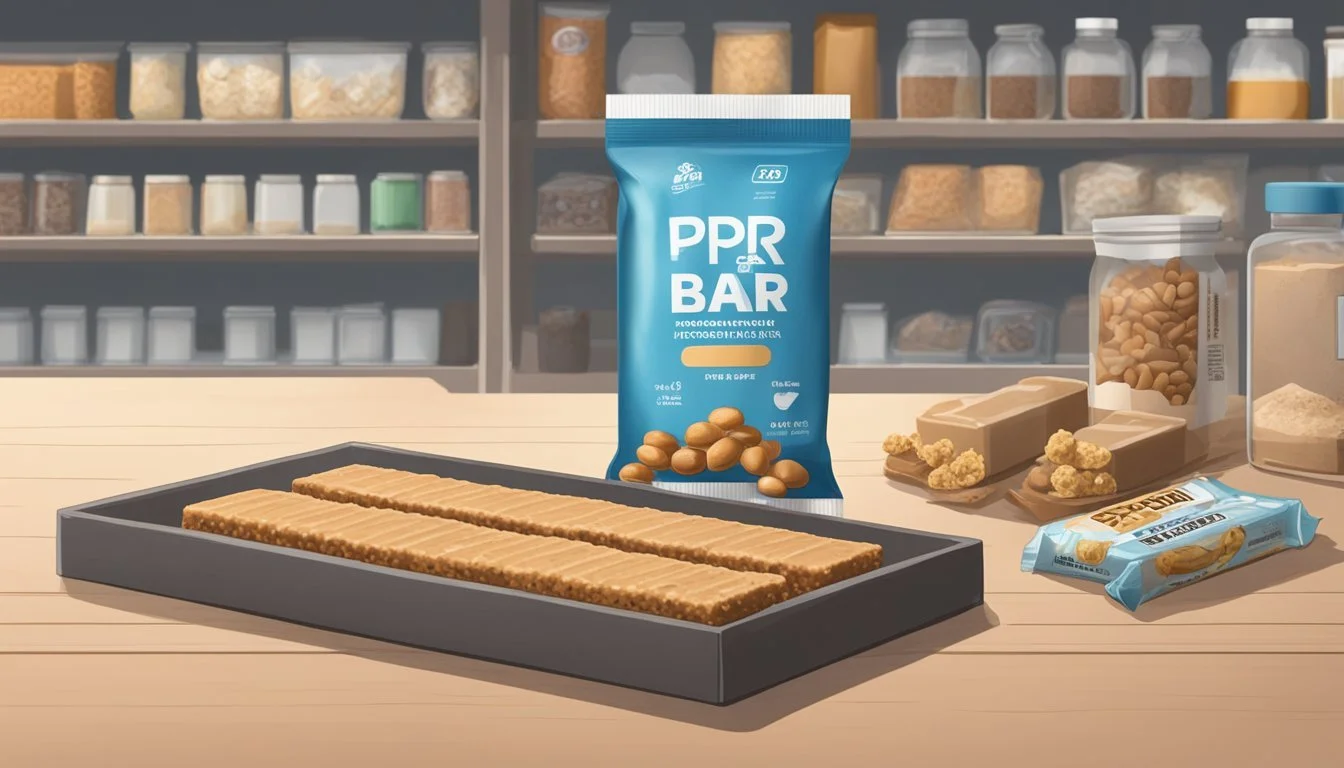
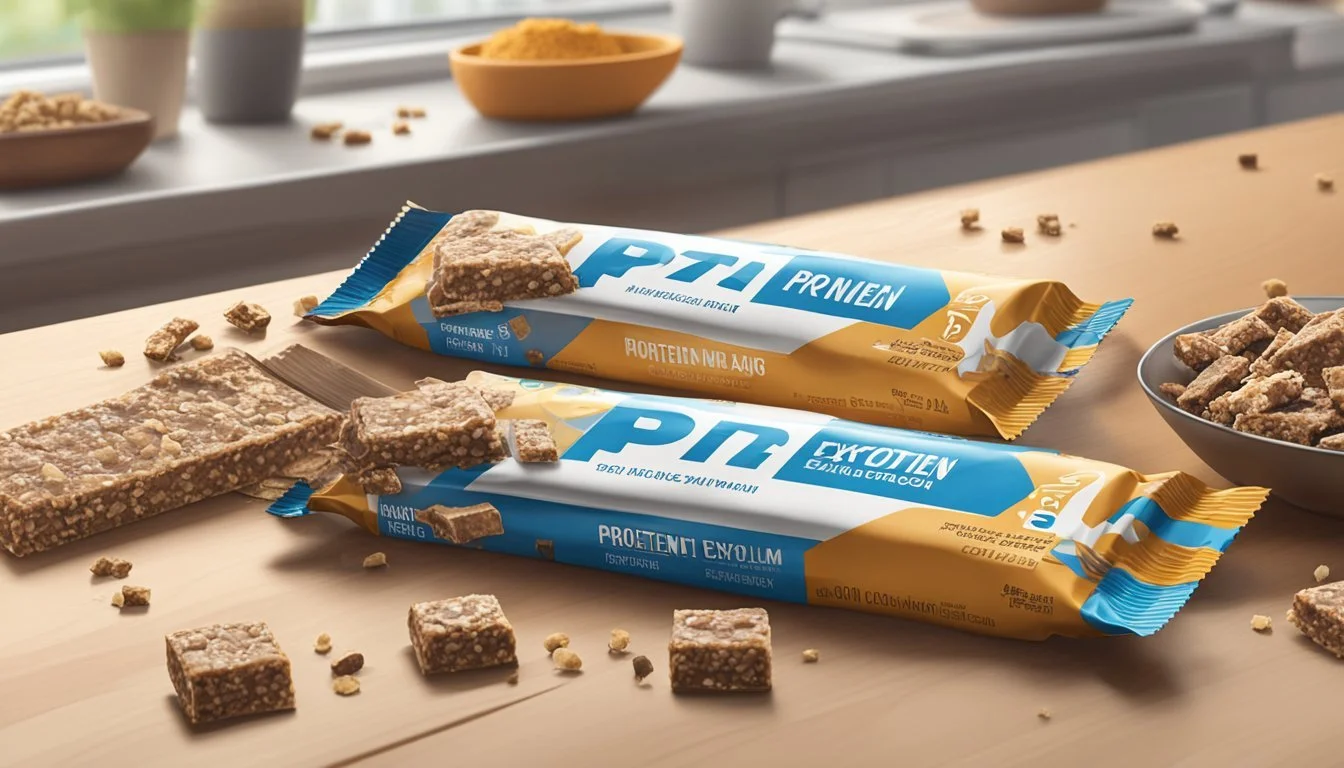
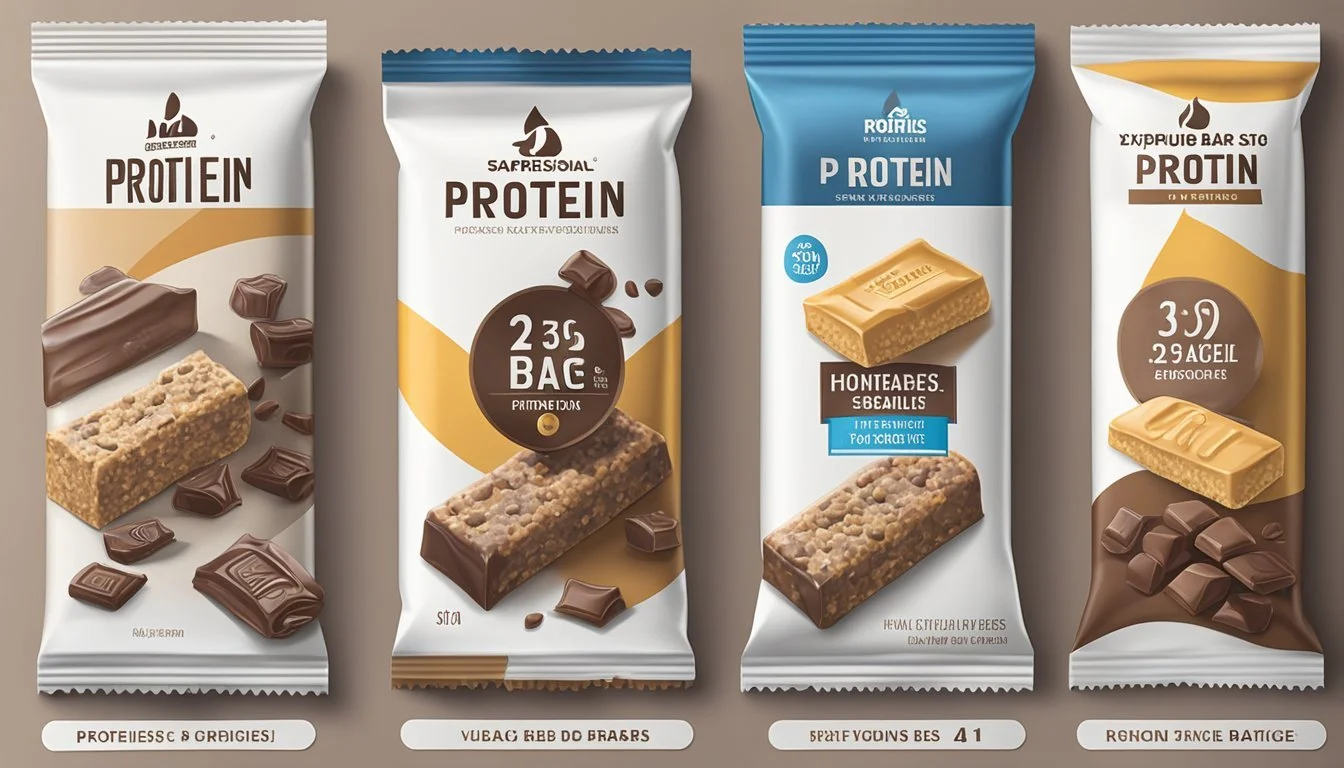
Yes, protein bars expire. Most have a printed best-by or expiration date, and their quality can decline over time. Heat, moisture, damaged packaging, and poor storage can also make them go bad sooner.
Protein bars are common snacks in American homes, gyms, offices, and school bags. People across the United States use them after workouts, during long workdays, and on road trips. They are easy to carry and can provide protein when a full meal is not available. However, a box of forgotten protein bars can raise an important question: Are they still good to eat?
The answer depends on more than the date printed on the wrapper. Ingredients, packaging, storage conditions, and exposure to air all affect how long a protein bar stays fresh. A bar stored in a cool, dry pantry may keep its quality longer than one left in a hot car. Even an unopened bar can develop changes in taste, smell, texture, and appearance.
There is also a difference between a best-by date and a true safety concern. In the United States, many packaged food dates are intended to describe quality rather than establish a firm safety deadline. However, this does not mean every expired protein bar is safe to eat. A damaged wrapper, unusual smell, visible mold, or signs of moisture can make a bar unsuitable even before its printed date.
This guide explains how long protein bars may last, how to recognize spoilage, what happens after the date passes, and how to store them properly. It also covers homemade bars, opened packages, hot-weather storage, and practical ways to decide when to throw an old bar away.
Source: images.squarespace-cdn.com
Do Protein Bars Really Expire?
Yes, protein bars have a limited shelf life. Their ingredients can change during storage, even when the bars remain inside their original wrappers. Fats may become rancid, moisture can affect texture, and some ingredients may lose their original flavor or quality.
Commercial protein bars are often made with ingredients that help them remain stable at room temperature. These may include protein isolates, nuts, nut butters, sweeteners, grains, chocolate, and other processed ingredients. Their packaging also helps limit exposure to oxygen and moisture.
However, shelf-stable does not mean permanent. A sealed wrapper slows down changes, but it cannot stop every process that affects food quality. Over time, the bar may become harder, softer, stale, or less pleasant to eat.
The exact shelf life depends on the recipe and packaging. A bar containing nuts or other fat-rich ingredients may develop rancid flavors. A bar with more moisture may have different storage needs from a dry, crunchy protein snack.
Source: medshun.com
Quality decline
The bar may lose its original taste, smell, softness, or texture as it ages.
Ingredient changes
Fats can oxidize, and ingredients can react with air, heat, and moisture during storage.
Possible spoilage
Poor storage or damaged packaging can increase the risk of contamination and spoilage.
Why Do Manufacturers Add Expiration Dates?
Manufacturers add dates to help customers and retailers understand how long a product is expected to maintain its intended quality. The date is generally based on the product formula, packaging, and expected storage conditions.
A manufacturer may use shelf-life testing and product specifications to determine its recommended date. The date can account for changes in taste, texture, aroma, and other quality features. It should not be treated as proof that the bar becomes dangerous at midnight on that day.
For a specific product, the manufacturer’s instructions are more useful than a general estimate found online. Different protein bars can have different ingredients, packaging, and storage requirements.
Follow the package
Check the printed date and any storage instructions before eating the bar.
Contact the manufacturer
Ask about an unclear date code, unusual product condition, or a suspected quality issue.
How Long Do Protein Bars Last?
Many commercially packaged protein bars are designed to last for several months, but there is no single shelf-life period that applies to every brand. Some products may have a recommended shelf life of several months, while others may have a longer or shorter period. The printed date on the individual package is the best starting point.
Storage conditions matter just as much as the age of the bar. An unopened bar kept in a cool, dry pantry is generally better protected than one stored in a warm vehicle or a damp gym bag. A wrapper that has been punctured or opened also provides less protection.
Homemade protein bars are different. They often contain fresh ingredients such as milk, yogurt, fresh fruit, or nut butter. Depending on the recipe, they may need refrigeration and should not be stored like commercially sealed bars.
The following table provides general storage guidance. These are practical categories, not guaranteed shelf-life periods. Always use the recipe, product label, and manufacturer’s instructions when they provide more specific advice.
Source: images.squarespace-cdn.com
Commercial unopened bars
Use the package date as the main guide. Proper storage helps preserve quality until the manufacturer’s recommended date.
Commercial opened bars
Protect the remaining bar from air and moisture and eat it promptly. Discard it if contamination or spoilage is suspected.
Homemade bars
Follow the recipe’s refrigeration and storage instructions. Do not assume they have the same shelf life as commercial products.
Does the Type of Protein Bar Affect Shelf Life?
Yes. The ingredients and moisture level can make a meaningful difference. A dry bar with a sealed wrapper may remain in good condition longer than a homemade bar containing fresh dairy or fruit.
Whey protein bars often contain dairy-derived protein, but the presence of whey does not automatically mean that an unopened commercial bar requires refrigeration. Manufacturers formulate and package products for their intended storage conditions.
Plant-based bars can also have a limited shelf life. Ingredients such as nuts, seeds, coconut, and nut butter contain fats that can develop stale or rancid flavors over time.
Chocolate-coated bars may soften or develop surface changes when exposed to temperature swings. These changes can affect appearance and texture, although a change in chocolate appearance alone does not always establish that the food is spoiled.
Whey protein bars
Check the label for storage instructions and watch for unusual odors, moisture, or texture changes.
Plant-based protein bars
Pay attention to nuts, seeds, and other fat-rich ingredients that may develop rancid flavors.
Chocolate-coated bars
Avoid prolonged heat and direct sunlight to help protect the coating and filling.
Homemade protein bars
Use refrigeration when required by the recipe, especially when fresh or moist ingredients are included.
Can You Use a Protein Bar Months After Its Best-By Date?
A bar that is a few days or weeks past its best-by date is not automatically unsafe. In the United States, most packaged food date labels are not federally required safety deadlines. The FDA supports the use of best-if-used-by wording to communicate expected flavor and quality.
However, the date alone cannot tell you whether an individual bar is safe. You also need to consider how it was stored, whether the wrapper remained intact, and whether there are signs of spoilage.
There is no reliable universal rule that says a protein bar is safe for one month, three months, or six months after its printed date. Products have different recipes and storage conditions, so avoid relying on a fixed extra period.
If the package says to consume the product by a specific date, follow the manufacturer’s instruction. When the label is unclear or the bar has been stored in poor conditions, the safer choice is to discard it.
Slightly past a best-by date
The date passing alone does not prove spoilage, but inspect the storage history and packaging before making a decision.
Far beyond the printed date
Quality may have declined substantially. Contact the manufacturer or discard the bar if its condition is uncertain.
Past a manufacturer use-by instruction
Follow the product’s stated use instructions rather than assuming the bar remains suitable.
What Do Best-By, Use-By, and Expiration Dates Mean?
The wording printed beside a date can help explain what the manufacturer intends. In the United States, food date labels are not governed by one universal system. Different companies may use different terms.
The U.S. Department of Agriculture explains that most food product dates are intended to help consumers and retailers judge quality. Except for infant formula and certain specific requirements, federal rules generally do not require manufacturers to put quality-based date labels on packaged foods.
A best-by date usually indicates when a product is expected to have its best flavor or quality. A sell-by date is mainly intended to guide retail inventory. A use-by date is the manufacturer’s recommended date for using the product at its intended quality, although consumers should follow any product-specific safety instructions.
The word expiration can sound more definite than the date actually is. Rather than treating every date as identical, read the full phrase and follow the manufacturer’s guidance.
Source: images.squarespace-cdn.com
Best By or Best if Used By
Usually identifies the period when the manufacturer expects the product to retain its best quality.
Sell By
Primarily helps stores manage stock and decide when to remove products from retail displays.
Use By
Identifies the manufacturer’s recommended final date for use at the expected quality. Follow any additional safety instructions.
Expiration Date
The meaning can depend on the product and manufacturer. Read the full label instead of assuming every expiration date has the same legal meaning.
Are Protein Bars Safe After the Best-By Date?
Sometimes a commercially packaged protein bar may remain acceptable after its best-by date if it has been stored correctly and the packaging is intact. The date passing does not automatically mean that the product has become unsafe.
Still, this is not a guarantee. A bar can deteriorate before its date if it has been exposed to excessive heat, moisture, or damaged packaging. Some forms of spoilage may not be easy to identify by looking at the wrapper.
Do not eat a bar simply because it looks normal. If the product has an unusual smell, visible mold, a wet or sticky area that should not be present, or a damaged seal, discard it.
People who are pregnant, older adults, young children, and people with weakened immune systems may face greater consequences from foodborne illness. They should take a cautious approach and avoid questionable products.
Check the full date wording
Identify whether the package uses best-by, use-by, or another date phrase.
Review storage conditions
Consider whether the bar stayed in a cool, dry place and remained sealed.
Discard questionable bars
Do not use taste as a test when the wrapper is damaged or spoilage is suspected.
How to Tell If a Protein Bar Has Gone Bad
The best way to recognize a spoiled protein bar is to look for clear changes in its packaging, smell, appearance, and texture. These signs can help you identify a product that should not be eaten.
However, not every texture or color change means the same thing. Some bars naturally become firm in cool conditions or soft in warm conditions. Chocolate can also develop a pale surface coating after temperature changes. The full condition of the bar matters.
If you notice visible mold, a sour or rancid smell, unusual moisture, or a broken seal, do not eat the bar. You do not need to taste it to confirm that something is wrong.
When in doubt, throw it out. The cost of replacing one protein bar is small compared with the possible consequences of eating contaminated food.
Source: medshun.com
Unusual or rancid smell
A sour, musty, paint-like, or stale oily odor can indicate that the ingredients have deteriorated.
Visible mold
Fuzzy, green, white, black, or unusual spots may indicate mold growth. Discard the entire bar.
Unexpected moisture
Wet, sticky, or unusually damp areas can suggest exposure to moisture or product deterioration.
Damaged wrapper
A puncture, broken seal, or wrapper that appears tampered with can reduce protection against contamination.
Major texture changes
Unexpected mushiness, unusual hardness, or a breakdown in structure can indicate a quality problem.
Unusual taste
Do not taste a suspicious bar as a safety test. If an otherwise normal-looking bar tastes unexpectedly rancid, stop eating it and discard the rest.
Can You Eat a Hard Protein Bar?
A hard protein bar is not always spoiled. Some bars naturally become firm when stored in a cool place, while others harden as they lose moisture over time.
Temperature can also affect ingredients such as chocolate, nut butter, and protein blends. A bar that feels firmer than usual may simply have experienced a temperature change.
However, extreme hardness combined with an unusual odor, damaged wrapper, visible mold, or other unexpected changes is a reason to discard it. Do not assume that hardness is harmless when other warning signs are present.
Firm but otherwise normal
The change may be related to temperature or natural texture differences.
Hard and rancid-smelling
Discard the bar because the smell may indicate deterioration of its ingredients.
Is White Stuff on a Chocolate Protein Bar Mold?
Not always. Chocolate can develop a pale or whitish coating called bloom. Fat bloom occurs when cocoa butter moves toward the surface, while sugar bloom can occur when moisture dissolves surface sugar and leaves crystals behind.
Bloom can change the appearance and texture of chocolate without automatically indicating mold. However, it can be difficult to identify the cause of an unfamiliar surface change from appearance alone.
If the white area looks fuzzy, has an unusual odor, or appears alongside moisture or other spoilage signs, discard the bar. When you cannot confidently identify the change, do not take a risk.
Possible chocolate bloom
A smooth or powdery pale coating may result from temperature changes or moisture exposure.
Possible mold
Fuzzy growth or unusual spots, especially with a musty smell, are warning signs.
Why Protein Bars Go Bad
Protein bars go bad because their ingredients and packaging change over time. Exposure to oxygen, heat, moisture, and light can affect the product even when the wrapper has not been opened.
One major factor is oxidation. When fats react with oxygen, their flavor and smell can change. This is especially relevant to bars containing peanuts, almonds, seeds, coconut, and nut butter.
Moisture is another concern. It can affect texture and, under suitable conditions, support the growth of microorganisms. A wrapper that allows moisture inside may leave the product less protected.
Heat can speed up many quality changes. A bar kept in a hot car may soften, melt, or develop an unpleasant texture. Repeated temperature changes can also affect chocolate coatings and other ingredients.
Source: images.squarespace-cdn.com
Oxygen exposure
Oxygen can cause fats and oils to oxidize, which may create stale or rancid flavors.
Moisture
Water can change the texture and may create conditions that support microbial growth.
High temperatures
Heat can soften coatings, affect fillings, and speed up some forms of quality deterioration.
Light exposure
Direct sunlight can contribute to heat exposure and quality changes in certain ingredients.
Poor packaging
A damaged or poorly sealed wrapper allows more contact with the surrounding environment.
Do Protein Bars Lose Protein Over Time?
Protein bars can undergo quality changes as they age, but the printed date does not tell you exactly how much protein remains in a particular bar.
Protein is not likely to disappear suddenly when a package reaches its best-by date. However, storage conditions and chemical changes can affect food quality and, in some cases, nutrient stability.
The exact nutritional changes depend on the recipe, processing method, packaging, and storage conditions. Without laboratory testing, it is not possible to give a reliable protein-loss percentage for an old bar.
If you need a dependable source of protein, choose products within their recommended shelf life and store them according to the label. A bar that has spoiled should not be eaten simply because it may still contain protein.
Protein content
The amount printed on the Nutrition Facts label represents the product as sold, not a guarantee of its nutritional condition years later.
Nutritional quality
Some ingredients may change during storage, depending on their sensitivity and the conditions involved.
Practical choice
Use fresh, properly stored products rather than relying on an old bar for your daily protein needs.
How to Store Protein Bars Properly
Store commercial protein bars in a cool, dry place away from direct sunlight. A pantry or kitchen cupboard can work well when the area stays within the storage conditions listed on the package.
Avoid keeping bars near ovens, heating vents, windows, or other sources of heat. Temperature changes can affect their ingredients and texture, especially when the bars contain chocolate or nut butter.
Keep the original wrappers intact until you are ready to eat the bars. The packaging helps protect the product from oxygen, moisture, dirt, and outside contamination.
If you buy protein bars in bulk, organize them so that older packages are used first. This simple habit can reduce waste and help prevent forgotten products from sitting in storage for too long.
Source: images.squarespace-cdn.com
Choose a cool location
Use a pantry or cupboard that stays within the manufacturer’s recommended temperature range.
Keep bars dry
Avoid damp cabinets, areas near sinks, and places where condensation can collect.
Avoid sunlight
Direct sunlight can heat the wrapper and affect the ingredients.
Protect the wrapper
Do not store bars with sharp objects or heavy items that could puncture or crush their packaging.
Rotate your supply
Place older bars at the front and use them before newer purchases.
Should You Refrigerate Protein Bars?
Most commercially packaged protein bars do not need refrigeration unless the manufacturer says otherwise. Their recipes and packaging are generally designed for the storage conditions stated on the label.
Refrigeration may help some bars maintain a firmer texture in warm environments. However, cold storage can also make certain bars harder or less pleasant to eat.
If you refrigerate a bar, keep it protected from moisture and strong food odors. Follow the product instructions and avoid repeated temperature changes that may affect the coating or filling.
Homemade bars are different. Recipes containing yogurt, fresh milk, cream, or other perishable ingredients generally require refrigeration. Follow the recipe’s food safety instructions rather than treating homemade bars like commercial products.
Commercial sealed bars
Use room-temperature storage if the label permits it.
Chocolate-covered bars
A cooler location may help prevent melting, but follow the manufacturer’s storage guidance.
Homemade bars
Refrigerate when required by the recipe and its ingredients.
Can You Freeze Protein Bars?
Some protein bars can be frozen, but freezing is not necessary for every commercial product. It may help preserve certain homemade bars or provide a firmer texture, depending on the recipe.
If you plan to freeze bars, use suitable airtight packaging to protect them from freezer odors and moisture. Label the package with the storage date so you can keep track of it.
Thaw frozen bars according to the recipe or manufacturer’s instructions. Condensation can develop when a cold bar is exposed to warm, humid air, so keep the wrapper closed while it adjusts to room temperature when appropriate.
Freezing does not repair a spoiled bar or make a previously damaged product safe. Always start with a fresh product that has been handled correctly.
Use airtight packaging
Reduce exposure to air, moisture, and freezer odors.
Label the date
Record when you placed the bars in the freezer.
Follow thawing instructions
Use the manufacturer’s or recipe’s recommended method.
How Should You Store Opened Protein Bars?
Once you open a protein bar, it has more contact with air and moisture. This can speed up drying, texture changes, and quality loss.
If you do not finish the bar, wrap it securely or place it in a clean, airtight food container. Follow the product’s instructions and eat the remaining portion promptly.
Do not leave a partially eaten bar uncovered in a gym bag, backpack, desk drawer, or vehicle for an extended period. These places can expose food to heat, dust, moisture, and accidental contamination.
If the remaining portion has been exposed to dirt, moisture, or questionable handling, discard it rather than saving it for later.
Seal the remaining portion
Use an airtight container or suitable food wrap to reduce exposure to air.
Keep it clean
Avoid placing the opened bar on unclean surfaces.
Eat it promptly
Do not assume an opened bar has the same shelf life as an unopened product.
What Happens If You Eat an Expired Protein Bar?
Eating a protein bar after its best-by date does not automatically cause illness. If the product was sealed and stored correctly, the main change may be reduced flavor or texture rather than an immediate safety problem.
However, eating a spoiled or contaminated bar can cause foodborne illness. Possible symptoms include nausea, vomiting, stomach cramps, diarrhea, and fever. The type and severity of symptoms depend on the cause and the person affected.
Rancid fats can also make a bar taste unpleasant and may cause digestive discomfort in some people. A rancid smell or taste is a reason to stop eating the product, even if there are no visible signs of mold.
Never eat a questionable bar just to avoid wasting money. If you have already eaten a suspicious product and develop severe symptoms, signs of dehydration, bloody diarrhea, a high fever, or persistent vomiting, seek medical advice promptly.
Source: medshun.com
Possible stomach discomfort
A spoiled product may cause nausea, cramps, or digestive upset.
Possible foodborne illness
Contaminated food can cause diarrhea, vomiting, fever, and other symptoms.
Unpleasant taste
Oxidized fats and deteriorated ingredients can create rancid or stale flavors.
What Should You Do If You Accidentally Eat a Bad Protein Bar?
Stop eating the bar and keep the wrapper if you suspect that the product was spoiled or contaminated. The package may contain useful information, including the brand, lot code, ingredients, and manufacturer contact details.
Monitor how you feel. Not every exposure leads to illness, and symptoms do not always appear immediately. Drink fluids if you have mild stomach upset and can tolerate them.
Contact a healthcare professional if symptoms are severe, persistent, or concerning. Seek prompt medical help for bloody diarrhea, high fever, severe dehydration, or frequent vomiting that prevents you from keeping fluids down.
If you suspect that a packaged product caused illness, consider reporting the issue to the manufacturer and the appropriate food safety authority. Do not consume another bar from the same questionable package.
Stop eating
Do not finish the bar or taste another one from the same suspect package.
Keep product details
Save the wrapper and record the lot number and date information.
Watch for symptoms
Pay attention to vomiting, diarrhea, fever, and signs of dehydration.
Seek medical help
Contact a healthcare professional when symptoms are severe or do not improve.
Do Homemade Protein Bars Expire Faster?
Homemade protein bars often have a shorter storage life than commercially packaged bars. This is because home recipes may contain fresh ingredients and usually lack the protective packaging and controlled processing used in commercial production.
Common homemade ingredients include oats, peanut butter, protein powder, honey, dates, yogurt, milk, and fresh fruit. Their moisture levels and storage needs vary, so there is no universal shelf-life estimate for every homemade recipe.
A no-bake bar made with nut butter and dry ingredients may keep differently from one made with yogurt or fresh fruit. The recipe, cleanliness during preparation, storage temperature, and airtight packaging all matter.
For homemade bars, follow the recipe’s storage directions. Refrigerate recipes containing perishable ingredients and avoid leaving them at room temperature beyond recommended food safety limits.
Source: images.squarespace-cdn.com
Fresh dairy ingredients
Milk, yogurt, and similar ingredients may require refrigeration and careful handling.
Fresh fruit
Fruit can add moisture and may shorten the time a homemade bar remains in good condition.
Nut butter
Nut butter contains fat, which can develop stale or rancid flavors during storage.
Dry ingredients
Oats and protein powder can help create a less moist mixture, but they do not make a homemade bar shelf-stable automatically.
How to Keep Homemade Protein Bars Fresh
Start with clean hands, utensils, and food containers. Use fresh ingredients and avoid cross-contamination during preparation.
Divide the bars into individual portions and place them in airtight containers. Separate layers with suitable food-safe paper if they tend to stick together.
Refrigerate the bars when the recipe calls for it. If you make a large batch, freeze portions that you do not plan to use soon, provided the recipe is suitable for freezing.
Write the preparation date on the container. This makes it easier to track storage time and prevents forgotten bars from remaining in the refrigerator indefinitely.
Prepare safely
Use clean equipment and fresh ingredients.
Store in sealed containers
Reduce exposure to air and moisture.
Refrigerate when needed
Follow the recipe’s temperature requirements.
Freeze extra portions
Use suitable freezer packaging and follow safe thawing instructions.
Can Heat or a Hot Car Make Protein Bars Go Bad?
Yes, excessive heat can damage protein bar quality and may contribute to spoilage. This is a common concern in the United States, where cars can become very hot during summer, even when the outdoor temperature does not seem extreme.
A protein bar left inside a parked vehicle may soften, melt, or develop an unpleasant texture. Chocolate coatings can lose their shape, while nut butter and other fat-rich fillings may change consistency.
Heat exposure does not always mean that a bar is unsafe. A softened chocolate coating, for example, may reflect temperature changes rather than microbial spoilage. Still, prolonged or repeated heat exposure can make quality harder to assess.
Do not store protein bars permanently in a car, near a sunny window, or inside a hot gym locker. Carry only the amount you plan to use and keep the rest in a suitable storage area.
Source: medshun.com
Melting
Chocolate coatings and soft fillings may melt or become messy.
Texture changes
Heat can make a bar softer, stickier, or less structurally stable.
Flavor changes
Prolonged exposure to heat can speed up quality deterioration in some ingredients.
Poor storage conditions
A hot vehicle offers less stable conditions than a cool pantry or cupboard.
Are Protein Bars Safe in a Gym Bag or Backpack?
A sealed protein bar can be convenient to carry in a gym bag or backpack for a short period. However, the bag should be kept clean, dry, and away from excessive heat.
A bar left in a bag for days may be exposed to sweat, moisture, dust, or changing temperatures. These conditions can affect the wrapper and product quality.
For regular use, carry a fresh bar and return unused supplies to a suitable storage area. Do not eat a bar if its wrapper has been damaged or its contents show signs of spoilage.
Short-term carrying
A sealed bar can be carried when the environment remains within the product’s recommended storage conditions.
Long-term storage
Use a cool, dry cupboard rather than a gym bag or backpack.
Damaged packaging
Discard bars that have been exposed through a punctured or broken wrapper.
Common Mistakes When Checking Protein Bar Expiration
People often make the mistake of relying on only one sign when deciding whether an old protein bar is safe. A date, smell, or appearance can provide useful information, but none should be treated as a complete safety test.
Another common mistake is assuming that all protein bars have the same shelf life. Products differ in moisture, fat content, packaging, and manufacturer recommendations.
Some people also believe that refrigeration or freezing can make any expired bar safe again. Cold storage may slow certain quality changes, but it cannot reverse spoilage or repair damaged packaging.
A better approach is to check the full product history. Look at the date, wrapper, storage conditions, and any signs of deterioration before deciding what to do.
Source: images.squarespace-cdn.com
Mistake 1: Treating every date as a safety deadline
Many food dates indicate expected quality. Read the exact wording and manufacturer instructions.
Mistake 2: Assuming an unopened bar lasts forever
A sealed wrapper provides protection but does not stop all ingredient changes.
Mistake 3: Trusting appearance alone
Some quality or safety problems may not be obvious from the outside.
Mistake 4: Tasting a suspicious bar
Do not taste food to determine whether it is spoiled. Discard products with warning signs.
Mistake 5: Ignoring storage conditions
A bar exposed to heat or moisture may deteriorate before its printed date.
Mistake 6: Treating freezing as a safety fix
Freezing does not make spoiled or contaminated food safe.
A Simple Checklist Before Eating an Old Protein Bar
Use this checklist when you find an older bar in your pantry, desk drawer, or gym bag. It helps organize the main factors without pretending that a home inspection can guarantee food safety.
If any warning sign appears, discard the product. If the bar is past its date but appears normal, consider the manufacturer’s guidance and the full storage history. When either is uncertain, choosing a fresh bar is the more cautious option.
Read the printed date
Identify the date wording and compare it with the current date.
Inspect the wrapper
Look for holes, broken seals, leaks, or signs of tampering.
Review storage history
Consider whether the product was exposed to heat, humidity, or direct sunlight.
Check for spoilage signs
Look for mold, unusual moisture, and other unexpected changes.
Follow manufacturer advice
Use product-specific storage and consumption instructions.
Discard when uncertain
Do not take unnecessary risks with questionable food.
Frequently Asked Questions
Q
Do unopened protein bars expire?
Yes. Unopened protein bars have a limited shelf life, even when their wrappers remain sealed. Their ingredients can change over time because of oxidation, heat, and other storage conditions.
The printed date provides the best starting point for judging expected quality. Proper storage in a cool, dry place helps protect the bars.
Q
Can I eat a protein bar one month after its expiration date?
A bar one month past its best-by date is not automatically unsafe. However, there is no universal rule that guarantees it is safe for one month after the date.
Check the manufacturer’s instructions, packaging, and storage history. Discard it if you notice mold, an unusual smell, moisture, or a damaged wrapper.
Q
Do protein bars go bad if they are not refrigerated?
Most commercially packaged protein bars do not require refrigeration unless the manufacturer says otherwise. They are often designed for storage at room temperature.
Keep them in a cool, dry place away from sunlight and heat. Homemade bars containing perishable ingredients may require refrigeration.
Q
Can expired protein bars make you sick?
Yes, a spoiled or contaminated protein bar can cause foodborne illness. Possible symptoms include nausea, vomiting, stomach cramps, diarrhea, and fever.
However, passing a best-by date alone does not prove that a bar is spoiled. Storage conditions, packaging, and signs of deterioration also matter.
Q
Do protein bars lose their nutritional value after expiration?
Some nutritional and quality changes can occur during storage, but the amount depends on the ingredients and conditions. The printed date does not provide a precise measurement of protein loss.
For reliable nutritional quality, choose properly stored bars within the manufacturer’s recommended period.
Q
Can I eat a protein bar that has turned hard?
A hard texture does not always mean the bar is spoiled. Cool temperatures and moisture changes can affect how firm a protein bar feels.
However, discard it if the hardness occurs with an unusual smell, visible mold, damaged packaging, or other warning signs.
Q
Why does my protein bar smell like chemicals or paint?
A paint-like or unpleasant oily smell may indicate that fats in the bar have oxidized and become rancid. Nuts, seeds, and nut butters contain fats that can change during storage.
Do not eat a bar with an unusual rancid odor. Discard it even if the printed date has not passed.
Q
Can I freeze protein bars to make them last longer?
Some protein bars can be frozen, depending on their ingredients and the manufacturer’s instructions. Airtight packaging helps protect them from freezer odors and moisture.
Freezing may help preserve quality, but it does not reverse spoilage or make an already contaminated bar safe.
Q
Do Quest protein bars expire?
Yes. Quest protein bars have product-specific date information printed on their packaging. Their storage needs and expected quality period should be checked on the individual package.
Keep the bars in a cool, dry place and inspect the wrapper before eating. Do not consume a product with unusual odors, visible spoilage, or damaged packaging.
Q
How can I tell if a protein bar has gone bad without opening it?
You can inspect the outside of the wrapper for holes, leaks, broken seals, swelling, or other unusual damage. Also check the printed date and consider where the bar has been stored.
However, an intact wrapper does not guarantee that the contents are in good condition. If you have a reason to suspect spoilage, discard the product rather than relying on its appearance.
✦ Wrapping Up
Conclusion
Protein bars do expire, but their printed dates do not all mean the same thing. Many commercial products use best-by dates to indicate expected quality rather than an exact point when the food becomes unsafe.
The ingredients, packaging, and storage conditions all affect how long a bar stays fresh. Heat, moisture, oxygen, and damaged wrappers can shorten its useful shelf life, while proper storage helps protect its quality.
Before eating an older protein bar, check its date, wrapper, storage history, and condition. Discard it if you find mold, unusual moisture, a rancid smell, or other clear warning signs. Never taste a suspicious bar to test whether it is safe.
For everyday use, keep commercial bars sealed in a cool, dry place and follow the manufacturer’s instructions. Refrigerate homemade bars when their ingredients or recipe require it. When the condition of an old bar is uncertain, choosing a fresh one is the safest practical decision.
💡 Key Takeaway
Check the date and storage instructions on every protein bar. Keep unopened bars sealed in a cool, dry place, protect opened portions from air and moisture, and discard any bar with mold, unusual odors, damaged packaging, or other signs of spoilage.
Are protein bars gluten free? Learn which ingredients to avoid, how to read labels, FDA rules, oats, cross-contact, and how to choose safe protein bars.
Compare nutrition shake powder vs ready to drink options for cost, taste, ease, nutrition, storage, and daily use. Find the better fit for your routine.