What Protein Bars Are Healthy: Honest Review
You've probably stood in the protein bar aisle, held up a bar that says 20 grams of protein, and wondered if it's actually healthy. The answer to what protein bars are healthy is not the number on the front. It's the label on the back.
A bar can carry 20 grams of protein and still be a candy bar wearing a gym t-shirt.
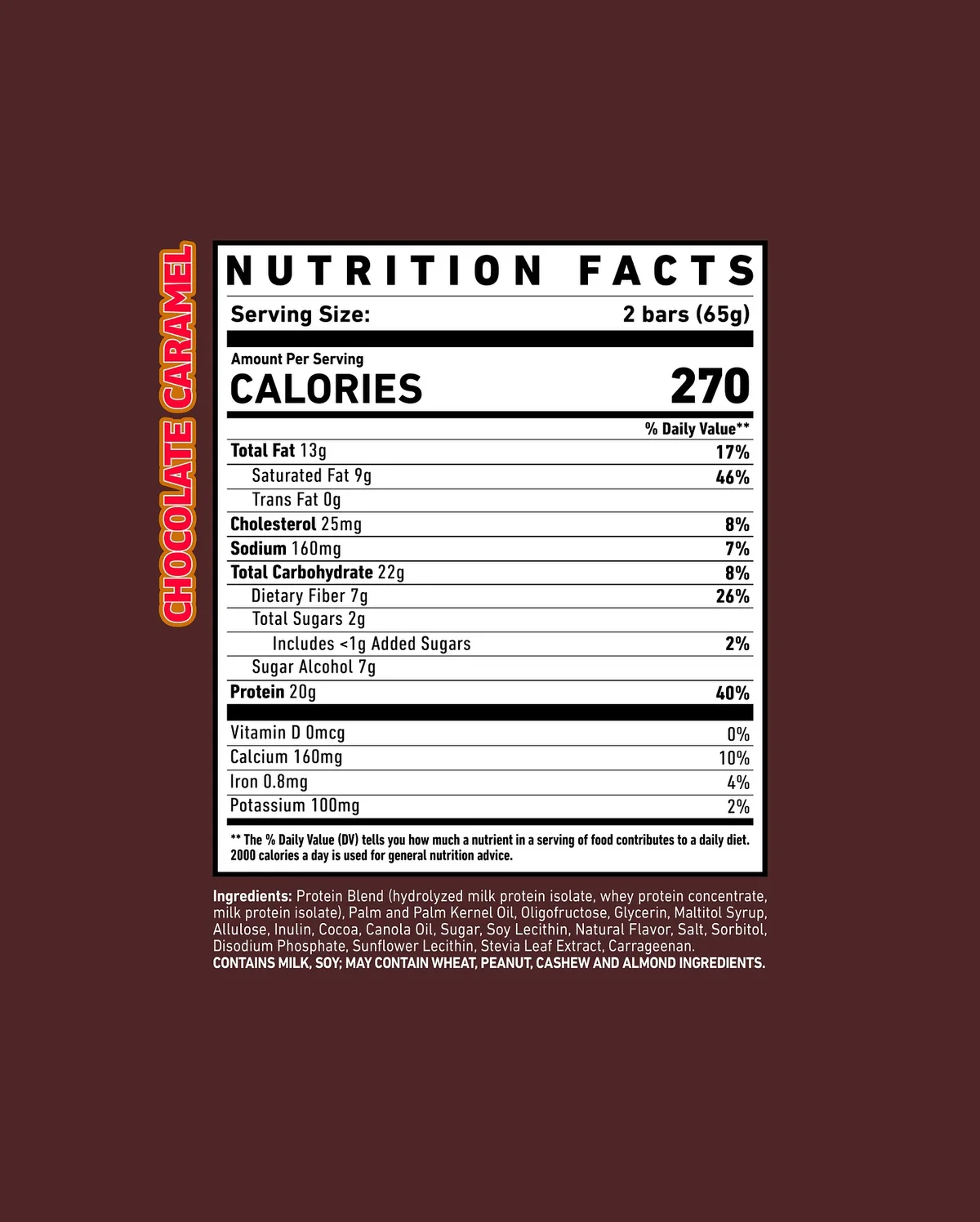
The FDA sets a protein nutrient claim at 6 grams or more per serving. That's a floor, not a quality standard. A single maltitol-loaded sugar-free bar can carry 18 grams of sugar alcohols that trigger osmotic GI distress in a large share of consumers.
As of 2026, the gap between a healthy bar and a marketing trick comes down to five numbers on that nutrition panel. Let's walk through them.
What Protein Bars Are Healthy
Quick Answer
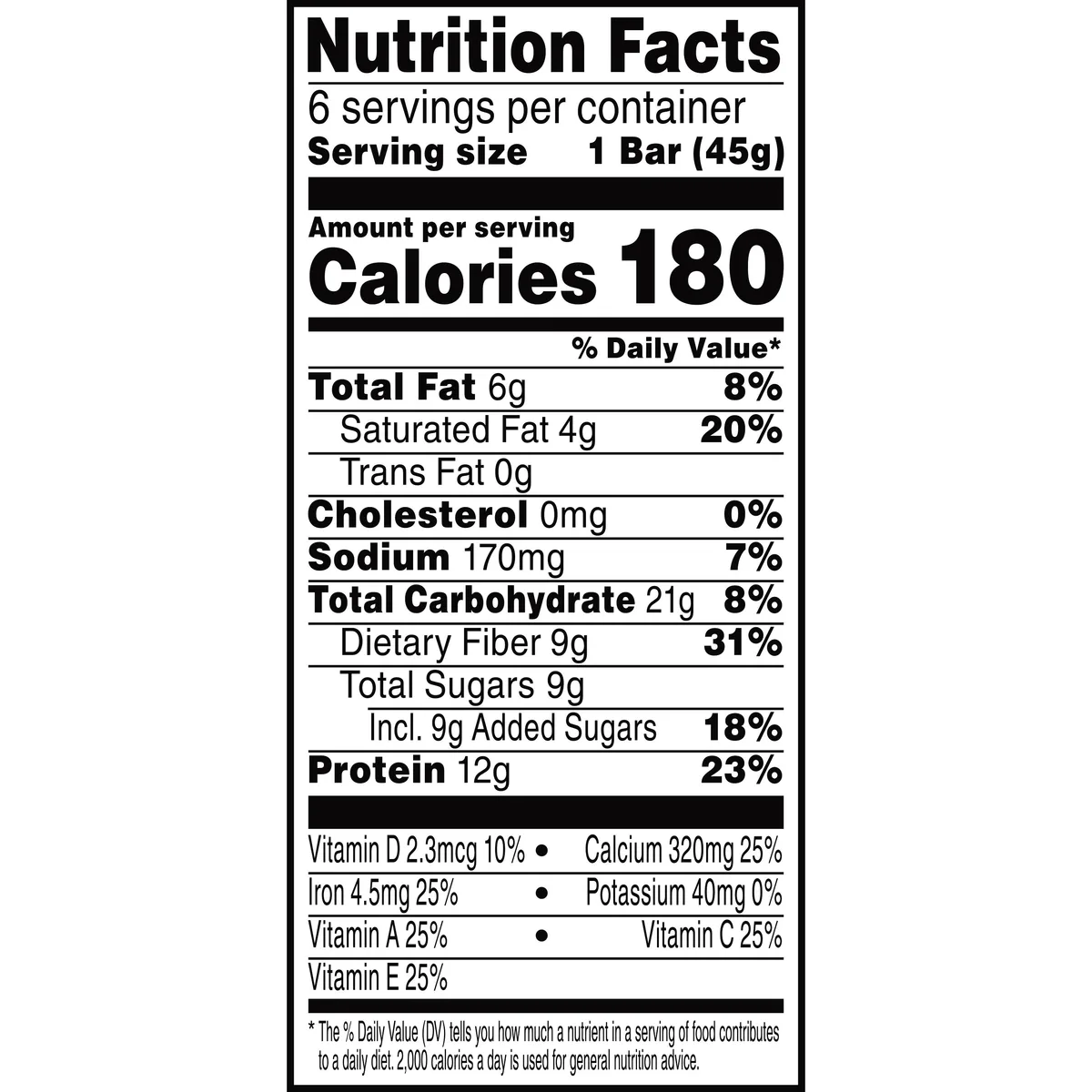
Healthy protein bars hit at least 20 grams of protein per serving. Added sugar stays under 5 grams per bar. The protein source is minimally processed, like whey isolate or pea-rice blends.
Avoid bars where maltitol or sorbitol tops 15 grams per serving. As of 2026, target leucine above 2 grams and sodium under 200 milligrams.
"Healthy" Isn't on the Label: Why Protein Bars Need More Than a Marketing Claim
Walk down any supermarket aisle and you'll see the word "healthy" everywhere. It's on boxes, bottles, and snack bars with a little leaf icon. Here's the thing: "healthy" is not a regulated food claim.
The FDA doesn't define it. EFSA in the EU doesn't either. No standards body stamps a bar with a health seal the way they stamp a UL or CE mark on a device.
What you'll see instead is a stack of marketing terms: "clean," "no-nasties," "all-natural," "guilt-free." None of those carry legal weight. A bar labeled "natural" can still contain 22 grams of added sugar, refined palm oil, and a dusting of whey concentrate to justify the protein number on the front.
So how do you cut through it? You ignore the adjectives and go straight to the nutrition facts panel. That panel is the only part of the packaging that's actually regulated.
The numbers on it have to be accurate. Everything else is a brand's opinion.
The single fastest screen we use is the protein-to-added-sugar ratio. If it's 3:1 or better, the protein is doing the work. If it's under 1:1, you're eating a dessert first.
We'll break down exactly how to read all five numbers in the next section.
The Five Numbers That Actually Tell You If a Bar Is Worth Eating
Forget the flavor name and the brand logo. Five specific values on the back of the wrapper tell you whether this bar earns a spot in your pantry or your recycling bin.
Reading the Protein-to-Added-Sugar Ratio
Protein in grams: aim for 20 or above. Added sugar in grams: aim for 5 or below. Divide one by the other.
A ratio of 3:1 or better means the protein is doing the heavy lifting. Anything under 1:1 flags a candy bar.
Protein Source and Why It Changes Everything
Whey isolate scores about 1.09 on the DIAAS digestibility scale. Pea isolate sits around 0.70. Soy isolate lands near 0.90.
What that means in practice: you need roughly 30 to 40 percent more pea protein by weight to hit the same muscle-protein-synthesis response you'd get from whey. If the bar lists "pea and rice protein blend," you're getting a better amino acid profile than pea alone, but still lower leucine per gram.
Sugar Alcohol Type and Amount
Not all sugar alcohols are equal. Erythritol carries a near-zero glycemic load. Maltitol registers around 35 on the glycemic index and triggers osmotic effects above roughly 15 grams per serving.
If the label says "contains maltitol" and the amount is 20 grams or more, your gut is going to protest.
Sodium
A soft ceiling of 200 milligrams per bar keeps you under 5 percent of your daily sodium budget. Some low-carb bars hit 400 to 600 milligrams. That's a hidden salt load that adds up fast if you eat two or three a day.
Total Calories and Fiber
A "healthy" snack bar lands between 180 and 280 calories with at least 3 grams of fiber. A meal-replacement format runs 400 to 500 calories with 20 or more grams of fiber. Pick the tier that matches your goal.
| Number to check | Healthy threshold | Flag if |
|---|---|---|
| Protein (g) | ≥ 20 | < 10 |
| Added sugar (g) | ≤ 5 | > 10 |
| Sugar alcohol (g) | ≤ 5 erythritol, ≤ 10 maltitol | Maltitol > 15 |
| Sodium (mg) | ≤ 200 | > 400 |
| Protein-to-added-sugar ratio | ≥ 3:1 | < 1:1 |
When a Protein Bar Is the Wrong Tool: CKD, Type 2 Diabetes, and Other Red Flags
Not every body handles a standard 25-gram protein bar the same way. This is where "healthy" stops being a marketing word and becomes a clinical consideration.
Chronic kidney disease. Patients in stages 3 through 5 often get protein restricted to 0.6 to 0.8 grams per kilogram per day by their nephrologist. A single 25-gram bar can blow through half your daily budget before you've eaten a real meal. The National Kidney Foundation recommends individualized protein targets, and a bar's fixed macro profile doesn't flex to meet them.
If you're on a renal diet, bring the label to your care team before adding bars to the rotation.
Type 2 diabetes. "Sugar-free" does not mean "carb-free" or "insulin-neutral." Maltitol still carries a glycemic load. Sorbitol hits the liver through a different metabolic path. The American Diabetes Association's nutrition standards call out sugar alcohols as a distinct category, not a zero-impact ingredient.
If you manage T2D, choose bars with under 5 grams of total sugar and skip maltitol-heavy options entirely.
Post-bariatric surgery. Small, high-protein, low-calorie portions matter. A standard 280-calorie bar with 20 grams of protein can hit the 600-calorie post-op ceiling in one sitting. You need a smaller format: 10 to 15 grams of protein, under 150 calories, minimal fat.
Hormone-sensitive conditions. If you've had estrogen-receptor-positive breast cancer, endometriosis, or PCOS, stacking two or three soy-heavy bars a day adds meaningful isoflavone load. That's a real pharmacological consideration, not a theoretical one.
The rule is simple: if your diet is medically managed, your protein bar choice is a medical decision, not a snack choice.
What a Genuinely Healthy Bar Looks Like: Sugar Alcohols, Sodium, and Leucine Dosing
You've got the five numbers. Now let's talk about what those numbers actually do inside your body, because the mechanism is where most people go wrong.
Sugar alcohols and the gut. Maltitol and sorbitol resist digestion in the small intestine. They reach the colon intact and pull water into the gut through osmosis. Above roughly 15 grams of maltitol in one sitting, a significant share of people report bloating, cramping, and osmotic diarrhea.
Erythritol gets absorbed almost completely in the small intestine. It carries a near-zero glycemic load and a much smaller osmotic footprint.
GUM and the laxative threshold. Hydroxyethylcellulose shows up in nearly every "no-sugar" bar as a binder. The FDA's GRAS notice treats it as safe at typical food levels, but dose matters. Three to five grams of GUM per bar can produce a softening effect in sensitive users.
If you're IBS-sensitized, check the ingredient list and count the likely grams.
Sodium: the quiet one. Many low-carb bars hit 400 to 600 milligrams of sodium per 40-gram bar. That's 20 to 30 percent of your daily cap in one snack. It's not dangerous in a single serving for a healthy adult, but it adds up if you're eating two bars a day and then a regular meal.
Leucine and the MPS threshold. Muscle protein synthesis needs a trigger. For adults, that trigger is roughly 2 to 3 grams of leucine in a single dose. For older adults over 65, the threshold climbs to 3 to 4 grams because of anabolic resistance.
A bar with 20 grams of whey isolate typically delivers around 2.5 to 3 grams of leucine. A bar with 20 grams of pea protein delivers closer to 1.8 to 2 grams. If you're in the sarcopenia-prevention bracket, leucine content is the number to track, not just total protein.
Matching the Bar to Your Goal: Recovery, Cutting, Diabetic Snack, or Meal Replacement
The "right" bar changes completely depending on what you're trying to do with it. A post-workout bar and a diabetic lunch-time snack have almost nothing in common nutritionally.
Post-exercise recovery. You want 20 to 30 grams of protein, 15 to 25 grams of fast-digesting carbs, and you want it within two hours of training. A bar in the 250 to 350 calorie range with a whey or casein source hits the timing window well. You don't need to obsess over sugar alcohols here.
A small amount of real sugar is fine and actually helpful for glycogen refill.
Cutting or lean bulk. The target flips to high protein, very low sugar, controlled calories. You're looking at 20 to 30 grams of protein, under 5 grams of added sugar, and 180 to 280 total calories. Erythritol-sweetened bars with low GUM content work well here.
Fiber at 5 to 8 grams helps with satiety on a calorie-deficit diet.
Type 2 diabetic snack. Under 5 grams of total sugar. No maltitol. Low glycemic load.
A whole-food bar made with dates, nuts, and a modest protein source keeps the GI curve flatter than a formulated maltitol bar.
Meal replacement. This is a different animal. You need 400 to 500 calories, 25 to 30 grams of protein, 20 or more grams of fiber, and a balanced fat source. The bar essentially substitutes a full meal, so micronutrient fortification (B vitamins, vitamin D, calcium) starts to matter.
| Goal | Protein | Sugar (added) | Calories | Key notes |
|---|---|---|---|---|
| Post-workout | 20 to 30 g | 10 to 25 g total carb OK | 250 to 350 | Within 2 h of training |
| Cutting / lean bulk | 20 to 30 g | ≤ 5 g | 180 to 280 | Erythritol over maltitol |
| T2D snack | 10 to 15 g | ≤ 5 g total | 150 to 250 | No maltitol, low GI |
| Meal replacement | 25 to 30 g | ≤ 5 g | 400 to 500 | 20 g+ fiber, fortified |
Match the bar to the job. A 30-gram-protein, 280-calorie bar is overkill for a mid-afternoon snack. A 15-gram protein bar will not cover your post-session protein need.
The goal dictates the spec, not the other way around.
Six Mistakes That Turn a "Healthy" Bar Into a Gut or Metabolic Problem
These are the errors we see most often, and they're all fixable once you know what to watch for.
Eating a maltitol-heavy bar on an empty stomach. Above 15 grams of maltitol, the osmotic pull in your colon spikes fast. Bloat, cramping, and watery stool follow within 30 to 90 minutes. If the label lists maltitol at 20 grams or more, you're in the danger zone for most people.
Replacing two or three meals with bars every day. Bars are formulated snacks or single-meal swaps. They don't carry the micronutrient diversity, water content, or fiber variation that real food does. Stack three bars and you're getting the same amino acid profile, the same binder, and the same oil source over and over. Your gut microbiome gets bored.
Skipping the "may contain" allergen line. Many bars are produced in facilities that handle peanuts, tree nuts, soy, or egg. If you or your kid has a severe nut allergy, that one line of small print matters more than the protein number. Check it every time, even for a brand you've bought before. Formulations shift.
Assuming "protein bar" means it's a protein bar. An 8-gram-protein, 22-gram-sugar bar is structurally a candy bar. The green label and the word "protein" on the front don't change the ratio. Run the protein-to-added-sugar math before you trust the marketing.
Over-dosing protein without checking your total daily intake. Three 25-gram bars plus two protein-heavy meals pushes you past 120 grams of protein in a day. For a healthy adult that's not toxic, but for someone managing CKD or a low-protein renal diet, it's a real problem. Track the total, not just the bar.
Stacking soy-heavy bars if you're hormone-sensitive. Three soy-isolate bars a day delivers a meaningful isoflavone load. For PCOS, endometriosis, or a history of ER-positive breast cancer, that's a pharmacological consideration worth raising with your doctor.
Frequently Asked Questions
Can a diabetic eat a protein bar?
Yes, but pick the right one. Stay under 5 grams of total sugar per bar, skip maltitol and sorbitol entirely, and choose a low-glycemic-load option like a whole-food date-and-nut bar with 10 to 15 grams of protein. Check your glucose 90 minutes after eating to confirm the bar doesn't spike your numbers.
Are vegan protein bars actually complete protein sources?
A single pea or rice bar isn't. But a pea-plus-rice blend hits all nine essential amino acids and gets close to a complete profile. Look for bars that list both pea and rice protein, or add a small portion of complete food like a handful of hemp seeds to round out methionine.
How soon after a workout should I eat a protein bar?
Within two hours is the window that matters. The ISSN position stand says you don't need to hit a 30-minute "anabolic window" like it's a deadline. A bar eaten 45 to 90 minutes post-session with 20 to 30 grams of protein and 15 to 25 grams of carbs covers the MPS trigger well.
How many protein bars can I eat in a day?
For a healthy adult with no renal or metabolic condition, two bars (40 to 60 grams of protein total) is a reasonable cap from bars alone. Add your regular meals and you're in the 1.2 to 1.6 grams-per-kilogram range that supports muscle maintenance without overloading. Three or more bars starts to displace whole food and the micronutrient variety you need.