Yes, protein drinks can support weight loss by helping control hunger, reduce unnecessary snacking, and preserve muscle while you eat fewer calories. However, they only help when they fit into a balanced, calorie-controlled diet.
If you are trying to lose weight in the United States, you may see protein drinks everywhere, from grocery store shelves at Walmart and Target to gym coolers and office refrigerators. Busy mornings, long workdays, and frequent restaurant meals can make it hard to plan meals with enough protein. A ready-to-drink shake may seem like an easy way to stay on track.
Protein drinks can be useful, but they are not weight loss medicine. Their main value comes from protein, which helps you feel full and supports muscle health. When you replace a higher-calorie snack with a lower-calorie protein drink, you may also reduce your total daily calorie intake.
The most important factor in weight loss is still your overall calorie balance. You need to use more energy than you take in over time. A protein drink can make this easier, but drinking one on top of your usual meals may add calories instead of reducing them.
The best approach is to choose a drink with enough protein, reasonable calories, and limited added sugar. You should also eat regular meals with vegetables, fruits, whole grains, and other protein sources. This guide explains how protein drinks work, when they help, what to look for, and how to use them without slowing your progress.
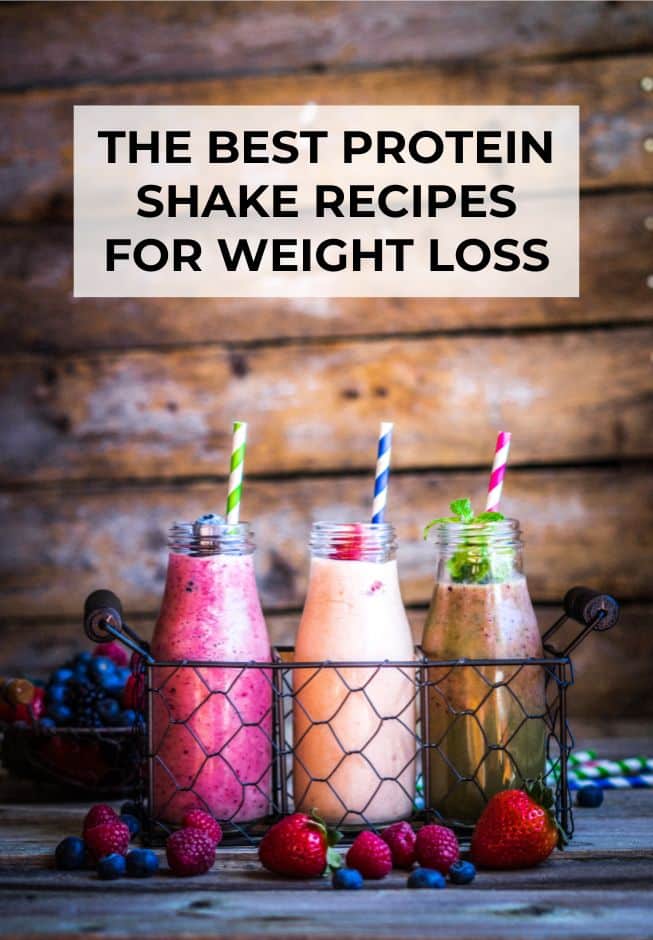
Source: pharmfoodie.com
How Protein Drinks Can Help With Weight Loss
Protein drinks can help with weight loss in three main ways. They may help you feel full, make it easier to control your calorie intake, and support muscle maintenance. These benefits can make a calorie-controlled eating plan easier to follow.
Protein is one of the three main nutrients in food. The other two are carbohydrates and fats. Your body uses protein to build and repair muscle, maintain tissues, and produce important substances such as enzymes.
When you eat protein, your body takes time to digest and process it. Protein can also affect hunger-related signals. This may help you feel satisfied after eating and reduce the urge to snack soon afterward.
A protein drink offers these benefits in liquid form. It can be convenient when you do not have time to cook eggs, prepare chicken, or make a full meal. Still, the drink itself does not create weight loss unless your overall eating pattern supports it.
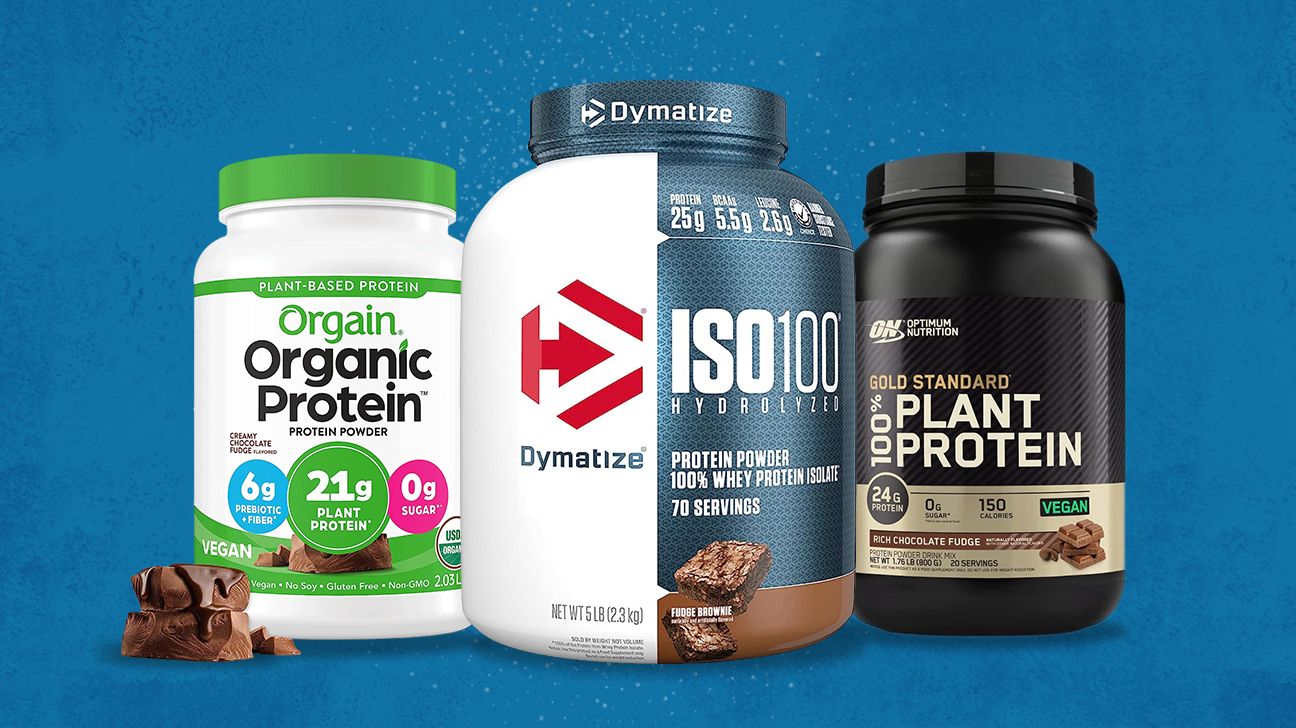
Source: groomingwise.com
Better hunger control
Protein may help you feel satisfied for longer. This can make it easier to avoid frequent snacks and large portions.
Support for muscle
Getting enough protein while losing weight helps provide the building blocks your body needs to maintain lean tissue.
Convenient calorie control
A measured protein drink can replace a higher-calorie snack or serve as part of a planned meal.
Easy portion tracking
Packaged drinks list their calories and protein on the label, making it easier to include them in a daily eating plan.
Protein May Help You Feel Full
Hunger can make weight loss difficult. If you feel hungry soon after breakfast or lunch, you may eat extra snacks without planning to. Protein may help reduce this problem by supporting feelings of fullness.
Research on higher-protein diets has found that some people with overweight or obesity experience greater fullness when they eat more protein. However, responses vary, and the evidence does not mean every protein drink will control hunger equally well.
For example, a drink containing protein, fiber, and a modest amount of calories may be more satisfying than a sweet drink with little protein. Drinking it slowly and including it in a planned snack can also help.
Protein Helps Preserve Lean Muscle
Weight loss does not always come entirely from body fat. When you reduce calories, you may also lose some lean body mass, including muscle. Getting enough protein can help reduce this loss.
Muscle matters because it supports movement, strength, and daily activities. Resistance exercises such as squats, pushups, and weight training provide an additional signal to your body to maintain muscle.
A protein drink can help fill a gap when your meals do not provide enough protein. It works best as part of a plan that includes suitable food intake and regular exercise.
Do Protein Drinks Actually Burn Body Fat?
No, ordinary protein drinks do not directly burn body fat. They do not melt fat around your waist, speed up weight loss without effort, or cancel out extra calories from other foods.
Fat loss happens when your body uses more energy than you consume over time. This is called a calorie deficit. Protein drinks can support this process if they help you eat fewer calories while meeting your nutrition needs.
Protein also has a higher thermic effect than carbohydrates and fats. This means your body uses more energy to digest and process protein. However, this effect is not large enough to make a protein shake a fat-burning product.
For example, imagine you usually eat a snack containing 350 calories. You replace it with a protein drink containing 160 calories. You have reduced your intake by 190 calories for that eating occasion, assuming you do not eat extra food later because of hunger.
The result depends on your full day’s intake. If you drink the shake after eating your usual snack, you add 160 calories instead. This is why the way you use a protein drink matters more than the marketing claims on its package.
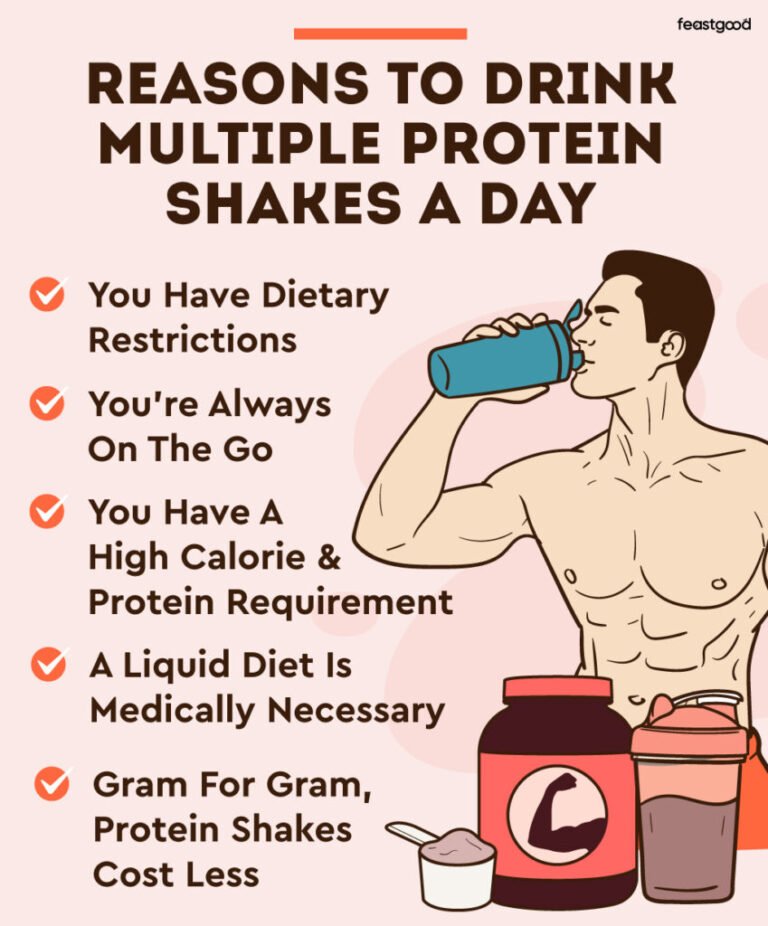
Source: mi.heartlandactors.com
What protein can do
It can support fullness, help meet protein needs, and reduce the risk of losing too much muscle during calorie restriction.
What protein cannot do
It cannot target belly fat, guarantee rapid weight loss, or make an excessive calorie intake harmless.
What causes fat loss
A consistent calorie deficit, supported by a sustainable eating pattern and physical activity, is the main driver.
Protein Drinks and the Calorie Deficit
A calorie deficit means consuming fewer calories than your body uses. You can create this deficit through a combination of food choices, portion control, and physical activity.
Protein drinks are useful when they make this process easier. A lower-calorie shake may replace a large coffee drink, pastry, or high-calorie snack. But it should not become an extra source of calories that you do not need.
You do not have to count every calorie forever. Still, checking serving sizes and drink labels can help you understand whether a shake supports your goal.
Which Protein Drinks Are Best for Weight Loss?
The best protein drink for weight loss is one that provides enough protein without adding too many calories or too much added sugar. You do not need the most expensive brand or a shake with the longest ingredient list.
There are several types of protein drinks. Some use milk-based protein, while others use plant proteins. Ready-to-drink shakes are convenient, and protein powders give you more control over ingredients and serving sizes.
Whey and casein come from milk. Soy, pea, rice, and other plant proteins offer alternatives for people who avoid dairy or follow a plant-based eating pattern.
The protein source matters for dietary needs, allergies, taste, and tolerance. For most people, total daily protein and the overall quality of the diet matter more than choosing a trendy protein source.
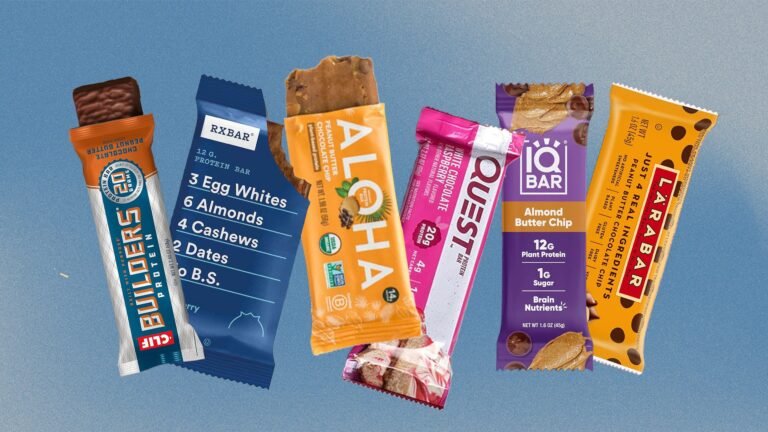
Source: detroitchinatown.org
Whey protein drinks
Whey is a complete milk protein that contains all nine essential amino acids. It is a convenient option for people who tolerate dairy.
Casein protein drinks
Casein is another milk protein. It digests more slowly than whey and can be used in shakes or smoothies.
Soy protein drinks
Soy provides all nine essential amino acids and is a useful plant-based option for people who avoid dairy.
Pea protein drinks
Pea protein is dairy-free and suitable for many plant-based diets. Check the full amino acid profile and serving size.
Homemade protein smoothies
A homemade smoothie lets you combine milk or a fortified soy drink, yogurt, fruit, and protein powder. Measure ingredients because nuts, seeds, and nut butter can add many calories.
Whey Protein Versus Plant Protein
Whey protein is a popular choice because it provides a complete amino acid profile and is easy to mix. It can fit into a weight loss plan when the calories and ingredients suit your needs.
Plant-based protein drinks can also support weight loss. Soy is a complete protein, while some other plant proteins have lower amounts of certain essential amino acids. Blended plant protein products may combine sources to provide a more balanced amino acid profile.
Neither type automatically causes more fat loss. Choose the option that agrees with your stomach, meets your dietary needs, and fits your budget.
Can Ready-to-Drink Protein Shakes Help?
Ready-to-drink shakes can be useful when you travel, work long shifts, or need a quick snack. They require no blender or meal preparation, which can make them easier to use consistently.
However, some bottled shakes contain more calories, sugar, or saturated fat than expected. A drink labeled high protein is not automatically a good choice for weight loss.
Compare the full nutrition label before buying. Look at calories per bottle, protein per serving, added sugars, fiber, and serving size rather than relying on the front label.
How Much Protein Should You Drink for Weight Loss?
Your protein needs depend on your body size, age, health, activity level, and weight loss plan. There is no single number of protein shakes that everyone should drink each day.
For healthy adults, the basic recommended dietary allowance is 0.8 grams of protein per kilogram of body weight each day. This is a general minimum for most healthy adults, not necessarily an ideal target for someone who is losing weight and trying to preserve muscle.
A 2026 position stand from the International Society of Sports Nutrition discusses a daily intake of around 1.2 to 1.6 grams per kilogram of body weight for the general population in the context of body weight management and physical activity. Higher targets may apply to some people who train with resistance exercise, but these amounts are not universal prescriptions.
You should count protein from all foods and drinks, not just shakes. Eggs, fish, chicken, lean meat, milk, yogurt, beans, lentils, tofu, nuts, and seeds all contribute to your daily intake.
Source: leanwhisper.com
Start with your daily needs
Consider your body weight, activity, and health rather than choosing a protein target based only on a shake’s serving size.
Count food protein
Add the protein you get from regular meals before deciding whether you need a supplement.
Use shakes to fill gaps
A drink may be helpful when your normal meals do not provide enough protein.
A Simple Protein Calculation
Here is a hypothetical example. Suppose a healthy adult weighs 70 kilograms and chooses a daily protein target of 1.2 grams per kilogram. The calculation is 70 multiplied by 1.2, which equals 84 grams of protein per day.
If that person gets 60 grams from regular meals, the remaining amount is 24 grams. A protein drink providing around 24 grams could fill that gap.
This example is for explanation only. It is not an individual prescription, and some people need a different target. Anyone with a medical condition that affects protein intake should discuss the amount with a qualified health professional.
How Many Protein Shakes Should You Have Each Day?
Many people do not need more than one protein drink per day. Others may use one occasionally or none at all because their meals already provide enough protein.
Two drinks may fit into some eating plans, but that does not make two a daily requirement. Using several shakes instead of balanced meals can leave you short on fiber and other nutrients.
Focus on your total protein intake and the quality of your meals. A shake should solve a practical nutrition problem, not become the center of your diet.
When Should You Drink Protein Shakes for Weight Loss?
You can drink a protein shake at different times of the day. There is no special hour when protein suddenly starts burning more fat. Your total daily food intake and protein intake matter more than exact timing.
The best time is the time when a shake helps you meet your nutrition needs without adding unnecessary calories. For some people, that is breakfast. For others, it is an afternoon snack or a convenient option after exercise.
A protein drink can also be useful on days when your schedule makes it hard to prepare a balanced meal. However, it should not become a reason to skip nutritious foods every day.
Source: taftindependent.com
At breakfast
A shake can provide protein when you have little time in the morning. Pair it with fruit or another fiber-rich food if it is not a complete meal.
Between meals
A protein drink can replace a planned high-calorie snack and may help you manage hunger until your next meal.
After exercise
A shake is a convenient way to provide protein after resistance training, especially when a normal meal is not available.
When traveling
A ready-to-drink option may help you avoid relying on pastries, candy, or other less filling snacks.
Is It Better to Drink Protein Before or After a Workout?
Both options can work. Drinking protein before exercise may be convenient if you have not eaten for several hours. Drinking it after exercise can help you meet your daily protein needs and support muscle repair.
You do not need to rush to drink a shake within a few minutes of finishing your workout. Your overall daily protein intake is more important than a narrow post-workout window.
If you exercise regularly, combine protein intake with resistance training and enough total food to support recovery. Exercise can help preserve muscle while your calorie intake is lower.
How to Choose a Protein Drink for Weight Loss
Choosing a protein drink becomes easier when you read the nutrition facts instead of trusting front-label claims. Words such as fit, lean, diet, and metabolism do not prove that a product will help you lose weight.
Start by checking the calories and protein in the entire bottle or prepared serving. Then review added sugar, fiber, saturated fat, and the ingredient list.
A drink with around 20 to 30 grams of protein can be a practical option for many adults. However, this is a useful shopping range, not a rule that every person needs to follow.
The right choice also depends on food allergies, lactose tolerance, dietary preferences, and the rest of your meals. A lower-calorie product is not automatically better if it leaves you hungry or does not provide enough nutrition.
Source: melissamitri.com
Check calories
Choose a calorie level that fits the purpose of the drink. A snack and a full meal replacement have different nutritional needs.
Review protein
Look at the actual grams of protein per bottle, not just the serving information on the package.
Limit added sugar
Compare added sugars across products. A sweet taste does not mean the drink is a better source of nutrition.
Look for fiber
Fiber can support fullness and digestive health. Many basic protein drinks contain little fiber.
Check allergens
Read the label for milk, soy, nuts, and other ingredients that may cause an allergic reaction or digestive problem.
Compare serving sizes
Some bottles contain more than one serving. Calculate calories and nutrients for the amount you actually drink.
What Nutrition Facts Should You Look For?
The following table gives a practical comparison guide for shopping. These are general screening suggestions, not official medical limits or requirements for every protein drink.
A snack-sized shake may need fewer calories than a full meal replacement. If you use a drink instead of lunch, make sure it provides enough nutrition and does not leave major gaps in your daily food intake.
Protein
Around 20 to 30 grams can be a convenient amount for a snack or protein supplement.
Calories
Compare the total with the food or drink you are replacing. Do not choose based on calories alone.
Added sugar
Prefer products with modest added sugar, especially if you already consume sweet foods and drinks.
Fiber
A product with some fiber may be more filling, although whole fruits, vegetables, beans, and grains remain important sources.
Saturated fat
Compare products and consider how the drink fits into your overall eating pattern.
Are Low-Calorie Protein Drinks Always Better?
Not always. A very low-calorie drink may provide protein but little fiber, vitamins, or minerals. It may also leave you hungry if you use it as a full meal replacement.
A balanced diet requires more than protein and a low calorie count. Your body also needs carbohydrates, healthy fats, vitamins, minerals, and fiber.
Choose a drink based on its purpose. A light shake may work as a snack, while a meal replacement should provide a broader range of nutrients.
Protein Drinks Versus Whole Foods for Weight Loss
Whole foods should provide most of your daily nutrition. Protein drinks are convenient supplements, but they do not offer every benefit of a varied meal.
Chicken, fish, eggs, Greek yogurt, beans, lentils, and tofu provide protein along with other nutrients. Many also work well with vegetables, fruit, and whole grains to create filling meals.
Whole foods often provide more fiber and a wider range of nutrients than a basic protein shake. Fiber is especially useful because it supports digestion and can help you feel full.
Protein drinks have one clear advantage: convenience. They are easy to carry, require little preparation, and can help fill a protein gap when food is not available.
The best approach is not to choose one over the other. Use whole foods as your foundation and use a drink when it makes your eating plan easier to follow.
Source: pharmfoodie.com
Whole food advantages
Foods such as eggs, fish, beans, and yogurt provide protein and can supply other important nutrients.
Protein drink advantages
Packaged drinks are portable, quick to prepare, and easy to measure.
The practical choice
Choose regular food when you can prepare a balanced meal. Use a protein drink when convenience or a protein gap makes it useful.
Can You Replace Meals With Protein Drinks?
You can use a properly designed meal replacement product as part of a structured weight management plan, but an ordinary protein shake is not necessarily a complete meal.
A basic protein drink may contain protein and some vitamins but lack enough fiber, healthy fats, and other nutrients. Replacing several meals with such drinks can make your diet less varied.
If you want to replace a meal, check whether the product is specifically formulated as a meal replacement. Consider its calories, protein, fiber, vitamins, minerals, and other nutrients.
People using meal replacements for weight management may benefit from guidance from a registered dietitian or other qualified health professional. This is especially useful if the plan is restrictive or continues for a long time.
Possible Side Effects and Risks of Protein Drinks
Protein drinks are generally convenient for many healthy adults, but they are not suitable for everyone. Some products contain ingredients that cause digestive problems, and excessive reliance on shakes can reduce diet quality.
Your response may depend on the protein source, serving size, sweeteners, and other ingredients. Reading the label and starting with a suitable serving can help you identify products that do not agree with you.
People with chronic kidney disease or other conditions that affect protein needs should not increase their protein intake without medical guidance. Their nutrition needs may differ from those of healthy adults.
Supplements can also vary in quality. In the United States, dietary supplements are regulated by the FDA, but manufacturers generally do not need FDA approval before marketing a dietary supplement. This makes careful product selection important.
Source: mi.heartlandactors.com
Digestive discomfort
Some people experience gas, bloating, diarrhea, or stomach discomfort, particularly with certain milk proteins or sugar alcohols.
Lactose intolerance
Some milk-based drinks contain lactose. People who are sensitive to lactose may prefer lactose-free or suitable plant-based alternatives.
Food allergies
Milk, soy, and other protein sources can cause allergic reactions. Avoid products containing an ingredient you are allergic to.
Excess calories
Large shakes with nut butter, sweeteners, cream, and other additions can contain more calories than expected.
Poor diet variety
Replacing too many meals with shakes can reduce your intake of fiber and nutrients found in whole foods.
Can Too Much Protein Be Harmful?
More protein is not always better. Your body needs an appropriate amount based on your health, activity, and nutrition goals. Consuming large amounts does not guarantee faster fat loss or more muscle.
For healthy adults, protein intake should fit into a balanced eating pattern. Extremely restrictive diets that focus heavily on protein may leave too little room for vegetables, fruits, whole grains, and healthy fats.
If you have kidney disease, liver disease, or another condition that affects nutrition, ask your healthcare professional how much protein is suitable. Do not follow a high-protein diet based on general online advice.
Who Should Be Careful With Protein Drinks?
People with chronic kidney disease, food allergies, or significant digestive problems should check the ingredients and discuss their protein needs with a qualified professional.
Pregnant or breastfeeding people, teenagers, and people recovering from illness may also have different nutrition needs. A general weight loss shake plan may not be suitable for them.
Anyone taking medication that affects appetite or body weight should discuss nutrition changes with their healthcare team. Adequate protein and overall nutrient intake can become especially important when food intake decreases.
Common Mistakes to Avoid When Using Protein Drinks
Protein drinks work best when you use them with a clear purpose. A few common mistakes can turn a helpful snack into an unnecessary source of calories or make your diet less balanced.
The biggest mistake is assuming that a high-protein label means a product automatically supports weight loss. Calories, serving size, added sugar, and your total daily intake still matter.
Another mistake is relying on shakes instead of learning how to build filling meals. A sustainable weight loss plan should work at home, at work, while traveling, and during ordinary family meals.
Source: melissamitri.com
Drinking shakes in addition to regular meals
If you do not need the extra calories, adding a shake can make it harder to maintain a calorie deficit. Use it as a planned replacement or snack.
Ignoring added ingredients
Honey, syrup, nut butter, ice cream, and large portions of fruit can raise the calorie content of a homemade shake.
Skipping vegetables and fruit
Protein does not replace the fiber, vitamins, and minerals found in plant foods.
Choosing products only by protein grams
A drink with more protein may also have more calories or other ingredients that do not suit your needs.
Expecting rapid results
Protein drinks cannot replace a consistent eating plan, activity, sleep, and other healthy habits.
Ignoring portion size
A large homemade smoothie can contain several servings of ingredients. Measure portions when calorie control is important.
A Simple Example of a Weight Loss Protein Smoothie
A homemade smoothie can provide protein and other nutrients without requiring a long list of ingredients. The key is to measure calorie-dense foods rather than adding them freely.
For a simple option, blend plain Greek yogurt, a small banana, unsweetened milk or fortified soy milk, and ice. If you need more protein, you can add a measured portion of protein powder.
The nutrition values will depend on the brands and serving sizes you use. Check the labels rather than assuming every homemade smoothie has the same calorie or protein content.
Plain Greek yogurt
Provides protein and a creamy texture.
Small banana
Adds natural sweetness and some fiber.
Unsweetened milk or fortified soy milk
Adds liquid and may contribute protein and other nutrients.
Ice
Makes the drink cold and thicker without adding meaningful calories.
Optional protein powder
Can increase the protein content when your daily intake is otherwise too low.
A Practical Daily Plan for Using Protein Drinks
A simple daily routine can help you use protein drinks without depending on them for every meal. The goal is to spread protein across your meals and keep your diet varied.
You do not need to follow a strict schedule. Adjust the plan to your work hours, food preferences, hunger, and activity level. The amounts below are examples of food choices, not a prescribed calorie or protein plan.
If you already eat enough protein, you may not need a shake at all. If your meals are low in protein, a drink can help fill the gap.
Source: detroitchinatown.org
Breakfast
Have eggs with whole-grain toast and fruit, or Greek yogurt with oats and berries.
Morning or afternoon snack
Use a protein drink if you need a convenient snack or want to replace a less filling, higher-calorie option.
Lunch
Choose chicken, fish, tofu, or beans with vegetables and a whole grain such as brown rice.
Dinner
Include a protein source, vegetables, and a suitable portion of potatoes, rice, or another whole grain.
Physical activity
Add regular walking and suitable strength exercises to support overall health and muscle maintenance.
How to Know Whether Your Plan Is Working
Look at your progress over several weeks rather than judging your results by one day. Body weight can change because of water, food volume, hormones, and other normal factors.
You may also notice that you feel more satisfied after meals, snack less often, or find it easier to meet your protein needs. These changes can indicate that your eating plan is becoming more manageable.
If your weight is not changing over a reasonable period, review your total food and drink intake, portion sizes, activity, and sleep. Do not assume that adding more protein powder will solve the problem.
If you feel weak, constantly hungry, or unable to maintain your routine, your calorie intake may be too low or your plan may need adjustment. A registered dietitian can help you create a safer and more practical approach.
Frequently Asked Questions
Q
Can I lose weight by drinking protein shakes every day?
Yes, you can include a protein shake every day and still lose weight. However, daily shakes do not guarantee fat loss. Your overall calorie intake, food quality, activity level, and consistency determine your results.
Use a shake when it helps you meet your protein needs or replace a higher-calorie snack. You do not need one every day if your regular meals already provide enough protein.
Q
Do protein drinks help reduce belly fat?
Protein drinks do not directly target belly fat. No ordinary food or drink can reliably make your body lose fat from one specific area.
They may support overall fat loss when they help you control calories and maintain muscle. As total body fat decreases, belly fat may also decrease, but the amount and order of fat loss vary between people.
Q
Should I drink a protein shake instead of breakfast?
You can use a protein shake for breakfast if it fits your nutrition needs and keeps you satisfied. However, a basic shake may not provide enough fiber, healthy fats, and other nutrients to serve as a complete meal.
Consider adding fruit, oats, or another suitable whole food. You can also choose a properly formulated meal replacement when a full breakfast is not practical.
Q
Are protein drinks better than eating protein-rich foods?
Protein drinks are not generally better than whole protein foods. Foods such as eggs, fish, chicken, yogurt, beans, and tofu provide protein along with other nutrients.
Drinks are mainly useful for convenience. If you can prepare a balanced meal, whole foods are often the more filling and nutrient-rich choice.
Q
Can I drink a protein shake before bed while trying to lose weight?
You can drink a protein shake before bed if it fits your daily calorie and protein needs. There is no special fat loss benefit from drinking protein at night.
A shake may be useful if you have not met your protein needs during the day. However, avoid adding an unnecessary drink when you have already eaten enough.
Q
Do protein drinks cause weight gain?
Protein drinks can contribute to weight gain if they consistently add more calories than your body uses. This is true even when the drink contains little added sugar.
The important factor is your total calorie intake. A shake that replaces a higher-calorie snack may support weight loss, while the same shake added on top of your usual food may increase your daily calories.
Q
Are plant-based protein drinks good for weight loss?
Yes. Plant-based protein drinks can support weight loss just like dairy-based options when their calories and protein content fit your eating plan.
Soy and blended plant protein products can provide useful amino acids. Choose a product that meets your dietary needs, agrees with your digestion, and does not contain excessive added sugar.
Q
How long does it take to see weight loss results from protein drinks?
There is no fixed timeline because protein drinks do not cause weight loss on their own. Results depend on your overall calorie deficit, starting weight, activity, sleep, and other factors.
Focus on sustainable habits and review your progress over several weeks. Avoid very low-calorie diets or extreme plans that promise rapid results.
✦ Wrapping Up
Conclusion
So, are protein drinks good for weight loss? Yes, they can be helpful when used as part of a balanced, calorie-controlled eating plan. They may help you feel full, meet your daily protein needs, and protect muscle while you lose weight.
However, protein drinks are not fat burners or magic weight loss products. Drinking more shakes will not automatically lead to better results. Their value depends on what they replace, how many calories they contain, and whether your overall diet provides enough nutrients.
Choose a drink with a suitable protein amount, reasonable calories, and modest added sugar. Compare labels, watch serving sizes, and select a protein source that fits your health needs and food preferences.
Most importantly, build your eating plan around whole foods, regular physical activity, and sustainable habits. A protein shake can make that plan more convenient, but it should support healthy eating rather than replace it.
💡 Key Takeaway
Start by reviewing your daily protein intake from regular meals. If you need more protein or want a convenient replacement for a high-calorie snack, choose a suitable protein drink and check its full nutrition label. Track your overall eating pattern, stay active, and use protein drinks as a helpful addition to a balanced weight loss plan rather than as a shortcut.