What Are the Healthiest Protein Bars: Honest review
Figuring out what are the healthiest protein bars sounds simple. Grab one, check the protein number, done. But as of 2026, most bars on that shelf pair a bold 20-gram protein claim with 12 additives and a sugar-alcohol load that'll bloat you by 2pm.
The gap between the front-of-pack number and the actual ingredient list is where most people get fooled.
Per FDA labeling rules, a bar can display "high-protein" at just 20g per serving, which means the other 80% of what's in that bar is up to the manufacturer. We've broken down the four criteria that separate a clean, whole-food bar from a heavily processed one. Then we'll walk you through how to score any bar on the shelf in under a minute.

Quick Answer
The healthiest protein bars use 5 or fewer whole-food ingredients. They stay under 5g added sugar with no sugar alcohols above 10g. No artificial colors or synthetic emulsifiers.
Protein should be the #1 ingredient on the label. RXBAR and Barebones are solid examples that meet those criteria.
The Protein Bar Aisle Is Built to Confuse You (And a Quick Way Out)
Walk into any grocery store and you'll find 40+ protein bar SKUs on one shelf. Some say "natural." Some say "clean." Some say "25g protein." All of them are technically true. None of them tell you the full picture.
That 20g "high-protein" threshold we mentioned earlier means a bar with 12g protein and 18 ingredients gets the same shelf space as one with 22g protein and 6 ingredients. The packaging is doing the selling, not the product.
There's also the "protein wash" trick. A bar headlines 25g protein, but those 25 grams are buried under 8g of maltitol, 4g of soy lecithin, and a stream of unpronounceable emulsifiers. The protein is there.
The bar is not.
Here's the quick way out: ignore the front of the package. Flip it over. Read the ingredient list from left to right.
If you hit "soy lecithin" or "maltitol" before the fourth ingredient, put it back. If the first three are egg, whey, or dates, you're in the clean camp. That 10-second habit filters out most of the shelf noise.
What Actually Makes a Protein Bar "Healthy": The 4 Criteria That Matter
The word "healthy" on a protein bar is marketing, not regulation. The FDA's updated front-of-package "Healthy" claim requires bars to meet specific sodium, added sugar, and saturated fat thresholds. Most protein bars fail at least one.
So you need your own scorecard.
Here are the four criteria we use to separate a genuinely clean bar from a processed one:
- Whole-food ingredient count. Fewer is better. Under 8 ingredients means the bar is mostly food. Over 15 means it's mostly formulation.
- Added sugar load. We target 5g or less per bar. That's roughly one teaspoon. Anything above 10g starts to behave like candy on your blood sugar.
- Protein source quality. Not all protein is equal. Per USDA FoodData Central, whey isolate scores a PDCAAS of 1.09. Pea protein sits at 0.79. Collagen peptides clock in at 0.25 because they lack tryptophan. A bar built on collagen is a supplement, not a complete protein source.
- Sugar-alcohol and additive count. Erythritol, maltitol, xylitol, soy lecithin, carrageenan, artificial colors. Each one adds digestive risk or processed load. We flag any bar with more than 3 non-food additives.
| Criterion | Clean Bar | Processed Bar |
|---|---|---|
| Ingredients | 5 to 8 | 15+ |
| Added sugar | 5g or less | 12g+ |
| Protein source | Whey isolate, egg, dates | Collagen blend, soy isolate plus 6 additives |
| Sugar alcohols | 0g | 15 to 20g |
These four numbers do more work than any front-of-pack claim. Keep them in your back pocket and you'll never need to "trust" a brand's adjective.
Head-to-Head: 6 Bars That Survive the Ingredient Test
Once you apply those four criteria, the field narrows fast. Here are six bars that pass the ingredient test, broken down by what makes each one work.
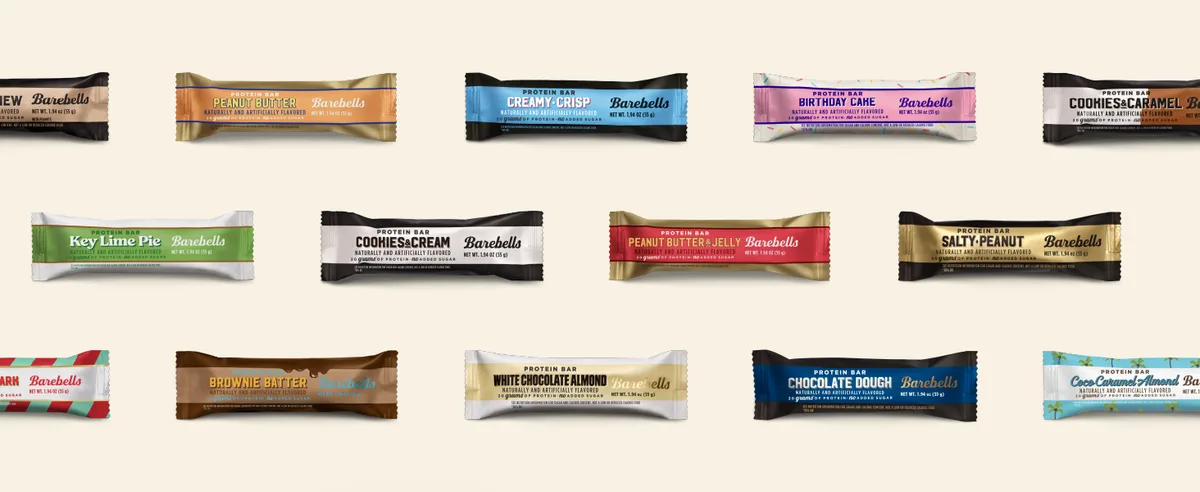
| Bar | Protein | Ingredients | Added Sugar | Why It Passes |
|---|---|---|---|---|
| RXBAR | 12g | 5 (dates, almonds, egg, chocolate, vanilla) | 8g from dates | 5 ingredients total, whole-food |
| Barebones | 20g | 5 (egg, whey, casein, honey, flavoring) | 6g from honey | Minimal, egg and dairy based |
| 8 Minute | 20g | 7 | 0g added | No added sugar, pressed whole food |
| GoMacro | 20g | 12 | 0g | Vegan, macro-targeted, no sugar alcohols |
| Kind Protein | 10g | 10+ | 4g (100% juice) | Light, but protein is lower |
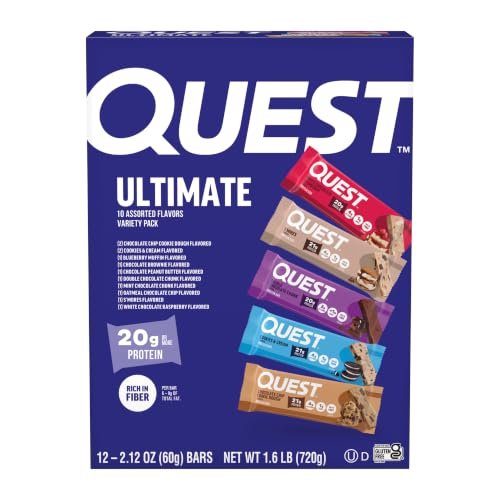
| Quest | 20g | 14 | 0g sugar, 14g sugar alcohols | Low sugar, high polyol load |
A few patterns jump out. RXBAR and Barebones win on ingredient count. You can read the entire label in five seconds.
GoMacro is the strongest vegan option because it uses a pea-and-rice protein blend that hits a complete amino acid profile without sugar alcohols.
Quest delivers the macronutrient numbers but stacks 14g of sugar alcohols, which per FDA labeling requires a laxative warning. That's the trade-off: zero sugar, but a GI tax for many people.
None of these are "perfect." Kind Protein is the lightest on protein at 10g, so it works as a snack swap rather than post-workout fuel. The point isn't to crown one winner. It's to show you the spectrum and let your criteria do the picking.
Which Bar Fits Your Actual Day (Not the Instagram Day)
The "healthiest" bar changes based on what you're doing with it. A 20g whey bar that's ideal post-lift is the wrong choice if you're FODMAP-sensitive and the 8g of erythritol in it is going to hit your gut hard.
Here's how we map use cases to bar profiles:
- Post-workout recovery (30-min window). You want fast-digesting protein. Whey isolate bars or egg-white bars work here. Casein is slower, so it's better for overnight. A 20 to 25g protein bar with minimal sugar keeps the insulin response clean.
- Mid-afternoon snack swap. Any bar under 200 calories with under 5g added sugar works. RXBAR's 5-ingredient formula is the lowest-friction choice. You're trading a 250-calorie candy bar for a 210-calorie one with actual protein.
- Vegan or lactose-intolerant. GoMacro or a pea-rice blend bar. Avoid collagen-forward bars (they're animal-sourced) and any bar with casein or whey. Check the allergen line for "may contain milk."
- Keto or low-net-carb. You need under 5g net carbs. That rules out date-based and honey-sweetened bars. Sugar-alcohol bars technically work, but the polyol load can spike insulin in some people.
- Kids or school lunch. Aim for under 5 ingredients, no artificial colors, no sugar alcohols (they taste bitter to kids). A pressed egg-and-nut bar with natural flavoring is the safest pick.
The common thread: match the bar to the job. A 35g protein bar as a 3pm snack is overkill and probably won't get finished. A 10g bar post-lift won't hit the muscle protein synthesis threshold.
The 5 Mistakes That Turn a Clean Bar Into a 200-Calorie Trap
Even a genuinely clean bar can backfire if you use it wrong. Here are the five mistakes we see most often:
- Portion creep. The bar says "1 serving." You eat two because "it's healthy." Two 220-calorie bars just became a 440-calorie snack. The protein is doubled, but so is the fat, sugar, and filler.
- Trusting the front-of-pack number. "25g protein" means nothing if the bar is 70g of mostly dextrose and soy lecithin. Always check the ingredient order. Protein first means protein-driven. Protein fifth means the bar is mostly carbs and the protein is a label trick.
- Ignoring the sugar-alcohol line. A bar with 0g sugar but 18g maltitol is not "sugar-free" in a physiological sense. Per EFSA tolerable daily intake data, most people start seeing GI distress above 20g of polyols per day. One bar can eat your entire daily tolerance.
- Using a bar as a meal replacement without checking micros. A protein bar is not a meal. It has negligible vitamin D, magnesium, or potassium. If you're swapping lunch for a bar, you're cutting 400 to 600 calories of actual nutrition.
- Buying by brand loyalty instead of re-reading the label. Manufacturers reformulate. A bar you loved in 2024 might have swapped its whey isolate for a cheaper pea-protein blend by 2026. Re-read the ingredient list every time you restock.
None of these mistakes are about the bar being "bad." They're about the gap between what the label promises and what your body actually processes.
How to Score Any Bar on the Shelf in Under 60 Seconds
You don't need a spreadsheet. You need a 60-second ritual you can run at aisle 7 while your coffee cools in the car. Here's the exact sequence:
Step 1: Read the ingredient list, not the marketing panel. Flip the bar over. Read left to right. Count the ingredients.
Under 8? Keep going. Over 15?
Set it down and walk to the next brand. You're looking at a formulation problem, not a nutrition one.
Step 2: Check the "Added Sugars" line specifically. Total sugar is a vanity number. What matters is the "Includes X g Added Sugars" sub-line. We want 5g or less.
If it reads "Total Sugars: 12g, Includes 10g Added," you're holding a candy bar in a protein costume.
Step 3: Add up the sugar alcohols. Erythritol, maltitol, xylitol, sorbitol. They'll be listed separately on the panel. Stack them.
Above 10g combined and you're eating most of your daily polyol tolerance in one snack.
Step 4: Scan for artificial colors and synthetic emulsifiers. Red 40, Yellow 5, Blue 1, soy lecithin, carrageenan. One artificial color and the bar is industrial. Two synthetic emulsifiers and you've added two more ingredients your gut wasn't designed to process.
Step 5: Check "per serving" wording. Some bars list 2 servings per package. That 20g protein you saw on the shelf might be 10g per actual bar. Do the division before you trust the headline number.
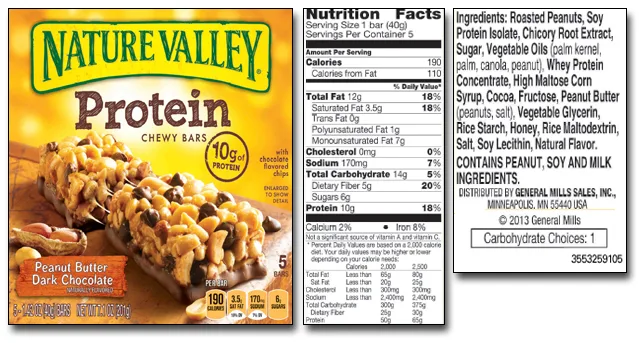
Five steps. Sixty seconds. If a bar clears all five, it's in the clean camp.
If it fails two or more, it doesn't matter what the front of the package says. The back of the package is the truth.
FAQs: The Questions Nobody Answers at the Grocery Aisle
Can a protein bar replace a full meal?
No. A bar delivers protein and a few grams of fat, but virtually zero micronutrients. Per the 2020 to 2025 USDA Dietary Guidelines, you need vitamin D, magnesium, potassium, and fiber that no bar covers.
Treat bars as a supplement to meals, not a swap for them.
Are sugar-alcohol bars actually any better than sugar bars?
They cut the sugar spike but introduce a different problem. Per EFSA tolerable daily intake data, most adults handle under 20g of polyols per day. One sugar-alcohol bar carries 14 to 18g.
Aggregate buyer reviews consistently report bloating and gas once you cross that threshold. You traded one digestive load for another.
Which protein source is best for muscle gain?
Whey isolate posts the highest PDCAAS score at 1.09 per USDA FoodData Central. It digests fast and hits every essential amino acid. Casein is slower and works better as an overnight source.
Pea-and-rice blends give vegans a complete profile. Collagen peptides are supplemental, not a primary builder, because they lack tryptophan.
How many protein bars can I eat in a day?
Two is the practical ceiling for most people. That keeps you under 40g of bar protein and under 200 calories of added sugar or polyols. Beyond two, you're displacing whole meals and the micros those meals provide.
The Dietary Guidelines recommend most protein come from food, not formulation.
Does "organic" or "grass-fed" on the front mean the bar is healthier?
Not automatically. "Organic" governs farming input, not additive count. A bar can be 100% organic and still carry 12 ingredients and 8g added sugar.
"Grass-fed" describes dairy sourcing but doesn't change the processing level. The ingredient list still does all the heavy lifting, regardless of the front-of-pack adjective.