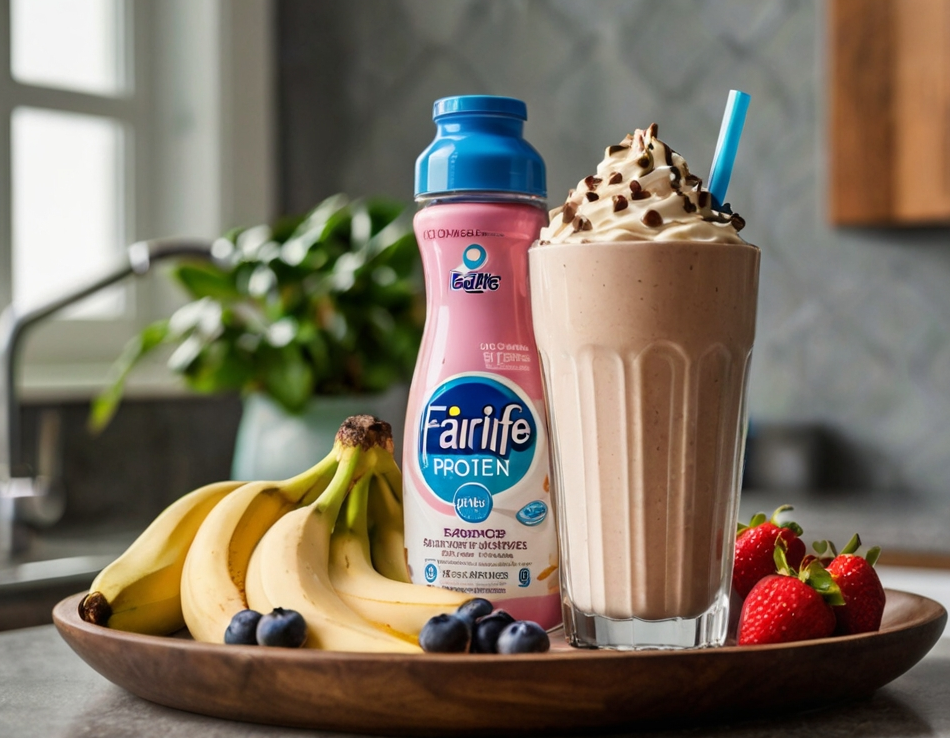
Yes, Fairlife protein shakes can be a healthy and convenient way to get protein, especially when you need a quick, low-sugar drink. However, they are not necessary for everyone, and the best choice depends on your diet, health needs, and the specific Fairlife product.
For Americans balancing work, school, exercise, and busy family schedules, getting enough protein every day can take planning. A ready-to-drink shake may help when there is no time to cook breakfast or prepare a meal after a workout. Fairlife has become a familiar option because its shakes offer a high amount of dairy protein in a small bottle.
The Fairlife nutrition Plan, for example, provides 30 grams of protein, 150 calories, and 2 grams of sugar in an 11.5-fluid-ounce bottle. That is a useful amount of protein for people who want more protein without adding many calories or much sugar. Fairlife also makes Core Power shakes, which have different protein and calorie amounts.
Still, a large protein number does not tell the whole story. Ingredients, added sweeteners, sodium, dairy allergies, kidney health, and the rest of your daily diet all matter. A shake can support a balanced eating plan, but it cannot replace the fiber, variety, and full range of nutrients found in whole foods.
This guide examines Fairlife’s nutrition, possible benefits, drawbacks, and best uses. It also explains who may benefit from these drinks, who should be careful, and how to decide whether one belongs in your daily routine.
Source: marketwisehub.com
What Are Fairlife Protein Shakes?
Fairlife protein shakes are ready-to-drink dairy beverages made with ultra-filtered milk. The brand uses a special filtration process to concentrate milk protein and calcium while reducing some of the natural milk sugar. This gives the drinks more protein than many standard milk beverages.
Fairlife offers several products, and they do not all have the same nutrition facts. Two common product lines are Fairlife Nutrition Plan and Fairlife Core Power. Nutrition Plan is often chosen as a high-protein, lower-calorie drink, while Core Power is marketed toward people who want protein around exercise.
Unlike some protein drinks made mainly with added whey powder, Fairlife Nutrition Plan gets its protein from filtered milk. According to the company, its milk protein naturally contains about 80% casein and 20% whey. Both are complete dairy proteins that provide all nine essential amino acids.
Source: m.media-amazon.com
Fairlife Nutrition Plan
A nutrition shake that provides 30 grams of protein, 2 grams of sugar, and 150 calories per 11.5-fluid-ounce bottle.
Fairlife Core Power
A line of ready-to-drink protein shakes designed for active people. Protein and calorie amounts vary by bottle size and version.
Fairlife Core Power Elite
A higher-protein option that provides 42 grams of protein per 14-fluid-ounce bottle in the commonly sold version.
How Does Ultra-Filtration Work?
Ultra-filtration uses fine membranes to separate and concentrate parts of milk. The process increases the amount of protein in the finished drink while reducing some lactose and natural milk sugar. This helps Fairlife make drinks with more protein per serving than regular milk.
The process does not turn milk into a plant-based drink or remove every milk component. The finished shake remains a dairy product and contains milk proteins. People with a milk allergy must still avoid it.
Concentrated protein
More protein can fit into one bottle without relying only on added protein powder.
Reduced lactose
The filtration process and lactase enzyme help make the drinks suitable for many people with lactose intolerance.
Are All Fairlife Protein Shakes the Same?
No. Nutrition Plan and Core Power have different serving sizes, protein amounts, calories, and other nutrients. Even flavors within the same product line may have slightly different carbohydrate or sodium values.
Always check the exact bottle before buying. A nutrition figure from the chocolate Nutrition Plan should not automatically be applied to a vanilla Core Power shake or a larger high-protein bottle.
Fairlife Protein Shakes Nutrition Facts
Fairlife Nutrition Plan offers a strong protein-to-calorie ratio. One commonly sold 11.5-ounce bottle provides 30 grams of protein for about 150 calories. It also contains only 2 grams of total sugar, which makes it useful for people who want to limit sugary drinks.
The nutrition facts below show a commonly sold Fairlife Nutrition Plan chocolate shake. Values can differ by flavor, product version, and updated packaging, so use the label on your bottle as the final guide.
The numbers help explain why the drink appeals to people who want more protein without a large calorie intake. However, protein is only one part of nutrition. Fiber, vitamins, minerals, sodium, and overall food quality still matter.
Source: images.surferseo.art
Calories
About 150 calories per 11.5-ounce bottle. This is a relatively modest amount for a drink containing 30 grams of protein.
Protein
30 grams per bottle. This can make a meaningful contribution to daily protein intake.
Total sugar
About 2 grams per bottle. Most of the natural milk sugar is reduced during processing.
Total carbohydrates
About 3 to 4 grams in commonly sold versions, depending on flavor.
Total fat
About 2.5 grams per bottle in the commonly sold Nutrition Plan version.
Saturated fat
About 1.5 grams per bottle in the commonly sold version.
Sodium
The amount can vary by flavor. Some product labels list approximately 190 to 230 milligrams per bottle.
Calcium
A commonly sold vanilla version provides about 730 milligrams, or 60% of the Daily Value.
Is 30 Grams of Protein a Lot?
Yes, 30 grams is a substantial amount of protein for one drink. It can provide a large share of an adult’s daily protein needs, although the amount each person needs depends on body weight, age, activity, and health.
The general Recommended Dietary Allowance for healthy adults is 0.8 grams of protein per kilogram of body weight per day. For example, a hypothetical adult weighing 70 kilograms would have a basic reference intake of about 56 grams per day. One 30-gram shake would supply more than half of that amount.
This basic allowance is not a personalized sports nutrition target. People who train regularly, older adults, and people recovering from certain illnesses may have different needs. A high-protein drink should fill a real gap rather than become an automatic extra.
A useful protein source
One bottle can help someone who struggles to get enough protein from regular meals.
Not a daily requirement
You do not need a 30-gram protein shake every day if your normal diet already meets your needs.
Does Fairlife Have a Good Protein-to-Calorie Ratio?
The Nutrition Plan version provides 30 grams of protein in 150 calories. That works out to about five calories for each gram of protein. This is a useful ratio for people who want a concentrated protein source.
However, a good protein-to-calorie ratio does not automatically make a product healthier than every other food. Eggs, fish, chicken, beans, Greek yogurt, and other whole foods provide protein along with different nutrients. The best choice depends on what the rest of your diet needs.
Potential Health Benefits of Fairlife Protein Shakes
Fairlife protein shakes can offer several practical nutrition benefits when they fit into a balanced diet. Their main strength is the combination of complete dairy protein, relatively low sugar, and convenience. These features can help people meet their protein needs without preparing another meal.
The benefits are linked to protein intake and the drink’s nutritional content. Fairlife does not have a special health effect that makes it better than all other protein sources. Its value depends on what you eat, how active you are, and whether you need additional protein.
Source: i5.walmartimages.com
Supports Muscle Maintenance
Protein supplies amino acids that the body uses to maintain and repair muscle tissue. Fairlife provides a convenient source of these building blocks.
Helps With Post-Workout Nutrition
A shake can supply protein after resistance training or another demanding workout. It is useful when a regular meal is not available soon after exercise.
Provides Complete Dairy Protein
Milk naturally contains whey and casein, which supply all nine essential amino acids.
Offers a Low-Sugar Option
The Nutrition Plan version has about 2 grams of sugar, making it an alternative to many sweetened drinks.
A ready-to-drink bottle can help people avoid skipping a snack when their schedule is busy.
May Help Support Muscle Growth and Recovery
Muscles need protein to repair and adapt after exercise. Resistance training creates a stimulus for muscle growth, while dietary protein supplies amino acids used in that process. Fairlife can contribute to this process by providing a concentrated source of dairy protein.
Whey is digested relatively quickly, while casein is digested more slowly. Both provide essential amino acids. Since Fairlife uses natural milk protein, its shakes contain both types.
However, drinking a shake alone will not build muscle. Progressive resistance training, enough total food, adequate sleep, and consistent protein intake all play important roles. A shake is one part of the routine, not a replacement for it.
May Help You Feel Full Between Meals
Protein can help support feelings of fullness. A drink containing 30 grams of protein may be more satisfying than a low-protein sugary beverage. This can make it useful between meals for some people.
Still, liquid foods do not always provide the same fullness as solid meals. Fairlife Nutrition Plan contains little fiber, so it may not keep everyone satisfied for long. Pairing it with fruit, oats, or another fiber-rich food can make a more filling snack.
May Support Weight Management
Fairlife shakes can fit into a weight-management plan because some versions provide substantial protein without many calories. Protein can help maintain muscle during weight loss when combined with an appropriate diet and physical activity.
For example, someone who needs a quick snack may choose a 150-calorie Nutrition Plan shake instead of a much larger sugary coffee drink. That substitution may reduce overall calorie intake while adding protein.
The key is what the shake replaces. Adding it on top of all your usual meals and snacks can increase daily calories. It does not cause weight loss on its own or burn body fat directly.
Provides Calcium and Other Nutrients
Some Fairlife Nutrition Plan versions provide a useful amount of calcium, along with added vitamins such as vitamin D and vitamin A. Calcium helps maintain bones and teeth, while vitamin D supports calcium absorption and bone health.
The exact nutrient amounts vary by flavor and product. Check the Nutrition Facts label rather than assuming every Fairlife bottle provides the same vitamins and minerals.
Are Fairlife Protein Shakes Bad for You?
Fairlife protein shakes are not inherently bad for you, but they are not ideal for every person or every diet. Their high protein content can be helpful, while their sweeteners, limited fiber, dairy ingredients, and sodium may matter to certain consumers.
The presence of processed ingredients does not automatically mean a food is harmful. At the same time, a low-sugar label does not make a drink a complete or necessary part of a healthy diet. It is better to look at the full ingredient list and your personal needs.
Source: m.media-amazon.com
Limited Fiber
Most Fairlife protein shakes contain little or no dietary fiber. Whole fruits, vegetables, beans, and whole grains remain important sources of fiber.
Non-Nutritive Sweeteners
Some versions contain sucralose, acesulfame potassium, stevia, or monk fruit ingredients. People who dislike their taste or experience digestive discomfort may prefer another drink.
Dairy Protein
Lactose-free does not mean dairy-free. People with a milk protein allergy should avoid Fairlife shakes.
Sodium Content
Some bottles contain around 200 milligrams of sodium or more. People who need to limit sodium should include this amount in their daily total.
Extra Protein
Drinking more protein than your body needs does not guarantee more muscle or better health.
Do Fairlife Shakes Contain Artificial Sweeteners?
Some Fairlife protein shakes contain non-nutritive sweeteners. Depending on the product and flavor, the ingredient list may include sucralose, acesulfame potassium, stevia leaf extract, and monk fruit juice concentrate.
These ingredients help create a sweet taste without adding much sugar. Their presence is worth knowing if you prefer foods with fewer added sweeteners or dislike the taste of certain sugar substitutes.
Approved sweeteners have established safety standards for their permitted uses. However, individual tolerance and taste preferences vary. Some people report bloating or other digestive discomfort after consuming products containing certain sweeteners, although the cause can vary.
If a particular shake does not agree with you, stop drinking it and compare its ingredients with other foods you consume. You can also choose an unsweetened or lightly sweetened protein source.
Are the Ingredients Too Processed?
Fairlife shakes are processed beverages. Their ingredients may include filtered milk, cocoa, natural flavors, cellulose gum, cellulose gel, carrageenan, lactase enzyme, salt, and sweeteners.
Some of these ingredients serve practical functions. Cellulose ingredients and carrageenan help maintain texture and prevent separation. Lactase helps break down lactose.
A long ingredient list does not prove that a product is unsafe. The more useful questions are whether the drink meets your nutrition needs, whether you tolerate its ingredients, and how often it replaces less processed foods.
Can Drinking Too Much Protein Be a Problem?
Yes, excessive protein intake can be a concern, especially for people with certain health conditions. More protein is not always better, and a 30-gram shake may be unnecessary if meals already provide enough.
People with chronic kidney disease may need an individualized protein target. The National Institute of Diabetes and Digestive and Kidney Diseases advises people with kidney disease to work with a health professional or dietitian to determine the right amount and sources of protein.
If you have kidney disease, liver disease, or another condition that affects nutrition, do not start drinking several high-protein shakes each day without medical guidance.
Who Should Drink Fairlife Protein Shakes?
Fairlife protein shakes may be useful for people who need convenient protein and can tolerate dairy. They are especially practical for people with busy schedules, active lifestyles, or difficulty getting enough protein from regular meals.
However, not everyone needs a protein supplement. People who already eat enough protein may gain little from adding another 30 grams to their diet. The best decision depends on your eating habits, activity level, health, and personal preferences.
Source: healthyfoodforliving.com
People Who Exercise Regularly
A shake can provide protein after strength training, running, or another demanding activity when a meal is not immediately available.
Busy Workers and Students
A ready-to-drink bottle can be a convenient snack during a busy workday or school schedule.
People With Higher Protein Needs
Some older adults, active people, and individuals with increased nutritional needs may find a concentrated protein source useful after discussing their needs with a health professional.
People Limiting Sugar
The Nutrition Plan version may suit people looking for a high-protein drink with relatively little sugar.
People With Lactose Intolerance
Many people who have difficulty digesting lactose can tolerate lactose-free dairy products. Individual reactions still vary.
Are Fairlife Protein Shakes Good for Weight Loss?
They can fit into a weight-loss eating plan. The Nutrition Plan version provides 30 grams of protein for about 150 calories, which may help someone add protein without consuming a large number of calories.
A shake can be useful as a planned snack or as part of a meal. For example, you could drink one with a piece of fruit when you need a quick option between lunch and dinner.
However, weight loss depends on your overall energy intake, activity, sleep, and long-term habits. Drinking Fairlife does not automatically create a calorie deficit. If the shake becomes an extra snack rather than a replacement for something else, it may add calories to your day.
Are Fairlife Protein Shakes Good for Older Adults?
Older adults may benefit from adequate protein because it helps maintain muscle and supports normal body functions. Appetite changes, dental problems, and limited meal preparation can sometimes make it harder to meet protein needs.
A Fairlife shake may provide a convenient option when eating a full meal is difficult. Still, older adults should not rely on it as their main source of nutrition. Whole foods provide fiber and other nutrients that a protein drink may lack.
Anyone with kidney problems, swallowing difficulties, diabetes, or a medically prescribed diet should discuss suitable drinks with a healthcare professional.
Are Fairlife Shakes Suitable for People With Diabetes?
Some Fairlife shakes may fit into a diabetes-friendly eating plan because the Nutrition Plan version contains about 2 grams of sugar and only a few grams of total carbohydrates. This may make it easier to manage carbohydrate intake compared with many sweetened beverages.
However, total carbohydrates matter, not just sugar. Ingredients, serving size, the rest of the meal, medications, and individual glucose responses can all affect the decision.
People with diabetes should review the full Nutrition Facts label and follow their own meal plan. A low-sugar protein drink does not treat diabetes or replace prescribed care.
Who Should Avoid or Limit Fairlife Protein Shakes?
Although many healthy adults can include Fairlife shakes in their diets, certain people should avoid them or seek professional advice first. The most important distinction is between lactose intolerance and a milk allergy. These conditions are not the same.
A lactose-free product may help someone who has trouble digesting milk sugar. It does not remove the milk proteins that can trigger an allergic reaction.
People With Milk Allergies
Fairlife shakes contain milk proteins. They are not safe substitutes for dairy-free products for people with a milk allergy.
People With Chronic Kidney Disease
Protein needs can change with kidney function and treatment. Ask a renal dietitian or healthcare professional before adding a high-protein drink.
People Who Experience Digestive Discomfort
If a shake causes bloating, gas, nausea, or diarrhea, stop using it and consider whether its dairy proteins or other ingredients may be responsible.
People on Restricted Diets
Those who must limit sodium, phosphorus, potassium, or certain nutrients should check the full label and follow their prescribed diet.
People Who Already Meet Their Protein Needs
An additional high-protein drink may provide little benefit if your usual meals already supply enough protein.
Lactose Intolerance Versus Milk Allergy
Lactose intolerance happens when the body has trouble digesting lactose, a natural sugar in milk. Symptoms may include gas, bloating, stomach pain, and diarrhea. Fairlife uses ultra-filtration and lactase to reduce lactose, which may help many people with this condition.
A milk allergy involves the immune system reacting to milk proteins. Even a lactose-free drink can cause an allergic reaction because the proteins remain. People with a confirmed milk allergy should avoid Fairlife products.
If you experience swelling, breathing problems, or signs of a severe allergic reaction after consuming a dairy product, seek emergency medical care.
What About People With Kidney Problems?
Protein breaks down into waste products that the kidneys help remove from the blood. People with chronic kidney disease may need to adjust the amount and type of protein they consume.
A 30-gram shake can represent a large share of someone’s daily protein allowance. For another person, it may fit their prescribed intake. The right amount depends on kidney function, disease stage, dialysis status, and other health factors.
Do not assume that a high-protein shake is harmless simply because it is sold as a regular grocery product. Follow the protein and mineral targets set by your healthcare team.
When Is the Best Time to Drink a Fairlife Protein Shake?
There is no single best time to drink a Fairlife protein shake. The most useful time is when it helps you meet your daily protein needs without interfering with balanced meals.
Protein intake across the day matters more than following a strict shake schedule. You do not need to drink Fairlife immediately after your workout to receive a benefit. A convenient serving after exercise, between meals, or at breakfast can all work.
After a Workout
Drink a shake when you need a convenient protein source after exercise, especially if your next meal is several hours away.
At Breakfast
Pair it with oatmeal, fruit, or whole-grain toast for a more balanced morning meal.
Between Meals
Use it as a planned snack when your normal meals do not provide enough protein.
Before Bed
A protein drink can be part of an evening snack if it fits your daily nutrition needs, but there is no requirement to drink one before sleeping.
Should You Drink Fairlife Before or After Exercise?
Both options can work. Drinking protein before exercise may help you meet your daily intake, while drinking it afterward can provide amino acids for muscle repair and recovery.
If you have eaten a balanced meal before your workout, there is usually no need to rush to drink a shake the moment you finish. If you are hungry or cannot eat a full meal soon, Fairlife can be a convenient option.
Water should remain your main drink for normal hydration. A protein shake is food, not a replacement for adequate fluid intake.
Can You Drink Fairlife Every Day?
Many healthy adults can include one Fairlife protein shake in their daily diet if it fits their nutrition needs. However, daily use is not necessary, and drinking more than one bottle does not automatically improve health or muscle growth.
Think about your full day’s food intake. If you already get plenty of protein from eggs, fish, meat, beans, dairy, and other foods, another shake may not add much value.
Variety matters. Rotate protein sources and eat vegetables, fruits, whole grains, nuts, and other nutrient-rich foods rather than depending on bottled drinks every day.
How to Include Fairlife Protein Shakes in a Balanced Diet
The best way to use Fairlife is to treat it as one part of your eating plan. A protein shake can fill a gap, but it should not push whole foods out of your diet.
Since Nutrition Plan contains little fiber, pairing it with foods that provide fiber can make a more balanced snack. You can also combine it with a meal when you need additional protein.
The goal is not to drink as much protein as possible. The goal is to get the amount your body needs while maintaining a varied diet.
With Fresh Fruit
Pair a shake with an apple, banana, berries, or an orange. This adds fiber, vitamins, and other plant nutrients.
With Oatmeal
Serve it alongside oatmeal for a quick breakfast with protein and whole-grain carbohydrates.
With Nuts
A small serving of almonds or walnuts adds healthy fats, fiber, and extra energy.
With Whole-Grain Toast
Combine a shake with whole-grain toast and peanut butter for a more filling snack or light meal.
With a Regular Meal
Use a shake alongside a balanced meal when you need more protein, but consider whether the additional calories are appropriate.
Example of a Balanced Day With One Fairlife Shake
The following is a hypothetical example of how someone might include one Nutrition Plan shake in a varied day of eating. It is not a prescribed meal plan, and portions should reflect personal energy and nutrition needs.
Breakfast could include oatmeal, berries, and eggs. Lunch might include grilled chicken, brown rice, and vegetables. A Fairlife shake with an apple could serve as an afternoon snack, followed by salmon, potatoes, and a green salad at dinner.
This approach uses the shake to add protein while keeping whole foods at the center of the diet. It also supplies different food groups instead of relying on one bottled drink for most nutrients.
Do Not Use It as Your Only Source of Protein
Fairlife provides dairy protein, but a varied diet offers a wider range of nutrients. Fish provides omega-3 fats, beans offer fiber, eggs supply several vitamins, and nuts contribute healthy fats.
Eating different protein sources can make your diet more balanced. A shake is most useful when convenience or a specific protein gap makes it worthwhile.
Fairlife Protein Shakes Compared With Other Protein Sources
Fairlife is one of several ways to increase protein intake. Its biggest advantage is convenience, while other protein sources may offer more fiber, different vitamins, or a lower cost.
The right choice depends on your priorities. If you need a ready-to-drink beverage, Fairlife may be practical. If you have time to prepare food, regular meals may offer better overall variety.
Fairlife Versus Whey Protein Powder
Fairlife is ready to drink and uses filtered milk protein. Whey powder often costs less per serving and allows you to control the liquid and other ingredients.
Fairlife Versus Greek Yogurt
Greek yogurt provides dairy protein and may offer live cultures depending on the product. It can also be paired with fruit, nuts, or seeds.
Fairlife Versus Eggs
Eggs provide complete protein and several nutrients. They require preparation and usually provide less protein per serving than a 30-gram shake.
Fairlife Versus Plant Protein
Soy, pea, and blended plant proteins can suit people who avoid dairy. Their protein amounts and ingredient lists vary by product.
Fairlife Versus Regular Milk
Regular milk provides protein, calcium, and other nutrients. Fairlife uses ultra-filtration to concentrate protein and reduce some milk sugar.
Which Is Better: Fairlife or Protein Powder?
Neither is automatically better. Fairlife offers convenience because you can open the bottle and drink it. Protein powder usually requires mixing but may provide more servings for the money.
A plain whey protein powder may also give you more control over sweetness, flavor, and serving size. However, some powders contain added sugars, flavors, gums, or sweeteners too.
Compare the cost per 20 to 30 grams of protein, the ingredient list, and your ability to tolerate the product. The best choice is the one that fits your budget and routine.
Is Fairlife Healthier Than Regular Milk?
Fairlife protein shakes are not a direct substitute for regular milk in every situation. Nutrition Plan offers much more protein per serving than a typical glass of milk, but its added flavors and sweeteners make it a different product.
Regular milk can be a simple source of protein, calcium, and other nutrients. It may be enough for people who do not need a concentrated protein drink.
Choose based on your needs rather than assuming that more protein always means better nutrition.
Common Mistakes to Avoid When Drinking Fairlife Protein Shakes
Even a nutritious drink can become a poor fit when people use it without considering their overall diet. A few simple checks can help you get more value from Fairlife while avoiding common mistakes.
The most useful habit is to read the bottle, understand your protein needs, and decide what role the shake will play in your meals.
Assuming All Fairlife Products Have the Same Nutrition
Nutrition Plan, Core Power, and higher-protein versions have different formulas and serving sizes. Check the exact label.
Ignoring Total Calories
A shake still contributes calories. Adding it to an already sufficient diet can increase your daily energy intake.
Thinking Lactose-Free Means Dairy-Free
Fairlife still contains milk proteins. It is not suitable for people with a milk allergy.
Replacing Every Meal With a Shake
A protein drink does not provide the full variety of nutrients found in a balanced meal.
Drinking More Protein Than Needed
Extra protein does not automatically lead to extra muscle. Match your intake to your actual needs.
Forgetting Fiber
Most Fairlife shakes contain little fiber. Continue eating fruit, vegetables, legumes, and whole grains.
How to Choose the Right Fairlife Bottle
Start with the product name and serving size. Decide whether you need a 30-gram Nutrition Plan shake or a Core Power version designed for a different protein and calorie target.
Next, review protein, calories, total carbohydrates, total sugar, saturated fat, sodium, and the ingredient list. If you are limiting a specific nutrient for medical reasons, check that amount carefully.
Finally, compare the price per bottle with other protein options. A convenient product may be worth the extra cost, but convenience is not the same as nutritional necessity.
For a Lower-Calorie Protein Snack
Consider the Nutrition Plan version if its 150-calorie, 30-gram protein profile suits your needs.
For Exercise Nutrition
Compare the Core Power versions and choose the protein amount that fits your daily target.
For Dairy Avoidance
Choose a suitable dairy-free protein drink instead of Fairlife.
For Ingredient Simplicity
Compare the full ingredient lists and consider an unsweetened protein source if you prefer fewer added ingredients.
Frequently Asked Questions
Q
Are Fairlife protein shakes good for you every day?
Yes, many healthy adults can drink one Fairlife protein shake daily if it fits their overall nutrition needs. The Nutrition Plan version provides 30 grams of protein, 150 calories, and about 2 grams of sugar.
However, daily use is not necessary. Eat a varied diet with whole foods, and avoid adding more protein than your body needs. People with kidney disease or special dietary restrictions should seek professional advice.
Q
Do Fairlife protein shakes help build muscle?
They can support muscle growth by providing complete dairy protein and essential amino acids. Protein helps repair and maintain muscle tissue after resistance exercise.
However, the shake alone cannot build muscle. Consistent strength training, enough total calories, adequate sleep, and balanced protein intake throughout the day are also important.
Q
Are Fairlife protein shakes good for your stomach?
Many people with lactose intolerance can tolerate Fairlife because its products are lactose-free. The filtration process and lactase enzyme help reduce lactose in the finished drink.
However, some people may experience bloating or digestive discomfort from milk proteins, sweeteners, or other ingredients. People with milk allergies should avoid these products completely.
Q
Do Fairlife protein shakes contain added sugar?
The commonly sold Fairlife Nutrition Plan shake contains about 2 grams of total sugar per bottle. Its label may list zero added sugar, depending on the flavor and product version.
Some versions use sweeteners such as sucralose, acesulfame potassium, stevia, and monk fruit ingredients. Check the current label because recipes can vary.
Q
Can Fairlife protein shakes replace a meal?
Fairlife Nutrition Plan can serve as a convenient snack or part of a light meal, but it should not automatically replace a complete meal. It provides plenty of protein but little fiber and may not supply enough calories or food variety.
If you use it as part of a meal, pair it with whole foods such as fruit, vegetables, whole grains, or nuts. This helps provide a broader range of nutrients.
Q
Are Fairlife protein shakes good for weight loss?
They can fit into a weight-loss plan because the Nutrition Plan version provides 30 grams of protein in about 150 calories. Protein may help with fullness and muscle maintenance during weight loss.
However, the shake does not directly burn fat. Its effect depends on your overall food intake, activity, and long-term habits.
Q
Are Fairlife protein shakes safe for people with diabetes?
Some Fairlife shakes may fit into a diabetes meal plan because they contain relatively little sugar and few carbohydrates. However, total carbohydrates, serving size, and individual blood glucose responses still matter.
People with diabetes should check the full Nutrition Facts label and follow advice from their healthcare team. A low-sugar drink is not a treatment for diabetes.
✦ Wrapping Up
Conclusion
So, are Fairlife protein shakes good for you? For many healthy adults, yes. They offer a convenient way to get a substantial amount of complete dairy protein without consuming a large number of calories or much sugar. The Fairlife Nutrition Plan version provides 30 grams of protein, about 150 calories, and 2 grams of sugar per 11.5-ounce bottle.
These drinks may help active people support muscle recovery, busy workers get a quick snack, and people with limited appetites increase their protein intake. Their lactose-free formula can also work for many people who have difficulty digesting lactose.
However, Fairlife shakes are not perfect for everyone. They contain dairy proteins, some versions use non-nutritive sweeteners, and most provide little fiber. People with milk allergies must avoid them, while those with kidney disease or special nutrition needs should follow professional guidance.
The most sensible approach is to use Fairlife when it solves a real nutrition problem. If you already get enough protein from whole foods, you may not need an extra shake. A balanced diet should still include fruits, vegetables, whole grains, healthy fats, and different protein sources.
💡 Key Takeaway
Before buying Fairlife protein shakes, check the exact product’s Nutrition Facts label, compare its protein and calorie content with your daily needs, and review the ingredients for anything you need to avoid. If the drink fits your health goals and dietary needs, it can be a useful addition to a balanced eating plan.
You’re in the healthfood aisle, and every wrapper says “protein bar.” Some have 4 grams of protein and 18 grams of sugar. Others list 14 ingredients you can’t…
Compare nutrition shake powder vs ready to drink options for cost, taste, ease, nutrition, storage, and daily use. Find the better fit for your routine.