Guide to Are There Any Healthy Protein Bars
You're in the health-food aisle, and every wrapper says "protein bar." Some have 4 grams of protein and 18 grams of sugar. Others list 14 ingredients you can't pronounce. The question you keep asking: are there any healthy protein bars that aren't just candy in a gym-bro costume?
Here's the catch. The FDA has no official "protein bar" category. A bar with 6 grams and one with 27 grams share the same shelf.
As of 2026, the only hard regulatory line is the Added Sugars panel, phased in by the FDA through 2025. Once you know where to look, sorting real food from engineered product takes 30 seconds.
Quick Answer
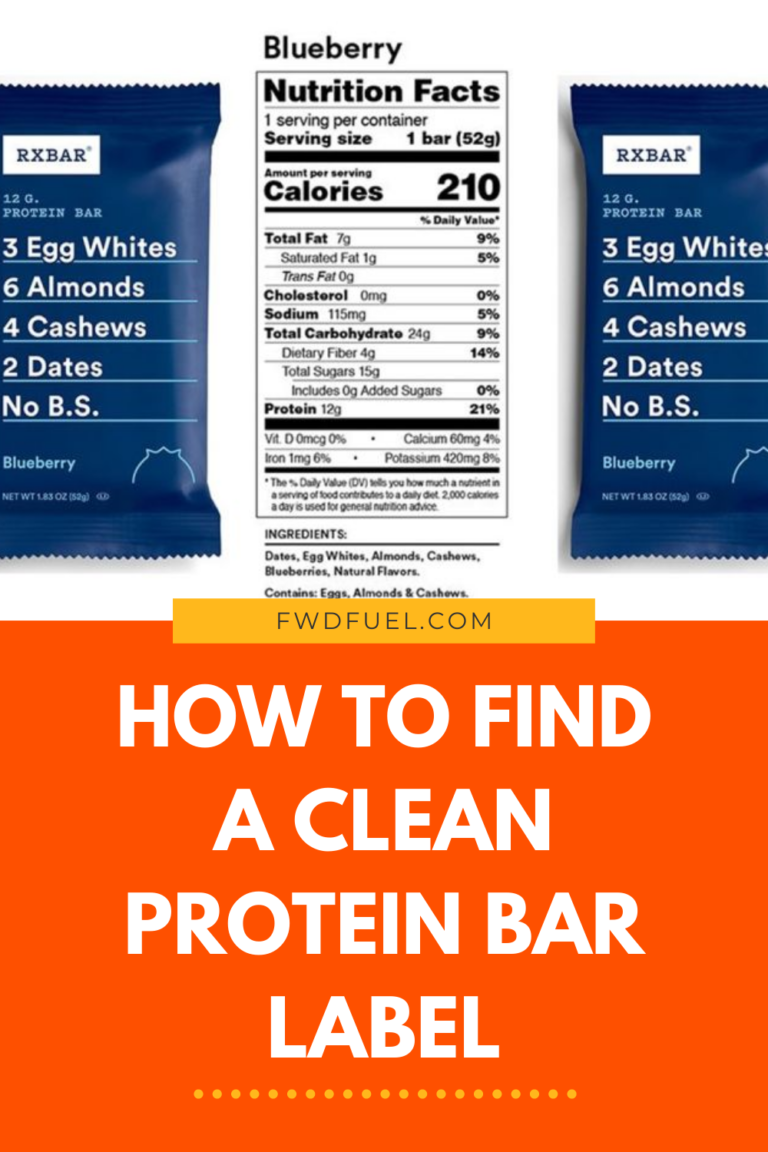
Yes. RXBAR and GoMacro Bars both clear a strict whole-food ingredient test. Each delivers 12 to 14 grams of protein with zero added sugar.
The rule is simple: if the back-of-package list runs past eight items, walk away.
Yes, but "healthy" is a 5-ingredient checklist, not a label
The word "healthy" on the front of a bar means nothing to the FDA. There's no regulatory definition for it. What you actually need is a five-point checklist you run against the back label before the bar hits your cart.
Here are the five checks:
- Ingredient count at 8 or fewer. Every item should be something you'd recognize and buy in a grocery store. Dates. Peanut butter. Egg whites. If you need a chemistry degree to read the list, put it back.
- Protein source is whole food or a single isolate. Peanut protein, egg white, one whey isolate. The moment you see three or four different protein powders stacked together, you're in engineered-product territory.
- Added sugar at 5 grams or less. Natural sugar from a small amount of dates or honey is fine. The FDA now requires a separate "Added Sugars" line on the Nutrition Facts panel, which makes this easy to verify.
- Fat source is clean. Coconut oil, peanut butter, a little sunflower oil. If you see "vegetable oil blend," palm kernel oil, or anything hydrogenated, skip it.
- Emulsifier and stabilizer load is minimal. One trace of sunflower lecithin is okay. Multiple gums, modified food starch, and carrageenan together mean the bar was built for texture and shelf life, not nutrition.
Run all five. Pass four out of five and the bar is probably fine. Miss two or more and you're eating a food product, not food.
The back-of-package test that separates real food from a chemistry set
You don't need a nutrition degree. You need 30 seconds and the habit of flipping the bar over before you look at the front. Here's the exact sequence:
- Count the ingredients. Not the macros. The ingredient list. Eight or fewer means you're looking at real food. Twelve or more means a food scientist built this in a lab.
- Find where the protein actually comes from. Is it "peanut butter" and "egg whites"? Good. Is it "whey protein isolate, rice protein, pea protein, inulin, maltitol, soy lecithin"? That's a matrix, not a food.
- Check the Added Sugars line. The FDA now requires this to appear separately on the Nutrition Facts panel. If it reads "Added Sugars: 0g" but the ingredient list includes dates and honey, those are natural sugars, not added. That's a different and better story.
- Do the protein-to-calorie math. Multiply grams of protein by 4. That's the protein calorie share. Divide by total calories. You want at least 25 percent. Under 20 percent means you're mostly eating carbs and fat wearing a protein label.
- Check the fat source. Coconut oil and a small amount of nut butter are fine. "Palm kernel oil" or "vegetable oil" in the top three ingredients is a red flag.
The whole process takes less time than reading the marketing claims on the front. And it's the only method that actually works.
Eight protein bars that actually pass the test (and three that don't)

Here's the shortlist of bars that clear all five checks, plus three popular options that don't. The table shows why each made or missed the cut.
| Bar | Protein | Ingredients | Added Sugar | Best For |
|---|---|---|---|---|
| RXBAR | 12 g | 3 | 0 g | Minimal-ingredient snacking |
| GoMacro (Peanut Butter Banana) | 14 g | 5 | 0 g (dates) | Plant-based, budget-friendly |
| No Bar | 25 g | 6 | 0 g (stevia) | High-protein target, zero sugar |
| One Bar | 12 g | 5 | 0 g | Quick grab-and-go |
| Primal Kitchen Collagen | 15 g | 6 | 0 g | Paleo, no-dairy |
| Abar | 20 g | 7 | 0 g (erythritol) | Low-glycemic, diabetic-friendly |
| NuGo | 10 g | 6 | 0 g (dates + stevia) | Lighter protein, picky eaters |
| Perfect Bar | 18 g | 8 | 4 g | Those who want a little sweetness |
Three that fail:
- Quest Bar. 21 to 27 g protein, sure. But 14 ingredients, maltitol, polydextrose, and a full emulsifier stack. It's a product, not food.
- Clif Bar. 6 to 9 g protein, 12 to 15 g sugar. It's a fuel bar for athletes, not a healthy snack.
- 100 Calorie Bar. 1 to 2 g protein. It's a candy bar with a calorie label.
The pattern is clear. Bars with three to seven ingredients and a whole-food protein base clear the test. The rest are engineered for taste and shelf life, not nutrition.
Which bar fits your specific situation
The "best" protein bar changes depending on what you're actually trying to do. Here's how to match the bar to the moment:
- Post-workout, need 20+ g protein fast. No Bar (25 g) or Abar (20 g). Both are zero-sugar, so you're not spiking insulin right after training.
- Managing blood sugar (pre-diabetes, PCOS, T2). Abar or Primal Kitchen Collagen Bar. Erythritol-sweetened or no sweetener. GI impact near zero. The WHO recommends keeping free sugars under 10 percent of daily energy. One bar with 15 g of sugar blows that budget.
- Vegan or plant-based only. GoMacro (peanut + soy) or a pea-only variant. Skip anything with whey, casein, or egg.
- On a tight budget, buying 10+ bars a week. GoMacro and RXBAR at grocery-store prices ($1.50 to $2.25 each) beat the $3 premium tier. You're still getting whole-food protein.
- You hate "processed" taste. RXBAR and GoMacro. They taste like a date-and-peanut-butter energy bite, not a chalky protein square.
- Picky eater or kid at the table. Perfect Bar. Four grams of sugar keeps it approachable without it tasting like pure protein powder.
There's no single "winning" bar. There's the right bar for your specific constraint.
The traps that sneak "unhealthy" into a "healthy" bar
A few deceptions show up on nearly every shelf. Once you know what to look for, you'll spot them in seconds.
"No sugar added" does not mean "no sugar." The FDA allows this claim if added sugar is under 0.5 grams per serving. But dates, honey, and fruit juice concentrates are all sugar. A bar can say "no sugar added" while delivering 12 grams of fructose from Medjool dates.
Check the total sugars line, not just the "added" line.
"Fiber" that isn't fiber. Some bars list 6 grams of fiber, and you feel good about it. Then you check the ingredient list and see "inulin, maltodextrin, dextrose" in the fiber source. That's industrial bulk filler.
Real fiber comes from oats, chia, or flax. If the fiber is an "added" bullet-point, it's likely a fructan powder that adds zero nutritional value.
Sugar alcohols in disguise. Maltitol has a glycemic index around 35. At 12 to 14 grams per bar, it still nudges blood sugar. And in sensitive stomachs, 15+ grams of any sugar alcohol triggers osmotic diarrhea.
If you're buying a "zero sugar" bar and the ingredient list says "maltitol" first, that's not a zero-sugar bar. It's a sugar-alcohol bar.
The "organic" or "natural" halo. Neither term is a regulated standard in the US. "Natural" is an enforcement guideline, not a definition. "Organic" means no synthetic pesticides, but the bar can still be loaded with emulsifiers and protein isolates.
Front-of-pack badges don't replace the back-of-package check.
Protein isolation at the cost of satiety. A bar that's 60 percent whey isolate by weight is technically high-protein. But it's also a highly processed dairy byproduct with no whole-food context. Satiety research in the American Journal of Clinical Nutrition shows that whole-food protein sustains hunger longer than the same gram of isolate in a bar matrix.
The processing changes the curve.
What healthy protein bars cost per gram of protein (and when cheaper wins)
The price gap between a whole-food bar and an engineered one is smaller than most people expect. Here's the per-gram breakdown at average US grocery pricing as of 2026:
| Bar | Avg Price | Protein | Cost per g Protein |
|---|---|---|---|
| RXBAR | $1.85 | 12 g | $0.15 |
| GoMacro | $1.75 | 14 g | $0.13 |
| No Bar | $2.75 | 25 g | $0.11 |
| Abar | $2.50 | 20 g | $0.13 |
| Quest | $1.30 | 21 g | $0.06 |
| Clif | $1.25 | 8 g | $0.16 |
Quest looks like the value play at $0.06 per gram. But it fails the ingredient checklist from earlier. Maltitol, polydextrose, soy lecithin, and a full emulsifier stack.
You're paying for protein density, not nutrition.
Where cheaper actually wins:
- GoMacro at $1.75 beats RXBAR at $1.85 on both protein and price. Five ingredients, zero added sugar, 14 g protein.
- No Bar at $2.75 costs less per gram of protein ($0.11) than RXBAR ($0.15). You're getting 25 g for under three dollars.
- Bulk buying at Costco or Sam's Club drops No Bar to roughly $0.90 to $1.30 per bar. That puts the per-gram cost under $0.06, matching Quest's price while passing the ingredient test.
The rule is simple: compare cost per gram of protein, not cost per bar. A $2.75 bar with 25 g protein is cheaper than a $1.85 bar with 12 g.
Quick answers to the questions people actually ask at the shelf
Can I eat two protein bars a day and stay under a healthy sugar budget?
Yes, if each bar carries 5 grams or less of added sugar. The AHA recommends under 25 grams of added sugar per day for women and 36 for men. Two bars at 4 grams each use 8 grams total.
Stick to the zero-sugar options like No Bar or Abar and you'll barely register on the budget.
Are "no sugar" bars actually sugar-free, or is that just marketing?
They're not truly sugar-free. "No sugar" usually means no added sugar. Dates, honey, and fruit juice in the ingredient list are still sugar.
The FDA's Added Sugars line separates the two. If that reads 0 grams but total sugars read 12, those 12 grams came from fruit. Better than added sugar, but not zero.
Is a protein bar better than just drinking a shake?
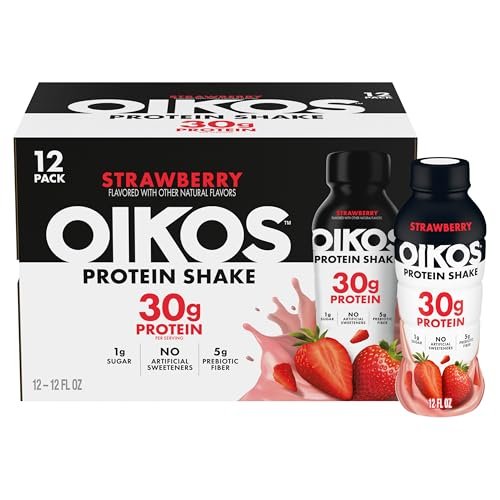
For convenience on the go, yes. You can't sip a shake mid-errand or on a plane. But per calorie, a whey shake with water delivers more protein at a lower cost.
Roughly $0.04 per gram versus $0.11 to $0.15 for a bar. If you're driving or at a desk, the bar wins. At home, the shake is cheaper and simpler.
Do collagen protein bars actually build muscle?
Not directly. Collagen has an incomplete amino acid profile. It's low in tryptophan and leucine, the two acids that trigger muscle protein synthesis.
Primal Kitchen's bar is fine as a snack. But if your goal is muscle gain, a bar built on whey, egg, or a complete plant protein will outperform it every time.
How do I store protein bars so they don't go bad?
Date-based bars like RXBAR and GoMacro last 12 to 18 months unopened in a cool, dry pantry. Whey-heavy bars with palm oil can go rancid faster in heat. Keep storage below 75 degrees Fahrenheit.
If you notice a waxy or off smell, the fat has oxidized. Toss it and grab a fresh pack.