Meal Bars vs Protein Bars Differences: A Practical Guide

Is KIND Protein MAX Good?
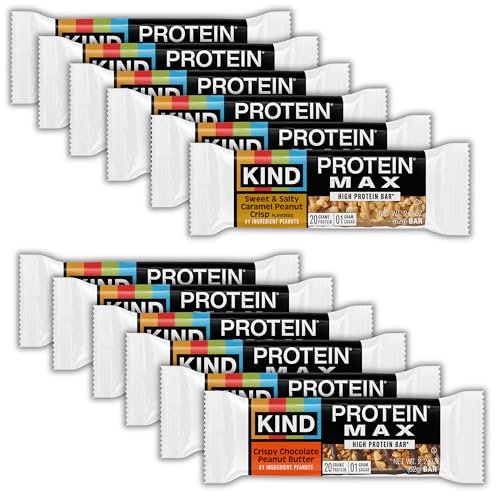
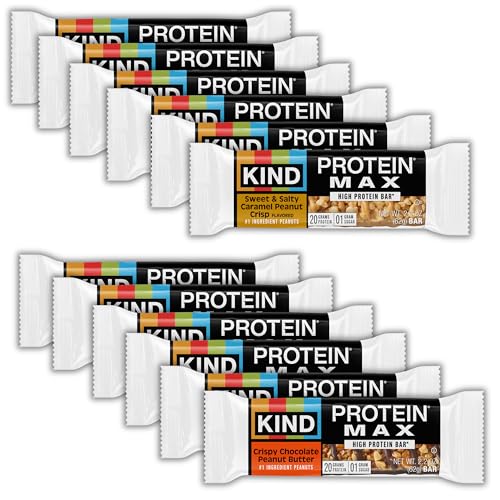
Yes, if you want a protein bar that also brings a useful amount of fiber and calories. The KIND Protein MAX Sweet & Salty Caramel Peanut Crisp has 20g of protein, 10g of dietary fiber, 24g of carbohydrates, 13g of fat, and 240 calories per 62g bar. It also has 1g of total sugar and 0g of added sugar. That makes it more filling than many small protein snacks.
In a typical U.S. workday, I would treat a bar like this as a strong breakfast bridge, desk snack, or post-workout option. It can help when lunch is still an hour away. Still, I would not call it a complete meal by default. A real meal usually gives you more food volume and a wider mix of foods. This is one of the most useful meal bars vs protein bars differences: calories and protein alone do not make a bar a full meal.
What Makes It Stand Out / Key Features
- 20g ProteinIt delivers 20g of protein per 62g bar, which makes it useful for people who want a larger protein serving.
- 10g FiberThe bar provides 10g of dietary fiber, which can support fullness and makes it more substantial than many snack bars.
- 240 CaloriesIts calorie level is higher than many small snack bars, making it more useful when you need meaningful energy.
- Low SugarIt contains 1g of total sugar and 0g of added sugar per bar.
- Peanut First IngredientPeanuts are listed first, giving the bar a nut-based texture and a source of fat and protein.
- Gluten FreeThe product is marketed as gluten free and comes individually wrapped for easy carrying.
My Recommendation
Consider KIND Protein MAX if you want a filling protein bar with high fiber and very little sugar. It suits busy mornings, workdays, hiking, and post-workout use. For a true meal replacement, pair it with other foods when needed.
| Best For | Why |
|---|---|
| Busy workdays | It offers protein, fiber, fat, and 240 calories in one portable bar. |
| Post-workout snack | The 20g protein serving can help people add protein after training. |
| Long gaps between meals | Its protein and fiber make it more substantial than many small snack bars. |
Is FULFIL Protein Bar Good?
Yes, if your main goal is a convenient protein snack with a sweet, candy-like feel. FULFIL Chocolate Salted Caramel Protein Bars provide 15g of protein per 40g bar, along with 2g of net carbs and 1g of sugar. The soft nougat center and chocolate coating make the bar easy to view as a treat as well as a protein snack.
For a busy American day, this type of bar fits well in a gym bag, office drawer, or travel bag. I would reach for it when I want protein without making a full meal. Compared with the broader meal bars vs protein bars differences, FULFIL sits firmly on the protein-snack side. It is compact and protein focused, but it is not designed to cover every part of a balanced meal.
What Makes It Stand Out / Key Features
- 15g ProteinEach 40g bar provides 15g of protein, making it useful for quick protein intake.
- 1g SugarThe bar contains 1g of sugar, which keeps the sugar content low.
- 2g Net CarbsThe listed nutrition profile makes it attractive to shoppers looking for a lower-net-carb protein snack.
- Soft TextureThe bar uses a soft and chewy nougat center with crisp pieces and a chocolate coating.
- 40g Bar SizeIts smaller size makes it easy to carry and use as a snack rather than a large meal.
- Gluten FreeThe product is marketed as gluten free, which can help shoppers with gluten-related dietary needs.
My Recommendation
Choose FULFIL when you want a compact protein snack with low sugar and a dessert-like texture. It works well for the gym, office, travel, and short gaps between meals.
| Best For | Why |
|---|---|
| Quick protein snack | The 15g protein serving is simple to add to a busy day. |
| Sweet cravings | Chocolate and salted caramel flavors give it a more indulgent feel. |
| Travel and gym bags | The compact 40g format is easy to carry and eat on the go. |
meal bars vs protein bars differences: Side-by-Side Test
The biggest meal bars vs protein bars differences start with the job each bar tries to do. A meal bar aims to stand in for a meal. A protein bar usually aims to raise protein intake or control hunger between meals.
The two products here are both protein-focused bars. KIND Protein MAX has a larger 62g serving with 240 calories, 20g protein, and 10g fiber. FULFIL is smaller at 40g and provides 15g protein, 1g sugar, and 2g net carbs. The exact nutrition of meal bars varies by brand, so the label still matters.
Purpose: Meal or Snack?
Purpose is one of the clearest meal bars vs protein bars differences. A meal bar tries to cover more nutrition, while a protein bar often has a narrower goal.
| Feature | Product 1 | Product 2 |
|---|---|---|
| Main role | High-protein snack | High-protein snack |
| Meal replacement | Not a full meal by itself | Not a full meal by itself |
| Best use | Breakfast bridge or filling snack | Quick protein snack |
⭐ Product A – 9/10 | Product B – 8/10
KIND has the edge for a more substantial snack, while FULFIL stays focused on quick protein.
Protein: Which Has More?
Protein is central to the meal bars vs protein bars differences, especially for active people and anyone trying to reach a daily protein goal.
| Feature | Product 1 | Product 2 |
|---|---|---|
| Protein per bar | 20g | 15g |
| Serving weight | 62g | 40g |
| Protein density | High | High |
⭐ Product A – 9/10 | Product B – 8/10
KIND has the edge because it provides 5g more protein per bar.
Fiber: Which Feels More Filling?
Fiber is another key part of the meal bars vs protein bars differences because it can help a snack feel more substantial.
| Feature | Product 1 | Product 2 |
|---|---|---|
| Dietary fiber | 10g | Not specified in the supplied product data |
| Fullness potential | High | More snack focused |
| Best fit | Longer gaps between meals | Shorter snack gaps |
⭐ Product A – 9/10 | Product B – 7/10
KIND has the edge when fiber and fullness matter.
Calories: Snack or Mini Meal?
Calories help explain why meal bars can feel more like food, while many protein bars work better as a small snack.
| Feature | Product 1 | Product 2 |
|---|---|---|
| Calories | 240 per bar | Product listing varies; use the package label |
| Bar size | 62g | 40g |
| Typical role | Substantial snack | Compact protein snack |
⭐ Product A – 9/10 | Product B – 8/10
KIND has the edge for people who need more energy from one bar.
Sugar: Which Keeps It Low?
Low sugar is common in modern protein bars, but the meal bars vs protein bars differences are about the whole nutrition profile, not sugar alone.
| Feature | Product 1 | Product 2 |
|---|---|---|
| Total sugar | 1g | 1g |
| Added sugar | 0g | Check current package label |
| Sweetness strategy | Very low sugar | Sweet protein snack profile |
⭐ Product A – 9/10 | Product B – 9/10
Both keep total sugar low, so neither has a clear edge on the stated sugar figure.
Portability: Which Travels Better?
Both products solve the same modern problem: food that can survive a commute, office drawer, gym bag, or road trip.
| Feature | Product 1 | Product 2 |
|---|---|---|
| Wrapped format | Yes | Yes |
| Size | Larger 62g bar | Smaller 40g bar |
| Easy to carry | Yes | Yes |
⭐ Product A – 8/10 | Product B – 9/10
FULFIL has the edge for compact portability, while KIND offers more food in each bar.
Fullness: Which Helps More?
Fullness depends on more than protein. Calories, fiber, fat, size, and your own hunger all matter.
| Feature | Product 1 | Product 2 |
|---|---|---|
| Protein | 20g | 15g |
| Fiber | 10g | Less clearly documented here |
| Overall size | 62g | 40g |
⭐ Product A – 9/10 | Product B – 7/10
KIND has the edge when the goal is to stay satisfied until the next real meal.
Best Use: Who Should Pick Which?
The final meal bars vs protein bars differences come down to when you plan to eat the bar and what your body needs at that moment.
| Feature | Product 1 | Product 2 |
|---|---|---|
| Office snack | Excellent | Excellent |
| Post-workout | Excellent | Excellent |
| Long gap before dinner | Better fit | Good fit |
| Small protein boost | Good fit | Better fit |
⭐ Product A – 9/10 | Product B – 8/10
KIND has the edge for hunger control, while FULFIL shines as a smaller protein boost.
Final Verdict: Which Should You Buy?
The biggest meal bars vs protein bars differences are simple: meal bars aim for broader meal nutrition, while protein bars usually focus on protein and convenience. Neither KIND Protein MAX nor FULFIL should automatically replace a balanced meal.
Between these two, KIND Protein MAX is the more substantial option. Its 20g protein, 10g fiber, and 240 calories make it better for longer gaps between meals. FULFIL is the easier choice when you want a smaller, sweet protein snack with 15g protein and 1g sugar. Your best pick depends on the job. Choose the bar that matches the need, not just the biggest number on the label.