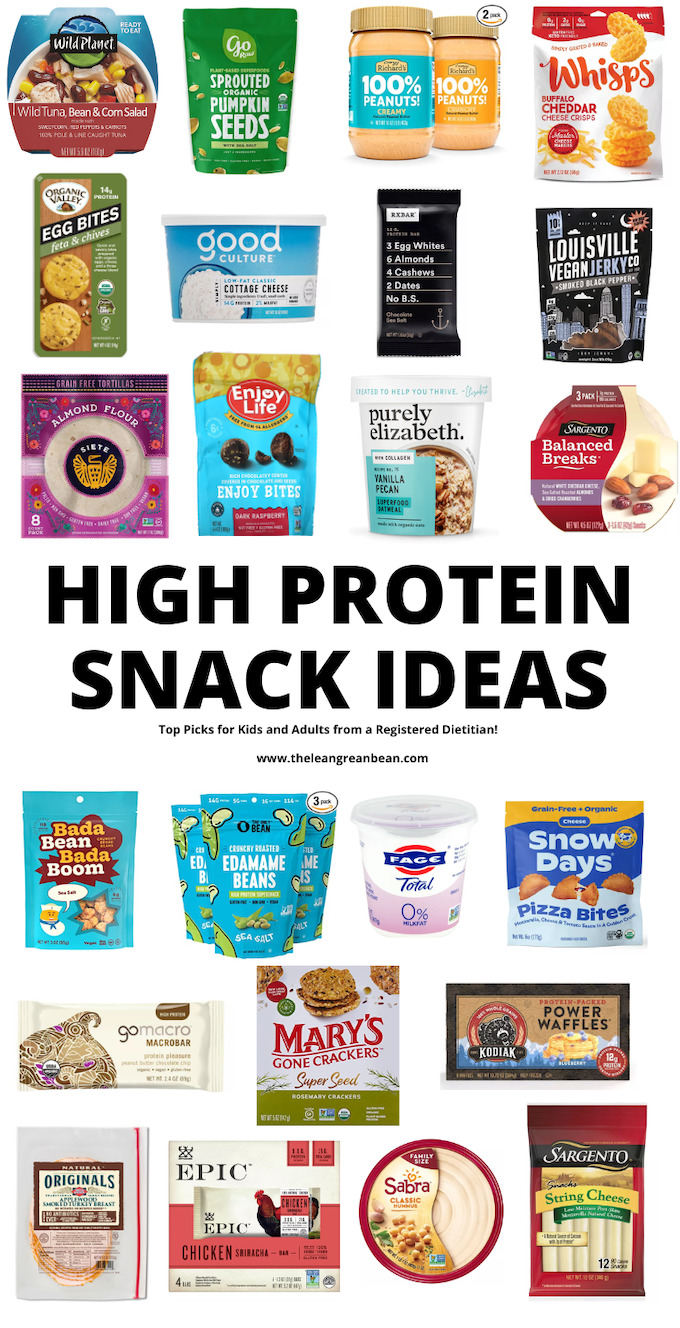
Low calorie high protein snacks include plain Greek yogurt, cottage cheese, hard-boiled eggs, tuna, shrimp, chicken breast, edamame, and egg whites. Most provide about 70 to 180 calories and 7 to 25 grams of protein per serving.
Between a busy workday, a workout, and the drive home from the grocery store, it can be easy to grab chips, cookies, or a sugary drink. American grocery stores offer many better options, though. You can find simple protein-rich foods in the dairy aisle, seafood section, meat department, and frozen food section. These foods can help you build a snack that fits your calorie needs without leaving protein out.
The best low calorie high protein snacks are foods that give you a useful amount of protein without adding too many calories. Plain nonfat Greek yogurt, tuna packed in water, lean chicken, egg whites, and low-fat cottage cheese are good examples. Plant-based choices, such as edamame and tofu, can also provide protein along with other nutrients.
Protein supports muscle repair and growth. It also helps make meals and snacks more satisfying. Adding fiber from fruit or vegetables can make a snack more balanced. Still, low calorie does not mean that every snack must contain as few calories as possible. Your portion, activity level, hunger, and daily food needs all matter.
This guide explains what makes a snack high in protein and low in calories. It also shares 25 practical ideas, estimated nutrition values, easy combinations, and ways to prepare snacks at home. You will learn how to choose foods that fit your routine without relying on expensive protein products.
Source: picstank.com
What Are Low Calorie High Protein Snacks?
Low calorie high protein snacks are small meals or food portions that provide a good amount of protein without a large number of calories. They help fill the gap between meals while adding an important nutrient to your diet.
For example, a single serving of plain nonfat Greek yogurt may provide around 100 calories and 17 grams of protein. A three-ounce serving of tuna packed in water may provide around 70 to 100 calories and 17 to 22 grams of protein, depending on the type.
There is no single official calorie limit or protein amount that defines a high protein snack. A practical target is about 10 to 20 grams of protein in a snack of roughly 100 to 200 calories. Smaller snacks can also be useful, especially when paired with other foods.
The main idea is to get more protein for the calories you eat. Think of it as choosing foods with a useful nutrient balance rather than simply choosing the smallest portion.
Source: storage.googleapis.com
Low calorie
The snack provides a moderate amount of energy for its serving size. Its calorie content depends on your portion and ingredients.
High protein
The snack supplies a meaningful amount of protein, often around 10 grams or more per serving.
Nutrient balance
A good snack may also contain fiber, vitamins, minerals, and healthy fats.
Why Does Protein Matter in a Snack?
Protein helps build and maintain muscles, repair body tissues, and make important enzymes. Your body needs it every day, not only after exercise.
Protein can also help you feel satisfied after eating. This makes it useful when you need something between lunch and dinner or after a workout.
A snack with protein and fiber may be more satisfying than one made mostly from refined carbohydrates. For example, Greek yogurt with berries offers protein, fiber, and natural sweetness.
How Many Calories Should a Protein Snack Have?
A snack containing 100 to 200 calories is a practical starting point for many adults. However, this is not a strict rule. Someone who exercises often or has a long gap between meals may need a larger snack.
A person with a smaller appetite may prefer a single egg or a small yogurt. Someone who needs more energy may choose cottage cheese with fruit or edamame with vegetables.
The right portion depends on your overall food intake. Do not cut portions so much that you remain hungry or fail to meet your daily nutrient needs.
25 Best Low Calorie High Protein Snacks
You can choose from dairy, eggs, seafood, poultry, soy foods, and legumes when building a protein-rich snack. The following options are easy to find in many American grocery stores and can fit different food preferences.
The calorie and protein amounts below are approximate estimates. They are based on common serving sizes and can change with brands, preparation, added ingredients, and cooking methods. Check the product label or a reliable food database when you need precise numbers.
Source: be-lingua.de
1. Plain nonfat Greek yogurt
One 170-gram container generally provides about 90 to 110 calories and 15 to 18 grams of protein. Choose plain yogurt to limit added sugar. Add strawberries or blueberries for extra fiber and flavor.
2. Low-fat cottage cheese
A half-cup serving of low-fat cottage cheese provides roughly 90 to 110 calories and 12 to 14 grams of protein. Serve it with cucumber, tomatoes, or a few pineapple pieces.
3. Hard-boiled eggs
One large hard-boiled egg contains about 78 calories and 6 grams of protein. Two eggs provide around 156 calories and 12 to 13 grams of protein. They are easy to prepare ahead of time.
4. Cooked egg whites
Three large egg whites contain roughly 50 calories and 11 grams of protein. Cook them with spinach, mushrooms, or black pepper for a light and filling snack.
5. Tuna packed in water
A three-ounce serving of drained light tuna generally provides around 70 to 100 calories and 17 to 22 grams of protein. Add lemon juice, celery, and black pepper. Watch the amount of mayonnaise if you want to keep calories lower.
6. Cooked shrimp
Three ounces of plain cooked shrimp contain about 85 to 100 calories and 19 grams of protein. Serve chilled with lemon juice, cucumber slices, or a small amount of cocktail sauce.
7. Skinless chicken breast
Three ounces of cooked skinless chicken breast provide approximately 125 to 140 calories and 25 to 27 grams of protein. Cut it into small pieces and season with herbs, paprika, or lemon.
8. Turkey breast slices
Two to three ounces of lean turkey breast can provide around 60 to 100 calories and 12 to 18 grams of protein. Choose lower-sodium options when possible and roll the slices around cucumber sticks.
9. Shelled edamame
A half-cup serving of cooked shelled edamame contains roughly 90 to 100 calories and 9 grams of protein. It also provides fiber. Steam frozen edamame and add a little lemon or black pepper.
10. Low-fat string cheese
One part-skim mozzarella string cheese usually provides around 60 to 80 calories and 6 to 8 grams of protein. Pair it with a small apple or some grape tomatoes.
11. Plain nonfat skyr
A 150 to 170-gram serving of plain skyr often contains about 90 to 110 calories and 15 to 18 grams of protein. It has a thick texture similar to Greek yogurt and works well with fresh fruit.
12. Firm tofu
A small 100-gram portion of firm tofu generally provides about 80 to 120 calories and 10 to 14 grams of protein, depending on the product. Season it with garlic, soy sauce, and ginger, then bake or air-fry it.
13. Roasted chickpeas
A quarter-cup portion of roasted chickpeas can provide about 100 to 120 calories and 5 to 6 grams of protein. They also contain fiber. Measure the oil used during roasting because it adds calories.
14. Plain low-fat milk
One cup of 1% milk contains about 100 calories and 8 grams of protein. It is a quick option when you need a drink with your snack. Choose unsweetened milk if you prefer to avoid added sugar.
15. High-protein plain yogurt with berries
A small serving of plain nonfat Greek yogurt with half a cup of berries can provide about 130 to 150 calories and 15 to 18 grams of protein. This combination gives you protein, fiber, and natural sweetness.
16. Tuna cucumber boats
Mix two ounces of tuna with mustard, lemon juice, and diced celery. Spoon the mixture into cucumber halves. This simple snack can provide around 80 to 110 calories and 12 to 15 grams of protein, depending on the ingredients.
17. Turkey and lettuce wraps
Wrap two ounces of lean turkey breast in large lettuce leaves with cucumber and mustard. This snack generally provides about 60 to 100 calories and 12 to 14 grams of protein.
18. Cottage cheese with cucumber
Mix half a cup of low-fat cottage cheese with chopped cucumber, dill, and black pepper. This savory snack provides roughly 90 to 110 calories and 12 to 14 grams of protein.
19. Smoked salmon with cucumber
A two-ounce serving of smoked salmon provides around 65 to 90 calories and 10 to 12 grams of protein. Serve it with cucumber slices. Check the sodium content because smoked fish can be salty.
20. Steamed green peas
A half-cup serving of green peas contains roughly 60 to 70 calories and 4 grams of protein. Peas also provide fiber and carbohydrates. They work well with lemon juice and a little black pepper.
21. Low-fat ricotta cheese
A quarter-cup portion of part-skim ricotta may provide around 80 to 100 calories and 6 to 8 grams of protein. Add cinnamon and strawberries for a sweet snack or herbs for a savory one.
22. Seitan strips
A two-ounce portion of seitan can provide around 90 to 120 calories and 15 to 20 grams of protein, depending on the recipe. It is made from wheat gluten, so it is not suitable for people with celiac disease or wheat allergy.
23. Plain kefir
One cup of plain low-fat kefir can provide approximately 100 to 120 calories and 8 to 11 grams of protein. It is a drinkable dairy option. Choose an unsweetened version to avoid extra added sugar.
24. White fish pieces
Three ounces of cooked cod or tilapia usually provide around 90 to 130 calories and 19 to 22 grams of protein. Use baked or air-fried fish rather than deep-fried pieces to keep the calorie count moderate.
25. Protein-rich egg salad
Mix one chopped hard-boiled egg with two cooked egg whites, mustard, and a little plain Greek yogurt. The mixture provides roughly 110 to 130 calories and 15 to 17 grams of protein. Serve it with cucumber slices.
Which Snacks Offer the Most Protein for the Fewest Calories?
Tuna in water, egg whites, shrimp, lean chicken, and plain nonfat Greek yogurt are strong choices when protein per calorie is your main concern. They provide substantial protein without requiring large portions.
Plant-based choices can also work well. Edamame offers protein and fiber, while tofu provides a flexible source of soy protein. Their calorie content may be higher than egg whites or tuna, but they offer other useful nutrients.
Best for a quick snack
Plain Greek yogurt or a hard-boiled egg requires little preparation.
Best for a high protein amount
Tuna, shrimp, and cooked chicken provide a large amount of protein in a modest serving.
Best plant-based option
Edamame and firm tofu provide soy protein and can be prepared in several ways.
Best Low Calorie High Protein Snacks for Weight Management
Protein-rich snacks can support a weight management plan when they help you meet your nutrition needs and manage hunger. They are not a shortcut to weight loss, and no single food causes fat loss on its own.
A useful approach is to choose a snack with protein, add a source of fiber when practical, and keep the serving size suited to your hunger. This gives you more nutritional value than choosing a snack based only on its calorie count.
For example, plain Greek yogurt with berries offers protein and fiber. Tuna with cucumber provides protein and food volume. Cottage cheese with tomatoes gives you protein along with vegetables. Each combination can fit into a balanced eating pattern.
Source: pinterest.ca
Greek yogurt and strawberries
Combine three-quarters of a cup of plain nonfat Greek yogurt with half a cup of sliced strawberries. The snack provides roughly 120 to 140 calories and 14 to 17 grams of protein.
Chicken and cucumber
Serve three ounces of cooked chicken breast with sliced cucumber. The combination contains approximately 135 to 155 calories and around 26 grams of protein.
Egg whites and spinach
Cook three egg whites with a handful of spinach and black pepper. This snack provides around 55 to 70 calories and 11 grams of protein.
Cottage cheese and tomatoes
Mix half a cup of low-fat cottage cheese with chopped tomatoes. Expect approximately 110 to 130 calories and 12 to 14 grams of protein.
Edamame and carrots
Pair half a cup of cooked edamame with carrot sticks. This combination provides around 130 to 150 calories, 9 to 11 grams of protein, and fiber.
Why Protein and Fiber Make a Useful Pair
Protein and fiber serve different roles in your diet. Protein helps maintain muscle and supports many body functions. Fiber supports digestive health and can help make a meal or snack more satisfying.
You can combine them without adding many calories. Try yogurt with berries, edamame with cucumber, or tuna with vegetable sticks. These combinations provide more variety than eating protein foods alone.
Do Not Confuse Low Calorie With Too Little Food
A snack with only 40 calories may not be enough to satisfy you. If you are hungry again soon, you may need a larger serving or a more balanced combination.
Your body needs enough energy to support daily activity, exercise, and normal functions. Avoid using extremely small snacks as a way to replace meals or restrict food unnecessarily.
Easy High Protein Snacks You Can Prepare at Home
Homemade protein snacks give you more control over portion size, ingredients, sodium, and added sugar. You can prepare many of them with basic foods from a regular supermarket.
You do not need a complicated recipe. A few cooked eggs, a container of plain yogurt, or a batch of seasoned chicken can provide several snack options for the week.
Source: fulltasteco.com
Greek yogurt berry bowl
Place one container of plain nonfat Greek yogurt in a bowl. Add half a cup of blueberries or strawberries and a little cinnamon. Stir and serve chilled.
Simple tuna salad
Drain a can of tuna packed in water. Mix it with mustard, lemon juice, chopped celery, and black pepper. Serve with cucumber slices or a small portion of whole-grain crackers.
Seasoned roasted edamame
Cook shelled edamame according to the package directions. Drain well, add garlic powder and paprika, and roast until the surface is lightly crisp. Measure any oil before adding it.
Cottage cheese dip
Blend low-fat cottage cheese with garlic powder, dill, lemon juice, and black pepper. Use it as a dip for carrots, celery, and cucumber.
Mini egg white scramble
Whisk three egg whites with chopped spinach and mushrooms. Cook in a nonstick pan until fully set. Add black pepper or a small amount of hot sauce.
Chicken snack box
Place cooked chicken breast pieces, cucumber slices, cherry tomatoes, and a small serving of fruit in a food container. Keep it refrigerated until you are ready to eat.
How to Prepare Snacks for the Week
Start by choosing two or three protein sources that you enjoy. For example, cook chicken breast, boil eggs, and portion Greek yogurt into containers. Prepare vegetables that can be washed, cut, and stored safely.
Keep sauces and dressings separate until serving. This helps vegetables stay crisp and prevents the snack from becoming watery. You can also portion nuts, seeds, and crackers into small containers before storing them.
Plan a mix of sweet and savory choices. This makes it easier to find something you want to eat when hunger strikes.
Choose simple ingredients
Use foods such as eggs, yogurt, chicken, tuna, tofu, and vegetables.
Measure portions
Use food containers or small storage bags to make serving sizes easier to manage.
Store food safely
Refrigerate perishable foods promptly and follow food safety guidance for storage and use.
How to Choose Low Calorie High Protein Snacks at the Grocery Store
The grocery store can make healthy snacking easier if you know what to check. Start with the nutrition facts label, compare similar products, and pay attention to the serving size.
A package may contain more than one serving. Eating the entire package can double or triple the listed calories. The amount of protein may also be lower than the front label suggests.
Plain dairy products, canned fish, frozen edamame, eggs, and cooked lean poultry are useful starting points. Packaged products can also fit, but their added sugar, sodium, and ingredient lists deserve a closer look.
Source: picstank.com
Check protein per serving
Compare the protein amount with the calories. A snack that provides 15 grams of protein for 100 calories may be a more protein-dense choice than one that provides 8 grams for 180 calories.
Review added sugar
Flavored yogurt and protein snacks may contain added sugars. Compare plain and flavored versions before choosing.
Watch sodium
Canned tuna, deli turkey, smoked fish, and some cottage cheeses can contain substantial sodium. Compare labels if you need to limit salt.
Check the ingredient list
Look for ingredients you recognize and products that fit your food preferences. A long ingredient list does not automatically make a food unhealthy, but it is worth understanding what you are buying.
Consider cost and convenience
Eggs, plain yogurt, canned tuna, and frozen edamame can be practical choices. Compare cost per serving rather than relying only on package price.
Are Protein Bars Good Low Calorie Snacks?
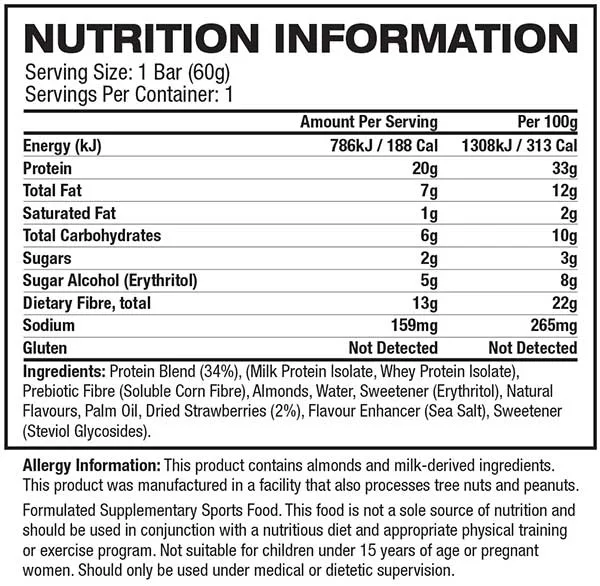
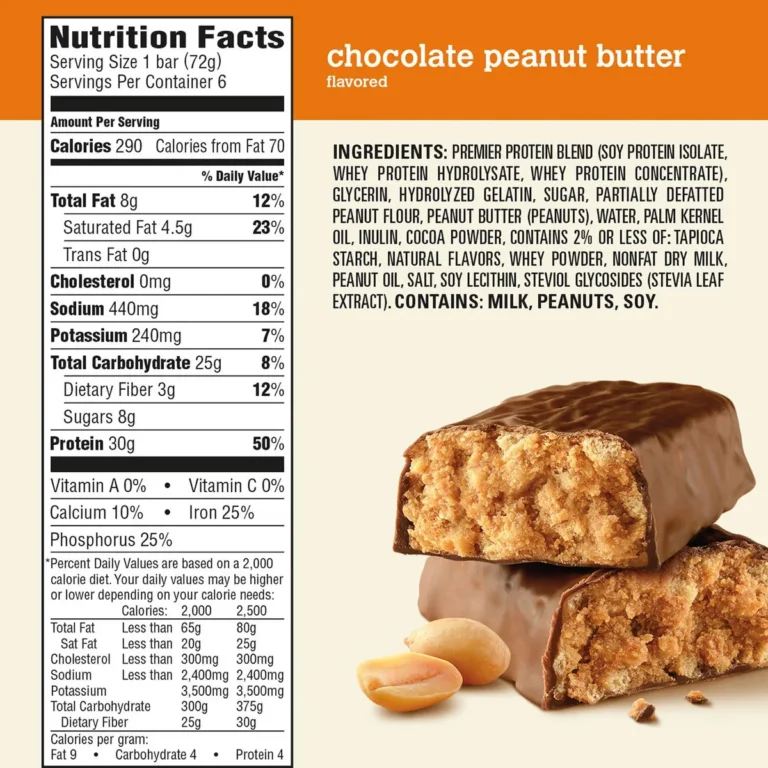
Some protein bars can fit into a low calorie, high protein eating plan. Others contain considerable added sugar, fat, or calories, so the nutrition label matters more than the front-of-package claims.
Compare the serving size, total calories, protein, fiber, added sugars, and sugar alcohols. Some sugar alcohols can cause gas or digestive discomfort in sensitive people.
A protein bar can be convenient when traveling or working long hours. However, plain yogurt, eggs, cottage cheese, and tuna can provide protein without requiring a specialty product.
Are Protein Shakes Better Than Whole Foods?
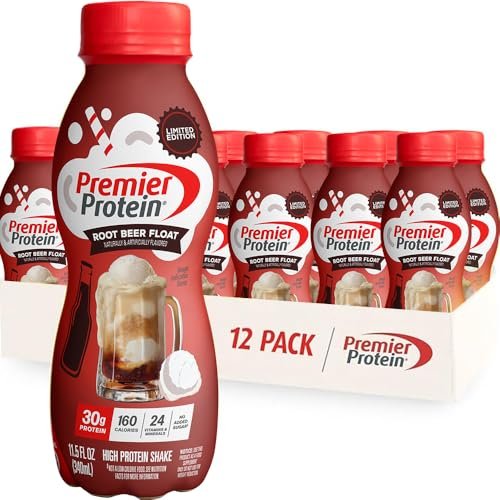
Protein shakes can be useful when you need a quick drink or have difficulty meeting your protein needs through food. Their calorie and protein amounts vary widely by product and serving size.
Whole foods offer more variety in texture and can provide nutrients that a basic protein drink may not contain. For everyday snacking, you can often choose yogurt, eggs, fish, or soy foods instead.
A shake is a convenience option, not a requirement. Choose one that fits your nutrition needs if you decide to use it.
Low Calorie High Protein Snacks for Different Lifestyles
The best snack depends on your schedule, food preferences, and access to a refrigerator. A person working in an office may want a different option from someone traveling or exercising outdoors.
You can still get enough protein without following one fixed snack plan. Choose foods that fit your routine and can be stored or prepared safely.
Source: mummysbusyworld.com
For office workers
Keep plain Greek yogurt, low-fat cottage cheese, hard-boiled eggs, or a small container of cooked chicken in a refrigerator. If you do not have one, choose shelf-stable options and follow their storage instructions.
For busy students
Try string cheese, plain yogurt, roasted chickpeas, or a prepared egg. These choices are easy to portion and can fit into a short break.
For people who exercise
Greek yogurt, milk, eggs, chicken, and tuna can help provide protein after activity. Include enough carbohydrates when needed to replace energy used during exercise.
For vegetarian eaters
Choose Greek yogurt, cottage cheese, eggs, edamame, tofu, skyr, or seitan if these foods fit your diet. Vegan eaters can use soy yogurt with added protein, tofu, edamame, and suitable plant-based products.
For people who travel
Choose properly sealed tuna pouches, shelf-stable protein products, or roasted chickpeas. Refrigerate dairy, cooked eggs, poultry, and other perishable foods as required.
For people with limited time
Use ready-to-eat plain yogurt, pre-cooked chicken, canned tuna, or frozen edamame. Check the package directions and ingredient information.
Low Calorie High Protein Snacks for Vegetarians
Vegetarian diets can include several protein-rich snacks. Eggs and dairy products are useful choices for people who eat them, while soy foods offer an alternative for those who avoid meat.
Edamame, tofu, Greek yogurt, cottage cheese, and skyr are among the more protein-rich options. Chickpeas and lentils also provide protein, although their carbohydrate and calorie content may be higher for the same serving.
Low Calorie High Protein Snacks for Children
Children need enough energy and nutrients to grow. A low calorie eating plan is generally not an appropriate goal for a growing child unless a qualified healthcare professional has provided specific guidance.
Parents can offer balanced snacks such as plain yogurt with fruit, cheese with whole-grain crackers, eggs, or age-appropriate portions of edamame. Choose portions based on the child’s age, appetite, development, and nutritional needs.
Young children should not be given foods that pose choking risks. Whole nuts, large firm pieces of food, and other choking hazards need age-appropriate preparation and supervision.
Common Mistakes When Choosing High Protein Low Calorie Snacks
Choosing a snack based on one nutrition number can lead to poor decisions. A food may contain plenty of protein but also contain more calories, sodium, or added sugar than you expected.
The goal is to find a practical balance. Consider the whole serving, the rest of your diet, and how the snack fits your needs.
Source: in.pinterest.com
Eating too little
A very small snack may not satisfy your hunger. Choose enough food to bridge the gap between meals rather than focusing on the lowest possible calorie number.
Ignoring portion sizes
Nut butter, nuts, seeds, cheese, and cooking oils contain useful nutrients but can add calories quickly. Measure portions when you are learning how much you use.
Choosing sweetened yogurt without checking
Some flavored yogurts contain considerable added sugar. Compare the label with plain yogurt and add your own fruit if you prefer.
Relying only on protein bars
Bars can be useful, but relying on them may reduce food variety. Include regular foods such as eggs, beans, dairy, seafood, and vegetables.
Forgetting fiber
A snack made only from lean protein may provide little fiber. Add berries, carrots, cucumber, or other vegetables when appropriate.
Adding too much sauce
Mayonnaise, creamy dressings, and sweet sauces can raise calories quickly. Try mustard, lemon juice, herbs, vinegar, or plain yogurt-based dips.
Ignoring food safety
Cooked meat, fish, eggs, and dairy need proper refrigeration. Do not leave perishable snacks at room temperature for long periods.
How to Keep Snacks Safe
Food safety matters when preparing snacks ahead of time. Refrigerate perishable foods promptly and keep them cold during transport. Use an insulated lunch bag with cold packs when you cannot access a refrigerator.
As a general USDA food safety rule, perishable food should not remain at room temperature for more than two hours, or one hour when the temperature is above 90 degrees Fahrenheit. Keep raw seafood and poultry separate from ready-to-eat foods.
Cook eggs, poultry, and seafood thoroughly. Follow package storage instructions for prepared foods, and discard food when its safety is uncertain.
How Much Protein Do You Need Each Day?
Your daily protein needs depend on your age, body size, activity level, health, and other factors. A snack is only one part of your total daily protein intake.
The traditional Recommended Dietary Allowance for healthy adults is 0.8 grams of protein per kilogram of body weight per day. This is a general reference level, not a personalized target for every person. People who are older, highly active, pregnant, recovering from illness, or managing certain health conditions may have different needs.
For example, a hypothetical adult weighing 150 pounds weighs about 68 kilograms. At 0.8 grams per kilogram, the basic reference calculation is about 54 grams of protein per day. This calculation does not account for every individual health or activity factor.
You do not need to obtain all your protein from snacks. Eggs at breakfast, chicken or beans at lunch, fish or tofu at dinner, and a small yogurt between meals can all contribute.
Include different protein sources
Rotate dairy, eggs, poultry, seafood, legumes, and soy foods to add variety to your diet.
Spread protein across meals
Include protein at breakfast, lunch, and dinner rather than trying to get most of it from one meal.
Consider your personal needs
People with kidney disease or other medical conditions may need individualized protein guidance from a healthcare professional.
Can You Eat High Protein Snacks Every Day?
Yes. Most healthy adults can include protein-rich snacks as part of a varied eating pattern. There is no need to eat the same snack every day.
Rotate between Greek yogurt, eggs, cottage cheese, tuna, chicken, edamame, and other suitable foods. This helps you get a wider range of nutrients and reduces the chance of relying too heavily on one food.
If you have a medical condition that affects protein intake, follow the advice of your doctor or registered dietitian rather than using a general snack list as a personal nutrition plan.
How to Build Your Own Low Calorie High Protein Snack
Building your own snack is simple when you start with one protein source and add a food that brings flavor, fiber, or texture. This method works with foods you already have at home.
First, choose a protein food. Next, select a fruit or vegetable. Finally, add a small amount of seasoning or another ingredient if needed. Adjust the portion to match your hunger and calorie needs.
For example, plain Greek yogurt with strawberries is a sweet combination. Cottage cheese with cucumber is a savory option. Tuna with celery offers a crisp texture and a substantial amount of protein.
Choose berries, apples, carrots, cucumbers, tomatoes, or leafy greens.
Step 3: Add flavor
Use lemon juice, herbs, cinnamon, paprika, mustard, or black pepper.
Step 4: Check the portion
Consider the calories and protein in the entire snack, including sauces, toppings, and cooking oil.
Step 5: Adjust to your hunger
If the snack is not enough, increase the portion or add a suitable carbohydrate source, such as fruit or whole-grain crackers.
Three Simple Snack Combinations to Try
A sweet snack can be made with plain Greek yogurt, strawberries, and cinnamon. A savory snack can combine cottage cheese, cucumber, and dill. For a more substantial option, serve tuna with carrots and a small portion of whole-grain crackers.
These combinations show that high protein snacking does not need special ingredients. You can adjust the serving sizes and flavors to suit your needs.
Frequently Asked Questions
Q
What is the best low calorie high protein snack?
Plain nonfat Greek yogurt is one of the most convenient choices. A 170-gram serving generally provides around 90 to 110 calories and 15 to 18 grams of protein. Tuna in water, cooked shrimp, egg whites, and lean chicken are also excellent options when you want substantial protein for relatively few calories.
Q
What snacks have 20 grams of protein and fewer than 200 calories?
Several foods can meet this target. Three ounces of cooked chicken breast provide about 25 to 27 grams of protein and 125 to 140 calories. Three ounces of tuna in water may provide about 17 to 22 grams of protein and 70 to 100 calories. A larger serving of plain nonfat Greek yogurt can also approach 20 grams of protein while staying below 200 calories.
Q
What are the best high protein snacks for weight loss?
Greek yogurt, cottage cheese, tuna, eggs, shrimp, chicken breast, and edamame are practical choices. They provide protein and can fit into a calorie-conscious eating pattern. Pair them with vegetables or fruit when possible, and choose portions that help you feel satisfied.
Q
What are some cheap low calorie high protein snacks?
Eggs, plain yogurt, canned tuna, cottage cheese, and frozen edamame can be affordable options. Buying larger containers of plain yogurt or family-size packs of eggs may lower the cost per serving. Compare prices at your local grocery store and consider both serving size and protein content.
Q
Can I eat high protein snacks without exercising?
Yes. Protein is needed for normal body functions, tissue repair, and muscle maintenance, whether or not you exercise. You do not need to work out to include Greek yogurt, eggs, fish, beans, or other protein foods in your diet.
Q
Are nuts good low calorie high protein snacks?
Nuts provide protein, fiber, healthy fats, and several minerals. However, they are calorie-dense. A one-ounce serving of almonds contains about 160 calories and 6 grams of protein. They can be part of a healthy snack, but foods such as Greek yogurt, tuna, and egg whites generally provide more protein for fewer calories.
Q
What are the best high protein snacks before a workout?
Plain Greek yogurt, a small serving of cottage cheese, or a boiled egg can provide protein before exercise. If you need energy for a longer or more demanding workout, add a source of carbohydrates such as a banana or whole-grain toast. Choose a portion and timing that feel comfortable for your digestion.
Q
What are the best high protein snacks after a workout?
Greek yogurt, milk, eggs, chicken, tuna, and tofu are useful post-workout options. They provide protein that supports muscle repair and growth. Pairing protein with carbohydrates can also help replace energy used during exercise.
Q
Are low calorie high protein snacks good for people with diabetes?
Some options, such as plain Greek yogurt, eggs, cottage cheese, tuna, and vegetables, may fit into a diabetes-friendly eating plan. However, carbohydrate content, portion size, medication, and individual blood glucose responses matter. Choose unsweetened products when appropriate and consult your healthcare team for personal guidance.
Q
Can high protein snacks replace meals?
A small snack is not usually a complete meal. Most snacks do not provide enough energy or the full range of nutrients needed for a balanced meal. If you need to replace a meal, include a suitable protein source, vegetables or fruit, carbohydrates, and healthy fats in appropriate portions.
✦ Wrapping Up
Conclusion
Low calorie high protein snacks can make everyday eating easier while helping you meet your protein needs. Plain Greek yogurt, cottage cheese, eggs, tuna, shrimp, chicken breast, and edamame are among the most useful choices. They provide protein without requiring large portions or complicated recipes.
You can make these snacks more balanced by adding fruit, vegetables, or other fiber-rich foods. Pay attention to serving sizes, added sugar, sodium, and calorie-dense toppings. Small changes, such as choosing plain yogurt instead of a sweetened version or tuna in water instead of a mayonnaise-heavy salad, can make a meaningful difference to the overall nutrition of your snack.
There is no need to buy expensive protein products or follow a strict snack schedule. Start with foods you enjoy, prepare a few portions ahead of time, and adjust them to your appetite and daily activity. A varied eating pattern that provides enough energy and nutrients is more useful than chasing the lowest calorie number.
💡 Key Takeaway
Start with three easy options this week: plain Greek yogurt with berries, two hard-boiled eggs with cucumber, and tuna with fresh vegetables. Check the serving sizes, compare calories and protein, and choose the portions that keep you satisfied between meals.
You hand your kid a protein bar after soccer. They look happy. It’s in a nice wrapper, it says “high protein” in big letters, and you feel like you did the…
If you’ve ever stood in the health food aisle wondering why are protein bars bad for you when the label touts 25 grams of protein, you’re not being irrational.…