What Do Protein Bars Do for You? Benefits, Nutrition, Uses, and What to Look For
If you have searched for **what do protein bars do for you**, the short answer is simple: they help you get protein in a fast, portable form. This can be useful after a workout, during a busy workday, on a road trip, or when you need a snack between meals. The effect depends on the bar you choose and how it fits into your total diet.
A protein bar is not automatically healthy just because the package says “protein.” Some bars are rich in protein and fiber with modest amounts of added sugar. Others can be closer to candy bars with extra protein added. For U.S. shoppers, the Nutrition Facts label is often more useful than the front of the package.
A useful real-life example is a person who leaves home early, works through lunch, and goes to the gym after work. A protein bar can fill the gap between meals and help that person avoid arriving at the gym extremely hungry. Still, a bar does not replace the wider benefits of meals built around foods such as vegetables, fruit, whole grains, beans, dairy, eggs, fish, or lean meat.

What Do Protein Bars Do for You?
So, what do protein bars do for you in practical terms? They mainly provide a concentrated source of protein in a convenient snack. Depending on the recipe, they may also provide carbohydrates, fats, fiber, vitamins, minerals, and enough calories to help bridge the gap between meals.
Protein has several important jobs in the body. Your body uses amino acids from protein to build and maintain tissues, make enzymes and hormones, and support many other body functions. For active people, enough protein can also help support muscle repair and adaptation after training.
The key point is that a protein bar does not create a special effect that other protein foods cannot provide. Its biggest advantage is **convenience**. If a bar helps you meet your protein needs when whole food is not practical, it can be a useful tool.

- ✦ Adds protein
A bar can make it easier to increase protein intake between meals or around exercise.
- ✦ Supports fullness
Protein can help you feel satisfied, especially when the bar also contains fiber and a moderate amount of fat.
- ✦ Supports recovery
Protein supplies amino acids that your body can use during muscle repair and remodeling.
- ✦ Saves time
A wrapped bar needs little preparation and can be stored in a bag, desk, car, or gym locker.
- ✦ Adds calories when needed
For people with high energy needs, a protein bar can make it easier to add food without preparing a full meal.
Protein Bars Are Food, Not Magic Supplements
A protein bar should be viewed as a food product with a specific nutrition profile. It cannot cancel out a poor diet, replace sleep, or build muscle without suitable training and enough total nutrition.
This distinction matters because many marketing claims focus on protein while saying less about sugar, calories, fiber, or saturated fat. Look at the whole label before deciding whether a bar fits your needs.
- ✦ Think about the whole diet
One snack rarely determines health. Your overall eating pattern matters much more.
- ✦ Match the bar to the goal
A bar for a hiking trip may need more calories than a small snack used during an office day.
How Protein Bars Help With Muscle and Exercise
One major reason people ask **what do protein bars do for you** is muscle growth and workout recovery. Resistance exercise creates a stimulus for muscle remodeling. Dietary protein provides amino acids that the body can use to support muscle protein synthesis and repair.
A protein bar can be useful after lifting weights, sports practice, or a long training session when a normal meal is not available. It is not necessary to eat a protein bar immediately after every workout, though. Total protein intake across the day matters more than relying on a narrow post-workout window.
For healthy adults, the general protein RDA is 0.8 grams per kilogram of body weight per day. People who train regularly may need more. Sports nutrition guidance often places athletes around 1.2 to 2.0 grams per kilogram per day, depending on the person, sport, training load, and goal.
- ✦ After resistance training
Protein can provide amino acids needed for muscle repair and adaptation.
- ✦ During busy training days
A bar can help athletes spread protein across the day when meals are hard to schedule.
- ✦ When food is not available
A shelf-stable bar can be easier to carry than meat, eggs, yogurt, or other perishable foods.
- ✦ For muscle gain
A bar can help meet protein and calorie needs, but muscle gain also depends on resistance training, enough energy, recovery, and an appropriate overall diet.
Do You Need a Protein Bar After Every Workout?
No. A protein bar is one option, not a requirement. A normal meal with a useful protein source can work just as well for many people.
The bigger question is whether you get enough total protein over the day. If your next meal is soon after training, you may not need a bar at all. If you will be away from food for several hours, the bar may be more useful.
- ✦ Useful choice
You have no practical access to a protein-rich meal after training.
- ✦ Optional choice
You already have a balanced meal planned soon after exercise.
Can Protein Bars Keep You Full?
Protein can help promote fullness, which is one reason a protein-rich snack may feel more satisfying than a snack made mostly from refined carbohydrates. Fiber can add to that effect by slowing digestion and adding bulk to the meal or snack.
This does not mean every protein bar will control hunger. Some bars are small and low in calories. Others contain a lot of sugar, fat, or refined carbohydrates. A bar may also be easy to eat quickly, which can make it less satisfying than a meal eaten slowly.
If your goal is to manage hunger, look for a combination of **protein, fiber, and a sensible calorie level**. You can then pair the bar with fruit, milk, yogurt, or another whole food when you need a more complete snack.
- ✦ Check protein
More protein is not always better, but a meaningful protein amount can make a snack more useful for fullness.
- ✦ Check fiber
Fiber can support fullness and also helps many people meet daily fiber needs.
- ✦ Check calories
A very high-calorie bar may work against a calorie deficit if you eat it without accounting for the extra energy.
- ✦ Consider the whole snack
Adding fruit or another whole food can make a small protein bar feel more like a complete snack.
Protein Bars and Weight Loss
Protein bars do not directly cause weight loss. Weight loss occurs when average energy intake is lower than energy use over time. A protein bar can still be useful during weight loss if it helps you manage hunger and stay within your calorie needs.
The opposite can also happen. Some bars contain several hundred calories, and eating one on top of your normal meals may increase total calorie intake. For weight management, choose the bar based on your daily needs rather than the protein number alone.
- ✦ Helpful role
A bar may provide a planned, portioned snack with protein.
- ✦ Possible drawback
A calorie-dense bar can add more energy than you intended.
What Is Usually Inside a Protein Bar?
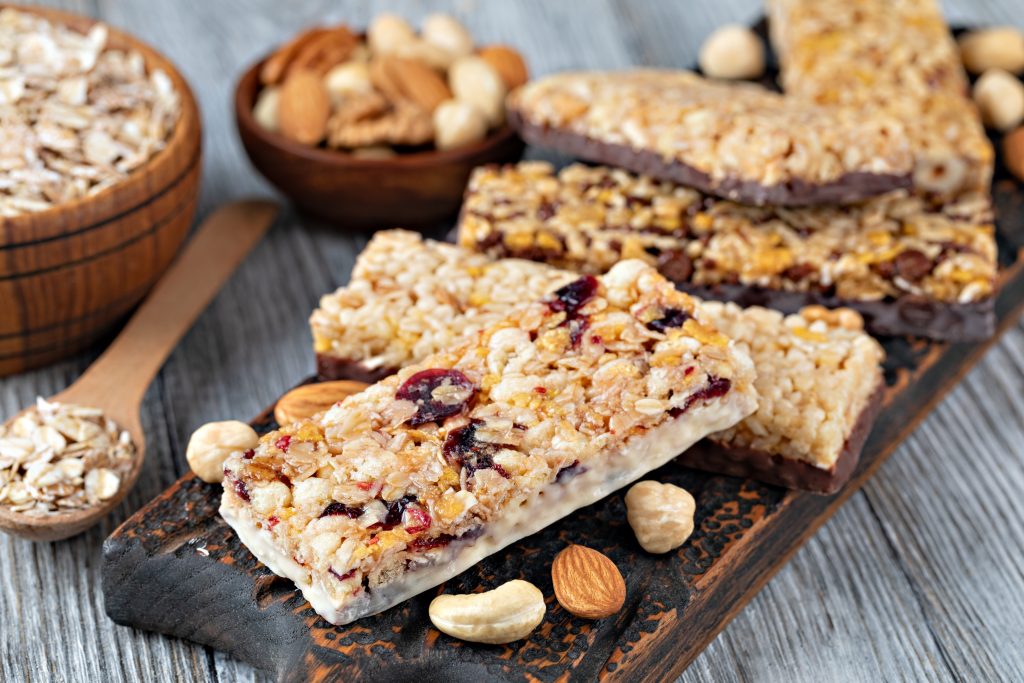
Protein bars can look similar on a store shelf while having very different nutrition profiles. One may use whey or milk protein. Another may use soy, pea, rice, or a blend of plant proteins. Some also contain nuts, seeds, oats, dried fruit, or chocolate.
The protein source affects texture, taste, and amino acid content. Dairy proteins such as whey and milk protein provide all essential amino acids. Plant-based bars can also provide useful protein, especially when they use complementary protein sources or a well-formulated blend.
Many bars also use sweeteners, syrups, sugar alcohols, or high-intensity sweeteners. These ingredients are not automatically bad, but some people may get bloating, gas, or loose stools from certain sugar alcohols or large amounts of added fiber.
- ✦ Protein sources
Common options include whey, milk, casein, soy, pea, rice, egg, and mixed plant proteins.
- ✦ Carbohydrates
Bars may contain oats, fruit, grains, syrups, starches, or other carbohydrate sources.
- ✦ Fats
Nuts, seeds, nut butters, chocolate, and added oils can increase fat and calorie content.
- ✦ Fiber
Some bars contain oats, nuts, seeds, chicory root fiber, soluble fiber, or other added fibers.
- ✦ Sweeteners
Sugar, dates, syrups, stevia, monk fruit, sucralose, and sugar alcohols may be used to create sweetness.
What Does a Good Protein Bar Look Like?
There is no single perfect protein bar. A good choice is one that fits your goal, tastes good enough to eat, and has a nutrition profile that makes sense for the role it plays.
For a daily snack, you may want moderate calories, useful protein, some fiber, and limited added sugar. For long hikes or hard training, higher calories and carbohydrates may be more useful.
- ✦ For a snack
Favor a reasonable calorie count, useful protein, and enough fiber to fit your appetite.
- ✦ For recovery
Look for a meaningful protein dose and enough calories or carbohydrates when your training demands them.
- ✦ For plant-based diets
Check the protein source and total protein rather than assuming every vegan bar has the same quality.
Protein Bars vs. Whole-Food Protein Sources
When asking **what do protein bars do for you**, it is useful to compare them with ordinary foods. Greek yogurt, milk, eggs, fish, chicken, tofu, beans, lentils, and nuts can all contribute protein while also providing other nutrients.
Whole foods often offer a wider mix of nutrients and can be more filling when eaten as part of a complete meal. A protein bar may have fewer nutrients than a meal built from several whole foods. Still, convenience has real value, especially when the alternative is skipping food or choosing a snack with little protein.
Think of protein bars as a tool rather than a replacement for food. They can fill a gap in your routine, but most people benefit from getting much of their nutrition from a varied diet.

- ✦ Greek yogurt
Provides protein and can also provide calcium and other nutrients, depending on the product.
- ✦ Eggs
Offer high-quality protein along with several vitamins and minerals.
- ✦ Beans and lentils
Provide plant protein and fiber along with other nutrients.
- ✦ Chicken and fish
Provide substantial protein and can fit well into balanced meals.
- ✦ Protein bars
Offer portability and convenience when preparing or storing whole foods is difficult.
When a Protein Bar Makes More Sense
A bar makes sense when convenience is the main problem. This includes commuting, travel, long work shifts, outdoor activities, and situations where refrigeration or cooking is not available.
It can also be useful for people who struggle to eat enough protein because of a busy schedule. In that case, a bar can be a simple backup option rather than the center of the diet.
- ✦ Travel
A shelf-stable bar can be easier to carry than many fresh protein foods.
- ✦ Work
A bar can provide a quick snack during a packed day.
- ✦ Exercise
It can provide protein when a full meal is not available before or after training.
How to Choose a Protein Bar at a U.S. Grocery Store
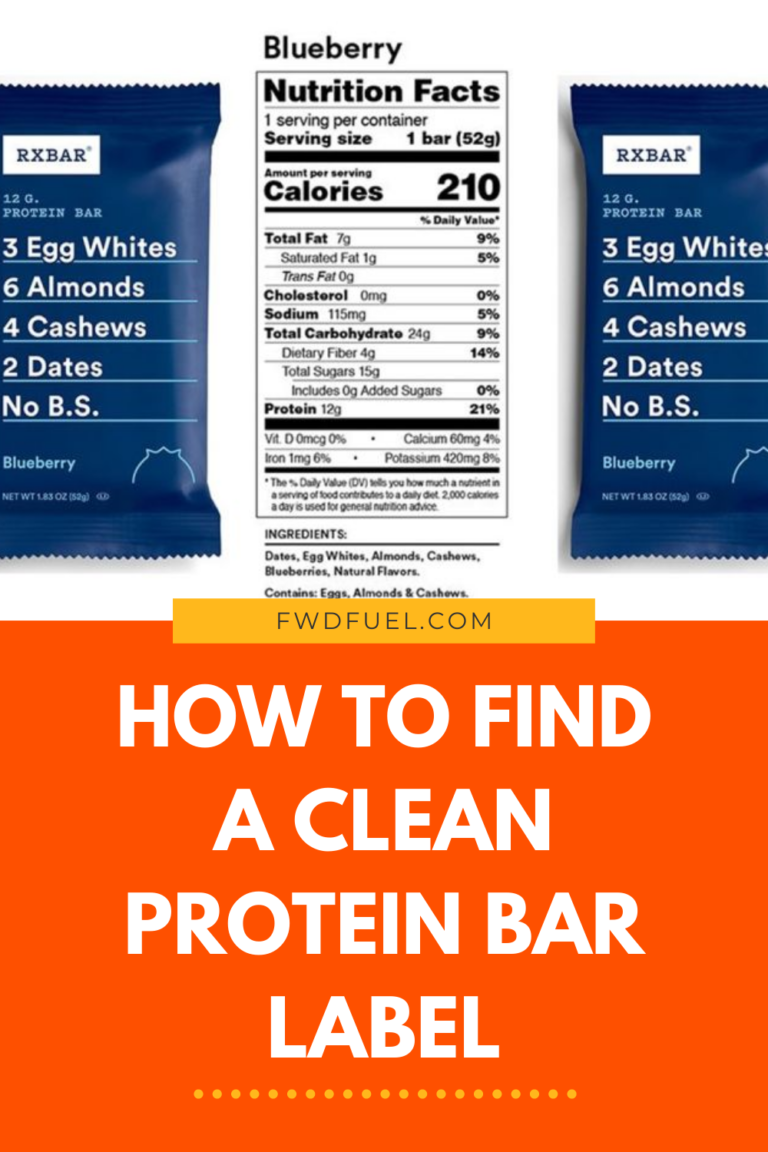
The easiest way to choose a protein bar is to ignore most front-of-package marketing at first. Turn the package around and read the Nutrition Facts label and ingredient list. Then decide whether the bar fits your specific goal.
The FDA Nutrition Facts label gives you information such as calories, protein, carbohydrates, fiber, added sugars, total fat, saturated fat, and sodium. The Daily Value can help you understand how much a serving contributes to your daily nutrient needs.
Do not assume that a bar with the most protein is the best bar. A 30-gram protein bar may not suit someone who only wants a small snack. Likewise, a bar with less protein may be a better fit for a child, a casual snack, or someone who already gets plenty of protein from meals.

- ✦ Start with your goal
Decide whether you want a snack, workout recovery food, meal bridge, or extra calories.
- ✦ Check protein
Look at the actual grams of protein per bar, not just claims such as “high protein.”
- ✦ Check added sugar
Compare added sugar across brands and consider how the bar fits into your overall diet.
- ✦ Check fiber
Fiber can make a bar more filling and can help support your daily fiber intake.
- ✦ Check saturated fat
Some bars contain substantial saturated fat from chocolate, coconut, or other ingredients.
- ✦ Check calories
Choose a calorie level that matches whether you need a small snack or more substantial fuel.
- ✦ Read the ingredient list
Look for ingredients you tolerate well and consider whether the bar contains sweeteners or fibers that upset your stomach.
A Simple Protein Bar Label Checklist
Before buying a bar, ask five simple questions: How much protein does it provide? How many calories does it contain? How much fiber does it have? How much added sugar and saturated fat does it contain? Will I actually enjoy eating it?
That last question matters more than it sounds. The best bar is one you can use consistently and that fits your nutrition needs. There is little value in buying a highly marketed bar that you dislike or cannot digest comfortably.
- ✦ Protein
Does the amount fit your needs for this snack or meal gap?
- ✦ Calories
Will the bar help you meet your energy needs or add more calories than you want?
- ✦ Fiber
Does it provide useful fiber without causing stomach problems?
- ✦ Added sugar and saturated fat
Are these amounts reasonable for the rest of your daily diet?
- ✦ Taste and tolerance
Can you eat it comfortably and enjoy it?
Are Protein Bars Healthy Every Day?
A protein bar can be part of a healthy diet every day, but that does not mean every protein bar is a healthy daily choice. The answer depends on the bar, your total diet, your calorie needs, and how much whole food you eat.
U.S. dietary guidance emphasizes nutrient-dense foods and recommends limiting foods high in added sugars, saturated fat, and sodium. Some protein bars fit well within that pattern. Others are better treated as occasional treats because they are high in calories, added sugar, or saturated fat.
If you eat a bar daily, vary your other snacks and meals. This helps you get a broader range of nutrients and keeps your diet from becoming overly dependent on one processed food.

- ✦ Daily use can be practical
A well-chosen bar can fit into a balanced eating pattern when it meets a real nutrition need.
- ✦ Variety still matters
Use different protein foods so your diet includes a wider range of nutrients.
- ✦ Watch added sugar
Regularly eating several high-sugar snacks can make it harder to maintain a nutrient-dense diet.
- ✦ Watch calories
A bar can be small in size but still contain enough calories to affect daily energy intake.
Who Should Be More Careful?
People with diabetes, kidney disease, food allergies, digestive disorders, or other medical conditions may need to look more closely at ingredients and nutrient amounts. Some bars are high in sugar alcohols, fiber, potassium, phosphorus, or other nutrients that may matter for specific medical diets.
People with milk, soy, peanut, tree nut, egg, or other food allergies should also read allergen statements carefully. If you have a medical condition that affects your diet, a registered dietitian or health professional can help you choose products safely.
- ✦ Food allergies
Check the ingredient list and allergen statement before eating a new bar.
- ✦ Digestive sensitivity
Large amounts of certain fibers or sugar alcohols may cause gas, bloating, or diarrhea in some people.
- ✦ Medical diets
Ask a health professional about protein, potassium, phosphorus, sodium, or other limits when relevant.
Common Mistakes People Make With Protein Bars
Many problems come from treating protein bars as a special category of food instead of looking at their actual nutrition. A bar can be useful, but it can also become an easy way to eat extra calories without noticing.
Another common mistake is using a protein bar to replace almost every meal. Even a well-formulated bar usually cannot provide the same variety as meals built from vegetables, fruit, whole grains, legumes, dairy, seafood, meat, eggs, nuts, and seeds.
If you understand what protein bars do for you, you can use them with more purpose. The goal is not to eat as many protein bars as possible. The goal is to use them when their convenience and nutrition solve a real problem.

- ✦ Mistake: Choosing by protein alone
Protein is important, but calories, fiber, added sugar, saturated fat, sodium, and ingredients also matter.
- ✦ Mistake: Assuming all bars are healthy
Protein bars vary widely, so one product cannot represent the entire category.
- ✦ Mistake: Using bars as every meal
This can reduce dietary variety and make it harder to get a broad range of nutrients.
- ✦ Mistake: Ignoring digestion
Some bars contain ingredients that can cause stomach discomfort in sensitive people.
- ✦ Mistake: Eating bars without a goal
A snack should serve a purpose, such as filling a meal gap, supporting training, or helping meet protein needs.
The Better Approach
Start with your daily eating pattern. Identify when you usually need a convenient snack, then choose a bar that fills that gap without creating another nutrition problem.
For example, someone who eats a balanced breakfast and lunch may use a protein bar before an evening workout. Someone else may prefer Greek yogurt, fruit, or a sandwich. There is no rule that says a protein bar must be part of a healthy diet.
- ✦ Plan the role
Know why you are eating the bar before you choose it.
- ✦ Compare labels
Compare several products rather than judging a bar by its package design.
- ✦ Keep whole foods central
Use protein bars as a convenient addition, not the foundation of your diet.
When Is the Best Time to Eat a Protein Bar?
There is no single best time to eat a protein bar. The right time depends on why you are eating it. You might use one between meals, before exercise, after exercise, during travel, or when a normal meal is delayed.
Before exercise, a bar may help provide protein and energy if you have not eaten for several hours. After exercise, it can provide protein when your next meal is not available. The exact timing matters less than meeting your overall nutrition needs.
For people who train regularly, spreading protein across meals and snacks can be a practical way to reach a daily target. A protein bar is simply one convenient place to get some of that protein.

- ✦ Between meals
Use a bar when you need a convenient snack with more protein than many common snack foods.
- ✦ Before exercise
It may work when you need food before training and have enough time to digest it.
- ✦ After exercise
It can provide protein when a normal meal will not be available soon.
- ✦ During travel
A shelf-stable bar can help when food choices are limited.
- ✦ During long activities
For long hikes or endurance events, the best bar depends on the need for calories, carbohydrates, protein, and digestive comfort.
What Do Protein Bars Do for You Before a Workout?
Before exercise, a protein bar can provide food when you have not eaten recently. The value depends on its ingredients and your workout. A very high-fiber or high-fat bar may feel heavy for some people if eaten shortly before intense exercise.
If you have a sensitive stomach, test a bar during normal training rather than for the first time before an important race or event. Personal tolerance matters as much as the nutrition label.
- ✦ Choose easy digestion
Avoid products that you know cause stomach problems before training.
- ✦ Allow time
Give your body time to digest a larger snack before intense exercise.
Protein Bars and Different Health Goals
The answer to **what do protein bars do for you** changes slightly based on your goal. Someone trying to gain muscle may value protein and calories. Someone trying to manage weight may care more about protein, fiber, portion size, and total calories.
Someone training for endurance events may need more carbohydrates and total energy. A person with a busy office job may simply want a portable snack that prevents a long gap between meals. The same bar can be useful for one person and poorly matched to another.
This is why there is no universal “best” protein bar. The right product is the one whose nutrition profile matches your needs and whose ingredients you tolerate well.
- ✦ Muscle gain
Prioritize enough total protein and calories along with progressive resistance training.
- ✦ Weight management
Consider protein, fiber, portion size, and calories so the bar supports your overall calorie plan.
- ✦ Endurance training
Look beyond protein and consider carbohydrates and total energy needs.
- ✦ Busy lifestyle
Convenience may be the main benefit when meals are hard to plan.
- ✦ Vegetarian or vegan diets
A protein bar can help add protein, but whole plant foods should still provide much of the diet.
What Do Protein Bars Do for You If You Are Trying to Build Muscle?
They can make it easier to reach a higher daily protein target. That can be useful for people who struggle to get enough protein from regular meals.
But the bar itself does not build muscle. Muscle growth depends on training, adequate protein, enough energy, recovery, and time. A protein bar is only one small part of that process.
- ✦ Protein target
Use the bar to help meet your daily protein needs when food alone is not convenient.
- ✦ Training
Pair adequate protein with a suitable resistance-training plan.
- ✦ Recovery
Give your body enough sleep, food, and rest to adapt to training.
What Do Protein Bars Do for You During Weight Loss?
They can provide a planned snack that contains protein and may help with fullness. This can make it easier for some people to manage hunger between meals.
They are not a weight-loss product by themselves. A high-calorie bar can make weight loss harder if it adds more energy than you need.
- ✦ Use portions wisely
Choose a bar whose calorie content fits your daily eating plan.
- ✦ Prioritize satiety
Protein and fiber can make a snack more satisfying for many people.