Yes, raw protein powder can be good for muscle growth and daily nutrition if it provides quality protein, has suitable ingredients, and fits your dietary needs.
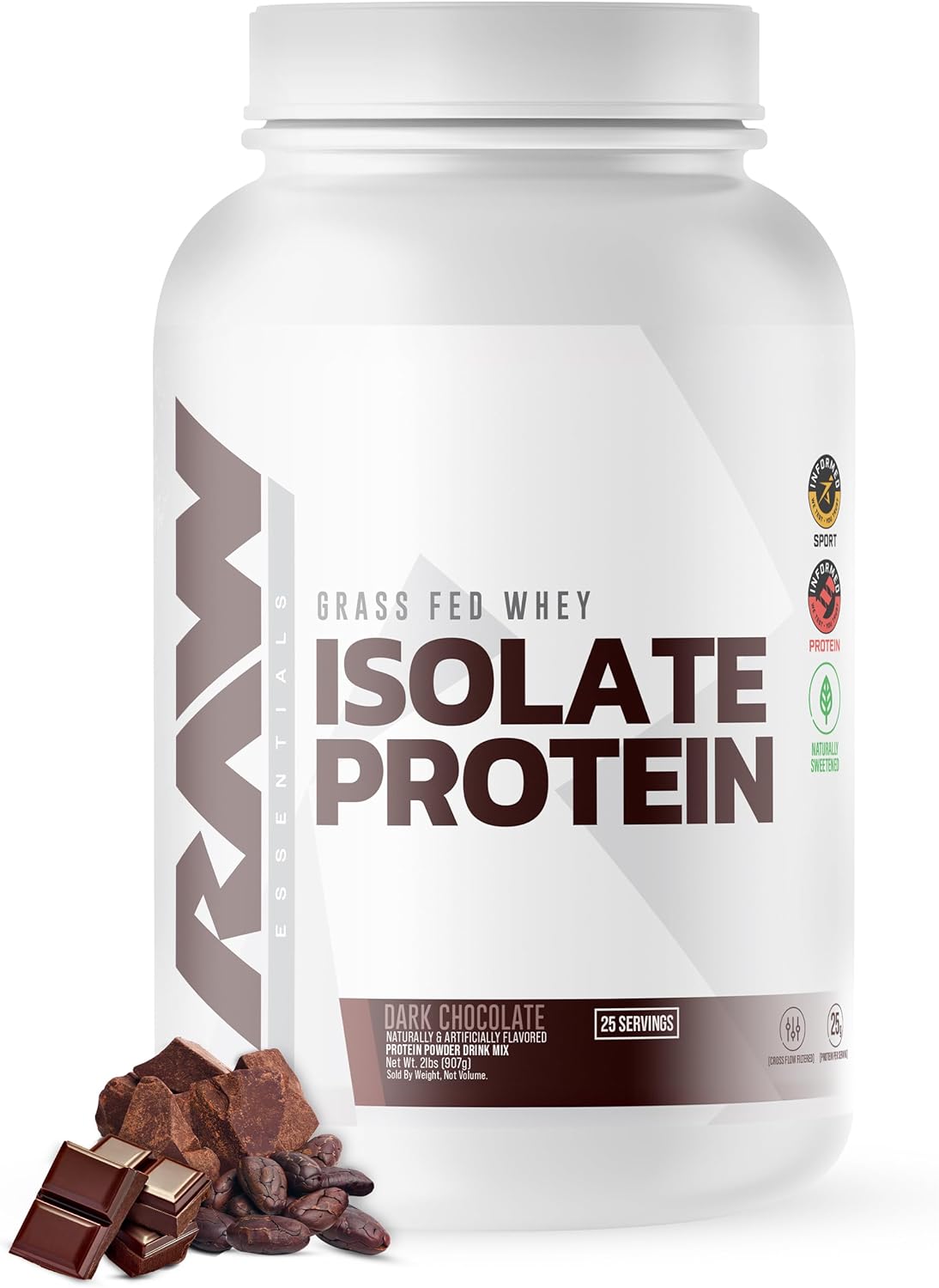
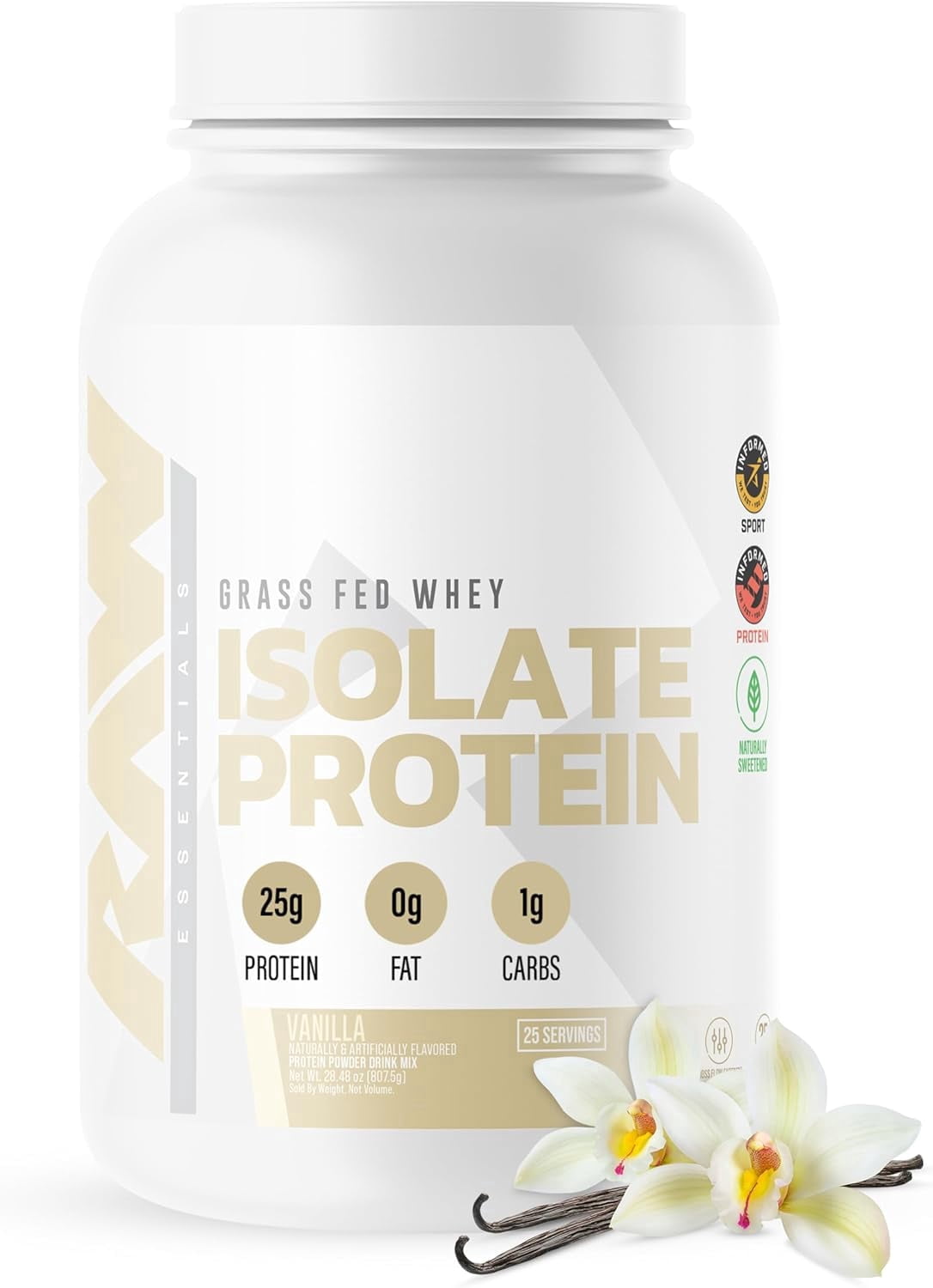
Across the United States, protein powder is a common part of gym routines, home workouts, and busy workday meals. Many Americans use it to support muscle growth, recover after exercise, or add protein to breakfast. RAW Nutrition is one brand name shoppers may encounter when comparing these products. However, the word raw can be confusing because it does not always mean the powder is unprocessed, safer, or more nutritious than other protein supplements.
Raw protein powder can be a useful source of protein. Its value depends on the protein source, amount per serving, amino acid profile, added ingredients, and manufacturing quality. Whey protein isolate, for example, provides all nine essential amino acids. These amino acids help the body build and repair muscle tissue. Still, a protein powder is only one way to meet daily protein needs.
It also helps to separate the meaning of raw from the name RAW Nutrition. A product carrying the RAW Nutrition brand is not necessarily raw milk protein or an uncooked food. Some of its products use processed whey ingredients, such as whey protein isolate. Processing is part of how manufacturers turn milk into a shelf-stable protein powder.
This guide explains what raw protein powder means, what it can do, how to assess its ingredients, and what safety concerns deserve attention. It also explains when a regular protein powder may be just as useful and how to decide whether a supplement is worth adding to your routine.
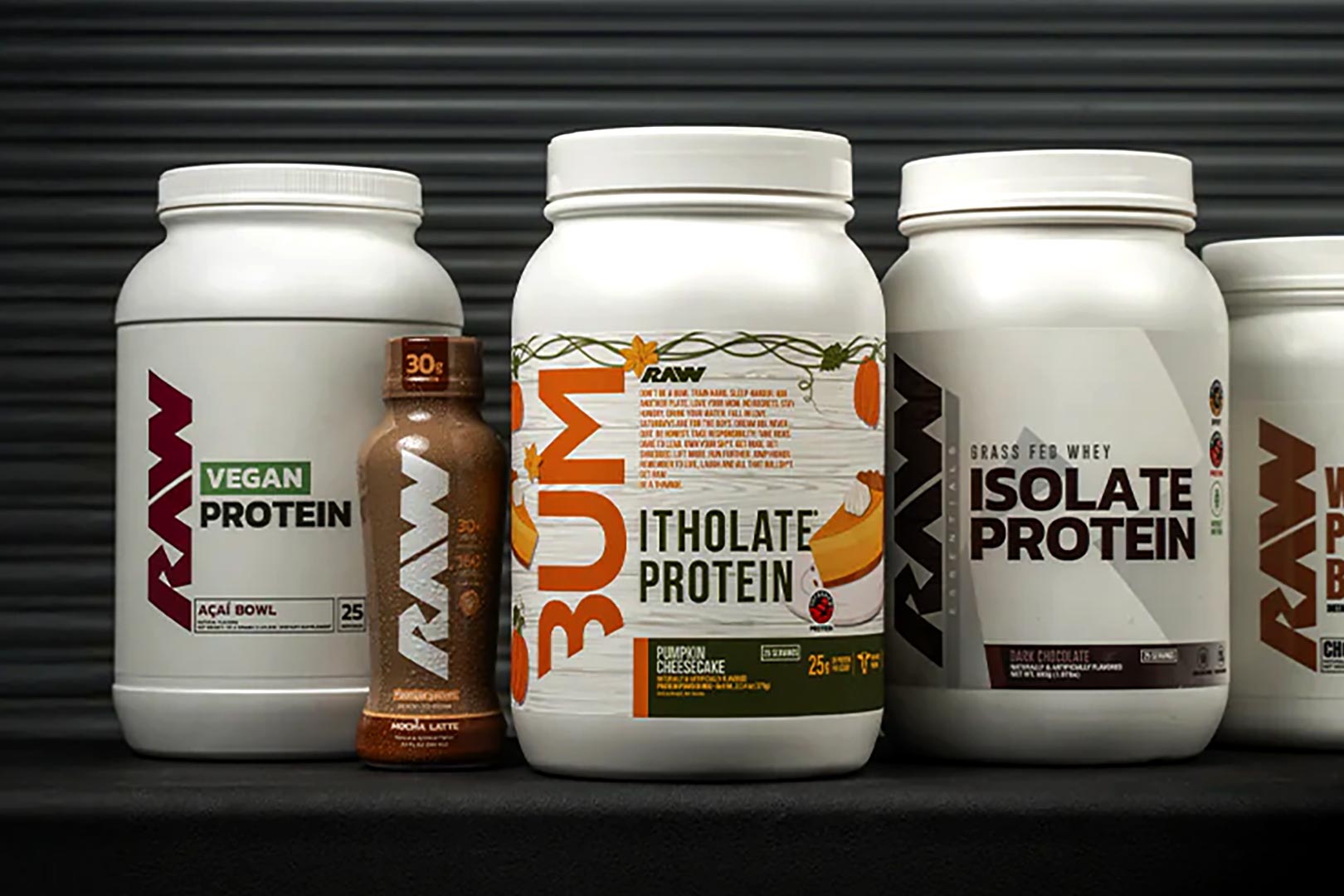
Source: manuals.plus
What Does Raw Protein Powder Mean?
Raw protein powder can refer to a product name, a brand, or a marketing description. These meanings are not interchangeable. Understanding the difference helps prevent confusion when shopping for a protein supplement.
In ordinary food language, raw often means food that has not been cooked. In the supplement market, however, raw may be used to suggest a simple formula, a particular brand identity, or a product made with limited added ingredients. It does not provide a universal guarantee about how the protein was processed.
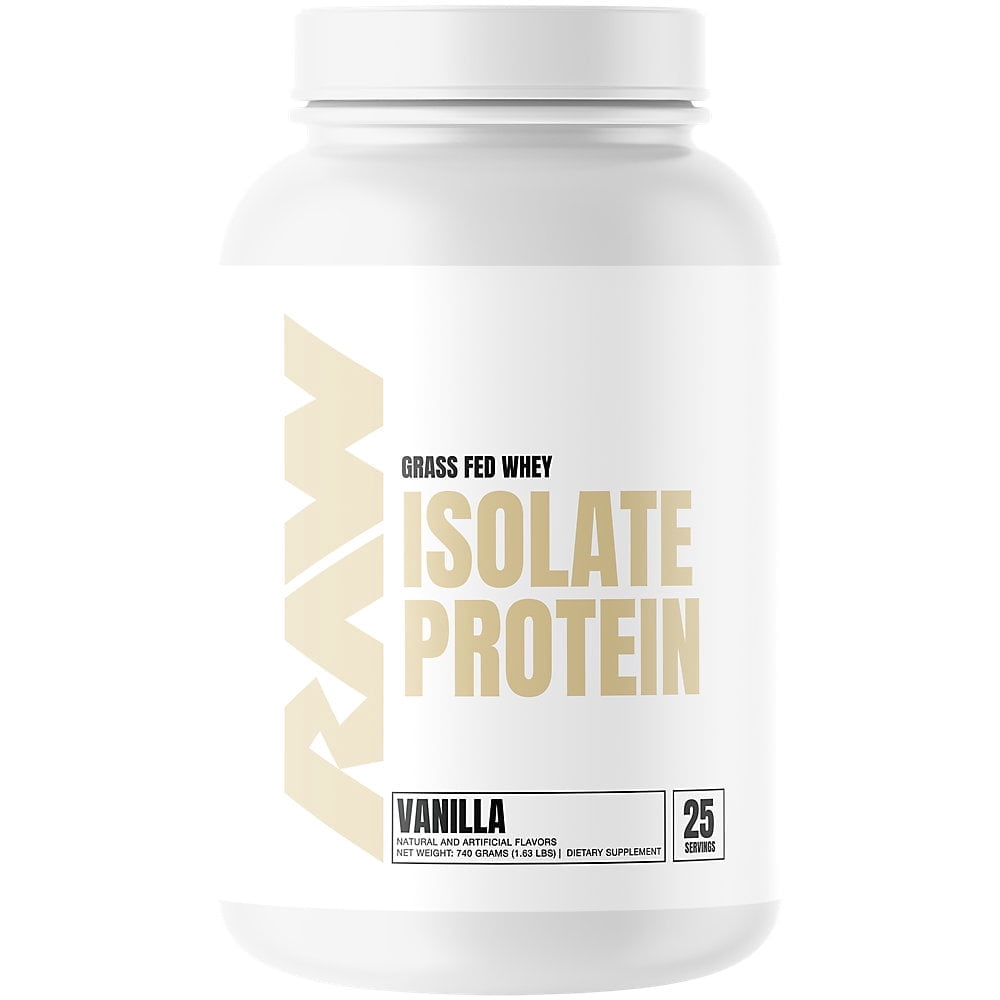
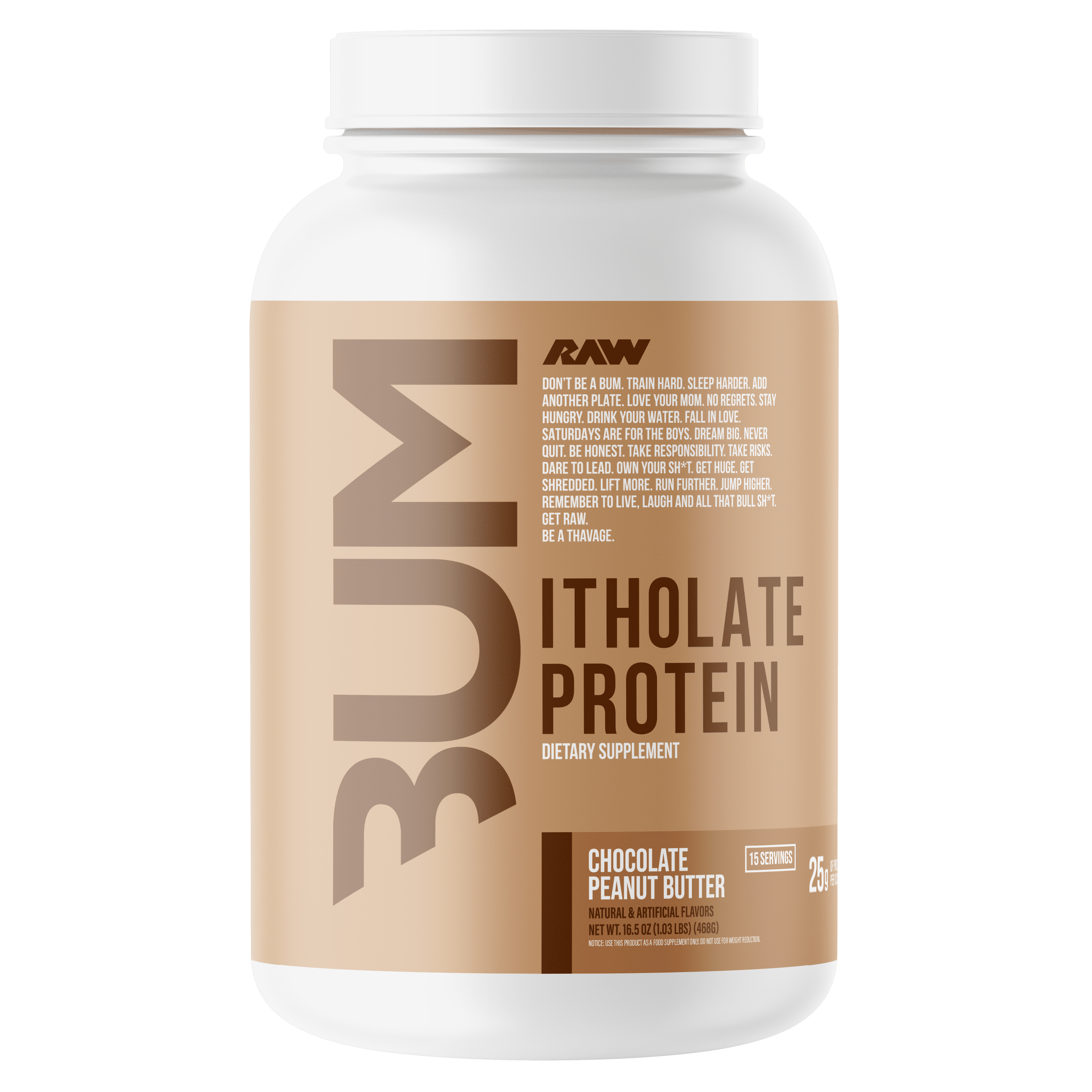
For example, RAW Nutrition sells protein supplements made with ingredients such as whey protein isolate. Whey isolate is separated from milk during food processing. It is therefore not raw milk in its original form. The final powder is manufactured to be suitable for storage and use as a supplement.
A shopper should look beyond the word raw and read the actual ingredient list. The protein source, serving size, added sweeteners, flavorings, and quality controls provide much more useful information than the name alone.
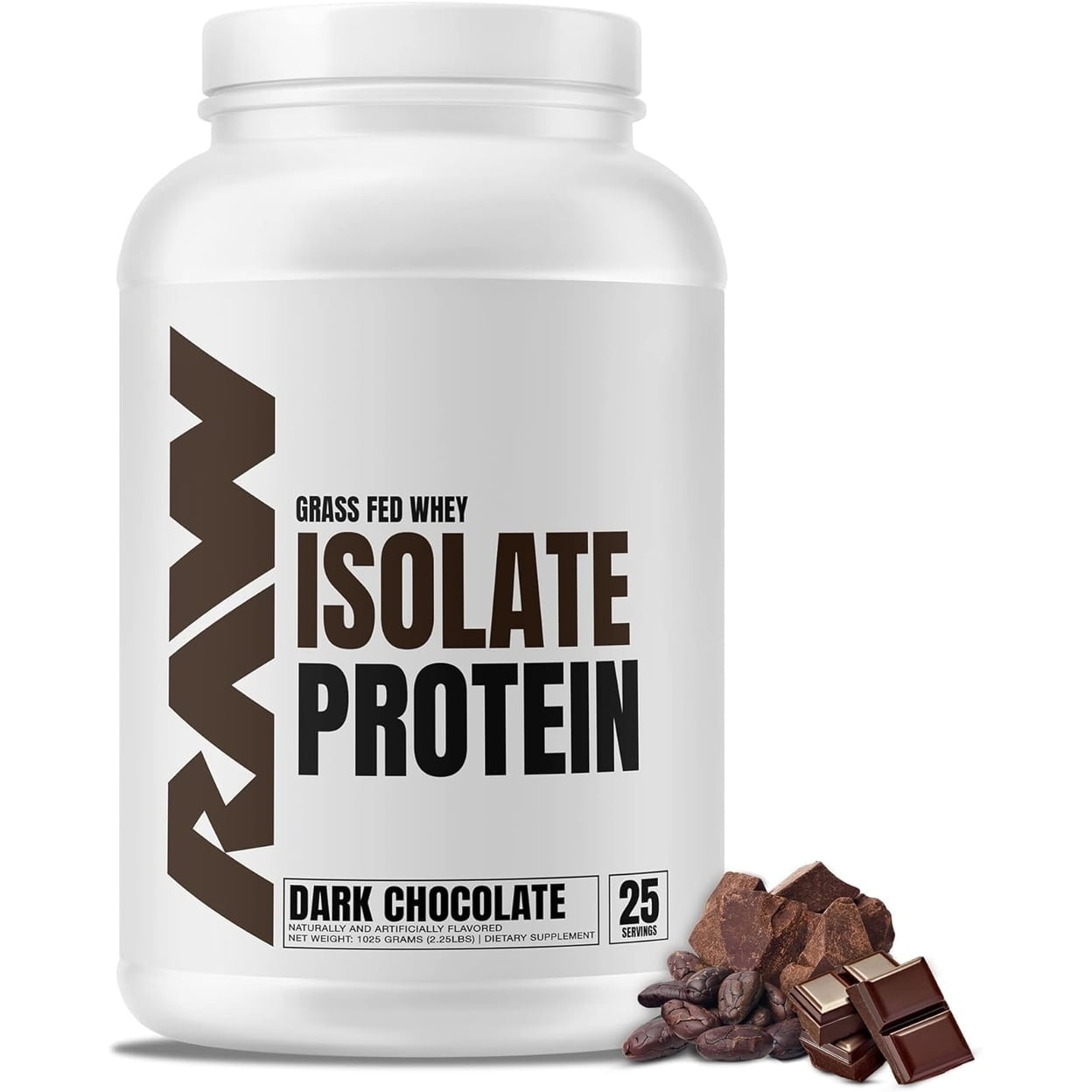
Source: walmart.com
Raw as a brand name
RAW Nutrition is a sports nutrition brand. Its name does not mean every product is made from uncooked or unprocessed ingredients.
Raw as a marketing term
Some companies use raw to suggest a simple or natural product. The claim should be evaluated against the actual ingredient list and manufacturing information.
Raw as a processing description
A genuinely unprocessed protein ingredient would have a different meaning from a filtered, dried, flavored, and packaged whey powder.
Is RAW Nutrition Protein Actually Raw?
Not necessarily. RAW Nutrition is a brand name, and its whey protein products use processed dairy-derived protein ingredients. Whey protein isolate is made by separating whey from other milk components and removing much of its lactose, fat, and other non-protein material.
This process creates a concentrated protein ingredient. Manufacturers then blend it with other ingredients, depending on the flavor and product formula. The result is a finished supplement rather than raw milk protein.
That does not make the product bad. Processing is a normal part of producing safe, consistent, shelf-stable food ingredients. The important question is whether the finished product has a suitable formula and reliable quality controls.
Does Raw Mean Unprocessed or Chemical-Free?
No. Raw is not a standardized promise that a protein powder contains no additives or has never undergone industrial processing. Even a plain, unflavored powder may have been filtered, concentrated, dried, and packaged.
Likewise, a product described as natural may still contain flavorings, sweeteners, or processing aids. There is no reason to assume that a product is safer simply because its packaging uses words such as raw, clean, or natural.
Is Raw Protein Powder Good for Your Health?
Raw protein powder can support good nutrition when it helps you meet your protein needs without adding excessive sugar or unnecessary ingredients. Protein is an essential nutrient. Your body uses it to maintain tissues, build muscle, produce enzymes, and support many normal functions.
The main benefit comes from the protein itself, not from the word raw. A high-quality whey powder can provide essential amino acids in a convenient serving. This can be helpful when meals do not provide enough protein or when someone needs an easy post-workout snack.
However, protein powder is not automatically healthier than whole foods. A meal containing eggs, vegetables, whole grains, and dairy or beans provides more than protein alone. It may also supply fiber, vitamins, minerals, and other nutrients that a basic protein powder does not contain.
For a healthy adult who already eats enough protein, adding another scoop may provide little extra value. More protein is not always better. The goal should be to meet an appropriate daily amount rather than consume as much as possible.
Source: tiendamia.com
Supports normal muscle function
Protein supplies amino acids that the body uses to build and maintain muscle tissue.
Helps meet daily protein needs
A powder can fill a gap when meals do not provide enough protein.
Offers convenience
A prepared shake can be easier to carry and consume than a full meal during a busy day.
Can support exercise recovery
Adequate protein helps the body repair and adapt to the demands of exercise.
Does Raw Protein Powder Help Build Muscle?
Yes, a suitable raw protein powder can help support muscle growth. Muscle tissue needs amino acids to repair and adapt after resistance training. Whey protein provides these building blocks, including leucine, an essential amino acid involved in signaling muscle protein synthesis.
But protein alone does not build large muscles. Resistance training provides the stimulus for muscle growth. Adequate calories, sleep, recovery, and a balanced diet also matter.
A protein shake may make it easier to reach a useful daily protein target. It cannot replace a consistent training plan or make up for poor nutrition.
Resistance training
Use a progressive training plan that challenges your muscles over time.
Enough total protein
Spread protein across meals and snacks instead of relying on one large shake.
Recovery
Allow time for rest and sleep so your body can adapt to training.
Can It Help With Muscle Recovery?
Protein can support recovery because exercise increases the need for muscle repair and remodeling. A shake after training is one convenient way to provide amino acids, especially if a regular meal is not available.
However, you do not need to drink protein immediately after your final repetition. The body continues to respond to exercise for many hours. Your total protein intake across the day matters more than following a strict minute-by-minute schedule.
For people who train regularly, a balanced meal or snack containing protein can serve the same basic purpose as a supplement.
Does Raw Protein Powder Help With Weight Management?
It may help with weight management when it replaces a less filling snack or makes it easier to meet protein needs while controlling total calorie intake. Protein can help maintain muscle during weight loss, particularly when combined with resistance exercise.
But protein powder does not burn body fat by itself. A shake still contains calories, and large servings or high-calorie additions can increase daily energy intake.
If weight management is your goal, compare the calories, protein, added sugar, and serving size. A simple shake with water may have a different calorie profile from one made with whole milk, nut butter, fruit, and oats.
What Are the Nutritional Benefits of Raw Protein Powder?
The nutritional value of raw protein powder depends on its protein source and finished formula. Whey protein isolate is often chosen because it provides a high amount of protein relative to its serving weight.
It also contains all nine essential amino acids. These are amino acids that the human body cannot make in sufficient amounts and must obtain from food. A complete protein supplies all nine.
Whey isolate generally contains less lactose and fat than whey concentrate, although the exact amounts depend on the product. This can make it a useful option for some people who tolerate whey but prefer a lower-lactose formula.
Not every protein powder offers the same nutritional profile. Some include added carbohydrates, fats, vitamins, minerals, or digestive ingredients. Always compare the finished product rather than assuming that all whey isolates are nutritionally identical.
Source: walmart.com
Essential amino acids
These amino acids support normal protein synthesis and tissue maintenance.
Leucine
Leucine is one of the branched-chain amino acids and plays a key role in signaling muscle protein synthesis.
Convenient protein
A scoop can provide a measured amount of protein without requiring a full meal.
Potentially lower lactose
Whey isolate is generally lower in lactose than whey concentrate, but it is not guaranteed to be lactose-free.
How Much Protein Is in a Serving?
The amount varies by brand, flavor, and serving size. Some whey isolate products provide around 20 to 25 grams of protein per serving, while other formulas provide more or less.
For example, a hypothetical serving with 25 grams of protein supplies 25 grams toward your daily total. It does not mean the body will turn all 25 grams directly into muscle. The amino acids are used for many body functions, and their use depends on the person’s overall nutritional and physical needs.
Check the Supplement Facts panel rather than relying on the front label. A large scoop may contain more powder but not necessarily more protein.
Does It Contain All Essential Amino Acids?
Whey protein is a complete protein because it contains all nine essential amino acids. This is one reason whey is widely used in sports nutrition.
The amino acid profile can differ between protein sources. Soy is also a complete plant protein, while some individual plant proteins have lower amounts of certain essential amino acids. Blending complementary plant proteins can help provide a more balanced amino acid profile.
If you follow a vegetarian or vegan diet, a suitable soy, pea, rice, or blended plant protein may be more appropriate than a milk-based whey product.
Is Grass-Fed Whey Better?
Grass-fed whey comes from milk produced by cows raised under specified pasture-based feeding practices. Some shoppers prefer it because they value the farming method or want a product with a particular sourcing standard.
However, grass-fed on the label does not automatically mean the finished protein powder contains more protein, has better amino acid quality, or produces greater muscle growth. The nutrition facts and sourcing documentation still matter.
If this claim matters to you, look for clear information about the supplier, the meaning of the claim, and any relevant independent certification.
How Much Raw Protein Powder Should You Take?
The right amount depends on your body weight, activity level, age, health, and the protein you already get from food. There is no single scoop amount that works for everyone.
For healthy adults, the general Recommended Dietary Allowance for protein is 0.8 grams per kilogram of body weight per day. This is a baseline intended to meet the needs of most healthy adults, not a specific muscle-building target.
People who exercise regularly may need more. The NIH Office of Dietary Supplements discusses a range of approximately 1.2 to 2.0 grams per kilogram per day for athletes, depending on their training and other needs. These amounts include protein from all foods and supplements, not just shakes.
A protein powder should fill the difference between your food intake and your daily target. If you already meet your needs through meals, you may not need a supplement at all.
Source: walmart.com
Start with your daily protein intake
Estimate how much protein you receive from meals, snacks, dairy, meat, fish, eggs, legumes, and other foods.
Identify the remaining gap
Compare your current intake with a suitable target based on your health and activity level.
Use the serving size on the label
Check how many grams of actual protein are in one serving, not just the total powder weight.
Reassess as your routine changes
Your needs may change when your training, body weight, diet, or health status changes.
Example of a Daily Protein Calculation
Consider a hypothetical healthy adult who weighs 150 pounds, or about 68 kilograms, and performs regular resistance training. At a daily target of 1.4 grams per kilogram, the calculation is approximately 95 grams of protein per day.
Suppose this person gets 70 grams from regular meals. The remaining gap is about 25 grams. A serving of whey isolate that provides 25 grams of protein could cover that gap.
This is an illustration, not an individual prescription. Someone with a different training routine or medical history may need a different target.
Should You Take Protein Powder Every Day?
You can use a suitable protein powder daily if it fits your nutrition needs and you tolerate it well. However, daily use is not necessary simply because you exercise.
Some days, meals may provide enough protein without a shake. On other days, a supplement may be convenient. The overall pattern matters more than taking the same number of scoops every day.
Avoid using protein powder as a replacement for most meals. Whole foods offer a wider range of nutrients and help create a more balanced diet.
When Is the Best Time to Drink It?
You can drink protein powder at breakfast, between meals, after exercise, or at another time that suits your routine. There is no need to follow a rigid schedule.
A shake after a workout is practical if you will not eat a protein-rich meal soon. A morning shake can also help someone who has little time to prepare breakfast.
The most useful approach is to spread protein intake across the day and make sure your total amount is appropriate.
Raw Protein Powder vs. Regular Protein Powder
Raw protein powder is not automatically better than regular protein powder. The comparison depends on the ingredients and nutrition facts of the exact products being considered.
A simple whey isolate and a flavored whey isolate can both provide high-quality complete protein. The flavored version may contain sweeteners, cocoa, flavoring, or other ingredients. Those additions may affect taste, calories, or tolerance without necessarily changing the basic role of the protein.
Some products use marketing terms such as clean, raw, pure, or premium. These words are not substitutes for a detailed ingredient list or independent quality checks.
Instead of choosing based on the product name, compare the protein source, protein per serving, added sugar, total calories, allergens, and testing information.
Source: stack3d.com
Raw Protein Powder vs. Whey Concentrate
Whey concentrate contains protein along with varying amounts of lactose, fat, and other milk components. Whey isolate undergoes additional filtration to produce a more concentrated protein ingredient.
Whey isolate often has a higher percentage of protein by weight and less lactose than concentrate. However, concentrate may be less expensive and can still provide a complete amino acid profile.
Neither form is automatically the best choice. A person who tolerates lactose well may be satisfied with concentrate, while someone who wants a lower-lactose product may prefer isolate.
Whey concentrate
Often costs less and contains some lactose and milk fat.
Whey isolate
Usually provides a higher proportion of protein and less lactose.
Raw Protein Powder vs. Plant Protein
Plant protein powders are made from sources such as peas, soy, rice, and other plant foods. They can be useful for people who avoid dairy or follow vegetarian and vegan diets.
Whey and plant proteins differ in their amino acid profiles, taste, texture, and digestion. Some plant powders combine several protein sources to provide a broader essential amino acid profile.
There is no universal winner. The better option is the one that meets your protein needs, fits your dietary restrictions, and agrees with your digestion.
Raw Protein Powder vs. Protein From Whole Foods
Whole foods are often the best starting point for meeting daily protein needs. Chicken, fish, eggs, Greek yogurt, milk, tofu, beans, lentils, and nuts all contribute protein.
Whole foods also offer nutrients that a basic powder may not contain. Beans provide fiber, fish can provide omega-3 fats, and dairy foods can supply calcium.
Protein powder is most useful when convenience, appetite, food restrictions, or a busy schedule makes it hard to obtain enough protein from meals.
Is Raw Protein Powder Safe to Use?
A properly manufactured protein powder can be a convenient option for many healthy adults, but no supplement should be assumed safe simply because it is popular or marketed as natural.
Safety depends on the ingredients, serving size, manufacturing standards, possible contamination, and the person’s health. Some products also contain added ingredients that may cause problems for people with allergies or sensitivities.
In the United States, the Food and Drug Administration regulates dietary supplements under a different framework from prescription drugs. Manufacturers are responsible for ensuring their products meet applicable safety and labeling requirements, but the FDA does not approve every supplement for safety and effectiveness before it reaches the market.
This makes careful product selection important. Look for a complete ingredient list, clear serving information, a reputable manufacturer, and credible independent testing.
Source: walmart.com
Check the milk allergy warning
Whey is derived from milk and is not suitable for someone with a milk protein allergy.
Review the full ingredient list
Check sweeteners, flavorings, added ingredients, and possible allergens.
Avoid excessive servings
More protein does not guarantee more muscle growth or better health.
Check quality information
Independent product testing can provide additional information about label accuracy and certain contaminants.
Can Raw Protein Powder Cause Digestive Problems?
Yes. Some people experience bloating, gas, nausea, stomach discomfort, or diarrhea after drinking protein shakes. These effects can come from lactose, sweeteners, sugar alcohols, flavoring ingredients, or simply consuming a large serving too quickly.
Whey isolate generally contains less lactose than whey concentrate, but it may still contain some. People with lactose intolerance may tolerate isolate better, although individual responses differ.
A milk allergy is different from lactose intolerance. A person with a milk protein allergy should not assume that whey isolate is safe just because it contains less lactose.
If a shake causes discomfort, stop using it and review the ingredient list. Persistent or severe symptoms deserve medical attention.
Bloating
May be related to lactose, certain sweeteners, or a large serving.
Gas
Can occur when a person has difficulty digesting specific ingredients.
Diarrhea
May occur with ingredient intolerance or excessive consumption.
Can Protein Powder Damage Your Kidneys?
There is no good reason to assume that a normal serving of protein powder automatically damages healthy kidneys. Protein is a normal dietary nutrient, and the amount a healthy person needs depends on several factors.
However, people with chronic kidney disease or reduced kidney function may need an individualized protein intake. Their requirements can differ according to disease stage, treatment, nutritional status, and other medical factors.
People with kidney disease should not begin a high-protein diet or take several protein servings each day without guidance from their kidney specialist or registered dietitian.
Can Protein Powder Contain Heavy Metals?
Some dietary supplements can contain contaminants, including heavy metals. The risk varies with the ingredients, sourcing, manufacturing process, and product quality. A protein powder’s raw or natural marketing claims do not prove that it is free from contamination.
Look for credible third-party testing that identifies the finished product and explains what was tested. NSF certification programs, for example, include different checks for product contents, label accuracy, and certain contaminants.
A certification is useful only when it applies to the exact product and relevant program. It does not mean a product has been tested for every possible contaminant or that every batch is guaranteed to be risk-free.
Who Should Be Careful With Raw Protein Powder?
Some people should get professional advice before adding a protein supplement. This includes people with chronic kidney disease, significant liver disease, milk allergies, complex medical conditions, or diets that require medical supervision.
Pregnant or breastfeeding people should also review supplements with a healthcare professional rather than assuming that a sports nutrition product is suitable for them.
Children and teenagers generally should focus on balanced meals and age-appropriate nutrition. Sports supplements should not be used as a shortcut to muscle growth during adolescence without appropriate professional guidance.
People with kidney disease
May need a specific protein target based on their medical condition and treatment.
People with milk allergies
Should avoid whey and casein products unless a qualified allergy specialist advises otherwise.
People taking medication
Should review the complete supplement formula with a pharmacist or healthcare professional when interactions are possible.
Pregnant or breastfeeding people
Should check the safety of the complete formula and its additional ingredients with their healthcare provider.
How to Choose a Good Raw Protein Powder
A good protein powder should have a clear protein source, useful nutrition information, a manageable ingredient list, and reliable quality controls. You do not need the most expensive product or the one with the most impressive packaging.
Start by deciding why you want the supplement. Someone who wants extra protein after strength training may prefer whey isolate. Someone who avoids dairy may need a plant-based option. A person who wants fewer added ingredients may prefer an unflavored formula.
Next, compare the nutrition facts and serving size. Check how much actual protein each serving provides and how much sugar, fat, and total energy it contains. A product with a large serving size may appear to provide more protein simply because the scoop contains more powder.
Finally, look for independent quality information. A reputable certification can help verify certain aspects of product quality, but it should be treated as one part of your decision rather than a guarantee of personal suitability.
Source: manuals.plus
Choose the right protein source
Match whey, casein, soy, pea, rice, or a blended formula to your diet and tolerance.
Compare protein per serving
Check actual protein grams rather than the total weight of one scoop.
Review added sugar
Compare flavored products and consider an unflavored formula if you want more control over sweetness.
Check allergens
Read warnings for milk, soy, nuts, and other ingredients that may matter to you.
Look for independent testing
Check whether a recognized program verifies the finished product and what its certification actually covers.
Read the Supplement Facts Panel
The Supplement Facts panel is one of the most useful parts of the package. It shows the serving size, servings per container, and declared dietary ingredients.
Pay attention to the difference between serving weight and protein content. A 35-gram scoop might contain 25 grams of protein, with the remaining weight coming from other ingredients.
Also check the number of servings per container. A product that appears less expensive may provide fewer usable servings than another product.
Check the Ingredient List
Look at the full list rather than judging a product by the first few words on the front label. Ingredients such as cocoa, natural flavors, artificial flavors, lecithin, and sweeteners may appear in flavored powders.
These ingredients are not automatically harmful. Their relevance depends on your preferences, allergies, digestive tolerance, and total diet.
If you want a simple formula, an unflavored powder may make comparison easier. It can also be mixed into oatmeal, yogurt, or smoothies without adding another strong flavor.
Look for Independent Quality Certification
Third-party certification can help reduce uncertainty about supplement quality. NSF Certified for Sport, for example, includes product-content verification and screening for certain contaminants and prohibited substances.
Other certification programs may focus on ingredient identity, label accuracy, or manufacturing standards. These programs do not all test the same things, so check the exact certification rather than relying on a general claim such as third-party tested.
For competitive athletes, a sports-specific certification may be especially useful because contaminated supplements can create anti-doping problems. Even with certification, the risk is reduced rather than completely eliminated.
Be Careful With Unsupported Marketing Claims
Claims such as zero chemicals, toxin-free, completely safe, and guaranteed muscle growth should be treated with caution. All foods are made of chemicals in the scientific sense, and no protein supplement can guarantee a particular training result.
Similarly, a grass-fed or natural claim does not establish that a powder is free from heavy metals or other contaminants. Ask what the claim means and whether the company provides useful supporting information.
A trustworthy product description should make it easy to understand the protein source, serving size, ingredients, and quality controls.
Common Mistakes When Using Raw Protein Powder
Even a good protein powder can be used poorly. The most common mistakes involve taking too much, ignoring food quality, choosing a product without checking its ingredients, and expecting results without consistent exercise.
A protein shake should support a balanced eating pattern. It should not become the main source of nutrition or a replacement for healthy meals.
Avoid treating supplement labels as medical advice. A serving recommendation from a manufacturer does not account for every person’s health, body weight, dietary intake, or medication use.
Source: walmart.com
Taking too much protein
Excess servings can add calories without providing a clear additional benefit.
Ignoring whole foods
A powder cannot provide the same range of nutrients as a varied diet.
Choosing by marketing alone
Words such as raw, clean, and premium do not replace nutrition facts and quality checks.
Expecting fast muscle growth
Muscle development requires progressive training, adequate nutrition, recovery, and time.
Ignoring digestive symptoms
Repeated discomfort may signal an ingredient intolerance or another health concern.
Using Protein Powder Instead of Meals
A protein shake can work as a snack or a convenient addition to breakfast, but a basic powder is not a complete meal. It may lack fiber, healthy fats, and several vitamins and minerals.
If you need a more balanced shake, you can combine protein powder with foods such as fruit, oats, milk or a suitable alternative, and nut butter if tolerated. This creates a more substantial meal or snack.
For regular meals, aim to include a variety of protein sources, vegetables, fruits, whole grains, and healthy fats.
Ignoring Serving Size
A large scoop does not necessarily provide a proportionally large amount of protein. Some powders contain flavoring, carbohydrates, and other ingredients that contribute to total serving weight.
Use the measuring instructions on the package and compare the declared protein amount with your actual daily needs. Avoid taking extra scoops simply because the container recommends multiple servings.
Expecting Supplements to Replace Training
Protein supplies the building blocks for muscle, but it does not provide the training stimulus needed for substantial muscle growth. Drinking more shakes without appropriate exercise will not create the same results as a consistent resistance-training program.
Set realistic goals and focus on habits you can maintain. Regular workouts, enough sleep, adequate food, and a suitable protein intake work together.
How to Use Raw Protein Powder in Everyday Meals
Raw protein powder can be mixed into several everyday foods and drinks. The simplest method is to combine the powder with water or milk in a shaker bottle and mix until smooth.
You can also use it in recipes when you want to increase the protein content of a snack. However, heat and mixing can change texture, and some powders may become thick or dry when added to baked foods.
Start with a small amount when adding powder to a recipe. Adjust the liquid and other ingredients to achieve the texture you want.
Source: walmart.com
Protein shake
Mix one suitable serving with water or milk according to the label.
Breakfast oatmeal
Stir powder into prepared oatmeal after cooking and add enough liquid to prevent a dry texture.
Fruit smoothie
Blend protein powder with fruit, milk or a suitable alternative, and ice.
Greek yogurt
Mix a small amount into yogurt and adjust the consistency with milk or water.
Homemade pancakes
Add a modest amount to pancake batter and adjust the liquid because protein powders can make batter thicker.
How to Make a Simple Protein Shake
A simple shake needs only protein powder and a liquid. Follow the serving size on the package and choose water or milk based on your taste and nutrition goals.
Add the liquid to a shaker bottle first, then add the powder. Close the lid securely and shake until the mixture is smooth. Adding liquid first can make it easier to mix some powders without clumps.
If you use milk, remember that it contributes additional calories, protein, carbohydrates, and other nutrients. Water provides hydration without adding those nutrients.
How to Store Protein Powder
Store protein powder in its original container or another clean, tightly sealed food-safe container. Keep it in a cool, dry place away from direct sunlight and moisture.
Always use a dry scoop. Water entering the container can encourage clumping and may affect product quality. Follow the manufacturer’s storage instructions and check the expiration or best-by information.
Discard a product if you notice unusual odors, visible mold, moisture damage, or other clear signs of spoilage. Do not use a powder if the packaging appears damaged or contaminated.
Is Raw Protein Powder Worth Buying?
Raw protein powder may be worth buying if you regularly struggle to meet your protein needs through food and want a convenient supplement. It can also be useful for people who train regularly and prefer a quick way to add protein to meals.
It may not be worth the cost if you already eat enough protein or simply want a product because its name sounds healthier. A regular whey powder with a suitable ingredient list can offer similar nutritional benefits.
The best buying decision starts with your needs rather than a brand’s marketing. Consider your budget, dietary restrictions, protein target, preferred flavor, and tolerance before choosing a product.
There is also no need to purchase multiple protein supplements at once. One suitable product is usually enough to fill a specific nutritional gap.
Source: tiendamia.com
It may be worth buying if
You need a convenient protein source, train regularly, have difficulty meeting your protein target, or want a portable snack.
It may not be necessary if
Your meals already provide enough protein and you have no practical reason to add a supplement.
Compare before buying
Review protein per serving, total calories, ingredients, price per serving, allergens, and independent testing.
Should Beginners Use Raw Protein Powder?
Beginners do not need protein powder to start exercising or building muscle. A balanced diet with enough protein can support a new training routine.
However, a simple protein powder may be convenient when a beginner cannot consistently meet daily needs through meals. The important thing is to understand the serving size and avoid using it as a substitute for regular food.
New exercisers should focus first on learning proper exercise technique, building a sustainable routine, eating enough, and getting adequate rest.
Can You Use It Without Going to the Gym?
Yes. Protein is needed for normal body functions, not just muscle building. People who do not go to the gym still need enough protein to maintain tissues and support normal health.
However, someone who is physically inactive and already meets protein needs through food may have little reason to use a sports protein supplement. The decision should be based on diet and personal requirements rather than gym membership.
Is an Expensive Protein Powder Always Better?
No. A higher price does not prove better protein quality, greater muscle growth, or improved safety. Some products cost more because of branding, flavors, packaging, sourcing claims, or additional ingredients.
Compare the actual protein content and quality information. Calculate the price per serving and consider the amount of protein each serving provides. A less expensive product may meet your needs just as well if its ingredients and quality controls are suitable.
What Does the Research Say About Protein Supplements?
The scientific evidence supports protein as an important nutrient for muscle maintenance, growth, and recovery. The NIH Office of Dietary Supplements explains that adequate protein helps optimize the body’s response to exercise and supports the recovery period after training.
The same NIH resource discusses daily protein needs for athletes and explains that both food and supplements can contribute to total intake. It also makes clear that supplements are not required when a person’s diet already supplies enough protein.
One important distinction is that evidence about protein does not prove that every branded raw protein powder is equally effective or safe. A study involving whey protein cannot automatically establish the quality of a particular flavored product or manufacturing batch.
Research on the general benefits of protein should therefore be used to understand the ingredient, while product-specific claims should be checked against the actual formula, label, and available testing information.
Source: walmart.com
What is well established
Protein supplies amino acids needed for normal body functions, muscle maintenance, and adaptation to exercise.
What depends on the person
The useful amount depends on body weight, activity, health, age, and total dietary intake.
What is not guaranteed
A product’s name, price, grass-fed claim, or raw marketing does not prove superior muscle growth or complete safety.
What needs product-specific evidence
Claims about purity, contaminant levels, ingredient amounts, and manufacturing quality should be supported by relevant testing or certification.
Why Protein Quality Matters
Protein quality depends partly on the essential amino acids a source provides and how well the body can digest and use them. Whey is considered a high-quality complete protein because it supplies all nine essential amino acids.
This is useful for people who want a convenient source of complete protein. Still, a varied diet can provide high-quality protein from many foods, including dairy, eggs, fish, meat, soy, and combinations of plant foods.
Why More Protein Is Not Always Better
Once daily protein needs are met, adding more may not produce additional benefits. The body uses amino acids for different functions, and surplus dietary energy can contribute to weight gain when total calorie intake exceeds needs.
A sensible target should account for the whole diet. This avoids spending money on unnecessary servings and leaves room for other important nutrients.
Frequently Asked Questions
Q
Is raw protein powder good for beginners?
Yes, raw protein powder can be useful for beginners who need help meeting their daily protein needs. It provides a convenient source of amino acids that support normal muscle repair and growth.
However, beginners do not need a protein supplement to start exercising. A balanced diet containing eggs, dairy, fish, chicken, beans, and other protein-rich foods can provide what the body needs.
Q
Is RAW Nutrition protein better than regular whey protein?
Not automatically. RAW Nutrition is a brand, while whey protein describes a type of protein ingredient. The nutritional value depends on the exact formula, protein content, amino acid profile, added ingredients, and product quality.
Compare the Supplement Facts panels of both products. If two powders provide similar amounts of high-quality whey protein and have suitable quality controls, the more expensive brand may not offer a meaningful nutritional advantage.
Q
Can I drink raw protein powder every day?
Many healthy adults can use a suitable protein powder every day if it fits their diet and does not cause digestive problems. Daily use is not required, though.
Calculate your total protein intake from food and supplements. If your meals already provide enough, another shake may not be necessary. People with kidney disease or other conditions affecting protein needs should seek medical guidance.
Q
Is raw protein powder good for weight loss?
It can support a weight-management plan by providing protein in a convenient serving and helping preserve muscle when combined with suitable resistance training. Protein may also help make meals and snacks more satisfying.
However, protein powder does not directly burn fat. Weight loss depends on overall energy balance, food choices, physical activity, and sustainable habits. Pay attention to the calories in the powder and anything you mix into it.
Q
Is raw protein powder safe for people with lactose intolerance?
Some people with lactose intolerance may tolerate whey protein isolate because it generally contains less lactose than whey concentrate. However, the exact amount varies between products.
Whey isolate is still milk-derived and may not be suitable for everyone. People with a milk protein allergy should avoid it unless an allergy specialist specifically advises otherwise.
Q
Does raw protein powder have side effects?
Possible side effects include bloating, gas, nausea, stomach discomfort, and diarrhea. These symptoms may be linked to lactose, sweeteners, flavorings, or a serving that is too large.
Stop using a product that repeatedly causes discomfort. Seek medical advice if symptoms are severe, persistent, or accompanied by signs of an allergic reaction.
Q
Is raw protein powder better than natural food protein?
No. Protein powder is a convenient supplement, but it is not automatically better than protein from whole foods. Foods such as eggs, fish, yogurt, chicken, tofu, and beans provide protein along with other useful nutrients.
Whole foods should form the foundation of a balanced diet. Protein powder is best viewed as an optional way to fill a nutritional gap.
Q
Can raw protein powder help build muscle without exercise?
Protein supports normal muscle maintenance, but drinking protein powder alone is not an effective way to build substantial muscle. Resistance training provides the stimulus that encourages muscles to adapt and grow.
Without appropriate exercise, extra protein does not guarantee increased muscle size. Focus on a suitable training routine, enough daily protein, and adequate recovery.
Q
Should I take raw protein powder before or after a workout?
Either time can work. You can drink it before exercise, after exercise, or between meals based on your schedule and daily protein needs.
Total protein intake across the day is more important than following a strict post-workout time window. A protein-rich meal can also provide the same basic nutritional support.
Q
Does raw protein powder contain artificial sweeteners?
Some flavored protein powders contain artificial or other non-sugar sweeteners, while others use sugar or naturally derived sweetening ingredients. The formula varies by brand and flavor.
Read the full ingredient list to identify the sweeteners in a specific product. Unflavored options may have fewer added ingredients, although they can still contain processing-related ingredients.
✦ Wrapping Up
Conclusion
So, is raw protein powder good? Yes, it can be a useful source of high-quality protein for people who need a convenient way to support daily nutrition, muscle maintenance, and exercise recovery. Whey protein isolate is particularly useful because it provides all nine essential amino acids and generally contains less lactose than whey concentrate.
However, the word raw does not automatically make a product healthier or safer. The real value depends on the protein source, nutrition facts, ingredients, serving size, and manufacturing quality. RAW Nutrition is a brand name, not proof that a product is completely unprocessed.
Protein powder should complement a balanced diet rather than replace whole foods. A consistent exercise routine, sufficient sleep, and an appropriate daily protein intake are more important than choosing a supplement with impressive packaging or marketing claims.
Before buying, compare the actual protein content, total calories, added ingredients, allergens, and independent testing. If you have a medical condition that affects protein intake, ask a qualified healthcare professional for individual advice.
💡 Key Takeaway
Before choosing a raw protein powder, check the Supplement Facts panel, compare protein per serving, review all ingredients, and look for credible independent testing. Choose a product that fits your dietary needs and use it only to fill a genuine gap in your daily protein intake.
Are protein bars gluten free? Learn which ingredients to avoid, how to read labels, FDA rules, oats, cross-contact, and how to choose safe protein bars.