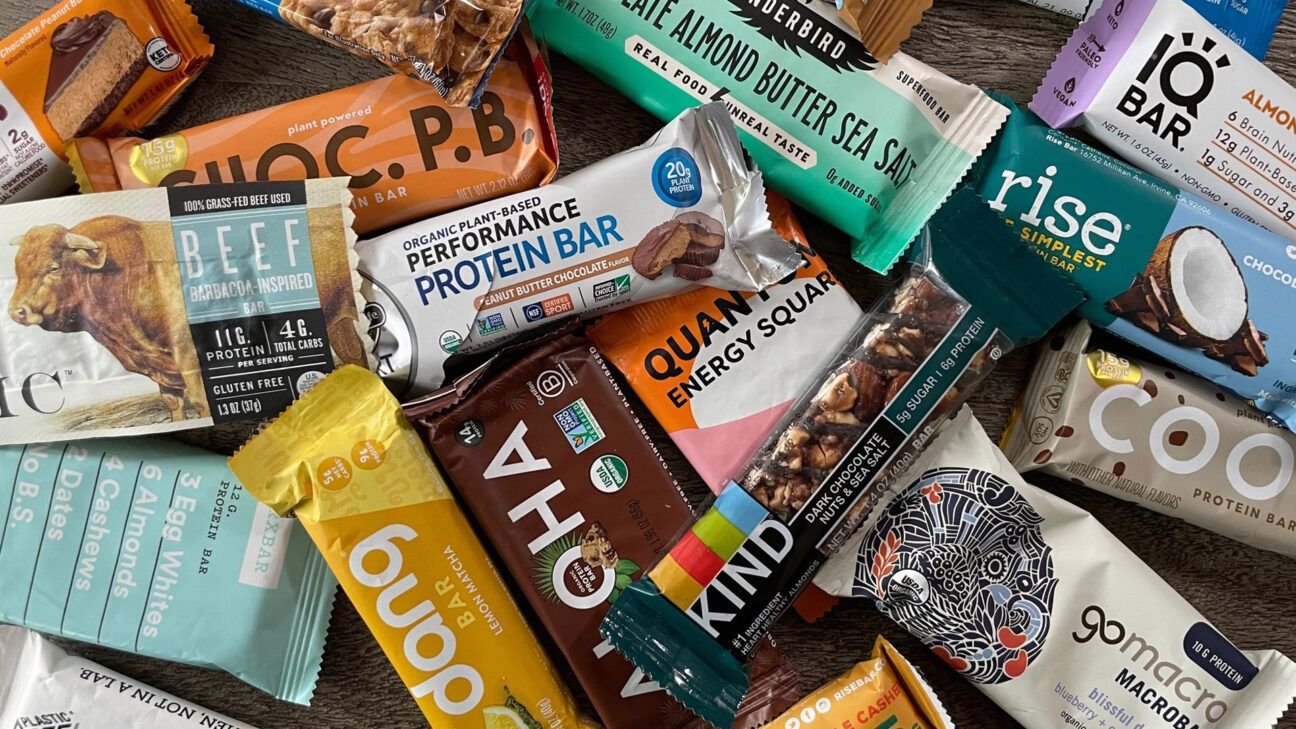
What Are Protein Bars For? Benefits, Uses, Nutrition, and How to Choose One
If you have ever searched for **what are protein bars for**, the simple answer is convenience. A protein bar gives you protein in a small, ready-to-eat package. It can be useful when you are at work, traveling, between classes, heading to the gym, or stuck in traffic.
Protein bars can also help fill a gap in a meal. Protein plays a key role in building and repairing body tissues. It also helps support normal body functions and can make a snack more filling. Still, a protein bar is a food choice, not a magic fitness product.
When people ask **what are protein bars for**, they often think only about muscle gain. That is too narrow. Protein bars can serve several roles, from a quick snack to a post-workout option. The right choice depends on what you need from the bar.

What Are Protein Bars For?
**Protein bars are made to provide a convenient source of protein and energy.** Most contain protein from sources such as milk, whey, casein, soy, eggs, nuts, seeds, peas, or other plant ingredients. Many also contain carbohydrates, fat, fiber, vitamins, minerals, or added sweeteners.
The main purpose is simple: make it easier to eat protein when whole foods are not practical. For example, you may not have time to cook eggs, chicken, Greek yogurt, beans, or fish during a busy day.
So, what are protein bars for in everyday life? They can work as a snack, a light meal supplement, a pre-workout food, or a post-workout option. Their value comes mostly from **convenience and nutrition**, not from the bar itself being special.
A protein bar also does not need to replace a balanced meal. Whole foods offer a wider mix of nutrients and can provide more water, fiber, vitamins, minerals, and other useful compounds. A bar is best viewed as one tool in a larger eating plan.
- ✦ Convenient protein
A bar can provide protein without cooking, refrigeration, plates, or utensils.
- ✦ Portable snack
Protein bars are easy to carry in a work bag, gym bag, backpack, or car.
- ✦ Meal support
A bar can add protein to a meal that is low in protein, although it may not provide enough food to replace a full meal.
- ✦ Workout fuel
Depending on its carbohydrate, fat, and protein content, a bar can fit before or after exercise.
Are Protein Bars the Same as Meal Replacement Bars?
Not always. A protein bar often focuses on protein and may contain fewer calories than a full meal. A meal replacement bar is usually designed to provide more calories and a broader mix of nutrients.
Check the Nutrition Facts label rather than relying on the product name. A bar labeled as a protein bar may still be too small to serve as a complete meal.
- ✦ Protein bar
Usually emphasizes protein and convenience. It often works best as a snack or meal supplement.
- ✦ Meal replacement bar
Usually provides more energy and a wider nutrient mix to help stand in for part or all of a meal.
What Are Protein Bars Used for in Fitness and Muscle Recovery?
One of the most common answers to **what are protein bars for** is exercise recovery. Resistance training creates a need for muscle repair. Protein supplies amino acids that the body uses to build and repair muscle proteins.
Eating enough total protein across the day matters more than choosing a particular bar. A protein bar can make that goal easier when a normal meal is not available after training.
A bar can also be useful before exercise. However, the best pre-workout choice depends on the type and length of the workout and your personal tolerance. Some people feel better with carbohydrates before exercise, while a very high-fat or high-fiber bar may feel heavy during hard training.
For muscle gain, protein bars do not replace training, sleep, or an adequate diet. They simply offer a convenient source of protein that can fit into a broader plan.

- ✦ After strength training
A protein bar can provide protein when you cannot eat a normal meal soon after exercise.
- ✦ Between meals
It can help increase daily protein intake when meals alone do not provide enough.
- ✦ Before exercise
Some bars can provide protein and carbohydrates before a workout, but large or high-fat bars may not suit everyone.
- ✦ During busy training days
A shelf-stable bar can be useful when work, travel, or school makes normal meals hard to plan.
How Much Protein Should a Bar Have?
There is no single protein amount that makes a bar good for everyone. A small snack may need less protein than a post-workout meal supplement. Your total daily protein intake matters more than one bar.
For many adults, a bar with around 10 to 20 grams of protein can be a practical snack. Some products contain more, but more protein is not automatically better. Compare the protein amount with the calories, sugar, fiber, and serving size.
- ✦ Small snack
A bar with about 10 grams of protein may fit a light snack for some people.
- ✦ Higher-protein snack
A bar with about 15 to 20 grams of protein can provide a larger protein boost.
- ✦ Higher needs
Athletes and people with specific nutrition goals may choose higher-protein products, but total daily intake should guide the choice.
What Are Protein Bars For Besides Muscle Gain?
The answer to **what are protein bars for** goes beyond bodybuilding. Protein can help make food more filling, so a protein-rich snack may help some people stay satisfied between meals.
Protein bars can also help people who struggle to eat enough protein from regular meals. This can happen during travel, long work shifts, school days, outdoor activities, or periods when cooking is difficult.
They may also be useful for people who follow vegetarian or vegan diets, depending on the ingredients. Plant-based bars can use soy, pea, rice, nuts, seeds, or other plant proteins.
Still, convenience should not hide the rest of the nutrition label. Some bars contain a lot of added sugar, saturated fat, sodium, or sugar alcohols. A bar can be high in protein and still be a poor fit for your personal needs.

- ✦ Managing hunger
Protein can increase fullness, so a protein-rich snack may help bridge the gap between meals.
- ✦ Travel
Bars can provide a portable food option when healthy meals are not easy to find.
- ✦ Work and school
A bar can be useful during long days when there is little time for a full snack or meal.
- ✦ Plant-based eating
Some protein bars provide plant protein for people who avoid animal foods.
Can Protein Bars Help With Weight Management?
They can fit into a weight-management plan, but a protein bar does not cause weight loss by itself. Body weight changes depend on total energy intake, activity, body composition, sleep, and many other factors.
A bar may help when it replaces a less filling snack and fits your calorie needs. On the other hand, eating a high-calorie bar in addition to your usual food can increase total calorie intake.
- ✦ Check calories
Choose a calorie level that fits the role of the bar in your day.
- ✦ Check protein and fiber
Protein and fiber can make a snack more filling for many people.
- ✦ Think about the whole day
One bar matters less than your overall eating pattern.
When Should You Eat a Protein Bar?
There is no universal best time to eat a protein bar. The right time depends on why you are eating it. This is an important part of understanding **what are protein bars for**, because the same bar can serve different roles.
After exercise, a protein bar can be convenient when you need protein but cannot eat a meal. Before exercise, a bar may work if you tolerate it well and it provides nutrients that suit your workout.
A bar can also work between meals. For a long workday or road trip, it may be more practical than waiting until you are very hungry and then choosing whatever food is available.
You do not need to eat protein within a tiny post-workout time window to benefit from exercise. What matters most is meeting your overall nutrition needs and spreading protein across meals and snacks in a way that works for you.

- ✦ Before a workout
Consider a smaller, easy-to-digest bar if you need food before exercise and have enough time to digest it.
- ✦ After a workout
A protein bar can be a practical option when a protein-rich meal is not available soon.
- ✦ Between meals
Use it as a snack when you need extra food or protein.
- ✦ While traveling
Keep one available as a backup when meals may be delayed.
Are Protein Bars Good Before Bed?
A protein bar can be eaten before bed if it fits your diet and does not cause stomach discomfort. Protein before sleep may support overnight muscle protein synthesis, especially when it contributes to adequate daily protein intake.
However, you do not need a protein bar at night just because you exercise. A normal protein-rich food such as Greek yogurt, cottage cheese, milk, or a soy-based food may work just as well.
- ✦ Choose based on comfort
Avoid bars that cause bloating, gas, reflux, or other symptoms before sleep.
- ✦ Look at total intake
Your full-day protein intake is more important than adding a bar at a specific hour.
How to Choose a Healthy Protein Bar
Knowing **what are protein bars for** is only the first step. The next step is choosing a bar that matches your goal. Two bars can contain similar amounts of protein but have very different amounts of sugar, fiber, calories, fat, and additives.
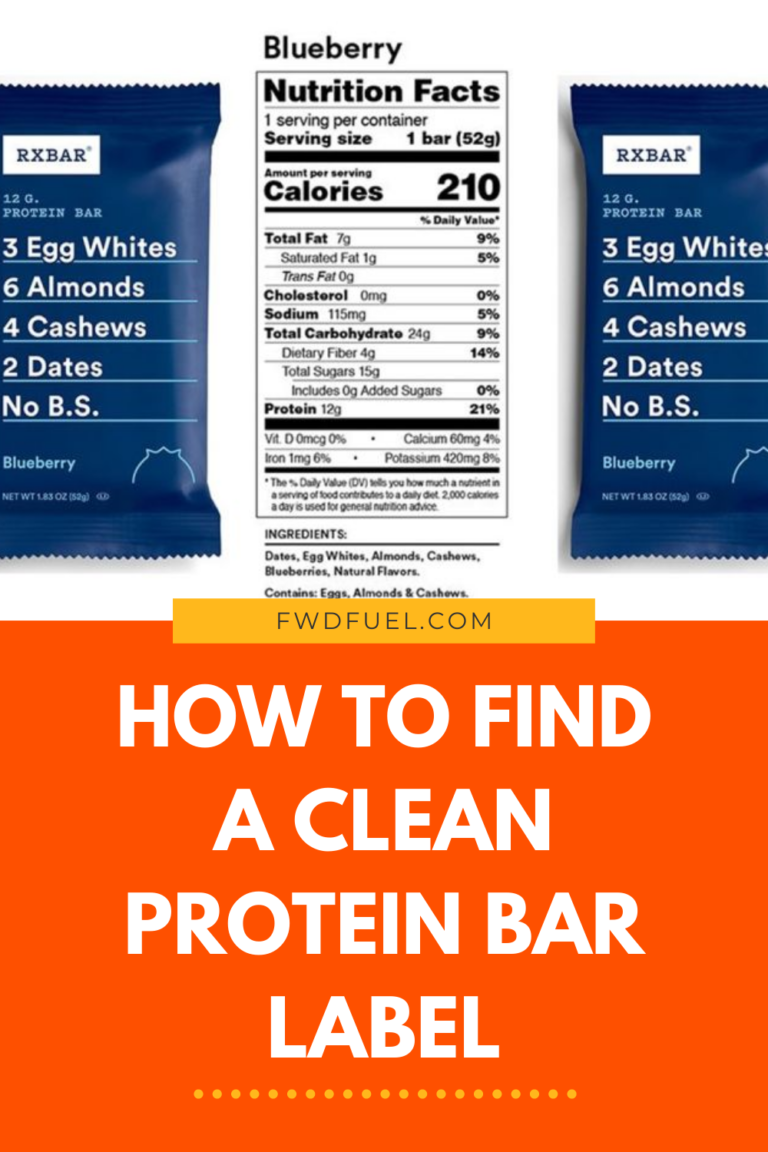
Start with the Nutrition Facts label. Look at serving size, calories, protein, fiber, added sugars, saturated fat, and sodium. Then read the ingredient list if you want to know where the protein, sweeteners, and other ingredients come from.
Do not assume that a long ingredient list means a bar is unhealthy. Some useful foods also have many ingredients. Instead, focus on the nutrients that matter most for your goal and how your body responds to the product.
A good protein bar is one that fits your diet. There is no single best bar for every person.
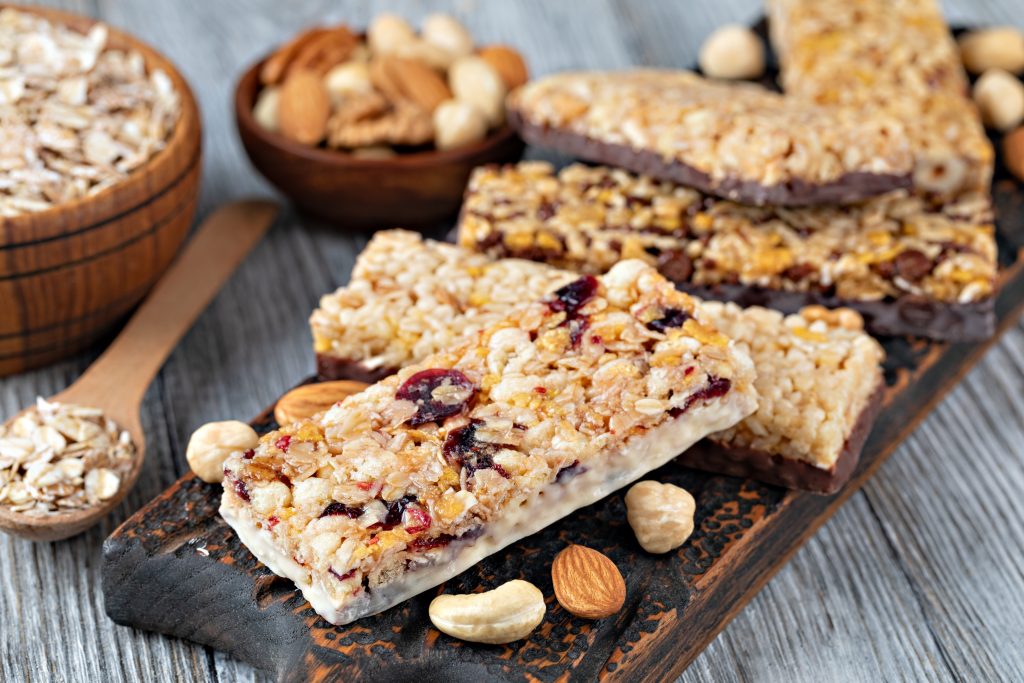
- ✦ Protein
Check how much protein the bar provides and whether that amount fits your daily needs.
- ✦ Added sugar
Lower added sugar may be useful when you want protein without turning the snack into a dessert-like food.
- ✦ Fiber
Fiber can support fullness and digestive health, but a sudden large increase may cause stomach discomfort.
- ✦ Calories
Choose a calorie amount that matches whether the bar is a snack, meal supplement, or workout food.
- ✦ Saturated fat and sodium
Compare these nutrients when you eat bars often or need to manage your intake.
- ✦ Protein source
Whey, casein, soy, pea, egg, and other sources can work differently for dietary needs, allergies, and preferences.
What Ingredients Should You Watch For?
Some protein bars use sugar alcohols such as erythritol, maltitol, sorbitol, or other sweeteners. Large amounts may cause gas, bloating, or diarrhea in some people. Your own tolerance matters.
People with milk allergies or lactose intolerance should check the protein source and other dairy ingredients. People with nut allergies should also read the label carefully and consider cross-contact warnings.
If you have diabetes, kidney disease, food allergies, or another medical condition that affects your diet, ask a qualified health professional which products fit your needs.
- ✦ Sugar alcohols
These sweeteners can cause digestive symptoms in some people, especially when eaten in large amounts.
- ✦ Allergens
Check for milk, soy, peanuts, tree nuts, wheat, eggs, and other allergens that may apply to you.
- ✦ Very high fiber
A large amount of added fiber may cause digestive discomfort if your body is not used to it.
Should You Choose a Low-Sugar Protein Bar?
A low-sugar bar can be useful if you want to keep added sugar lower. But low sugar does not automatically mean healthy. The bar may still be high in calories, saturated fat, or sodium.
Look at the whole label. A bar with moderate sugar, useful protein, enough fiber, and a suitable calorie level may be a better fit than a product chosen only because it has the fewest grams of sugar.
- ✦ Read the full label
Do not judge a bar from one nutrient alone.
- ✦ Match the bar to your goal
A workout snack, daily snack, and meal supplement may need different nutrition profiles.
Are Protein Bars Healthy?
The answer depends on the product and the rest of your diet. A protein bar can be a nutritious choice, especially when it provides useful protein and fits your calorie and nutrient needs.
But protein bars are not automatically healthy because the word protein appears on the package. Some are closer to candy bars with added protein. Others contain useful amounts of protein and fiber with moderate amounts of added sugar.
This is why the better question is not simply, “what are protein bars for?” It is also, “what does this particular bar provide?” Nutrition labels make that comparison much easier.
For most people, protein bars work best as a convenient supplement to a varied diet. They should not push nutritious whole foods out of your normal meals.

- ✦ Potential benefit
They can make it easier to get protein during busy days.
- ✦ Potential drawback
Some products contain substantial added sugar, calories, saturated fat, or sugar alcohols.
- ✦ Best approach
Use bars when they solve a real food or convenience problem rather than eating them simply because they are marketed as fitness foods.
Protein Bars vs. Whole-Food Protein Sources
Whole foods such as eggs, Greek yogurt, milk, fish, chicken, tofu, beans, lentils, nuts, and seeds can provide protein along with other nutrients. They also let you build meals around foods that may be less processed.
Protein bars have a different advantage: they are ready to eat. The best choice depends on the situation. If you have access to a balanced meal, whole foods may be the more useful everyday option; if you are rushing between meetings, a bar may be a practical backup.
- ✦ Whole foods
Often provide protein plus a broader mix of nutrients and can form the base of balanced meals.
- ✦ Protein bars
Offer speed, portability, and predictable nutrition in a compact form.
Who May Benefit Most From Protein Bars?
Protein bars can be useful for many healthy adults, but they are especially practical for people who need portable food. They can help fill short gaps in a busy day without requiring a kitchen.
People who exercise regularly may also find them useful because training can increase the need for planning around meals and snacks. A bar can make it easier to keep a protein-rich option available.
People with higher protein needs should still plan their diet around total intake. A bar can help, but it should not be the only source of protein.
Children, older adults with poor appetite, pregnant people, and people with medical conditions may have different nutrition needs. In those cases, product choice should match professional dietary advice when needed.
- ✦ Busy professionals
A bar can provide a fast snack during long workdays.
- ✦ Students
A portable bar can be useful between classes or during long study days.
- ✦ Travelers
Bars can help when meals are delayed or healthy food choices are limited.
- ✦ Active adults
They can provide a convenient source of protein around exercise.
- ✦ People with limited cooking time
Bars require little preparation and can be stored for later use.
Who Should Be More Careful?
Anyone with a food allergy should read the ingredient list and allergen statement carefully. Some protein bars contain several common allergens or are made in facilities that handle them.
People with certain medical conditions may need to watch protein, potassium, phosphorus, sodium, sugar, or calorie intake. A registered dietitian or other qualified health professional can help match a product to those needs.
- ✦ Food allergies
Check ingredients, allergen statements, and cross-contact warnings.
- ✦ Digestive sensitivity
Watch your response to sugar alcohols, added fibers, and large servings.
- ✦ Medical nutrition needs
Get individualized advice when a health condition changes your nutrition requirements.
Common Mistakes People Make With Protein Bars
Understanding **what are protein bars for** also means knowing what they are not for. They are not a substitute for exercise, sleep, vegetables, fruit, whole grains, or a balanced diet.
One common mistake is choosing a bar only because it has a high protein number. A 20-gram protein bar may still be a poor fit if it has more calories, sugar, or saturated fat than you need.
Another mistake is eating several bars every day without considering the rest of the diet. More protein is not always better. Excess calories can also add up quickly.
A final mistake is ignoring digestion. Some bars use large amounts of added fiber or sugar alcohols. If a product causes bloating or discomfort, another food may work better.
- ✦ Mistake: focusing only on protein
Protein matters, but calories, fiber, added sugar, fat, sodium, and ingredients also matter.
- ✦ Mistake: treating bars as candy with no limits
A bar can be useful, but eating several without a clear reason may add unnecessary calories.
- ✦ Mistake: replacing all whole foods
A varied diet still needs fruits, vegetables, whole grains, and diverse protein sources.
- ✦ Mistake: ignoring stomach symptoms
Choose another product if sweeteners or added fibers cause repeated digestive problems.
Can You Eat Protein Bars Every Day?
For many healthy adults, eating a protein bar every day can fit into a balanced diet. The key is what the bar contains and what it replaces.
If a daily bar helps you meet your protein needs and does not crowd out nutritious foods, it may be useful. If it becomes a substitute for most meals, your diet may lose variety.
- ✦ Daily use can be practical
A bar can be part of a balanced routine when it fits your overall nutrition needs.
- ✦ Variety still matters
Include different whole-food protein sources and a wide range of plant foods when possible.