Yes, many protein powders qualify as ultra-processed foods, especially flavored products made with protein isolates, sweeteners, emulsifiers, and artificial flavors. However, not every protein powder has the same level of processing.
Walk through an American grocery store, and you will find protein powder in nearly every health and fitness aisle. People across the United States use it in breakfast smoothies, post-workout shakes, and quick snacks. It offers an easy way to add protein without cooking another meal. But growing interest in ultra-processed foods has raised an important question: does protein powder belong in that category?
The answer depends on its ingredients and how it is made. Many commercial protein powders use isolated proteins, added flavors, sweeteners, stabilizers, and other ingredients that fit the NOVA definition of ultra-processed foods. Some simpler powders have much shorter ingredient lists, although their protein extraction and manufacturing methods still matter.
This distinction is worth understanding because the term ultra-processed does not automatically mean that a food is harmful. Protein powder can provide useful nutrients, but it is not the same as eating eggs, beans, fish, yogurt, or other whole protein foods. Learning to read the ingredient list can help you decide when a powder makes sense and when a regular food may be a better option.
Source: nutritiontactics.com
What Does Ultra-Processed Food Mean?
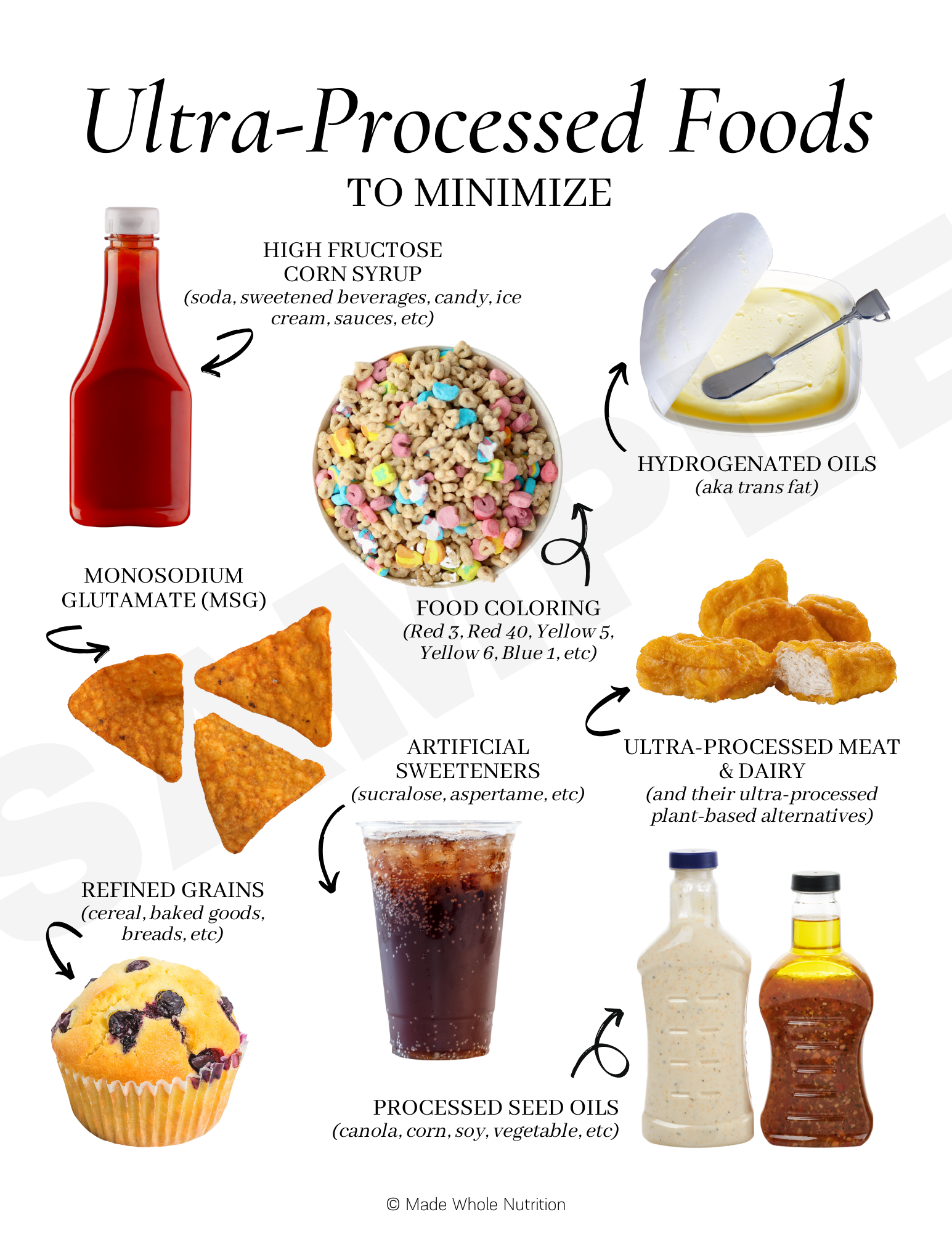
Ultra-processed food is a term commonly used in nutrition research to describe industrially formulated products made from food-derived substances and other ingredients. These products often contain substances that people do not normally use in home cooking, such as protein isolates, modified starches, flavor enhancers, and certain cosmetic additives.
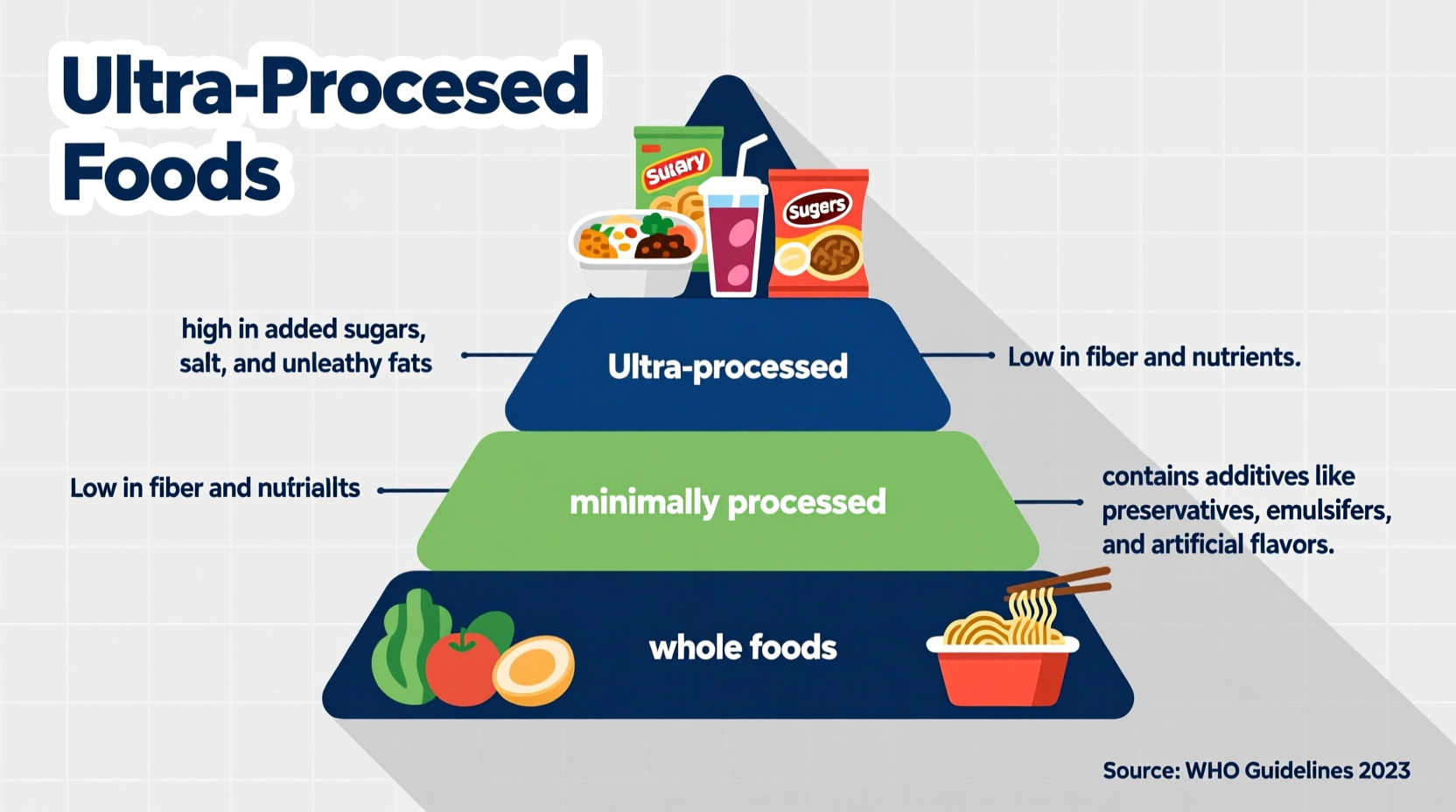
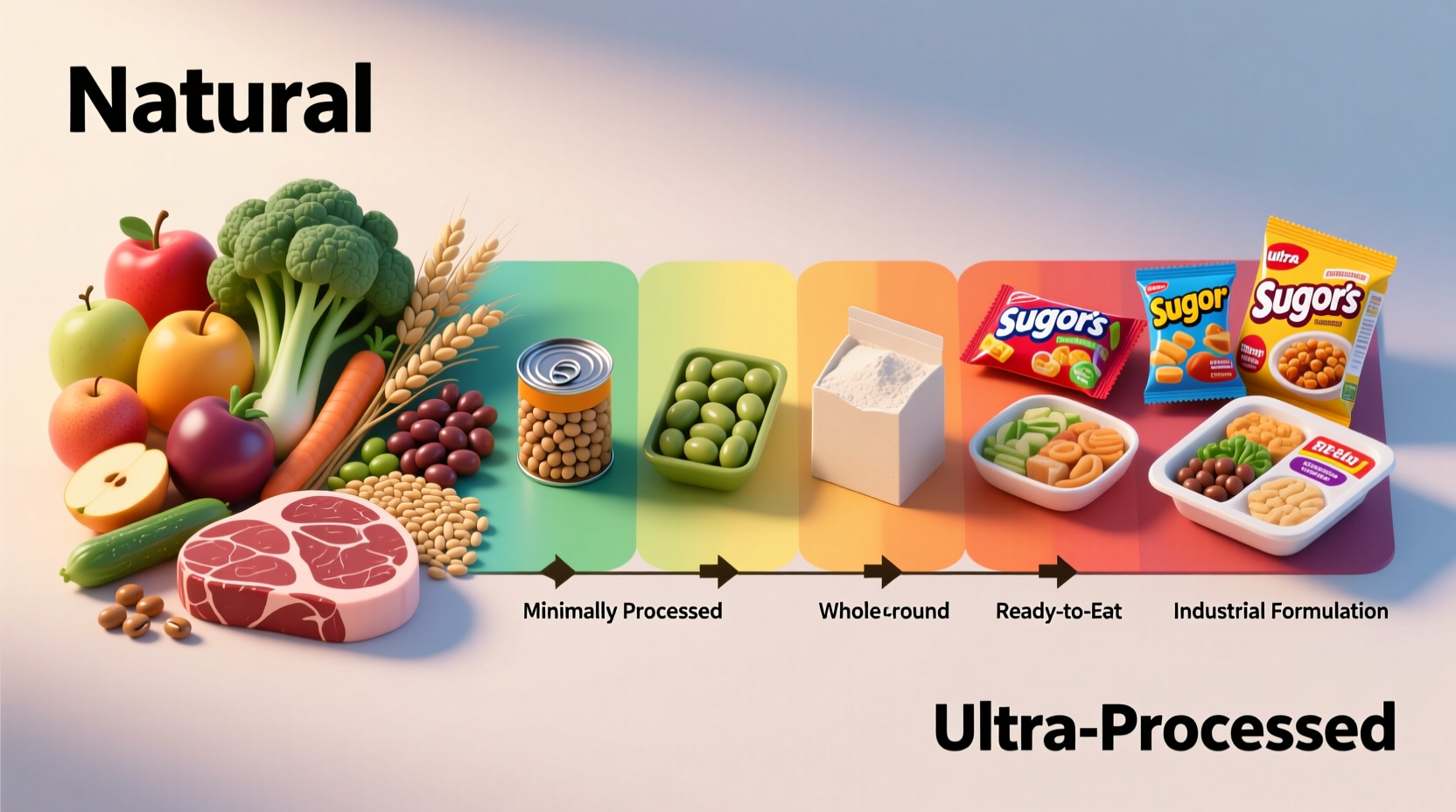
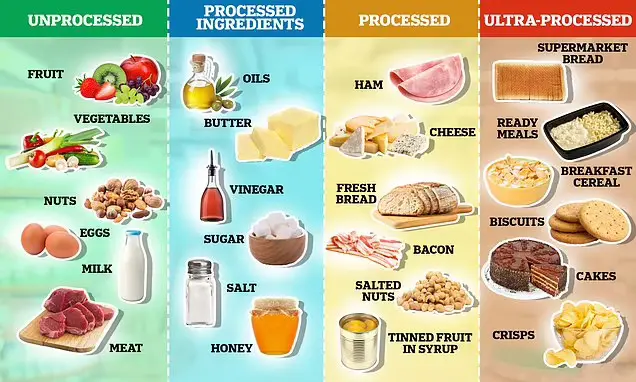
Researchers commonly use the NOVA classification system to group foods according to the nature and purpose of their processing. NOVA has four main groups, ranging from unprocessed or minimally processed foods to ultra-processed products.
The system looks beyond calories, fat, and sugar. It also considers how ingredients are extracted, combined, and changed to create a final product. This explains why two foods with similar protein amounts can fall into different processing categories.
There is no single US legal definition that automatically labels every packaged food as ultra-processed. The Congressional Research Service explains that NOVA is widely used for this purpose, but ultra-processing is not defined as a separate food category in federal statute or regulation. This is an important distinction when reading health claims about protein products.
Source: drinkwholesome.com
Group 1: Unprocessed or minimally processed foods
These include eggs, fresh meat, milk, beans, fruit, vegetables, and plain nuts. Basic steps such as washing, freezing, grinding, and pasteurization may occur without substantially changing the original food.
Group 2: Processed culinary ingredients
This group includes substances such as cooking oils, salt, sugar, and butter. They are commonly used to prepare meals from other foods.
Group 3: Processed foods
These are generally made by adding ingredients such as salt, sugar, or oil to whole or minimally processed foods. Some traditional cheeses and preserved vegetables are examples.
Group 4: Ultra-processed foods
These are industrial formulations that may contain protein isolates, modified ingredients, flavors, colors, emulsifiers, and sweeteners. Many packaged snacks, sweetened drinks, and flavored protein products fit this description.
Why Does the NOVA System Matter?
The NOVA system helps researchers study how food processing relates to dietary patterns and health. It also helps consumers recognize products that are quite different from their original food sources.
However, NOVA classification does not provide a complete nutritional score. A product can be ultra-processed and still contain useful nutrients. Likewise, a food that is not classified as ultra-processed can still contain excessive salt, sugar, or saturated fat.
For this reason, processing level and nutritional quality should be considered separately. Both matter when deciding what belongs in your daily diet.
Why Is Protein Powder Often Considered Ultra-Processed?
Many protein powders are considered ultra-processed because manufacturers turn a whole food source into an isolated protein ingredient and then combine it with other substances to create a convenient, flavored product.
Consider whey protein. It begins with milk, but the finished powder is not simply dried milk. Manufacturers separate whey from other milk components, filter it, concentrate or isolate the protein, and remove much of the water. Additional steps may produce a powder with a high protein concentration.
The processing does not stop there for many products. Manufacturers may add cocoa, vanilla flavor, artificial or natural flavorings, sweeteners, gums, emulsifiers, vitamins, minerals, and ingredients that improve texture.
Under the NOVA framework, protein isolates and certain cosmetic additives are important markers of ultra-processing. The classification can therefore apply even when a product contains very little added sugar or fat.
This is why a protein powder marketed as clean, lean, or fitness-friendly can still qualify as ultra-processed. Marketing language does not determine its NOVA category.
Source: spice.alibaba.com
Protein extraction
Manufacturers separate protein from its original food source. This may involve filtration, concentration, drying, or other industrial processes.
Ingredient modification
Some products use protein isolates, hydrolyzed proteins, or other processed ingredients to achieve specific nutritional and functional properties.
Flavor development
Flavorings, cocoa, vanilla compounds, and sweeteners may be added to make the powder taste more appealing.
Texture improvement
Emulsifiers, gums, and other stabilizing ingredients can help the powder mix with water or milk and create a smoother drink.
Does Protein Isolation Automatically Mean Ultra-Processing?
Protein isolation is a major consideration under NOVA because protein isolates are specifically recognized as food-derived substances that may be used in ultra-processed formulations. A powder based mainly on an isolated protein ingredient can therefore fall into Group 4.
However, classification should consider the complete product and its formulation rather than relying on one word alone. A simple ingredient list and a complex flavored formula do not have identical characteristics.
There is also an important difference between the NOVA classification and a judgment about health. Protein isolation changes the food from its original form, but it does not automatically make the resulting protein unsafe or nutritionally useless.
Which Types of Protein Powder Are Ultra-Processed?
Most commercial protein powders involve industrial processing, but their formulations vary considerably. The protein source, extraction method, additional ingredients, and final product design all affect how a powder should be assessed.
The following examples explain how common protein powder types differ. These are general classification considerations, not official product-by-product NOVA rulings. A specific product should always be assessed using its full ingredient list and manufacturing information.
Source: spice.alibaba.com
Whey protein concentrate
Whey concentrate is produced by separating and concentrating protein from milk. It retains varying amounts of lactose and milk fat. A plain version has fewer added ingredients, while flavored versions often contain sweeteners, flavors, and stabilizers.
Whey protein isolate
Whey isolate undergoes additional filtration to increase its protein concentration and reduce lactose and fat. Protein isolates are recognized as characteristic ingredients in NOVA discussions of ultra-processing.
Casein protein
Casein comes from milk and is separated through manufacturing processes. Commercial powders may include isolated casein, flavorings, sweeteners, and thickeners.
Soy protein isolate
Soy protein isolate is made by extracting and concentrating protein from soybeans. It is an industrially processed protein ingredient and may be used in ultra-processed food formulations.
Pea protein powder
Pea protein is extracted from yellow peas. The isolate form undergoes processing to separate protein from other components. Plain and flavored formulations can have different ingredient profiles.
Rice and hemp protein
These powders are made from plant sources through processes that separate or concentrate their protein. Their processing levels and nutritional profiles vary according to the manufacturing method and formulation.
Meal replacement protein powders
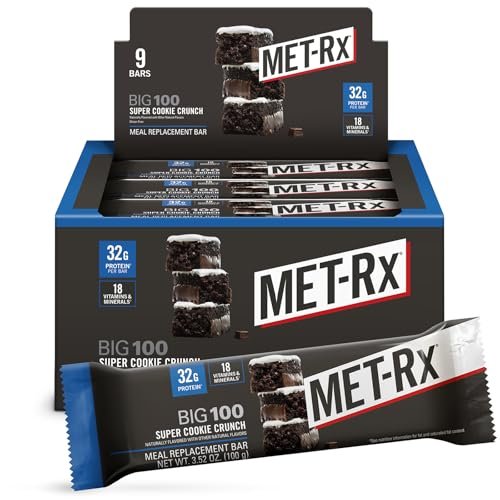
These products often combine protein with carbohydrates, fats, vitamins, minerals, sweeteners, flavors, and thickeners. Their multi-ingredient industrial formulations commonly fit the ultra-processed category.
Is Unflavored Protein Powder Less Processed?
Unflavored protein powder often has fewer ingredients than a flavored version. For example, a label may list only whey protein isolate or pea protein isolate.
This makes it easier to avoid added sweeteners, artificial flavors, colors, and unnecessary texture agents. However, unflavored does not mean unprocessed. The protein still had to be separated and concentrated before becoming powder.
A plain isolate may still be considered ultra-processed under the NOVA framework. Its simpler formulation is a useful distinction, but it does not erase the industrial processing involved.
Fewer additives
Unflavored products often avoid some cosmetic ingredients used to improve taste and texture.
More control
You can add fruit, milk, yogurt, or other ingredients at home to control the flavor and sweetness.
Not necessarily minimally processed
Protein extraction and isolation still change the original food structure.
How to Tell If Your Protein Powder Is Ultra-Processed
The easiest way to assess a protein powder is to read the full ingredient list rather than judging the product by its front label. Words such as natural, clean, pure, and premium do not provide a reliable measure of processing.
Start with the main protein source. Then look for added ingredients that improve sweetness, flavor, texture, appearance, and shelf stability. A long ingredient list does not automatically prove that a product is ultra-processed, but certain ingredients can provide useful clues.
In the United States, dietary supplements generally have a Supplement Facts panel and an ingredient statement. The FDA requires relevant labeling information, including dietary ingredients and other ingredients. The agency also explains that other ingredients can include fillers, binders, preservatives, sweeteners, and flavorings.
Source: www.eatingwell.com
Step 1: Identify the main protein source
Look for whey concentrate, whey isolate, casein, soy protein isolate, pea protein, egg protein, or another clearly identified source.
Step 2: Check for added sweeteners
Look for sucralose, acesulfame potassium, stevia extracts, monk fruit sweeteners, dextrose, and other sweetening ingredients. Their presence does not establish poor nutritional quality by itself, but it helps explain the formulation.
Step 3: Look for flavoring ingredients
Natural flavors, artificial flavors, vanilla flavor, chocolate flavor, and flavor enhancers may indicate a more extensively formulated product.
Step 4: Check for texture additives
Ingredients such as lecithin, xanthan gum, guar gum, and cellulose-based thickeners may be used to improve mixing and mouthfeel.
Step 5: Review the nutrition information
Compare protein, added sugar, saturated fat, sodium, calories, and serving size. These values help you judge the nutritional quality of the product.
Step 6: Check the manufacturer’s information
Look for ingredient details, quality controls, testing information, and clear contact information. Do not assume that an attractive package proves product quality.
Ingredients That May Signal Ultra-Processing
Certain ingredients deserve attention because they are commonly used in industrial food formulations. Their presence can help distinguish a simple protein product from one designed to imitate the taste and texture of a dessert or milkshake.
For NOVA classification, the purpose of an ingredient matters. Some additives preserve a product, while others make it sweeter, creamier, more colorful, or more appealing. Cosmetic additives are especially relevant when assessing ultra-processed formulations.
Artificial flavors and colors
These ingredients help create or improve the taste and appearance of a finished product.
Non-sugar sweeteners
Sucralose and acesulfame potassium are examples of sweeteners used in flavored protein powders.
Emulsifiers
Lecithin and other emulsifying ingredients can help powder mix with liquid and reduce separation.
Thickeners and stabilizers
Gums and related ingredients can change the texture and help maintain consistency.
Modified starches and maltodextrin
These ingredients can provide bulk, texture, or carbohydrate content in certain formulations.
Example: Comparing Two Protein Powder Labels
Imagine comparing two hypothetical products. The first contains whey protein isolate, sunflower lecithin, natural flavor, and sucralose. The second contains only whey protein concentrate.
The second label is simpler and contains fewer added ingredients. However, both products involve industrial protein processing, and the first has additional formulation ingredients that make its ultra-processed classification more apparent.
This comparison also shows why ingredient count alone is not enough. One ingredient can be highly processed, while several ordinary ingredients may be used in a less complex food preparation.
Product A
Whey protein isolate, sunflower lecithin, natural flavor, and sucralose. This is a formulated product with an isolated protein and added functional ingredients.
Product B
Whey protein concentrate. This has a shorter ingredient list, although the protein has still undergone industrial separation and concentration.
Is Ultra-Processed Protein Powder Bad for Your Health?
Being classified as ultra-processed does not automatically mean that a protein powder is harmful. The NOVA system describes the nature and purpose of food processing, not the complete nutritional value or safety of every individual product.
A protein powder may provide a useful amount of protein with relatively little added sugar and saturated fat. It can also help people who have trouble meeting their protein needs through regular meals. These benefits should be considered alongside the product’s ingredients and the rest of the diet.
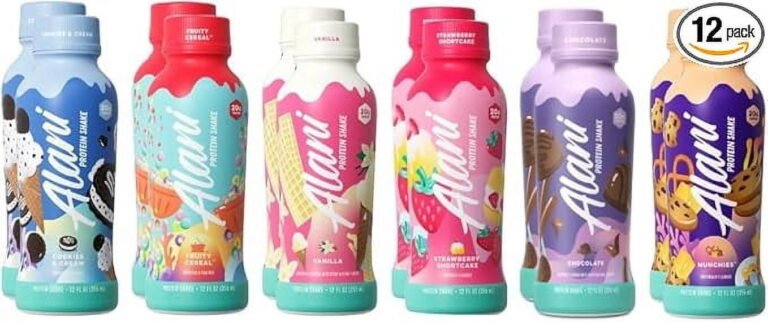
At the same time, relying heavily on flavored powders, protein bars, ready-to-drink shakes, and other formulated products can leave less room for varied whole foods. Some products also contain substantial added sugar, sodium, or other ingredients that may not suit every person’s needs.
Research has linked diets high in ultra-processed foods with several unfavorable health outcomes. However, much of this research examines overall dietary patterns rather than protein powder alone. It would be inaccurate to claim that every protein powder causes obesity, heart disease, diabetes, or another chronic condition.
The practical lesson is to look at the whole dietary pattern. A scoop of protein powder used to supplement an otherwise balanced diet is different from a diet that depends heavily on packaged shakes and snacks.
Source: thenovascanner.com
Potential nutritional benefits
Protein powder can provide concentrated protein, support muscle repair after exercise, and help people increase protein intake when meals do not provide enough.
Possible dietary disadvantages
Some products contain added sugars, sweeteners, sodium, and flavoring systems. They may also provide less fiber and food variety than meals made from whole ingredients.
Individual tolerance
Certain powders may cause bloating, gas, or digestive discomfort, depending on ingredients, serving size, lactose content, and individual sensitivity.
Overall dietary balance
A protein powder should support a balanced eating pattern rather than replace a wide range of nutrient-rich foods.
What Does Research Say About Ultra-Processed Foods?
Research on ultra-processed foods has grown because many populations consume a large share of their daily calories from industrially formulated products. Observational studies have linked higher consumption with conditions such as obesity, type 2 diabetes, and cardiovascular disease.
These findings are important, but they need careful interpretation. People who consume more ultra-processed foods may also differ in other ways, including their overall diet, physical activity, income, sleep, and health habits. Observational research cannot always separate these factors.
Controlled research has also examined how ultra-processed dietary patterns affect food intake. However, those findings should not be transferred directly to an individual scoop of protein powder.
There is not enough direct evidence to conclude that all protein powders have the same health effects as other ultra-processed products. Product composition, serving size, total diet, and individual health conditions all matter.
Can Protein Powder Still Fit Into a Healthy Diet?
Yes. A protein powder can fit into a balanced diet even if it falls into the ultra-processed category. Its usefulness depends on why you take it, what it contains, and how much of your daily nutrition comes from regular foods.
For example, an active adult who struggles to eat enough protein during a busy workday may use a shake as a convenient supplement. That does not mean the person must avoid vegetables, fruit, beans, eggs, fish, dairy, or other protein sources.
Think of protein powder as a backup tool rather than the main structure of your diet. It can fill a gap, but it cannot provide the full range of nutrients found in varied whole foods.
Protein Powder vs. Whole Food Protein Sources
Whole food protein sources usually offer more than protein alone. Eggs, fish, chicken, beans, lentils, milk, and plain yogurt can provide vitamins, minerals, fats, and other nutrients that contribute to a varied diet.
Protein powder is more concentrated and convenient, but it often lacks the natural food structure and range of nutrients found in whole foods. Some plant-based protein powders contain fiber, but the amount varies by source and processing method.
The difference becomes clearer when comparing a typical protein shake with a meal. A shake may provide protein quickly, while a meal containing chicken, brown rice, and vegetables also supplies carbohydrates, fiber, and several micronutrients.
Source: madewholenutrition.com
Eggs
Eggs provide complete protein and nutrients such as vitamin B12 and choline. They require basic cooking and preparation.
Greek yogurt
Plain Greek yogurt can provide protein, calcium, and other nutrients. It is also easy to combine with fruit or nuts.
Beans and lentils
These plant foods provide protein along with fiber, carbohydrates, and minerals. They are useful options for vegetarian and vegan diets.
Chicken and fish
These foods provide protein and other nutrients. Fish can also provide omega-3 fats, depending on the type.
Protein powder
Powder provides concentrated protein in a convenient form, but its wider nutrient content depends on the formulation.
Which Is Better for Daily Protein Intake?
Whole foods are generally the better foundation for daily nutrition because they provide a wider range of nutrients and help create satisfying meals. Protein powder is useful when convenience, appetite, dietary restrictions, or increased protein needs make regular food intake difficult.
You do not have to choose one exclusively. A person might eat eggs at breakfast, beans at lunch, fish at dinner, and use a protein shake after exercise when needed.
The goal is not to eliminate every processed food. It is to build a dietary pattern that provides enough protein, fiber, vitamins, minerals, and energy without depending too heavily on supplements.
How to Choose a Simpler Protein Powder
If you want to reduce your intake of heavily formulated products, focus on powders with clear ingredients and a nutritional profile that matches your needs. You do not need to pay extra for every product marketed as clean or natural.
Start by deciding which protein source works with your diet. Whey and casein come from milk, while pea, soy, and other plant proteins can suit people who avoid dairy. Then compare the complete ingredient lists rather than relying on front-label claims.
Remember that choosing a simpler powder does not guarantee that it will fall outside NOVA Group 4. Protein isolates remain processed ingredients, even when no sweeteners or flavors are added.
Choose a clearly identified protein source
Look for a specific ingredient such as whey protein concentrate, whey protein isolate, or pea protein isolate instead of an unclear proprietary protein blend.
Limit unnecessary added ingredients
If you prefer a simpler formulation, consider avoiding products with long lists of flavorings, colors, sweeteners, and texture agents.
Compare added sugar
Check the added sugars line when available. A product with less added sugar may be a better fit if you are trying to manage your overall sugar intake.
Check the serving size
Compare products using the same serving size or calculate the amount of protein per gram of powder. A larger scoop does not necessarily mean a better product.
Consider independent quality testing
Look for credible third-party certification or testing information when product identity and contaminant screening are important to you. Certification should be verified for the exact product.
Consider digestive tolerance
Check lactose, milk ingredients, sugar alcohols, and other ingredients that may cause discomfort. Your personal tolerance matters more than a marketing claim.
Does Organic Protein Powder Mean Less Processing?
Organic certification and processing level are different things. Organic describes how certain agricultural ingredients are produced and handled under applicable certification standards. It does not automatically describe how much a finished powder has been processed.
An organic protein powder can still contain protein isolates, sweeteners, flavorings, and other ingredients. It may therefore qualify as ultra-processed under NOVA.
If your goal is to reduce processing, examine the ingredient list and manufacturing details. Do not rely on organic labeling alone.
Are Natural Flavors Better Than Artificial Flavors?
Natural and artificial flavors describe different sources or methods of producing flavoring ingredients. The words do not provide a complete measure of nutritional quality or overall health effects.
Both types of flavorings can appear in ultra-processed formulations. If you want fewer additives, an unflavored product may be a simpler option, although the protein ingredient itself may still be highly processed.
Safety Considerations When Using Protein Powder
Protein powder is not necessary for everyone, and more protein is not always better. Your total intake should reflect your age, activity level, dietary pattern, and health needs.
People with kidney disease or other conditions that affect protein requirements should discuss supplement use with a qualified health professional. Those who take prescription medicines should also check for possible interactions with supplement ingredients.
The FDA does not approve dietary supplements for safety and effectiveness before they are marketed. Manufacturers and distributors are responsible for ensuring that their products meet applicable requirements, and the FDA can take action against adulterated or misbranded products after they reach the market.
This makes careful label reading and product selection especially important. Do not assume that a supplement is safe simply because it is sold in a large store, promoted by an athlete, or described as natural.
Check for allergens
Whey and casein contain milk proteins. Soy protein contains soy. Check labels for allergens and cross-contact warnings when necessary.
Watch for digestive symptoms
Bloating, gas, nausea, and diarrhea can occur with certain ingredients or large servings. Stop using a product that causes concerning symptoms and seek medical advice when needed.
Avoid excessive intake
Adding several shakes to an already protein-rich diet may provide little benefit and can displace other useful foods.
Check product quality
Prefer products with transparent manufacturing and credible testing information. Independent certification can provide additional information about product quality, but it does not guarantee that a product is suitable for everyone.
Seek professional advice when needed
People with kidney conditions, pregnancy-related nutritional needs, significant food allergies, or complex medication schedules should discuss supplement use with a healthcare professional.
Can You Get Too Much Protein From Powder?
Yes. Protein powder can make it easy to consume more protein than you need, especially when several servings are added to regular meals. The total amount from food, drinks, and supplements all counts toward your daily intake.
For healthy adults, protein needs vary with body size, age, activity, and personal goals. The adult Recommended Dietary Allowance is 0.8 grams of protein per kilogram of body weight per day. This is a basic adequacy guideline, not a universal target for athletes or every health condition.
For example, a hypothetical adult weighing 70 kilograms would have a basic RDA of 56 grams per day. A higher amount may be appropriate in some circumstances, but individual needs should guide the decision.
A registered dietitian can help calculate a suitable intake and determine whether a supplement adds real value.
Common Mistakes When Judging Protein Powder
It is easy to misunderstand the relationship between protein powder and ultra-processed foods. Some common assumptions confuse food processing, nutritional quality, and product safety.
A more careful approach looks at the actual formulation and the role the powder plays in your overall diet.
Assuming all processing is harmful
Processing can improve storage, convenience, safety, and nutrient availability. The presence of industrial processing alone does not establish that a product causes harm.
Assuming every protein powder is identical
Whey concentrate, whey isolate, pea protein, and meal replacement powders have different ingredients and nutritional properties.
Believing a short ingredient list guarantees a non-UPF product
A powder with one protein isolate may still be classified as ultra-processed. Ingredient count and processing classification are not the same thing.
Trusting front-label marketing
Words such as natural, clean, pure, and healthy do not replace a full ingredient and nutrition label review.
Ignoring added sugar and sodium
A product can provide plenty of protein but still contain ingredients that may not fit your dietary needs.
Replacing meals with shakes
A protein shake may provide protein, but many products do not provide the full range of nutrients and fiber found in balanced meals.
Assuming ultra-processed means unsafe
NOVA classification describes processing. It does not serve as an individual safety test or a complete nutritional assessment.
Frequently Asked Questions
Q
Is whey protein considered an ultra-processed food?
Many commercial whey protein powders qualify as ultra-processed under the NOVA system, especially those made with whey protein isolates and added flavors, sweeteners, emulsifiers, or stabilizers.
A plain whey concentrate may have a simpler formulation, but it still undergoes industrial processing. The exact classification depends on the product and its ingredients.
Q
Is unflavored protein powder ultra-processed?
It can be. Unflavored protein powder often contains fewer added ingredients, but its protein source may still be isolated and concentrated through industrial processes.
A powder containing only whey protein isolate or pea protein isolate is not automatically minimally processed simply because it has no flavorings or sweeteners.
Q
Is plant-based protein powder less processed than whey protein?
Not necessarily. Plant-based powders such as pea protein isolate and soy protein isolate also require processing to separate and concentrate protein from the original plant.
The amount of processing depends on the manufacturing method and final formulation. A plant-based label does not automatically mean a product is less processed or healthier.
Q
Does protein powder cause inflammation?
There is no strong basis for saying that all protein powders cause inflammation. Effects may depend on the ingredients, overall diet, individual sensitivities, and existing health conditions.
Some people may experience digestive discomfort from lactose, certain sweeteners, or other ingredients. Persistent symptoms should be discussed with a healthcare professional rather than automatically blamed on ultra-processing.
Q
Can I build muscle without protein powder?
Yes. You can build muscle without protein supplements by eating enough protein from foods such as eggs, dairy, chicken, fish, beans, lentils, and soy products.
Resistance training, sufficient energy intake, recovery, and consistent nutrition are important. Protein powder is a convenience option, not a requirement for muscle growth.
Q
Is protein powder worse than protein bars?
Neither category is automatically worse. Both can be ultra-processed, but their nutritional profiles vary by product.
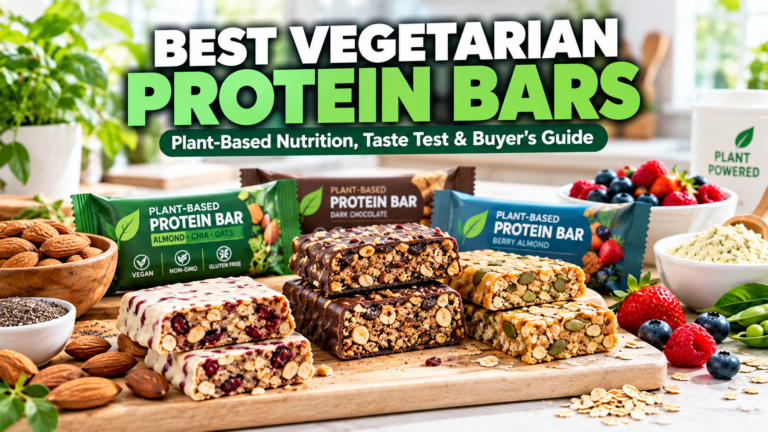
Protein bars may contain added sugars, sugar alcohols, coatings, fibers, and several texture additives. Protein powders may have fewer ingredients but can still contain isolated proteins and cosmetic additives. Compare the actual labels rather than judging by the product category.
Q
Does organic protein powder count as ultra-processed?
Yes, it can. Organic certification does not determine a product’s NOVA category.
An organic powder containing protein isolates, added sweeteners, flavorings, and emulsifiers may still qualify as ultra-processed. Review the ingredient list and manufacturing information to understand the product.
Q
Should I stop taking protein powder because it is ultra-processed?
Not necessarily. If your product helps meet your protein needs, has a suitable nutritional profile, and agrees with your digestive system, its processing classification alone does not mean you must stop using it.
You can also reduce reliance on supplements by adding more whole protein foods to meals. If you have a medical condition or a specific dietary requirement, seek individualized advice before changing your supplement routine.
✦ Wrapping Up
Conclusion
So, is protein powder an ultra processed food? In many cases, yes. Commercial protein powders often contain isolated proteins and industrial ingredients such as flavorings, sweeteners, emulsifiers, and stabilizers. These features can place them in NOVA Group 4, particularly when the final product is an extensively formulated powder.
However, the classification does not tell the whole story. Protein powder can still provide useful nutrition and help people meet their daily protein needs. Its value depends on the protein source, ingredient list, nutritional profile, product quality, and the rest of your diet.
If you want to limit ultra-processed foods, start by eating more whole protein sources such as eggs, fish, beans, lentils, yogurt, and chicken. When you need a supplement, compare labels carefully and choose a product that meets your needs without unnecessary ingredients.
The most useful approach is balance, not fear. You do not need to reject every processed food to eat well. Focus on a varied diet, use supplements when they serve a clear purpose, and avoid allowing convenient products to replace nutritious everyday meals.
💡 Key Takeaway
Before buying your next protein powder, read the full ingredient list, identify the protein source, check added sugars and other additives, and compare its nutritional value with whole food protein options. Remember that a simpler powder may contain fewer additives without necessarily being classified as minimally processed.
What happens if you eat too many protein bars? Learn about digestive problems, excess calories, sugar alcohols, kidney concerns, and safer eating habits.
If you’ve ever stood in the health food aisle wondering why are protein bars bad for you when the label touts 25 grams of protein, you’re not being irrational.…