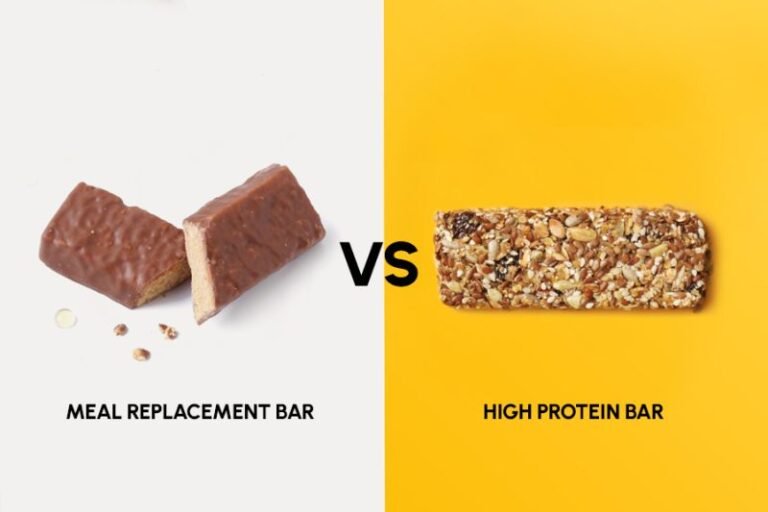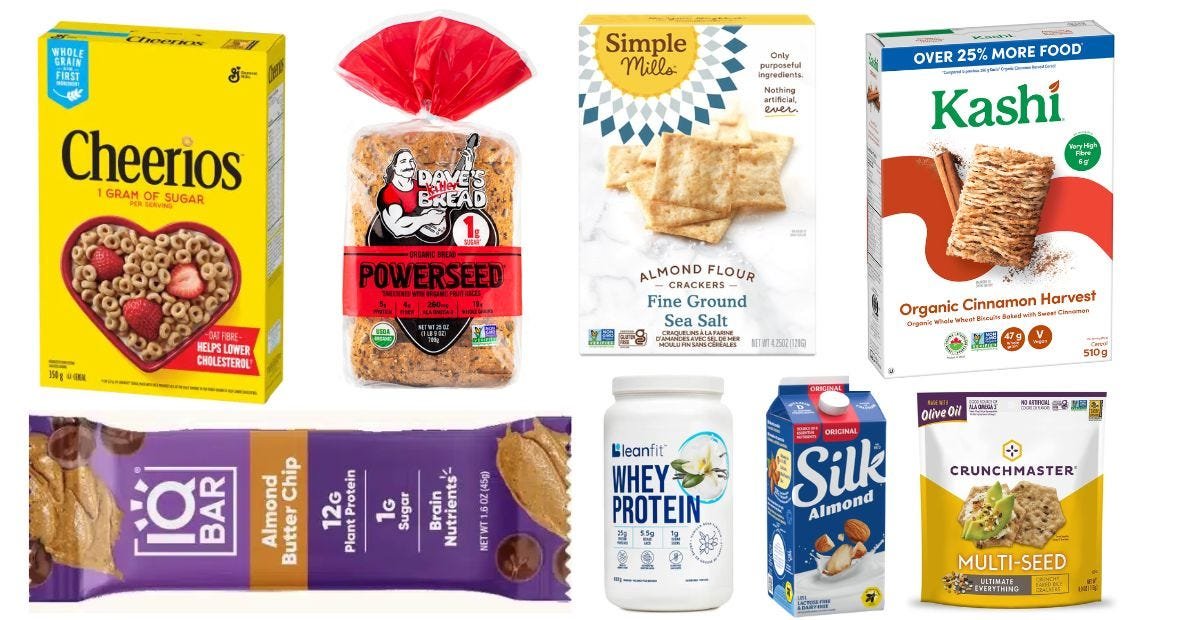
Are Protein Bars Considered Processed Food? A Complete Guide
If you have ever wondered, “are protein bars considered processed food,” the short answer is yes. A typical protein bar is made in a factory, not simply picked, washed, or cooked at home. Ingredients may be mixed, heated, pressed, shaped, dried, and packaged to create a shelf-stable snack.
But “processed” does not automatically mean “unhealthy.” Food processing covers a wide range of methods. A bar made from nuts, oats, dates, and a simple protein source is very different from a bar built around refined syrups, protein isolates, sweeteners, flavors, and several additives.
The better question is not only are protein bars considered processed food, but also what kind of processing the bar has undergone and what it provides nutritionally. For shoppers in the United States, the Nutrition Facts label and ingredient list give useful clues.

What Does Processed Food Mean?
Processed food is food that has been changed from its original form. The change may be simple, such as drying, freezing, grinding, pasteurizing, or cooking. It can also involve more complex industrial methods.
This is why the word “processed” needs context. Frozen vegetables are processed. Canned beans are processed. Pasteurized milk is processed. These foods can still be part of a healthy diet.
The NOVA system is one common way researchers describe food processing. It places foods into four broad groups, from unprocessed or minimally processed foods to processed foods and ultra-processed foods. The system looks at both the nature and purpose of processing.

- ✦ Minimally processed
Foods such as fresh fruit, vegetables, eggs, plain nuts, and frozen vegetables receive little processing and usually keep much of their original structure.
- ✦ Processed
Foods may have salt, sugar, oil, or other basic ingredients added to improve shelf life, taste, or texture.
- ✦ Ultra-processed
These are industrial formulations that may contain extracted or modified food components plus additives used for taste, texture, color, stability, or shelf life.
Why the Word Processed Can Be Misleading
A processed food is not automatically a poor food. Processing can make food safer, last longer, easier to store, or easier to eat. The health value depends on the whole product and how often it replaces other foods.
That distinction matters when asking are protein bars considered processed food. Almost every packaged protein bar is processed in some way, but two bars can have very different ingredient lists and nutrition profiles.
- ✦ Processing is not the same as nutrition quality
A food can be highly processed yet provide useful nutrients, while a less processed food can still be high in calories, sugar, or saturated fat.
Are Protein Bars Considered Processed Food?
Yes. Most commercial protein bars are processed foods because manufacturers combine several ingredients and use industrial methods to create a finished product. The ingredients may include oats, nuts, seeds, dried fruit, milk proteins, whey protein, soy protein, sweeteners, oils, fibers, or flavoring agents.
The exact level of processing varies. A simple bar made from nuts, dates, oats, and a basic protein ingredient may be much less complex than a bar with a long list of refined ingredients and additives.
So, are protein bars considered processed food in a broad sense? Almost certainly. But that answer does not tell you whether a specific bar is a sensible snack for you.
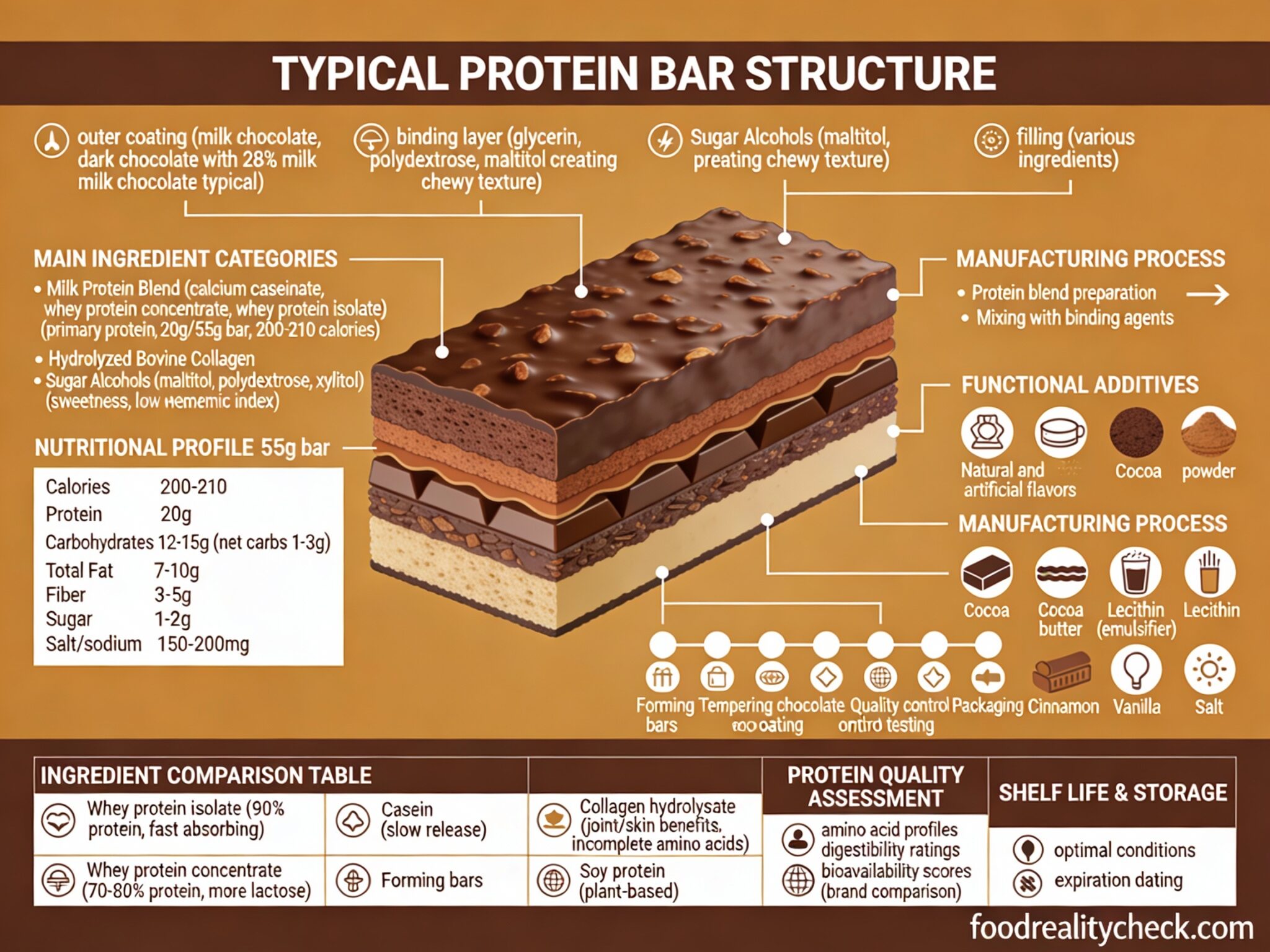
- ✦ Most bars are manufactured foods
Protein bars are mixed, formed, packaged, and designed for convenient storage and eating.
- ✦ Processing levels differ
One bar may contain mostly recognizable foods, while another may rely heavily on isolated proteins, syrups, sweeteners, flavors, and texture agents.
- ✦ The label gives more useful information
Look beyond the front of the package and review the ingredient list and Nutrition Facts label.
Can a Protein Bar Be Ultra-Processed?
Yes. Under the NOVA approach, some protein bars can fit the ultra-processed category when they are industrial formulations made with ingredients or additives that are uncommon in normal home cooking. Examples can include certain protein isolates, hydrolyzed proteins, syrups, intense sweeteners, flavors, emulsifiers, or other texture agents.
However, not every product that people call a protein bar will fall into the same category. Classification can depend on the exact ingredient list and the method used to make the product.
- ✦ Check the full ingredient list
Do not classify a bar only by its name, packaging, or protein claim.
- ✦ Look for product complexity
A long and highly technical ingredient list can signal a more industrial formulation, although ingredient length alone is not a perfect test.
What Ingredients Make a Protein Bar More Processed?
There is no single ingredient that makes every protein bar unhealthy. Still, some ingredients can show that a product relies heavily on industrial formulation. Protein bars often use these ingredients for a practical reason: they can improve texture, sweetness, protein content, shelf life, or consistency.
Common protein sources include whey protein concentrate, whey protein isolate, milk protein, casein, soy protein, pea protein, and other plant proteins. These ingredients are processed from their original food sources, but their presence does not by itself prove that a bar is unhealthy.
Sweeteners are another common feature. Some bars use sugar, honey, dates, or syrups. Others use sugar alcohols or non-sugar sweeteners to lower sugar content. Each choice can affect taste, calories, digestion, and the overall nutrition profile.

- ✦ Protein isolates and concentrates
These provide a concentrated source of protein and are common in high-protein products.
- ✦ Syrups and added sugars
These can add sweetness and help bind the bar, but they can also raise added sugar and calorie intake.
- ✦ Sugar alcohols
Ingredients such as erythritol, maltitol, or sorbitol may lower sugar content, but some people may experience gas, bloating, or loose stools.
- ✦ Flavors and sweeteners
These can create a strong taste without adding much sugar, but they are also signs of a more formulated product.
- ✦ Emulsifiers and texture agents
These ingredients can help keep fats, water, proteins, and other components mixed and can improve texture or shelf life.
Does a Long Ingredient List Mean a Protein Bar Is Bad?
Not necessarily. Ingredient count can provide a clue, but it is not a reliable health score. A bar may need several ingredients to provide protein, fiber, flavor, and a stable texture.
A better approach is to ask what the ingredients are doing and then check the bar’s nutrition facts. A product with more ingredients may still fit well into a balanced diet.
- ✦ Use the whole label
Consider ingredients, protein, fiber, added sugar, saturated fat, sodium, calories, and serving size together.
How to Tell If a Protein Bar Is a Good Choice
Once you know the answer to are protein bars considered processed food, the next question is more useful: how do you choose one? Start with the Nutrition Facts panel rather than the marketing claims on the front of the package.
In the United States, packaged foods generally provide key information such as calories, protein, carbohydrates, fiber, sugars, added sugars, fat, saturated fat, and sodium. This lets you compare products based on what you actually plan to eat.
Your needs also matter. A person who needs a quick post-workout snack may value protein and carbohydrates, while someone looking for a small snack between meetings may care more about calories, fiber, and satiety.

- ✦ Protein
Choose an amount that fits your meal or snack needs. More protein is not always better if the rest of the bar does not fit your diet.
- ✦ Fiber
Fiber can help support fullness and digestive health. Bars with nuts, seeds, oats, or added fiber may provide more fiber than highly refined options.
- ✦ Added sugar
Check the added sugar line instead of judging sweetness from the front of the package.
- ✦ Saturated fat
Compare saturated fat when choosing between similar products, especially if the bar contains chocolate, coconut fat, or other rich ingredients.
- ✦ Sodium
Some protein bars contain more sodium than expected, so check the label if you are watching sodium intake.
- ✦ Calories
A protein bar can be a snack or a small meal replacement, but the calorie content should match the role it plays in your day.
A Simple Protein Bar Label Check
Before buying a bar, scan the ingredient list and Nutrition Facts panel. Look for a useful amount of protein and fiber, a reasonable calorie level for your purpose, and an amount of added sugar, saturated fat, and sodium that fits your overall diet.
This method is more useful than simply asking are protein bars considered processed food. The processing category tells you something about the product, but the nutrition label tells you much more about what you will actually eat.
- ✦ First
Decide why you want the bar: a snack, workout fuel, travel food, or a quick breakfast.
- ✦ Next
Compare protein, fiber, calories, added sugar, saturated fat, and sodium.
- ✦ Finally
Read the ingredient list and choose a product you can eat comfortably and regularly.
Are Protein Bars Healthy or Unhealthy?
There is no single answer for every protein bar. A bar can be useful when it adds protein and other nutrients to a diet that otherwise lacks them. It can also be a poor choice when it is mainly a source of refined calories and does not fit the person’s needs.
Research on ultra-processed foods has found links between higher intake of these foods and several health outcomes. At the same time, researchers continue to debate how much of the observed risk comes from processing itself versus factors such as calories, nutrient quality, eating patterns, and the foods that ultra-processed products replace.
That nuance matters. Asking are protein bars considered processed food is a classification question. Asking whether a particular protein bar is healthy is a nutrition question. The two questions overlap, but they are not the same.

- ✦ Potential benefits
Protein bars can be portable, shelf-stable, convenient, and useful for increasing protein intake when whole-food options are not practical.
- ✦ Potential drawbacks
Some bars can be high in added sugar, saturated fat, sodium, calories, or sugar alcohols, depending on the formula.
- ✦ Diet context matters
A bar that works well as an occasional snack may not be a good substitute for most meals if it crowds out fruits, vegetables, whole grains, legumes, nuts, and other minimally processed foods.
What About Ultra-Processed Food Research?
Large observational studies have linked higher intake of ultra-processed foods with several chronic health outcomes. These findings are important, but they do not mean that every ultra-processed product has the same effect or that processing alone explains every association.
Recent reviews have also highlighted limits in the NOVA system. Different foods can receive the same processing label despite major differences in nutrient content, purpose, and use. For that reason, a practical approach is to consider both processing and nutritional quality.
- ✦ Use processing as one clue
Processing can help describe a product, but it should not replace a review of its nutrition facts and ingredient list.
- ✦ Think about the whole diet
A single protein bar is unlikely to define the quality of an otherwise varied diet.
Processed vs. Minimally Processed Protein Bars
If you want a less processed option, focus on bars made with recognizable ingredients and fewer industrial additives. Common ingredients may include nuts, seeds, oats, dates, dried fruit, peanut butter, and a simple protein source.
This does not mean that every short ingredient list is automatically better. A bar made mostly from dates and nuts can still be high in calories because those foods are energy-dense. The goal is to match the bar to your needs, not to chase a perfect ingredient list.
When people ask are protein bars considered processed food, they often want to know whether they should avoid them. For most healthy adults, the more useful approach is moderation, variety, and label awareness rather than treating all packaged protein bars as identical.
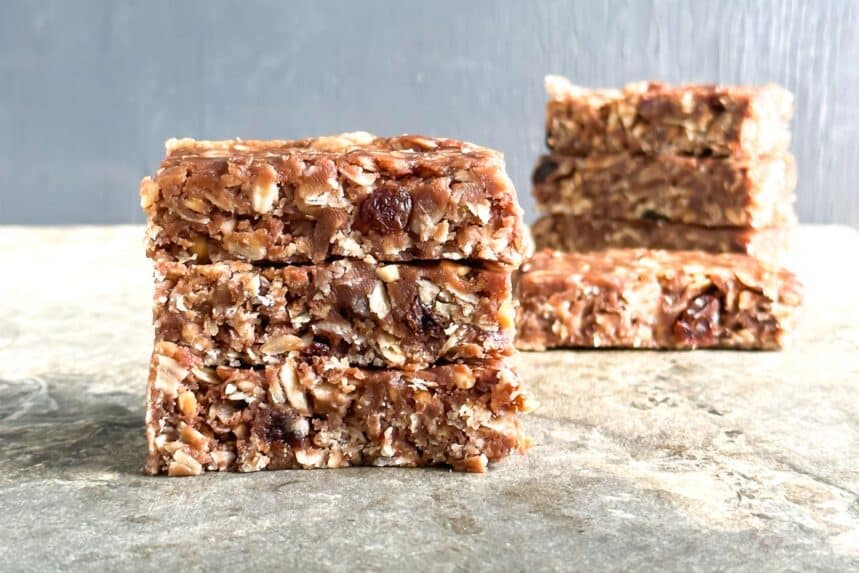
- ✦ Look for recognizable foods
Nuts, seeds, oats, fruit, and nut butters can form the base of a more food-like bar.
- ✦ Compare similar products
Two bars with similar protein claims may have very different amounts of sugar, fiber, saturated fat, sodium, and calories.
- ✦ Do not fear all processing
Processing can improve convenience, food safety, shelf life, and nutrient delivery.
- ✦ Keep whole foods in the diet
Protein bars work best as one option among foods such as eggs, yogurt, beans, fish, lean meats, nuts, seeds, fruits, and vegetables.
When a Protein Bar Makes Sense
A protein bar can be practical during travel, after exercise, during a long workday, or when refrigeration is not available. It can also help someone meet protein needs when preparing a full snack or meal is not realistic.
The key is to use the bar for a reason. If a protein bar regularly replaces more varied meals without providing enough of the nutrients those meals would offer, the convenience may come with a nutritional trade-off.
- ✦ Travel
Shelf-stable bars are easy to carry when fresh food is not available.
- ✦ Exercise
A bar can provide protein and carbohydrate when a normal meal is not convenient.
- ✦ Busy workdays
A balanced bar can be a practical backup snack when schedules are tight.
How Protein Bars Compare With Whole-Food Protein Sources
Whole foods offer more than protein alone. Depending on the food, they can provide fiber, vitamins, minerals, healthy fats, water, and other compounds that support a varied diet. Examples include Greek yogurt, eggs, beans, lentils, fish, chicken, tofu, nuts, seeds, and milk.
Protein bars have a different strength: convenience. A bar can sit in a desk drawer or gym bag for hours without the storage needs of many fresh foods. That makes it useful in situations where a whole-food snack is hard to carry or prepare.
The practical question is therefore not are protein bars considered processed food and should they replace whole foods. Instead, ask whether the bar adds useful nutrition and convenience without pushing more nutritious foods out of your diet.

- ✦ Greek yogurt
Provides protein and, depending on the product, calcium and other nutrients. It usually needs refrigeration.
- ✦ Eggs
Provide high-quality protein and several important nutrients, but they require preparation and safe storage.
- ✦ Beans and lentils
Provide protein and fiber along with other nutrients and can form part of a filling meal.
- ✦ Nuts and seeds
Provide protein, unsaturated fats, fiber, and minerals, though they can be calorie-dense.
- ✦ Protein bars
Offer portability and predictable nutrition, making them useful when time, storage, or access to food is limited.
A Balanced Way to Use Protein Bars
Think of protein bars as a tool rather than a food group. They can fill a gap on a busy day, but a varied diet should still include a wide range of minimally processed and whole foods.
If you enjoy protein bars, there is no need to judge them only by whether they are processed. Check the label, consider your goals, and look at how the bar fits into your overall eating pattern.
- ✦ Use them when convenient
Keep a bar available for situations where a balanced snack is otherwise difficult to find.
- ✦ Pair when needed
Depending on the bar, pairing it with fruit, milk, yogurt, or another food can create a more balanced snack.