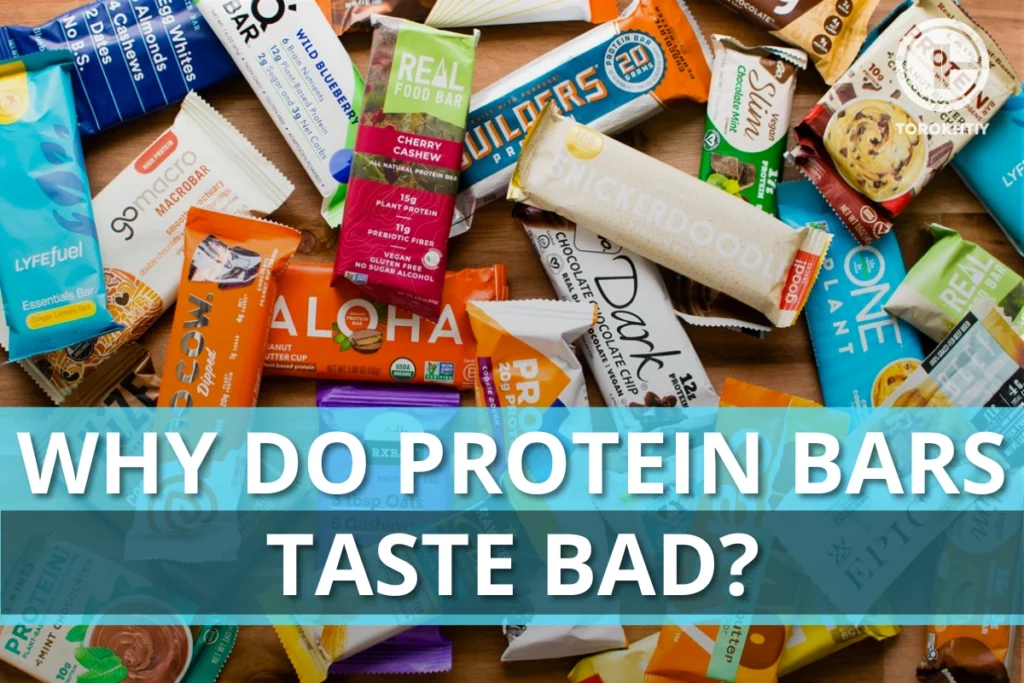
Why Do Protein Bars Taste Bad? 10 Common Reasons and How to Find Better-Tasting Bars
If you have ever opened a protein bar after a workout and thought, “Why does this taste so strange?”, you are not alone. Many U.S. shoppers want a quick snack with plenty of protein, but some bars taste nothing like the candy or cookies shown on the package.
The answer is not just poor flavoring. A protein bar is a small food system. Its taste depends on the protein source, sweetener, fiber, fat, moisture, flavor compounds, and even how the bar is stored. When these parts do not work well together, the result can be dry, bitter, chalky, chewy, or oddly sweet.
Understanding **why do protein bars taste bad** can help you choose better products. It can also explain why two bars with similar protein numbers can taste very different.

Why Do Protein Bars Taste Bad in the First Place?
The main reason protein bars can taste bad is simple: **high-protein foods are harder to make taste like ordinary snack foods**. Protein itself can have a noticeable flavor. Some protein ingredients can taste bitter, milky, earthy, or slightly metallic, especially when used in large amounts.
Manufacturers then need to balance that taste with sweeteners, flavors, fats, fibers, and other ingredients. Each ingredient can change the final result. A bar may have excellent nutrition but still taste unpleasant if the formula is not well balanced.
This is why the answer to **why do protein bars taste bad** often involves several ingredients at once rather than one single problem.

- ✦ Protein concentration
More protein can mean a stronger protein flavor and a denser texture.
- ✦ Sweeteners
Sugar alcohols and high-intensity sweeteners can create bitter, cooling, or artificial notes.
- ✦ Added fiber
Some fibers can make a bar dry, gritty, dense, or less pleasant to chew.
- ✦ Low moisture
A bar with little water may feel dry or chalky even when its flavor is good.
Protein Has Its Own Flavor
Protein powders are not completely neutral. Whey and milk proteins can have a dairy taste, while some plant proteins can have earthy or beany notes. Processing can reduce these flavors, but it does not always remove them.
The higher the protein content, the more important flavor masking becomes. This helps explain why a protein bar with 20 or 30 grams of protein may taste more intense than a regular snack bar.
Texture Changes How Flavor Feels
Taste and texture work together. A dry, sticky, or chalky bar can make an otherwise good flavor seem worse. The longer you chew it, the more you may notice the protein and sweetener aftertaste.
This is one reason people can disagree about the same product. One person may enjoy a dense bar, while another may find it too dry or heavy.
Protein Sources Can Make a Big Difference
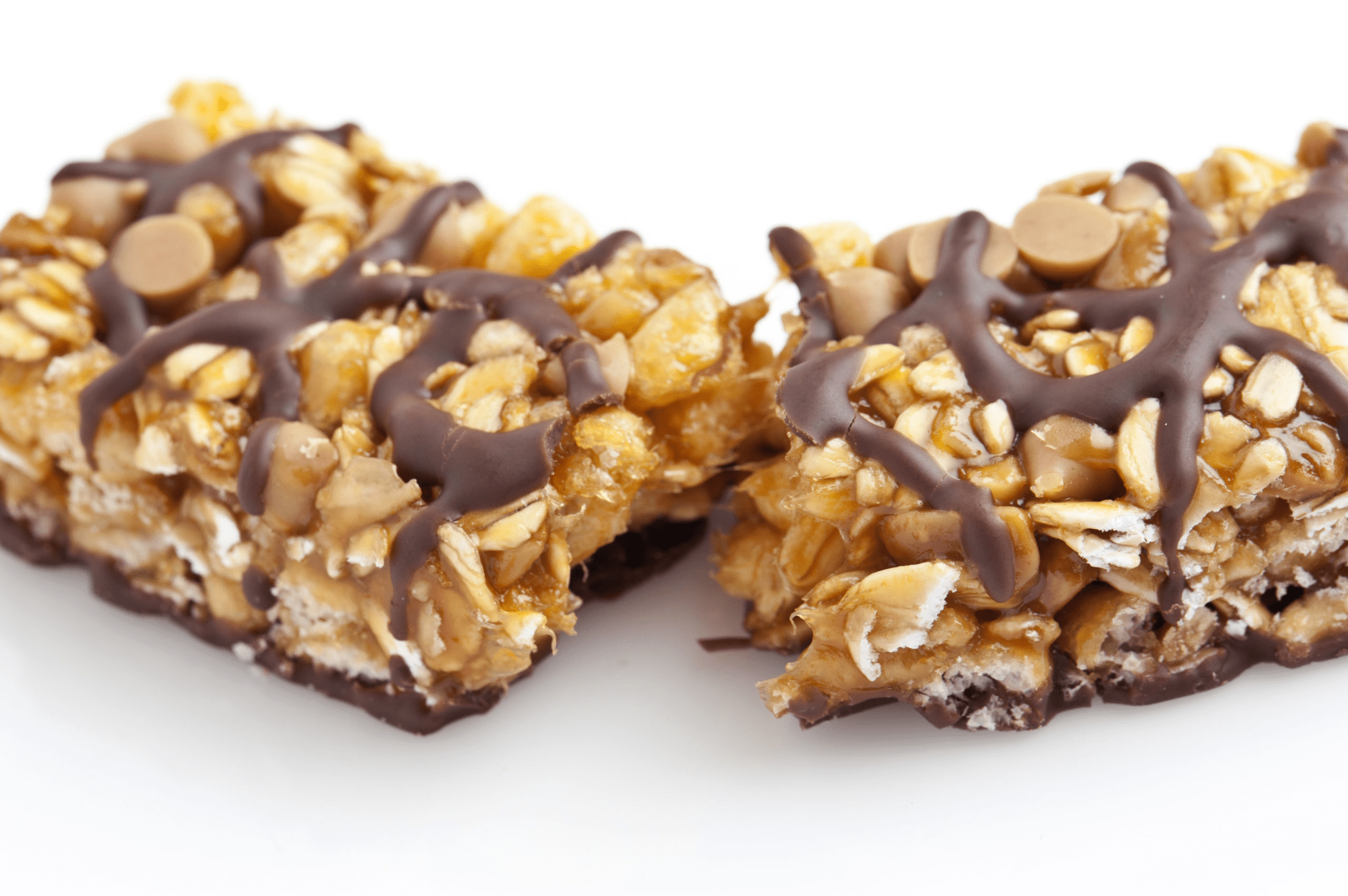
The type of protein used in a bar has a major effect on flavor and texture. Whey protein often has a mild dairy taste, while casein can create a thicker and denser mouthfeel. Plant proteins can vary even more.
Pea protein may have earthy notes. Soy protein can have a noticeable bean-like flavor in some products. Blends can help smooth out these traits, but the final taste still depends on the formula and processing.
So, when asking **why do protein bars taste bad**, check the protein source before blaming the flavor system alone.
- ✦ Whey protein
Often has a mild dairy taste but can become noticeable at high levels.
- ✦ Casein
Can add a thick, creamy, or dense texture that some people find heavy.
- ✦ Pea protein
Can have earthy or plant-like notes that need careful flavoring.
- ✦ Soy protein
May have a distinct bean-like flavor in some formulas.
- ✦ Protein blends
Blends can balance flavor and texture, depending on the proteins and amounts used.
Why Plant-Based Protein Bars Can Taste Earthy
Plant proteins contain natural flavor compounds that can be harder to hide. Some people describe these notes as earthy, grassy, nutty, or beany.
Good flavor design can reduce these notes with cocoa, nuts, vanilla, fruit flavors, salt, and other ingredients. However, a strong plant protein flavor may still remain.
Artificial Sweeteners and Sugar Alcohols Can Cause an Aftertaste
Another major reason protein bars can taste strange is the use of sweeteners. Many bars aim to provide a sweet taste without adding much sugar. To do that, manufacturers may use high-intensity sweeteners or sugar alcohols.
These ingredients can help reduce added sugar, but they do not always taste exactly like table sugar. Some people notice a bitter, sharp, metallic, or lingering aftertaste. Others are more sensitive to these flavors.
This is an important part of understanding **why do protein bars taste bad**. A bar may taste very sweet at first and then leave an aftertaste that becomes stronger after swallowing.

- ✦ Sucralose
Can provide strong sweetness, but some people notice a lingering or artificial aftertaste.
- ✦ Stevia
Can have a bitter or licorice-like note, especially at higher levels.
- ✦ Erythritol
Can create a cooling sensation and may change the texture of a bar.
- ✦ Maltitol and similar sugar alcohols
Can add sweetness and bulk but may affect taste and digestion in sensitive people.
Why Sweetness Does Not Always Fix Protein Flavor
Adding more sweetness does not automatically make a protein bar taste better. Too much sweetness can make the protein taste more noticeable after the initial sweet flavor fades.
Good formulas need balance. Salt, fat, acid, cocoa, vanilla, nuts, and other flavors can affect how sweet and bitter notes are perceived.
Fiber Can Make Protein Bars Dry, Gritty, or Chewy
Many protein bars contain added fiber. Fiber can help increase fiber intake and can also add bulk and structure. But some fibers can change the texture in ways that make a bar less enjoyable.
A high-fiber bar may feel dense, dry, gritty, sticky, or unusually chewy. Some fibers also affect how sweeteners and flavors reach your taste buds.
This is another clue when considering **why do protein bars taste bad**. The issue may be less about flavor and more about how the bar feels in your mouth.

- ✦ Soluble fibers
Some soluble fibers can create a soft, thick, or syrup-like texture.
- ✦ Insoluble fibers
Some forms can make a bar feel dry or coarse.
- ✦ Fiber syrups
These can add sweetness and structure but may also create a sticky or dense mouthfeel.
- ✦ Very high fiber content
A large amount of added fiber can make the bar feel more like a compressed nutrition product than a normal snack.
Why Some Protein Bars Taste Chalky
A chalky protein bar usually has a texture problem as much as a flavor problem. Protein particles can affect mouthfeel, especially when the formula has little moisture or uses a high amount of powdered protein.
The bar can feel dry and powdery as you chew. This sensation may become more obvious when you eat the bar without water or another drink.
If you are wondering **why do protein bars taste bad**, chalkiness is often linked to the protein system, moisture level, particle size, and other dry ingredients.

- ✦ High protein load
A large amount of protein can make it harder to create a soft, smooth texture.
- ✦ Low moisture
Less moisture can increase dryness and make protein particles more noticeable.
- ✦ Powdered ingredients
Protein and other powders can create a gritty or chalky mouthfeel if the formula does not bind them well.
- ✦ Storage conditions
Heat and poor storage can change texture and make a bar harder or less pleasant.
How to Make a Chalky Protein Bar Easier to Eat
Try eating a dry bar with water, coffee, milk, or another drink that fits your diet. The extra liquid can make the texture feel less dry.
You can also look for bars that use nuts, nut butter, dates, or other ingredients that add moisture and fat. These ingredients may create a softer mouthfeel.
Why Do Protein Bars Taste Bitter?
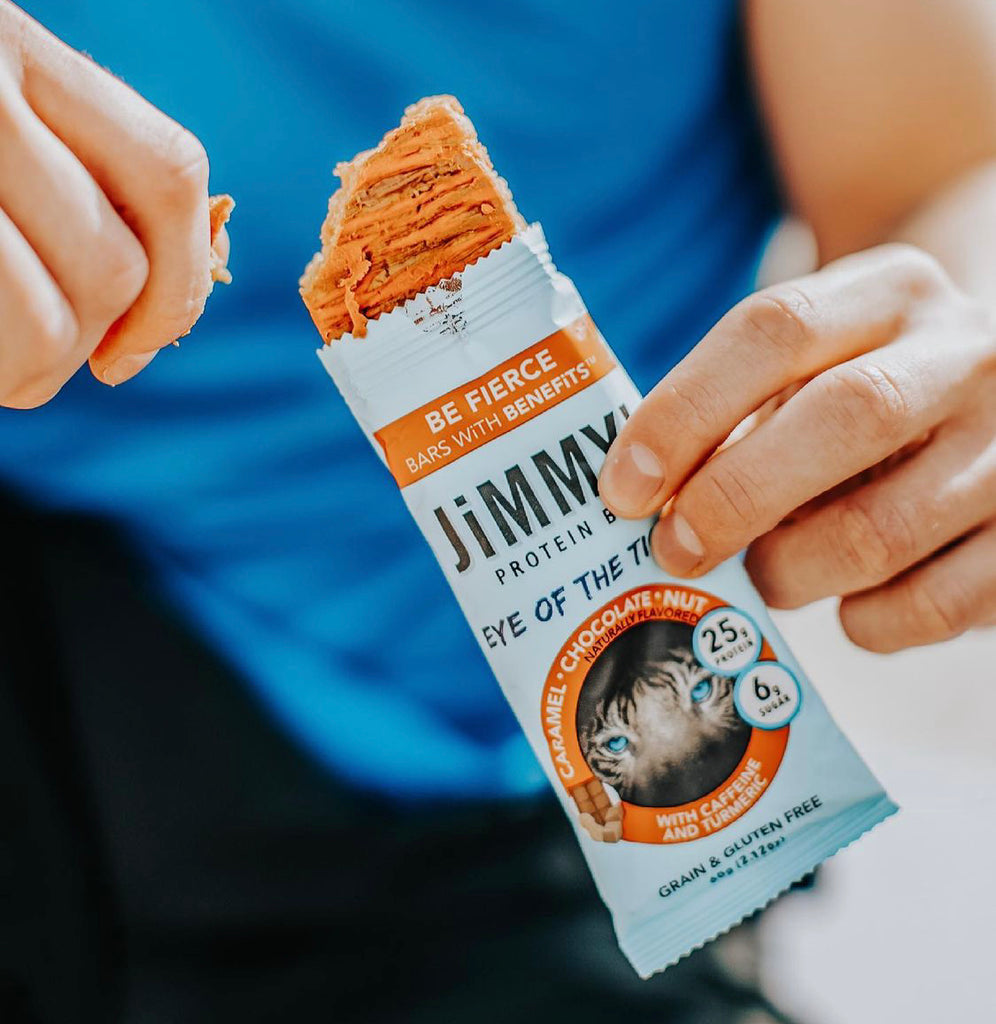
Bitterness can come from several sources. Protein ingredients may contribute bitter notes, while some sweeteners can add a bitter or sharp finish. Certain plant ingredients can also have natural bitter compounds.
The flavor can become stronger when a bar contains a very high amount of protein and very little sugar or fat. Cocoa, coffee, dark chocolate, and some botanical ingredients can add more bitterness as well.
If a bar tastes fine for the first few seconds but turns bitter at the end, the aftertaste may be coming from the protein or sweetener rather than the main flavor.
- ✦ Protein bitterness
Some protein ingredients can produce bitter notes, especially at higher concentrations.
- ✦ Sweetener aftertaste
Certain low-calorie sweeteners can leave a bitter or sharp finish for some people.
- ✦ Plant compounds
Some plant-based ingredients naturally contain compounds that taste bitter or earthy.
- ✦ Dark flavor profiles
Coffee and dark cocoa flavors can increase bitterness even when the formula is otherwise balanced.
Can Protein Bars Taste Bad Because They Are Expired?
Yes. Storage and age can affect the taste of a protein bar. Even when a bar is not obviously spoiled, its flavor and texture can change over time.
Fats can become stale when they oxidize. Heat can also soften, dry, or otherwise alter a bar. A bar that tastes rancid, unusually sour, stale, or otherwise different from normal should not be treated as a simple flavor problem.
When checking **why do protein bars taste bad**, look at the package date, storage conditions, package damage, smell, appearance, and texture before eating a questionable product.
- ✦ Check the package date
Use the date and storage instructions on the package as a guide.
- ✦ Check for heat exposure
Long periods in a hot car or other warm place can change flavor and texture.
- ✦ Notice unusual odors
A rancid or abnormal smell is a reason to discard the bar.
- ✦ Inspect the package
Damaged, swollen, or compromised packaging can be a warning sign.
Why Do Protein Bars Taste Better or Worse Than Protein Shakes?
A protein shake can taste smoother because it contains much more water. Water spreads flavor compounds and helps reduce the dry sensation that can come from concentrated protein and fiber.
A bar has to pack protein, sweetener, fiber, fat, and flavor into a small, solid package. That makes texture much harder to manage.
This explains why someone who likes a particular protein powder may still dislike a protein bar with a similar flavor. The delivery system is different, so the eating experience is different.
- ✦ More water in shakes
Liquid can reduce dryness and help disperse protein and flavor.
- ✦ More concentrated ingredients in bars
A bar must fit many ingredients into a small serving, which can intensify certain tastes.
- ✦ Different texture
A shake is smooth or creamy, while a bar can be chewy, crunchy, dense, or dry.
Does a Bad-Tasting Protein Bar Mean It Is Unhealthy?
No. Taste alone does not tell you whether a protein bar is healthy or unhealthy. A bar can taste great and still contain a lot of added sugar, saturated fat, or calories, while a less enjoyable bar can provide useful protein and fiber.
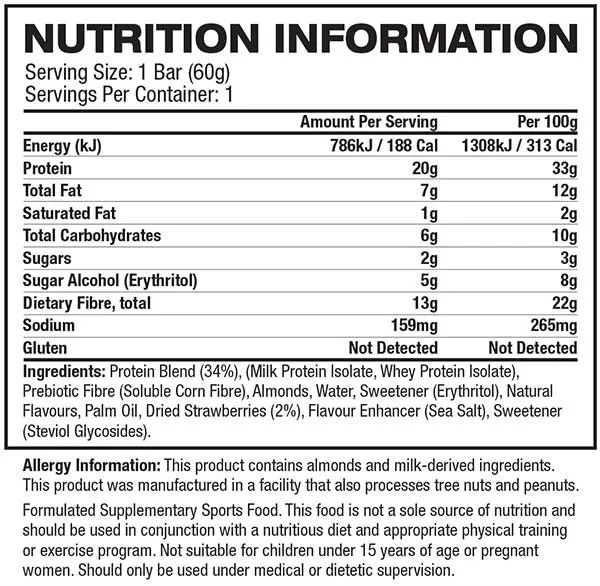
Look at the full nutrition label and ingredient list. Consider protein, fiber, added sugar, saturated fat, calories, serving size, and ingredients that you personally tolerate well.
How to Choose a Protein Bar That Actually Tastes Good
You do not have to accept a bad-tasting protein bar just because it has a high protein number. The goal is to find a formula that matches your taste, nutrition needs, and tolerance.
Start with the ingredient list and nutrition facts. Then think about the flavors you already enjoy. If you dislike strong artificial sweetness, for example, a bar that relies heavily on high-intensity sweeteners may not be a good match.
When learning **why do protein bars taste bad**, the best practical lesson is to compare the whole formula rather than judging a bar by its protein content alone.
- ✦ Choose a protein source you like
If you dislike earthy plant flavors, try a different protein source or a blend.
- ✦ Watch the sweetener mix
If you dislike aftertaste, compare bars that use different sweeteners.
- ✦ Look for a texture you enjoy
Choose soft, crunchy, chewy, or nut-based bars based on your preference.
- ✦ Compare added sugar
A very sweet taste does not always mean the bar contains much sugar, so check the label.
- ✦ Consider fiber
If very high-fiber bars feel gritty or dense, try a product with a different fiber profile.
- ✦ Buy a small quantity first
Taste is personal. Trying one bar before buying a large box can prevent wasted money.
A Simple Protein Bar Label Checklist
Before buying, scan the nutrition label and ingredient list. You do not need to understand every chemical name. Focus on the main ingredients and the numbers that matter for your goals.
For many adults, a useful bar is one that gives meaningful protein without turning into a large source of added sugar or calories. Your needs will vary based on your diet, activity level, and health goals.
- ✦ Protein
Check how much protein the bar provides per serving.
- ✦ Added sugar
Check the amount of added sugar instead of judging sweetness by taste alone.
- ✦ Fiber
Compare fiber amounts and sources if texture or digestion is a concern.
- ✦ Calories
Make sure the bar fits the role you want it to play in your diet.
- ✦ Ingredient order
Ingredients are generally listed by weight, so the first few ingredients can tell you a lot about the formula.
Why Some People Notice Bad Protein Bar Flavors More Than Others
Taste is personal. People differ in how strongly they perceive sweetness, bitterness, salt, acidity, and certain flavor compounds. A sweetener that tastes fine to one person may taste bitter or artificial to another.
Your food habits also matter. If you normally eat foods with little added sweetness, a very sweet protein bar may taste intense. If you often eat low-sugar products, you may be more familiar with the taste of alternative sweeteners.
This is why there is no single answer to **why do protein bars taste bad** that applies to everyone. Personal taste, ingredient sensitivity, texture preference, and previous food experiences all play a role.
- ✦ Sweetness sensitivity
Some people find intensely sweet bars unpleasant even when others enjoy them.
- ✦ Bitterness sensitivity
People differ in how strongly they detect bitter notes.
- ✦ Texture preference
Some people prefer soft bars, while others want crunch or a firmer bite.
- ✦ Diet habits
Your usual diet can affect how unusual a flavor seems.
Are Protein Bars Worth Eating If You Dislike the Taste?
A protein bar is a convenience food, not a required part of a healthy diet. For a busy U.S. worker, student, traveler, or gym-goer, it can be useful when a full meal is not practical. But there is no reason to force yourself to eat a product you strongly dislike.
Other foods can provide protein too. Greek yogurt, cottage cheese, eggs, milk, soy foods, lean meats, fish, beans, lentils, nuts, and protein-rich meals can all fit into a balanced diet.
If you use bars often, focus on the products you enjoy and can fit into your overall diet. The best protein bar for you is one that meets your nutrition needs and is pleasant enough to eat consistently.
- ✦ Convenience
Protein bars can be useful when refrigeration, cooking, or a full meal is not convenient.
- ✦ Portion control
A packaged bar provides a defined serving, which can be useful for some routines.
- ✦ Not essential
You can meet protein needs through many whole and minimally processed foods.
- ✦ Personal fit
Choose bars based on taste, nutrition, price, dietary needs, and convenience.
When a Protein Bar Makes Sense
A bar can work well after exercise, during travel, between meetings, or when you need a quick snack. It can also help people who struggle to get enough protein from regular meals.
Still, a bar should support your overall diet rather than replace every meal. Whole foods offer many nutrients that a single packaged snack may not provide.