Yes, protein powder can help you gain weight when it adds calories and protein to your daily diet. It works best with enough food and regular strength training.
For someone trying to gain weight in the United States, adding protein powder to a daily routine may seem like an easy first step. Busy work schedules, gym sessions, college classes, and limited meal breaks can make it hard to eat enough. A protein shake can offer a simple way to add protein without preparing another full meal.
However, protein powder does not automatically make your body heavier. Weight gain depends mainly on consuming more calories than your body uses over time. Protein helps repair and build muscle, especially when you combine it with resistance training. If your shake adds extra calories, it may support weight gain. If it replaces a meal or keeps your total calorie intake unchanged, the result may be different.
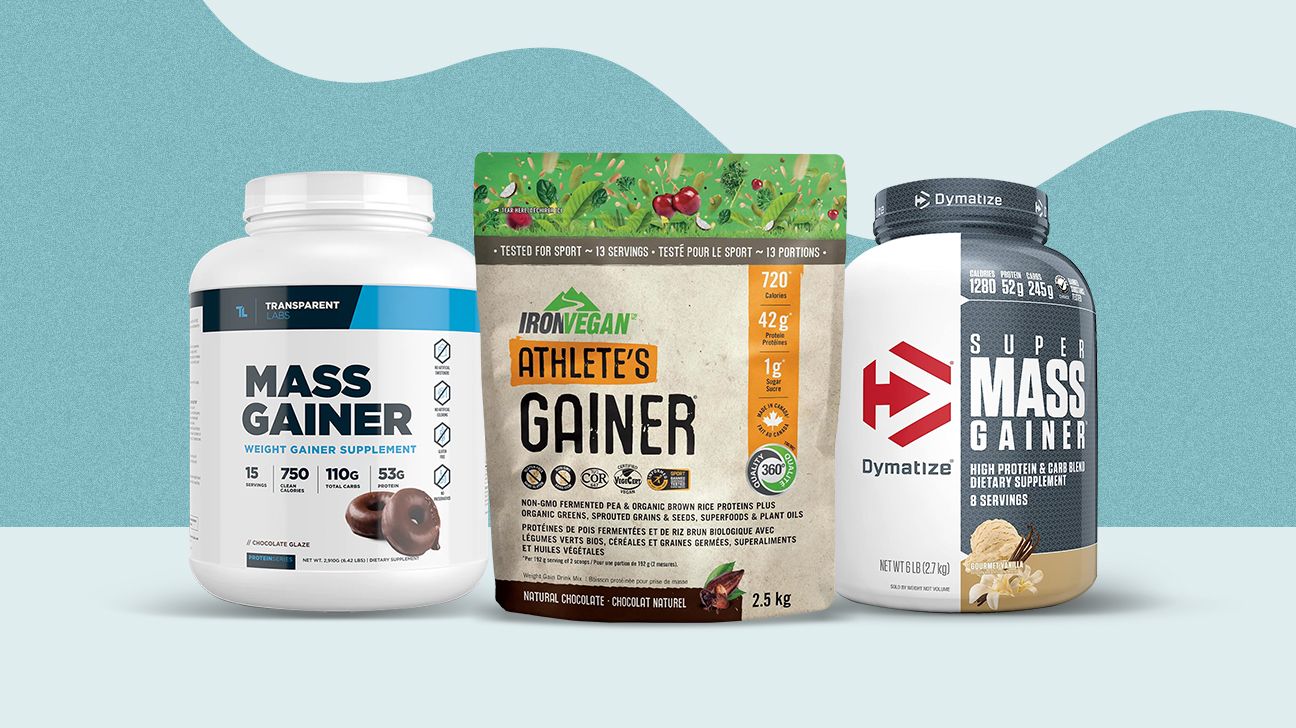
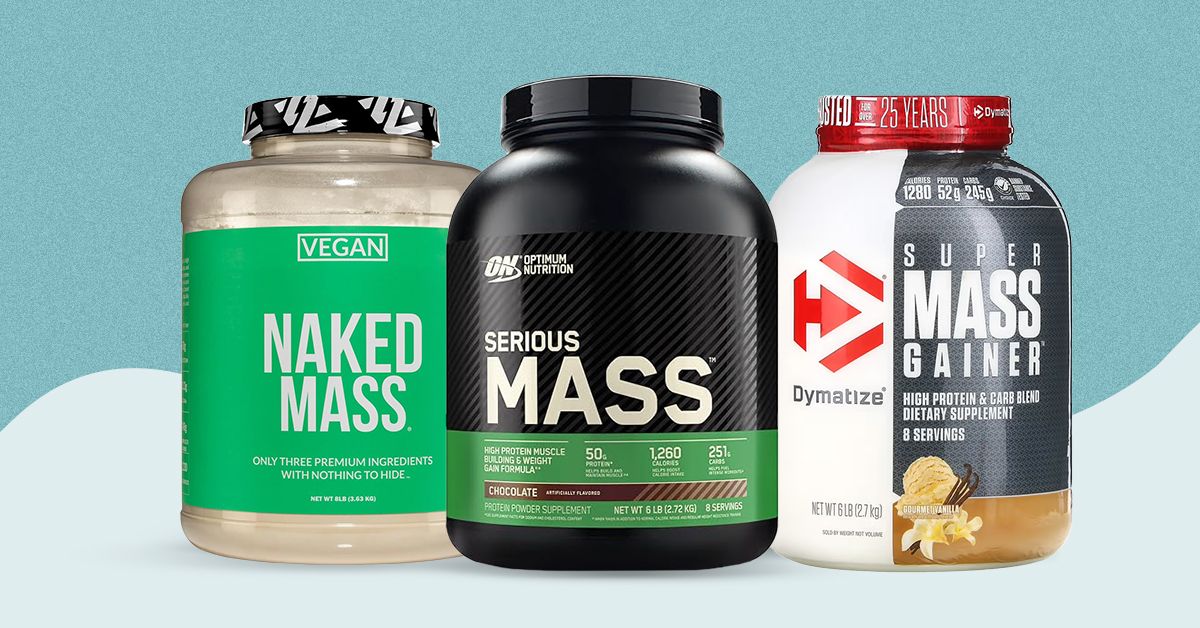
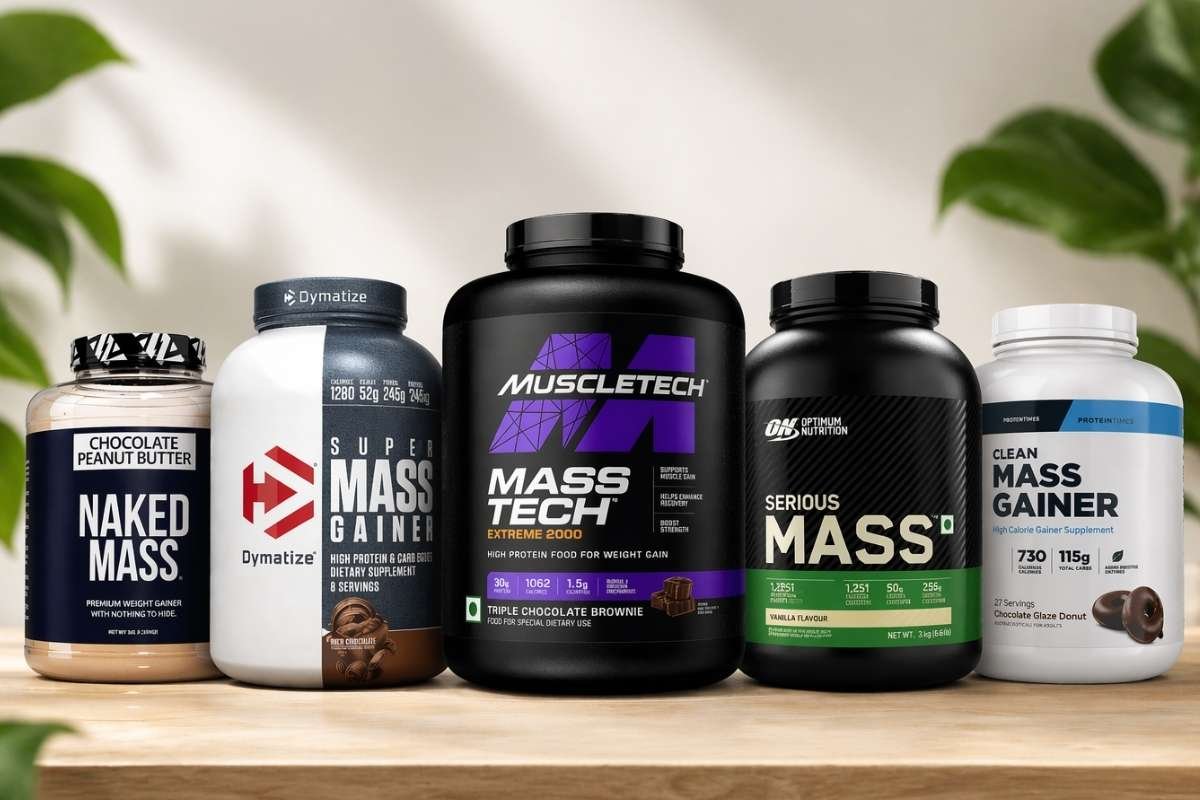
The type of powder also matters. Regular whey, casein, soy, and plant-based protein powders mainly help you meet protein needs. Mass gainers usually contain more calories because they combine protein with carbohydrates and sometimes fats. Choosing between them depends on whether you need more protein, more calories, or both.
A healthy approach focuses on steady progress rather than gaining pounds as quickly as possible. Whole foods, balanced meals, enough sleep, and a suitable exercise plan remain important. This guide explains how protein powder works, how much you may need, how to use it, and what to consider before buying a supplement.
Source: www.healthline.com
How Does Protein Powder Help You Gain Weight?
Protein powder can help you gain weight in two main ways. First, it provides protein that supports muscle repair and growth. Second, it can add calories to your diet, especially when you mix it with milk, oats, fruit, or nut butter.
Your body needs protein to build and repair tissues. During strength training, your muscles experience small amounts of damage. Your body uses amino acids from protein to repair these tissues and adapt to exercise. Over time, this process can help increase muscle size and strength.
But muscle growth needs more than protein alone. Your body also needs enough total energy, carbohydrates, fats, vitamins, and minerals. Think of protein as building material and calories as part of the energy supply needed for the work.
If you drink a protein shake but do not eat enough food, you may still struggle to gain weight. The shake can improve your protein intake without providing enough extra energy. This is why your full daily diet matters more than one supplement.
Source: flabfix.com
Supports muscle repair
Protein supplies amino acids that help repair muscle tissue after physical activity and resistance exercise.
Adds dietary calories
A shake made with milk, oats, yogurt, or nut butter can provide extra energy between meals.
Makes protein intake easier
Powder can help people who have trouble eating enough protein through regular meals.
Supports training recovery
Adequate protein helps the body recover and adapt when paired with a suitable exercise plan.
Does Protein Powder Directly Increase Body Fat?
No. Protein powder does not directly turn into body fat simply because you drink it. Body fat can increase when your total calorie intake stays above your energy needs over time. The same principle applies to calories from ordinary food and other drinks.
For example, a person who drinks a protein shake after a workout may gain muscle if they follow a suitable strength program and eat enough food. Another person who drinks the same shake without exercise may gain weight from the extra calories, but the amount of muscle gained may be smaller.
The final result depends on total food intake, activity, training, genetics, sleep, and other personal factors.
Can You Gain Weight Without Exercise?
Yes. You can gain weight by regularly consuming more calories than you burn, even without a gym routine. However, this does not mean that all the added weight will be muscle. Without resistance training, a larger share of the gain may come from body fat.
If your goal is to build a stronger body, combine adequate food and protein with regular strength exercises. You can start with basic movements such as squats, push-ups, rows, and other exercises suited to your fitness level.
Why a Calorie Surplus Matters for Weight Gain
A calorie surplus is the key condition for gaining body weight. It means you consume more energy from food and drinks than your body uses for daily activities, exercise, and basic functions.
Your body uses calories to breathe, digest food, maintain body temperature, walk, work, and exercise. When your daily intake regularly exceeds this energy use, the extra energy can be stored. Over time, this can increase your body weight.
Protein powder can help create a calorie surplus, but only if it adds energy beyond your usual intake. If you replace your normal breakfast with a low-calorie shake, you may not gain weight. If you add a shake between meals, your daily calorie intake may increase.
For gradual weight gain, some adult nutrition guidance suggests starting with roughly 300 to 500 additional calories per day. This is a general starting example, not a fixed requirement for everyone. Your needs depend on your current weight, activity, health, and desired pace of gain.
Source: groomingwise.com
Eat enough at regular meals
Include protein foods, whole grains, vegetables, fruit, and healthy fat sources throughout the day.
Add calorie-rich snacks
Try nuts, peanut butter, Greek yogurt, cheese, trail mix, or a homemade smoothie.
Use shakes between meals
A shake can provide extra energy without replacing the nutrients in your main meals.
Track your progress
Monitor your average weight over several weeks instead of reacting to normal daily changes.
A Simple Calorie Surplus Example
Imagine an adult who maintains their current weight while eating about 2,200 calories each day. They decide to add a homemade protein smoothie containing 350 calories. Their new daily intake becomes approximately 2,550 calories, assuming they do not reduce other meals.
That extra energy may support gradual weight gain over time. However, this calculation is only an illustration. Actual results depend on changes in appetite, physical activity, metabolism, and food intake.
The important point is that the shake helps because it adds calories to the diet. The protein content supports muscle repair, but the total energy intake helps determine whether body weight increases.
How Much Protein Do You Need to Gain Weight?
Your daily protein needs depend on your body weight, activity level, age, health, and training goals. A person who does not exercise regularly may need less protein than someone who performs frequent strength training.
For healthy adults, the standard Recommended Dietary Allowance for protein is 0.8 grams per kilogram of body weight per day. This amount is designed to meet the basic needs of most healthy adults. People who exercise regularly may need more to support muscle repair and growth.
The International Society of Sports Nutrition reports that a daily intake of about 1.4 to 2.0 grams per kilogram of body weight can support muscle building and maintenance in most exercising individuals. This is a sports nutrition range, not a requirement for every adult.
You do not need to consume all your protein in one shake. Spread your intake across meals and snacks. This makes it easier to meet your needs while giving your body regular access to dietary protein.
Source: storage.googleapis.com
Sedentary adults
The general protein RDA is 0.8 grams per kilogram of body weight per day for healthy adults.
Regular exercisers
People who train regularly may benefit from a higher daily intake based on their exercise demands.
Strength-training adults
A range of 1.4 to 2.0 grams per kilogram per day is commonly used for exercising individuals seeking muscle growth.
Protein Calculation by Body Weight
The following examples use the 1.4 to 2.0 grams per kilogram range for healthy adults who exercise regularly. They are estimates, not individual prescriptions.
To calculate your daily protein target, multiply your weight in kilograms by the protein amount you want to assess. For example, a person weighing 70 kilograms would multiply 70 by 1.4 and 70 by 2.0.
50 kilograms
Approximately 70 to 100 grams of protein per day.
60 kilograms
Approximately 84 to 120 grams of protein per day.
70 kilograms
Approximately 98 to 140 grams of protein per day.
80 kilograms
Approximately 112 to 160 grams of protein per day.
90 kilograms
Approximately 126 to 180 grams of protein per day.
How Much Protein Should One Shake Contain?
A shake containing around 20 to 30 grams of protein can be a practical serving for many adults. The right amount depends on your daily needs and the protein you already get from food.
For example, if your meals already provide enough protein, you may not need a full serving of powder. If you regularly miss protein at breakfast or after exercise, a shake may help fill that gap.
More protein is not always better. Consuming far more than you need does not guarantee faster muscle growth or faster weight gain.
Which Type of Protein Powder Is Best for Weight Gain?
The best protein powder for weight gain depends on whether you need more protein, more calories, or both. Regular protein powders can help you meet protein needs, while mass gainers are designed to provide a larger amount of energy in each serving.
You do not need an expensive supplement to gain weight. A basic protein powder mixed with milk, oats, fruit, and nut butter can provide a useful combination of protein, carbohydrates, fats, and calories.
Before buying a product, compare its serving size, calorie count, protein content, sugar, ingredients, and cost. Some products look similar but provide very different amounts of energy.
Source: healthyforbetter.com
Whey protein
A milk-based protein that contains all nine essential amino acids. It is a convenient option for people who tolerate dairy.
Whey protein isolate
A more filtered form of whey that usually contains more protein and less lactose per serving than whey concentrate.
Casein protein
A milk-based protein that digests more slowly than whey. It can be used to increase daily protein intake.
Soy protein
A plant-based complete protein that provides all nine essential amino acids.
Pea and rice protein
Plant-based options that can help people who avoid dairy. A blend may provide a more balanced amino acid profile.
Mass gainer
A calorie-dense supplement that combines protein with carbohydrates and sometimes fats to help increase daily energy intake.
Regular Protein Powder vs. Mass Gainer
Regular protein powder mainly provides protein. Depending on the brand and serving size, it may contain a modest amount of calories. It works well when you need additional protein but can meet most of your calorie needs through meals.
Mass gainers usually contain more carbohydrates and a larger number of calories per serving. They may help people who struggle to eat enough food, but some products contain substantial amounts of added sugar or very large serving sizes.
Neither type is automatically better. A regular powder may be enough when you already eat sufficient calories. A mass gainer may be more convenient when both calorie and protein intake are difficult to increase.
Choose regular protein powder when
You mainly need help reaching your protein target and can add calories through normal meals.
Consider a mass gainer when
You have a hard time eating enough food and need a convenient, calorie-dense drink.
Consider food-based smoothies when
You want more control over ingredients, fiber, taste, and the amount of energy in each serving.
Can Plant-Based Protein Help You Gain Weight?
Yes. Plant-based protein powder can support weight gain in much the same way as dairy-based powder. The important factors are your total calorie intake, daily protein intake, and training routine.
Soy protein provides all nine essential amino acids. Pea, rice, and other plant proteins can also contribute to your daily needs. Some blends combine different sources to improve their overall amino acid profile.
If you follow a vegan diet, you can also get protein from lentils, chickpeas, beans, tofu, tempeh, soy milk, nuts, and seeds. Powder is simply another way to add protein when needed.
How to Use Protein Powder for Healthy Weight Gain
The most useful way to use protein powder is to add it to a balanced eating routine. Do not depend on shakes alone. Your body needs a wide range of nutrients that a single powder may not provide.
Start by looking at your usual meals. If you already eat enough protein but struggle to consume enough calories, adding more protein may not solve the problem. In that case, you may benefit more from calorie-rich foods and drinks.
If you regularly miss your protein target, use a shake as a convenient snack or as part of a meal. You can adjust the ingredients based on your appetite and calorie needs.
Source: groomingwise.com
Step 1: Review your current diet
Look at what you eat over several typical days. Identify missed meals, low-protein meals, and times when you struggle to eat enough.
Step 2: Estimate your protein needs
Use your body weight, activity level, and training goals to estimate a reasonable daily protein target.
Drink it between meals or after exercise if it helps you meet your daily nutrition goals.
Step 5: Include resistance training
Use a progressive strength program that challenges your muscles safely and allows time for recovery.
Step 6: Monitor your results
Track your weight, strength, appetite, and digestion over several weeks. Adjust food intake if progress is not matching your goal.
A Simple High-Calorie Protein Shake Recipe
A homemade smoothie can be a useful alternative to a commercial mass gainer. You can adjust the ingredients to suit your taste, food allergies, and calorie needs.
For a basic shake, blend one serving of protein powder with one cup of milk, one medium banana, half a cup of oats, and one tablespoon of peanut butter. Add water or ice if you prefer a thinner drink.
The exact calories and protein will depend on the brands, portions, and milk you use. Check the package labels if you want to calculate the nutrition more closely. You can also use fortified soy milk and a suitable plant-based powder if you avoid dairy.
Protein powder
Adds protein to support daily intake and muscle recovery.
Milk or fortified soy milk
Adds liquid, protein, and other nutrients depending on the type.
Banana
Provides carbohydrates and natural sweetness.
Oats
Add carbohydrates, fiber, and extra energy.
Peanut butter
Provides calories and unsaturated fats along with some protein.
When Should You Drink Protein Powder?
You can drink protein powder at a time that fits your schedule. After exercise is convenient, but there is no need to rush to finish a shake immediately after your last repetition.
Daily protein intake matters more than a narrow post-workout time window. A shake at breakfast, between meals, or after training can all work if it helps you meet your nutrition goals.
If drinking a shake before a meal reduces your appetite, move it to a time between meals. The goal is to add useful nutrition without making it harder to eat regular food.
Foods That Help You Gain Weight Alongside Protein Powder
Whole foods should remain the foundation of a weight-gain diet. They provide protein, carbohydrates, fats, fiber, vitamins, and minerals that many protein powders do not contain in meaningful amounts.
If you have a small appetite, focus on foods that provide more energy in smaller portions. Nuts, seeds, avocado, olive oil, dairy products, and nut butters can make meals more calorie-dense without requiring very large servings.
You can also add carbohydrates to support exercise and daily energy needs. Rice, potatoes, oats, whole-grain bread, pasta, and fruit can all fit into a balanced weight-gain plan.
Source: healthcare360magazine.com
Eggs
Provide high-quality protein and several important nutrients. They are easy to add to breakfast or other meals.
Milk and Greek yogurt
Offer protein and other nutrients. Full-fat versions may provide more calories than low-fat versions.
Nuts and nut butter
Provide energy from fats, along with some protein and minerals.
Rice and oats
Supply carbohydrates that help support daily energy needs and exercise.
Beans and lentils
Provide plant protein, carbohydrates, fiber, and useful minerals.
Fish and lean meat
Offer complete protein and can form part of balanced meals.
Avocado and olive oil
Provide energy from unsaturated fats and can increase the calorie content of meals.
Example of a Daily Weight-Gain Eating Routine
The following is a flexible example for a healthy adult who wants to increase food intake. It is not a personalized meal plan or a fixed calorie prescription. Portion sizes should match individual needs, appetite, activity, and health.
Breakfast could include eggs, whole-grain toast, fruit, and milk. A midmorning snack might include Greek yogurt and nuts. Lunch could contain rice, chicken or beans, vegetables, and olive oil.
In the afternoon, a protein smoothie may provide extra energy. Dinner could include fish or tofu, potatoes or pasta, and vegetables. If you are hungry later, a snack such as yogurt, peanut butter toast, or cottage cheese may help.
Breakfast
Eggs, whole-grain toast, fruit, and milk.
Morning snack
Greek yogurt with nuts or seeds.
Lunch
Rice, chicken or beans, vegetables, and olive oil.
Afternoon snack
A protein shake with fruit and oats.
Dinner
Fish or tofu, potatoes or pasta, and vegetables.
Evening snack
Cottage cheese, yogurt, or peanut butter toast if additional food is needed.
Does Protein Powder Help You Gain Muscle or Just Weight?
Protein powder can support muscle gain, but it cannot determine where all your added weight goes. Your body composition changes in response to several factors, including training, total calories, protein intake, genetics, and recovery.
Muscle growth happens when your body adapts to repeated resistance exercise. Your muscles need a training stimulus, enough protein, and sufficient energy to repair and build tissue. A protein shake can support this process, but it cannot replace exercise.
If you eat more calories than you use but do not perform strength training, you may gain body fat without much increase in muscle. If you combine a suitable calorie surplus with progressive resistance training, you may improve your chances of gaining muscle along with body weight.
It is also normal for the scale to change because of water, food in your digestive system, and stored carbohydrate. A short-term increase does not always mean you have gained new muscle or fat.
Source: healthyforbetter.com
Progressive resistance training
Gradually increase exercise difficulty as your strength and fitness improve.
Adequate protein
Provide the amino acids needed for muscle repair and growth.
Enough total calories
Give your body sufficient energy to support training and recovery.
Rest and sleep
Allow your muscles time to recover between demanding workouts.
How Long Does It Take to Notice Weight Gain?
There is no single timeline for weight gain. Some people notice a change in their average body weight within a few weeks, while others need more time. Results depend on the size of the calorie surplus, consistency, activity, appetite, and individual biology.
Muscle growth is usually slower than a quick change on the scale. If your goal is to build muscle, assess progress through several signs rather than body weight alone.
Look at your strength, workout performance, body measurements, appetite, and average weight over time. If you are gaining weight very quickly without a clear reason, review your food intake and consider professional advice.
Possible Side Effects and Safety Considerations
Protein powder is generally tolerated by many healthy adults, but it can cause problems for some people. Digestive discomfort, bloating, gas, diarrhea, and nausea may occur, depending on the ingredients, serving size, and individual tolerance.
Some whey powders contain lactose. People with lactose intolerance may experience symptoms after drinking them. Whey isolate often contains less lactose than whey concentrate, but it is not guaranteed to be lactose-free. People with a milk allergy should avoid milk-derived protein products unless a qualified healthcare professional advises otherwise.
Added sweeteners, sugar alcohols, fibers, and other ingredients can also affect digestion. If you notice discomfort, check the ingredient list and serving size. A smaller serving or a different protein source may be easier to tolerate.
People with chronic kidney disease or other conditions that affect protein requirements should not follow high-protein plans without medical guidance. A healthcare professional or registered dietitian can help set an appropriate intake.
Source: healthyforbetter.com
Digestive problems
Large servings, lactose, and certain sweeteners may cause bloating, gas, or changes in bowel movements.
Milk allergy
Whey and casein are milk proteins and are not suitable for people with a milk protein allergy.
Kidney disease
People with impaired kidney function may need an individualized protein limit.
Added sugar
Some weight-gain powders contain large amounts of added sugar. Check the nutrition label before buying.
Unnecessary intake
Excess protein does not guarantee faster muscle growth and may make it harder to maintain a balanced diet.
How to Choose a Safer Protein Powder
Read the complete ingredient list and Nutrition Facts panel before buying. Check the protein amount, calories, added sugars, serving size, allergens, and any extra ingredients.
Look for independent quality testing when possible. Programs such as NSF Certified for Sport and Informed Sport offer product testing and screening for certain substances. Certification can provide additional quality assurance, but it does not mean a supplement is suitable for every person or that it will produce weight gain.
In the United States, the FDA does not approve dietary supplements for safety and effectiveness before they reach the market. Manufacturers are responsible for meeting applicable safety and labeling requirements. Consumers should not treat a product’s marketing claims as proof that it works.
Be cautious of products that promise very rapid weight gain, dramatic muscle growth, or guaranteed results. A reliable supplement should have a clear ingredient list and realistic nutrition information.
Check serving size
Compare the amount of powder used to provide the listed protein and calories.
Review added ingredients
Look for added sugars, stimulants, herbs, and ingredients you may not need.
Check allergen information
Review milk, soy, gluten, and other allergen statements that apply to your diet.
Look for independent testing
Consider recognized third-party certification when choosing sports nutrition products.
Avoid exaggerated promises
No powder can guarantee a specific amount of weight or muscle gain.
When Should You Speak With a Healthcare Professional?
Speak with a healthcare professional before using protein powder if you have kidney disease, significant digestive problems, a food allergy, or a condition that affects your nutritional needs. This is especially important if you take medication or use several supplements.
Unexplained weight loss also deserves attention. If you are losing weight without changing your food intake or activity, do not assume that a mass gainer will solve the problem. An underlying medical issue may need to be assessed.
People who are underweight, have a very low appetite, or struggle to eat enough may benefit from a registered dietitian. A professional can help identify nutritional gaps and build a suitable weight-gain plan.
Common Mistakes to Avoid When Using Protein Powder
Protein powder can be useful, but several common mistakes can limit your progress. The biggest problem is treating a supplement as a replacement for a complete diet and exercise routine.
A shake may provide plenty of protein but very few calories. If your main goal is to gain weight, you must consider both. Adding more scoops without checking your total intake may increase costs and digestive discomfort without solving the real problem.
Source: flabfix.com
Replacing meals with shakes
A shake may lack the fiber, vitamins, minerals, and variety found in a balanced meal. Use it to supplement food rather than relying on it for most of your nutrition.
Ignoring total calories
Meeting your protein target does not guarantee weight gain. Review your total daily energy intake.
Skipping strength training
If muscle growth is your goal, regular resistance exercise provides the training stimulus needed for muscle development.
Taking too much powder
Large servings may cause digestive discomfort and can make your diet unnecessarily expensive.
Buying products based on advertising
Claims about rapid bulking or guaranteed results should not replace careful label checks and realistic expectations.
Expecting overnight results
Healthy weight gain takes time. Focus on steady eating habits and consistent training rather than dramatic short-term changes.
What If You Are Not Gaining Weight?
If your weight does not increase after several weeks, first check whether you are actually eating more calories than before. People often underestimate portion sizes or forget snacks, drinks, and small changes in activity.
If your calorie intake has increased but your weight remains stable, your energy needs may also have increased. You may need to adjust portions or add another snack. Avoid making large changes without considering your health and appetite.
If you continue to struggle despite consistent effort, speak with a registered dietitian or healthcare professional. They can review your food intake, activity, medications, and possible medical causes.
Check your food intake
Keep a simple food record for several days to see whether your meals and shakes provide enough energy.
Check your shake ingredients
Make sure your shake contains the calories and protein you expect based on its actual serving size.
Review activity levels
Changes in walking, exercise, and daily movement can affect your calorie needs.
Get professional support
Seek advice if your weight remains low or you cannot gain weight despite regular eating.
Research-Based Next Questions: What Should Readers Know?
A review of relevant nutrition guidance and health information pages shows that many readers need more than a list of protein powders. They also need to understand how a supplement fits into their daily calorie intake, how much protein they need, and how to avoid common safety problems.
The following gap map separates practical questions from established evidence. The competitor coverage assessment refers only to the pages reviewed for this article, not every nutrition website available online.
Source: groomingwise.com
Question: Can protein powder cause weight gain without exercise?
Reader stage: Before use. Basis: Inferred next need. Reviewed coverage: Healthline provides a brief explanation, while general protein guidance focuses more on muscle support. Reader benefit: Explains the difference between gaining body weight and gaining muscle. Evidence: Energy balance and resistance-training research. Priority: High. Placement: Calorie surplus and muscle growth sections.
Question: How much protein do I need based on my weight?
Reader stage: Planning. Basis: Inferred next need. Reviewed coverage: Protein guidance provides general intake ranges, but readers may need simple calculations. Reader benefit: Helps translate a research range into a practical daily target. Evidence: NIH and ISSN protein guidance. Priority: High. Placement: Protein calculation section.
Question: Should I choose regular protein powder or a mass gainer?
Reader stage: Product selection. Basis: Observed topic in Healthline’s mass-gainer guide and inferred decision need. Reviewed coverage: Healthline provides product comparisons and selection advice. Reader benefit: Clarifies the difference between protein intake and calorie intake. Evidence: Nutrition labels and supplement composition. Priority: High. Placement: Protein powder types section.
Question: What if protein powder causes bloating or digestive discomfort?
Reader stage: After starting. Basis: Inferred next need. Reviewed coverage: Cleveland Clinic discusses digestive effects and ingredient tolerance. Reader benefit: Helps readers identify possible causes and choose suitable alternatives. Evidence: Clinical nutrition guidance and ingredient information. Priority: High. Placement: Safety section.
Question: How can I gain weight if I have a poor appetite?
Reader stage: Troubleshooting. Basis: Inferred next need. Reviewed coverage: General weight-gain guidance discusses snacks and calorie-dense drinks, but does not provide a personalized assessment. Reader benefit: Helps readers identify practical food strategies and when professional help is needed. Evidence: General dietary guidance. Priority: Medium. Placement: Whole-food strategies and professional support sections.
Frequently Asked Questions
Q
Can protein powder help you gain weight without working out?
Yes. Protein powder can help you gain weight without exercise if it adds enough calories to create a consistent calorie surplus. However, you may gain more body fat and less muscle because you are not giving your muscles a regular resistance-training stimulus.
If your goal is to gain muscle rather than simply increase body weight, combine adequate protein and calories with a suitable strength-training routine.
Q
How many protein shakes should I drink per day to gain weight?
There is no fixed number of protein shakes that everyone needs. One shake may be enough for someone who only needs a small amount of extra protein. Another person may not need any shakes if regular meals already provide enough protein.
Calculate your daily protein needs first. Then use powder only to fill the gap. Remember that your total calorie intake also matters if you want to gain weight.
Q
Does whey protein make you gain weight faster?
Whey protein does not automatically make you gain weight faster than other protein sources. It provides high-quality protein that can support muscle repair and growth when combined with suitable training.
The speed of weight gain depends mainly on your calorie surplus and other personal factors. If you need extra calories, adding milk, oats, fruit, or nut butter to a whey shake can make it more energy-dense.
Q
Can protein powder help an underweight person gain weight?
Protein powder may help an underweight person increase protein intake and add calories when used as part of a balanced nutrition plan. However, the best approach depends on why the person is underweight.
Anyone who is significantly underweight or has unexplained weight loss should speak with a healthcare professional. A registered dietitian can help create a suitable plan that meets energy and nutrient needs.
Q
Is mass gainer better than regular protein powder for weight gain?
A mass gainer may be more useful when you struggle to consume enough calories because it usually contains more carbohydrates and calories than a regular protein powder.
Regular protein powder may be enough when your calorie intake is already adequate but your protein intake is too low. Compare the nutrition labels before choosing either product.
Q
Can I gain weight by drinking protein powder with water?
Yes, but it depends on your total daily calorie intake. Mixing protein powder with water usually adds fewer calories than mixing it with milk or making a smoothie with oats and nut butter.
If your goal is weight gain, you may find a milk-based or food-based shake more useful. The best option is the one that fits your calorie needs and digestion.
Q
Does protein powder make you gain belly fat?
Protein powder does not specifically cause belly fat. Excess calorie intake over time can increase body fat, and where fat is stored depends on several factors, including genetics, hormones, and overall body composition.
A balanced calorie surplus and regular strength training can help support a healthier approach to weight gain. No protein powder can control where your body stores fat.
Q
Is it safe to drink protein powder every day?
Many healthy adults can use an appropriate protein powder daily when it fits their nutritional needs. However, daily use is not necessary if you already get enough protein from food.
Check the ingredients, serving size, and added sugars. If you have kidney disease, food allergies, digestive conditions, or take medication, ask a healthcare professional before starting regular use.
✦ Wrapping Up
Conclusion
Protein powder can help you gain weight, but it works best as part of a complete nutrition and exercise plan. It provides protein for muscle repair and growth, while the extra calories from a shake can help you maintain the calorie surplus needed to increase body weight.
The most important factor is choosing the right approach for your needs. Regular whey or plant-based powder may be enough if you need additional protein. A mass gainer or homemade smoothie may be more useful if you struggle to eat enough calories. Neither option replaces balanced meals, regular strength training, and proper recovery.
Focus on gradual progress instead of chasing fast results. Monitor your average weight, strength, food intake, and overall health. If you are underweight, have unexplained weight loss, or have a medical condition that affects nutrition, seek professional guidance before making major changes.
💡 Key Takeaway
Start by reviewing your daily food intake and estimating your protein needs. If you fall short, add a suitable protein shake between meals. Combine it with calorie-rich whole foods and regular strength training, then monitor your progress over several weeks.
Figuring out what are the healthiest protein bars sounds simple. Grab one, check the protein number, done. But as of 2026, most bars on that shelf pair a bold…