Are Protein Bars Fattening? Calories, Protein, Sugar, and Weight Gain Explained
If you have ever wondered, “are protein bars fattening?” you are not alone. Protein bars sit in a gray area for many shoppers. They can be a useful source of protein when you are busy, but some bars also contain a lot of calories, added sugar, fat, or large portions.
The key point is simple: a protein bar does not have a special ability to turn into body fat. What matters most is how its calories fit into your full day of food and activity. A bar that replaces a higher-calorie snack may support weight control, while a bar added on top of an already adequate diet can push calorie intake higher.
For U.S. shoppers, the Nutrition Facts label makes this easier to judge. Look beyond the word “protein” and check calories, protein, fiber, added sugars, saturated fat, and serving size. This gives you a much clearer picture of what the bar can do for your diet.

What Does Fattening Really Mean?
The word “fattening” can make a food sound like it causes weight gain by itself. In reality, body weight is influenced by the balance between the energy you eat and the energy your body uses over time.
If you eat more calories than you need on a regular basis, your body can store some of that extra energy. If you eat fewer calories than you use, your body can draw on stored energy. This is why the answer to “are protein bars fattening?” depends on the bar and the rest of your diet.
A protein bar can be part of a weight-loss diet, a weight-maintenance diet, or a weight-gain diet. The same bar can have a different effect depending on what it replaces and how it fits into your daily calorie needs.
- ✦ Calorie balance
Regularly eating more energy than your body needs can lead to weight gain over time, regardless of whether those calories come from a protein bar or another food.
- ✦ Portion size
A large bar may contain far more calories than you expect. Checking the serving size prevents the label from giving you a misleading picture.
- ✦ Food choice
Protein, fiber, and overall food quality can affect hunger and diet quality, even though total calorie intake remains important for body-weight change.
Why Calories Matter More Than the Protein Bar Label
A food can be high in protein and still contain many calories. Protein is useful, but the word “protein” does not make a food calorie-free or automatically suitable for weight loss.
For example, replacing a high-calorie pastry with a moderate-calorie protein bar may lower your calorie intake. Eating the same bar after a full meal simply because it is labeled as a protein snack may add calories without reducing other food intake.
Can Protein Bars Cause Weight Gain?
Yes, protein bars can contribute to weight gain when they add enough calories to create a sustained calorie surplus. This does not mean protein bars are uniquely fattening. The same principle applies to any calorie-containing food.
Some people use protein bars as an extra snack between meals. If the bar adds several hundred calories each day without replacing another food, those calories can matter over time. This is especially easy to miss when the bar is marketed as a fitness or health product.
On the other hand, a protein bar can also help control total calorie intake when it replaces a less filling snack. The practical question is not simply “are protein bars fattening?” but “what food is this bar replacing, and how does it fit my daily intake?”
- ✦ Extra calories
Adding a protein bar to your usual diet without reducing other food can raise total calorie intake.
- ✦ Snack replacement
Using a moderate-calorie bar instead of a higher-calorie snack may help you manage your overall intake.
- ✦ Large bars
Some bars are designed to provide substantial calories for athletes or people trying to gain weight, so they may not suit a calorie-restricted diet.
- ✦ Frequent snacking
Several bars across a day can add up quickly, even when each bar seems reasonable on its own.
Protein Bars Can Be Useful for Weight Loss
A protein bar can make sense during weight loss when it helps you eat a reasonable amount of food and stay satisfied. Protein can support fullness, and some bars also provide fiber.
The best choice depends on your needs. A person who wants a small snack may prefer a lower-calorie bar, while an active person with higher energy needs may need a larger bar.
Protein Bars Can Also Support Weight Gain
People who need more calories can use protein bars as a convenient way to add energy and protein. This can be useful for some athletes and people who struggle to eat enough food.
That same feature can work against a weight-loss goal if you choose a high-calorie bar without accounting for its calories elsewhere in the day.
How Many Calories Are in a Protein Bar?
There is no single calorie level for a protein bar. Products vary widely because some are made as light snacks, while others are designed as meal replacements or high-energy sports foods.
Instead of choosing a bar based only on its protein number, compare calories with the amount of protein and fiber it provides. A bar with more protein is not automatically a better choice if it also contains far more calories than you need.
The U.S. Nutrition Facts label lists calories per serving. The FDA also uses a 2,000-calorie diet as a general reference for Daily Value calculations, but individual calorie needs can be much higher or lower.

- ✦ Check calories first
Look at calories per serving before deciding whether the bar fits your snack or meal plan.
- ✦ Check serving size
Make sure the listed serving matches the amount you plan to eat. Some packages may contain more than one serving.
- ✦ Compare protein to calories
A useful comparison is how much protein you get for the calories you spend, rather than looking at protein alone.
- ✦ Consider the full day
A bar that looks high in calories may still fit your needs if it replaces a meal or snack rather than being added on top of your normal intake.
Are High-Calorie Protein Bars Fattening?
A high-calorie protein bar is not automatically fattening. It simply provides more energy, which may be useful for some people and excessive for others.
If your goal is weight loss, a high-calorie bar can use a large share of your daily calorie budget. If your goal is to gain weight, those extra calories may be helpful.
Does Protein Help With Weight Management?
Protein plays an important role in a balanced diet. It helps maintain and build body tissues, including muscle, and protein-rich foods can be filling.
This is one reason protein bars can be useful. If a bar gives you protein and helps you feel satisfied, it may make it easier to avoid random snacking later. But the effect depends on the whole diet, and adding protein on top of your normal calorie intake can still increase total energy intake.
Protein needs vary by age, body size, activity level, and other factors. U.S. dietary guidance does not set one protein-bar target for everyone, so your personal needs matter more than a marketing claim on the package.

- ✦ Protein supports muscle
Adequate protein provides amino acids needed for normal body functions and muscle maintenance.
- ✦ Protein can improve fullness
Protein-rich foods may help some people feel satisfied after eating, which can support better control of food intake.
- ✦ More is not always better
Once your protein needs are met, adding more protein does not make a high-calorie bar automatically better for weight control.
Protein Bars Versus Whole Foods
A protein bar can be convenient, but convenience does not make it superior to whole foods. Greek yogurt, eggs, beans, fish, poultry, tofu, nuts, seeds, and other protein foods can also fit a balanced diet.
Whole foods often provide a wider mix of nutrients and can make meals more satisfying. A protein bar is best viewed as one convenient option rather than a required part of a healthy diet.
What Should You Look for in a Protein Bar?
If you want a protein bar that fits a weight-management plan, read the label before you buy it. There is no perfect number for calories, protein, or sugar because the right choice depends on your goal and daily needs.
For a snack, many people may prefer a bar with a moderate calorie load and a useful amount of protein. If you are using a bar as part of a larger meal or after demanding exercise, a higher-calorie option may make more sense.
The FDA recommends using the Nutrition Facts label to compare nutrients. In general, look for foods that provide nutrients you want more of, such as fiber, while keeping an eye on added sugars, saturated fat, and sodium.

- ✦ Calories
Choose a calorie level that matches the role of the bar in your diet. A small snack and a meal replacement have different calorie needs.
- ✦ Protein
Check the grams of protein per bar rather than trusting phrases such as high protein or protein packed.
- ✦ Fiber
Fiber can support fullness and digestive health. It is useful to compare fiber content across similar bars.
- ✦ Added sugar
Check the added sugars line. The FDA Daily Value for added sugars is 50 grams on a 2,000-calorie diet, and 20% Daily Value or more is considered high.
- ✦ Saturated fat
Check saturated fat as part of the overall diet, especially when a bar contains chocolate, coconut, or other concentrated fat sources.
- ✦ Sodium
Some bars contain substantial sodium, so compare labels if you eat them often or already get a lot of sodium from other foods.
- ✦ Ingredients
A long ingredient list does not automatically make a bar unhealthy. Focus on the nutrition facts and choose ingredients that fit your dietary needs and preferences.
A Simple Protein Bar Label Test
Start with the serving size and calories. Then check protein and fiber. Finally, look at added sugars, saturated fat, and sodium.
This quick check helps you avoid a common mistake: choosing a bar because it contains a lot of protein while overlooking the rest of the nutrition label.
Are Protein Bars Healthy for Weight Loss?
Protein bars can fit a weight-loss diet, but they are not required for weight loss. The most useful bar is one that helps you meet your nutrition needs while keeping your overall calorie intake appropriate for your goal.
A bar may be helpful when you need a portable snack during a long workday, road trip, or workout. It can also be easier to portion than a large bag of snacks. Still, eating a bar because it looks healthy can backfire if it adds calories that you did not plan to eat.
For many people, the best strategy is to use protein bars as a tool rather than a staple. Most of your diet can come from varied foods such as vegetables, fruits, whole grains, beans, dairy or fortified alternatives, seafood, poultry, eggs, nuts, seeds, and other protein foods.
- ✦ Use bars when they solve a problem
A protein bar can be useful when you need a portable snack and have limited access to a balanced meal.
- ✦ Do not rely on marketing
Words such as fit, keto, natural, or high protein do not tell you how many calories the product contains.
- ✦ Build the rest of the diet well
A protein bar cannot make up for a diet that lacks variety, fruits, vegetables, whole grains, and other nutrient-rich foods.
When a Protein Bar May Be a Smart Snack
A protein bar may be practical before or after exercise, during travel, or between meetings when a balanced meal is not available. It can also help someone avoid buying a much larger snack when hunger hits.
The key is to match the bar to the situation. If you need only a small snack, a large high-calorie bar may be more than you need.
Common Reasons Protein Bars May Lead to Extra Calories
If someone gains weight while eating protein bars, the bar itself may not be the direct cause. More often, the issue is that the product makes it easy to consume more calories than planned.
Protein bars are compact foods. A small package can contain a meaningful amount of energy because manufacturers may use nuts, seeds, oils, chocolate, dried fruit, syrups, or other calorie-dense ingredients.
This does not make those ingredients automatically bad. It simply means that portion size and total intake still matter, even when a product has a health-focused image.
- ✦ Eating bars in addition to meals
A bar can become an extra meal or snack if you eat it without reducing other food when your calorie needs have already been met.
- ✦ Choosing bars by protein alone
A high protein number can distract from calories, added sugar, saturated fat, or portion size.
- ✦ Using bars as treats
Some protein bars are sweet and calorie-dense enough to function more like desserts than light snacks.
- ✦ Ignoring liquid calories
A protein bar paired with a sweetened coffee, smoothie, sports drink, or other calorie-containing drink can create a much larger snack than expected.
Are Protein Bars Fattening at Night?
Eating a protein bar at night does not automatically cause more body fat than eating the same calories at another time. What matters most is your overall energy intake and eating pattern.
A late-night bar can still contribute to weight gain if it pushes your total calorie intake above your needs. If it replaces another snack and fits your daily needs, the time alone does not make it fattening.
Protein Bars, Sugar, and Fat: What the Label Tells You
Sugar and fat are not automatically unhealthy, and neither one alone tells you whether a protein bar will cause weight gain. What matters is the amount, the type, the rest of your diet, and your total calorie intake.
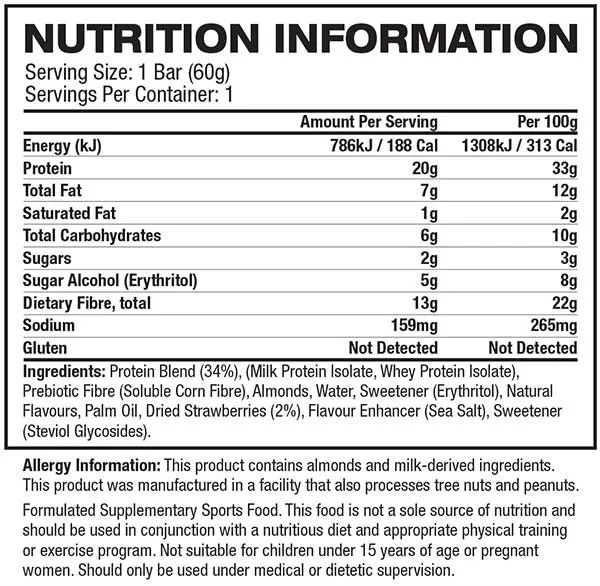
The FDA requires Nutrition Facts labels to list total fat, saturated fat, total carbohydrate, dietary fiber, total sugars, added sugars, protein, and other nutrients. This makes it possible to compare products instead of judging them by front-of-package claims.
Added sugar deserves special attention. The FDA notes that too much added sugar can make it harder to meet nutrient needs while staying within calorie limits. On a 2,000-calorie diet, the Daily Value for added sugars is 50 grams.

- ✦ Total sugar
This includes naturally occurring sugar and added sugar. It should not be confused with added sugar.
- ✦ Added sugar
This is sugar added during processing. The Nutrition Facts label lists both grams and Daily Value percentage.
- ✦ Total fat
Fat provides energy, so large amounts can raise the calorie content of a bar. The type of fat also matters for overall diet quality.
- ✦ Saturated fat
Compare saturated fat across products, especially when eating protein bars often.
Does Sugar Make Protein Bars Fattening?
Sugar provides calories, but eating sugar does not create a special form of weight gain that is unique to sugar. The larger issue is whether the food contributes excess calories and whether the overall diet remains nutritious.
A bar with a modest amount of added sugar can fit into a balanced diet. A bar that is very high in added sugar may use a large share of your daily limit while providing less room for other nutrient-rich foods.
How to Use Protein Bars Without Unwanted Weight Gain
If you enjoy protein bars and want to manage your weight, you do not need to remove them from your diet. A better approach is to make the bar fit a clear purpose.
Think of the bar as food, not as a free pass because it contains protein. Check the label, decide when you need it, and consider what the bar replaces. This simple habit can make protein bars easier to use without accidentally increasing your daily calorie intake.
- ✦ Choose a purpose
Decide whether the bar is a snack, part of breakfast, a post-workout food, or a meal replacement.
- ✦ Match calories to the purpose
A small snack usually does not need the same calorie load as a full meal.
- ✦ Pair wisely
If the bar is low in fiber or micronutrients, pairing it with fruit or another nutrient-rich food may create a more balanced snack.
- ✦ Watch liquid calories
Consider the calories in drinks consumed with the bar so you can judge the full snack.
- ✦ Track patterns, not one food
Look at your overall eating pattern over days and weeks instead of blaming one food for every change on the scale.
- ✦ Choose whole foods often
Use a variety of minimally processed foods as the foundation of your diet and keep protein bars as a convenient option.
A Simple Example
Imagine someone usually buys a large pastry and sweet coffee during a busy workday. Replacing that snack with a moderate-calorie protein bar and water could reduce total calorie intake while adding protein.
Now imagine the same person eats the usual breakfast and lunch, adds the protein bar in the afternoon, and still buys the pastry and sweet coffee. In that case, the bar adds calories instead of replacing them. The same product can therefore play very different roles in two diets.
Are Protein Bars Fattening? The Bottom Line
The short answer is no: protein bars are not inherently fattening. They contain calories, and those calories can contribute to weight gain if they regularly push your total intake above your needs.
Protein bars can also support a weight-management plan when they provide useful protein, fit your calorie needs, and replace a less nutritious or higher-calorie snack. Their value depends on the individual product and how you use it.
When comparing bars, start with calories and serving size. Then check protein, fiber, added sugar, saturated fat, sodium, and the ingredient list. This approach is more useful than judging a bar by its packaging or the word “protein” alone.