How to Identify Quality Ingredients in Protein Bars: A Practical Guide to Better Choices
Protein bars can make busy U.S. mornings, gym sessions, road trips, and workdays easier. But a high protein number does not always mean a bar is a good fit for you. The wrapper may show words like high protein, natural, keto, or clean, while the ingredient list tells a more useful story.
Learning how to identify quality ingredients in protein bars starts with one simple habit: turn the package over. Read the ingredient list first, then check protein, added sugar, fiber, saturated fat, sodium, and calories. This approach helps you judge the whole product instead of trusting one marketing claim.
There is also no single perfect protein bar. A runner, a strength athlete, a person seeking a quick breakfast, and someone managing blood sugar may want different things. A good choice is one that gives you useful nutrition while matching your own needs, food preferences, and dietary limits.
Start With the Ingredient List, Not the Front of the Package
The ingredient list is one of the best tools for learning how to identify quality ingredients in protein bars. In the U.S., ingredients are generally listed by weight from highest to lowest. That means the first few ingredients can tell you a lot about what makes up the bar.
Do not judge a product only because it has a short ingredient list. A short list can be useful, but a longer list does not automatically mean poor quality. Some ingredients have a clear purpose, such as helping a bar hold its shape, stay fresh, or taste better.
A useful first check is to identify the main protein source, the main sweetener, and the main fat source. Then ask whether those ingredients make sense for your goal.

- ✦ Look at the first three ingredients
They often make up a large share of the bar. Look for recognizable protein foods or useful protein ingredients near the top.
- ✦ Find the main protein source
Common choices include whey, milk protein, casein, soy, pea, egg, and other plant proteins. The right option depends on your diet and needs.
- ✦ Check the sweetener
Look for sources such as dates, fruit, honey, maple syrup, sugar, or sugar alcohols. The type and amount matter more than simply seeing the word sweetener.
- ✦ Check the fat source
Nuts, seeds, nut butters, and some oils can provide useful fats. Also check saturated fat on the Nutrition Facts label.
Why Ingredient Order Matters
Ingredient order gives you a quick picture of the formula. If a syrup, sugar, or refined sweetener appears very early, sweetness may play a major role in the bar. If a protein source appears near the beginning, protein is more likely to be a central part of the product.
This does not mean every ingredient near the top is bad. For example, a nut-based bar may naturally place nuts or nut butter near the beginning. The key is to understand what those ingredients contribute.
Do Not Treat Unfamiliar Names as Automatic Red Flags
Some ingredients sound technical because food science uses precise names. Lecithin, tocopherols, gums, and certain minerals may have practical roles in a bar. The presence of a technical name alone does not prove that a food is unhealthy.
Instead, ask what the ingredient does, how much of it is likely present, and whether the complete product fits your needs. This is a more reliable way to identify quality ingredients in protein bars than using a simple good-versus-bad ingredient list.
Evaluate the Protein Source and Protein Quality
Protein is often the main reason people buy these bars, so it deserves close attention. Common protein sources include whey protein concentrate, whey protein isolate, milk protein, casein, soy protein, pea protein, egg protein, and protein blends.
Animal proteins such as whey, milk, casein, and egg generally provide all essential amino acids. Some plant proteins may have a less complete amino acid profile on their own, but a well-designed blend can combine plant sources to provide a broader amino acid pattern.
When learning how to identify quality ingredients in protein bars, do not focus only on the number of grams. Consider the source, your dietary needs, the serving size, and how the protein fits into your total daily diet.

- ✦ Whey protein
Whey is a complete dairy protein and is widely used in sports nutrition. Whey isolate usually contains more protein and less lactose than whey concentrate.
- ✦ Milk protein and casein
These dairy proteins provide essential amino acids. Casein digests more slowly than whey, which can make it useful in some meal and snack patterns.
- ✦ Soy protein
Soy is a complete plant protein. It can work well for people who want a plant-based option without relying on several different protein sources.
- ✦ Pea and other plant proteins
Pea, rice, pumpkin seed, and other plant proteins can be useful. Blends may help provide a wider range of essential amino acids.
Protein Quantity Versus Protein Quality
A bar with 20 grams of protein is not automatically better than one with 15 grams. The difference may be small when the rest of the nutrition profile is much better suited to your needs.
Look at protein in context. A bar with useful protein, moderate calories, enough fiber, and manageable sugar may work better for a snack than a bar that has more protein but also contains a large amount of calories or added sugar.
Watch for Collagen as the Main Protein
Collagen is a protein, but it is not equivalent to a complete dietary protein such as whey, milk, egg, or soy. It lacks tryptophan and has a different amino acid pattern. If a bar uses collagen as its main protein, do not assume its protein grams offer the same nutritional role as a complete protein.
Collagen can still have a place in a person’s diet. The important point is to know what type of protein you are buying rather than judging quality from the protein number alone.
Check Sugar, Sweeteners, and Total Carbohydrates
Protein bars often need some sweetness to taste good. The problem is not sweetness itself. The key question is how much sugar the bar provides and where that sweetness comes from.
Use the Nutrition Facts label to check total sugars and added sugars. In the U.S., the label separates total sugars from added sugars, which makes it easier to see how much sugar was added during processing.
When learning how to identify quality ingredients in protein bars, also remember that dates, fruit, honey, and other sweet ingredients still contribute carbohydrate and calories. A natural sweetener is not automatically calorie-free or better for every person.

- ✦ Added sugar
Check the added sugar line on the Nutrition Facts label. Lower amounts may make sense for people who want a less sweet snack or need to limit added sugars.
- ✦ Sugar alcohols
Erythritol, xylitol, maltitol, and similar ingredients can reduce sugar and calories, but some may cause gas, bloating, or diarrhea in sensitive people.
- ✦ High-intensity sweeteners
Ingredients such as stevia, sucralose, and monk fruit extracts can add sweetness with little or no sugar. Personal taste and tolerance matter.
- ✦ Dates and fruit
Whole or dried fruit can add sweetness, flavor, and some nutrients. But fruit-based bars can still be high in total sugar and calories.
Natural Does Not Always Mean Better
Words such as natural, organic, and plant-based can be useful, but they do not tell you the full nutrition story. A bar can use natural sweeteners and still be high in calories or added sugar.
A better approach is to compare the full label. This is one of the most important principles in how to identify quality ingredients in protein bars: judge the whole product, not one attractive ingredient or marketing word.
Sugar Alcohols Need a Personal Check
Sugar alcohols can help lower the amount of conventional sugar in a bar. But tolerance varies. Some people can eat them with no issue, while others notice stomach discomfort after a large serving.
If you often feel bloated after protein bars, check whether sugar alcohols or large amounts of added fiber appear in the ingredient list. Your own response is useful information when choosing future products.
Look for Useful Fiber, but Know the Source
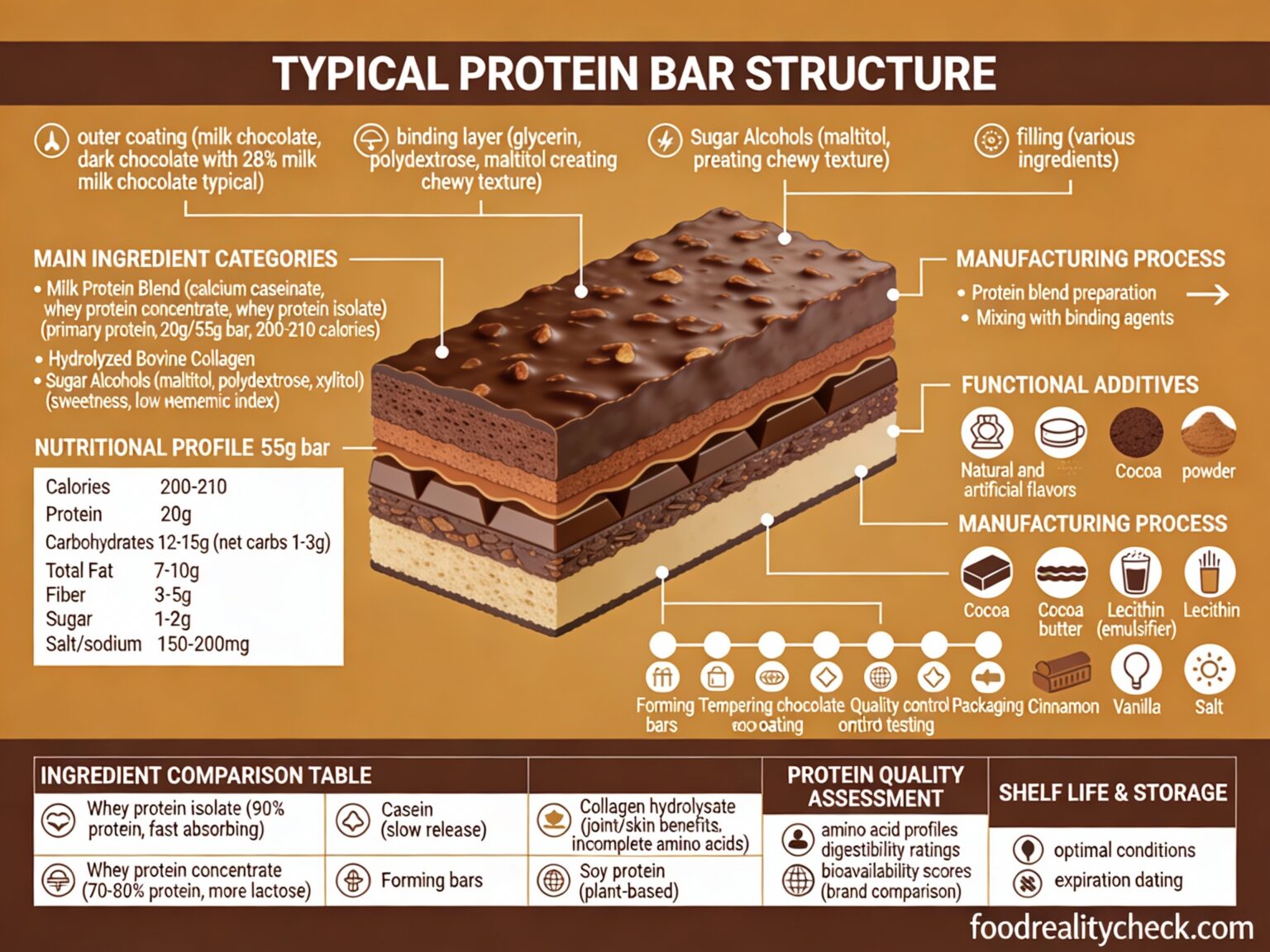
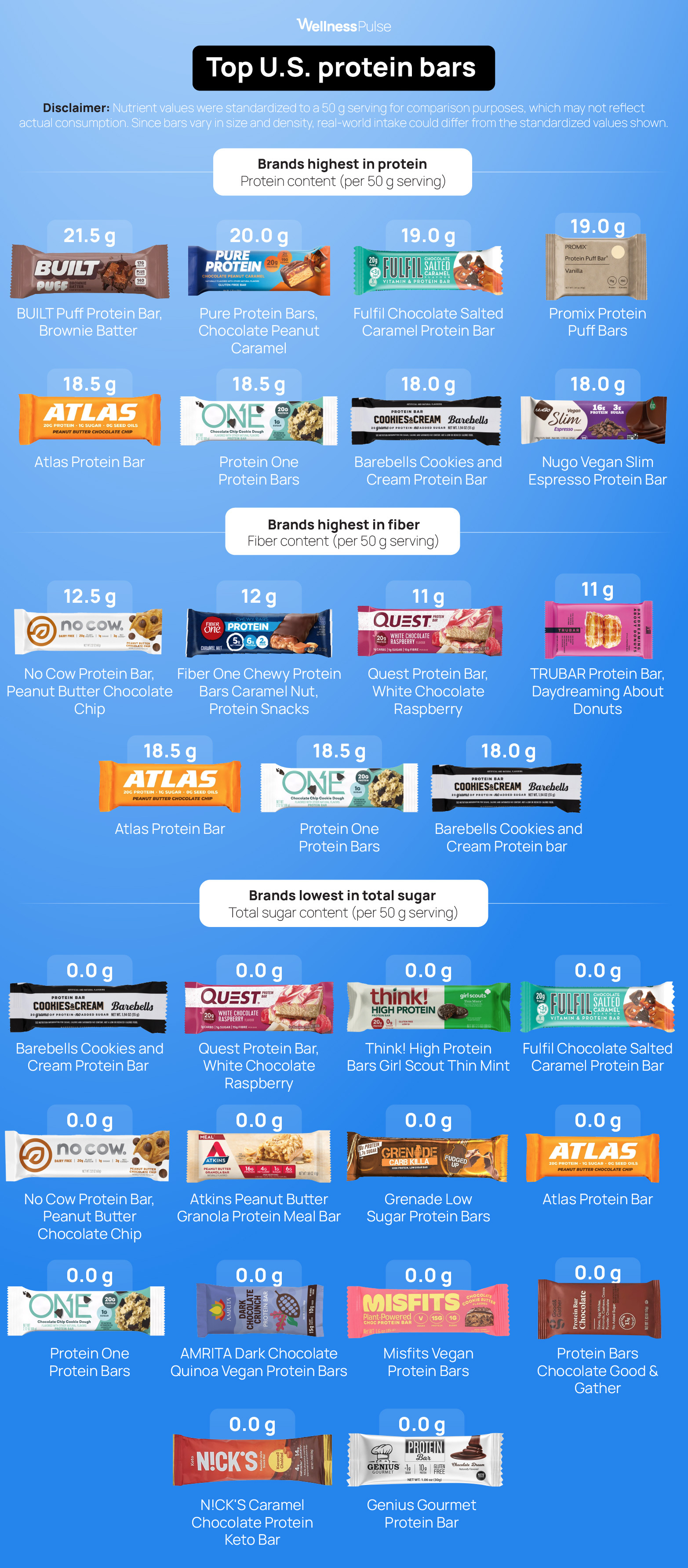
Fiber can make a protein bar more filling and can support digestive health. Nuts, seeds, fruit, oats, and some added fibers can all contribute to the fiber total.
The Nutrition Facts label tells you how many grams of fiber you get per serving. The ingredient list then helps you understand where that fiber comes from.
Some bars use added fibers such as chicory root fiber, inulin, soluble corn fiber, or other fiber ingredients. These can be useful, but some people may get gas or bloating from large amounts.
- ✦ Check the fiber number
A meaningful amount of fiber can help a bar work as a more filling snack. Compare fiber with serving size rather than judging the number alone.
- ✦ Look for whole-food sources
Nuts, seeds, oats, and fruit can provide fiber along with other nutrients.
- ✦ Know your tolerance
Added fibers can be useful, but large amounts may cause digestive symptoms in some people.
Fiber Is Not a Free Pass for Unlimited Bars
A high-fiber label can make a bar look especially appealing. But fiber does not cancel out calories, added sugar, saturated fat, or a poor protein source. Always assess the entire label.
This matters because some products use a high fiber number as a major marketing feature. A good bar should make sense as a whole, not just on one line of the Nutrition Facts panel.
Examine the Fat Sources and Saturated Fat
Fat can improve taste, texture, and fullness. Nuts, seeds, peanuts, almonds, and nut butters can provide unsaturated fats along with protein and other nutrients.
However, some protein bars also contain chocolate coatings, palm-based fats, butter, coconut oil, or other sources of saturated fat. These ingredients are not automatically harmful, but the total amount matters.
When deciding how to identify quality ingredients in protein bars, compare the ingredient list with the saturated fat line on the Nutrition Facts label. This gives you a better view of the bar’s overall fat profile.

- ✦ Nuts and seeds
These can provide unsaturated fats, protein, minerals, and other nutrients.
- ✦ Nut butters
Peanut, almond, and other nut butters can add flavor and useful fats. Check for added sugars and oils when that matters to you.
- ✦ Chocolate coatings
Chocolate can make a bar more enjoyable, but coatings may also add sugar, calories, and saturated fat.
- ✦ Coconut and palm fats
These fats can help with texture and stability. If you limit saturated fat, check the Nutrition Facts label rather than judging the ingredient alone.
Understand Additives Without Falling for Ingredient Fear
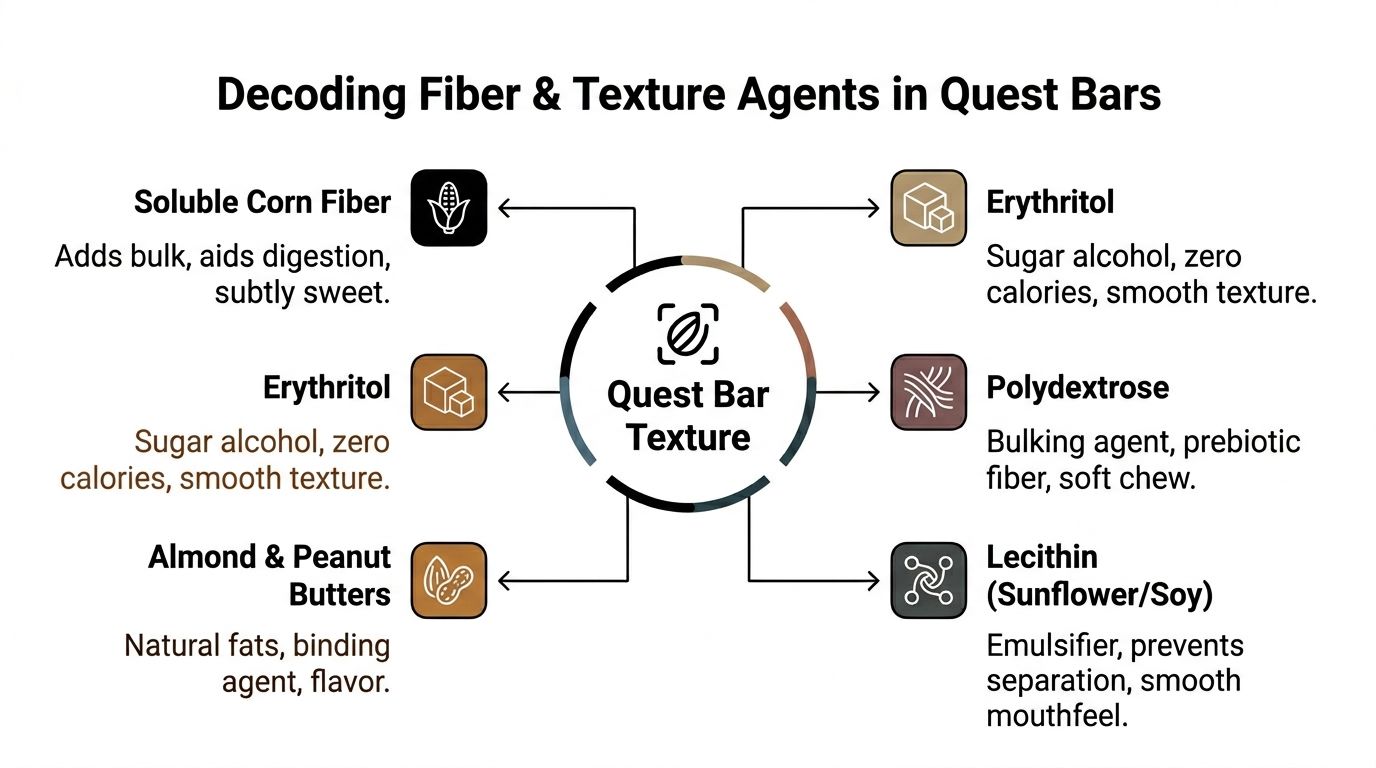
Many protein bars need additives because they must remain stable, soft, chewy, or appealing for weeks or months. Ingredients such as lecithin, gums, natural flavors, emulsifiers, and tocopherols may serve practical roles.
A long ingredient list does not prove that a product is unsafe. At the same time, a short list does not guarantee excellent nutrition. The better question is whether the ingredients serve a useful purpose and whether the finished product fits your dietary needs.
This balanced view is central to how to identify quality ingredients in protein bars. It helps you avoid both extremes: believing every unfamiliar ingredient is dangerous or assuming every packaged food is equally nutritious.
- ✦ Emulsifiers
These help ingredients that do not naturally mix stay blended. Lecithin is one common example.
- ✦ Gums
Gums can help create the chewy or firm texture common in protein bars.
- ✦ Natural flavors
These provide flavor but may not tell you exactly which plant or food source created the flavor. They should be considered within the full ingredient list.
- ✦ Preservatives and antioxidants
Some ingredients help protect food quality and extend shelf life. Their presence should be judged in context rather than by name alone.
When an Ingredient Deserves Extra Attention
Certain ingredients may matter more if you have a food allergy, digestive sensitivity, medical condition, or specific dietary restriction. For example, a person with a milk allergy needs to avoid dairy proteins even if the rest of the ingredient list looks excellent.
If you have a diagnosed condition or follow a medically required diet, use the label rules given by your clinician or dietitian. A general ingredient guide cannot replace personalized medical advice.
Use the Nutrition Facts Label to Confirm Your Choice
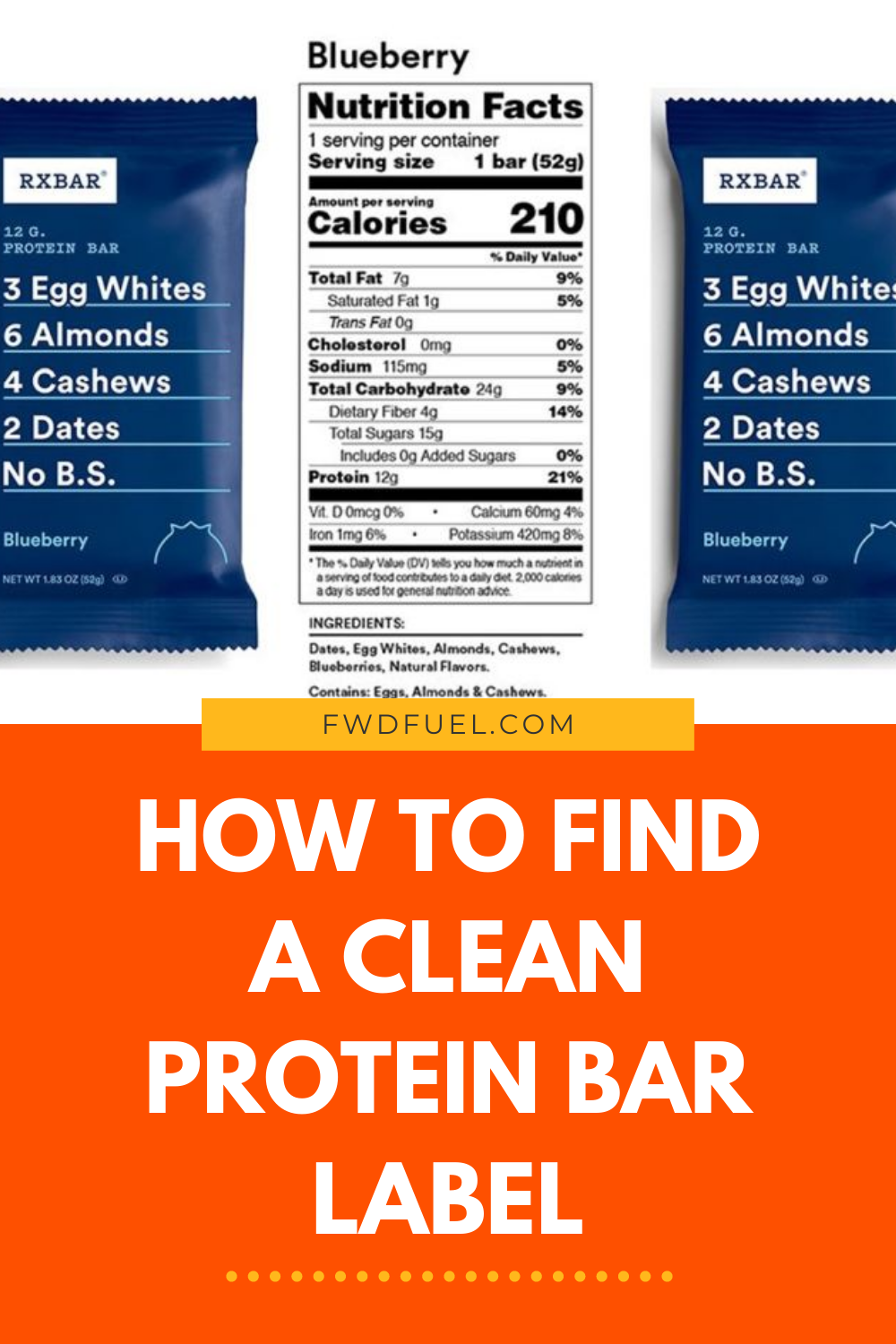
The ingredient list tells you what is in the bar. The Nutrition Facts label tells you how much of key nutrients you get per serving. You need both to make a sound choice.
Start with serving size. Some bars are one serving, while other products may define a smaller portion as one serving. If you eat the whole package, make sure you know how the calories, sugar, protein, and other nutrients change.
When learning how to identify quality ingredients in protein bars, use a simple label scan: calories, protein, fiber, total sugar, added sugar, saturated fat, and sodium. Then return to the ingredient list for more detail.

- ✦ Calories
Compare calories with the role of the bar. A small snack and a meal replacement have different calorie needs.
- ✦ Protein
Check the grams per serving and then identify the protein source in the ingredient list.
- ✦ Fiber
Look for a useful amount of fiber if fullness and fiber intake are priorities.
- ✦ Added sugar
Use the added sugar line to see how much sugar was added to the product.
- ✦ Saturated fat
Check this line if you are trying to manage saturated fat intake.
- ✦ Sodium
Some bars can contain a notable amount of sodium. Compare products if sodium intake matters to you.
Compare Bars by the Same Serving Size
Comparisons become easier when the serving sizes are similar. If one bar weighs 40 grams and another weighs 70 grams, their nutrient numbers may look very different simply because the bars are different sizes.
For a fair comparison, consider the full bar, the stated serving size, and the amount you normally eat. This simple step prevents many label-reading mistakes.
Do Not Let One Number Decide
A bar with the most protein may not be the best fit for every situation. A person looking for a small afternoon snack may value calories and fiber differently from someone using a bar after resistance training.
The goal is not to find the bar with the perfect label. The goal is to find a product whose overall nutrition matches the job you need it to do.
Match the Protein Bar to Your Personal Goal
There is no universal definition of a perfect protein bar. The best choice depends on why you are eating it. A convenient snack, post-workout option, hiking food, breakfast substitute, and emergency desk snack may all need different nutrition.
For muscle support, protein quantity and protein quality may deserve more attention. For a workday snack, you may care more about protein, fiber, calories, and how well the bar keeps you satisfied.
This is why how to identify quality ingredients in protein bars should never be treated as a rigid checklist. Use the ingredient list and Nutrition Facts label as tools, then apply them to your own needs.

- ✦ For a quick snack
Look for a reasonable calorie level, useful protein, and enough fiber to help with fullness.
- ✦ After exercise
Focus on a protein source that fits your diet and enough total nutrition to support your recovery meal or snack.
- ✦ For a meal replacement
A protein bar may not provide everything found in a full meal. Check calories, protein, fiber, fats, and micronutrients rather than relying on protein alone.
- ✦ For plant-based diets
Check the actual protein sources and look for a blend when appropriate. Also check labels for dairy, eggs, or other animal-derived ingredients.
- ✦ For food allergies
Read allergen statements and the full ingredient list every time. Formulas can change.
For People With Sensitive Digestion
If protein bars cause stomach discomfort, look closely at sugar alcohols, added fibers, large servings, and dairy proteins. One person’s ideal ingredient list may not work well for another person’s digestion.
Try changing one factor at a time. This makes it easier to learn which ingredients or portion sizes work best for you.
A Simple Five-Step Protein Bar Label Test
You do not need to spend ten minutes in the grocery aisle studying every word. A quick five-step test can help you make a better choice in less time.
This method brings together the main ideas behind how to identify quality ingredients in protein bars. With practice, you can scan most labels in under a minute.
- ✦ Step 1: Check the serving size
Make sure the numbers on the Nutrition Facts label match the amount you plan to eat.
- ✦ Step 2: Find the protein source
Look at both the grams of protein and the actual ingredients that provide it.
- ✦ Step 3: Check added sugar and fiber
Use these numbers to understand how sweet and filling the bar may be.
- ✦ Step 4: Scan fats and sodium
Pay attention to saturated fat and sodium when these nutrients matter in your diet.
- ✦ Step 5: Read the first few ingredients
Confirm that the main ingredients match what you want from the bar.
The One-Minute Rule
If you are standing in a U.S. grocery store with several bars in front of you, start with the serving size and protein. Then check added sugar, fiber, saturated fat, and sodium. Finish by reading the first several ingredients.
If the bar passes those checks and fits your diet, you have enough information for most everyday choices. You do not need to understand every chemical term before you can make a reasonable decision.
Common Protein Bar Marketing Claims You Should Question
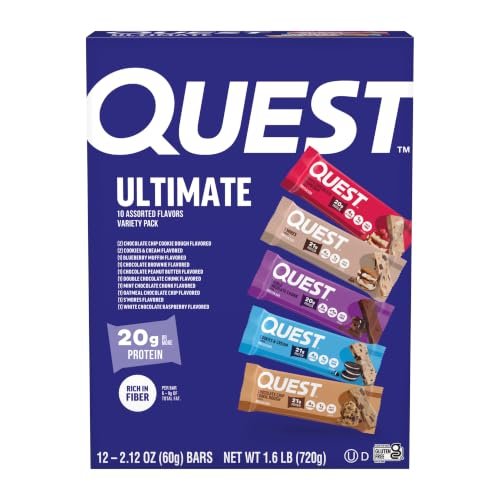
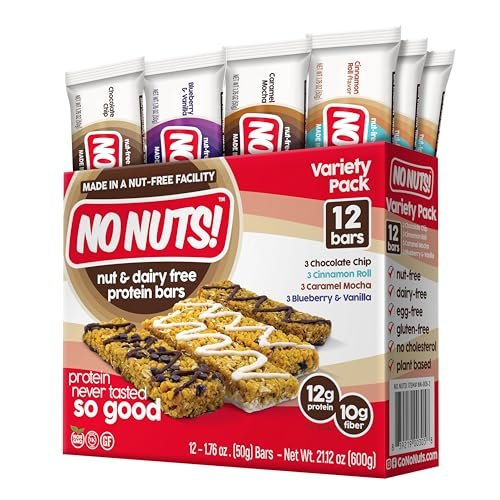
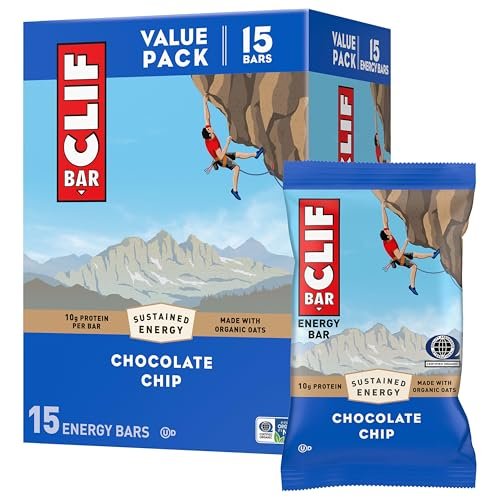
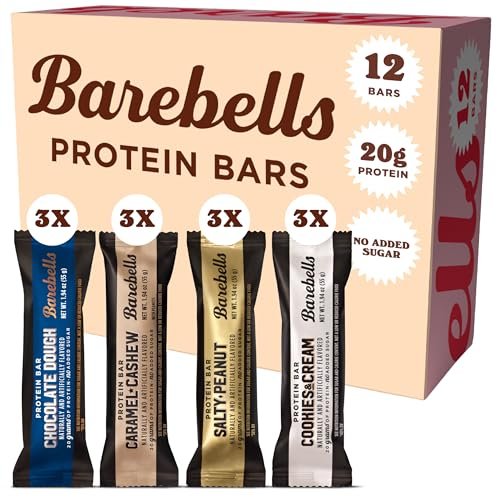
Protein bar packaging is designed to catch your eye. Claims such as high protein, keto, natural, gluten-free, plant-based, and no added sugar can be useful, but each describes only one part of the product.
For example, gluten-free does not automatically mean low in sugar or high in protein. Plant-based does not automatically mean low in calories. A product can meet one marketing claim while still not matching your personal nutrition goal.
The safest habit is to treat front-of-package claims as starting points, not final answers. The back label gives you the information needed to understand the full product.
- ✦ High protein
Confirm the actual grams of protein and identify the protein source.
- ✦ No added sugar
Check total sugar and the ingredients used to sweeten the bar.
- ✦ Natural
Look beyond the word and evaluate calories, protein, fiber, sugar, fats, and the ingredient list.
- ✦ Plant-based
Check the actual plant protein sources and the rest of the nutrition profile.
- ✦ Keto
Check total carbohydrates, fiber, sweeteners, calories, and your own dietary goals rather than relying on the label claim.
What a High-Quality Protein Bar Can Look Like
A well-designed protein bar can have a fairly simple nutrition story. It may use a clear protein source, nuts or seeds, a reasonable sweetener, fiber, and a few ingredients that provide texture and stability.
But quality does not require a perfect ingredient list. Some excellent products will contain several functional ingredients because a shelf-stable bar needs the right texture and flavor. The key is whether the complete formula makes sense for you.
When applying how to identify quality ingredients in protein bars, think in terms of trade-offs. A bar can be convenient and tasty while still providing useful protein and fiber. Another bar may have a simpler ingredient list but more calories or less protein. The right choice depends on what you need.
- ✦ Clear protein source
The product clearly identifies where its protein comes from.
- ✦ Useful nutrition balance
Protein, fiber, calories, sugar, fats, and sodium make sense for the intended use.
- ✦ Reasonable ingredient purpose
Most ingredients have a clear role in flavor, texture, nutrition, or shelf stability.
- ✦ Good personal fit
The bar matches your allergies, dietary pattern, digestion, taste, and nutrition goals.