Are Protein Bars Meal Replacements? What to Know Before You Swap a Meal
The question “are protein bars meal replacements” sounds simple, but the answer depends on the bar. A protein bar is usually made to add protein to your diet or curb hunger between meals. A meal replacement is made to stand in for a meal and should offer a broader mix of nutrients.
This difference matters in real life. In the U.S., busy workdays, long commutes, travel, school, and workouts can make a bar feel like an easy lunch. It can be useful when time is short, but a convenient food is not automatically a complete meal.
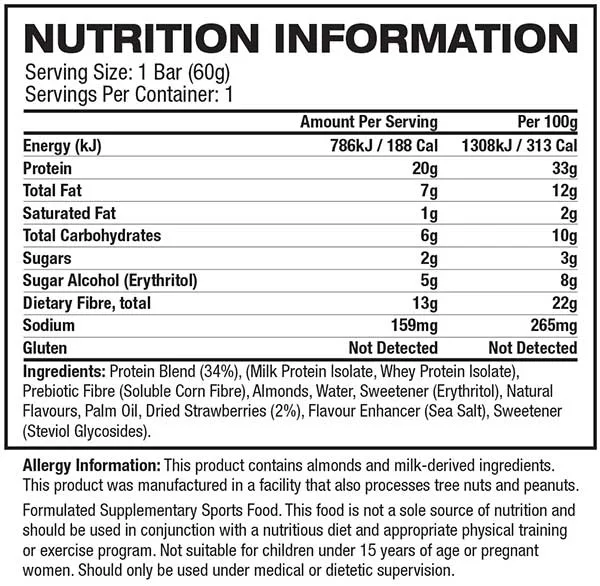
A good way to judge a bar is to look beyond the front of the package. Check calories, protein, fiber, fat, carbohydrates, vitamins, minerals, added sugar, and serving size. The goal is not to find the bar with the most protein. The goal is to see whether the bar can reasonably meet the needs of the meal it replaces.

What Is a Protein Bar?
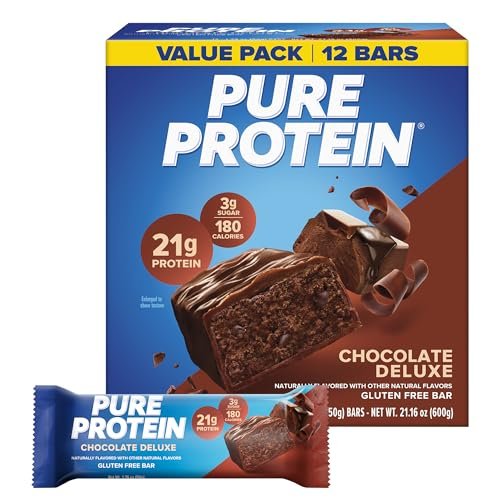
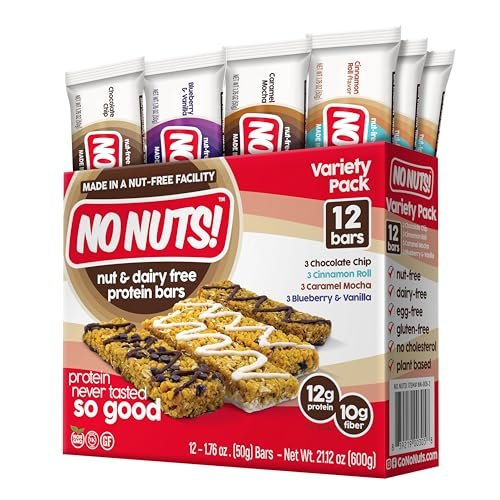
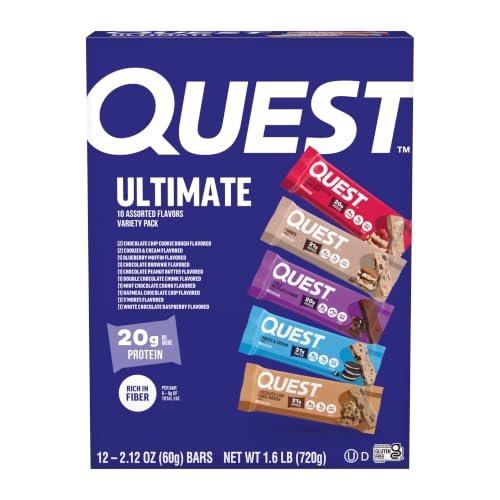
A protein bar is a packaged food made to provide protein in a small, easy-to-carry form. Many contain ingredients such as milk protein, whey, soy, nuts, seeds, oats, or plant proteins. Some are made mainly as sports snacks, while others are designed for general hunger control.
Protein bars can vary a lot. One bar may be close to a candy bar in calories and fiber, while another may contain enough energy and nutrients to work as a small meal. That is why asking whether all protein bars are meal replacements can lead to the wrong answer.
The label gives the clearest answer. If a bar is sold as a meal replacement, check whether its nutrition profile supports that use. If it is marketed mainly for protein after exercise or between meals, treat it as a snack unless the label says otherwise.

- ✦ Protein
Protein can help support muscle repair, growth, and fullness. The amount varies widely from bar to bar.
- ✦ Carbohydrates
Carbs can provide energy. Oats, fruit, grains, and other ingredients may supply them.
- ✦ Fat
Nuts, seeds, nut butter, and oils can add fat. Some fat also helps the body absorb certain vitamins.
- ✦ Fiber
Fiber can support digestion and help with fullness. Many snack-style protein bars contain less fiber than a balanced meal.
Protein Bar vs. Meal Replacement Bar
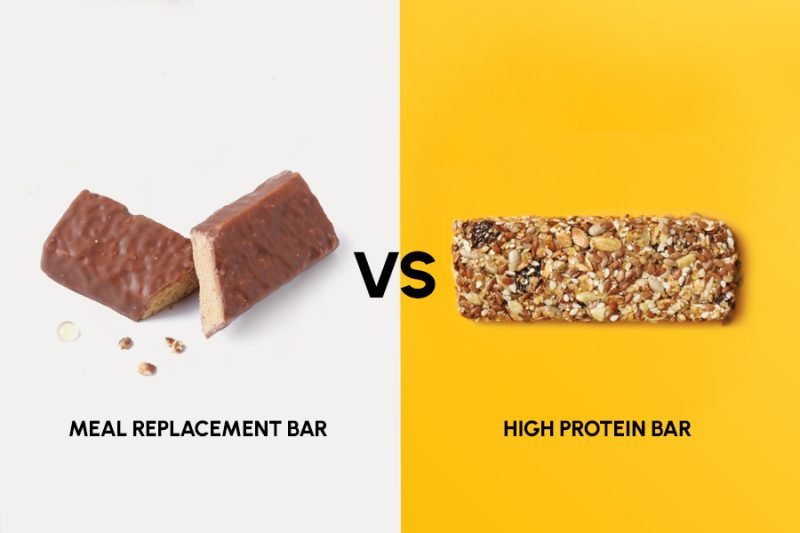
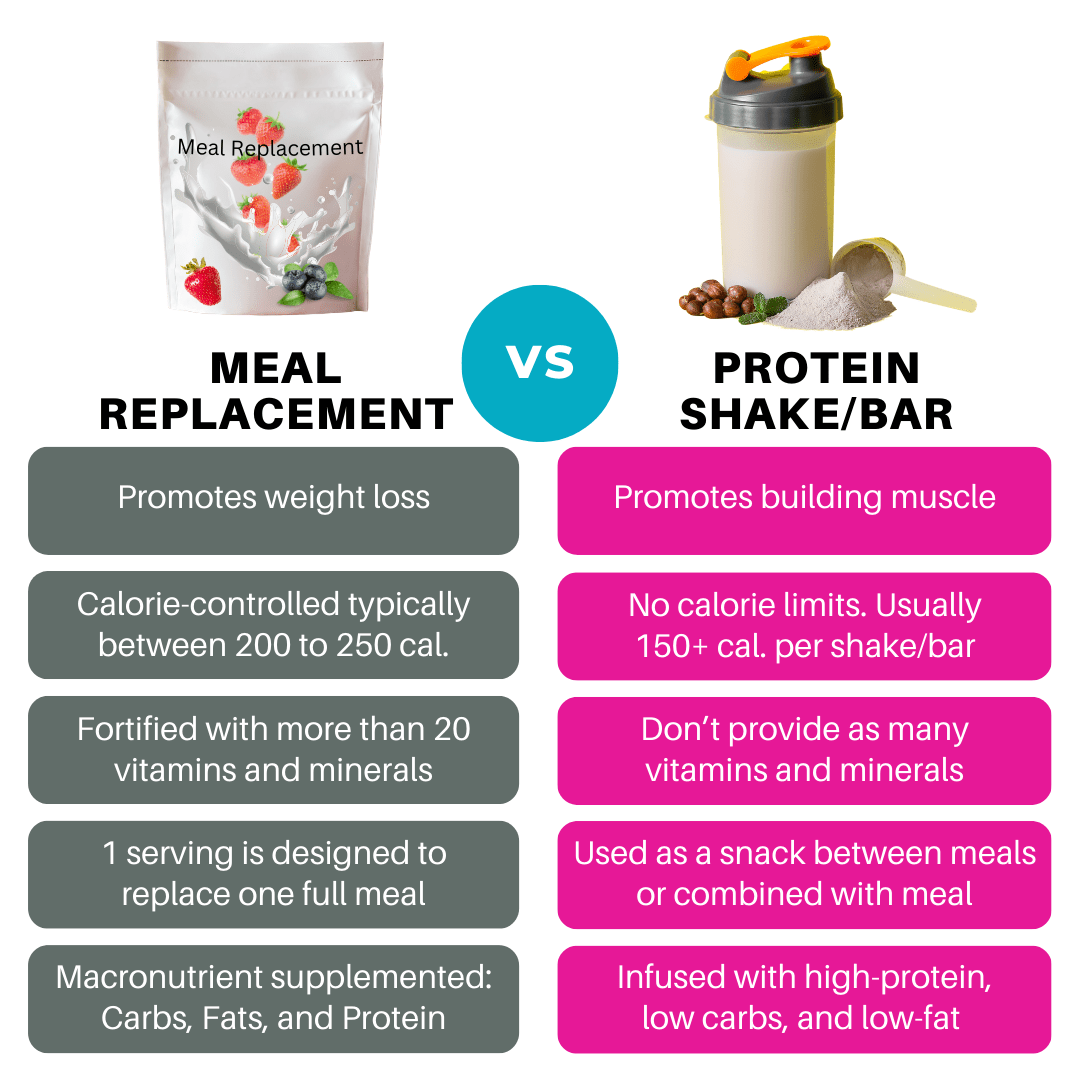
A protein bar and a meal replacement bar may look almost the same, but they have different goals. A protein bar often puts protein first. A meal replacement aims to provide a more complete nutrient mix.
This is the key reason the answer to “are protein bars meal replacements” is usually no. A bar with 20 grams of protein can still be too small or too limited in nutrients to replace lunch.
- ✦ Protein bar
Usually designed as a snack, workout food, or extra source of protein.
- ✦ Meal replacement bar
Designed to replace a meal and usually offers a broader mix of calories, protein, carbs, fat, fiber, vitamins, and minerals.
What Makes a Bar a True Meal Replacement?
There is no single number that makes a food a complete meal. Your needs depend on age, body size, activity, health goals, and the rest of your diet. Still, a meal replacement should provide more than a large dose of protein.
A balanced meal normally gives you energy, protein, carbohydrates, fats, fiber, and many vitamins and minerals. A bar that replaces a meal should try to cover several of these needs in a practical serving.
This does not mean every meal replacement must match a homemade lunch. It means the product should offer enough nutritional value to make sense as a stand-in for that meal.

- ✦ Enough energy
A tiny bar may not provide enough energy to replace a full meal. Look at calories in relation to your own needs.
- ✦ Adequate protein
Protein can help with muscle maintenance and fullness, but more is not always better.
- ✦ Fiber
Fiber supports digestive health and can help you stay full between meals.
- ✦ Healthy fats
Fats can add energy and help support normal body functions. Nuts and seeds are common sources.
- ✦ Micronutrients
A meal replacement may include vitamins and minerals that are less common in a simple protein snack.
Why Calories Matter
Protein gets most of the attention on many bar packages, but calories still matter. If a bar contains plenty of protein but very little energy, you may feel hungry again soon after eating it.
That does not make the bar unhealthy. It simply means it may work better as a snack than as a meal replacement.
- ✦ Small bar
Often better suited to a snack or quick bite.
- ✦ Larger meal replacement
May provide enough energy and nutrients to serve as a practical meal substitute.
Why Micronutrients Matter
A normal meal contains more than protein and calories. Foods such as vegetables, fruit, whole grains, dairy, eggs, beans, nuts, and seeds can provide many vitamins and minerals.
Some meal replacement products add vitamins and minerals to help fill this gap. A standard protein bar may not.
- ✦ Vitamins
Check the label for nutrients such as vitamin D, vitamin B12, folate, and other vitamins when using a bar as a meal.
- ✦ Minerals
Minerals such as calcium, iron, magnesium, and potassium can be important parts of a balanced diet.
Can a Protein Bar Replace a Meal Occasionally?
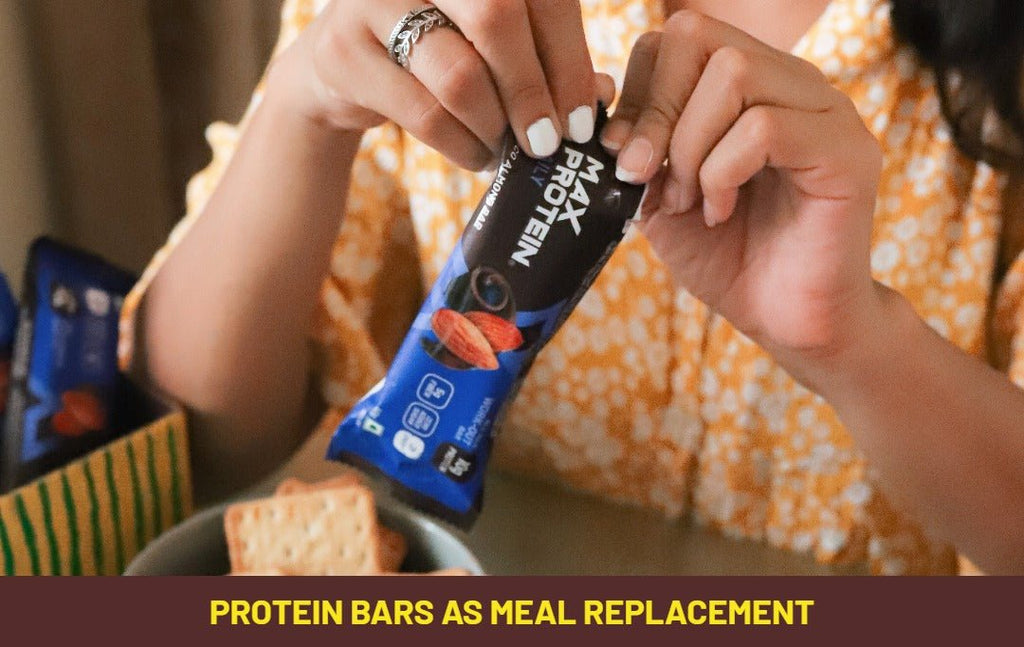
Yes, a protein bar can sometimes stand in for a meal when your normal meal is not practical. For example, you may be traveling, stuck at work, heading to an appointment, or unable to prepare food. In these cases, a bar can be a useful short-term option.
The important point is frequency and nutrition. If a regular protein bar becomes your lunch every day, you may miss the variety of foods that a normal meal provides.
A simple upgrade can make a bar more filling. Pairing it with fruit, yogurt, milk, or another whole food can add nutrients and energy that the bar may lack.
- ✦ Good use
Use a suitable bar when you need a portable meal or snack and have limited food choices.
- ✦ Better balance
Add a whole food such as fruit, Greek yogurt, or vegetables when practical.
- ✦ Do not assume completeness
A high-protein label does not prove that a bar contains everything you need from a meal.
An Example for a Busy Workday
Imagine you have a short lunch break and no access to a kitchen. A protein bar may be better than skipping food, especially if you also have water and a piece of fruit. If the bar is low in calories or fiber, you may need another food to make the meal more satisfying.
This practical view is often more useful than asking whether protein bars are always good or bad. The right choice depends on the product, your needs, and what else you eat that day.
- ✦ Portable option
A bar is easy to carry and does not need cooking.
- ✦ Add variety
Whole foods can provide flavors, textures, fiber, and nutrients that many bars do not.
Are Protein Bars Good for Weight Loss?
Protein bars can fit into a weight-loss plan, but the bar itself does not cause weight loss. Weight change is affected by total energy intake, activity, food choices, sleep, health factors, and other parts of daily life.
A protein bar may help with portion control because it comes in a set serving. Protein and fiber may also help some people feel full. But some bars are high in calories, added sugar, or fat, so the label still matters.
For weight loss, think about the whole eating pattern rather than one food. A bar can be useful when it helps you make a consistent choice that fits your needs.

- ✦ Check calories
A bar can be small but calorie-dense. Compare it with the meal or snack it replaces.
- ✦ Check added sugar
Some bars contain significant added sugar. Look at the Nutrition Facts label instead of relying on words such as healthy or natural.
- ✦ Check fiber
Higher-fiber options may be more filling and can help support a balanced diet.
- ✦ Watch the serving size
Some packages contain more than one serving, which can change the nutrition numbers you see.
Protein Bars and Appetite
Protein often helps with fullness, but the effect differs from person to person. A bar with protein, fiber, and enough energy may keep you satisfied longer than a very small bar with mostly sweeteners.
If you are hungry again soon after eating a bar, that is useful information. You may need a larger meal, more fiber, more volume, or a different food choice.
- ✦ Look at the full meal
Do not judge fullness by protein grams alone. Consider calories, fiber, volume, and what you eat with the bar.
How to Choose a Protein Bar as a Meal Replacement
If you want to use a bar instead of lunch or breakfast, compare it with what you would normally eat. Do not choose based only on the biggest protein number or the most attractive marketing claim.
Start with the Nutrition Facts label. Then read the ingredient list and serving size. A product that provides protein, fiber, useful fats, carbohydrates, and a range of micronutrients is more suitable for meal replacement than a bar built mainly as a protein snack.
Your personal needs also matter. Someone who is very active may need more energy, while someone with a medical condition may need to limit or increase certain nutrients.

- ✦ 1. Read calories
Ask whether the bar provides enough energy to replace the meal you are skipping.
- ✦ 2. Check protein
Protein can support fullness and muscle needs, but it should be part of a balanced nutrition profile.
- ✦ 3. Check fiber
Fiber is useful for digestion and fullness. Compare the amount with other foods in your diet.
- ✦ 4. Look at fat
Consider both the amount and the food sources of fat. Nuts and seeds are common whole-food sources.
- ✦ 5. Review added sugar
A sweet taste does not always mean a bar is poor, but added sugar can add calories without providing much nutrition.
- ✦ 6. Look for vitamins and minerals
A bar intended to replace a meal may provide a wider range of micronutrients than a basic protein snack.
- ✦ 7. Check allergens
Common allergens include milk, soy, peanuts, tree nuts, wheat, and eggs. Always read the label if you have an allergy.
- ✦ 8. Consider taste and tolerance
A nutritionally useful bar is not helpful if you dislike it or it causes stomach discomfort.
A Simple Label Check
Before buying a bar, ask five basic questions: Does it have enough energy for my meal? Does it contain a useful amount of protein? Does it provide fiber? Does it offer a reasonable mix of carbs and fat? Does it provide meaningful vitamins and minerals?
There is no universal perfect bar. The best choice depends on your diet and needs. A bar that works well for one person may be a poor fit for another.
- ✦ Best first step
Compare the Nutrition Facts panel with the needs of the meal you want to replace.
What Are the Benefits of Using Protein Bars?
Protein bars can be useful because they solve a simple problem: access to food when time is limited. They are portable, shelf-stable, easy to portion, and often provide a quick source of protein.
For people who exercise, a protein bar can also be a convenient way to get protein around a workout. For people with busy schedules, it can help prevent long gaps between meals.
These benefits do not make every protein bar a meal replacement. Convenience is a feature, not proof of nutritional completeness.
- ✦ Convenience
Bars can fit in a desk drawer, backpack, purse, or travel bag.
- ✦ Protein support
They can help people add protein to the diet when whole-food options are not available.
- ✦ Portion control
A packaged serving gives you a clear amount of food and calories.
- ✦ Easy storage
Many bars do not need refrigeration, which makes them practical for travel and work.
- ✦ Simple planning
Keeping a suitable bar available can reduce the chance of skipping food when your schedule changes.
When Protein Bars Make Sense
Protein bars make the most sense when they solve a real need. They can work well before or after exercise, during travel, between meetings, or when a normal meal is not available.
For regular meals, whole foods can provide greater variety. A meal built from vegetables, fruit, grains, beans, dairy, eggs, fish, meat, nuts, or seeds can offer a broad range of nutrients and textures.
- ✦ Use them as a tool
Treat protein bars as one food option in a varied diet rather than as a replacement for all normal meals.
Potential Downsides of Replacing Meals With Protein Bars
Eating protein bars often is not automatically harmful, but it can create gaps if they replace a wide range of whole foods. Whole foods can provide nutrients, water, fiber, and food variety that may be limited in a packaged bar.
Some bars can also cause digestive discomfort. Sugar alcohols, large amounts of added fiber, or certain protein ingredients may cause gas, bloating, or loose stools in sensitive people.
Another issue is taste fatigue. Eating the same bar every day may make your diet less varied and less enjoyable. A sustainable eating pattern should include foods you enjoy and can eat comfortably.

- ✦ Limited food variety
A bar cannot easily reproduce the wide range of foods found in a varied diet.
- ✦ Digestive issues
Some ingredients may cause bloating, gas, or other symptoms in sensitive people.
- ✦ Added sugar
Some products contain a lot of added sugar, which may matter when eaten often.
- ✦ High calorie density
A small bar can contain substantial calories, so portion size still matters.
- ✦ Less satisfying for some people
Some people find a solid meal with more volume more satisfying than a compact bar.
Who Should Be More Careful?
People with diabetes, kidney disease, food allergies, digestive disorders, pregnancy-related nutrition needs, or other medical conditions may need a more specific nutrition plan. A general protein bar guide cannot account for every medical need.
If you need to replace meals often for medical, weight-management, or recovery reasons, speak with a doctor or registered dietitian. They can help you choose an option that fits your health needs.
- ✦ Medical conditions
Ask a health professional if you need to manage blood sugar, kidney function, allergies, or other nutrition-sensitive conditions.
- ✦ Frequent meal replacement
If bars replace several meals most days, professional nutrition advice can help prevent nutrient gaps.
Protein Bar vs. Other Quick Meal Options
A protein bar is only one way to build a quick meal. In many cases, simple whole foods can create a more varied meal with little extra effort.
For example, Greek yogurt with fruit and nuts can provide protein, carbohydrates, fat, and fiber. A turkey sandwich with vegetables can also provide a wider mix of foods than many small bars.
The best choice is the one that fits your needs, schedule, budget, preferences, and health goals. Convenience matters, but so does overall diet quality.
- ✦ Protein bar plus fruit
This can add carbohydrates, water, fiber, and other nutrients that a bar may lack.
- ✦ Greek yogurt and fruit
This combination can provide protein, carbohydrates, calcium, and other nutrients.
- ✦ Nut butter and whole-grain toast
This can provide carbohydrates, protein, fat, and fiber in a simple meal.
- ✦ Sandwich with vegetables
A simple sandwich can offer a broader range of foods and textures than a compact bar.
- ✦ Meal replacement product
A product designed specifically as a meal replacement may be more suitable than a standard protein bar when you need a complete packaged option.
The Bottom Line on Convenience
There is no need to avoid protein bars simply because they are packaged foods. They can be useful tools in a busy lifestyle. The key is knowing what the product is designed to do.
If it is a protein snack, use it as a protein snack. If it is designed as a meal replacement, assess its nutrition label and use it as directed.
- ✦ Match the product to the job
A snack bar does not need to provide everything a full meal provides, while a meal replacement should offer broader nutrition.