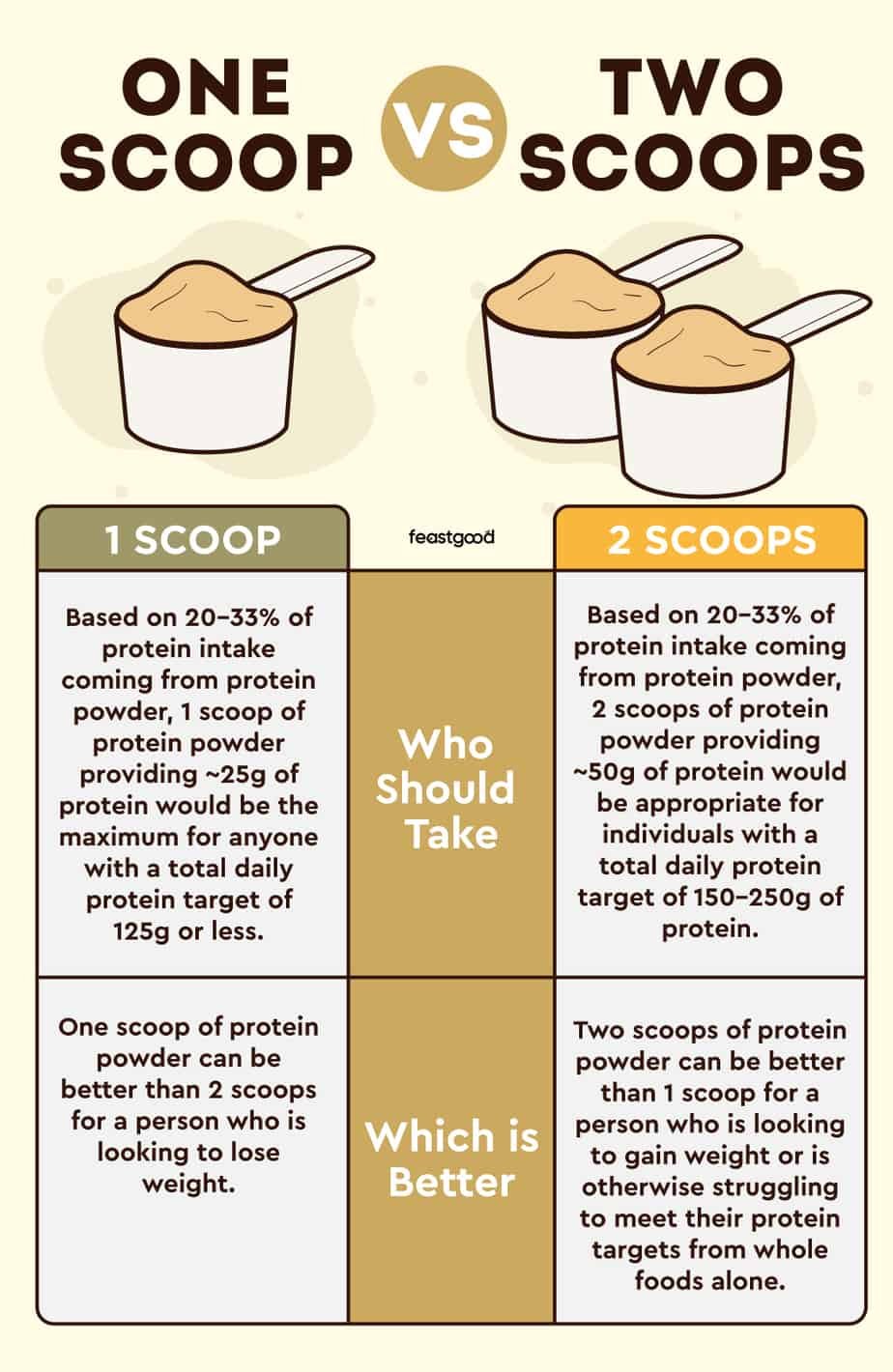
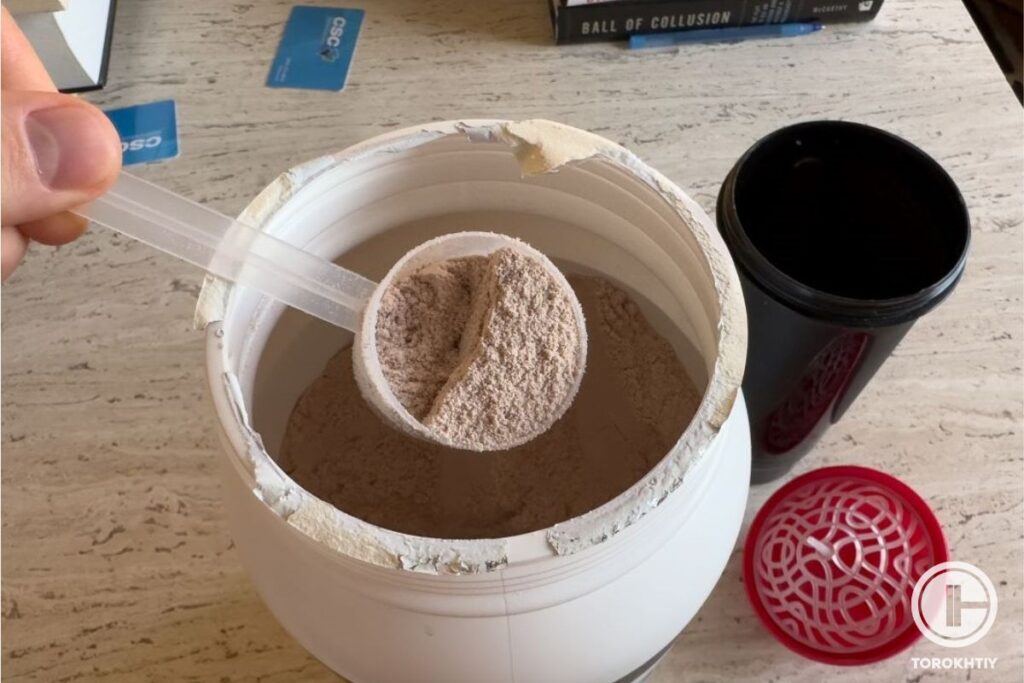
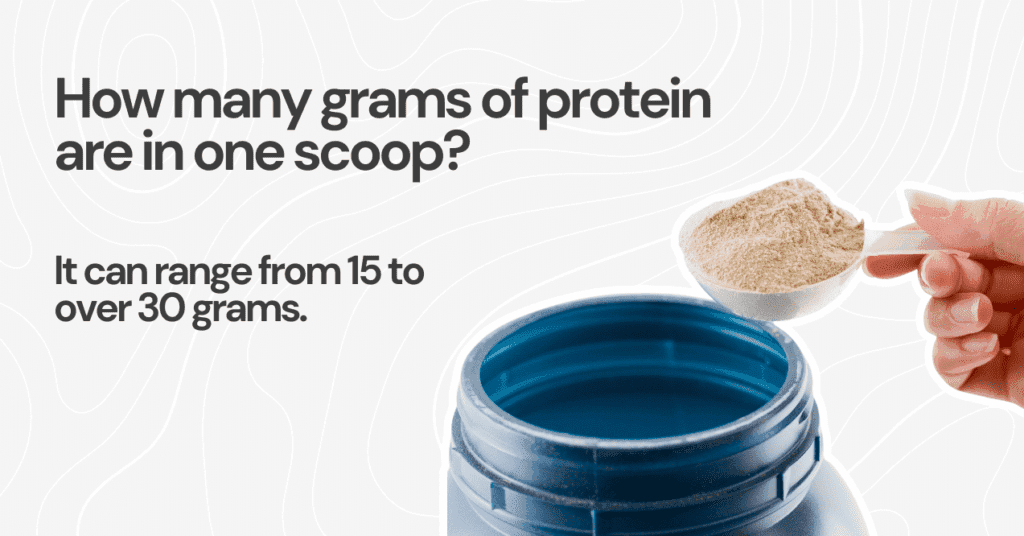
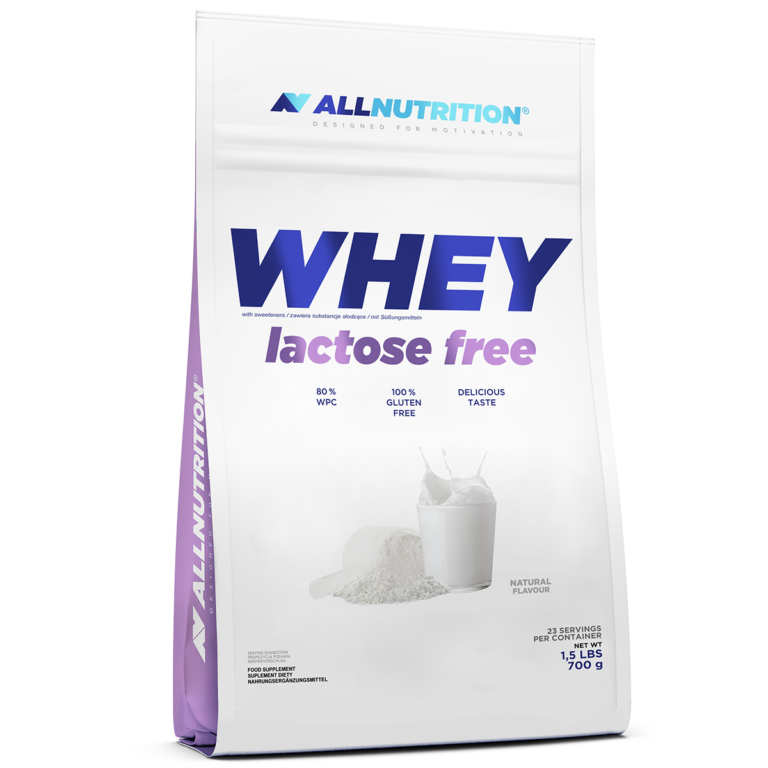
One scoop of protein powder commonly contains about 25 to 35 grams of powder and provides roughly 20 to 25 grams of actual protein. However, the exact amount depends on the brand, formula, and serving instructions.
If you use protein powder after a workout at an American gym, mix it into a morning smoothie, or add it to breakfast before heading to work, you may wonder how much powder one scoop actually holds. The answer is not always the same. A scoop from one container may hold a different amount than a scoop from another brand.
In the United States, protein powders are sold in many forms, including whey concentrate, whey isolate, casein, soy, pea, and plant-based blends. Each product can have a different serving size. A common serving contains around 25 to 35 grams of powder, but that does not mean it contains the same number of grams of protein.
For example, a 30-gram serving might provide 24 grams of protein. The remaining weight comes from other ingredients, such as carbohydrates, fats, flavorings, minerals, and sweeteners. This difference matters when you count protein, calories, or the amount of powder you use each day.
The most reliable way to measure a serving is to check the Supplement Facts label and weigh the powder with a digital kitchen scale. The plastic scoop is useful for convenience, but it is not a precise weighing tool.
Source: storage.googleapis.com
How Much Is One Scoop of Protein Powder?
One scoop of protein powder generally contains about 25 to 35 grams of powder. Many common whey protein products provide approximately 20 to 25 grams of protein in that serving. These figures are useful estimates, not fixed rules for every product.
Some protein powders have smaller servings, while others require larger portions. A plant-based blend, for example, may have a different serving weight from a whey isolate. Even two flavors from the same product line may have slightly different serving weights.
The most important distinction is between the weight of the entire scoop and the amount of protein it provides. If a serving weighs 30 grams and contains 24 grams of protein, you are getting 30 grams of powder but only 24 grams of protein.
This is why the serving information on your own container matters more than a general online estimate. Use the label to identify the correct portion before adding powder to a shaker, smoothie, or meal.
Source: storage.googleapis.com
Typical powder weight
Approximately 25 to 35 grams per scoop is a useful general estimate for many common protein powders.
Typical protein amount
Many standard servings provide around 20 to 25 grams of protein.
Exact amount
The product label and a kitchen scale provide the most reliable information for your particular powder.
Is One Scoop the Same as One Serving?
Not always. Some manufacturers define one serving as one scoop, while others use two scoops or another measured portion. The serving size printed on the package is the amount you should follow.
For example, imagine a protein powder label that lists one serving as two scoops, equal to 60 grams of powder. In this case, one average scoop would represent about 30 grams if both scoops are filled equally.
Never assume that one scoop automatically equals one serving. Read the complete serving-size statement before measuring.
One scoop per serving
A serving may contain 30 grams of powder in one scoop.
Two scoops per serving
A serving may contain 60 grams of powder divided between two scoops.
Weight-based serving
Some labels make the gram measurement the main reference, even when a scoop is supplied.
Why the Amount Can Change Between Brands
Protein powders do not all have the same ingredients or physical properties. The amount of protein, carbohydrates, fat, flavoring, and other ingredients can change the total weight and density of the powder.
A scoop designed for one whey protein may not measure the same number of grams when used with a plant-based blend. A larger scoop also does not necessarily mean that the product contains more protein.
Different formulas
Whey, casein, soy, and pea protein powders can have different serving weights.
Different scoop designs
Scoop depth, width, and volume can vary between manufacturers.
Different ingredients
Added carbohydrates, fats, minerals, and flavorings affect the total powder weight.
How Many Grams of Protein Are in One Scoop?
One scoop often contains approximately 20 to 25 grams of actual protein. However, this amount depends on the protein source, product formula, and serving size.
A common mistake is to assume that a 30-gram scoop contains 30 grams of protein. In reality, the scoop measures the total weight of the powder. Protein is only one part of that weight.
For instance, a hypothetical 30-gram whey protein serving might contain 24 grams of protein, 2 grams of carbohydrates, and 1 gram of fat. Small amounts of other ingredients make up the remaining weight.
Some protein isolates have a higher protein content relative to their total serving weight. Other products contain more carbohydrates, fats, or added ingredients. Therefore, two scoops with the same powder weight may provide different amounts of protein.
Source: detroitchinatown.org
25 grams of powder
A serving might provide around 20 grams of actual protein.
30 grams of powder
A serving might provide around 24 grams of actual protein.
35 grams of powder
A serving might provide around 25 to 27 grams of actual protein, depending on its formula.
Powder Weight vs. Protein Weight
Powder weight describes everything inside the scoop. Protein weight describes only the protein supplied by that portion. These numbers should never be treated as interchangeable.
Think of a 30-gram serving as a small package containing several ingredients. Protein may make up most of the package, but the other ingredients still contribute to its total weight.
When tracking your daily intake, use the protein amount on the label rather than entering the entire powder weight as protein. This helps prevent inaccurate food logs.
Total powder
The complete amount of protein powder measured in grams.
Actual protein
The amount of protein listed in the nutrition information for that serving.
Other nutrients
Carbohydrates, fats, fiber, minerals, and other ingredients that contribute to the serving.
Does Whey Isolate Contain More Protein Per Scoop?
Whey isolate is generally processed to contain a higher proportion of protein and less lactose and fat than many whey concentrates. As a result, an isolate may provide more protein for a similar powder weight.
However, this is not a guarantee that every isolate serving contains more protein than every concentrate serving. Compare the actual protein grams and total serving weight on the labels.
Whey concentrate can still provide a useful amount of protein. The best comparison is the amount of protein, calories, and other nutrients in the exact serving you plan to use.
Whey concentrate
Contains whey protein along with varying amounts of lactose, carbohydrates, and fat.
Whey isolate
Usually has a higher protein concentration and less lactose and fat.
Protein blends
May combine several protein sources and have different nutritional values.
How to Measure One Scoop of Protein Powder Correctly
The easiest way to measure protein powder accurately is to use a digital kitchen scale. A scoop can make daily preparation faster, but its actual weight can change depending on how you fill it.
If you want to follow a 30-gram serving, measuring 30 grams on a scale is more reliable than filling a plastic scoop and assuming it contains exactly that amount.
This method is useful for people who track calories, protein, and other nutrients. It also helps when switching between brands or using a powder that has a different scoop design.
Source: storage.googleapis.com
Step 1: Read the label
Find the serving size and identify the number of grams listed for one serving.
Step 2: Prepare the scale
Place a clean, dry bowl or shaker container on a digital kitchen scale.
Step 3: Reset the scale
Press the tare or zero button so the container weight does not affect your measurement.
Step 4: Add the powder
Pour the powder into the container until the display reaches the serving weight listed on the label.
Step 5: Check the amount
Confirm the final weight before mixing the powder with water, milk, or another ingredient.
How to Measure Protein Powder Without a Scale
You can use the scoop included with your protein powder if the manufacturer provides clear serving instructions. Fill it as directed, usually with a level portion rather than a large mound.
If the container does not include a scoop, check the manufacturer’s measurement guidance. Some companies provide tablespoon or teaspoon equivalents for their own products.
A tablespoon is not a universal replacement for a protein scoop. Different powders have different densities, so the same spoon volume may hold different weights. Treat spoon measurements as estimates unless the manufacturer provides a product-specific conversion.
Use the supplied scoop
Follow the exact instructions for filling and leveling the scoop.
Use product-specific spoon guidance
Only use tablespoon or teaspoon conversions when the manufacturer provides them.
Avoid guessing
Do not assume that an ordinary kitchen spoon holds the same amount as the supplied scoop.
What Is a Level Scoop?
A level scoop is filled to its rim, with excess powder removed so the top is flat. It is different from a rounded or heaped scoop, which contains extra powder above the rim.
When a manufacturer recommends one level scoop, follow that instruction rather than pressing the scoop into the powder or adding a mound. Consistent filling helps make your portions more predictable.
If you need an exact amount, weigh the portion even when the package describes it as one level scoop.
Level scoop
Powder reaches the rim without an extra mound.
Rounded scoop
Powder forms a small mound above the rim.
Heaped scoop
A larger mound sits above the scoop.
Packed scoop
Powder has been pressed or compressed into the scoop.
How Much Is a Scoop of Protein Powder in Different Measurements?
Protein powder is usually measured by weight in grams, but people also use scoops, tablespoons, teaspoons, and milliliters. These measurements are not always equal because they describe different things.
Grams measure weight, while milliliters measure volume. A scoop marked with a volume measurement does not tell you exactly how many grams of powder it contains.
The following table gives useful examples of common serving weights. These are illustrative measurements, not universal conversions for every protein powder.
Source: blog.trumeta.com
25 grams
A smaller powder serving that may provide approximately 20 grams of protein.
30 grams
A common illustrative serving weight that may provide approximately 24 grams of protein.
35 grams
A larger illustrative serving that may provide approximately 25 to 27 grams of protein.
Common Protein Powder Serving Measurements
The table below shows how powder weight, approximate protein content, and scoop descriptions can differ. The protein figures are examples rather than guaranteed amounts.
Use the gram weight printed on your container to determine the actual serving. Do not use this table as a substitute for the product’s Supplement Facts panel.
25 g powder
Approximately 20 g protein in a hypothetical product containing 80 percent protein by weight.
30 g powder
Approximately 24 g protein in a hypothetical product containing 80 percent protein by weight.
35 g powder
Approximately 28 g protein in a hypothetical product containing 80 percent protein by weight.
What Does a 70 cc Protein Scoop Mean?
Some plastic scoops have numbers printed on them, such as 50 cc, 60 cc, or 70 cc. These markings usually describe volume rather than powder weight.
One cubic centimeter is equal to one milliliter. Therefore, a scoop marked 70 cc has a volume of 70 milliliters, not a guaranteed weight of 70 grams.
The actual powder weight depends on the density of the product. A 70 cc scoop filled with one protein powder may weigh differently from the same scoop filled with another formula.
Do not use the printed volume number as the serving weight unless the manufacturer specifically confirms the conversion for that product.
70 cc
Describes a volume of 70 milliliters.
70 grams
Describes a weight of 70 grams.
Important difference
The two measurements are not interchangeable without knowing the powder’s density.
Does the Type of Protein Powder Change Scoop Size?
Yes. Different protein sources can have different serving weights, protein concentrations, and powder densities. This means a scoop of whey protein may not weigh the same as a scoop of casein or plant protein.
The protein source also affects the nutritional information. Some products contain a higher percentage of protein, while others include more carbohydrates, fats, or additional ingredients.
The following examples explain why you should check the label instead of using one measurement for every type of protein powder.
Source: flexfitnessapp.com
Whey protein
A milk-derived protein commonly sold in concentrate and isolate forms.
Casein protein
Another milk-derived protein that may have a different powder density and serving size.
Soy protein
A plant-based protein source with its own product-specific serving information.
Pea protein
A plant-based option that may be sold alone or combined with other plant proteins.
Protein blends
Products that combine several sources and may have different nutritional profiles.
Whey Protein Powder
Whey protein is made from milk and is widely used by people who want a convenient source of dietary protein. Many products provide around 20 to 25 grams of protein per serving, although the exact amount varies.
Whey concentrate and whey isolate are not identical. Concentrate contains varying amounts of lactose, carbohydrates, and fat, while isolate generally has a higher protein concentration.
Always compare the serving weight and protein amount instead of assuming that all whey products provide the same amount per scoop.
Whey concentrate
May contain more lactose and fat than an isolate product.
Whey isolate
Usually provides a higher proportion of protein relative to total powder weight.
Plant-Based Protein Powder
Plant-based powders may use pea, soy, rice, hemp, or a combination of protein sources. Their serving sizes can differ from those of dairy-based powders.
Some plant protein products use blends to provide a wider range of essential amino acids. Added ingredients can also affect the powder’s total weight.
If you follow a vegan diet or avoid dairy, compare protein grams, serving weight, allergens, and the amino acid information when choosing a product.
Pea protein
A common plant-based protein source used in standalone powders and blends.
Soy protein
A plant protein that provides all nine essential amino acids.
Rice protein
Often used alone or combined with other plant proteins.
Plant blends
Can combine different sources and have product-specific serving weights.
Casein Protein Powder
Casein is a milk protein that digests more slowly than whey. It is commonly sold as a powder for shakes and other foods.
Its serving weight depends on the manufacturer and formula. A scoop of casein should not be assumed to contain the same number of grams as a scoop of whey.
People with a milk allergy should avoid casein because it is derived from milk.
Serving weight
Check the exact gram amount listed on the casein container.
Protein content
Use the protein grams per serving rather than the total powder weight.
How Many Calories Are in One Scoop of Protein Powder?
The calories in one scoop depend on the amount of powder and its nutritional composition. A common protein serving may contain around 100 to 150 calories, but some products contain more or less.
Protein contributes approximately four calories per gram. Carbohydrates also provide about four calories per gram, while fat provides about nine calories per gram.
For example, a hypothetical serving containing 24 grams of protein, 3 grams of carbohydrates, and 2 grams of fat would provide approximately 126 calories based on those macronutrients. Actual label values may differ because of rounding, fiber, and other ingredients.
This is why a larger scoop does not always mean a higher protein amount. Check both the serving weight and calorie information before adding powder to your daily food log.
Source: nakedgrapefruit.com
Protein
Provides approximately four calories per gram.
Carbohydrates
Provide approximately four calories per gram.
Fat
Provides approximately nine calories per gram.
How to Calculate Calories for a Different Scoop Weight
If you weigh a portion that is different from the labeled serving, you can estimate its calories by using the ratio between the measured weight and the serving weight.
For example, imagine a product with a 30-gram serving containing 120 calories. If you measure 35 grams, the estimated calorie amount is 140.
The calculation is 35 divided by 30, multiplied by 120. This gives 140 calories, assuming the powder is evenly mixed and the label values apply proportionally.
Measurement formula
Measured powder weight divided by labeled serving weight, multiplied by labeled calories.
Example
35 g divided by 30 g, multiplied by 120 calories, equals approximately 140 calories.
Tracking tip
Use the exact product entry in your food tracking app whenever possible.
How Much Protein Powder Should You Use Per Day?
The right amount of protein powder depends on how much protein you get from your entire diet. One scoop may be enough to fill a small gap, while another person may not need protein powder at all.
Protein powder is a convenient food supplement, not a replacement for a balanced diet. Foods such as eggs, chicken, fish, milk, yogurt, beans, lentils, tofu, and nuts also provide protein.
For generally healthy adults, the U.S. Recommended Dietary Allowance for protein is 0.8 grams per kilogram of body weight each day. This is a basic reference for healthy adults, not a personalized target for every athlete or person with a medical condition.
People who exercise regularly or perform resistance training may have different protein needs. Their total intake should account for body weight, training, recovery, age, and the rest of their diet.
Source: anzhucraft.com
Check your food intake
Estimate how much protein you already get from regular meals and snacks.
Identify the gap
Use protein powder only when it helps meet an appropriate daily protein target.
Read the serving information
Use the protein grams per serving rather than assuming every scoop provides the same amount.
Consider your health
Seek professional guidance if you have kidney disease or another condition that affects protein intake.
How to Estimate a Basic Daily Protein Requirement
A simple way to estimate the basic adult protein allowance is to multiply body weight in kilograms by 0.8. This gives a general daily amount in grams.
For example, a hypothetical adult who weighs 70 kilograms would calculate 70 multiplied by 0.8, which equals 56 grams of protein per day.
This calculation is a general reference, not a personal prescription. Age, pregnancy, activity, health conditions, and medical needs can change the amount that is appropriate.
Example body weight
70 kilograms.
Basic reference
0.8 grams of protein per kilogram of body weight.
Estimated daily amount
56 grams of protein per day.
Can You Get Enough Protein Without Protein Powder?
Yes. Many people can meet their protein needs through ordinary meals. Protein powder is optional and is mainly useful when convenience, appetite, food preferences, or a busy schedule makes it harder to get enough protein from food.
A breakfast with eggs and Greek yogurt, a lunch with chicken or beans, and a dinner with fish, tofu, or lentils can all contribute to daily protein intake.
A powder serving should fit into your overall diet rather than becoming the main source of nutrition. Whole foods also provide other nutrients, including fiber, vitamins, minerals, and healthy fats.
Animal-based foods
Eggs, fish, chicken, milk, and Greek yogurt provide dietary protein.
Plant-based foods
Beans, lentils, tofu, soy foods, and nuts contribute protein.
Protein powder
Can help fill a dietary gap when ordinary meals do not provide enough.
Common Mistakes When Measuring Protein Powder
Small measuring mistakes can change the amount of powder you consume. This matters most when you track your daily protein or calories and use the same serving several times a week.
A scoop is convenient, but it can create inconsistent portions if you fill it differently each time. Following the package directions and using a scale when accuracy matters can prevent most of these problems.
The following mistakes are worth avoiding when preparing a protein shake.
Source: powerliftingtechnique.com
Assuming every scoop is the same
Different products use different scoop capacities and serving weights.
Confusing powder weight with protein weight
A 30-gram serving does not necessarily contain 30 grams of protein.
Using a heaped scoop
A mound above the rim may add more powder than the recommended portion.
Ignoring the serving-size label
Some products require two scoops or another measured amount for one serving.
Using an old scoop
A scoop from another container may have a different volume.
What to Do When Your Scoop Does Not Match the Label
If your scoop consistently weighs more or less than the serving amount printed on the package, do not automatically change the serving recommendation. First, check whether the label describes a level scoop, a rounded scoop, or multiple scoops per serving.
Next, make sure your scale is set to grams and that the container has been tared. Add powder slowly until you reach the listed weight.
If the difference remains large, check the manufacturer’s instructions or contact the company. The scoop may have been changed, or the product may have settled during storage.
Check the serving instructions
Confirm how the manufacturer expects the scoop to be filled.
Check the scale
Make sure the scale is level, reset, and displaying grams.
Measure by weight
Use the labeled gram amount instead of relying on scoop appearance.
Contact the manufacturer
Ask for clarification if the supplied scoop and serving instructions appear inconsistent.
Does Protein Powder Settle Over Time?
Protein powder can settle during shipping, storage, or repeated movement of the container. This may change how tightly the powder sits inside the scoop.
A scoop filled from the top of a container may not weigh exactly the same as one filled from the bottom. However, settling does not mean the powder has automatically lost its protein content.
Follow the product’s storage instructions, keep the container closed, and use weight measurements when you need consistent portions.
Keep the container closed
Protect the powder from unnecessary moisture and air exposure.
Use a dry scoop
Keep water and damp utensils out of the container.
Check product condition
Follow the manufacturer’s guidance if you notice unusual moisture, odor, or changes in appearance.
Safety Tips for Using Protein Powder
Protein powder can be a convenient way to add protein, but the right amount depends on your health and dietary needs. Taking more powder does not automatically produce better results.
In the United States, dietary supplements are not approved by the FDA for safety and effectiveness before they are marketed. Manufacturers are responsible for meeting applicable requirements, and consumers should check labels carefully.
Read the ingredient list for allergens, added sugars, sweeteners, and other ingredients. Whey and casein contain milk proteins, while some plant-based powders contain soy or other common allergens.
People with kidney disease or other medical conditions that affect protein metabolism should speak with a qualified healthcare professional before making major changes to protein intake. Pregnant people, children, and people using medically prescribed diets may also need individual advice.
Source: detroitchinatown.org
Check allergens
Look for milk, soy, and other ingredients that may cause an allergic reaction.
Avoid unnecessary excess
Count protein from food and supplements together instead of adding servings without a clear need.
Review the ingredients
Check for added sugars, sweeteners, and ingredients that do not fit your dietary needs.
Choose products carefully
Look for transparent labeling and suitable independent quality testing when available.
Ask a healthcare professional
Get individual advice if you have a medical condition or follow a medically restricted diet.
Can You Take Too Much Protein Powder?
Yes. Using more protein powder than you need can add unnecessary calories and may cause digestive discomfort in some people. It can also make it harder to maintain a balanced diet if shakes replace too many regular meals.
The concern is not limited to the number of scoops. Your total protein intake from food and supplements matters more than the powder amount alone.
Some people may experience bloating, gas, or diarrhea due to lactose, sugar alcohols, or other ingredients. If symptoms continue, stop using the product and seek appropriate medical advice.
Digestive discomfort
Some formulas may cause gas, bloating, or diarrhea in sensitive people.
Unneeded calories
Extra servings can increase daily calorie intake.
Diet imbalance
Relying too heavily on shakes may reduce the variety of foods in your diet.
Should You Choose Third-Party Tested Protein Powder?
Independent quality testing can provide additional information about a supplement’s identity, purity, and testing standards. Programs such as NSF Certified for Sport and Informed Sport have testing requirements for products within their certification programs.
Certification does not mean that a supplement is suitable for every person or that it provides a particular amount of protein beyond what the label states. Check the exact product and certification status rather than relying on a general brand claim.
People who participate in competitive sports may have additional reasons to look for sports-focused testing programs.
Check the exact product
A brand may sell products with different testing or certification status.
Review the certification
Confirm that the specific product appears in the certification program’s records.
Read the full label
Third-party testing does not replace checking serving size, ingredients, and allergens.
Frequently Asked Questions
Q
How many grams is one scoop of protein powder?
One scoop commonly contains around 25 to 35 grams of total powder. However, the exact amount depends on the product, scoop design, and serving instructions. Check the serving size on your container for the correct measurement.
Q
Is 30 grams of protein powder one scoop?
A 30-gram serving may equal one scoop for some products, but not all. Some brands use smaller or larger servings, and others require two scoops for one serving. The label tells you the correct amount.
Q
Does a 30-gram scoop contain 30 grams of protein?
No, not necessarily. Thirty grams describes the total weight of the powder. The actual protein content may be around 20 to 25 grams, depending on the formula. Check the protein amount listed per serving.
Q
How many tablespoons equal one scoop of protein powder?
There is no universal tablespoon conversion because protein powders have different densities and scoop sizes. Some manufacturers provide product-specific spoon measurements. If accuracy matters, use a digital kitchen scale instead of estimating with tablespoons.
Q
How many calories are in one scoop of protein powder?
Many common protein powder servings contain approximately 100 to 150 calories, but the amount varies by product. Whey isolates may have fewer calories than some products with added carbohydrates or fats. Always check the calorie information on your container.
Q
Can I use a scoop from another protein powder container?
You can use another scoop as a measuring utensil, but you should not assume it holds the same amount. Different scoops have different volumes, and different powders have different densities. Weigh the powder to confirm the serving.
Q
What does 70 cc mean on a protein powder scoop?
A marking of 70 cc usually refers to a volume of 70 cubic centimeters, which equals 70 milliliters. It does not mean the scoop holds 70 grams of protein powder. The actual weight depends on the powder’s density.
Q
Is one scoop of protein powder enough after a workout?
One scoop may provide a useful amount of protein after exercise if it fits your overall daily needs. Many products provide around 20 to 25 grams of protein per serving. Your total daily protein intake, regular meals, and training routine matter more than assuming everyone needs the same post-workout portion.
Q
How do I measure protein powder without the scoop?
Use a digital kitchen scale if possible. Place your shaker or bowl on the scale, press tare, and add powder until it reaches the serving weight printed on the package. If you do not have a scale, follow any product-specific spoon measurements supplied by the manufacturer.
Q
Does a bigger scoop mean more protein?
Not always. A bigger scoop holds more volume, but the actual powder weight depends on density. The protein concentration also varies by formula. Compare protein grams per serving rather than judging the amount by scoop size.
✦ Wrapping Up
Conclusion
A scoop of protein powder commonly contains around 25 to 35 grams of powder and provides approximately 20 to 25 grams of actual protein. However, these figures are general estimates. Your exact serving depends on the brand, formula, and instructions printed on the container.
Remember that powder weight and protein weight are different. A 30-gram scoop does not automatically provide 30 grams of protein because the powder may also contain carbohydrates, fats, flavorings, and other ingredients.
For accurate portions, check the Supplement Facts panel and use a digital kitchen scale. This is especially helpful when tracking calories, planning meals, or switching between whey, casein, and plant-based protein products.
Protein powder can help fill a gap in your diet, but it does not replace balanced meals. Focus on your total daily protein intake and choose a serving that fits your personal nutrition needs.
💡 Key Takeaway
Check the serving size on your protein powder container today. Weigh one serving in grams, compare it with the listed protein amount, and use that measurement whenever you prepare a shake. This simple habit helps you measure consistently and track your actual protein intake.
Learn the meal bars vs protein bars differences, including calories, protein, fiber, carbs, fullness, use cases, and how KIND Protein MAX compares with FULFIL.
Is whey protein powder lactose free? Learn the difference between whey isolate and concentrate, how to read labels, and which options suit lactose intolerance.