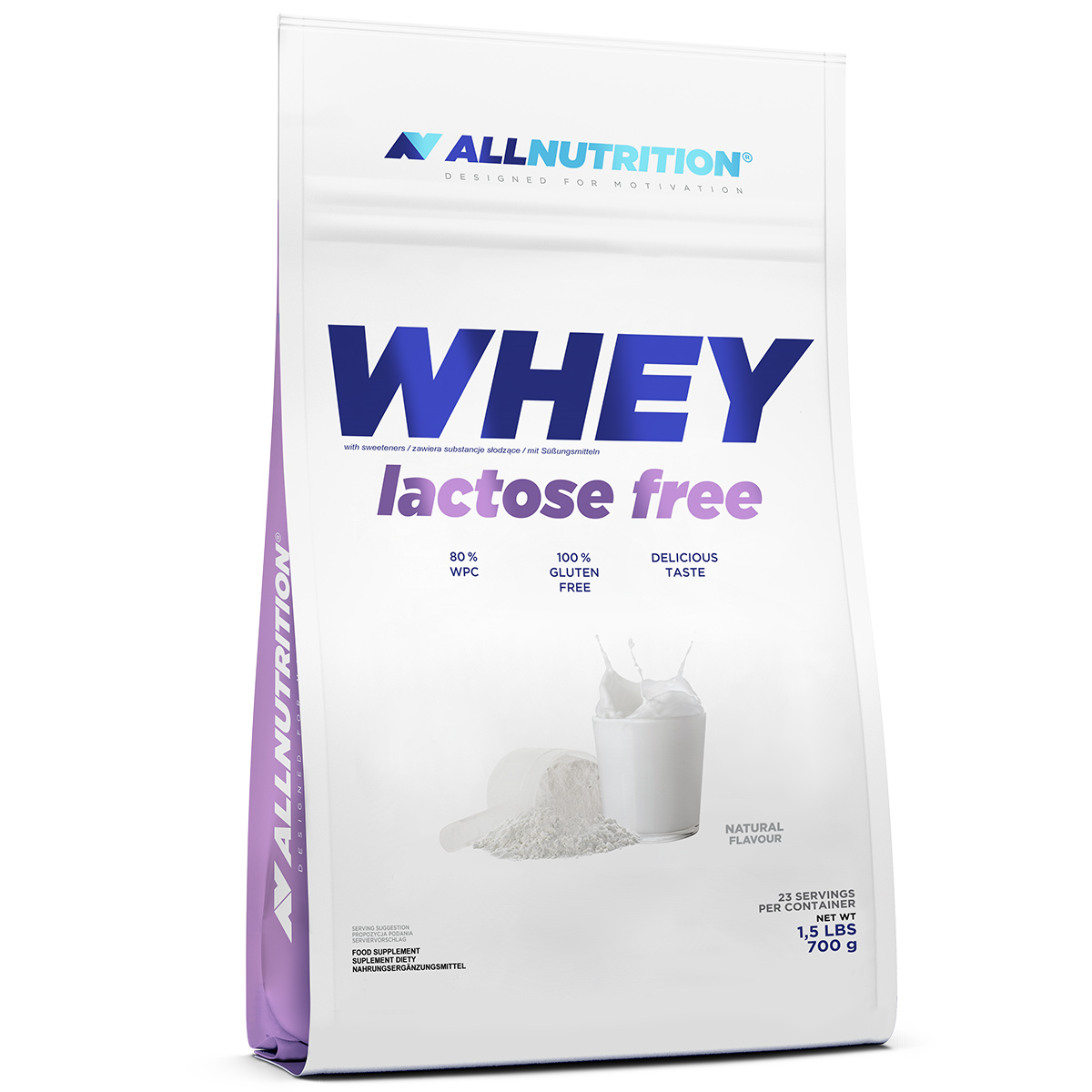
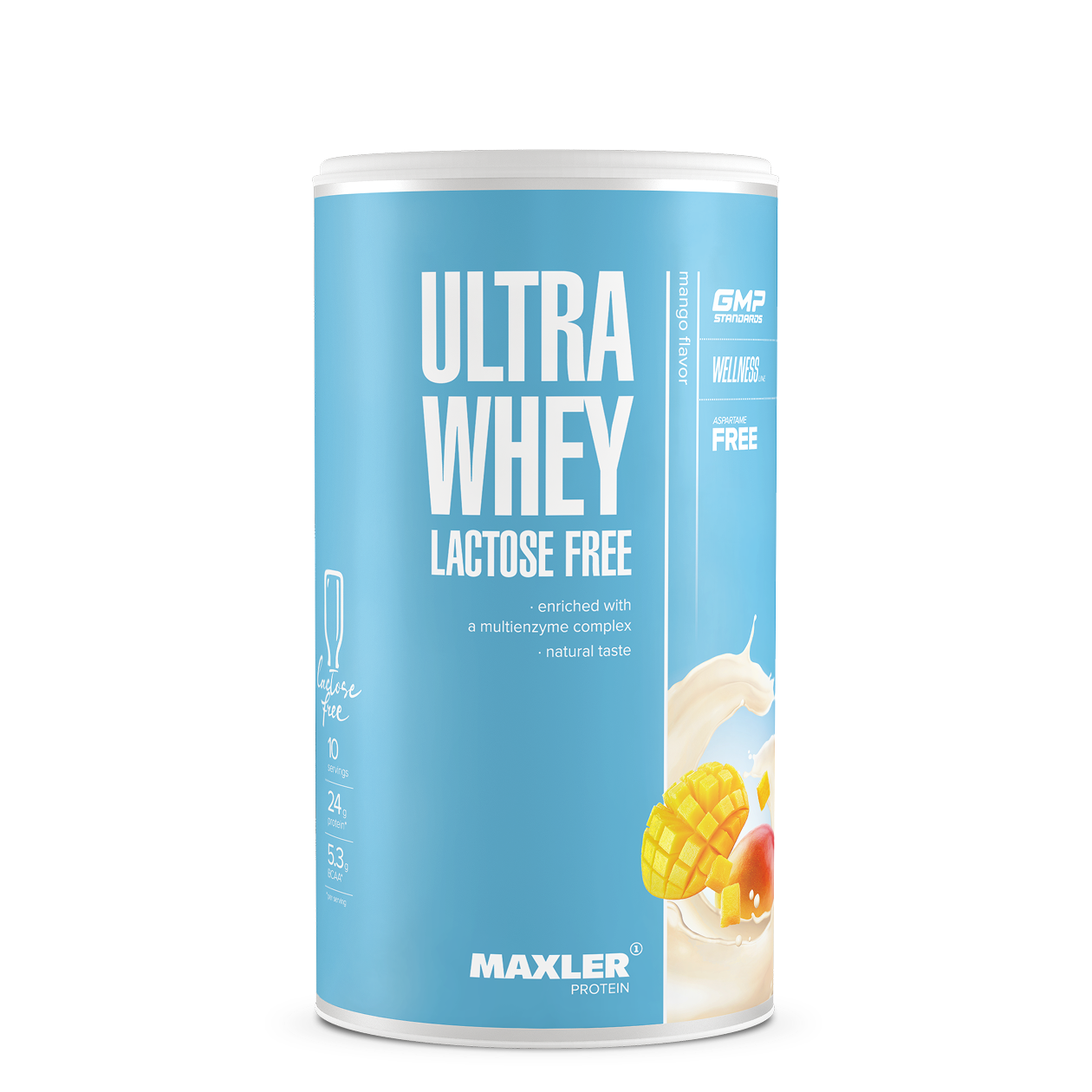
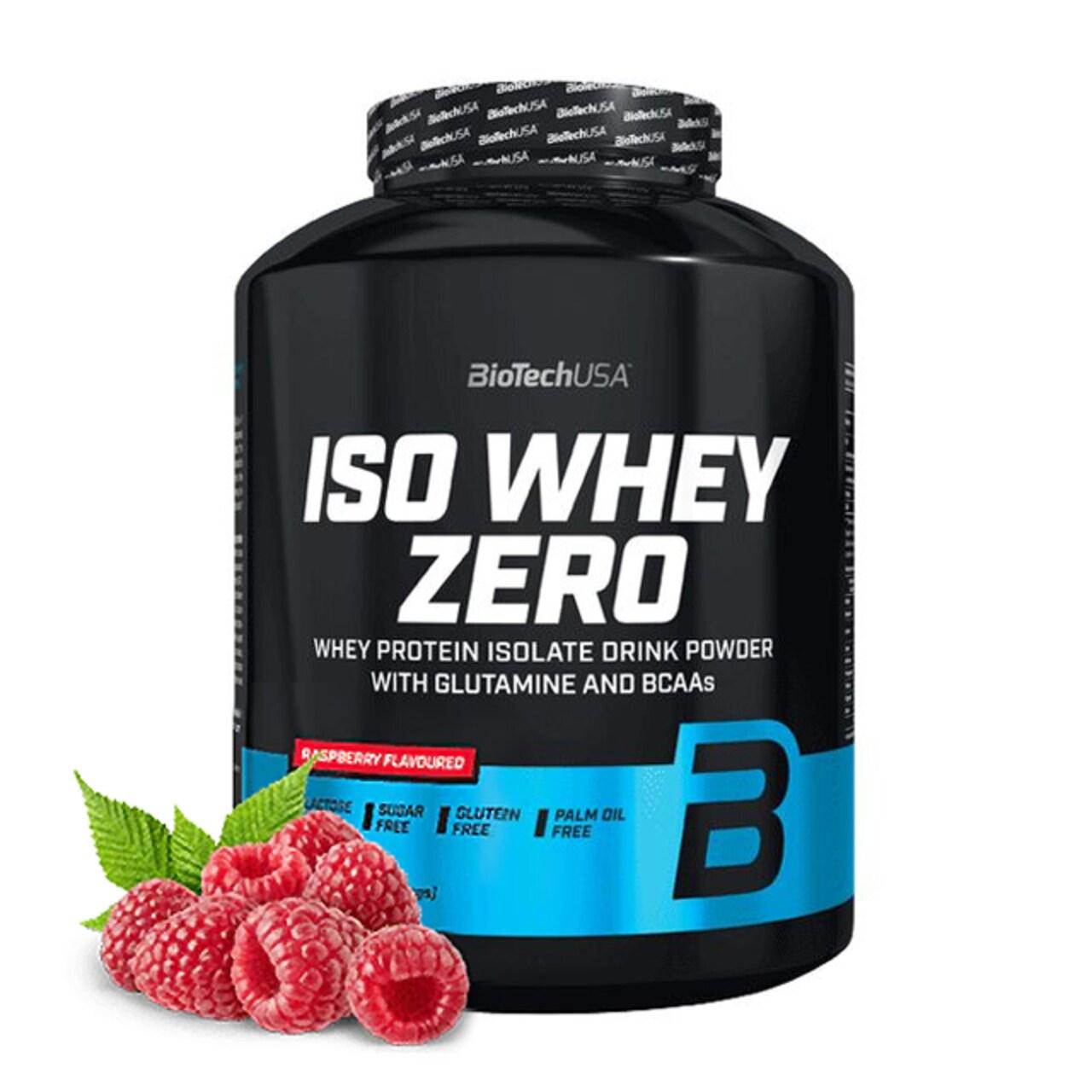
No, regular whey protein powder is not always lactose free. Whey concentrate contains lactose, while whey isolate usually contains much less. Some specially processed whey products are labeled lactose free.
If you shop for protein powder at Walmart, Costco, Target, or an American nutrition store, you may notice several types of whey on the shelves. Some promise high protein, while others claim to be easy to digest. If you have lactose intolerance, choosing the right one can make a real difference to your comfort.
Whey protein comes from milk. During cheese production, liquid whey separates from the solid curds. Manufacturers then process this liquid to make protein concentrates, isolates, and other ingredients. Since milk naturally contains lactose, some of that milk sugar can remain in the finished powder.
The most useful distinction is between whey protein concentrate and whey protein isolate. Concentrate usually retains more lactose, while isolate undergoes extra processing to remove much of it. However, even an isolate is not automatically lactose free.
If you have trouble digesting milk, check the product’s lactose claim, nutrition facts, and ingredient list before buying it. Also remember that lactose intolerance and milk allergy are different conditions. A lactose-free whey product still contains milk proteins and may be unsafe for someone with a milk allergy.
Source: maxler.com
Is Whey Protein Powder Lactose Free?
Whey protein powder is not automatically lactose free. Its lactose content depends on the type of whey, the processing method, and the ingredients added to the finished product.
Whey comes from milk, which naturally contains lactose. Lactose is a type of sugar made from glucose and galactose. When manufacturers separate whey from milk, some lactose remains in the liquid portion.
The next processing steps determine how much lactose stays in the powder. Some products retain a noticeable amount, while others remove most of it through filtration and other separation methods.
This explains why two tubs of whey protein can have very different effects on digestion. One may cause bloating or gas in a lactose-sensitive person, while another may be tolerated without obvious problems.
The key point is simple: whey protein describes the source of the protein, not a guarantee that the finished product contains no lactose.
Source: fdcm.eu
Whey concentrate
Usually contains more lactose because it retains a greater share of the non-protein components found in whey.
Whey isolate
Undergoes more processing to increase protein concentration and remove much of the lactose and fat.
Lactose-free whey
Uses additional processing, lactase enzyme treatment, or both to make the finished product suitable for people avoiding lactose.
Why Does Whey Protein Contain Lactose?
Milk contains water, fat, protein, minerals, and lactose. During cheese production, enzymes or acids help separate milk into solid curds and liquid whey.
Most casein, the main protein in cheese curds, moves into the solid portion. Whey proteins remain in the liquid. However, lactose and several other milk components also stay in that liquid.
Manufacturers use filtration and concentration to separate the protein from some of the other components. The more lactose they remove, the higher the relative protein concentration can become.
Think of the process as sorting a mixture. Removing more sugar and other non-protein material leaves a powder with a higher share of protein, but the amount removed depends on the production method.
Whey Protein Concentrate vs. Whey Protein Isolate
The type of whey is one of the most important things to check when choosing a protein powder for lactose intolerance. Concentrate and isolate differ in protein concentration, processing, and the amount of lactose they typically retain.
Whey protein concentrate is made by removing some non-protein components from liquid whey. It comes in different grades, including WPC 34 and WPC 80. The number generally refers to the approximate protein concentration under the applicable ingredient specification.
Whey protein isolate undergoes additional separation. Industry specifications generally require at least 90% protein on a dry matter basis. This extra processing also removes much of the lactose and fat.
For someone who has trouble digesting lactose, isolate is often the more practical starting point. Still, the exact amount of lactose depends on the manufacturer and the finished product.
The American Dairy Products Institute lists typical lactose values of about 4% to 10% for WPC 80 and about 0.5% to 1% for whey protein isolate. These are ingredient specifications, not guaranteed values for every retail protein powder.
Source: fitmatterslife.com
Whey concentrate
Usually costs less and may retain more lactose. It can be a poor fit for people who react to small amounts of milk sugar.
Whey isolate
Usually has a higher protein percentage and less lactose. It may suit some people with mild lactose intolerance.
Hydrolyzed whey
Uses enzymes to break some protein chains into smaller peptides. This process does not automatically remove lactose.
Which Type Has Less Lactose?
Whey protein isolate generally has less lactose than whey protein concentrate. This is because manufacturers remove more non-protein material during isolation.
However, a high protein percentage does not prove that a product is completely free of lactose. A powder can contain 90% or more protein and still have a small amount of milk sugar.
If you need strict lactose avoidance, choose a product that clearly states lactose free and provides information about its lactose content. Contact the manufacturer if the label does not give enough detail.
Does Hydrolyzed Whey Mean Lactose Free?
No. Hydrolyzed whey describes a protein that has been broken into smaller pieces through enzymatic processing. It does not describe how much lactose remains.
A hydrolyzed concentrate may still contain lactose. A hydrolyzed isolate may contain much less, but the finished product needs its own lactose information.
Do not confuse easier protein digestion with lactose removal. They are two separate processes.
How Much Lactose Is in Whey Protein Powder?
There is no single lactose amount for all whey protein powders. The amount changes with the whey ingredient, the processing method, the serving size, and the other ingredients in the formula.
Whey concentrate usually has more lactose than isolate. For example, the American Dairy Products Institute reports typical lactose levels of 4% to 10% for WPC 80 and 0.5% to 1% for whey isolate.
These percentages describe the whey ingredients themselves. They should not be treated as exact measurements for every finished supplement. Flavors, sweeteners, added milk ingredients, and other components can change the final composition.
The serving size also matters. A small amount of lactose in a large container can still add up when you consume a full scoop. Someone who tolerates a little lactose may have a different response from someone who reacts to very small amounts.
Source: drformulas.com
Check the serving size
A nutrition panel may show values for one scoop, not the full amount you mix into a shake.
Check total carbohydrates
Lactose is a carbohydrate, so the carbohydrate value can offer a clue. However, it does not tell you the exact lactose amount.
Check the lactose statement
A clear lactose-free claim or a direct manufacturer statement is more useful than guessing from the protein percentage.
Check added dairy ingredients
Milk powder, milk solids, and other dairy ingredients may add lactose to the finished formula.
Can You Calculate Lactose From the Nutrition Label?
You cannot calculate the exact lactose amount from total carbohydrates alone. The carbohydrate figure can include lactose, added sugars, starches, and other carbohydrate ingredients.
For example, imagine a powder has 3 grams of total carbohydrates per serving. That does not mean it has exactly 3 grams of lactose. Some or all of those carbohydrates may come from other sources.
If the package does not list lactose separately, ask the manufacturer for the amount per serving and the method used to verify it. This is especially useful when even a small amount can trigger symptoms.
Can You Drink Whey Protein If You Are Lactose Intolerant?
Some people with lactose intolerance can drink certain whey protein powders without symptoms. The result depends on how sensitive they are and how much lactose the product contains.
Lactose intolerance happens when the small intestine does not make enough lactase to digest all the lactose a person consumes. Lactase is the enzyme that breaks lactose into simpler sugars that the body can absorb.
When undigested lactose reaches the large intestine, gut bacteria break it down. This can lead to gas, bloating, diarrhea, nausea, and stomach discomfort.
According to the National Institute of Diabetes and Digestive and Kidney Diseases, people differ in how much lactose they can tolerate. Many people can consume some lactose without symptoms, but their tolerance levels are not the same.
This means you do not necessarily need to avoid every whey product if you have lactose intolerance. However, choosing a product with a clear lactose-free claim is a more cautious approach when your tolerance is low.
Source: amazon.com.au
Mild lactose intolerance
You may tolerate a low-lactose whey isolate, depending on the serving size and your personal response.
Moderate lactose intolerance
A verified lactose-free whey product may be a better option than a standard concentrate or an isolate without a lactose claim.
High sensitivity
Avoid experimenting with products that have unclear lactose information. Discuss suitable protein sources with a healthcare professional or registered dietitian.
Common Symptoms After Drinking Whey Protein
Digestive symptoms can begin within a few hours after consuming a product that contains lactose. The amount and timing vary from person to person.
Common symptoms include gas, bloating, loose stools, abdominal pain, nausea, and stomach rumbling. These symptoms may be mild or more severe.
However, stomach discomfort after a protein shake does not automatically mean lactose intolerance. Sweeteners, sugar alcohols, large servings, and other ingredients may also cause digestive problems.
If symptoms happen repeatedly, keep a record of the product, serving size, ingredients, and timing. A healthcare professional can help determine whether lactose intolerance or another digestive issue is responsible.
How to Try Whey Protein More Carefully
If you have a known mild lactose intolerance and have not been told to avoid whey, start by checking for a clear lactose-free label. Do not use an ordinary concentrate as a test if you have previously experienced strong reactions.
Follow the serving instructions and pay attention to how your body responds. Avoid adding several new foods or supplements at the same time because that can make it harder to identify the cause of symptoms.
If discomfort continues, stop using the product and discuss other protein sources with a healthcare professional. Do not keep increasing the serving in an attempt to build tolerance.
How to Choose a Lactose-Free Whey Protein Powder
The safest shopping approach for lactose intolerance is to check the actual finished product rather than relying on the words whey isolate or high protein. A clear lactose-free claim is a useful starting point, but you should still examine the ingredients and manufacturer information.
Protein supplements sold in American stores come in many forms. Some contain only whey isolate, while others combine concentrate, milk powder, flavoring, and added digestive enzymes.
A simple label check can help you avoid products with unexpected dairy ingredients. It can also help you distinguish between a genuinely lactose-free formula and one that is merely lower in lactose.
Source: johnskillerprotein.com
Look for a lactose-free statement
Choose a product that clearly identifies itself as lactose free rather than assuming that isolate means zero lactose.
Read the ingredient list
Look for whey concentrate, whey isolate, milk powder, lactose, milk solids, and other dairy ingredients.
Check the nutrition facts
Review total carbohydrates and serving size. These figures provide context but do not independently confirm lactose content.
Review the allergen statement
Whey is milk-derived. A product containing whey can still carry a milk allergen warning even when it is lactose free.
Contact the manufacturer
Ask for verified lactose content per serving if the package does not provide enough information.
Ingredients to Watch For
The ingredient list is useful because a protein powder may contain more than one dairy ingredient. Even if the main protein is isolate, added milk ingredients may affect the total lactose content.
Whey protein concentrate is one ingredient to examine closely. Milk powder, nonfat dry milk, and milk solids can also contribute lactose.
Lactase is a helpful ingredient in some products. It breaks lactose into glucose and galactose. However, its presence alone does not prove that the finished powder contains no lactose.
Also look at flavoring and sweeteners. Sugar alcohols such as sorbitol and maltitol can cause digestive discomfort in some people. That discomfort may resemble the symptoms of lactose intolerance.
Whey protein concentrate
Can contribute a greater amount of lactose than whey isolate.
Milk powder
Contains natural milk components, including lactose.
Lactose
The milk sugar that people with lactose intolerance may have trouble digesting.
Lactase enzyme
Helps break down lactose but does not remove milk proteins.
Questions to Ask a Protein Powder Manufacturer
If you cannot find a clear answer on the package, contact the manufacturer before buying. A useful answer should address the finished product rather than only the raw whey ingredient.
Ask whether the product has been tested for lactose, what the measured amount is per serving, and whether the flavored versions have the same formulation as the unflavored version.
You can also ask whether the company uses lactase treatment, filtration, or another method to reduce lactose. The goal is to obtain specific information rather than relying on a general claim about easy digestion.
Does Lactose-Free Whey Protein Still Contain Dairy?
Yes. Lactose-free whey protein can still contain dairy because removing lactose does not remove the milk proteins that make up whey.
This is a very important difference for anyone who has a milk allergy. Lactose intolerance is a digestive problem caused by difficulty breaking down milk sugar. A milk allergy is an immune reaction to proteins found in milk.
Whey contains milk proteins, including beta-lactoglobulin and alpha-lactalbumin. These proteins can trigger an allergic reaction in someone with a cow’s milk allergy, even when the product contains little or no lactose.
A lactose-free label should therefore never be treated as proof that a product is dairy free or safe for someone with a milk allergy.
In the United States, packaged foods containing milk as a major allergen are generally required to identify milk on the label under federal allergen-labeling rules. Check the ingredient list and any Contains statement before using a supplement.
Source: storage.googleapis.com
Lactose intolerance
A digestive condition involving difficulty breaking down lactose. Some people can tolerate low-lactose or lactose-free dairy products.
Milk allergy
An immune system reaction to milk proteins. Even small amounts may cause a serious reaction in some people.
Dairy-free diet
A dietary approach that avoids milk-derived ingredients. Ordinary whey protein is not suitable for this diet.
Can People With Milk Allergies Use Whey Isolate?
People with a confirmed milk allergy should not assume whey isolate is safe. The isolation process removes much of the lactose and other non-protein material, but it does not remove all milk proteins.
Even a lactose-free whey product can trigger an allergic reaction. Depending on the person, symptoms may include hives, swelling, vomiting, breathing problems, or a severe reaction called anaphylaxis.
If you have a milk allergy, avoid whey-based supplements unless an allergy specialist has specifically advised otherwise. For a serious allergy, do not test a product at home.
Can Lactase Enzyme Make Whey Protein Lactose Free?
Lactase enzyme can reduce the amount of intact lactose in whey protein by breaking it into glucose and galactose. Some manufacturers add lactase during production to make a product easier for people with lactose intolerance to digest.
The process is called enzymatic hydrolysis of lactose. It changes the lactose molecule into two simpler sugars that the body can absorb more easily.
This is different from removing lactose through filtration. Filtration separates components from the whey, while lactase changes the structure of the lactose that remains.
Both approaches can help produce a lower-lactose or lactose-free formula. The finished product still needs appropriate quality control because the presence of lactase alone does not establish the exact amount of remaining lactose.
Source: johnskillerprotein.com
Filtration
Separates lactose and other non-protein components from whey during manufacturing.
Lactase treatment
Breaks lactose into glucose and galactose rather than physically removing it.
Combined processing
Some manufacturers use separation and enzyme treatment together to lower lactose further.
Does Lactase Added to a Protein Powder Work?
Lactase can work when it has enough time and suitable conditions to break down lactose. However, the amount of enzyme, processing conditions, and the starting lactose level all matter.
A product containing added lactase may be useful for people with lactose intolerance, but you should still look for a clear lactose-free statement or verified lactose information.
Do not assume that adding a lactase supplement to any ordinary whey concentrate will make it completely lactose free. It may help digestion, but the amount of lactose remaining can vary.
What Are the Alternatives to Whey Protein for Lactose Intolerance?
If whey protein does not agree with your stomach, you have several other ways to increase your protein intake. The best alternative depends on whether you need to avoid lactose only, all dairy ingredients, or a specific allergen.
People with lactose intolerance may be able to use verified lactose-free whey isolate. People with a milk allergy need a non-milk protein source instead.
Plant-based protein powders can provide another option. Common choices include pea, soy, rice, and blends that combine different plant proteins.
You can also get protein from regular foods. Eggs, fish, poultry, beans, lentils, tofu, nuts, and seeds can all contribute to daily protein intake.
Source: maxler.com
Pea protein
A plant-based option made from yellow peas. It contains no natural milk lactose and can suit people avoiding dairy.
Soy protein
A complete plant protein that contains all nine essential amino acids. Check the label for added dairy ingredients.
Rice protein
A dairy-free option made from rice. Some products combine it with pea protein to improve the overall amino acid profile.
Egg white protein
A milk-free protein source made from egg whites. It is not suitable for people with egg allergies.
Hemp protein
A plant-based powder that also provides fiber. Its protein concentration can differ from more highly refined protein powders.
Whey Protein vs. Plant Protein
Whey is a complete protein and contains all nine essential amino acids. Many plant proteins also provide substantial protein, although their amino acid profiles differ by source.
Soy protein is a complete plant protein. Pea and rice proteins are often combined because their amino acid profiles can complement each other.
Plant-based powders are naturally free of milk lactose when they contain no dairy-derived ingredients. However, always check the full ingredient list because some blended products contain milk ingredients or are manufactured on shared equipment.
If your goal is simply to avoid lactose, a verified lactose-free whey isolate may remain an option. If you want to avoid dairy entirely, choose a clearly labeled plant-based or other non-dairy protein.
Common Mistakes When Buying Whey Protein for Lactose Intolerance
Choosing the wrong protein powder can lead to unnecessary stomach discomfort. Many mistakes happen because shoppers assume that different protein terms mean the same thing.
A few careful checks can prevent confusion and help you choose a product that matches your dietary needs.
Assuming all whey isolate is lactose free
Isolate usually has much less lactose than concentrate, but small amounts may remain. Check the finished product’s lactose information.
Confusing lactose free with dairy free
Lactose-free whey still comes from milk and contains milk proteins. It is not suitable for someone with a milk allergy simply because it has little or no lactose.
Assuming hydrolyzed means lactose free
Hydrolysis of whey protein breaks protein chains into smaller peptides. It does not necessarily break down or remove lactose.
Ignoring flavored ingredients
Flavor blends can contain milk powder, milk solids, or other ingredients that affect the finished product.
Using carbohydrates as an exact lactose measurement
Total carbohydrates include more than lactose. Ask the manufacturer for a verified amount if you need precise information.
Ignoring symptoms from other ingredients
Sweeteners, large servings, and other ingredients can cause digestive problems that resemble lactose intolerance.
How to Make a Better Buying Decision
Start by deciding whether you need to avoid lactose or all dairy. This is the most important distinction because it determines whether whey protein is appropriate at all.
If you only have lactose intolerance, look for a clearly labeled lactose-free whey product. If the product only says isolate, check the manufacturer’s information before relying on it.
If you have a milk allergy, choose a suitable non-dairy protein and review the allergen information carefully. Ask your allergy specialist about cross-contact concerns if your allergy is severe.
Finally, compare serving sizes and protein amounts. A powder that provides a useful amount of protein in a reasonable serving may be more practical than one that requires several scoops.
Frequently Asked Questions
Q
Is whey protein naturally lactose free?
No. Whey protein comes from milk, which naturally contains lactose. Processing removes some of the lactose, but the amount left depends on the type of whey and the manufacturing method.
Whey isolate usually contains less lactose than concentrate, while specially processed products may be labeled lactose free.
Q
Can I drink whey protein isolate if I am lactose intolerant?
Some people with lactose intolerance can tolerate whey protein isolate because it generally contains much less lactose than concentrate.
However, isolate is not automatically lactose free. If you are highly sensitive, look for a verified lactose-free product and check the amount per serving.
Q
Does whey protein concentrate contain more lactose than isolate?
Yes, in general. Concentrate retains more non-protein components, including lactose, while isolate undergoes additional processing to increase protein concentration.
The exact amount varies by ingredient grade and manufacturer. A finished product label or manufacturer specification provides more useful information than the name alone.
Q
Can lactose-free whey protein cause bloating?
Yes. Lactose may not be the only cause of digestive discomfort after a protein shake. Sweeteners, sugar alcohols, added fibers, large servings, and other ingredients can also cause bloating.
If symptoms continue, stop using the product and review its ingredients. Seek medical advice if the problem is persistent or severe.
Q
Is lactose-free whey protein safe for people with milk allergies?
No, not automatically. Lactose-free whey can still contain milk proteins such as beta-lactoglobulin and alpha-lactalbumin.
People with a milk allergy should avoid whey protein unless an allergy specialist specifically advises otherwise. Lactose-free and milk-free are not the same thing.
Q
Does whey protein hydrolysate contain lactose?
It can. Hydrolyzed whey refers to protein that has been broken into smaller peptides. This process does not necessarily remove lactose.
Check whether the hydrolyzed product is also labeled lactose free or ask the manufacturer for its lactose content.
Q
Does adding lactase make regular whey protein lactose free?
Lactase breaks lactose into glucose and galactose, which can make a whey product easier to digest for people with lactose intolerance.
However, adding lactase does not guarantee that every bit of lactose has been broken down. Check the finished product’s lactose claim rather than relying only on the presence of the enzyme.
Q
Can I mix lactose-free whey protein with regular milk?
You can mix them, but regular milk contains lactose. This means the finished shake will no longer be lactose free.
If you have lactose intolerance, use lactose-free milk or a suitable plant-based drink instead. Check that the alternative does not contain ingredients you need to avoid.
Q
Is plant-based protein better than whey for lactose intolerance?
Plant-based protein is naturally free of milk lactose when it contains no dairy-derived ingredients. Pea, soy, rice, and hemp protein are common options.
However, some people with lactose intolerance can tolerate verified lactose-free whey isolate. The choice depends on your tolerance, dietary needs, and whether you also need to avoid milk proteins.
Q
How can I know whether my protein powder contains lactose?
Check the ingredient list for whey concentrate, milk powder, lactose, and other dairy ingredients. Review the nutrition facts, but remember that total carbohydrates do not show the exact lactose amount.
Look for a clear lactose-free claim. If the information is unclear, contact the manufacturer and ask for the measured lactose content per serving.
✦ Wrapping Up
Conclusion
So, is whey protein powder lactose free? Not always. Regular whey protein can contain lactose because it comes from milk, and the amount depends on how the manufacturer processes the whey.
Whey protein concentrate generally contains more lactose than isolate. Isolate undergoes extra processing and is often easier for people with lactose intolerance to digest, but it is not automatically free of lactose.
If you want to avoid lactose, choose a product with a clear lactose-free statement and check the finished product’s ingredients and manufacturer information. Pay attention to serving size and added ingredients, too.
Most importantly, remember that lactose intolerance is different from a milk allergy. Lactose-free whey still contains milk proteins, so it is not a safe substitute for dairy-free protein if you have a milk allergy.
You do not need to guess when choosing a protein powder. A careful label check and a clear understanding of your dietary needs can help you find a suitable source of protein without unnecessary digestive discomfort.
💡 Key Takeaway
Before buying whey protein, check whether it is concentrate or isolate, look for a verified lactose-free claim, review the complete ingredient and allergen statements, and contact the manufacturer if the lactose amount is unclear. If you have a milk allergy, choose an appropriate non-dairy protein instead.