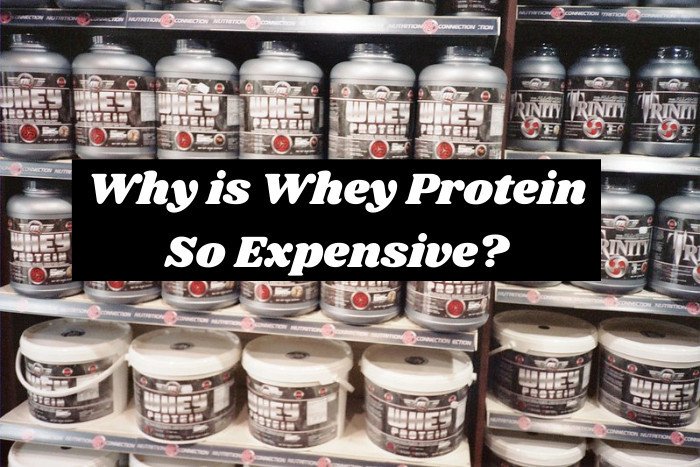
Protein supplements are expensive because of costly raw ingredients, complex processing, supply shortages, quality checks, packaging, shipping, and brand expenses.
Walk into a Walmart, Costco, or GNC store in the United States, and you may notice that a large tub of protein powder can cost much more than a basic bag of groceries. Some products cost $25, while premium whey protein tubs can reach $70, $90, or even more. For people who work out, build muscle, or want an easy way to add protein to their meals, these prices can put a strain on a monthly budget.
The main reason is that protein powder is not simply ground-up food in a plastic tub. It takes raw materials, special equipment, careful processing, testing, and transport to make a finished supplement. The price also changes with the type of protein, the amount of protein in each serving, and demand from food and supplement companies.
The whey market has faced additional pressure in 2026. Growing demand for high-protein foods and drinks has increased competition for food-grade whey ingredients. USDA Agricultural Marketing Service tracks whey protein concentrate prices, production, sales, and inventories in its regular market reports. These figures help explain why the cost of a tub can change even when its recipe stays the same.
However, a high price does not always mean a better supplement. Some shoppers pay extra for useful features, such as a higher protein percentage or third-party testing. Others pay more for flavors, advertising, packaging, and brand reputation. Understanding these differences can help you choose a product that meets your needs without wasting money.
Source: torokhtiy.com
1. The Main Reason: Protein Ingredients Cost Money
The largest cost driver for many protein supplements is the raw protein ingredient. Manufacturers must buy protein-rich materials before they can make a powder. The source and quality of those materials have a direct effect on production costs.
Whey protein comes from milk. It is separated during cheese production and then processed into a concentrated ingredient. Plant-based powders may use peas, soybeans, rice, or other crops. Each source has its own farming, processing, and supply costs.
A company cannot turn every pound of raw material into a pound of finished protein powder. Processing removes water, fat, lactose, minerals, and other unwanted parts. This means manufacturers need enough raw material and processing capacity to produce the required amount of protein.
When the cost of the raw ingredient rises, supplement makers may have to pay more to maintain production. They can absorb some of that increase, but they may also raise retail prices, reduce discounts, or change the size of their products.
Source: media.licdn.com
Whey protein
Whey is a dairy ingredient obtained during cheese production. Food-grade whey with a high protein content requires further processing and can become costly when supply is tight.
Milk protein
Milk protein concentrate and milk protein isolate contain different amounts of protein, casein, and whey. Their production methods and ingredient specifications affect their prices.
Plant protein
Pea, soy, rice, and other plant proteins require crop production, extraction, separation, drying, and quality checks. Their costs depend on crop supply and processing needs.
Why High-Protein Ingredients Cost More
A supplement with a high percentage of protein needs a more concentrated ingredient. A manufacturer cannot use the same amount of ordinary food material and expect to get the same protein content.
For example, a powder made with whey concentrate may contain more lactose and fat than a powder made with whey isolate. The isolate needs extra separation to remove much of those components. That extra work can increase the ingredient cost.
This is one reason why two tubs with similar weights may have very different prices. The more useful comparison is the amount of actual protein in each serving and the total amount of protein in the tub.
More concentrated material
Higher protein concentration can require more processing and tighter ingredient specifications.
Less unwanted material
Removing more lactose, fat, and minerals can increase production costs.
2. Whey Protein Shortages Push Prices Higher
Supply and demand play a major role in whey protein prices. When more companies want whey than manufacturers can supply, buyers compete for the available ingredients. That competition can raise wholesale prices before consumers see the change on store shelves.
Whey is linked to the dairy industry. Cheese makers produce liquid whey as part of their normal process, but supplement-grade whey needs more work before it can become a high-protein powder. A rise in demand for protein does not automatically create more cheese factories or filtration plants.
In 2026, the growing use of protein in everyday foods has added pressure to the market. Protein is now used in bars, cereals, snacks, shakes, drinks, and other products. Supplement companies must compete with food manufacturers for some of the same ingredients.
The Associated Press reported in June 2026 that demand for high-protein products was outpacing whey supply. Its reporting described sharp increases in wholesale prices for high-protein whey concentrate and isolate. These market conditions help explain why protein products have become more expensive for many shoppers.
The USDA Agricultural Marketing Service publishes a weekly report on whey protein concentrate in the Central and Western United States. The report tracks prices, production, sales, inventories, and market conditions. It is a useful source for understanding the wholesale market, although wholesale ingredient prices are not the same as retail prices for finished tubs.
Source: mybodyweightexercises.com
Higher consumer demand
More shoppers are buying protein-rich foods and supplements, increasing competition for available ingredients.
Limited processing capacity
Dairy plants need specialized equipment and investment to produce large amounts of high-protein whey ingredients.
Competition between industries
Supplement companies compete with food and beverage manufacturers that also use whey in their products.
Tight inventories
When available stocks are limited, manufacturers may have less flexibility to negotiate lower ingredient prices.
Why Cheese Production Affects Protein Powder Prices
Whey is not created in a separate supply chain that operates independently of dairy production. It comes from milk processing, especially cheese making. If cheese production does not grow enough to meet demand for whey, supplement manufacturers cannot quickly obtain unlimited extra raw material.
After cheese production, liquid whey must be processed, filtered, concentrated, and dried. These steps need specialized equipment and energy. Expanding a processing plant can take significant time and money.
This creates a supply limit. Even if supplement companies are willing to pay more, they cannot always obtain all the whey they want. The result can be higher ingredient prices and fewer low-cost purchasing options.
Milk supply
Milk production sets an important limit on the amount of dairy material available.
Cheese production
Cheese manufacturing creates the whey used by many protein ingredient producers.
Processing capacity
Specialized filtration and drying plants determine how much raw whey can become finished protein ingredients.
Why Higher Wholesale Prices Reach Consumers
Supplement companies often purchase ingredients through contracts or wholesale markets. When their supply agreements expire, a new purchase may cost more than the previous one.
A company may have older stock that was bought at a lower price. That stock can delay a retail price increase. Once it runs out, the company may need to adjust its prices to reflect current replacement costs.
The size and timing of a price change vary by brand. Companies may also use smaller discounts, change subscription offers, or reduce the amount of powder in a container.
Ingredient replacement costs
New batches may cost more to produce than older inventory.
Brand pricing decisions
Manufacturers choose how much of the higher cost to absorb and how much to pass on to customers.
3. Protein Isolate Costs More Because It Needs Extra Processing
The type of protein in a supplement can make a large difference in price. Whey concentrate, whey isolate, and hydrolyzed whey are not the same ingredient. They have different protein levels and production requirements.
Whey concentrate is generally less processed than whey isolate. Depending on the grade, it can contain varying amounts of protein, lactose, fat, and minerals. Whey isolate undergoes additional processing to remove more non-protein components.
Hydrolyzed whey goes through another step. Enzymes break some of its proteins into smaller peptides. This adds processing requirements and can increase the cost.
The most expensive type is not always the most useful for every buyer. Someone who tolerates lactose may be perfectly satisfied with whey concentrate. Someone who has difficulty digesting lactose may prefer an isolate, depending on the product and their tolerance.
Source: hips.hearstapps.com
Whey concentrate
Usually costs less because it undergoes less extensive separation. Its protein content varies by grade, and it retains more lactose and fat than isolate.
Whey isolate
Typically contains at least 90 percent protein by weight. Extra filtration removes more lactose and fat, which can raise its price.
Hydrolyzed whey
Uses enzymes to break some protein into smaller peptides. The additional process can make it more expensive.
Native whey
Extracted directly from milk rather than recovered as a cheese-making byproduct. Its sourcing and manufacturing method can affect its cost.
Whey Concentrate vs. Whey Isolate: What Is the Price Difference?
Whey concentrate is often a practical lower-cost option. It provides complete protein and contains the essential amino acids needed by the body. For many healthy adults, the difference in muscle-building usefulness between ordinary concentrate and isolate is less important than meeting total daily protein needs.
Whey isolate has a higher protein percentage by weight. It can also contain less lactose, which may help some people who are sensitive to lactose. However, isolate is not guaranteed to be completely lactose-free, so people with strong intolerance should check the product label and manufacturer information.
A higher protein percentage does not automatically mean a better value. Compare the total grams of protein in the container with its price. A lower-priced concentrate may provide more protein per dollar than an expensive isolate.
Choose concentrate when
You tolerate its lactose content and want a simple, lower-cost source of complete protein.
Consider isolate when
You want more protein per gram of powder or need a product with less lactose.
Consider hydrolyzed whey when
You have a specific reason to prefer hydrolyzed protein and understand that its higher price does not guarantee better results.
4. Manufacturing Protein Powder Requires Specialized Equipment
Protein powder manufacturing is a technical process. It involves more than mixing an ingredient with water and placing it in a container. Manufacturers must control the composition, moisture level, texture, and consistency of the finished powder.
For whey products, liquid whey goes through several processing stages. Filtration separates protein from other components. The resulting liquid may then be concentrated and dried into powder. The exact process depends on the desired ingredient and product specifications.
Specialized equipment costs money to buy, operate, clean, and maintain. Filtration systems, evaporators, spray dryers, storage tanks, and packaging machines all contribute to production expenses.
Energy is another factor. Heating, cooling, pumping, drying, and running industrial equipment require electricity, gas, or other energy sources. A change in energy prices can affect manufacturing costs.
A manufacturer must also maintain clean production areas and follow appropriate food safety and quality procedures. These requirements add labor, equipment, and operating expenses.
Source: torokhtiy.com
Filtration
Separates protein from lactose, minerals, and other components. More refined ingredients may require additional filtration.
Concentration
Removes part of the water to create a more concentrated liquid before drying.
Spray drying
Turns concentrated liquid into powder by removing moisture through controlled drying.
Blending
Combines the protein ingredient with flavor systems and other permitted ingredients to create a consistent product.
Packaging
Fills, seals, labels, and prepares finished products for storage and transport.
Why Small Production Runs Can Cost More
Large supplement manufacturers can spread many fixed costs across thousands of containers. These costs include factory equipment, staff, maintenance, testing systems, and storage.
A smaller company may produce fewer units. It still needs to pay for equipment, ingredient purchases, testing, and packaging. When fewer containers share those costs, the cost per tub can be higher.
This does not mean every large brand is cheaper or every small brand is expensive. It simply explains why production scale can influence the final price.
Factory expenses
Equipment, rent, maintenance, and staff costs continue even when production volumes are low.
Ingredient purchasing
Large orders may provide better purchasing terms than small orders.
Production efficiency
Longer production runs can reduce the time and expense associated with cleaning, setup, and changeovers.
5. Flavor, Sweeteners, and Other Ingredients Increase the Price
Plain protein powder can have a mild dairy taste or a flavor that some people find unpleasant. Brands often add ingredients to make it taste better, mix more easily, and feel smoother when consumed.
A flavored powder may contain cocoa, vanilla flavor, fruit flavors, sweeteners, emulsifiers, and other ingredients. Some products also include thickeners or ingredients that help reduce clumping.
These ingredients may appear in small amounts, but they still have to be purchased, stored, measured, and blended. Premium flavors and specialized ingredient systems can add to the total production cost.
The recipe also affects how a powder behaves. A product that mixes well in cold water may need a different formulation from a basic unflavored powder. Some brands spend more on flavor development and product testing to achieve a particular taste and texture.
Source: mybodyweightexercises.com
Natural and artificial flavors
Used to create recognizable tastes such as chocolate, vanilla, strawberry, and cookies and cream.
Sweeteners
Used to improve taste without relying only on added sugar. Different sweeteners have different costs and taste profiles.
Emulsifiers
Help powder disperse in liquid and can improve mixing.
Thickeners
Change texture and mouthfeel. They are not necessary in every protein powder.
Cocoa and specialty flavors
Can add more ingredient costs than a simple unflavored formula.
Is Unflavored Protein Powder Cheaper?
Unflavored protein powder can be cheaper because it does not need a complex flavor system. It may also contain fewer ingredients, which makes its label easier to understand.
However, unflavored products are not always the least expensive. The protein source, processing method, brand, and serving size still matter. An unflavored whey isolate may cost more than a flavored whey concentrate.
If you use protein powder in oatmeal, smoothies, or baked foods, an unflavored product may be a useful way to avoid paying extra for flavors you do not need.
Compare the protein source
Check whether both products use concentrate, isolate, or another type of protein.
Check serving size
A smaller scoop may make a product look cheaper without providing the same amount of protein.
6. Quality Testing and Manufacturing Standards Add Costs
Quality control is another reason protein supplements cost money. Manufacturers need to make sure that a product contains the ingredients listed on its label and meets the required specifications for identity, strength, purity, and composition.
Testing can check protein content, moisture, microbiological quality, and certain contaminants. Depending on the product and manufacturing process, companies may also test for heavy metals and other substances that could affect product quality.
These checks can involve laboratory equipment, trained staff, outside laboratories, documentation, and product sampling. A responsible company must account for these expenses when setting its prices.
The United States regulates dietary supplements under a different framework from conventional foods and drugs. The FDA places important responsibilities on manufacturers and distributors, including responsibility for ensuring that products are not adulterated or misbranded.
However, consumers should understand that a high price is not proof of quality. The FDA does not approve dietary supplements before they are marketed in the same way it approves prescription drugs. A premium price alone cannot establish that a protein powder contains exactly what the label promises.
Source: hips.hearstapps.com
Ingredient identity
Helps confirm that the correct protein source and other listed ingredients are present.
Protein content
Testing can help confirm whether the product meets its stated protein specifications.
Microbiological testing
Helps assess contamination risks from certain bacteria, yeast, and molds.
Heavy metal screening
Can help identify unwanted levels of metals such as lead, arsenic, cadmium, and mercury.
Batch records
Documentation helps manufacturers track ingredients, production runs, and quality checks.
What Third-Party Testing Means
Third-party testing means an outside organization checks a product or production sample against defined standards. It can provide additional information beyond the manufacturer’s own quality control.
Programs such as NSF Certified for Sport and other independent certification systems have their own testing and certification requirements. Buyers should check the exact certification and product listing rather than relying on a general statement that a brand is tested.
Certification may add costs because companies must pay for testing, audits, documentation, and ongoing compliance. These expenses can contribute to the retail price.
Still, not every expensive product has meaningful third-party certification. Look for the exact certification mark and confirm that the specific product appears in the certifier’s database.
Look for specific certification
Check the certifier’s official website to verify the product rather than trusting a logo alone.
Read the ingredient panel
Check protein per serving, added ingredients, allergens, and serving size.
Avoid unsupported claims
Words such as premium, clean, and advanced do not independently prove product quality.
Does the FDA Approve Protein Powder Before Sale?
No. The FDA does not generally approve dietary supplements for safety and effectiveness before they reach the US market. Manufacturers and distributors are responsible for meeting applicable requirements, while the FDA can take action against products that violate the law.
This distinction matters when comparing prices. A company cannot honestly use a high price or a general reference to FDA regulation as proof that its supplement has received FDA approval.
Consumers who want additional assurance can look for transparent manufacturing information, appropriate testing, clear labeling, and independently verifiable certifications.
FDA regulation
Dietary supplements are regulated, but they do not receive the same premarket approval process as prescription medicines.
Manufacturer responsibility
Companies are responsible for ensuring that their supplements meet applicable safety, labeling, and manufacturing requirements.
7. Packaging, Shipping, and Retail Markups Add to the Final Price
The price of protein powder includes more than the ingredient inside the tub. Manufacturers must package, store, transport, and distribute the finished product before a customer can buy it.
Large plastic tubs, sealed lids, scoops, labels, protective seals, and shipping cartons all have costs. Some brands use special containers or premium designs that cost more than simple packaging.
Protein powder can also be heavy and bulky. Shipping large containers from a manufacturing plant to warehouses, stores, or customers adds transportation expenses. Fuel prices, warehouse costs, labor, and delivery fees can all influence the final price.
Retailers also need to cover their own operating costs. A product sold through a supplement store may have a different retail price from one sold directly through a manufacturer’s website. Online marketplaces may have separate seller fees, fulfillment costs, and promotional expenses.
This explains why the same product can have different prices across retailers. It also explains why a large tub is not always the best deal if the serving count is lower than expected.
Source: torokhtiy.com
Packaging materials
Containers, lids, seals, labels, and protective packaging contribute to the cost of each unit.
Transportation
Moving ingredients and finished products requires fuel, labor, storage, and distribution networks.
Retail expenses
Stores and online sellers have operating costs that can affect their selling prices.
Import expenses
Products or ingredients sourced from other countries may involve freight, customs procedures, and currency-related costs.
Why Imported Protein Powders May Cost More
Some protein powders sold in the United States use ingredients or finished products sourced from other countries. International shipping can add freight, insurance, handling, and storage expenses.
Currency changes can also affect costs when a company buys ingredients in one currency and sells its finished products in another. Import duties and applicable regulatory requirements may add further expenses.
Imported products are not automatically better or worse than domestic products. Their value depends on the ingredient specifications, manufacturing practices, testing, and final price.
Freight costs
Long-distance shipping and handling can increase the cost of imported ingredients.
Currency changes
Exchange-rate movements can make overseas purchases more expensive.
Storage and distribution
Imported products may need extra handling before reaching US retailers.
8. Branding and Marketing Can Make Protein Supplements More Expensive
Branding can affect the price of a protein supplement even when two products use similar protein ingredients. Companies spend money on advertising, product design, sponsorships, social media campaigns, and customer promotions.
A well-known fitness brand may pay athletes, trainers, influencers, or sports teams to promote its products. These campaigns help build recognition, but they do not directly increase the protein content of a serving.
Some companies also invest in research, product development, customer service, and specialized formulas. Those activities may provide real value, depending on what the company actually does and how clearly it explains its claims.
The key is to separate useful product features from marketing language. A powder described as advanced or premium may still have a basic ingredient profile. A less famous product may provide a similar amount of protein at a lower cost.
Source: mybodyweightexercises.com
Athlete sponsorships
Payments and promotional arrangements with athletes can become part of a brand’s marketing expenses.
Influencer campaigns
Social media advertising, sponsored content, and promotional partnerships require a budget.
Brand recognition
Established names may charge more because consumers recognize and trust their products.
Product development
Developing new flavors, formulas, and packaging can add research and development expenses.
Does an Expensive Brand Always Provide Better Protein?
No. A higher price does not guarantee better protein quality, faster muscle growth, or better results. The body needs sufficient protein, energy, and essential nutrients. The brand name alone cannot replace these basic needs.
Two products may provide similar amounts of complete protein per serving even if one costs much more. The difference may come from flavor, packaging, advertising, or other ingredients rather than a meaningful nutritional advantage.
Compare the labels before buying. If the less expensive product provides the same useful protein amount and meets your quality needs, paying extra for a famous name may not be necessary.
Compare protein amounts
Check grams of protein per serving rather than relying on the front label.
Check the source
Identify whether the powder contains whey, casein, soy, pea, rice, or a blend.
Check independent verification
Look for a real certification or transparent testing information.
9. How Much Does Protein Powder Really Cost?
The easiest way to judge protein powder value is to calculate the cost per gram of protein. Comparing tub prices alone can be misleading because containers have different sizes, serving counts, and protein amounts.
For example, imagine one product costs $40 and contains 25 servings with 24 grams of protein per serving. It provides 600 grams of protein in total. Its cost is about 6.7 cents per gram of protein.
Now imagine another product costs $55 and contains 30 servings with 25 grams of protein per serving. It provides 750 grams of protein. Its cost is about 7.3 cents per gram of protein.
The second product provides more total protein, but it still costs more per gram. These figures are hypothetical examples, not current market prices. The calculation makes it easier to compare products with different container sizes.
Source: hips.hearstapps.com
Step 1: Find the container price
Use the amount you actually pay after any discount or coupon.
Step 2: Find the serving count
Check the label for the number of servings in the container.
Step 3: Find protein per serving
Use the grams of protein listed on the Nutrition Facts or Supplement Facts panel.
Step 4: Calculate total protein
Multiply servings by grams of protein per serving.
Step 5: Divide price by total protein
This gives the cost per gram of protein and helps compare products fairly.
A Simple Protein Powder Cost Comparison
The following table uses hypothetical products to show how serving counts and protein amounts affect value. It does not represent a survey of current US retail prices.
Product A
Price: $40. Servings: 25. Protein per serving: 24 grams. Total protein: 600 grams. Cost per 25 grams of protein: approximately $1.67.
Product B
Price: $55. Servings: 30. Protein per serving: 25 grams. Total protein: 750 grams. Cost per 25 grams of protein: approximately $1.83.
Product C
Price: $45. Servings: 30. Protein per serving: 20 grams. Total protein: 600 grams. Cost per 25 grams of protein: approximately $1.88.
Why Cost Per Serving Can Be Misleading
A product may appear cheap because its scoop is small. However, a 15-gram protein serving does not provide the same amount as a 25-gram serving.
Some powders also include carbohydrates, fats, flavor ingredients, and other nutrients. These can be useful, but they affect the amount of actual protein in each scoop.
Always compare similar products and use the protein amount rather than scoop weight. A 35-gram scoop does not necessarily contain 35 grams of protein.
Do not compare scoop weight alone
A scoop can include ingredients other than protein.
Check total container protein
This gives a more useful picture of how much protein you are purchasing.
Include delivery costs
Shipping charges can change the actual amount you pay.
10. How to Save Money on Protein Supplements
You do not need to buy the most expensive protein powder to support your fitness goals. A few simple shopping habits can help reduce your spending without sacrificing the basic nutritional value you need.
Start by deciding how much protein you actually need from supplements. Protein powder is a convenient food supplement, not a required part of every healthy diet. You can get protein from regular meals as well.
Next, compare the cost per gram of protein. Look at the ingredient source, protein content, serving count, and any testing information. Avoid paying more for features that do not matter to your needs.
Buying a larger container can sometimes lower the cost per serving. However, only buy a large quantity if you can use it before its expiration or best-by date and store it according to the label.
Source: torokhtiy.com
Compare multiple brands
Check the price, serving size, protein amount, ingredient source, and quality information.
Try unflavored powder
A simple formula may cost less than a product with a complex flavor system.
Consider whey concentrate
If you tolerate lactose, concentrate may provide a more affordable option than isolate.
Watch for discounts
Compare regular prices with sale prices and subscription offers. Do not buy more than you can use.
Avoid unnecessary extras
You may not need products that combine protein with multiple additional ingredients.
Check the total price
Include shipping, taxes, and any subscription fees before deciding.
Use Whole Foods as Lower-Cost Protein Sources
Protein powder is convenient, but ordinary foods can provide the same basic nutrient. Eggs, milk, chicken, canned tuna, beans, lentils, cottage cheese, and Greek yogurt are useful options.
The cheapest source depends on local grocery prices, serving sizes, food waste, and how much protein you get from each portion. Buying food in bulk may reduce the cost, but only when you can store and use it safely.
Whole foods also provide other nutrients. Beans and lentils contain fiber, while dairy products can provide calcium. Eggs and meat offer protein along with other nutrients.
A balanced approach can reduce the amount of powder you need. You might use protein powder on busy mornings or after a workout and rely on normal meals for the rest of your daily protein.
Eggs
Provide complete protein and are easy to prepare for breakfast or snacks.
Greek yogurt
Offers protein and can be used in breakfast bowls, smoothies, and snacks.
Chicken
Provides complete protein and works well in meals that can be prepared in advance.
Beans and lentils
Provide plant protein, fiber, and other nutrients at a cost that may be lower than some supplements.
Milk
Provides protein along with calcium and other nutrients.
Buy Larger Containers Only When They Make Sense
Large containers may offer a lower price per serving because packaging and shipping costs can be spread across more servings. However, the lowest upfront price is not always the best purchase.
Check the expiration or best-by date and make sure you can finish the product while it remains suitable for use. Keep the container sealed and store it in a cool, dry place as directed by the manufacturer.
Avoid buying several tubs just because a brand offers a bulk discount. If you dislike the taste or the powder does not agree with you, the unused product may become wasted money.
Calculate unit value
Compare cost per gram of protein rather than cost per tub.
Check storage needs
Follow the manufacturer’s instructions to protect the powder from moisture and heat.
Test a small size first
A smaller container can help you decide whether you like the flavor and texture.
11. Are Plant-Based Protein Supplements More Expensive?
Plant-based protein supplements can cost more or less than whey products. Their prices depend on the plant source, protein concentration, processing method, flavor system, and brand.
Pea protein is a common option. Manufacturers extract protein from peas and process it into a powder. Soy protein is another established option, while rice protein is often used alone or in blends.
Some plant proteins have a different amino acid profile from dairy proteins. Manufacturers may combine sources, such as pea and rice, to create a broader amino acid profile. Blending ingredients can add formulation and processing costs.
Plant-based powders may also need flavor adjustments. Some consumers find certain plant proteins earthy or gritty, so manufacturers may spend more on flavors and texture systems to improve the finished product.
A plant-based powder is not automatically more expensive or healthier. Compare its protein content, amino acid profile where available, ingredient list, and cost per gram of protein.
Source: hips.hearstapps.com
Pea protein
A widely used plant protein that can be sold alone or blended with other protein sources.
Soy protein
A complete plant protein that is used in many food and supplement products.
Rice protein
Often combined with other plant proteins to create a more balanced amino acid profile.
Plant protein blends
May combine several sources, which can increase formulation and ingredient costs.
What Makes Some Plant Proteins Cost More?
The cost of a plant protein starts with agriculture. Crop yields, growing conditions, harvest costs, and processing availability can affect the price of raw materials.
The protein must then be separated from other parts of the crop. Manufacturers may use specialized extraction and drying methods to create a powder with a consistent protein concentration.
Some brands also use organic ingredients, non-GMO sourcing, or specific supply-chain standards. These features may increase costs, but buyers should check what the claims mean and whether they are independently verified.
Crop availability
Changes in harvest size and raw material supply can affect ingredient costs.
Extraction methods
Separating protein from the rest of the crop requires processing equipment and energy.
Special sourcing
Organic or specially sourced ingredients may have different purchasing and certification costs.
12. Common Mistakes When Buying Expensive Protein Powder
Many shoppers focus on the front of the container and overlook the details that determine value. This can lead to paying more without getting a meaningful nutritional benefit.
A large tub may look like a bargain, but it may contain fewer servings than another product. A premium label may suggest better quality, but the ingredient list and independent testing provide more useful information.
Another common mistake is assuming that more protein per scoop always means better results. Your overall diet, training, health, and daily protein intake matter more than choosing the highest-priced powder.
The best purchase is the one that fits your nutritional needs, budget, and ability to use the product consistently.
Source: mybodyweightexercises.com
Buying based on brand name
A famous name does not guarantee that a product provides better value or better quality.
Ignoring serving size
Compare the amount of actual protein rather than the total weight of the scoop.
Paying for unnecessary ingredients
Extra vitamins, herbs, sweeteners, and performance ingredients may not be useful for your specific needs.
Confusing price with purity
A high price does not prove that a powder has been independently tested or contains fewer contaminants.
Ignoring allergens
Check for milk, soy, and other allergens. People with milk allergies should not assume that whey isolate is safe.
Buying too much
Large purchases can become wasteful if you dislike the product or cannot use it before its recommended date.
Does More Protein Per Scoop Mean Better Results?
Not necessarily. A larger protein serving may be convenient, but it does not automatically produce greater muscle growth. Your total daily protein intake and resistance training are more important factors.
A person who already gets enough protein from food may not benefit from buying a powder with a larger serving. Another person who struggles to meet their needs may find a convenient supplement useful.
The right serving depends on the person’s overall diet, activity, health, and nutritional goals. People with kidney disease or other conditions that affect protein needs should ask a qualified health professional for individual advice.
Consider total daily intake
Look at protein from meals and snacks as well as supplements.
Consider training
Protein supports muscle repair and maintenance, but it does not replace appropriate exercise.
Consider personal health
A healthcare professional or registered dietitian can help determine suitable intake when medical conditions are involved.
13. Is Protein Powder Worth the Money?
Protein powder can be worth the money when it solves a real problem. It is portable, quick to prepare, and easy to add to meals or drinks. For people with busy schedules, it can make it easier to get enough protein.
However, protein powder is not essential for everyone. A person who gets enough protein from ordinary foods may have little reason to buy it. Supplements should fill a gap in the diet rather than replace balanced meals without a good reason.
The value also depends on the price per useful serving. A moderately priced product with a clear ingredient list and suitable protein amount may be a better purchase than a premium formula with features you do not need.
For many healthy adults, a basic whey concentrate or suitable plant protein can be enough. A more specialized formula may make sense when there is a specific dietary need, such as avoiding certain ingredients or reducing lactose intake.
If you have a medical condition, food allergy, or prescribed dietary restriction, ask a qualified healthcare professional before changing your protein intake or choosing a supplement.
Source: torokhtiy.com
Worth buying
When convenience helps you meet your protein needs and the product offers a reasonable cost per serving.
May not be necessary
When ordinary meals already provide enough protein and a supplement would add unnecessary expense.
Worth paying extra
When a verified feature, suitable protein source, or independently tested product meets a real personal requirement.
Not worth paying extra
When the price increase comes mainly from branding or features that do not improve the product’s usefulness for you.
Who May Benefit Most From Protein Supplements?
People with busy work schedules may appreciate a quick protein drink when preparing a full meal is difficult. Athletes and people who train regularly may also use protein powder to help meet their daily intake goals.
Older adults may need to pay attention to protein intake as part of maintaining muscle and strength. However, individual needs vary, and a supplement should fit within a broader nutrition plan.
People who follow vegetarian or vegan diets may find plant protein powders convenient. They can also use foods such as beans, lentils, tofu, soy milk, nuts, and seeds to meet their needs.
Busy adults
May use a shake as a convenient addition to meals when time is limited.
Active people
May use supplements to help meet protein needs alongside a suitable training and meal plan.
Plant-based eaters
May use plant protein when convenient, while still relying on varied whole-food sources.
Frequently Asked Questions
Q
Why has protein powder become more expensive in 2026?
Protein powder has become more expensive partly because of higher whey ingredient costs and growing demand for protein-rich foods. Supplement makers compete with food manufacturers for whey concentrate and isolate. Limited processing capacity and tight ingredient supplies can also push wholesale prices higher.
Not every brand or protein source experiences the same price change. Plant proteins, dairy proteins, and finished supplements have different supply chains and production costs.
Q
Is expensive whey protein better than cheap whey protein?
Not always. A higher price does not automatically mean better protein quality, greater muscle growth, or better results. Compare protein per serving, ingredient source, serving count, added ingredients, and independent testing information.
A less expensive whey concentrate may provide good value for someone who tolerates lactose. A more expensive isolate may be useful for someone who wants a higher protein percentage or less lactose.
Q
Why is whey isolate more expensive than whey concentrate?
Whey isolate requires extra filtration to remove more lactose, fat, and other non-protein components. It generally contains at least 90 percent protein by weight, while concentrate grades vary in protein content.
The additional processing and higher protein concentration can increase production costs. However, isolate is not necessary for every person.
Q
Is protein powder cheaper than eating high-protein foods?
It depends on the food, product, serving size, and local prices. Eggs, beans, lentils, milk, chicken, and Greek yogurt can provide protein at a competitive cost. Some powders may offer convenience at a reasonable price, but they are not always cheaper.
Compare the cost of 25 grams of protein from each source. Also consider the other nutrients in whole foods, such as fiber, calcium, vitamins, and minerals.
Q
Does a protein powder with more ingredients cost more?
It can. Flavors, sweeteners, cocoa, emulsifiers, thickeners, and added nutrients require additional ingredients and formulation work. Some specialized formulas also need more testing and quality checks.
However, more ingredients do not automatically make a supplement better. Check whether each added ingredient provides a benefit that matters to your needs.
Q
Can I build muscle without buying protein supplements?
Yes. You can build muscle without protein powder by eating enough protein from foods and following a suitable resistance training program. Foods such as eggs, dairy, chicken, fish, tofu, beans, and lentils can support your protein intake.
Protein supplements are convenient options, not a requirement for muscle growth. Consistent training, sufficient food, sleep, and recovery also matter.
Q
How can I find affordable but good-quality protein powder?
Compare the cost per gram of protein, not just the container price. Check the ingredient list, protein source, serving count, and manufacturer information. If independent testing matters to you, verify the exact product through the certifier’s official database.
A basic formula from a reputable manufacturer may offer better value than an expensive product with many extra ingredients.
✦ Wrapping Up
Conclusion
Protein supplements are expensive because several costs come together before a tub reaches a store. Raw protein ingredients, dairy supply, filtration, drying, manufacturing equipment, quality testing, flavoring, packaging, shipping, and marketing all affect the final price. Rising demand for whey in 2026 has added another challenge for supplement manufacturers.
Still, a high price does not always mean a better product. Whey concentrate may be enough for many people, while whey isolate can offer a useful alternative for those who need a higher protein percentage or less lactose. Plant-based powders also have a place, depending on dietary needs and personal preference.
The smartest way to shop is to compare the cost per gram of actual protein. Read the ingredient panel, check the serving size, consider independent testing, and decide whether the extra features justify the added cost. You may also save money by using whole foods for most of your protein needs and keeping supplements for times when convenience matters.
Ultimately, the best protein supplement is not necessarily the most expensive one. It is a product that meets your nutritional needs, fits your budget, and provides clear value without making claims that its ingredients and evidence cannot support.
💡 Key Takeaway
Before buying your next tub, divide its price by the total grams of protein it contains. Compare at least three similar products, check their ingredients and testing information, and choose the one that provides the best verified value for your needs.