Yes, some protein powders contain sugar, but others have very little or none. The amount depends on the protein source, flavor, ingredients, and added sweeteners.
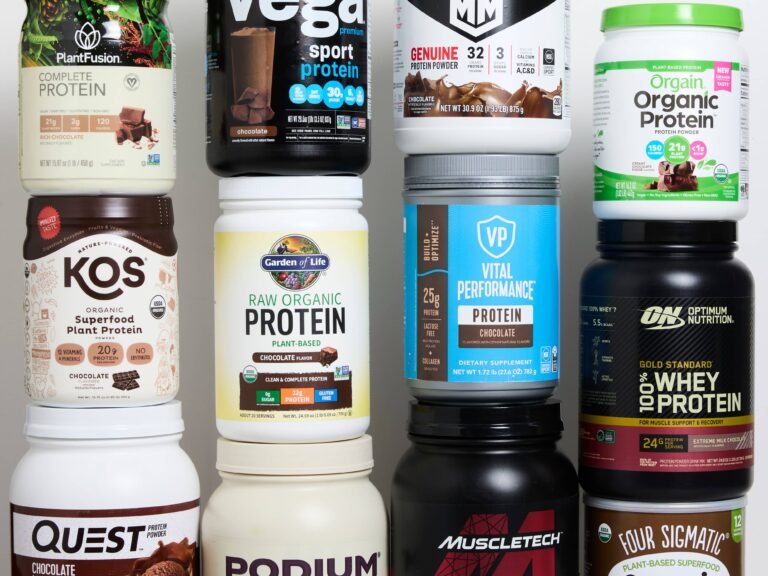
If you shop for protein powder at Walmart, Costco, Target, or a US grocery store, you will find many types on the shelf. Some have added sugar for taste. Others get small amounts of natural sugar from milk or other ingredients. Many use non-sugar sweeteners instead. So, a protein powder with a sweet taste does not always contain regular sugar.
The easiest way to find out is to check the Nutrition Facts or Supplement Facts panel. Look at total sugars, added sugars, total carbohydrates, and the ingredient list. These details tell you more than claims such as natural, clean, low carb, or sugar free on the front of the tub.
Your choice also depends on how you plan to use the powder. Someone making a low-sugar breakfast shake may want a different product from someone trying to gain weight or add calories after a workout. Understanding the label helps you choose a powder that fits your daily diet without adding sugar you do not need.
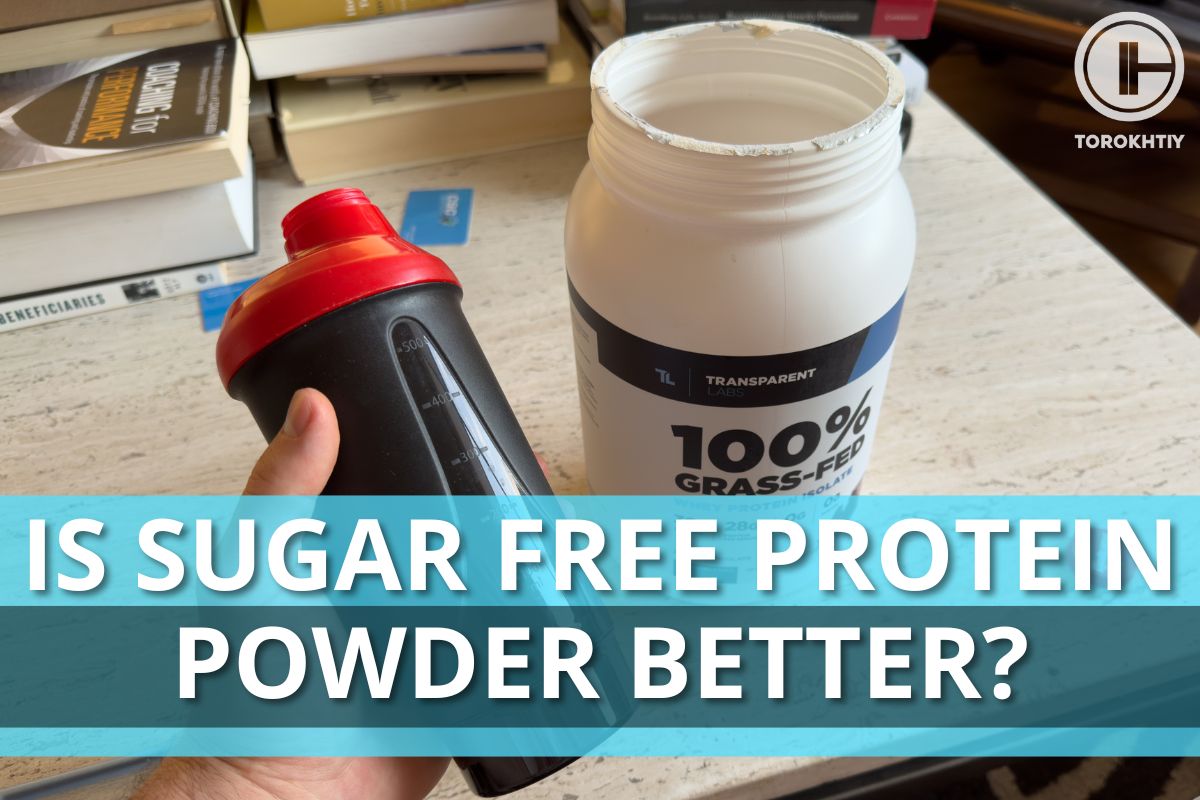
Source: torokhtiy.com
Why Does Protein Powder Have Sugar?
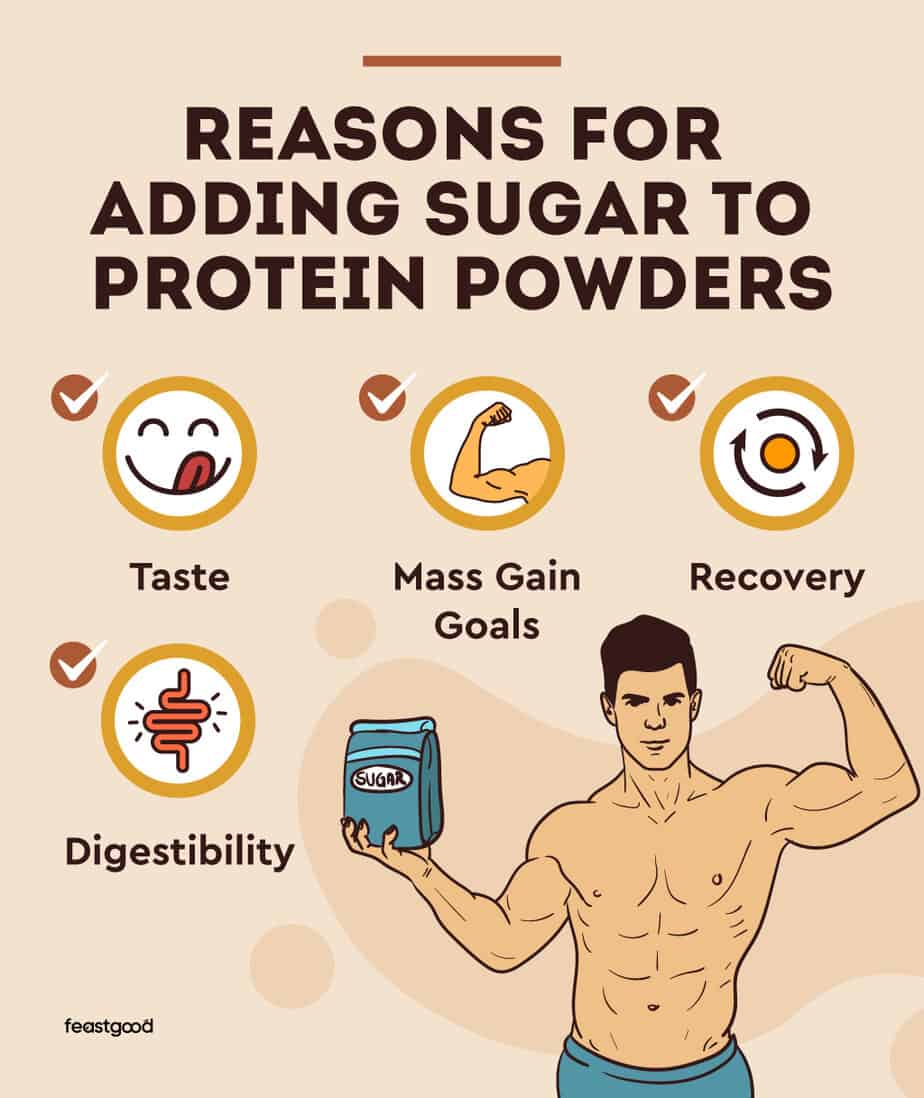
Protein powder may have sugar because manufacturers use it to improve taste, add calories, or create a product designed for weight gain. Some protein sources also contain natural sugars before processing. This is common with dairy-based protein.
Plain protein ingredients do not always taste pleasant on their own. Whey, casein, pea, and other protein powders can have earthy, bitter, or mild dairy flavors. A sweetener can make the finished drink easier to enjoy.
However, not every sweet protein powder uses sugar. Manufacturers can use high-intensity sweeteners or sugar alcohols instead. That is why checking the actual sugar content is more useful than judging a product by its taste.
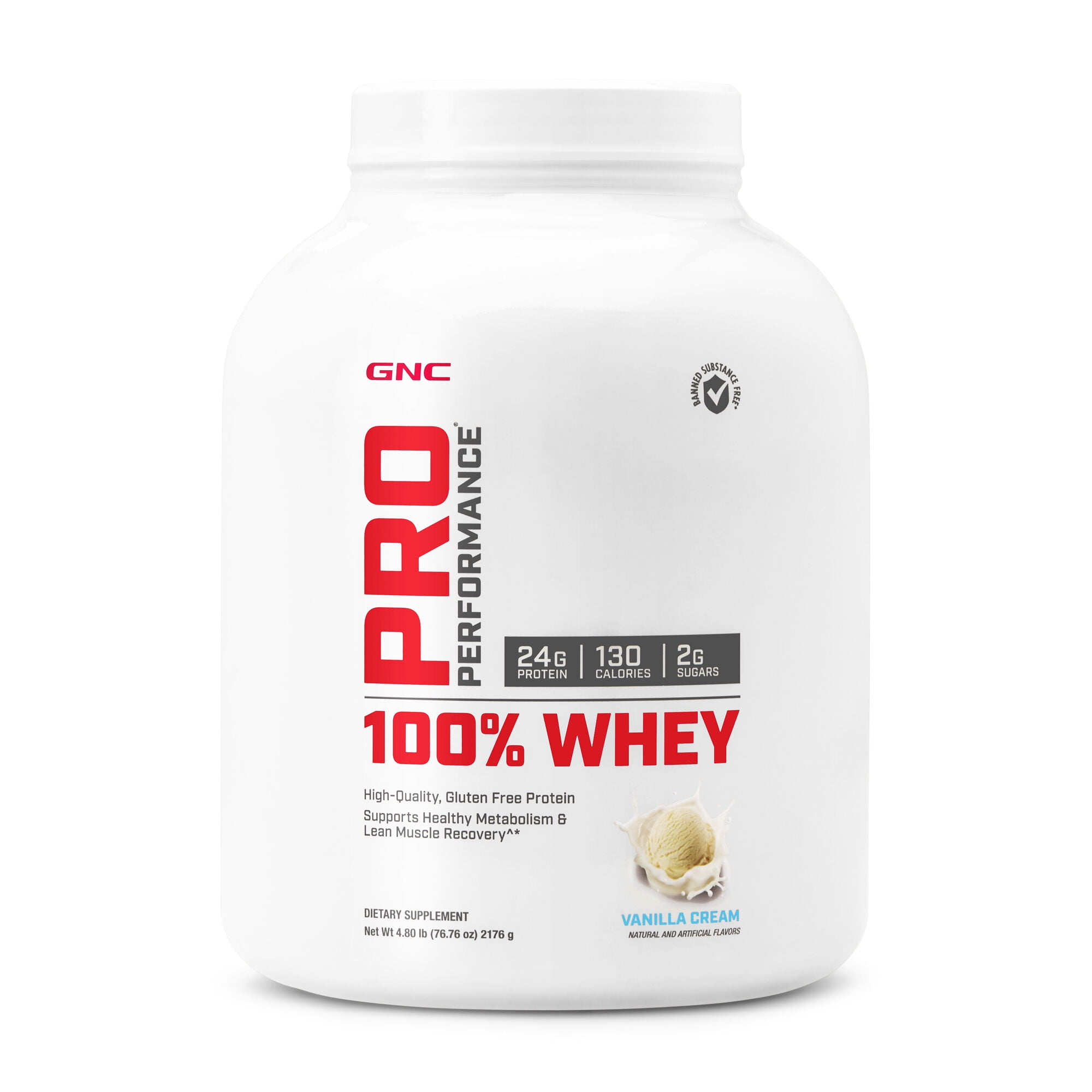
Source: amazon.com
Better flavor
Sugar can reduce bitterness and make chocolate, vanilla, strawberry, and other flavors more pleasant.
More calories
Sugar provides about 4 calories per gram. It can help increase the energy content of a shake.
Weight gain formulas
Some mass gainers combine protein with carbohydrates and added sugars to provide more calories per serving.
Natural milk sugar
Whey and casein come from milk. Small amounts of lactose may remain in the finished powder.
Is Sugar Added to Every Protein Powder?
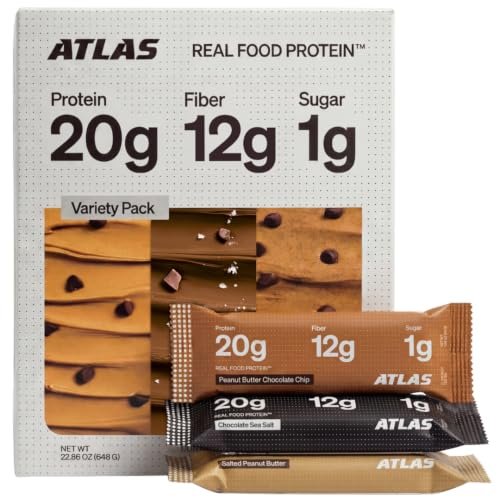
No. Many protein powders contain no added sugar. Unflavored whey isolate, plain pea protein, and some unsweetened plant protein blends are examples of products that may have little or no added sugar.
Still, no added sugar does not always mean zero total sugar. A dairy-based powder may contain natural lactose. A plant-based powder may also contain small amounts of naturally occurring carbohydrates and sugars.
Always check the label rather than assuming that all protein powders have the same formula.
How Much Sugar Is in Protein Powder?
The amount of sugar varies by brand, flavor, protein source, and serving size. There is no single sugar amount that applies to every protein powder.
A plain protein isolate may contain very little sugar. A flavored whey concentrate may have a small amount of natural lactose or added sweetener. A mass gainer can contain much more sugar because it is designed to provide extra calories and carbohydrates.
The figures below are illustrative examples, not tested averages or guaranteed product specifications. Actual values can differ between brands and flavors.
Source: foodfornet.com
Unflavored whey isolate
May contain very little sugar because additional processing removes much of the lactose.
Whey concentrate
May contain some natural lactose, with the amount depending on the product and processing.
Flavored protein powder
May contain added sugar or non-sugar sweeteners. The flavor alone does not reveal which one.
Mass gainer
May contain considerably more sugar and total carbohydrates than a standard protein supplement.
Unsweetened plant protein
Often has little or no added sugar, although natural carbohydrate and sugar content can vary.
Does One Scoop Have More Sugar Than Another?
Yes. A scoop is not a standard measurement across all protein brands. One manufacturer may define a serving as 25 grams of powder, while another may use 40 grams or more.
A larger serving can contain more sugar even when the formula has a similar sugar concentration. For a fair comparison, check both the serving weight and the grams of sugar per serving.
For example, imagine Powder A contains 1 gram of sugar in a 30-gram serving. Powder B contains 2 grams in a 40-gram serving. Powder A has less sugar per serving, but the serving sizes are different. You should compare the amount you actually plan to use.
How Many Calories Come From Sugar?
Traditional sugar provides about 4 calories per gram. If one serving contains 5 grams of sugar, that sugar contributes about 20 calories.
This calculation only measures calories from sugar. It does not include calories from protein, fat, starch, or other ingredients. A powder with zero sugar can still have calories because protein itself provides energy.
Natural Sugar vs. Added Sugar in Protein Powder
Natural sugar and added sugar are not the same thing. This difference matters because a protein powder can contain total sugar without having any added sugar.
The US Food and Drug Administration (FDA) explains that total sugars include naturally occurring sugars and added sugars. Added sugars are sugars introduced during food processing or packaged as sweeteners.
For example, lactose is a natural sugar found in milk. If a whey protein powder retains some lactose, it contributes to total sugars. If the manufacturer also adds table sugar, the product may contain both natural and added sugar.
Source: feastgood.com
Natural lactose
A sugar naturally found in milk. It may remain in whey concentrate and other dairy-based protein products.
Sucrose
Regular table sugar. It may be added to flavored protein powders to increase sweetness.
Dextrose
A form of glucose that manufacturers may use to add sweetness and carbohydrates.
Honey and syrups
These ingredients provide sugars and can increase the added sugar content of a protein blend.
Fruit juice concentrate
May contribute added sugars when used as a sweetening ingredient in a processed product.
What Does Total Sugar Mean?
Total sugar is the combined amount of sugars in one serving. It includes both naturally occurring sugars and added sugars.
Suppose a protein drink contains 5 grams of total sugar and 3 grams of added sugar. The remaining 2 grams come from other sugar sources that are not classified as added sugar.
The total sugar figure is useful when you want to know how much sugar is present in the product. It is especially useful when comparing products with different protein sources.
What Does Added Sugar Mean?
Added sugar is sugar introduced during processing. It does not include the natural lactose found in milk or the natural sugar in whole fruit.
The FDA uses 50 grams per day as the Daily Value for added sugars, based on a 2,000-calorie diet. This is a reference value for food labels, not a personal target that everyone must consume.
The FDA also explains that 5% Daily Value or less is considered low, while 20% or more is considered high. These figures can help you compare protein products and other packaged foods.
Which Ingredients Add Sugar to Protein Powder?
The ingredient list can reveal whether a protein powder contains added sugar. Manufacturers may use several names for sugar, so looking only for the word sugar is not enough.
Some ingredients are direct sources of sugar. Others are sweeteners that provide a sweet taste without being traditional sugar. Knowing the difference can prevent confusion when shopping.
Ingredient lists generally present ingredients in descending order by weight. An ingredient near the beginning is present in a greater amount than ingredients listed near the end.
Source: proteinplease.org
Sugar
A direct sweetener that contributes to total sugars and added sugars.
Dextrose
A form of glucose that contributes to the sugar and carbohydrate content.
Fructose
A simple sugar that may be used to sweeten a protein blend.
Maltose
A sugar made from two glucose units that can appear in some processed food ingredients.
Honey
A natural sweetener that still contributes sugar when added to a product.
Corn syrup
A sweetening ingredient that can increase the added sugar content.
Maltodextrin
A processed carbohydrate often used in sports and nutrition products. It is not counted as a traditional sugar on the total sugars line, but it can affect total carbohydrates and blood glucose.
Does Sucralose Mean a Protein Powder Has Sugar?
No. Sucralose is a high-intensity sweetener, not regular table sugar. Manufacturers use small amounts to create a sweet taste without adding the same amount of sugar.
Sucralose generally does not contribute meaningful calories at the amounts used in food products. It is also different from sugar alcohols such as erythritol and maltitol.
A powder containing sucralose may taste very sweet while showing zero grams of sugar on its label. If you prefer to avoid artificial sweeteners, check the ingredient list rather than relying only on the sugar number.
Do Stevia and Monk Fruit Contain Sugar?
Stevia and monk fruit extracts are used as sweeteners in many low-sugar protein products. They can provide a sweet taste without adding significant amounts of sugar.
However, the complete formula matters. Some products combine stevia or monk fruit with other ingredients, such as sugar, flavor carriers, or bulking agents.
Read the full ingredient list to understand what is actually in the product. A sweetener name on the front of a package does not describe every ingredient in the formula.
Are Sugar Alcohols the Same as Sugar?
No. Sugar alcohols are a separate group of sweeteners. Examples include erythritol, xylitol, sorbitol, and maltitol.
They can provide sweetness with fewer calories than regular sugar, although the amount varies by type. Some people experience gas, bloating, or diarrhea after consuming certain sugar alcohols.
If your stomach is sensitive, a product with no sugar may still cause digestive discomfort because of its sugar alcohol content. Check the ingredient list and consider your personal tolerance.
Does Whey Protein Have Sugar?
Yes, whey protein can contain sugar, but the amount depends on whether the powder is concentrate, isolate, or hydrolyzed whey. Whey comes from milk, so its natural sugar is lactose.
During production, manufacturers separate whey protein from other milk components. Some lactose may remain in the finished powder. Additional processing can remove more lactose, but the exact amount depends on the product.
Flavored whey products may also contain added sugar or non-sugar sweeteners. Therefore, the type of whey alone cannot tell you how much sugar is in a finished product.
Source: typemediabetes.org
Whey concentrate
Usually retains more lactose than whey isolate. It may also contain more fat and other milk components.
Whey isolate
Undergoes additional processing to increase protein concentration and remove more lactose and fat. It is not automatically lactose-free.
Hydrolyzed whey
Uses enzymes to break some protein into smaller peptides. Hydrolysis does not automatically mean that the product contains no sugar.
Does Whey Protein Isolate Have Sugar?
Whey protein isolate generally contains less lactose than whey concentrate. This makes it a useful option for people who want a dairy-based protein with less natural milk sugar.
However, isolate can still contain some lactose. Flavored versions may also have added sugar, depending on the formula.
If you want to compare two whey isolate products, check the total sugars, added sugars, and serving size. Do not assume that every isolate has the same nutritional profile.
Does Whey Protein Concentrate Have More Sugar?
Whey concentrate often has more lactose than whey isolate because it receives less processing to remove non-protein milk components.
That does not mean every concentrate contains a large amount of sugar. The actual amount depends on the concentration, ingredients, flavor, and serving size.
A plain whey concentrate may still be low in total sugar. The nutrition panel is the best way to compare it with an isolate.
Can People With Lactose Intolerance Use Whey Protein?
Some people with lactose intolerance can tolerate certain whey isolate products better than whey concentrate because isolate generally contains less lactose. However, individual tolerance varies.
Whey isolate is still a milk-derived product. It is not suitable for someone with a milk allergy, which is different from lactose intolerance.
If you have a milk allergy, avoid whey protein unless a qualified healthcare professional has specifically advised otherwise. A suitable non-dairy protein may be a better option.
Does Plant-Based Protein Powder Have Sugar?
Plant-based protein powders can contain sugar, but many unsweetened versions have little or no added sugar. Their nutritional content depends on the plant source and the ingredients used in the finished product.
Common plant protein sources include peas, soybeans, brown rice, hemp, and pumpkin seeds. Manufacturers may use one source or combine several to create a protein blend.
Some plant powders contain natural carbohydrates from their original ingredients. Others have added sugar, fruit powders, or sweeteners to improve their taste. The word plant-based does not automatically mean sugar-free.
Source: diabetesmealplans.com
Pea protein
Often available in plain, unsweetened forms. Flavored versions may contain added sugar or alternative sweeteners.
Soy protein
Can provide a concentrated source of plant protein. Check the flavoring and sweetener ingredients.
Brown rice protein
May contain some natural carbohydrates. Its sugar content depends on processing and the finished formula.
Hemp protein
Can contain more natural fiber and other plant components than highly refined protein isolates.
Plant protein blends
May combine pea, rice, hemp, or other proteins. Their sugar content varies with the complete ingredient list.
Is Organic Protein Powder Always Sugar-Free?
No. Organic describes how certain ingredients are produced under applicable organic standards. It does not mean that a product contains no sugar.
An organic protein powder may contain organic cane sugar, coconut sugar, honey, or other sweetening ingredients. These still contribute sugar to the diet.
If you want less sugar, focus on the nutrition panel rather than the organic claim. Organic and low-sugar are two different product characteristics.
Is Unflavored Protein Powder Better for Reducing Sugar?
Unflavored protein powder can be a practical option if you want more control over sweetness. Many plain versions do not contain added sugar or high-intensity sweeteners.
You can mix an unflavored powder with water or add it to oatmeal, plain yogurt, or a homemade smoothie. This lets you control how much fruit, milk, honey, or other sweet ingredients go into your meal.
Still, unflavored does not always mean zero sugar. Check the label for natural sugars and total carbohydrates.
How to Read a Protein Powder Label for Sugar
The best way to find out whether a protein powder contains sugar is to read the nutrition panel and ingredient list together. The front label may highlight protein content or a sugar-free claim, but the detailed panel gives you more useful information.
In the United States, packaged products use Nutrition Facts or Supplement Facts labeling, depending on their classification. Protein powders sold as dietary supplements commonly use a Supplement Facts panel.
Take a moment to check the serving size first. Every number on the panel is based on the stated serving, not necessarily the amount you scoop into your shaker.
Source: feastgood.com
Step 1: Check serving size
Find the serving weight in grams. Compare products using similar serving sizes or calculate the values for the amount you actually use.
Step 2: Find total sugars
Check how many grams of total sugar are present in one serving. This includes natural and added sugars.
Step 3: Check added sugars
Look for the amount of added sugar and its Daily Value when declared. This helps distinguish added sweeteners from natural sugars.
Step 4: Review total carbohydrates
Check the total carbohydrate amount if you count carbs or manage your blood glucose.
Step 5: Read the ingredients
Look for sugar, dextrose, fructose, honey, syrups, and other sweetening ingredients.
Step 6: Check alternative sweeteners
Look for stevia, sucralose, monk fruit, erythritol, or other sweeteners if you want to avoid particular ingredients.
Step 7: Compare protein content
Check the grams of protein per serving so that a low-sugar product also meets your protein needs.
What Does 0 Grams of Sugar Mean?
A label showing 0 grams of sugar does not always prove that the product contains absolutely no sugar. Under US labeling rules, a food with less than 0.5 gram of sugar per serving may generally declare zero grams, subject to applicable labeling requirements.
For example, a powder with 0.3 gram of sugar per serving may display 0 grams on its label. If you consume several servings, the small amounts can add up.
This does not make the label misleading by itself. It reflects the rounding rules used for nutrition labeling. If you need precise carbohydrate information, ask the manufacturer for more detailed product data.
How to Compare Two Protein Powders
Consider two hypothetical products with similar serving sizes. Powder A provides 25 grams of protein, 1 gram of total sugar, and 0 grams of added sugar. Powder B provides 24 grams of protein, 5 grams of total sugar, and 4 grams of added sugar.
Powder A has less sugar in this example. Powder B may still fit someone’s diet, but it contributes more sugar per serving.
If you use protein powder every day, comparing the label before buying can help you avoid adding unnecessary sugar to your normal routine.
Is Protein Powder With Sugar Bad for You?
Not necessarily. A protein powder that contains a small amount of sugar is not automatically unhealthy. What matters is the amount, the rest of your diet, your health needs, and how often you use the product.
Sugar provides energy, and it can be part of a balanced eating pattern. However, consuming too much added sugar can make it harder to meet your nutritional needs without exceeding your calorie needs.
The FDA advises limiting calories from added sugars to less than 10% of total daily calories. On a 2,000-calorie diet, this equals less than 200 calories or 50 grams of added sugar per day. Individual energy needs may differ.
Source: feastgood.com
Consider your daily sugar intake
Look at sugar from drinks, snacks, desserts, sauces, and other foods instead of judging a protein powder by itself.
Consider your calorie needs
A higher-calorie powder may be useful for someone who needs extra energy, while someone reducing calorie intake may prefer a simpler formula.
Consider the whole formula
Protein, carbohydrates, fat, fiber, sodium, and serving size all matter when comparing supplements.
Consider your personal health
People with diabetes, kidney disease, food allergies, or other medical needs may require more careful product selection.
Does Protein Powder With Sugar Cause Weight Gain?
Sugar does not cause weight gain automatically. Weight change depends on overall energy balance, eating habits, physical activity, and other factors.
However, sugar adds calories. If a protein shake regularly increases your daily calorie intake beyond what your body uses, it can contribute to weight gain over time.
For example, adding a sweetened protein shake on top of your normal meals may provide more calories than you planned. If you are trying to manage your weight, check the total calories and serving size as well as sugar.
Can Protein Powder With Sugar Affect Blood Glucose?
Yes. Sugar and other digestible carbohydrates can affect blood glucose. The response depends on the amount consumed, the type of carbohydrate, the other foods in the meal, and individual factors.
Protein powder may also contain starches or other carbohydrates that are not listed as sugar. This is why people managing diabetes should not rely on the total sugar number alone.
The American Diabetes Association advises checking total carbohydrates on food labels. If you use insulin or other glucose-lowering medication, discuss how to count a protein shake with your healthcare team or registered dietitian.
Is Sugar-Free Protein Powder Healthier?
Not always. A sugar-free protein powder may be useful if you want to reduce added sugar, but the claim does not tell you everything about the product.
One sugar-free powder may contain a suitable protein source and a simple ingredient list. Another may contain several sweeteners, sugar alcohols, or ingredients that do not agree with your digestive system.
Compare the full nutrition panel, ingredients, protein amount, and your personal preferences. Less sugar can be useful, but it is not the only measure of nutritional quality.
How to Choose a Low-Sugar Protein Powder
Choose a low-sugar protein powder by comparing the sugar content, protein amount, ingredients, and serving size. You do not need to buy the most expensive product or choose a powder with the most claims on its package.
Start by deciding how much protein you want from each serving. Then compare products with similar protein amounts. This prevents a powder with less sugar but much less protein from appearing better than it really is.
Next, decide whether you prefer dairy-based or plant-based protein. If you want to avoid added sugar, an unflavored powder may give you more control over sweetness.
Source: diabetesmealplans.com
Look for low added sugar
Compare the added sugar amount and Daily Value. A product with 0 grams of added sugar may suit someone who wants to avoid added sweeteners.
Check total carbohydrates
This is especially useful for people who track carbohydrates or want to understand the full nutritional profile.
Choose an appropriate protein source
Consider whey, casein, soy, pea, or another source based on your dietary preferences and allergies.
Review the sweeteners
Choose a product that uses sweeteners you tolerate and prefer.
Check allergen information
Look for milk, soy, and other allergens that may be relevant to your diet.
Check independent quality testing
Where appropriate, look for credible third-party testing or certification, such as NSF Certified for Sport or Informed Choice. Certification does not guarantee that a powder is sugar-free.
What Should You Avoid When Buying Protein Powder?
Avoid choosing a protein powder based only on front-label claims. Words such as natural, clean, organic, premium, and fitness formula do not tell you how much sugar is in a serving.
Also be careful with products that make broad health promises. A protein powder is a supplement, not a replacement for a balanced diet or medical treatment.
Check the ingredient list, serving size, and nutrition panel before making a decision.
Hidden sweetening ingredients
Check for sugar, dextrose, syrups, honey, and other sweetening ingredients.
Unclear serving sizes
Do not compare sugar amounts without checking how many grams of powder each serving contains.
Unnecessary claims
Do not assume a product is healthier because its packaging uses terms such as natural or clean.
Unverified health promises
Be cautious of products claiming to cure diabetes, burn fat, or guarantee muscle growth.
How to Make Protein Powder Less Sweet
If your current protein powder tastes too sweet, you can change how you prepare it. The simplest method is to mix it with more water or an unsweetened liquid.
You can also combine it with plain yogurt, oats, or other unsweetened ingredients. These options can change the flavor without adding another sweetener.
If the powder contains added sugar, changing the recipe does not remove that sugar. It only changes the amount of the finished shake or meal you consume if you use less powder.
Use more water
Adding water reduces the sweetness per sip without changing the sugar in the original serving.
Add plain Greek yogurt
This can make the shake thicker and add protein. Check the yogurt label for its own sugar content.
Blend with oats
Oats can add fiber and make a shake more filling. They also add carbohydrates.
Use unsweetened milk alternatives
Unsweetened almond or soy milk can change the taste. Check the label because some versions contain added sugar.
Does Protein Powder Without Sugar Still Have Carbohydrates?
Yes. A protein powder can contain zero grams of sugar and still contain carbohydrates. Sugar is only one part of the total carbohydrate amount.
Total carbohydrates include sugars, starches, and dietary fiber. Some products also contain sugar alcohols or other carbohydrate ingredients that affect the overall nutrition profile.
For example, a powder may show 0 grams of sugar and 3 grams of total carbohydrates. The remaining carbohydrates may come from starch, fiber, or other ingredients.
Source: amazon.com
Sugar
Includes the sugars counted on the nutrition panel.
Starch
A carbohydrate that can be digested into glucose. It is not listed as total sugar.
Dietary fiber
A type of carbohydrate that the body does not digest in the same way as ordinary sugars and starches.
Sugar alcohols
A group of sweeteners with different calorie and digestive effects. Their presence does not mean the product contains regular sugar.
Can You Drink Zero-Sugar Protein Powder on a Low-Carb Diet?
Possibly. A zero-sugar product may fit a low-carbohydrate eating plan, but you should check the total carbohydrate amount rather than looking only at sugar.
Some products contain starch, maltodextrin, or other carbohydrates despite having little or no sugar. These ingredients can affect the carbohydrate total.
Compare the total carbohydrates per serving with your personal daily limit. If you follow a medically prescribed diet, use the guidance provided by your healthcare professional.
Does Zero Sugar Mean Zero Calories?
No. Protein itself provides about 4 calories per gram. A powder containing 25 grams of protein can provide energy even if it has zero grams of sugar.
Fat and other carbohydrates can add more calories. Therefore, always check the calorie amount instead of assuming that sugar-free products have no energy.
Frequently Asked Questions
Q
Does all protein powder have sugar?
No. Some protein powders contain natural sugar, added sugar, or both, while others contain very little or no sugar. Unflavored whey isolate and some unsweetened plant protein powders may have no added sugar. Always check the nutrition panel because formulas vary by brand and flavor.
Q
Does protein powder contain natural sugar?
Some protein powders do. Whey and casein come from milk, which naturally contains lactose. Small amounts of lactose may remain in the finished powder. Other protein sources can also contain natural carbohydrates, depending on their processing.
Q
Is protein powder with 1 gram of sugar healthy?
One gram of sugar per serving is a small amount for most general dietary comparisons. However, the overall nutritional value depends on the protein source, added ingredients, calories, and your personal health needs. One gram of sugar does not automatically make a protein powder unhealthy.
Q
Can I drink protein powder every day if it contains sugar?
Many people can include a protein powder containing some sugar in their daily diet. The key is to consider the amount of added sugar from all foods and drinks throughout the day. Also check whether the supplement provides protein you actually need and whether its other ingredients suit your diet.
Q
Which protein powder has the least sugar?
Unflavored whey isolate, plain soy protein isolate, and some unsweetened pea protein powders may contain very little sugar. However, there is no single brand or type that always has the lowest amount. Compare the exact flavor, serving size, and nutrition label before choosing.
Q
Does chocolate protein powder have more sugar than vanilla?
Not always. Some chocolate formulas contain added sugar, while others use sucralose, stevia, or another sweetener. The same is true for vanilla protein powder. Compare the total sugars and added sugars on both labels instead of assuming that one flavor has more.
Q
Can diabetics drink protein powder?
Many people with diabetes can use protein powder, but the right product depends on their individual nutrition plan. Check total carbohydrates, total sugars, added sugars, serving size, and other ingredients. A zero-sugar claim alone is not enough because starch and other carbohydrates can also affect blood glucose. Ask a registered dietitian or healthcare professional for advice if you use glucose-lowering medication or have other medical needs.
Q
Does sugar-free protein powder taste sweet?
Yes. A sugar-free protein powder can taste sweet because manufacturers may use stevia, monk fruit, sucralose, or other sweeteners. These ingredients can create a sweet flavor without adding the same amount of sugar found in regular sweetened products.
Q
Does whey isolate have less sugar than whey concentrate?
Generally, yes. Whey isolate receives additional processing that removes more lactose and other milk components. However, some isolate products still contain small amounts of natural sugar, and flavored versions may contain added sweeteners.
Q
Can I add honey to protein powder?
Yes, you can add honey if it fits your dietary needs and preferences. However, honey contributes sugar and calories. If you are tracking added sugar, count the honey along with any sugar already present in the protein powder.
✦ Wrapping Up
Conclusion
So, does protein powder have sugar? Yes, some products do, but not all of them. The amount depends on the protein source, processing method, flavor, and ingredients used by the manufacturer.
Whey concentrate may contain natural lactose, while whey isolate generally contains less. Flavored powders can include added sugar or alternative sweeteners. Plant-based products also vary, so their labels deserve the same attention.
The best way to make a good choice is to check the serving size, total sugars, added sugars, total carbohydrates, and ingredient list. Do not rely on claims such as natural, organic, low carb, or sugar-free without checking the full nutritional information.
A protein powder does not need to contain zero sugar to fit a balanced diet. Focus on the amount you consume, the protein it provides, and whether the ingredients match your health needs and daily eating habits.
💡 Key Takeaway
Before buying your next protein powder, compare at least two products with similar serving sizes. Choose the one that provides enough protein, has an appropriate amount of total and added sugar, and contains ingredients that suit your dietary needs.