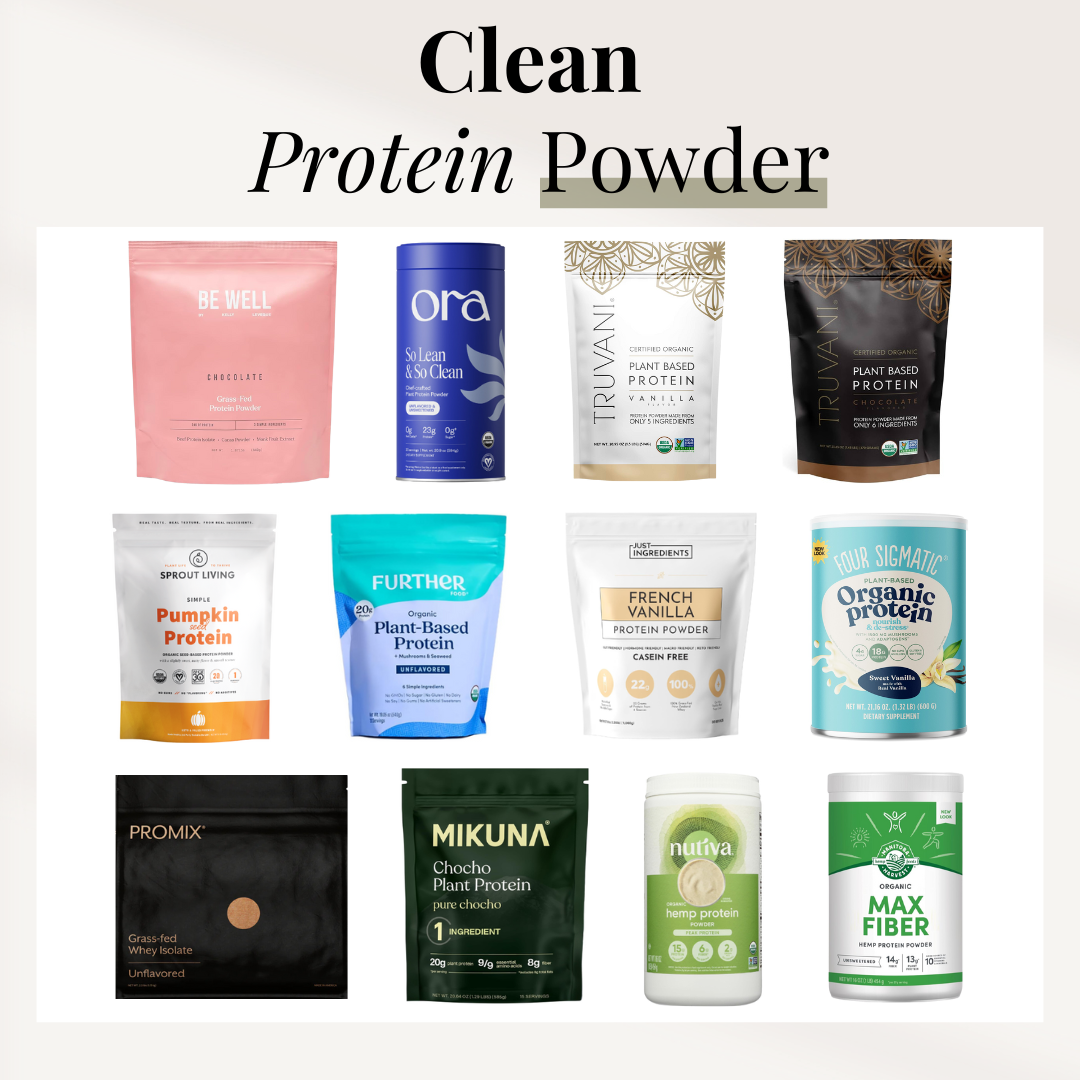
Clean protein powder is a protein supplement made with straightforward ingredients, limited unnecessary additives, and clear quality testing. However, clean is not an official safety or nutrition standard.
Across the United States, protein powder is a common part of daily routines. People add it to breakfast smoothies, drink it after gym sessions, or use it to fill gaps in their daily meals. But a long ingredient list and unfamiliar additives can make choosing a product confusing.
That is where the term clean protein powder comes in. It usually describes a protein supplement with simple ingredients, little added sugar, and fewer artificial colors, flavors, or other unnecessary ingredients. Some shoppers also use the term to describe products made with recognizable protein sources and tested for unwanted contaminants.
There is one important detail to understand: clean protein powder has no single legal definition in the United States. A company can use the word clean in its marketing without meeting one universal standard. Therefore, I would look beyond the front of the container and check the ingredient list, nutrition facts, protein source, and available testing information.
A short ingredient list can be a useful starting point, but it does not prove that a powder is free from heavy metals, microbes, or other unwanted substances. Good choices depend on both what a product contains and how the manufacturer checks its quality.
Source: gurlgonegreen.com
What Does Clean Protein Powder Mean?
Clean protein powder is a general term for a protein supplement made with relatively simple ingredients and a focus on ingredient quality. It often contains a recognizable protein source, such as whey or pea protein, along with a small number of other ingredients.
Depending on the brand, a clean formula may avoid artificial colors, certain artificial sweeteners, excess added sugar, and unnecessary fillers. Some products also use organic ingredients or provide independent testing information.
However, clean does not mean the same thing on every package. One company may use the word to describe a product with no artificial sweeteners. Another may focus on organic farming, while a third may highlight heavy metal testing.
Think of clean as a shopping description rather than a scientific category. It can help narrow your choices, but you still need to check the facts behind the claim.
Source: www.pinterest.com
Simple ingredients
The product uses a recognizable protein source and a limited number of additional ingredients.
Limited added sugar
Many clean formulas contain little or no added sugar, although this depends on the product.
Clear ingredient information
The manufacturer identifies the protein source, sweeteners, flavors, and other ingredients.
Quality testing
Some brands provide independent testing or batch reports to support their quality claims.
Dietary suitability
The formula may be designed for people avoiding dairy, soy, gluten, or other specific ingredients.
Is Clean Protein Powder an Official FDA Category?
No. The FDA does not provide one official definition of clean protein powder. The term is mainly used in marketing and consumer discussions.
Protein powders sold as dietary supplements are subject to U.S. dietary supplement laws. Manufacturers and distributors are responsible for ensuring that their products meet applicable safety and labeling requirements.
The FDA does not approve dietary supplements for safety and effectiveness before they reach the market. It can inspect facilities, investigate problems, monitor products, and take enforcement action when a product violates the law.
This means a clean label claim should never replace a careful review of the product itself.
No universal clean standard
There is no single required ingredient list or certification that makes every protein powder clean.
Manufacturer responsibility
The company is responsible for product quality, accurate labeling, and compliance with applicable supplement regulations.
Does Clean Mean Chemical-Free?
No. Every food is made of chemicals, including natural foods such as milk, eggs, beans, and fruit. Protein powder also contains naturally occurring chemical compounds.
The phrase chemical-free is therefore misleading. A more useful question is whether the ingredients are appropriate, whether the product contains unwanted contaminants, and whether the amounts are clearly stated.
A product made with natural ingredients can still contain substances that some consumers want to limit. Likewise, a product with a synthetic ingredient is not automatically harmful.
Focus on actual ingredients
Check what an ingredient does and whether it suits your needs instead of judging it only by its name.
Consider the amount
The amount of an ingredient and your overall exposure can matter more than whether its source is natural or synthetic.
What Ingredients Are Found in Clean Protein Powder?
Most clean protein powders start with a concentrated protein ingredient. The remaining ingredients depend on the flavor, texture, protein source, and purpose of the formula.
An unflavored powder may contain just one ingredient. A flavored powder may include natural flavors, cocoa, stevia, monk fruit, lecithin, or a thickening agent.
There is no rule that says every extra ingredient is bad. For example, lecithin can help a powder mix with water, while a small amount of a natural flavor can improve taste. The important point is to understand why an ingredient is present.
Source: cleanlabelproject.org
Protein concentrate or isolate
These ingredients provide the main protein content. Common examples include whey concentrate, whey isolate, pea protein, and soy protein.
Natural flavors
These ingredients help create flavors such as vanilla, chocolate, and strawberry.
Stevia or monk fruit
These are common sweetening options in products that contain little or no added sugar.
Cocoa powder
Cocoa adds chocolate flavor and naturally occurring plant compounds, but its mineral content and quality can vary.
Lecithin
This ingredient helps powder blend more easily into liquids.
Gums and thickeners
Ingredients such as xanthan gum and guar gum help create a thicker texture. Their presence does not automatically make a product unhealthy.
Which Ingredients Do Some Consumers Prefer to Avoid?
Some shoppers prefer protein powders without certain sweeteners, colors, or flavor additives. These preferences can be reasonable, especially when an ingredient causes digestive discomfort or does not fit a person’s diet.
Still, an ingredient should not be labeled harmful simply because it is unfamiliar. Food additives have different functions, and their safety depends on the substance, amount, and conditions of use.
Added sugar
Large amounts can add calories without providing much protein. Check total sugar and added sugar separately.
Artificial sweeteners
Some shoppers prefer to avoid sucralose or acesulfame potassium because of taste or personal preference. Their presence alone does not prove that a product is unsafe.
Artificial colors
These may be unnecessary for people who prefer a simpler formula. Check the full ingredient list rather than relying on front-label claims.
Long additive lists
A long list may make a product less appealing to someone seeking a simple formula, but ingredient count alone is not a reliable safety measure.
Are Natural Flavors and Sweeteners Clean?
Natural flavors can be used in clean protein powders, but the term does not mean that the flavor comes directly from the fruit or food pictured on the package. It refers to flavoring substances that meet the applicable regulatory definition.
Stevia and monk fruit are also common choices. They can add sweetness without the same amount of sugar found in traditional sweetened products.
If you want a very simple formula, an unflavored powder may be easier to evaluate. If taste matters more, a flavored product with a clear ingredient list may be a more practical choice.
Natural flavors
Useful for taste, but they do not automatically prove that a product is organic or free from unwanted substances.
Stevia
A plant-derived sweetener that is used in many low-sugar products.
Monk fruit
A fruit-derived sweetener often combined with other ingredients to improve taste.
Types of Clean Protein Powder
Clean protein powder can come from both animal and plant sources. The word clean does not describe one specific type of protein.
Your choice should depend on dietary restrictions, protein needs, taste, digestion, and the amino acid profile. A product made from milk can have a simple ingredient list, just as a plant-based powder can.
The following options are common in the U.S. supplement market. Each has useful features and some limitations.
Source: orlandomagazine.com
Whey protein
A milk-derived protein that contains all nine essential amino acids. It is commonly used to support daily protein intake and muscle recovery.
Whey protein isolate
A more highly filtered whey ingredient that generally contains more protein and less lactose than whey concentrate.
Casein protein
A milk protein that digests more slowly than whey. It can be used when someone wants another convenient source of complete protein.
Pea protein
A plant-based option made from yellow peas. It is useful for people avoiding dairy and is often combined with other plant proteins.
Soy protein
A plant protein that provides all nine essential amino acids and can be used in vegetarian and vegan diets.
Brown rice protein
A dairy-free option made from rice. It is often combined with pea protein to improve the overall amino acid profile.
Hemp protein
A plant-based protein that may provide fiber and some minerals, although its protein concentration can be lower than that of many isolates.
Egg white protein
An animal-based protein that provides essential amino acids without dairy. It is not suitable for people with egg allergies.
Is Whey Protein Considered Clean?
Yes. Whey protein can be considered clean when it has a suitable ingredient list, clear labeling, and credible quality controls.
Whey comes from milk during cheese production. Whey concentrate contains varying amounts of protein, lactose, and milk fat. Whey isolate undergoes additional processing to remove much of the lactose and fat.
Whey isolate may suit some people who are sensitive to lactose, but it is still a milk-derived product and is not suitable for someone with a milk protein allergy.
Whey concentrate
Often less processed than isolate and may contain more lactose and milk fat.
Whey isolate
Usually has a higher protein percentage and less lactose.
Grass-fed whey
Describes the source of the milk. It does not automatically establish better safety, higher protein quality, or lower contamination.
Is Plant-Based Protein Powder Clean?
Plant-based protein powder can also be clean. Pea, soy, rice, and hemp are common sources, and many formulas combine more than one plant protein.
Plant-based does not automatically mean safer or more nutritious. Crops can absorb minerals from soil, including naturally occurring heavy metals. The final concentration depends on growing conditions, ingredient sourcing, processing, and quality controls.
For this reason, people who prefer vegan protein should check independent testing information just as carefully as shoppers choosing whey.
Vegan suitability
Check that the product contains no milk, egg, or other animal-derived ingredients.
Protein combination
Some products combine pea and rice protein to provide a broader range of essential amino acids.
Contaminant checks
Look for testing that covers relevant heavy metals and other contaminants.
How to Choose a Clean Protein Powder
The best way to choose clean protein powder is to examine the full product label and look for credible evidence of quality. Do not make the decision based only on words such as natural, organic, pure, or clean.
Start with the protein source and the amount per serving. Then review added sugar, sweeteners, allergens, serving size, and independent testing information.
You do not need a product with the shortest possible ingredient list. You need a formula that provides useful nutrition and has quality information you can verify.
Source: girlswhoeat.com
Read the complete ingredient list
Identify the main protein source and check every additional ingredient. Look for ingredients that conflict with your dietary needs.
Check protein per serving
Compare the protein amount with the serving size. A larger scoop does not always mean a more concentrated protein powder.
Review added sugar
Check the Nutrition Facts panel for total sugar and added sugar. This is especially useful if you are monitoring carbohydrate intake.
Check allergen information
Look for milk, soy, egg, wheat, peanuts, tree nuts, and other allergens that matter to you.
Investigate testing claims
Look for the name of the independent testing organization, the specific certification, and the contaminants or ingredients assessed.
Check the manufacturer
Look for clear contact information, a business address, lot numbers, and a way to ask questions about testing.
Why Third-Party Testing Matters
Third-party testing is one of the most useful ways to evaluate a protein supplement because the manufacturer is not the only party checking the product.
Testing programs differ. Some focus on verifying the ingredients and amounts shown on the label. Others also check selected contaminants, manufacturing practices, or substances prohibited in competitive sports.
NSF offers several supplement certification programs. NSF Certified for Sport, for example, includes product testing, label review, facility and supplier inspections, and screening for substances banned by major sporting organizations.
USP Verified is another quality mark. Its program includes manufacturing facility audits, product testing, and checks that the supplement contains the listed ingredients in the stated amounts and meets specified contaminant limits.
These programs are not identical. A sports certification does not mean that every possible chemical has been tested, and a manufacturing certification does not necessarily establish the contaminant level of every finished product.
NSF Contents Certified
A product certification program that evaluates supplement contents and selected quality and contaminant requirements.
NSF Certified for Sport
A program designed for sports supplements that also screens for substances banned by major athletic organizations.
USP Verified
A voluntary program that verifies specified aspects of supplement quality, label accuracy, manufacturing, and contaminants.
Independent laboratory reports
A product-specific or batch-specific report can provide useful details when it identifies the sample, test date, laboratory, methods, and measured results.
How to Read a Certificate of Analysis
A certificate of analysis, often called a COA, is a laboratory document that reports test results for a particular sample or production batch.
A useful COA should identify the product, batch or lot number, testing laboratory, date, methods, and results. It should also show the limits used to evaluate those results.
Look for specific results rather than a vague statement that the product passed testing. If a report checks only protein content, it does not prove that the powder was also tested for lead, cadmium, arsenic, mercury, or microbial contamination.
A report for one flavor or batch may not represent every flavor or batch sold under the same brand. Ask the company whether the document matches the product you plan to buy.
Product identity
Confirm that the report refers to the exact product and flavor.
Batch identification
Match the lot number on the container with the lot number in the report.
Testing scope
Check whether the report covers protein content, heavy metals, microbes, or other substances.
Measured results
Look for actual values, units, detection limits, and comparison standards.
Does Clean Protein Powder Need to Be Free of Heavy Metals?
Heavy metal testing is an important part of evaluating protein powder quality. Lead, cadmium, arsenic, and mercury can enter food ingredients through soil, water, environmental pollution, and parts of the manufacturing process.
These substances are not ingredients that consumers need for muscle growth. Long-term exposure to certain heavy metals can cause health problems, so limiting unnecessary exposure is sensible.
However, no product should be described as completely free of every contaminant without evidence. The practical goal is to identify products that meet appropriate quality standards and have transparent test results.
Source: cleanlabelproject.org
What Have Protein Powder Tests Found?
A 2025 report from the Clean Label Project examined 160 protein powder products from 70 brands. Its testing covered several environmental and industrial contaminants, including arsenic, cadmium, lead, mercury, and bisphenols.
The organization reported that 47% of the tested products exceeded at least one federal or state regulatory benchmark used in its analysis. It also reported differences between protein sources and flavors.
These findings are worth considering, but they need context. The report represents the products and methods included in that particular investigation. It does not establish that 47% of every protein powder currently sold in the United States is unsafe.
A regulatory benchmark also needs to be understood in context. California Proposition 65 exposure levels, for example, are not interchangeable with every federal food standard or a universal threshold for illness. Exceeding a particular benchmark is a reason to examine the result, not automatic proof that a person will become sick.
The main lesson is simple: ingredient simplicity and organic labeling cannot replace contaminant testing. A product needs more than attractive packaging to support a strong quality claim.
Lead
An unwanted metal that can affect the nervous system and other body systems, especially with repeated exposure.
Cadmium
A metal that can accumulate in the body over time and may affect the kidneys and bones.
Arsenic
A naturally occurring element that can enter food through soil and water. Its chemical form matters when evaluating health risks.
Mercury
A metal that can affect the nervous system. The form and amount determine the level of concern.
Are Organic Protein Powders Always Cleaner?
No. Organic certification relates to how agricultural ingredients are produced and handled under applicable organic standards. It does not guarantee that a finished protein powder contains no heavy metals or other environmental contaminants.
Plants naturally take up minerals from soil as they grow. Some of those minerals may include unwanted metals. Therefore, a certified organic plant protein can still require careful testing.
The same principle applies to grass-fed whey and non-GMO claims. These labels describe specific production or ingredient characteristics, not every aspect of finished-product safety.
Organic
Describes compliance with applicable organic production and handling requirements.
Grass-fed
Describes aspects of the animals’ feed and production system.
Non-GMO
Describes the product’s relationship to genetically modified organisms under the relevant labeling criteria.
Third-party contaminant testing
Provides separate evidence about selected unwanted substances in the tested product.
Can Chocolate Protein Powder Contain More Heavy Metals?
It can. Cocoa is a plant ingredient that may contain cadmium and other metals absorbed from soil. As a result, chocolate-flavored products may have a different contaminant profile from otherwise similar vanilla products.
This does not mean every chocolate protein powder is unsafe or that all vanilla products are clean. The actual result depends on cocoa sourcing, ingredient processing, formulation, and testing.
If you drink protein powder regularly, checking product-specific laboratory results is more useful than assuming that one flavor is always safer than another.
Check cocoa sourcing
Ask whether the manufacturer monitors heavy metals in its cocoa ingredients.
Look for finished-product results
Testing the final powder can provide information about the combined ingredients.
Clean Protein Powder vs. Regular Protein Powder
The main difference between clean and regular protein powder is usually the formula and the quality claims, not the basic ability to provide protein.
A regular protein powder may contain additional sweeteners, flavors, colors, or ingredients designed to improve taste and texture. A clean-labeled product may use fewer of these ingredients or emphasize sourcing and testing.
Neither category is automatically better. A regular powder can have a straightforward formula and reliable quality controls. A product marketed as clean can still have a weak ingredient profile or limited testing information.
Source: gurlgonegreen.com
Ingredient list
Clean-labeled products often emphasize simpler formulas, while regular products may contain more flavoring and texture ingredients.
Sweeteners
Clean formulas may use stevia, monk fruit, or no sweetener, while other products may use sugar or artificial sweeteners.
Testing
Both types can be independently tested. The testing scope matters more than the marketing category.
Protein content
The protein amount depends on the specific formulation, not whether the container uses the word clean.
Price
Clean-labeled products may cost more, but a higher price does not guarantee better quality or safety.
Comparison Table: What Should You Look For?
This table shows common differences shoppers may find. These are typical product characteristics, not fixed rules for every brand.
Clean-labeled protein powder
Often has a simpler ingredient list, limited added sugar, recognizable protein sources, and a focus on ingredient transparency.
Regular protein powder
May include more flavoring, sweeteners, colors, or texture ingredients, depending on the product.
Both categories
Can provide complete protein, support daily protein intake, and be suitable for different dietary goals.
Is More Processing Always Bad?
No. Protein powders require processing to separate, concentrate, or isolate protein from their original food sources. Whey isolate, for example, undergoes additional filtration to reduce lactose and other components.
Processing can change a food’s structure without automatically making it unhealthy. What matters is the final ingredient profile, nutritional value, quality controls, and how the product fits into the overall diet.
A simple protein isolate can be a useful choice for someone who needs a concentrated source of protein. The fact that it has been processed does not automatically make it a poor-quality supplement.
Concentration
Removes some non-protein components to increase protein content.
Filtration
Can reduce lactose, fat, or other components depending on the method.
Quality control
Helps manufacturers monitor product consistency and ingredient specifications.
How Much Clean Protein Powder Should You Take?
The amount of protein powder you need depends on your total daily protein requirement, food intake, activity level, age, and health status. There is no special serving amount for clean protein powder.
For healthy adults, the Recommended Dietary Allowance for protein is 0.8 grams per kilogram of body weight per day. This is a baseline intended to meet the needs of most healthy adults, not a personalized target for every athlete or older adult.
People who exercise regularly may need more protein, depending on their training and goals. However, protein powder is only one possible source. Eggs, fish, poultry, dairy, beans, lentils, nuts, and soy foods can all contribute.
Source: www.pinterest.com
A Simple Example of Daily Protein Needs
Consider a hypothetical healthy adult who weighs 150 pounds. First, convert that weight into kilograms by dividing 150 by 2.2. The result is about 68 kilograms.
At the basic RDA of 0.8 grams per kilogram, this person’s baseline protein requirement would be about 54 grams per day. This is a general calculation, not a recommendation for every person weighing 150 pounds.
If the person already gets 45 grams of protein from meals, a serving containing 20 grams of protein would bring the daily total to about 65 grams. The powder fills a gap rather than replacing every protein-rich food.
Body weight
150 pounds, or approximately 68 kilograms.
Basic protein calculation
68 kilograms multiplied by 0.8 grams equals approximately 54 grams per day.
Protein from food
45 grams in this hypothetical example.
Protein from powder
20 grams in one serving.
Estimated daily total
65 grams from food and powder combined.
Do You Need Protein Powder Every Day?
No. You can meet your protein needs through regular meals if your diet provides enough protein. A powder is a convenient option, not a required part of a healthy diet.
It may be useful when you have a busy schedule, struggle to eat enough protein, or need a quick option after exercise. It may be unnecessary if your meals already provide the amount you need.
Try to view protein powder as a supplement to food rather than a replacement for a balanced eating pattern.
Use it when needed
A serving can help fill a protein gap when regular meals do not provide enough.
Keep whole foods in your diet
Foods such as beans, eggs, yogurt, fish, and poultry provide nutrients beyond protein.
Avoid unnecessary extra servings
More protein is not automatically better when your daily needs are already met.
Who May Benefit From Clean Protein Powder?
Clean protein powder may help people who want a convenient protein source with ingredients that match their preferences. It can be useful for different lifestyles, but it is not necessary for everyone.
The most important factor is whether the product solves a real nutritional need. A person who already eats enough protein may gain little from adding another supplement.
A carefully selected product may be helpful in the following situations.
Source: orlandomagazine.com
Active adults
People who exercise may use protein powder to help meet their daily protein needs and support muscle repair.
Busy professionals
A shake can provide a quick protein source when preparing a full meal is difficult.
Vegetarians
Soy, pea, rice, and other plant protein powders can help supplement protein intake.
Vegans
Certified or clearly labeled plant-based formulas can provide a convenient dairy-free option.
People limiting added sugar
An unflavored or low-sugar powder may make it easier to control the sugar in homemade shakes.
Who Should Be Careful With Protein Supplements?
Protein powder is not suitable for every person or every medical situation. People with chronic kidney disease may need an individualized protein intake, depending on their condition and treatment plan.
People with milk, soy, egg, or other food allergies should check both the ingredient list and allergen statements. A product described as natural or clean can still contain a serious allergen.
People who are pregnant, breastfeeding, taking medicines, or managing a chronic health condition should discuss supplement use with a qualified healthcare professional when there is uncertainty about safety or nutritional needs.
Kidney disease
Protein needs may differ based on kidney function and treatment. Ask your healthcare team before increasing protein intake.
Food allergies
Check ingredients and cross-contact warnings. Do not assume that an isolate or natural formula is allergen-free.
Digestive sensitivity
Lactose, sugar alcohols, gums, and some sweeteners may cause discomfort in certain people.
Medication use
Review the full supplement formula with a healthcare professional if you take regular medication or have a medical condition.
Common Mistakes When Buying Clean Protein Powder
Choosing a clean protein powder becomes easier when you avoid a few common marketing traps. A product can look simple and healthy while leaving important quality questions unanswered.
The biggest mistake is treating one label claim as proof of overall quality. Ingredient sourcing, nutrition facts, contaminant testing, and manufacturing controls each tell a different part of the story.
Source: girlswhoeat.com
Believing every natural claim
Natural is not a universal guarantee of safety, nutritional value, or low contamination.
Assuming organic means contaminant-free
Organic certification does not guarantee that a finished powder contains no heavy metals.
Choosing only by ingredient count
A product with two ingredients can still have quality problems, while a longer formula may contain useful ingredients.
Ignoring serving size
Compare protein amounts per serving and per gram of powder instead of comparing scoop sizes alone.
Confusing marketing with certification
A company statement about testing is not the same as a verified third-party certification.
Overlooking allergens
A simple formula can still contain milk, soy, or other ingredients that trigger an allergic reaction.
Assuming expensive means safer
Price does not establish laboratory quality, ingredient accuracy, or contaminant levels.
A Practical Shopping Checklist
Before buying a container, take a few minutes to review the label and the manufacturer’s quality information. This small step can prevent confusion and help you compare products on useful facts.
Protein source
Identify whether the powder comes from whey, casein, soy, pea, rice, egg, or another source.
Protein amount
Check the actual grams of protein per serving.
Sugar content
Review total sugar and added sugar on the Nutrition Facts panel.
Ingredient quality
Check sweeteners, flavors, colors, gums, and any ingredients you prefer to avoid.
Allergen statement
Confirm that the formula fits your dietary restrictions.
Independent testing
Look for a verifiable certification or a relevant laboratory report.
Batch information
Check the lot number, expiration date, and manufacturer contact details.
Frequently Asked Questions
Q
What is the cleanest type of protein powder?
There is no single cleanest protein powder for everyone. Unflavored whey isolate, simple whey concentrate, pea protein, and soy protein can all have straightforward formulas.
The better option depends on your dietary needs, allergies, protein goals, and the manufacturer’s quality testing. A simple ingredient list and credible contaminant testing are useful features to look for.
Q
Is clean protein powder better than regular protein powder?
Not necessarily. Clean protein powder often contains fewer unnecessary additives or uses ingredients that some consumers prefer. However, regular protein powder can also provide high-quality protein and meet strong manufacturing standards.
Compare the actual ingredients, nutrition facts, and testing information instead of assuming that the word clean makes one product superior.
Q
Is organic protein powder the same as clean protein powder?
No. Organic describes compliance with specific agricultural and handling standards. Clean is a broader marketing term that may refer to simple ingredients, limited additives, or product testing.
An organic protein powder is not automatically free from heavy metals or other contaminants. Check the finished product’s testing information separately.
Q
Can clean protein powder help build muscle?
Yes, it can contribute to muscle growth when it helps you meet your daily protein needs. The protein source should provide enough essential amino acids, and your overall diet should support your training.
Resistance exercise, adequate energy intake, recovery, and consistent nutrition also matter. Clean labeling alone does not make a powder more effective for muscle growth.
Q
Is unflavored protein powder cleaner than flavored protein powder?
Unflavored protein powder often has fewer ingredients because it does not need added flavoring or sweeteners. This can make the label easier to understand.
However, unflavored does not mean contaminant-free or automatically safer. A flavored powder can also be a good option when its ingredients and testing information are clear.
Q
Does clean protein powder contain artificial sweeteners?
Some clean-labeled protein powders contain artificial sweeteners, while others use stevia, monk fruit, or no added sweetener.
The term clean does not prohibit any specific sweetener. Read the ingredient list if you want to avoid sucralose, acesulfame potassium, or other sweetening ingredients.
Q
Is clean protein powder safe to take every day?
A suitable protein powder may be used regularly when it fits your daily protein needs and is made with appropriate quality controls. However, daily use is not necessary if you already get enough protein from food.
Pay attention to serving size, total dietary intake, allergies, and product testing. People with kidney disease or other medical concerns should seek individualized advice before using protein supplements regularly.
Q
Does clean protein powder cause digestive problems?
It can cause digestive discomfort in some people. Possible reasons include lactose, certain sweeteners, sugar alcohols, gums, or sensitivity to the protein source itself.
If a powder causes bloating, gas, diarrhea, or other symptoms, stop using it and review the ingredients. A lactose-free whey isolate or a suitable plant protein may work better for some people, but anyone with a suspected allergy should avoid the triggering ingredient and seek medical advice.
Q
Is plant-based clean protein better than whey?
Neither is automatically better. Whey provides all nine essential amino acids and is a complete protein. Soy also provides all nine, while pea and rice proteins can be combined to create a more balanced amino acid profile.
Plant-based protein may be preferable for people avoiding dairy or following a vegan diet. Whey may suit people who tolerate milk proteins and prefer an animal-based source. Quality testing matters for both.
Q
How can I tell whether a protein powder is free from heavy metals?
You cannot confirm this from the ingredient list or front label alone. Look for a recent laboratory report that identifies the exact product or batch and includes results for lead, cadmium, arsenic, and mercury.
Check the testing method, measured values, and applicable limits. A general claim such as laboratory tested is not enough to establish that every possible contaminant was examined.
✦ Wrapping Up
Conclusion
Clean protein powder is generally a protein supplement made with straightforward ingredients, limited unnecessary additives, and an emphasis on product quality. It can come from whey, casein, soy, pea, rice, or other protein sources.
However, the word clean is not an official guarantee. A product with natural ingredients or organic certification may still require careful quality checks. Likewise, a short ingredient list does not prove that a powder is free from heavy metals or other unwanted substances.
The smartest approach is to read the full label, compare protein and sugar amounts, check allergens, and look for credible independent testing. Pay particular attention to what the testing actually covers rather than relying on a broad marketing statement.
Protein powder should support a balanced diet, not replace it. Choose a product that meets your nutritional needs, suits your dietary preferences, and provides enough information for you to make an informed decision.
💡 Key Takeaway
Before purchasing clean protein powder, compare at least three products by protein source, protein per serving, added sugar, full ingredient list, allergen information, and independent testing. Give more weight to verifiable quality results than to words such as natural, pure, organic, or clean.