Some protein bars are gluten free, but many contain wheat, barley, malt, or oats that may have gluten cross-contact.
If you shop for protein bars at Walmart, Target, Costco, Whole Foods, or your local grocery store in the United States, you may notice that some packages say gluten free while others do not. This difference matters if you have celiac disease, gluten sensitivity, or simply want to avoid gluten in your daily snacks. A protein bar can contain plenty of protein and still include ingredients that are unsuitable for a gluten-free diet.
The good news is that you do not have to give up convenient protein snacks. Many protein bars use ingredients such as nuts, seeds, rice protein, pea protein, chocolate, and gluten-free oats. However, the ingredients, manufacturing process, and package label all matter. In the United States, the FDA has a specific standard for foods that carry a gluten-free claim.
In this guide, you will learn how to identify gluten-free protein bars, which ingredients deserve attention, how to understand cross-contact warnings, and what to check before buying a bar. You will also learn why a product labeled wheat-free is not always gluten-free and why reading the package every time is a smart habit.
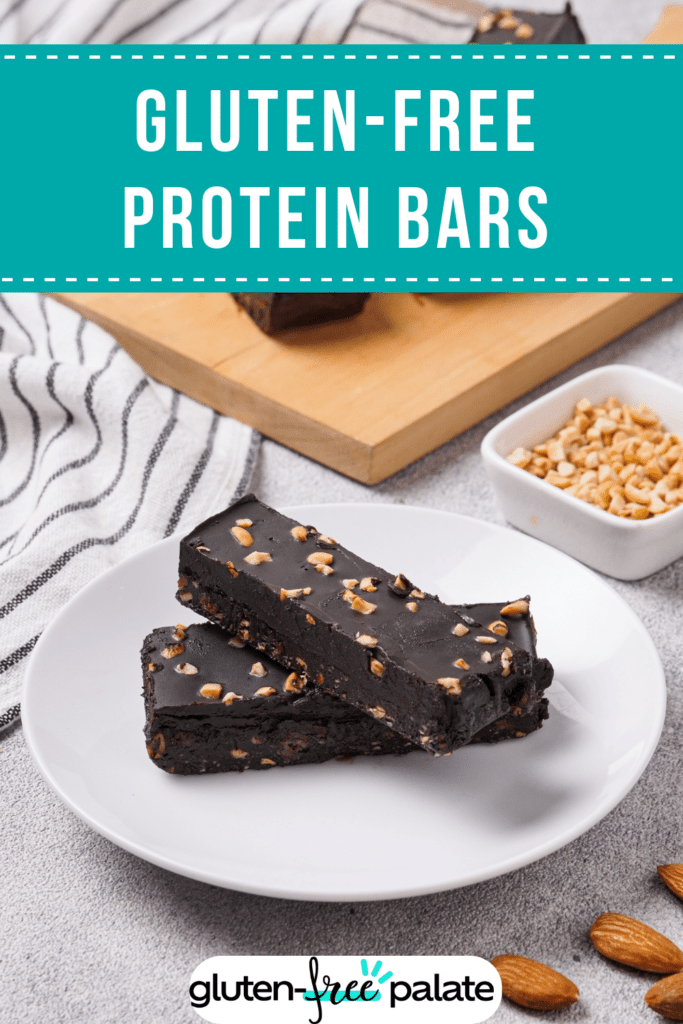
Source: images.squarespace-cdn.com
Are Protein Bars Gluten Free?
Protein bars are not automatically gluten free. Some products are made entirely with gluten-free ingredients, while others contain wheat flour, barley malt, rye, or oats that may have come into contact with gluten-containing grains.
The main reason for this difference is that protein bars are made with many types of ingredients. Manufacturers may use oats, cereal pieces, cookie crumbs, wheat-based crisp ingredients, flavorings, and binding agents. Even two bars from the same brand may have different ingredients and manufacturing conditions.
A protein bar made with nuts, seeds, rice protein, and chocolate may be suitable for a gluten-free diet if the ingredients and finished product meet the necessary requirements. Another bar with a similar appearance may contain wheat or barley malt. You cannot judge gluten content by appearance, protein content, or flavor.
For shoppers in the United States, the simplest starting point is to look for a gluten-free claim on the package. Then check the ingredient list and relevant allergen information. This approach is especially important for people who must avoid gluten for medical reasons.
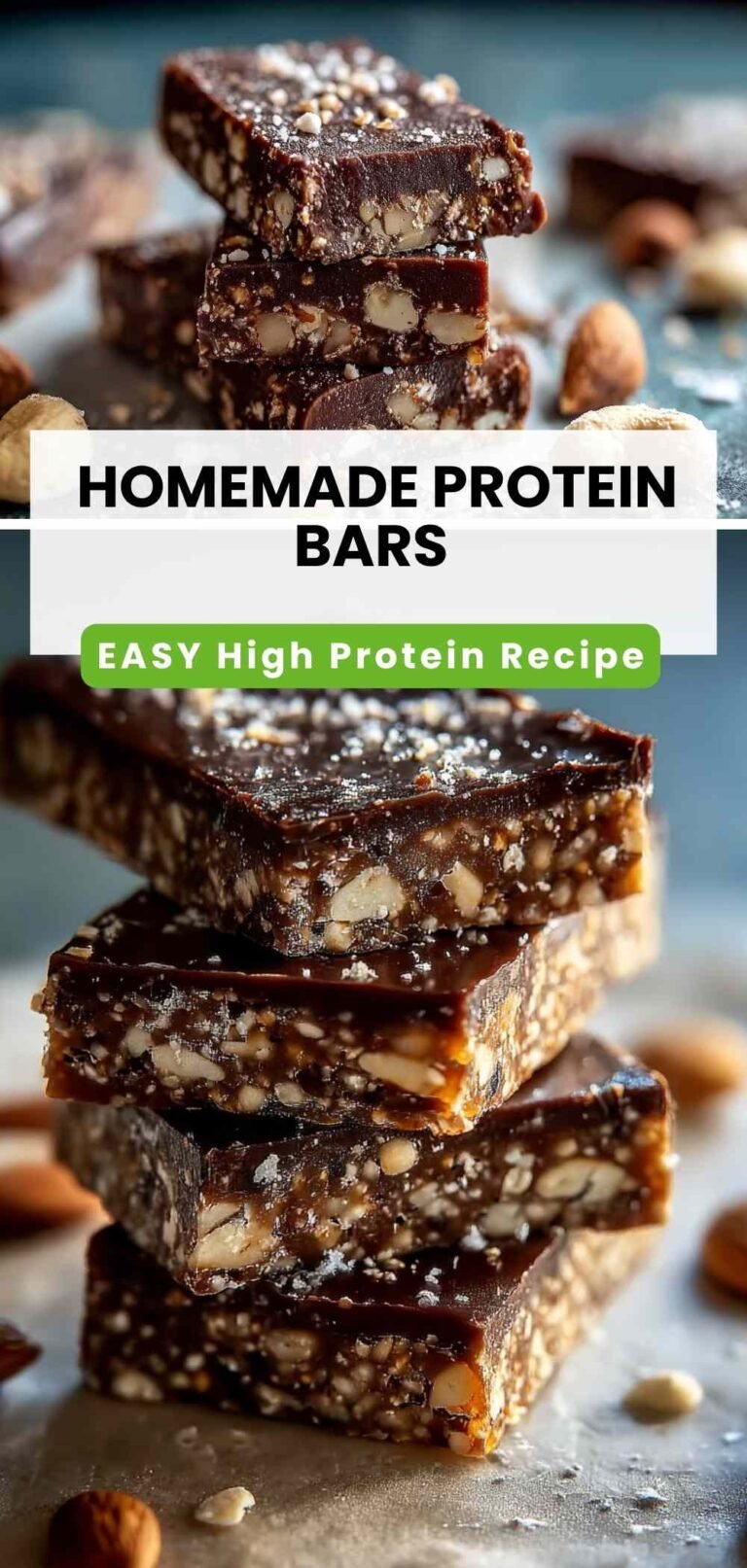
Source: theconsciousplantkitchen.com
Naturally gluten-free ingredients
Almonds, peanuts, pumpkin seeds, sunflower seeds, rice protein, pea protein, and many forms of chocolate can be used in gluten-free protein bars.
Potentially gluten-containing ingredients
Wheat flour, barley malt, rye flour, regular wheat crisps, and certain cereal ingredients can make a protein bar unsuitable for a gluten-free diet.
Manufacturing concerns
A bar made with gluten-free ingredients may still be exposed to gluten during production if equipment or facilities handle wheat, barley, or rye.
Why Protein Bars May Contain Gluten
Protein bars often combine protein sources with grains, sweeteners, fats, flavorings, and ingredients that hold the bar together. Manufacturers may add wheat flour or cereal ingredients to improve texture, while barley malt can provide flavor and sweetness.
Some bars also contain cookie pieces, granola, or crunchy cereal layers. These additions can introduce gluten even when the main protein source is naturally gluten free. That is why the complete ingredient list matters more than the name or front design of the package.
Texture
Wheat-based cereal pieces and cookie crumbs may add crunch or a baked texture.
Flavor
Barley malt, malt extract, and some flavor ingredients can introduce gluten.
Binding
Some recipes use grain-based ingredients to help hold the bar together.
Can High-Protein Bars Contain Gluten?
Yes. The amount of protein in a bar has no direct connection to whether it contains gluten. A bar with 20 or 25 grams of protein can contain wheat or barley just as easily as a bar with less protein.
Protein may come from whey, milk, soy, peas, rice, eggs, or other sources. These protein sources are generally different from gluten-containing grains, but other ingredients in the same product can still introduce gluten. Always assess the whole product rather than focusing only on its protein content.
What Does Gluten Free Mean on a Protein Bar Label?
In the United States, the FDA defines the conditions under which a food can carry a gluten-free claim. Under 21 CFR 101.91, a food labeled gluten free must contain less than 20 parts per million (ppm) of gluten.
The rule also limits the ingredients that manufacturers can intentionally use. A food with a gluten-free claim cannot contain an ingredient that is wheat, rye, barley, or a crossbreed of these grains. It also cannot contain an ingredient derived from these grains that has not been processed to remove gluten.
The FDA permits certain ingredients derived from gluten-containing grains if they have been processed to remove gluten and the finished food contains less than 20 ppm. The complete labeling requirements still apply.
The 20 ppm limit is a concentration, not a statement that a bar contains exactly 20 milligrams of gluten. It means that there must be less than 20 milligrams of gluten per kilogram of finished food. This standard helps consumers compare packaged foods using a consistent federal definition.
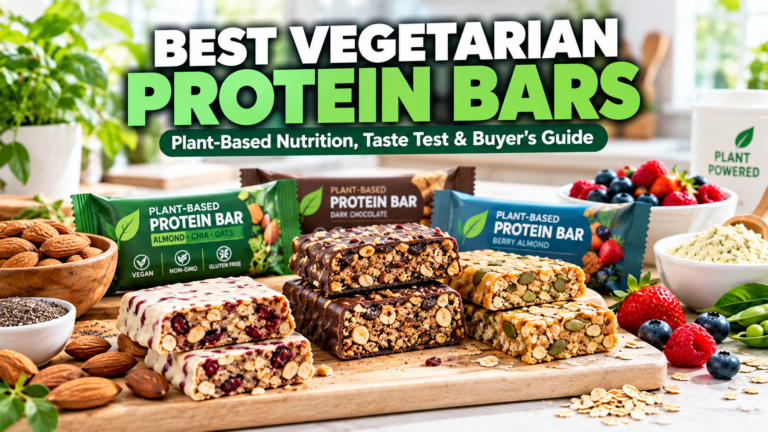
Source: i.pinimg.com
Gluten free
A regulated claim that requires the food to meet the FDA’s ingredient and less-than-20-ppm requirements.
Free of gluten
An alternative claim covered by the same FDA requirements.
Without gluten
Another permitted claim that must meet the federal gluten-free standard.
No gluten
This wording is also covered by the FDA’s gluten-free labeling requirements.
Is the Gluten-Free Label Reliable?
A gluten-free claim on an FDA-regulated protein bar provides an important level of reassurance. Manufacturers are responsible for making sure their products meet the federal requirements when they use this claim.
However, the FDA does not require every manufacturer to test every finished product before placing a gluten-free claim on the package. Manufacturers may use different quality-control methods, including ingredient checks, supplier controls, facility procedures, and testing when appropriate.
For someone with celiac disease, a clear gluten-free claim is generally a better starting point than relying on an ingredient list alone. If a product has an unusual ingredient, a conflicting warning, or unclear manufacturing information, contacting the manufacturer can help resolve the question.
Does Gluten-Free Certification Mean Something Different?
Some protein bars display a third-party gluten-free certification mark. Such programs may have their own testing, inspection, and manufacturing requirements. Their standards can offer additional information about how a product is monitored.
Certification is not the same as the FDA’s basic gluten-free labeling rule. A product can legally carry an FDA-compliant gluten-free claim without displaying a third-party certification logo. Likewise, a certification mark should be genuine and should belong to the specific product or product range shown on the package.
If you want an extra layer of reassurance, check the certification organization’s requirements rather than assuming every certification uses the same standard.
Ingredients to Avoid When Choosing Protein Bars
The most important ingredients to watch for are wheat, barley, rye, and products made from these grains. These are common sources of gluten and may appear in protein bars under several different names.
Start by checking the full ingredient list rather than relying only on the front of the wrapper. Some ingredients are easy to recognize, while others may be less familiar. If you see a clear gluten-containing ingredient, choose another product unless the manufacturer provides a specific explanation that establishes compliance with the FDA’s gluten-free requirements.
The following table shows common ingredients and why they deserve attention when shopping for protein bars in the United States.
Source: thenutritioninsider.com
Common Gluten-Containing Ingredients
Wheat flour is one of the clearest warning signs. It may appear in bars with cookie, brownie, pastry, or cereal-style ingredients. Barley is another major concern because manufacturers use it in malt extracts and malt flavoring.
Rye flour and triticale are also unsuitable for a standard gluten-free diet. Other wheat varieties, such as spelt, durum, semolina, and farro, are still forms of wheat and contain gluten.
Wheat flour
A direct source of gluten that may appear in baked-style protein bars, cookie pieces, and cereal layers.
Barley malt
A barley-derived ingredient commonly used for sweetness or flavor. Barley malt and malt extract are not suitable ingredients in a product carrying a compliant gluten-free claim.
Rye flour
A flour made from rye, a grain that naturally contains gluten.
Spelt
A type of wheat. The word spelt does not indicate a gluten-free ingredient.
Farro
A wheat grain that contains gluten and should not be treated as a gluten-free grain.
Triticale
A hybrid grain made from wheat and rye that contains gluten.
Malt extract
Usually made from barley and therefore a warning sign for people avoiding gluten.
Wheat-based cereal crisps
Crunchy cereal pieces made with wheat can introduce gluten into an otherwise suitable protein bar.
What About Maltodextrin and Modified Food Starch?
Some shoppers see maltodextrin or modified food starch and assume that these ingredients always contain gluten. That conclusion is too broad. Their source and processing matter.
Maltodextrin can be made from different starch sources, including corn, rice, and wheat. In the United States, wheat-derived ingredients are subject to applicable wheat allergen labeling rules. The FDA also has specific requirements for ingredients derived from gluten-containing grains that are used in foods bearing a gluten-free claim.
Modified food starch is also not automatically a gluten source. It can come from corn, potato, tapioca, or other starches. If the ingredient’s source is unclear and the product does not carry a gluten-free claim, contact the manufacturer instead of guessing.
Do not confuse barley malt with maltodextrin. They are different ingredients with different uses and gluten considerations.
Are Oats in Protein Bars Gluten Free?
Oats are naturally free of the gluten proteins found in wheat, barley, and rye. However, ordinary oats can become contaminated with these grains during growing, harvesting, transportation, storage, or processing.
This is why a protein bar containing oats is not automatically suitable for someone with celiac disease. Regular oats may be handled in facilities that also process wheat, barley, or rye. Even small amounts of cross-contact can matter to someone who must follow a strict gluten-free diet.
The safer option is to choose a protein bar that uses oats specifically labeled gluten free. This indicates that the oats have been produced and handled under conditions intended to limit gluten contamination and that the product meets the applicable gluten-free standard.
There is another consideration. Oats contain avenin, a protein that is similar to gluten but is not the same protein. Most people with celiac disease can tolerate appropriately produced gluten-free oats, but a small number may react to oats themselves. If you have celiac disease and experience symptoms after eating oat-based products, discuss your intake with your healthcare professional.
Source: thehonestspoonful.com
Regular oats
May be exposed to wheat, barley, or rye during production and should not be assumed safe for a strict gluten-free diet.
Gluten-free oats
Produced and handled to meet gluten-free requirements, including the applicable less-than-20-ppm limit in the finished food.
Oat flour
Its suitability depends on the source and handling of the oats. Choose products that clearly identify the oat ingredient as gluten free.
Avenin sensitivity
Some people with celiac disease may react to avenin even when oats are uncontaminated. Individual medical guidance is useful in this situation.
How to Identify Safe Oat-Based Protein Bars
First, look for a gluten-free statement on the complete protein bar package. Then check whether the ingredient list includes oats, oat flour, or oat fiber and whether the manufacturer identifies the oats as gluten free.
If the product contains oats but does not make a gluten-free claim, do not assume that the oats are safe because they look clean or come from an organic farm. Organic production does not automatically prevent contact with gluten-containing grains.
If you have celiac disease and the package does not provide enough information, contact the manufacturer. Ask whether the oats are specially produced gluten-free oats and whether the finished protein bar meets the FDA gluten-free standard.
Check the front label
Look for a clear gluten-free claim rather than relying on words such as natural or organic.
Read the oat description
Look for an explicit gluten-free statement covering the oats used in the product.
Check manufacturing details
Ask about handling, equipment, and finished-product controls when the information is not clear.
How to Read a Protein Bar Label for Gluten
Reading the package in the right order makes choosing a gluten-free protein bar much easier. You do not need to understand every technical food ingredient. Start with the gluten-free claim, review the ingredient list, check the allergen statement, and investigate any unclear manufacturing warnings.
The FDA requires wheat to be declared as a major food allergen on applicable packaged foods. However, barley and rye are not among the nine major allergens that must appear in the Contains statement under federal allergen labeling rules. Therefore, the absence of a Contains: Wheat statement does not prove that a protein bar is gluten free.
This is a common source of confusion. A protein bar could contain barley malt without having a Contains: Wheat statement. You must read the ingredient list as well as the allergen information.
Source: fitasamamabear.com
A Simple Five-Step Label Check
Use this process whenever you buy a new protein bar or try a different flavor from a familiar brand. Different flavors can have different recipes, so do not assume that every variety has the same gluten status.
Step 1: Look for gluten-free wording
Check the front, side, or back of the package for a gluten-free claim. The FDA does not require this claim to appear in one particular location.
Step 2: Read the full ingredient list
Look for wheat, barley, rye, malt extract, malt syrup, wheat flour, spelt, farro, and other ingredients derived from gluten-containing grains.
Step 3: Check the Contains statement
Look for wheat and other declared major allergens. Remember that the absence of wheat in this statement does not rule out barley or rye.
Step 4: Review precautionary warnings
Check for statements such as may contain wheat or made on shared equipment. These warnings may indicate a possible cross-contact risk.
Step 5: Contact the manufacturer if needed
Ask about the exact flavor, production line, oat source, and gluten controls if the package does not answer your questions.
Understanding May Contain and Shared Equipment Warnings
A may contain statement is generally a voluntary precautionary warning. It does not mean that the listed ingredient was deliberately added to the recipe. Instead, it may indicate that the manufacturer recognizes a possible cross-contact risk during production or packaging.
For example, a protein bar may contain almonds, pumpkin seeds, rice protein, and chocolate. Those ingredients may be naturally gluten free, but the factory could also produce wheat-based snack bars on the same equipment.
The absence of a may contain statement does not prove that cross-contact is impossible. The FDA does not require every manufacturer to use identical precautionary wording. If you have celiac disease, choose products with a clear gluten-free claim and contact the company when a warning creates uncertainty.
Which Ingredients Are Common in Gluten-Free Protein Bars?
Many ingredients used in protein bars can fit into a gluten-free diet. Nuts, seeds, rice, peas, dairy proteins, eggs, and some plant-based ingredients can provide protein, flavor, and texture without using wheat, barley, or rye.
However, the presence of one naturally gluten-free ingredient does not make the entire bar gluten free. The finished product must also meet the applicable requirements and avoid unacceptable gluten cross-contact.
The following table explains common protein bar ingredients and what to consider when evaluating them.
Almonds and peanuts
Naturally gluten-free nuts that can add protein, healthy fats, and texture. Check for flavored coatings and cross-contact.
Pumpkin and sunflower seeds
Naturally gluten-free seeds that provide protein and minerals. Seasoned or coated versions need a closer label check.
Pea protein
A plant-based protein source that does not naturally contain gluten. Other ingredients and manufacturing conditions still matter.
Rice protein
A protein source made from rice. It is naturally gluten free when produced without gluten contamination.
Whey protein
A milk-derived protein that is not naturally a gluten source. Flavorings, cookie pieces, and other additions must still be checked.
Soy protein
A plant-based protein source that is generally gluten free. Check the complete formulation and allergen information.
Chia and flax seeds
Naturally gluten-free seeds often used for fiber, texture, and added nutrients.
Dark chocolate
Plain chocolate can be gluten free, but cookie inclusions, malt flavorings, and other additions may change its suitability.
Are Plant-Based Protein Bars Gluten Free?
Plant-based protein bars can be gluten free, but the term plant based does not guarantee that a product contains no gluten. Some vegan bars use oats, wheat-based crisp ingredients, barley malt, or other grain-derived ingredients.
Pea protein, rice protein, nuts, and seeds are common choices in plant-based bars. These ingredients can help manufacturers create products without dairy or animal protein. Still, every ingredient and the manufacturing process need to be considered.
If you follow both a vegan and gluten-free diet, look for products that clearly state both claims. Also remember that a gluten-free label does not guarantee that a product is free of milk, eggs, soy, or nuts.
Are Dairy-Based Protein Bars Gluten Free?
Whey and milk proteins do not naturally contain gluten. This makes them common options in protein bars that can be formulated without wheat, barley, or rye.
The issue is usually found in the other ingredients. A whey protein bar with cookie dough flavor, crunchy cereal, malt flavoring, or wheat-based inclusions may contain gluten.
People who avoid both gluten and dairy should also check for whey, casein, milk powder, and other dairy ingredients. Gluten-free and dairy-free describe different dietary needs.
Are Gluten-Free Protein Bars Suitable for People With Celiac Disease?
A protein bar that meets the FDA’s gluten-free requirements can be an option for many people with celiac disease. The most important point is to choose a product that is clearly labeled gluten free and to consider individual tolerance, ingredient details, and manufacturing practices.
Celiac disease is an autoimmune condition. When someone with celiac disease eats gluten, the immune system reacts and can damage the small intestine. This damage may affect nutrient absorption and lead to ongoing health problems.
For this reason, avoiding gluten is not simply a personal food preference for people with celiac disease. A strict gluten-free diet is the established treatment, and even small sources of gluten contamination can be important.
A registered dietitian familiar with celiac disease can help you build a balanced diet and understand food labels. This can be especially useful when you are choosing processed foods such as protein bars, where ingredients and manufacturing practices may be less obvious.
Choose clearly labeled products
A gluten-free claim gives you a more reliable starting point than an ingredient list that appears gluten free.
Check every flavor
Chocolate, peanut butter, cookie, brownie, and other flavors can use different ingredients and production methods.
Pay attention to oats
Choose bars made with gluten-free oats if you tolerate oats and your healthcare professional agrees they are suitable.
Watch for changing recipes
Check the package again when you buy a familiar bar because ingredient lists and manufacturing conditions can change.
Can a Small Amount of Gluten Cause Problems?
People with celiac disease need to avoid gluten consistently. The FDA’s less-than-20-ppm standard defines when a food may carry a gluten-free claim. It is not a personal guarantee that every individual will have the same response to every food.
The amount of gluten in a food, the person’s condition, and the source of exposure all matter. Someone with celiac disease should not intentionally eat a product containing wheat, barley, or rye simply because the estimated amount seems small.
If you accidentally eat a protein bar that may contain gluten, contact your healthcare professional if you need medical guidance, especially if symptoms are severe or persistent. Do not assume that every reaction has the same cause.
What If You Have Non-Celiac Gluten Sensitivity?
Some people report digestive or other symptoms after eating gluten but do not have celiac disease. This is often described as non-celiac gluten sensitivity. It is different from celiac disease and wheat allergy.
If you experience symptoms after eating protein bars, the cause may not always be gluten. Certain bars contain sugar alcohols, added fibers, large amounts of nuts, or other ingredients that may cause digestive discomfort in some people.
A healthcare professional can help determine whether celiac disease, wheat allergy, or another digestive issue needs evaluation. If you suspect celiac disease, do not start a strict gluten-free diet before discussing testing with your doctor, because removing gluten can affect diagnostic results.
How to Choose a Healthy Gluten-Free Protein Bar
A gluten-free protein bar should meet your dietary needs and provide useful nutrition. Gluten status is only one part of the decision. You should also consider protein, fiber, added sugar, calories, allergens, serving size, and how the bar fits into your normal eating habits.
Some bars are designed as small snacks, while others contain enough calories and protein to serve as a more substantial option when a meal is not available. Neither type is automatically better. The right choice depends on your needs and the rest of your diet.
Do not assume that a gluten-free protein bar is automatically healthier than a regular snack bar. A gluten-free product can still contain a large amount of added sugar or saturated fat. Compare the Nutrition Facts panel rather than relying only on front-of-package claims.
Protein
Check the grams of protein per serving and compare the amount with your daily needs and other meals.
Fiber
Fiber can support digestive health and help make a snack more filling. Check the amount and consider your tolerance.
Added sugar
Compare added sugar across products, especially if you eat protein bars regularly.
Calories
Consider the energy provided by the full bar and how it fits into your daily eating pattern.
Allergens
Check for milk, peanuts, tree nuts, soy, eggs, sesame, and other ingredients you need to avoid.
Serving size
Make sure you compare the same serving amount when reviewing nutrition information.
How Much Protein Should a Bar Contain?
There is no single protein amount that makes a bar suitable for everyone. A small snack bar may contain less protein than a larger bar designed to provide a more substantial snack.
For example, a hypothetical 10-gram protein bar may work as a light snack, while a 20-gram bar may be more useful when you need a larger protein contribution between meals. These numbers are examples, not universal targets.
Your overall protein needs depend on factors such as age, body size, activity level, health, and dietary goals. A protein bar should complement a balanced diet rather than replace a variety of whole foods.
Are Sugar-Free Protein Bars Gluten Free?
No. Sugar free and gluten free are separate product claims. A sugar-free protein bar may still contain wheat flour, barley malt, or gluten-containing cereal ingredients.
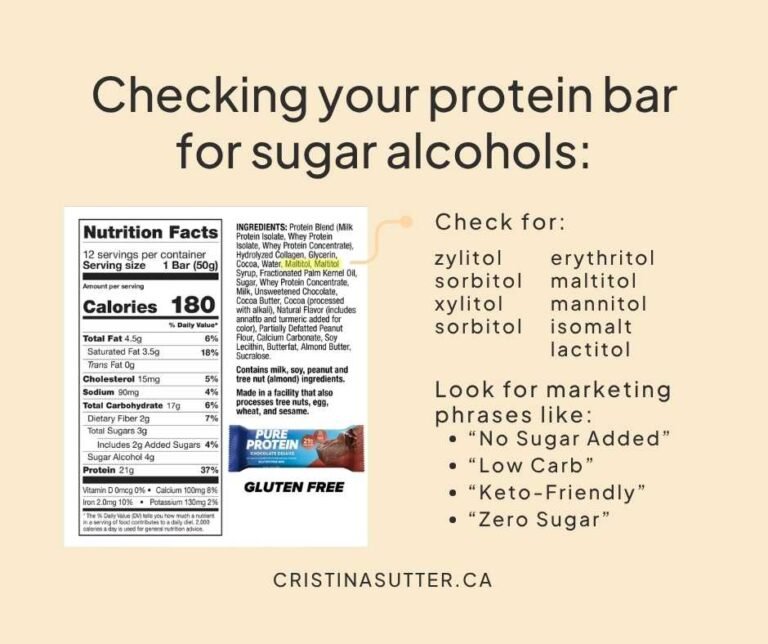
Some sugar-free bars use sugar alcohols such as maltitol, erythritol, or xylitol. These sweeteners are not the same as barley malt and are not automatically sources of gluten. However, certain sugar alcohols can cause gas, bloating, or diarrhea when consumed in larger amounts.
Check the gluten-free claim and complete ingredient list first. Then review the nutrition panel and sweeteners to decide whether the product fits your dietary needs.
Are Homemade Protein Bars Easier to Make Gluten Free?
Homemade protein bars can be easier to customize because you choose the ingredients yourself. You can use certified or clearly labeled gluten-free oats, nut butter, seeds, rice protein, and other suitable ingredients.
However, making a bar at home does not automatically make it safe for someone with celiac disease. Ingredients can be contaminated before you buy them, and shared kitchen equipment can transfer gluten into the finished snack.
Start with ingredients that have clear labels. Clean your work surface, utensils, mixing bowls, and food processor before preparation. Avoid using equipment with crumbs or residue from wheat-based foods.
A simple no-bake recipe can be made with peanut butter, gluten-free oats, a suitable protein powder, and a small amount of honey. Mix the ingredients, press them into a lined container, chill until firm, and cut into portions.
Gluten-free oats
Use oats specifically labeled gluten free rather than assuming ordinary rolled oats are suitable.
Nut butter
Choose plain peanut or almond butter and check for added ingredients or cross-contact warnings.
Protein powder
Read the label carefully because flavored powders may contain cookie pieces, malt ingredients, or other additives.
Seeds
Chia, flax, pumpkin, and sunflower seeds can add texture and nutrients when their labels and handling are suitable.
Sweeteners
Honey or maple syrup can add sweetness without requiring wheat-based ingredients.
Simple Gluten-Free Homemade Protein Bar Method
For a basic homemade snack, combine one cup of gluten-free oats, one-half cup of peanut butter, one-quarter cup of suitable protein powder, and a few tablespoons of honey. Adjust the mixture gradually until it holds together without becoming too wet or crumbly.
Press the mixture firmly into a clean, lined container. Refrigerate until firm, then cut into individual bars. Store them in a covered container in the refrigerator and follow safe food-storage practices for the ingredients used.
This is a flexible example rather than a medically certified recipe. The gluten-free status depends on every ingredient and the way the bars are prepared. If you have celiac disease, use suitable ingredients and prevent kitchen cross-contact.
How to Prevent Cross-Contact in Your Kitchen
Cross-contact happens when gluten-free food touches gluten-containing food or contaminated equipment. A knife used for regular bread, a shared cutting board, or crumbs in a food processor can introduce gluten into homemade bars.
Wash your hands before preparing the recipe. Clean the work surface and utensils with soap and water, and use fresh parchment paper and clean storage containers. Keep the finished bars separate from ordinary baked goods and snacks containing wheat.
Clean equipment
Wash bowls, spoons, knives, food processors, and work surfaces before making the bars.
Use separate ingredients
Avoid shared containers or scoops that may have been used with flour, cereal, or other gluten-containing foods.
Store safely
Keep finished bars in clean, covered containers away from gluten-containing crumbs.
Common Mistakes When Buying Gluten-Free Protein Bars
Many shopping mistakes happen because consumers rely on one word or one ingredient instead of checking the complete package. Protein bars can have complex recipes, so a quick visual check is not enough for people who need strict gluten avoidance.
A careful label check takes only a short time and can prevent confusion. The following mistakes are especially common when shopping online or in grocery stores.
Assuming every protein bar is gluten free
Protein bars are processed foods with different recipes. Always check the individual product and flavor.
Confusing wheat free with gluten free
A product can contain barley or rye without containing wheat. These grains also contain gluten.
Trusting the protein source alone
Pea, rice, whey, and soy protein do not establish that the entire finished bar is gluten free.
Ignoring oats
Regular oats may be contaminated during production. Look for a gluten-free claim on oat-based products.
Ignoring barley malt
Barley malt and malt extract are gluten-containing ingredients that deserve special attention.
Assuming all flavors are identical
A chocolate flavor and a cookie flavor from the same brand may use different ingredients.
Never checking familiar products again
Recipes and manufacturing conditions can change, so review the package whenever you purchase a new batch.
Why Wheat Free Does Not Always Mean Gluten Free
Wheat is only one source of gluten. Barley and rye also contain gluten, so removing wheat from a recipe does not automatically make the finished product suitable for a gluten-free diet.
For example, a protein bar made without wheat flour might still contain barley malt extract or rye-based ingredients. It may be wheat free but not gluten free.
This distinction is important for people with celiac disease. Look for the actual gluten-free claim rather than relying on wheat-free, grain-free, or no wheat wording.
Why Online Product Descriptions Are Not Enough
Online grocery listings can be useful when comparing protein bars, but product descriptions may not show every ingredient or the latest packaging. Retailer pages can also contain outdated photographs or information from an earlier recipe.
When buying online, review the manufacturer’s current product information and inspect the physical package when it arrives. If the product is intended for someone with celiac disease, do not rely on an old review, an unrelated flavor description, or a general brand statement.
Where to Find Gluten-Free Protein Bars in the United States
Gluten-free protein bars are available through many grocery stores, supermarkets, health food retailers, and online stores in the United States. You may find them in the nutrition section, snack aisle, natural foods section, or near other protein products.
Stores such as Walmart, Target, Costco, Whole Foods Market, and regional grocery chains may carry gluten-free options. However, product selection differs by location, store, and date. Do not assume that every bar stocked by a particular retailer is gluten free.
When shopping online, use the gluten-free claim as a search filter if the retailer offers one. Then verify the exact product on the manufacturer’s current packaging or product information page. A retailer filter is a shopping aid, not a substitute for checking the label.
Supermarkets
Check the protein snack and natural foods sections for clearly labeled gluten-free bars.
Warehouse stores
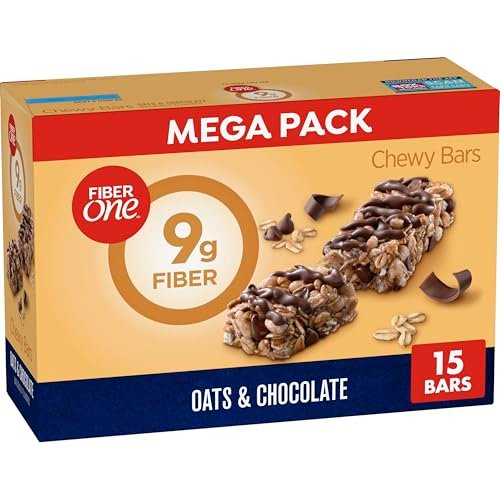
Bulk packs can offer convenience, but inspect each flavor and package rather than relying on the brand name.
Health food stores
These stores may carry a wider range of specialty gluten-free and plant-based snack options.
Online retailers
Compare ingredient lists and manufacturer information before ordering, especially when product images may be outdated.
Should You Buy Protein Bars in Bulk?
Buying a large pack can save time and may reduce the cost per bar. However, it is better to verify the exact flavor and current ingredients before purchasing a large quantity.
Start with a smaller pack if you have never tried the product. Check how well it fits your dietary needs and whether you tolerate its ingredients. Once you are confident about the product, buying a larger pack may be more practical.
For people with celiac disease, keep the original wrappers or packaging information available so you can check the product details later if necessary.
Research Notes and Important Questions the Guide Addresses
The central reader question is whether protein bars are safe to consider on a gluten-free diet. The answer depends on the ingredients, the FDA labeling standard, and the possibility of cross-contact. A useful guide must explain all three rather than simply listing products or repeating that shoppers should read labels.
The research for this guide was conducted on November 6, 2026, with a United States market focus. The reviewed material included FDA guidance on gluten-free claims, National Institutes of Health information on celiac disease and cross-contact, and Celiac Disease Foundation guidance on gluten sources and label reading.
The main editorial improvement is the practical label-check process. It explains why the absence of wheat in a Contains statement is not enough, why oats need special attention, and why a gluten-free claim is more useful than vague terms such as natural or wheat free.
The guidance also distinguishes documented federal labeling requirements from individual medical tolerance. The FDA’s less-than-20-ppm standard is a labeling requirement, not a promise that every person will respond identically to every ingredient.
Question: Are protein bars gluten free?
Reader stage: Initial research. Evidence basis: The FDA labeling rule and ingredient guidance. Reviewed coverage: Commonly addressed, but a direct answer needs the distinction between naturally gluten-free ingredients and the finished product. Priority: High. Placement: Opening section.
Question: Are oats in protein bars safe?
Reader stage: Ingredient checking. Evidence basis: NIDDK and celiac organization guidance on oat cross-contact and avenin. Reviewed coverage: Addressed in general gluten-free diet guidance, but the protein bar application deserves explanation. Priority: High. Placement: Oat section.
Question: Does wheat free mean gluten free?
Reader stage: Package checking. Evidence basis: FDA ingredient rules and the gluten content of barley and rye. Reviewed coverage: Addressed in label-reading resources. Priority: High. Placement: Common mistakes section.
Question: Can people with celiac disease eat protein bars?
Reader stage: Dietary decision. Evidence basis: FDA gluten-free labeling requirements and NIDDK celiac disease guidance. Reviewed coverage: General gluten-free food guidance is available, while processed snack examples require clearer application. Priority: High. Placement: Celiac disease section.
Question: What does may contain wheat mean?
Reader stage: Manufacturing risk assessment. Evidence basis: General cross-contact guidance from NIDDK and food labeling information. Reviewed coverage: Cross-contact is discussed, but the meaning and limits of precautionary warnings deserve a separate explanation. Priority: High. Placement: Label-reading section.
Question: Are sugar-free or plant-based bars automatically gluten free?
Reader stage: Product comparison. Evidence basis: Ingredient analysis and the FDA gluten-free definition. Reviewed coverage: These claims can be confused with gluten-free status. Priority: Medium. Placement: Nutrition and ingredient sections.
Question: How can I make gluten-free protein bars at home?
Reader stage: After choosing or rejecting a packaged product. Evidence basis: Ingredient suitability and cross-contact prevention guidance. Reviewed coverage: General recipes are available, but safe kitchen preparation adds practical value. Priority: Medium. Placement: Homemade protein bar section.
Evidence Sources and Research Limits
The main regulatory source was the U.S. Food and Drug Administration’s Questions and Answers on the Gluten-Free Food Labeling Final Rule. It establishes the federal definition, ingredient restrictions, and the less-than-20-ppm requirement for gluten-free claims.
The National Institute of Diabetes and Digestive and Kidney Diseases provided information about gluten-containing grains, cross-contact, label reading, and the role of a registered dietitian in managing celiac disease.
The Celiac Disease Foundation’s resources on gluten sources and label reading helped clarify why protein and energy bars deserve careful ingredient checks and why wheat allergen declarations alone do not identify every gluten source.
This article does not report laboratory testing of individual protein bars, verify current recipes for specific brands, or establish the gluten status of every product sold in the United States. Product-specific decisions should be based on current package information and manufacturer guidance.
FDA
Questions and Answers on the Gluten-Free Food Labeling Final Rule: https://www.fda.gov/food/nutrition-food-labeling-and-critical-foods/questions-and-answers-gluten-free-food-labeling-final-rule
NIDDK
Eating, Diet, and Nutrition for Celiac Disease: https://www.niddk.nih.gov/health-information/digestive-diseases/celiac-disease/eating-diet-nutrition
Celiac Disease Foundation
Sources of Gluten: https://celiac.org/what-is-gluten/sources-of-gluten/
Celiac Disease Foundation
Label Reading and the FDA: https://celiac.org/gluten-free-living/gluten-free-foods/label-reading-the-fda/
Frequently Asked Questions
Q
Are all protein bars gluten free?
No. Some protein bars contain wheat, barley, rye, malt extract, or other gluten-containing ingredients. Others are made with naturally gluten-free ingredients such as nuts, seeds, rice protein, and pea protein. Always check the specific product label before buying.
Q
Can I eat protein bars if I have celiac disease?
Many people with celiac disease can include suitable protein bars in their diet. Choose products with a clear gluten-free claim that meets FDA requirements, check the ingredient list, and consider cross-contact information. If you have concerns about oats or other ingredients, discuss them with your healthcare professional or a registered dietitian.
Q
Are Quest protein bars gluten free?
Do not assume that every Quest product or flavor has the same gluten status. Recipes and product formulations can differ. Check the current package for the specific flavor, review its ingredient and allergen information, and confirm the gluten-free claim before eating it if you need to avoid gluten strictly.
Q
Are KIND protein bars gluten free?
Some KIND products may carry gluten-free claims, but the brand name alone does not establish the status of every bar. Different product lines and flavors can have different ingredients. Check the exact package and the manufacturer’s current product information before purchasing.
Q
Are RXBAR protein bars gluten free?
The gluten status of an RXBAR should be checked by product and flavor. Ingredients such as dates, egg whites, and nuts do not naturally contain gluten, but the complete recipe and manufacturing information still matter. Look for a clear gluten-free claim on the current package.
Q
Are Clif Bars gluten free?
Do not assume that regular Clif Bars are gluten free. Some varieties use oats or grain ingredients that may not meet gluten-free requirements. Check the exact product label and look for a specific gluten-free claim before choosing one for a strict gluten-free diet.
Q
Are protein bars with oats safe for people with celiac disease?
They may be suitable when the oats are specifically produced and labeled gluten free and the finished bar meets the applicable requirements. Regular oats can become contaminated with wheat, barley, or rye during production. Some people with celiac disease may also react to avenin, a protein naturally found in oats.
Q
Does a protein bar labeled wheat free contain gluten?
It can. Wheat free does not mean gluten free because barley and rye also contain gluten. A wheat-free protein bar may contain barley malt, rye, or other ingredients that are unsuitable for a gluten-free diet. Look for the specific gluten-free claim instead.
Q
Are vegan protein bars gluten free?
Not always. Vegan protein bars can contain wheat, barley malt, regular oats, and other gluten-containing ingredients. Pea protein, rice protein, nuts, and seeds are common gluten-free ingredient options, but the entire recipe and manufacturing process must be considered.
Q
Can protein powder contain gluten?
Yes, some protein powders may contain gluten-containing flavorings, cereal ingredients, cookie pieces, or other additions. Many powders use whey, pea, rice, or soy protein, but the main protein source does not determine the gluten status of the complete product. Choose a clearly labeled gluten-free powder when necessary.
Q
Is maltodextrin gluten free?
Maltodextrin is not the same as barley malt. It can be made from different starch sources, including corn, rice, and wheat. Its gluten status depends on the source and applicable processing requirements. Check the product label and gluten-free claim rather than treating every maltodextrin ingredient as identical.
Q
Can gluten-free protein bars still cause bloating?
Yes. Gluten-free status does not mean a protein bar will suit every digestive system. Sugar alcohols, added fibers, large amounts of nuts, and certain sweeteners can cause gas or bloating in some people. If symptoms are frequent or severe, discuss them with a healthcare professional.
Q
Are gluten-free protein bars healthy for everyday snacks?
They can be convenient, but their nutritional value depends on the complete Nutrition Facts panel. Compare protein, fiber, added sugar, calories, and saturated fat. Protein bars can complement a balanced diet, but they do not need to replace regular meals or a variety of whole foods.
✦ Wrapping Up
Conclusion
So, are protein bars gluten free? Some are, but many are not. The answer depends on the ingredients, manufacturing conditions, and whether the finished product meets the FDA’s gluten-free labeling requirements. Wheat, barley, rye, malt extract, and potentially contaminated oats are important ingredients to watch.
If you have celiac disease or need to follow a strict gluten-free diet, choose protein bars with a clear gluten-free claim. Read the complete ingredient list, check allergen information, and pay attention to oat ingredients and possible cross-contact. When the package does not provide enough information, contact the manufacturer before eating the product.
Also remember that gluten-free does not automatically mean nutritious, sugar free, dairy free, or allergy friendly. Compare the protein, fiber, added sugar, and other ingredients to find a snack that meets your needs. A few seconds spent checking the label can make your grocery shopping safer and more confident.
💡 Key Takeaway
Before buying your next protein bar, check for an FDA-compliant gluten-free claim, review the full ingredient list, look for wheat, barley, rye, malt, and regular oats, and contact the manufacturer if cross-contact information is unclear. If you have celiac disease, choose products with clear gluten-free information and seek advice from a qualified healthcare professional when needed.