Barebells protein bars can be a convenient high-protein snack, but their sweeteners, calories, saturated fat, and processed ingredients make them better as an occasional option than a daily replacement for whole foods.
For Americans juggling work, school, gym sessions, and long commutes, getting enough protein can sometimes feel like another task on an already busy day. A protein bar tucked into a gym bag or desk drawer offers a quick way to add protein without cooking or carrying a full meal. Barebells protein bars have become a familiar option for people who want a sweet snack with a substantial amount of protein.
Most standard Barebells protein bars provide around 20 grams of protein and contain little or no added sugar. That sounds appealing, especially when compared with many candy bars. However, a closer look at the Nutrition Facts label reveals more than the protein number. Calories, saturated fat, sugar alcohols, fiber, and the type of protein all affect how useful these bars are.
The short answer is that Barebells bars can fit into a balanced diet. They may help people meet protein needs and manage hunger between meals. Still, they are processed snacks, not complete meals, and some people may experience digestive discomfort from their sweeteners. The healthiest choice depends on your goals, food preferences, and overall eating habits.
Are Barebells Protein Bars Actually Healthy?
Barebells protein bars can be a reasonable snack for healthy adults who want more protein and enjoy sweet foods. Their main advantage is the combination of relatively high protein and low added sugar. A single bar can provide a useful amount of protein without requiring preparation.
However, healthy does not mean perfect. These bars contain processed ingredients, added fats, sweeteners, and relatively little fiber compared with many whole-food snacks. Their nutritional value also varies by flavor and product line.
I would look at Barebells as a convenience food with a useful protein benefit. It can fit into a healthy eating pattern, but it should not take the place of meals built around vegetables, fruit, whole grains, and varied protein sources.
A useful amount of protein
Many standard bars provide 20 grams of protein, which can help increase protein intake between meals.
Low added sugar
Many US varieties list zero grams of added sugar, although they still contain sweeteners and other carbohydrates.
Moderate calorie content
A bar often contains around 200 to 210 calories, so it is a meaningful snack rather than a calorie-free supplement.
Some nutritional limitations
The bars may contain sugar alcohols, saturated fat, and limited amounts of fiber and micronutrients.
Who May Benefit From Eating Barebells Bars?
People who exercise regularly may find these bars useful when they need a portable source of protein after a workout. They can also help busy workers avoid going for several hours without eating when a proper meal is not available.
People who struggle to reach their daily protein needs may also benefit. However, anyone who already gets enough protein from regular meals does not need to add a protein bar simply because it contains 20 grams.
Active adults
A bar can provide convenient protein after resistance training or another exercise session.
Busy workers and students
It offers a shelf-stable snack that requires no cooking or refrigeration.
People reducing added sugar
Some varieties provide a sweet snack with zero grams of added sugar, although their sweeteners still deserve attention.
Who Should Be More Careful?
People with lactose sensitivity, milk allergies, soy allergies, or digestive conditions should check the exact ingredients before eating a bar. Some people also react poorly to sugar alcohols and added fibers.
Anyone with a history of food allergies should read both the ingredient list and the facility warning. Product formulations and manufacturing conditions can differ across varieties.
Barebells Protein Bars Nutrition Facts
Nutrition facts help explain why Barebells bars appeal to people who want a sweet snack with more protein than a typical candy bar. The standard Cookies and Caramel variety is a useful example because its US nutrition information is publicly available.
According to the manufacturer’s US nutrition information, one 55-gram Cookies and Caramel bar contains 210 calories and 20 grams of protein. It also provides 21 grams of total carbohydrates, 4 grams of dietary fiber, and 1 gram of total sugar.
These numbers are specific to this flavor and formulation. Other varieties can contain different amounts of calories, fat, fiber, sugar alcohols, and protein. Always check the package you are buying rather than assuming every Barebells bar has the same nutritional profile.
Calories
One Cookies and Caramel bar contains 210 calories. This amount can fit into a snack plan, but it should count toward total daily energy intake.
Protein
The bar provides 20 grams of protein, or 37 percent of the Daily Value shown on its label.
Total sugar
It contains 1 gram of total sugar and zero grams of added sugar.
Dietary fiber
Four grams of fiber can support a more satisfying snack, although the amount is modest compared with many fiber-rich whole foods.
Saturated fat
The bar contains 3.5 grams of saturated fat, equal to 18 percent of the Daily Value.
Sugar alcohols
It contains 6 grams of sugar alcohols, mainly from sweetening ingredients such as maltitol.
Example Nutrition Table for Cookies and Caramel
The following table summarizes the manufacturer’s US label for one 55-gram bar. It gives a clearer picture of the trade-off between protein, calories, and other nutrients.
Serving size
1 bar, or 55 grams.
Calories
210 calories.
Total fat
7 grams.
Saturated fat
3.5 grams.
Sodium
150 milligrams.
Total carbohydrates
21 grams.
Dietary fiber
4 grams.
Total sugars
1 gram.
Added sugars
0 grams.
Protein
20 grams.
Are 20 Grams of Protein Enough?
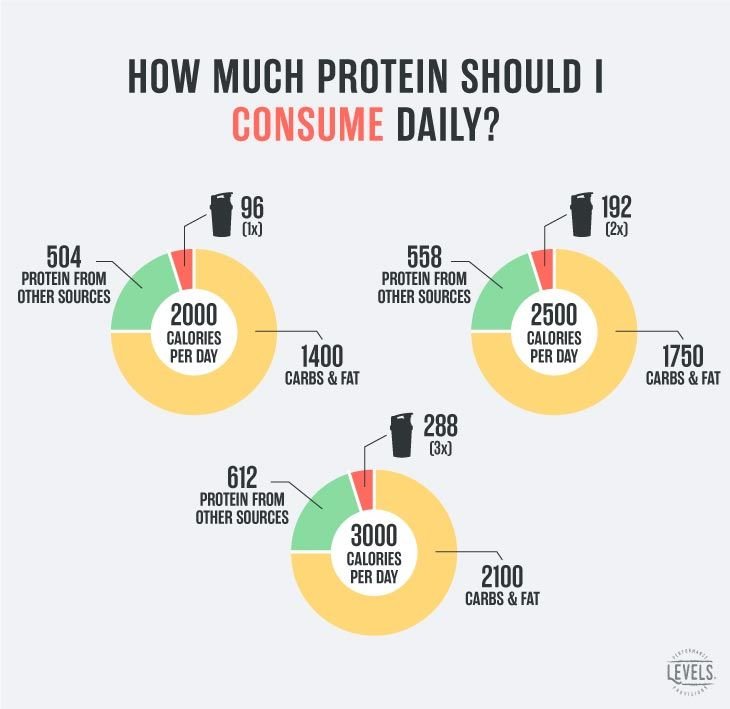
Twenty grams is a meaningful amount of protein for a snack. Protein helps build and repair muscle tissue, supports many normal body functions, and contributes to fullness after eating.
However, protein needs vary with body weight, age, activity, health, and total calorie intake. A bar should help fill a gap in your diet rather than serve as a reason to ignore your other protein sources.
For example, someone who eats eggs at breakfast, chicken or beans at lunch, and fish or tofu at dinner may already meet their needs. Another person who has limited access to protein-rich foods during a workday may find a bar more useful.
What Ingredients Are in Barebells Protein Bars?
Barebells bars use a blend of protein ingredients, sweeteners, fats, fibers, and flavoring ingredients to create their soft texture and dessert-like taste. The exact formula changes by flavor, so the package label remains the best source for a specific bar.
The Cookies and Caramel US formula includes milk protein, whey protein, bovine collagen hydrolysate, soy protein isolate, maltitol, glycerin, and polydextrose. It also contains cocoa butter, whole milk powder, sunflower oil, chocolate, and sucralose.
These ingredients are not automatically harmful because they are processed or unfamiliar. The more useful question is what each ingredient contributes and whether it suits your dietary needs.
Milk protein blend
Milk proteins include casein and whey. They provide essential amino acids that the body uses for tissue repair and other functions.
Soy protein isolate
This concentrated plant protein adds to the total protein content of the bar.
Collagen hydrolysate
Collagen is a source of protein, but it does not provide the same complete essential amino acid profile as whey or milk protein.
Maltitol
This sugar alcohol adds sweetness while contributing fewer calories than regular sugar. It can cause digestive discomfort in some people.
Polydextrose
This carbohydrate-based ingredient is used to add bulk and fiber-like properties to some foods.
Sucralose
This non-sugar sweetener provides sweetness without adding much energy.
Glycerin
Glycerin helps retain moisture and gives the bar a soft, chewy texture.
Does Collagen Protein Make Barebells Less Nutritious?
Collagen is not the same as whey, casein, or soy protein. It lacks an adequate balance of some essential amino acids, including tryptophan, and is not considered a complete protein.
This distinction matters when comparing protein sources for muscle growth and overall protein quality. The presence of collagen does not make a bar unhealthy, but it means the full 20-gram protein number should not be treated as 20 grams of whey protein.
Barebells also uses milk and soy proteins, which provide essential amino acids. Therefore, the bar still offers useful protein, but its mixed protein blend deserves a closer look.
Are Artificial Sweeteners and Processed Ingredients a Problem?
The presence of sucralose, maltitol, and other manufactured ingredients does not automatically make a food unsafe. These ingredients serve specific functions, and approved food additives are evaluated for their intended uses.
Still, a food can be suitable for consumption without being the most nutrient-dense choice. A bar with several sweeteners and processed ingredients may be less appealing to someone who prefers a diet built mainly around minimally processed foods.
The practical approach is to judge the whole product, including portion size, nutrition facts, frequency of consumption, and how your body responds.
Potential Health Benefits of Barebells Protein Bars
The biggest benefit of Barebells bars is convenience. They offer a portable way to add protein when a meal is not available, and their sweet taste may make them more enjoyable than some traditional protein snacks.
Protein supports muscle maintenance, tissue repair, and normal body functions. When paired with resistance exercise and enough total food, an adequate protein intake can help support muscle recovery and development.
A protein-rich snack may also help some people feel satisfied between meals. This can make it easier to avoid choosing a less filling snack when hunger strikes during a busy afternoon.
Supports daily protein intake
A 20-gram serving can help people who struggle to get enough protein from regular meals.
Convenient after exercise
A bar can provide protein after a workout when a full meal is not immediately available.
Low added sugar
Many varieties contain zero grams of added sugar, which can help people limit added sugar from packaged snacks.
Portable and shelf-stable
The individually wrapped bars are easy to carry to work, school, or the gym.
Can help with snack planning
A measured single-serving snack may be easier to plan than an unmeasured portion of sweets.
Can Barebells Bars Help With Weight Management?
Barebells bars may fit into a weight-management plan because they provide protein in a controlled portion. Protein can support fullness, which may help some people manage hunger between meals.
However, weight management depends on overall energy balance and long-term eating habits. A 210-calorie bar still contributes 210 calories, even if it contains very little sugar.
For example, replacing a larger, less filling snack with one protein bar may help someone manage portions. Adding the bar on top of an already adequate meal plan may simply increase daily calorie intake.
The best choice depends on the role the bar plays in your diet. It should replace or complement a planned snack, not become an automatic extra meal.
Are Barebells Bars Good After a Workout?
They can be useful after resistance training because they provide a convenient protein source. The milk and soy proteins supply essential amino acids that support muscle protein synthesis.
Still, recovery involves more than protein. Your body also needs enough calories, carbohydrates, fluids, and sleep. A bar alone cannot replace a balanced recovery meal.
If you finish a long or intense workout, consider eating the bar with fruit or another carbohydrate source. This can make the snack more balanced while supporting your overall recovery needs.
Potential Downsides and Health Concerns
Barebells bars have several nutritional trade-offs. Their sugar alcohol content may upset digestion, their saturated fat contributes to daily intake, and their processed formulation makes them less suitable as a main source of nutrition.
These concerns do not mean that one bar will damage your health. They matter most when someone eats several bars frequently, has a sensitive digestive system, or relies on packaged snacks instead of varied meals.
Digestive discomfort
Maltitol and other sugar alcohols may cause gas, bloating, or loose stools in sensitive individuals.
Saturated fat
Some flavors provide around 3.5 to 4.5 grams of saturated fat per serving.
Limited whole-food nutrients
The bars do not provide the broad range of vitamins, minerals, and plant compounds found in varied whole foods.
Allergen concerns
Many varieties contain milk and soy, while other flavors may include nuts or have additional cross-contact warnings.
Not a complete meal
A protein bar alone may not provide enough food variety, energy, and nutrients for a balanced meal.
Can Maltitol Cause Gas and Bloating?
Yes. Maltitol is a sugar alcohol that is absorbed incompletely in the digestive tract. Some of it reaches the large intestine, where gut bacteria can ferment it and contribute to gas and other symptoms.
People may experience bloating, abdominal discomfort, or diarrhea after eating foods containing sugar alcohols. The chance and severity of symptoms vary with the amount consumed and personal digestive tolerance.
Barebells labels warn that excessive consumption may have a laxative effect because of maltitol. If you notice symptoms after eating a bar, reduce your intake or choose a snack without sugar alcohols.
People with irritable bowel syndrome or other digestive conditions may need extra care because certain sweeteners and added fibers can trigger symptoms. A registered dietitian can help identify individual food triggers.
Is the Saturated Fat Content Too High?
Saturated fat is another reason to check the complete nutrition label. A Cookies and Caramel bar contains 3.5 grams, equal to 18 percent of the Daily Value on its US label.
That is a meaningful amount for one snack. Someone who eats other foods high in saturated fat during the day may find that frequent protein bars make it harder to keep total intake in line with dietary goals.
The American Heart Association recommends limiting saturated fat as part of a heart-healthy eating pattern. Choosing snacks with more unsaturated fats and fewer saturated fats can help support that goal.
Are Barebells Bars Bad for Blood Sugar?
Barebells bars often contain little total sugar and no added sugar, which may make them different from conventional candy bars. However, low sugar does not mean carbohydrate-free or guaranteed to have no effect on blood glucose.
The bars still contain carbohydrates from ingredients such as fibers and other components. Maltitol may also affect blood glucose, although its effect is generally lower than that of regular sugar.
People with diabetes should check the total carbohydrate amount, serving size, and their own glucose response. They should not assume that a product labeled no added sugar is automatically suitable for every blood sugar management plan.
Anyone using insulin or medication that can cause low blood sugar should follow their clinician’s advice when choosing snacks and adjusting carbohydrate intake.
How Barebells Compares With Other Protein Snacks
Barebells bars are convenient, but they are not the only way to get protein. Greek yogurt, eggs, cottage cheese, nuts, beans, and other foods can provide protein along with different nutrients.
The best option depends on your schedule, dietary preferences, digestive tolerance, and nutritional goals. A packaged bar may be easier to carry, while a whole-food snack may offer more vitamins, minerals, or natural fiber.
Barebells protein bar
A convenient option with around 20 grams of protein and roughly 200 to 210 calories in many standard varieties. Its main trade-offs are sweeteners and processed ingredients.
Plain Greek yogurt
Provides protein and calcium. It can also be paired with berries for natural sweetness and additional fiber.
Boiled eggs
Offer complete protein and several important nutrients, although they need more care when carrying and storing them.
Cottage cheese
Provides protein and calcium, with the added benefit of choosing plain varieties without added sweeteners.
Nuts and seeds
Provide plant protein, unsaturated fats, fiber, and minerals, although their calorie content can add up quickly.
Edamame
Offers plant protein and fiber, making it a useful whole-food alternative when refrigeration and preparation are available.
Barebells Versus a Candy Bar
A Barebells bar may offer more protein and less added sugar than many conventional candy bars. For someone choosing between the two, that can make Barebells a more useful snack for meeting protein needs.
However, both products may contain chocolate coatings, fats, sweeteners, and substantial calories. The protein content gives Barebells a nutritional advantage in one area, but it does not turn the product into a complete health food.
If you want chocolate and simply need a sweet treat, a small portion of regular chocolate can also fit into a balanced diet. You do not need to choose a protein bar every time you want something sweet.
Barebells Versus Greek Yogurt
Plain Greek yogurt is often a strong alternative for people who want protein with fewer processed ingredients. Depending on the brand and serving size, it can provide a substantial amount of protein along with calcium.
Greek yogurt also offers flexibility. You can add fruit, oats, or nuts to create a more complete snack. Barebells has the advantage of portability, while yogurt may offer greater food variety and a simpler ingredient list.
For a busy commute, the bar may be easier. At home, plain Greek yogurt with berries is often a more nutrient-dense choice.
How Often Should You Eat Barebells Protein Bars?
There is no universal number of Barebells bars that everyone should eat each week. Your needs depend on your overall diet, calorie requirements, protein intake, digestive tolerance, and health conditions.
For most healthy adults who tolerate the ingredients, having a bar occasionally can fit into a balanced eating pattern. Eating one every day is not automatically harmful, but doing so should not crowd out more varied foods.
Think of a protein bar as a spare tire. It is useful when you need it, but it should not be the only thing supporting your daily nutrition.
Check your total protein intake
Consider how much protein you already get from meals before adding a bar.
Watch your digestive response
If maltitol causes discomfort, reduce the amount or choose a different snack.
Balance saturated fat
Account for the fat in the bar when planning the rest of your daily food intake.
Eat a varied diet
Continue including vegetables, fruits, legumes, whole grains, and different protein sources.
Use the correct serving size
A standard bar is one serving. Eating several bars can quickly increase calories and sugar alcohol intake.
Is One Barebells Bar Every Day Okay?
One bar a day may fit into some people’s diets, especially when it replaces a less nutritious snack and does not cause digestive symptoms. Its 20 grams of protein can be useful for someone with higher protein needs.
However, daily use is not necessary for most people. If you can get enough protein from ordinary foods, there is no special health reason to eat a processed protein bar every day.
Pay attention to variety. Eating the same packaged snack every day can make it easier to miss other useful foods, especially fruit, vegetables, legumes, and whole grains.
How to Build a More Balanced Snack
You can make a Barebells snack more balanced by adding foods that provide nutrients the bar lacks. Fruit, for example, adds water, vitamins, minerals, and naturally occurring fiber.
A bar with an apple or a banana can be more satisfying than the bar alone. If you need a larger snack after exercise, adding a glass of milk or another suitable food may also help meet your energy and recovery needs.
The goal is not to make every snack complicated. It is to use the bar as one part of a varied eating pattern.
How to Choose a Healthier Barebells Protein Bar
Choosing a Barebells bar should start with the Nutrition Facts panel, not the front-of-package protein claim. The flavor, serving size, sweetener blend, and saturated fat content can change the overall value of the snack.
Compare similar serving sizes and focus on the nutrients that matter most to your goals. A higher protein number does not automatically make one flavor healthier than another.
Compare calories
Choose a serving that fits your daily calorie needs and snack plan.
Check protein quality
Look at the protein sources as well as the total grams. Milk, whey, and soy provide essential amino acids.
Review saturated fat
Compare saturated fat between flavors, especially if you already eat several foods containing it.
Check sugar alcohols
Choose a different product if maltitol or similar ingredients cause digestive discomfort.
Read the allergen statement
Check for milk, soy, peanuts, tree nuts, and other allergens relevant to your needs.
Look at fiber
Compare fiber amounts, but remember that whole foods remain important sources of dietary fiber.
What to Check Before Buying
Read the full label each time you buy a different flavor. A product that looks similar on the shelf may have a different protein blend, calorie count, or sweetener combination.
Also check the package date and storage instructions. Keep the bar in its recommended storage conditions and avoid products with damaged or opened packaging.
If you have a medical condition or follow a prescribed diet, ask a qualified health professional whether the ingredient and nutrient profile fits your needs.
Research and Reader Question Gap Map
This guide prioritizes the questions that affect an actual buying or eating decision. The evidence review included the Barebells US nutrition and ingredient information, a US retailer’s matching product label, FDA information about sugar alcohols, current US dietary guidance, and a May 2026 protein-bar review by a registered dietitian at the University of California San Diego.
The reviewed material establishes the product’s stated nutrition facts and the general digestive effects associated with sugar alcohols. It does not establish that eating Barebells bars prevents disease, causes weight loss, or improves athletic performance beyond the contribution of their protein.
The following gap map separates questions directly raised in the reviewed material from practical follow-up needs inferred from the main search intent. It does not claim that these questions have verified search volume.
Question: Do Barebells bars contain added sugar?
Basis: Observed question from the product’s prominent no-added-sugar claim. Coverage: Answered. Reader benefit: Clarifies the difference between total sugar, added sugar, and sugar alcohols. Placement: Nutrition facts and ingredients.
Question: Can maltitol cause stomach problems?
Basis: Observed concern from manufacturer warnings and FDA sweetener guidance. Coverage: Answered. Reader benefit: Helps sensitive consumers understand possible digestive effects. Placement: Health concerns.
Question: Is collagen protein as useful as whey?
Basis: Inferred next need from the mixed protein ingredient list. Coverage: Shallow in some general product reviews. Reader benefit: Explains why protein sources matter. Placement: Ingredients.
Question: Can someone with diabetes eat Barebells bars?
Basis: Inferred next need from the low-sugar claim. Coverage: Not checked across all competing pages. Reader benefit: Prevents the mistaken assumption that no added sugar means no blood glucose effect. Placement: Health concerns.
Question: Is one bar every day a good idea?
Basis: Inferred next need from repeat-use decisions. Coverage: Not checked across all competing pages. Reader benefit: Connects individual nutrition facts with dietary variety. Placement: Frequency of consumption.
Question: What should I eat with a protein bar?
Basis: Inferred next need from the snack and meal replacement decision. Coverage: Shallow in product-focused material. Reader benefit: Provides practical ways to add fiber and other nutrients. Placement: Balanced snack ideas.
Research Scope and Evidence Limits
The research review considered official Barebells US product and nutrition pages, the company’s product-specific ingredient information, US retail nutrition listings, FDA educational material about sugar alcohols, and the current Dietary Guidelines for Americans. A registered dietitian’s university review of popular protein bars was also considered for additional context.
The product figures in this article refer to published labels, not independent laboratory testing. No hands-on taste test, blood glucose experiment, clinical trial, or long-term health study of Barebells bars was conducted for this article.
Nutrition labels can change when manufacturers update formulas. The package currently sold in a US store should take priority over an older online listing or information for a different country.
Frequently Asked Questions
Q
Are Barebells protein bars good for weight loss?
Barebells bars can fit into a weight-loss plan because they provide around 20 grams of protein in many standard varieties. Protein may help with fullness, while a measured serving can make snack planning easier.
However, a bar still contains around 200 to 210 calories in several popular varieties. Weight loss depends on overall calorie intake and other lifestyle factors, not on eating a particular protein bar. Use one as a planned snack rather than an extra source of calories.
Q
Are Barebells protein bars healthier than candy bars?
Barebells bars often provide substantially more protein and less added sugar than conventional candy bars. That can make them a more useful choice when you want a sweet snack that also contributes protein.
However, they still contain calories, fats, sweeteners, and processed ingredients. They are not automatically healthier in every situation, and an ordinary portion of fruit, yogurt, or nuts may offer a wider range of nutrients.
Q
Do Barebells protein bars contain artificial sweeteners?
Many US Barebells varieties contain sucralose, and some use sugar alcohols such as maltitol. These ingredients help provide sweetness without relying on large amounts of regular sugar.
The formula varies by flavor, so check the ingredient list on the exact package. People who prefer to avoid non-sugar sweeteners can choose a different snack.
Q
Are Barebells protein bars safe to eat every day?
For many healthy adults, eating one bar daily can fit into an otherwise balanced diet if they tolerate the ingredients. There is no universal rule that makes one bar a day harmful.
Still, daily use is not necessary. The bars contain processed ingredients and may contribute saturated fat and sugar alcohols. Eating varied protein sources and whole foods is a better long-term foundation.
Q
Are Barebells protein bars suitable for people with diabetes?
Some varieties have zero grams of added sugar and relatively low total sugar, but they still contain carbohydrates and may contain maltitol. Sugar alcohols can affect blood glucose differently from regular sugar, and individual responses vary.
People with diabetes should review total carbohydrates, serving size, and their personal glucose response. A healthcare professional or registered dietitian can help determine whether a particular flavor fits an individual diabetes meal plan.
Q
Can Barebells protein bars cause diarrhea?
Yes, they may cause diarrhea in some people, especially when several servings of sugar alcohol-containing foods are eaten. Maltitol can be incompletely absorbed and may produce digestive symptoms.
The risk depends on individual tolerance and the amount consumed. If a bar causes diarrhea or bloating, stop eating it or try a snack without maltitol. Seek medical advice if symptoms are severe, persistent, or accompanied by signs of dehydration.
Q
Are Barebells protein bars a complete meal replacement?
No. Although a standard bar provides a substantial amount of protein, it does not offer the full variety of nutrients and food groups expected from a balanced meal.
It may work as a temporary snack when you are busy. For a more complete meal, add foods such as fruit, vegetables, whole grains, and another suitable protein source.
✦ Wrapping Up
Conclusion
So, are Barebells protein bars healthy? They can be a useful addition to a balanced diet, but they are not an ideal everyday food for everyone. Their main advantage is the combination of approximately 20 grams of protein, convenient packaging, and little or no added sugar in many US varieties.
The drawbacks deserve equal attention. Sugar alcohols such as maltitol can cause digestive discomfort, saturated fat can contribute a meaningful amount to daily intake, and the bars do not provide the same range of nutrients as whole foods. Their protein blend also includes ingredients such as collagen, which is not a complete protein source.
For an active adult who needs a portable protein snack, Barebells may be a practical option. For someone who wants more fiber, fewer processed ingredients, or a simpler ingredient list, plain Greek yogurt, eggs, fruit, nuts, or other whole foods may be better choices.
The healthiest approach is to judge the bar by its full nutrition label and the role it plays in your diet. No single snack determines your health. Your overall food choices, activity, sleep, and long-term habits matter much more.
💡 Key Takeaway
Before buying Barebells protein bars, compare the calories, protein, saturated fat, fiber, sugar alcohols, and allergen information on the exact flavor. If you tolerate the ingredients and need a convenient protein snack, one bar can fit into a balanced diet. Pair it with fruit when you want a more satisfying snack, and rely on varied whole foods for most of your daily nutrition.