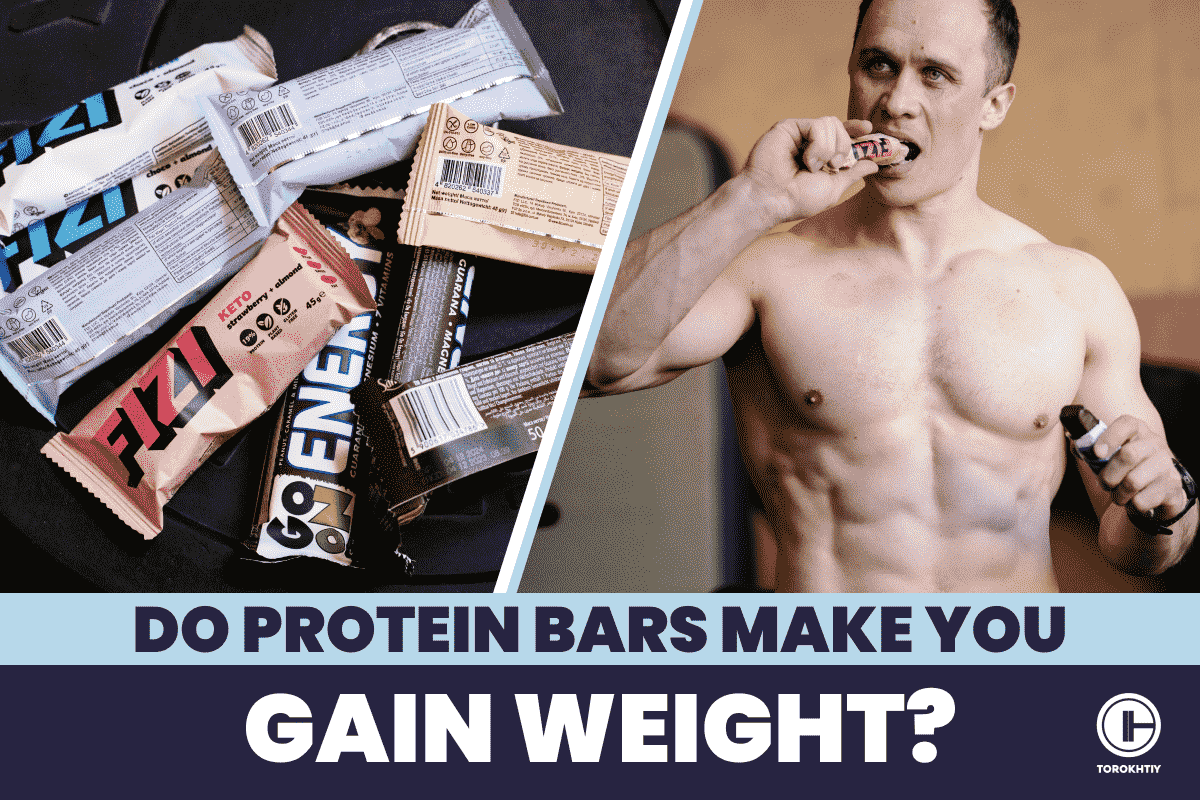
Can Protein Bars Make You Fat? Calories, Protein, Sugar, and Weight Gain Explained
If you have ever asked, “can protein bars make you fat?” the short answer is more nuanced than the label on the package. A protein bar is simply a food. It contains calories, protein, carbohydrates, fat, and other ingredients. Your body does not turn a food into body fat just because it comes in a protein bar.
The real issue is how the bar fits into your full day of eating. A 200-calorie bar that replaces a 400-calorie pastry may support weight control. A 300-calorie bar eaten after a full meal can raise your daily calorie intake. For many busy Americans, this distinction matters because protein bars are easy to eat in the car, at work, after a workout, or between meetings.
Research also shows that higher-protein meals can improve fullness in some settings. But protein is not a free pass to eat unlimited calories. The most useful way to judge a protein bar is to look at calories, protein, fiber, added sugar, fat, serving size, and the role it plays in your overall diet.

Can Protein Bars Make You Fat?
Yes, they can contribute to weight gain, but protein bars are not uniquely fattening foods. Body fat tends to increase when you take in more energy than your body needs over time. A protein bar can be part of that calorie surplus, just like any other food.
This is why the answer to “can protein bars make you fat” depends on the bar and your diet. If you eat one as a planned snack and it fits your calorie needs, it may be useful. If you eat it on top of your normal meals and snacks, it may push your total calorie intake higher than you realize.
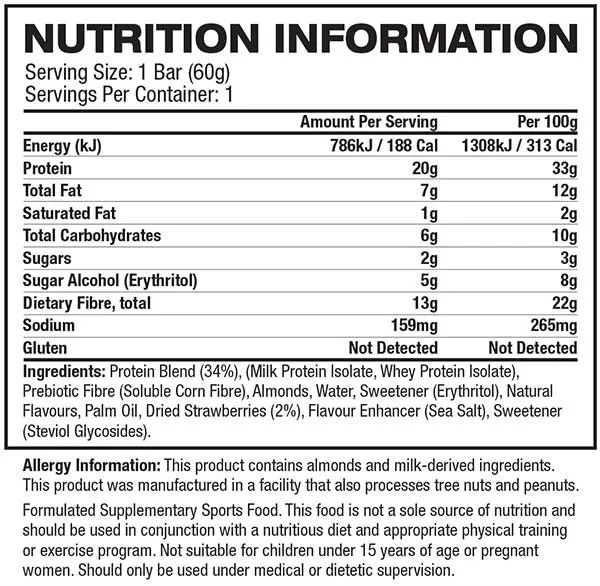
The word “protein” can also create a health halo. A bar may contain 20 grams of protein and still have a large amount of calories, added sugar, or fat. The Nutrition Facts label gives a clearer picture than the front of the package.

- ✦ Calories matter
A calorie-dense bar can contribute to weight gain when it regularly adds more energy than you use.
- ✦ Protein does not cancel calories
Protein is useful for muscle and fullness, but calories from protein still count toward your total energy intake.
- ✦ The whole diet matters
One protein bar rarely determines your weight. Your eating pattern, activity, sleep, and total calorie intake matter far more.
Why Protein Bars Can Cause Unexpected Weight Gain
The most common problem is addition. Someone may already eat breakfast, lunch, dinner, and snacks, then add a protein bar because it seems healthy. If the bar does not replace another food, daily calories can rise without the person noticing.
Portion size can also mislead you. Some bars are designed as small snacks, while others are closer to a full meal in calories. Always check calories per serving and confirm whether the package contains one serving.
- ✦ Extra snack
Eating a bar in addition to your normal meals can create a calorie surplus.
- ✦ Large bars
Some bars contain enough calories to function more like a small meal than a light snack.
How Calories in Protein Bars Affect Weight
Calories are the first number to check when asking, “can protein bars make you fat?” Your body uses energy all day for basic functions, movement, digestion, exercise, and other work. When food provides more energy than you use over time, the extra energy can be stored.
This does not mean you need to count every calorie for the rest of your life. It means that calorie awareness can help explain why a food that looks healthy may still make weight loss harder. A protein bar can be nutritious and still be calorie-dense.
For example, imagine that your usual afternoon snack is a small piece of fruit. You replace it with a large protein bar but keep dinner and all other meals the same. If the bar adds substantially more calories, your daily energy intake may rise.

- ✦ Compare the bar with the food it replaces
A bar is more useful for weight control when it replaces another snack rather than simply adding calories to your day.
- ✦ Check calories before protein
A high protein number does not tell you whether the bar fits your calorie needs.
- ✦ Look at the full package
Serving size, calories, protein, fiber, fat, carbohydrates, and added sugar should all be considered together.
A Simple Calorie Example
Suppose one bar contains 250 calories. If you use it instead of a 350-calorie snack, the bar may lower your daily intake by about 100 calories. If you eat the same 250-calorie bar after your normal snack, it may add 250 calories instead.
This simple example shows why asking only whether protein bars are fattening misses the main point. The same bar can support one person’s goal and make another person’s calorie control harder.
Can Protein Bars Help With Weight Loss?
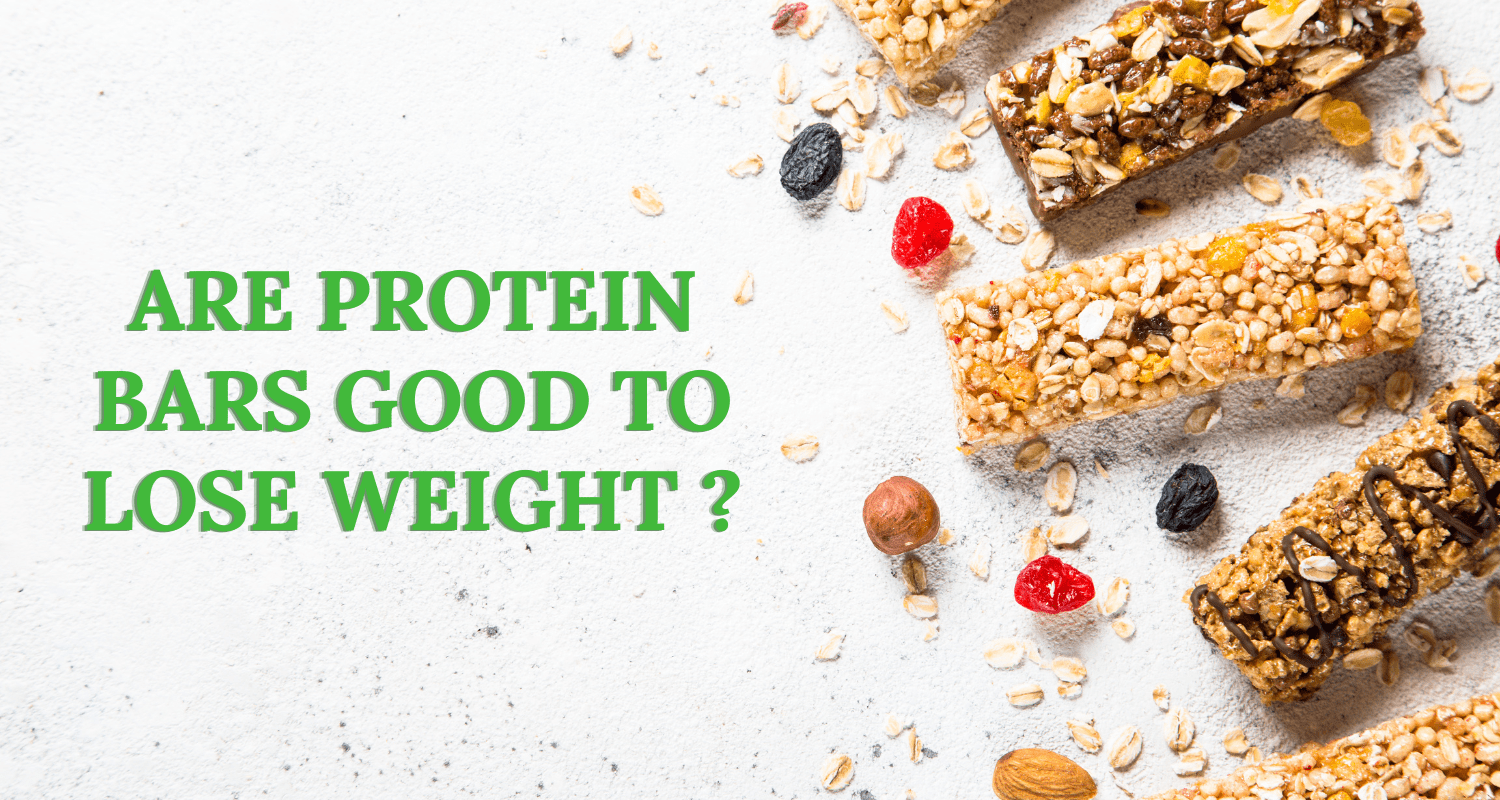
They can. A protein bar may make weight loss easier when it provides protein and enough food volume or satisfaction to help you manage hunger while keeping your overall calorie intake appropriate. Research has found that higher-protein meals can increase feelings of fullness in some groups.
Still, protein bars are not weight-loss foods by definition. Studies of higher-protein diets show mixed results depending on the diet design, calorie intake, participants, and length of the study. Protein can help, but it does not replace the need for an overall eating pattern that matches your goal.
A practical test is simple: ask whether the bar helps you eat in a way you can maintain. If it stops you from buying a pastry at the coffee shop or keeps you from getting overly hungry before dinner, it may be useful. If it makes you snack more because it feels like a free food, it may work against your goal.
- ✦ Useful for busy days
A shelf-stable bar can provide a quick source of protein when a balanced meal is not available.
- ✦ May improve fullness
Protein can support satiety, although the effect varies from person to person and depends on the whole meal.
- ✦ Convenience can improve consistency
A planned protein snack can make it easier to stick with a routine during work, travel, or exercise.
Protein and Satiety
Protein can affect hunger and fullness. Controlled studies have found greater fullness with higher-protein diets in some people, especially during calorie restriction. That does not mean every protein bar will keep you full.
Fiber, food volume, fat, taste, and personal eating habits also matter. A bar with protein and fiber may feel more satisfying than a very small bar with little fiber, but individual responses differ.
- ✦ Protein
Protein can help support fullness and provides amino acids needed for body tissues.
- ✦ Fiber
Fiber can add bulk and may help a snack feel more satisfying.
- ✦ Total calories
A filling bar can still contribute to weight gain if it regularly pushes total calorie intake above your needs.
What to Look for in a Protein Bar
There is no single perfect protein bar. The right choice depends on why you want one. A person who needs a quick post-workout snack may choose a different bar from someone who wants a small afternoon snack during a calorie deficit.
Start with the Nutrition Facts label. In the U.S., the label lists calories, macronutrients, and other key nutrients. It also shows added sugars, which can help you compare products more easily.
Do not judge a bar by protein alone. A bar with more protein is not automatically healthier, and a bar with some sugar is not automatically unhealthy. What matters is how the whole product fits your needs and diet.
- ✦ Calories
Choose a calorie level that fits the role of the bar. A small snack usually needs fewer calories than a meal replacement.
- ✦ Protein
Look for enough protein to make the bar useful for your goal. More is not always better.
- ✦ Fiber
Fiber can help with fullness and supports digestive health.
- ✦ Added sugar
Check added sugar rather than assuming a product is low in sugar because it contains protein.
- ✦ Fat
Fat is not bad, but it is calorie-dense. Check the amount when calories are a concern.
- ✦ Ingredients
Read the ingredient list if you have allergies, food intolerances, or specific dietary needs.
How Much Protein Should a Bar Have?
There is no universal protein target for every bar. The U.S. Recommended Dietary Allowance for adults is 0.8 grams of protein per kilogram of body weight per day, but individual needs can differ based on age, activity, health, and goals.
For a snack, the useful question is not whether a bar has the highest protein number on the shelf. Ask whether it provides enough protein for your overall diet without bringing unnecessary calories you do not need.
- ✦ General adult needs
The adult protein RDA is 0.8 grams per kilogram of body weight per day.
- ✦ Active people
People who train regularly may have higher protein needs, depending on their sport, training load, body size, and total diet.
What About Sugar Alcohols and Fiber?
Many low-sugar protein bars use sugar alcohols or added fibers. These ingredients can lower the amount of sugar shown on the label, but they may cause gas, bloating, or loose stools in some people.
If a bar makes your stomach feel uncomfortable, a different product may work better. A simple food such as Greek yogurt, fruit, eggs, nuts, or a regular meal can also provide protein without relying on a bar.
Protein Bars vs. Other Common Snacks
The best way to judge a protein bar is to compare it with realistic alternatives. In a busy U.S. workday, the choice may be between a protein bar, a pastry, chips, fast food, yogurt, fruit, nuts, or nothing at all.
A bar may be a good option if it gives you useful protein and fits your calorie needs. But whole foods can also work very well. Greek yogurt with fruit, cottage cheese with berries, eggs with whole-grain toast, or a simple turkey sandwich can provide protein and other nutrients.
Convenience is a real benefit. The goal is not to make every snack perfect. The goal is to choose an option that supports your needs without turning a small snack into an unplanned high-calorie meal.

- ✦ Protein bar
Portable, shelf-stable, and easy to portion, but some products can be high in calories or added sugar.
- ✦ Greek yogurt and fruit
Can provide protein, carbohydrates, and other nutrients while allowing you to control portions.
- ✦ Fruit and nuts
Offers fiber, healthy fats, and other nutrients, but nuts are calorie-dense, so portion size still matters.
- ✦ Eggs and whole-grain toast
A simple option that can provide protein and carbohydrates as part of a balanced meal.
Can Protein Bars Make You Gain Weight on a Daily Basis?
They can if the daily pattern creates a sustained calorie surplus. Eating one bar every day is not automatically a problem. The key question is what the bar replaces and what your total intake looks like across the day.
For example, an active person who needs more energy may intentionally use a calorie-dense protein bar to help meet daily needs. Someone trying to lose weight may choose a smaller bar or skip it when they already have enough food and protein.
This is why blanket rules such as “never eat protein bars” or “eat a protein bar every day” are not useful. Your calorie needs and goals matter.

- ✦ For weight loss
Use a bar as a planned snack or meal component rather than an automatic extra.
- ✦ For weight maintenance
Choose a portion that fits your usual energy needs and activity level.
- ✦ For weight gain
A calorie-dense protein bar can be useful when extra energy and protein are part of the plan.
Can Protein Bars Help You Gain Muscle Without Gaining Much Fat?
Muscle gain usually requires resistance training, enough protein, recovery, and adequate energy. A protein bar can make it easier to get protein when you cannot eat a full meal, but the bar itself does not build muscle.
If you are trying to gain muscle, a modest calorie surplus may be useful. A very large surplus can increase fat gain along with muscle, so portion size still matters.
Common Mistakes When Eating Protein Bars
Many people do not gain weight because they eat protein bars. They gain weight because the bars change their total eating pattern without them noticing. A few small habits can make a large difference over weeks and months.
The most common mistake is treating a protein bar as a free food. Another is using one as a reward after exercise and then eating a full meal as if the bar had not happened. Exercise increases your nutrition needs, but it does not make calories irrelevant.

- ✦ Eating bars on top of meals
If the bar is an extra snack every day, it may raise total calorie intake.
- ✦ Ignoring serving size
Some packages contain more than one serving, so check the label before eating the whole package.
- ✦ Choosing by protein alone
Protein content does not tell you the total calorie, fat, carbohydrate, or added sugar content.
- ✦ Assuming all bars are healthy
Protein bars vary widely in ingredients, calories, fiber, sugar, and fat.
- ✦ Using bars instead of real meals all day
Bars can be convenient, but a varied diet with whole foods provides nutrients and food experiences that bars may not replace.
The Post-Workout Trap
A common routine is to finish a workout, eat a protein bar, and then have a full dinner soon after. That may be fine if the bar is part of the planned daily intake. But if it becomes an automatic extra, the total calories can climb.
A better approach is to decide whether the bar is your post-workout snack, part of your meal, or simply an extra treat. That small decision can make your nutrition plan much easier to manage.
How to Eat Protein Bars Without Gaining Unwanted Fat
If you enjoy protein bars, you do not need to remove them from your diet just because you want to manage your weight. The key is to give them a clear role. Think of a bar as a food choice, not a special category of food that does not count.
Start by choosing a bar that matches your goal. Then pair it with a sensible eating pattern. If the bar leaves you hungry, consider a more filling snack with fruit, yogurt, vegetables, or another whole food.
- ✦ Choose a sensible calorie level
Pick a bar that fits the number of calories you want from that snack or meal.
- ✦ Use it to replace food
Replacing a less nutritious snack can make a protein bar more useful than adding it to your normal diet.
- ✦ Check added sugar
Use the Nutrition Facts label to compare added sugar between products.
- ✦ Include whole foods
Use protein bars for convenience while keeping fruits, vegetables, whole grains, dairy or alternatives, and other protein foods in your diet.
- ✦ Watch your hunger
If one bar never satisfies you, a more complete snack or meal may work better.
- ✦ Track your results
If your weight changes in an unwanted direction over several weeks, review your total food intake and activity rather than blaming one food.
A Simple Protein Bar Checklist
Before buying a bar, look at the calories first. Then check protein, fiber, added sugar, fat, serving size, and ingredients. Finally, ask whether you actually need the bar or whether it is simply an impulse purchase.
This approach works better than searching for a magic number of grams of protein. A good protein bar is one that fits your body, budget, taste, dietary needs, and daily nutrition plan.
- ✦ Step 1
Check calories and serving size.
- ✦ Step 2
Check protein and fiber.
- ✦ Step 3
Check added sugar and total fat.
- ✦ Step 4
Ask what food the bar will replace.
- ✦ Step 5
Make sure the bar fits your daily nutrition goal.