Good protein snacks include Greek yogurt, hard-boiled eggs, cottage cheese, nuts, roasted chickpeas, edamame, tuna, peanut butter, and hummus. The best choices combine protein with fiber and other nutrients to help you stay satisfied between meals.
From a busy morning in New York to a long road trip across Texas, Americans often need quick snacks that fit into a full day. A protein-rich snack can help fill the gap between breakfast and lunch or provide fuel after an afternoon workout. You do not need expensive bars or special powders to make a good choice. Many everyday foods found in a typical American grocery store offer plenty of protein.
Protein helps your body build and repair muscles, maintain tissues, and support many normal body functions. Good snack choices include foods from dairy, eggs, fish, poultry, beans, soy, nuts, and seeds. You can also pair these foods with fruit, vegetables, or whole grains for a more balanced snack.
The right snack depends on your appetite, food preferences, budget, and daily needs. Someone heading to the gym may want a different snack from someone working at a desk or packing food for school. This guide explains 25 practical options, how to combine them, what to check on food labels, and how to choose snacks that fit your routine.
What Makes a Good Protein Snack?
A good protein snack provides a useful amount of protein in a portion that satisfies your hunger. It should also fit your daily eating habits and provide other nutrients when possible. You do not need a snack with 30 grams of protein to make a healthy choice.
Protein comes from animal and plant foods. Common animal sources include eggs, milk, yogurt, cheese, fish, chicken, and turkey. Plant sources include beans, peas, lentils, soybeans, nuts, seeds, and nut butters.
A balanced snack often combines protein with carbohydrates, fiber, or healthy fats. For example, Greek yogurt with berries gives you protein and fiber. An apple with peanut butter combines fruit with plant protein and fat. These combinations offer more than a protein number on a package.
The portion matters too. Nuts contain protein, but they also provide a lot of calories in a small serving. A measured handful can work well, while eating directly from a large bag makes it easy to lose track of how much you have eaten.
Protein content
Choose a food that contributes meaningful protein to your snack. The amount depends on the serving size and the specific food.
Other nutrients
Look for foods that also provide fiber, calcium, iron, healthy fats, vitamins, or minerals.
Practical portions
Choose an amount that matches your hunger and daily energy needs instead of automatically eating a large serving.
Simple ingredients
Basic foods such as eggs, yogurt, beans, nuts, and fish can make nutritious snacks without complex preparation.
Why Does Protein Matter Between Meals?
Protein supplies amino acids that the body uses to build and maintain muscles and other tissues. It also plays a role in enzymes, hormones, and immune function. Eating protein throughout the day helps provide the building blocks your body needs.
A protein snack can also help manage hunger. Protein-rich foods often take longer to digest than foods made mostly of refined carbohydrates. Combining protein with fiber can make a snack more satisfying and may help you avoid feeling hungry again too soon.
Do All Protein Snacks Need to Be High in Protein?
No. A useful snack does not have to contain an unusually large amount of protein. A small serving of cheese with fruit or yogurt with oats can fit into a balanced diet. Your total food intake across the day matters more than one snack in isolation.
25 Good Protein Snacks to Try
The following foods offer practical ways to add protein between meals. Some need refrigeration, while others can stay in a pantry or travel bag. Protein amounts vary by brand, recipe, preparation, and serving size, so use the Nutrition Facts label or a reliable food database for exact values.
You can rotate several choices during the week instead of eating the same snack every day. This adds variety and makes it easier to get different nutrients from different food groups.
1. Greek yogurt
Plain Greek yogurt is one of the easiest protein snacks. A typical single serving can provide around 15 to 20 grams of protein, although products differ. Add blueberries, strawberries, banana slices, or a small amount of nuts. Choose plain yogurt if you want to control added sugar.
2. Hard-boiled eggs
One large egg provides about 6 grams of protein. Eggs are easy to prepare in advance and carry in a sealed container with an ice pack. Add black pepper or paprika for flavor, or eat one or two eggs with whole-grain toast.
3. Cottage cheese
Cottage cheese offers protein and calcium. A half-cup serving often provides about 12 to 14 grams, depending on the product. Pair it with pineapple, peaches, tomatoes, or cucumber slices for a sweet or savory snack.
4. Almonds
Almonds provide plant protein, fiber, vitamin E, and unsaturated fats. A one-ounce serving contains roughly 6 grams of protein. Portion them into small containers before leaving home, since large bags can encourage overeating.
5. Peanut butter and apple slices
Two tablespoons of peanut butter provide roughly 7 to 8 grams of protein. Spread it on apple slices for a snack that combines protein, fat, and fiber. Check the ingredient list for added sugar and choose a product that fits your taste and dietary needs.
6. Roasted chickpeas
Chickpeas are a useful plant-based protein source. Roasted chickpeas also provide fiber and a crunchy texture. Season them with paprika, garlic powder, cumin, or black pepper. Homemade versions can be stored in an airtight container according to the recipe and moisture level.
7. String cheese
String cheese is a convenient snack that usually provides around 6 to 8 grams of protein per stick. It also supplies calcium. Combine it with grapes, an apple, or whole-grain crackers for a more complete snack.
8. Edamame
Edamame are young soybeans that contain plant protein and fiber. A half-cup serving of shelled edamame often supplies around 9 grams of protein. Buy frozen shelled edamame, cook it according to the package directions, and season it lightly.
9. Tuna on whole-grain crackers
Canned tuna provides concentrated protein and can be a practical pantry staple. Mix drained tuna with a little plain yogurt, lemon juice, or mustard. Serve it on whole-grain crackers or cucumber slices. Choose tuna varieties and serving amounts with mercury guidance in mind, especially during pregnancy.
10. Hummus and vegetables
Hummus is made mainly from chickpeas and often includes tahini. It provides some protein, fiber, and unsaturated fat. Pair it with carrots, bell peppers, cucumber, or celery. A larger serving can provide more protein, but it also adds calories.
11. Pumpkin seeds
Pumpkin seeds provide protein, magnesium, zinc, and unsaturated fats. A one-ounce serving of shelled pumpkin seeds often contains about 8 to 9 grams of protein. Choose unsalted or lightly salted versions if you are watching sodium.
12. Turkey roll-ups
Lean cooked turkey slices can make a simple high-protein snack. Wrap them around cucumber strips, lettuce, or a small piece of cheese. Check packaged deli turkey for sodium, since some varieties contain substantial amounts of salt.
13. Milk
A cup of cow’s milk generally supplies about 8 grams of protein, along with calcium and other nutrients. Drink it cold or blend it with a banana and unsweetened cocoa. Fortified soy milk can offer a similar amount of protein, while many almond and oat drinks contain much less.
14. Protein smoothie
A homemade smoothie can combine milk or fortified soy milk, Greek yogurt, fruit, and oats. This creates a convenient drink with protein and carbohydrates. Keep portions sensible and avoid adding large amounts of sweeteners or juice.
15. Roasted soy nuts
Roasted soy nuts offer more protein than many common snack nuts. They also provide fiber and healthy fats. A small measured serving works well for work, school, or travel. Compare sodium levels across brands.
16. Beef or turkey jerky
Jerky is portable and can provide a substantial amount of protein in a small package. It is useful when refrigeration is not available, provided the product is stored as directed. Some varieties are high in sodium and added sugar, so compare labels.
17. Chia pudding with milk
Chia seeds provide fiber, healthy fats, and some protein. Mix them with milk or fortified soy milk and refrigerate until the mixture thickens. Add berries or cinnamon. The milk contributes much of the protein, so this snack works best when you use a protein-rich liquid.
18. Lentil salad cups
Cooked lentils provide plant protein, fiber, iron, and other nutrients. Mix them with chopped tomatoes, cucumber, lemon juice, and herbs. Serve a small portion in a reusable container for a savory snack that can also work as a light meal.
19. Whole-grain toast with eggs
A slice of whole-grain toast with a cooked egg makes a filling snack. The egg provides protein, while the bread adds carbohydrates and some fiber. Add tomato or spinach for extra flavor and nutrients.
20. Tofu cubes
Firm tofu is a flexible plant-based snack. Cut it into cubes and season with soy sauce, garlic, or mild spices before cooking. Protein content depends on the type of tofu, so check the package. Keep cooked tofu refrigerated.
21. Kefir
Kefir is a fermented milk drink that provides protein and calcium. Some varieties contain live cultures. Drink plain kefir or blend it with fruit. Check the label for added sugar and remember that dairy-based kefir needs refrigeration.
22. Tuna-stuffed avocado
Mix canned tuna with lemon juice and a little plain yogurt, then serve it in avocado halves. Tuna provides protein, while avocado adds fiber and unsaturated fat. This option is more substantial than a small snack, so adjust the portion to your appetite.
23. Roasted broad beans
Roasted broad beans, also called fava beans, offer plant protein and fiber. They have a crisp texture and work well as a replacement for some packaged crunchy snacks. Compare brands for sodium and added oil.
24. Cheese and whole-grain crackers
Cheese provides protein and calcium, while whole-grain crackers add carbohydrates and fiber. A small serving is easy to pack for work or school. Choose a portion that suits your needs and compare sodium and saturated fat on the label.
25. Homemade protein oat bites
Combine rolled oats, peanut butter, ground flaxseed, and a small amount of honey to make simple no-bake bites. Peanut butter and oats contribute protein, while flaxseed adds fiber and healthy fats. These bites are convenient, but their protein content varies with the recipe and portion size.
Which Protein Snacks Are Best for Everyday Eating?
For everyday use, start with simple foods that provide protein along with other nutrients. Greek yogurt, eggs, cottage cheese, edamame, hummus, and nuts are useful choices. Rotate animal and plant sources to add variety to your diet.
If you need a snack that does not require preparation, keep nuts, roasted chickpeas, or suitable packaged soy snacks in your pantry. For refrigerated options, prepare boiled eggs, yogurt portions, or cut vegetables in advance.
Which Snacks Provide Protein Without Meat?
You can get protein from many foods without eating meat. Greek yogurt, cottage cheese, eggs, soy milk, tofu, edamame, lentils, beans, nuts, and seeds are useful choices. People following a fully plant-based diet can combine several of these foods across the day.
Soy foods are especially useful because they often provide substantial protein in a practical serving. Beans and lentils also contribute fiber, which many snack foods lack.
Best Protein Snacks for Different Situations
The best snack is often the one that fits the situation. A refrigerated yogurt cup may work well at home, but it is less practical for a long commute without a cooler. Shelf-stable snacks can be more useful when you travel or spend the day away from a refrigerator.
Think about when you will eat the snack, how hungry you are, and how much time you have. A small snack may be enough between meals, while a larger option may work better after exercise or during a long workday.
For work
Pack roasted chickpeas, almonds, pumpkin seeds, tuna pouches, or a protein bar with a sensible nutrition profile. If your workplace has a refrigerator, Greek yogurt and cottage cheese are also practical.
For school
Try cheese sticks, peanut butter sandwiches, roasted soy nuts, or yogurt in an insulated lunch bag. Check school allergy rules before packing peanuts or other common allergens.
For travel
Choose sealed nut packs, roasted chickpeas, suitable jerky, or shelf-stable protein snacks. Bring a cooler and ice packs if you want to carry eggs, dairy, meat, or other perishable foods.
Before exercise
Choose something easy to digest, such as yogurt with fruit, milk with a banana, or toast with a little peanut butter. The right amount depends on the time before exercise and your personal comfort.
After exercise
Try Greek yogurt with fruit, eggs with toast, a milk-based smoothie, or a tofu and vegetable snack. Add carbohydrates when you also need to replace energy used during activity.
For late afternoon hunger
Cottage cheese with fruit, hummus with carrots, or an apple with peanut butter can provide a mix of nutrients and help bridge the gap until dinner.
Are Protein Snacks Good Before a Workout?
A protein-containing snack can fit before exercise, but timing and comfort matter. If you eat shortly before a workout, a small snack with easily tolerated carbohydrates may feel better than a large meal with lots of fat and fiber.
For example, a small yogurt with fruit may work well for some people. Others may prefer a banana with a little peanut butter. Test different options during normal training rather than trying a new food before an important event.
What Should You Eat After a Workout?
After exercise, choose a snack that provides protein and, when needed, carbohydrates. Greek yogurt and fruit, eggs and toast, or a milk smoothie can serve this purpose. A normal meal can also meet recovery needs if you are eating soon after exercise.
You do not have to drink a protein shake immediately after every workout. Total daily nutrition, adequate food intake, sleep, and consistent training all matter.
How Much Protein Should a Snack Have?
There is no single protein target that makes every snack good. Your needs depend on your age, body size, activity level, health, and total diet. A small snack may provide a modest amount, while a more substantial snack can contribute more to your daily intake.
For many people, the goal is to choose a snack that helps meet overall nutritional needs without adding more food than they want. A snack with 6 to 10 grams of protein can be useful, while a larger option may provide 15 to 20 grams or more.
Use protein numbers as a guide rather than a strict rule. A snack that provides less protein but also supplies fiber, vitamins, and minerals may be a better fit than a heavily processed product with a large protein claim.
Small snack
A cheese stick, one egg, or a small handful of nuts can provide a modest protein contribution.
More filling snack
Greek yogurt, cottage cheese, or a serving of edamame can provide more protein and may suit a longer gap between meals.
Substantial snack
Tuna with crackers, a turkey roll-up with cheese, or a tofu and lentil bowl can work when you need something closer to a light meal.
Understanding Protein Portions
A practical way to estimate protein is to check the serving size on the package. One large egg contains about 6 grams of protein. A cup of milk provides around 8 grams, while half a cup of cooked beans or lentils often provides roughly 7 to 9 grams.
The amount can change with preparation and product type. A thick Greek yogurt may contain much more protein than a regular sweetened yogurt of the same size. Likewise, firm tofu and silken tofu can have different protein levels.
Should You Eat Protein Every Few Hours?
You do not need to eat protein snacks on a fixed schedule. Some people prefer three meals without snacks, while others feel better with one or two snacks during the day. Your overall eating pattern and daily protein intake matter more than following an exact clock.
If you are rarely hungry between meals, there is no need to force yourself to snack. If you often feel hungry, review your meal size, food choices, sleep, and activity level.
How to Choose Healthy Packaged Protein Snacks
Packaged snacks can save time, but a high-protein label does not automatically mean a product is nutritious. Some bars, chips, and cookies contain added sugar, sodium, or saturated fat. Others use large serving sizes to make their protein numbers look more impressive.
Start with the Nutrition Facts label. Check the serving size first, then look at protein, calories, added sugars, sodium, saturated fat, and fiber. Compare products using the same serving size whenever possible.
Read the ingredient list as well. Ingredients appear in descending order by weight. If added sugar appears near the beginning, the product may be sweeter than you expect. A short ingredient list can be helpful, but ingredient length alone does not determine whether a food is healthy.
Check protein per serving
Compare the actual protein amount with the portion you plan to eat. A package may contain more than one serving.
Review added sugar
Some flavored yogurt products, snack bars, and protein cookies contain considerable added sugar. Plain or lightly sweetened options may offer more control.
Watch sodium
Jerky, meat sticks, flavored nuts, and packaged savory snacks can contain a lot of sodium. Compare similar products before buying.
Consider fiber
Fiber from beans, seeds, nuts, fruit, and whole grains can make a snack more satisfying and support digestive health.
Compare the cost
Calculate the cost per serving rather than relying on the package price. Ordinary foods such as eggs, milk, beans, and yogurt may be less expensive than specialty protein products.
Are Protein Bars a Healthy Snack?
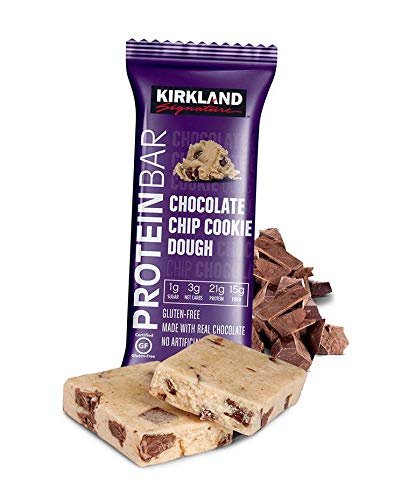
Protein bars can be convenient when you are traveling, working long hours, or unable to prepare food. However, their nutritional quality varies widely. Some provide useful protein and fiber, while others contain substantial added sugar and resemble candy bars.
Choose a bar based on its full nutrition profile and your needs. Look at the serving size, protein, fiber, added sugar, and calories. A protein bar can be useful occasionally, but it does not need to replace ordinary meals or whole-food snacks.
Are Protein Shakes Better Than Whole-Food Snacks?
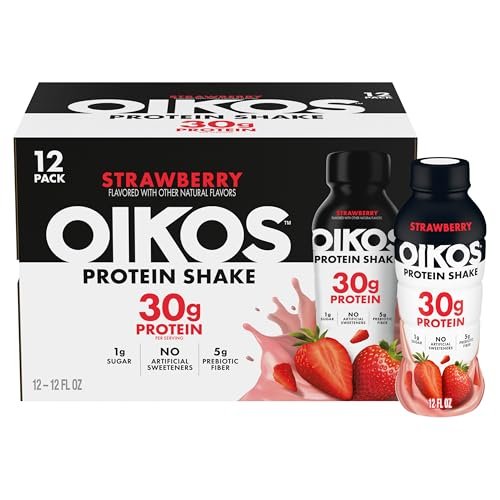
Protein shakes are useful for people who need a quick, portable source of protein. They can also help people who struggle to eat enough food after exercise or during busy days. However, a shake is not automatically better than yogurt, eggs, beans, or other protein-rich foods.
Whole foods often provide additional nutrients, including fiber and a wider range of vitamins and minerals. If you enjoy shakes, use them as one option rather than relying on them as your main source of nutrition.
Budget-Friendly Protein Snacks
Eating protein-rich snacks does not have to be expensive. Many affordable options are available in regular grocery stores, and some can be prepared in batches. Buying basic ingredients and planning portions can reduce the cost of frequent snacking.
Dry beans, lentils, eggs, peanut butter, milk, and plain yogurt are useful starting points. Frozen edamame and canned fish can also offer convenient ways to add protein without buying specialty products.
Compare unit prices and consider store brands. A large container of plain yogurt may cost less per serving than individual flavored cups. A bag of dried lentils may also provide several servings at a lower cost than ready-made snack packs.
Eggs
Cook several eggs at once and refrigerate them for quick snacks during the week.
Peanut butter
Use a measured portion with apples, bananas, celery, or whole-grain toast.
Beans and lentils
Cook a batch, divide it into small portions, and season with herbs, lemon, or mild spices.
Plain yogurt
Buy a larger container and add your own fruit, cinnamon, or oats.
Canned fish
Use tuna or other suitable canned fish with crackers or vegetables. Compare sodium and follow seafood consumption guidance.
How to Prepare Protein Snacks for the Week
A little preparation can make healthy choices easier. At the start of the week, cook eggs, prepare lentils, wash vegetables, and divide nuts into small containers. Keep refrigerated foods in covered containers and label them with preparation dates.
Avoid preparing more food than you can safely store and eat. Keep your refrigerator at 40 degrees Fahrenheit or below. Perishable foods should not remain at room temperature for more than two hours, or one hour when the temperature is above 90 degrees Fahrenheit.
Prepare protein
Cook eggs, beans, lentils, or tofu in manageable batches.
Add fresh produce
Wash suitable vegetables and prepare fruit portions for easy pairing.
Control portions
Divide nuts, seeds, and other calorie-dense foods into individual servings.
Store safely
Use clean, covered containers and refrigerate perishable foods promptly.
Protein Snacks for Vegetarians and Vegans
People who do not eat meat can still enjoy plenty of protein-rich snacks. Dairy products and eggs offer options for vegetarians, while beans, lentils, soy foods, nuts, and seeds work for many plant-based eating patterns.
For vegans, useful choices include edamame, tofu, roasted chickpeas, hummus, peanut butter, soy yogurt, pumpkin seeds, and lentil salad. Read labels on packaged foods because some products contain milk, eggs, or other animal-derived ingredients.
Plant-based protein does not need to come from one special food. Eating a varied diet that includes beans, peas, lentils, soy, nuts, seeds, and whole grains can provide the amino acids your body needs. You do not need to combine specific plant proteins in every single snack.
Edamame
A convenient source of soy protein that also provides fiber.
Roasted chickpeas
A crunchy option that combines plant protein and fiber.
Peanut butter
A useful spread for fruit, whole-grain toast, and crackers.
Tofu
A flexible soy food that can be seasoned and cooked in advance.
Lentils
An affordable source of plant protein that works in salads and small savory bowls.
Pumpkin seeds
A portable snack with protein, minerals, and unsaturated fats.
Can You Get Enough Protein Without Meat?
Yes. Meat is not required to meet protein needs. Foods such as soybeans, lentils, chickpeas, beans, tofu, tempeh, nuts, and seeds all contribute protein. A well-planned vegetarian or vegan diet can provide the amino acids needed for normal body functions.
People following a fully plant-based diet should pay attention to the wider nutrient profile of their meals, not protein alone. Vitamin B12 is especially important because reliable natural sources are limited in vegan diets. A registered dietitian can help assess individual needs.
Common Protein Snacking Mistakes to Avoid
Protein snacks can support a balanced eating pattern, but a few common mistakes can make them less useful. The biggest issue is focusing only on the protein number while ignoring the rest of the food.
A product can contain plenty of protein and still be high in added sugar or sodium. Likewise, eating very large portions of nuts or nut butter can add more calories than intended. A balanced approach considers the complete snack and your overall diet.
Choosing snacks only by protein grams
Look at fiber, added sugar, sodium, saturated fat, and serving size too.
Ignoring portion sizes
Nuts, seeds, cheese, and nut butter can be nutritious but calorie-dense. Measure a reasonable serving.
Depending on protein bars
Bars are convenient, but whole foods can provide more variety and often include nutrients that bars lack.
Forgetting carbohydrates
Fruit, whole grains, and other carbohydrate sources can complement protein and help provide energy.
Eating the same food every day
Rotate different protein sources to improve variety and make your eating routine more enjoyable.
Ignoring food storage
Dairy, eggs, meat, seafood, and other perishable foods need proper refrigeration to reduce the risk of foodborne illness.
Can You Eat Too Much Protein?
More protein is not automatically better. Your body needs an appropriate amount based on your age, health, body size, and activity level. Eating very large amounts may also crowd out other useful foods, including fruits, vegetables, and whole grains.
People with kidney disease or certain other medical conditions may need a specific protein intake. They should not follow a high-protein diet or use protein supplements without guidance from their healthcare team. A registered dietitian can help create a suitable eating plan.
Are High-Protein Snacks Suitable for Everyone?
Most healthy adults can include ordinary protein-rich foods in a balanced diet. However, individual needs differ. Children, pregnant people, older adults, athletes, and people managing medical conditions may need more specific advice.
Food allergies also matter. Peanuts, tree nuts, milk, eggs, soy, fish, and wheat are common food allergens. Read ingredient and allergen statements carefully, especially when buying packaged snacks or preparing food for others.
How to Build a Balanced Protein Snack
Building a balanced snack is simple when you start with one protein food and add another food group. This approach creates more variety and can help you feel satisfied without making food preparation complicated.
Think of a snack as a small combination rather than a single packaged product. Protein supplies amino acids, carbohydrates provide energy, fiber supports digestive health, and fats contribute to flavor and satisfaction. You do not need every nutrient in exact amounts at every snack.
The following combinations are easy to adapt to different preferences. Adjust the serving sizes based on hunger, activity, and your overall meal plan.
Protein plus fruit
Combine Greek yogurt with berries, cottage cheese with peaches, or peanut butter with apple slices.
Protein plus vegetables
Serve hummus with carrots, edamame with cucumber, or tuna with celery sticks.
Protein plus whole grains
Try eggs with whole-grain toast, cheese with whole-grain crackers, or peanut butter on whole-wheat bread.
Protein plus healthy fats
Combine plain yogurt with nuts, or add avocado to a tuna snack.
A Simple Five-Day Protein Snack Plan
A simple plan can help reduce last-minute food choices. These examples are flexible ideas, not a required meal schedule. You can change the portions and ingredients to match your appetite and dietary needs.
Monday
Plain Greek yogurt with strawberries and a small portion of oats.
Tuesday
One or two hard-boiled eggs with whole-grain crackers.
Wednesday
Roasted chickpeas with cucumber slices.
Thursday
Cottage cheese with pineapple or fresh peaches.
Friday
Apple slices with peanut butter and a glass of milk.
Frequently Asked Questions
Q
What are the healthiest protein snacks?
Some nutritious protein snacks include plain Greek yogurt, cottage cheese, eggs, edamame, roasted chickpeas, tuna, nuts, and hummus. These foods provide protein and may also supply fiber, calcium, healthy fats, vitamins, or minerals. The best choice depends on your dietary needs, serving size, and food preferences.
Q
What is a good protein snack with 20 grams of protein?
A serving of Greek yogurt may provide close to 20 grams of protein, depending on the brand and portion. A larger serving of cottage cheese or a tuna snack can also reach that amount. Check the Nutrition Facts label because protein levels vary across products.
Q
What are good protein snacks that do not need refrigeration?
Roasted chickpeas, almonds, pumpkin seeds, roasted soy nuts, peanut butter, and suitable shelf-stable protein bars are practical options. Jerky can also work when packaged and stored according to its instructions. Avoid carrying perishable foods such as yogurt, cooked eggs, or fresh meat without a cooler and adequate ice packs.
Q
What are good high-protein snacks for weight management?
Greek yogurt, cottage cheese, eggs, edamame, tuna, and hummus with vegetables can fit into a balanced eating plan. Choose portions that match your hunger and daily calorie needs. Combining protein with fiber-rich foods may help you feel satisfied between meals, but no single snack guarantees weight loss.
Q
What are good protein snacks for vegetarians?
Vegetarian protein snacks include Greek yogurt, cottage cheese, hard-boiled eggs, milk, cheese, edamame, tofu, lentils, nuts, seeds, and peanut butter. People who eat dairy and eggs have additional choices. Those following vegan diets can use soy foods, beans, peas, lentils, nuts, and seeds.
Q
Are nuts a good source of protein?
Yes. Almonds, peanuts, pistachios, walnuts, and other nuts provide plant protein, fiber, and unsaturated fats. However, nuts are calorie-dense, so a measured portion is useful. Pairing nuts with fruit or plain yogurt can create a more varied snack.
Q
Can I eat protein snacks every day?
Yes, protein-rich foods can be part of everyday meals and snacks. There is no need to eat the same protein food each day. Rotate dairy, eggs, fish, poultry, beans, soy, nuts, and seeds to add variety to your diet.
Q
Are protein snacks good before bed?
A small protein-containing snack before bed can fit into your routine if you are hungry. Plain yogurt, cottage cheese, or a glass of milk are possible options. Choose a portion that feels comfortable and avoid foods that trigger reflux, allergies, or digestive discomfort.
✦ Wrapping Up
Conclusion
Good protein snacks do not have to be costly, complicated, or limited to packaged protein bars. Everyday foods such as Greek yogurt, eggs, cottage cheese, nuts, edamame, chickpeas, tuna, and peanut butter can provide useful amounts of protein. Pairing these foods with fruit, vegetables, or whole grains can create snacks with a wider range of nutrients.
The best choice depends on your schedule, hunger, activity level, budget, and dietary preferences. If you need something portable, choose suitable shelf-stable foods. If you have access to a refrigerator, yogurt, eggs, and cottage cheese offer convenient options. For plant-based eating, beans, lentils, tofu, soybeans, and seeds provide plenty of variety.
Focus on the whole food rather than the protein number alone. Check serving sizes, compare nutrition labels, watch added sugar and sodium, and store perishable foods safely. A flexible routine with different protein sources is more useful than relying on one snack every day.
💡 Key Takeaway
Start with three easy protein snacks this week: Greek yogurt with berries, hard-boiled eggs with whole-grain crackers, and roasted chickpeas with vegetables. Prepare suitable portions in advance, check food labels, and rotate different protein sources to build a practical and balanced snacking routine.