How Many Protein Bars Should You Eat in a Day? A Complete Guide
If you search for how many protein bars should you eat in a day, you may expect one simple number. The better answer depends on your diet, activity level, calorie needs, and the bar itself. A bar with 10 grams of protein is very different from one with 30 grams.
Protein bars can be useful in a busy U.S. lifestyle. They can work after a workout, during a long commute, or when a full meal is not easy to get. But they are still packaged foods. They should support a balanced diet rather than become the main source of your nutrition.
There is no universal rule that says every adult should eat a set number of protein bars each day. The key is to look at the whole diet. Your total protein intake matters more than the number of bars in your pantry.
How Many Protein Bars Should You Eat in a Day?
For most healthy adults, one protein bar per day is a reasonable starting point. Some people may use two bars on a busy or highly active day. Eating more than that is not automatically harmful, but it can make your diet less balanced if bars begin to replace whole foods.
The right answer to how many protein bars should you eat in a day starts with your protein goal. It also depends on what you eat at breakfast, lunch, dinner, and other snacks. If your meals already provide enough protein, you may not need a bar every day.
Think of a protein bar as a tool. It can help you reach a protein goal when food is not convenient. It does not need to be a daily requirement.
- ✦ One bar
Often enough for a snack, quick breakfast add-on, or post-workout option when the rest of your diet already provides protein.
- ✦ Two bars
May fit an active person with higher protein needs, especially on a long or busy day, if calories and other nutrients still fit the diet.
- ✦ Three or more bars
This can provide a lot of calories and processed food while leaving less room for fruits, vegetables, grains, dairy, beans, eggs, fish, and other whole foods.
Why There Is No Fixed Daily Limit
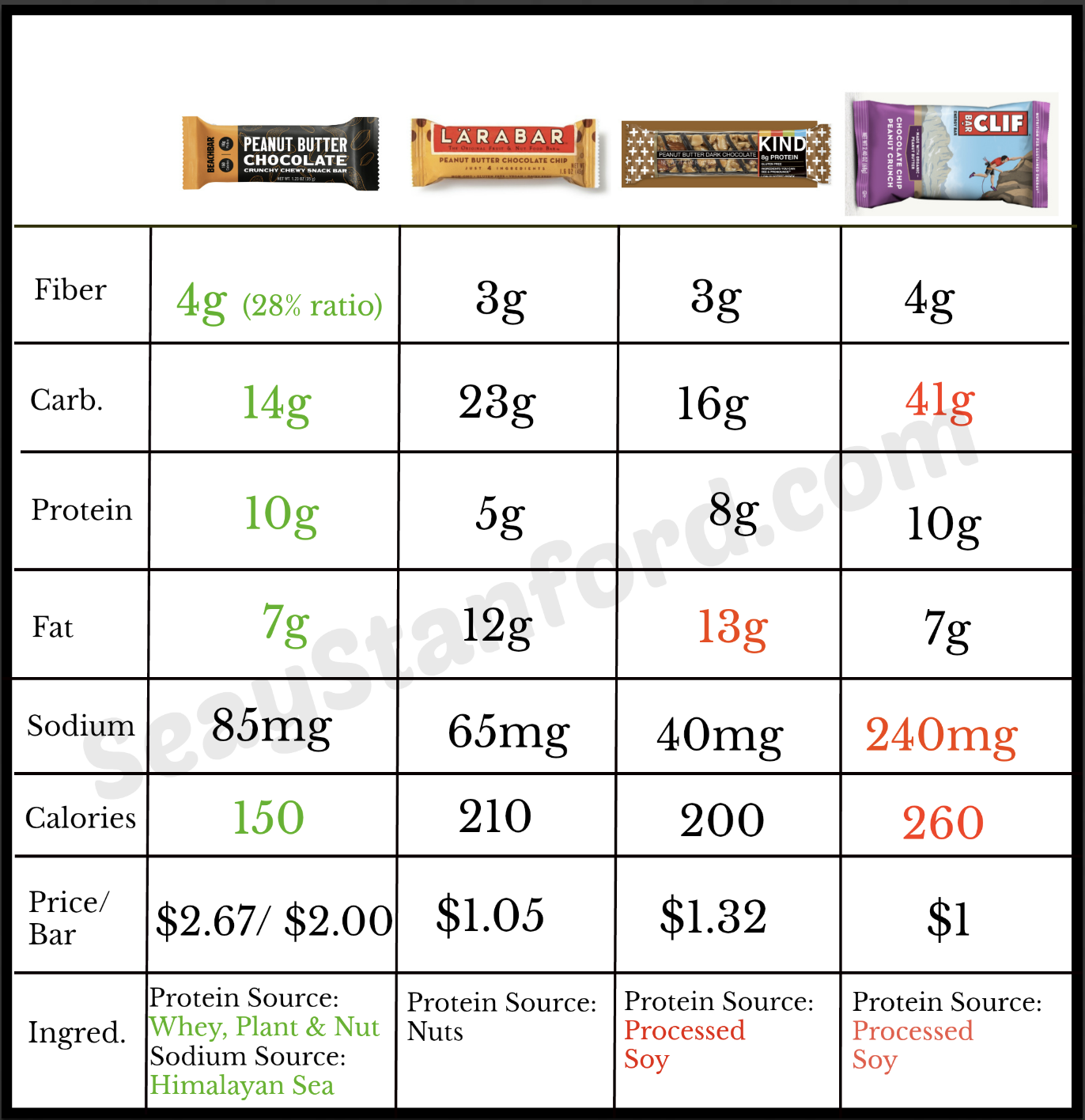
Protein bars vary widely. Some contain about 10 grams of protein, while others contain 20 to 30 grams or more. Their calorie, sugar, fat, fiber, and sodium levels can also differ a lot.
That is why the question of how many protein bars should you eat in a day cannot be answered by counting bars alone. You need to look at what each bar adds to your total daily intake.
How Much Protein Do You Need Each Day?
Protein needs vary by body size, age, activity, and health goals. For healthy adults, the basic Recommended Dietary Allowance is 0.8 grams of protein per kilogram of body weight per day. This is a general reference, not a target that every active person must follow.
People who train often may need more. Sports nutrition guidance commonly places protein needs for athletes and regularly active adults around 1.2 to 2.0 grams per kilogram per day. Older adults may also need more protein than the basic adult reference in some situations.
For example, a 150-pound person weighs about 68 kilograms. A basic 0.8 grams per kilogram target would be about 54 grams of protein per day. A person who trains hard may have a much higher need, depending on the type and amount of training.

- ✦ General adult reference
About 0.8 grams of protein per kilogram of body weight per day is the basic adult RDA.
- ✦ Active adults
Sports nutrition guidance often uses about 1.2 to 2.0 grams per kilogram per day for athletes and regularly active adults.
- ✦ Older adults
Protein needs may be higher with age, especially when maintaining muscle is a concern.
- ✦ Medical needs
People with kidney disease or other medical conditions may need individualized protein advice from a health professional.
A Simple Protein Bar Example
Imagine a bar with 20 grams of protein. One bar gives you 20 grams. Two bars give you 40 grams. That may sound helpful, but you still need to count protein from eggs, yogurt, milk, meat, fish, tofu, beans, nuts, and other foods.
This is why how many protein bars should you eat in a day is really a question about your full protein budget. A bar should help close a gap, not force you to eat more protein than you need.
What to Look for on a Protein Bar Label
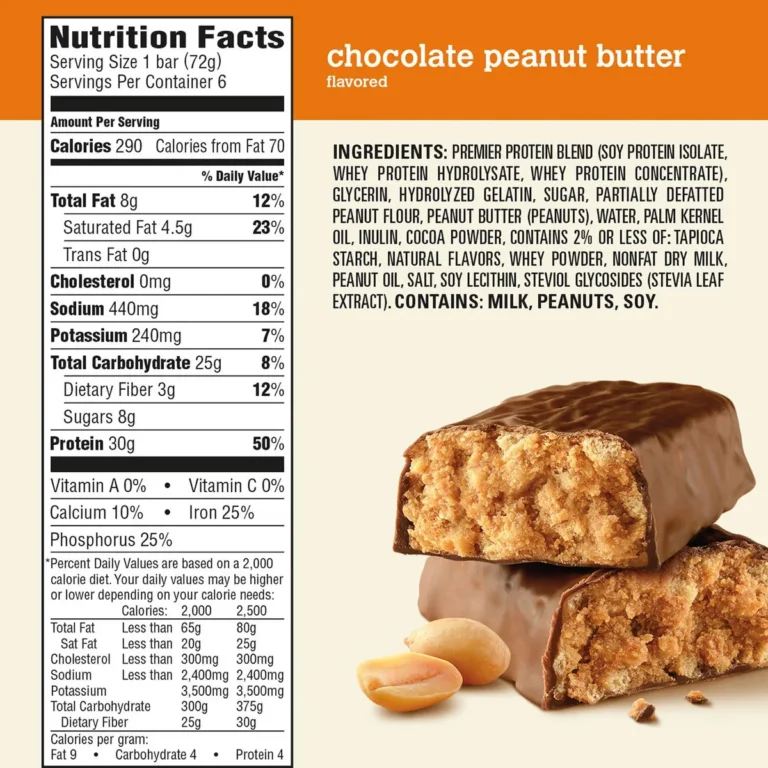
The word protein on the front of a package does not tell you if a bar is a good fit. Turn the package around and read the Nutrition Facts label. In the U.S., the label shows serving size, calories, protein, carbohydrates, fat, fiber, sugars, added sugars, sodium, and other nutrients.
The FDA uses 50 grams of protein as the Daily Value on food labels. That number helps with label comparison, but it is not a personal protein target for everyone. Your actual need can be higher or lower.
A useful bar should make sense in the context of your diet. A bar with a lot of protein but very high calories, added sugar, saturated fat, or sodium may not be the best everyday choice.

- ✦ Protein
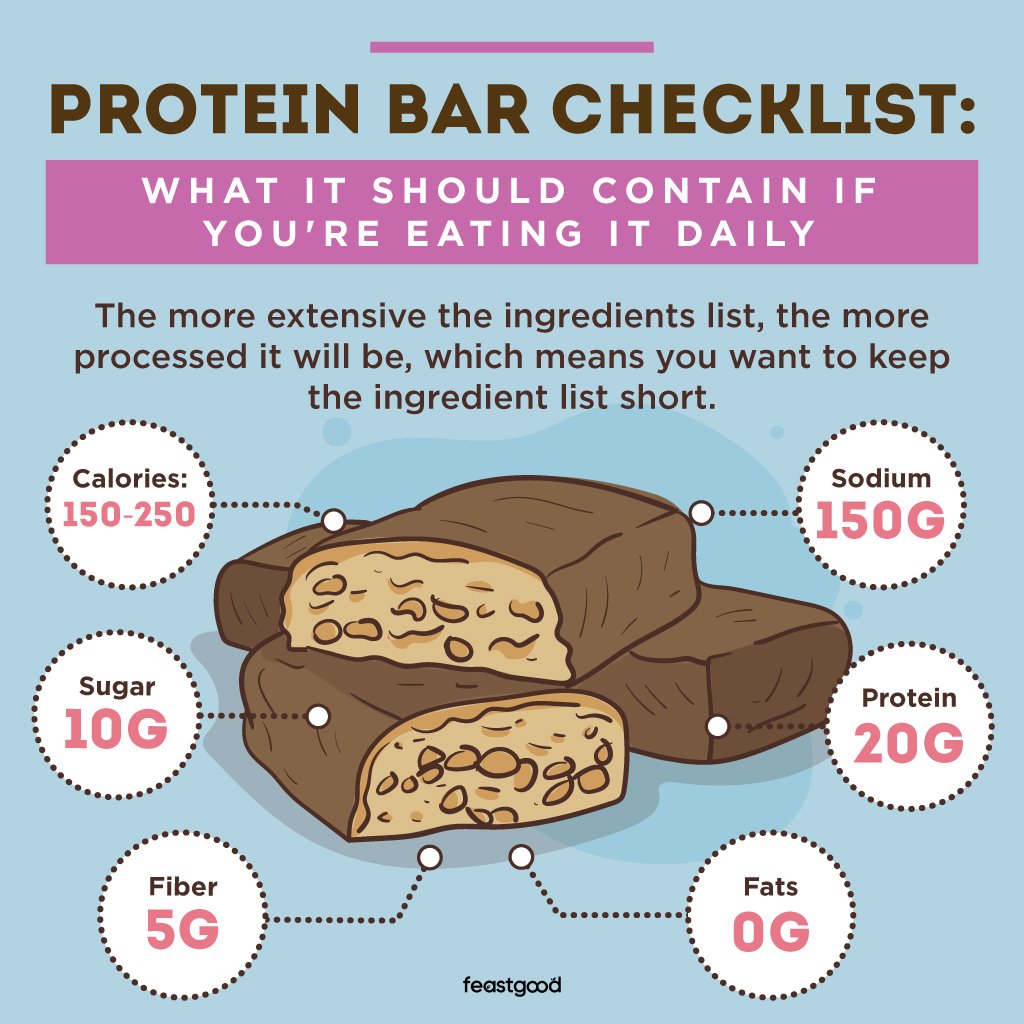
Check the grams per bar. Around 15 to 30 grams can be useful for many people, but your personal need matters most.
- ✦ Calories
Compare calories with the role of the bar. A snack bar and a meal-replacement bar can have very different calorie levels.
- ✦ Fiber
Fiber can help make a snack more filling. Compare the fiber amount rather than judging a bar by protein alone.
- ✦ Added sugar
The FDA Daily Value for added sugar is 50 grams based on a 2,000-calorie diet. Lower added sugar can make a bar easier to fit into a balanced diet.
- ✦ Sodium
Check sodium if you eat bars often or already eat many packaged foods.
Do Not Confuse Serving Size With a Recommendation
A serving size on a Nutrition Facts label tells you how much the label counts as one serving. It does not tell you how much you should eat. Some packages contain more than one serving.
Always check whether the entire bar equals one serving. If a package contains two servings and you eat the whole package, you may need to double the listed calories and nutrients.
Are Protein Bars Healthy?
A protein bar can be healthy, but the answer depends on the product and the rest of your diet. Some bars contain useful amounts of protein and fiber with modest amounts of added sugar. Others are closer to candy bars with extra protein added.
Protein bars can also be convenient. That matters in real life. A good snack that you can carry to work, the gym, or a road trip may be more useful than a perfect snack that you never have available.
Still, whole foods offer benefits that many bars do not. Foods such as fruit, vegetables, beans, whole grains, eggs, dairy, fish, nuts, and seeds provide a wider mix of nutrients.

- ✦ Convenience
A bar can be easy to store and carry when you have limited time.
- ✦ Protein boost
A bar can add protein when a meal or snack is low in protein.
- ✦ Portion control
A single packaged bar can make the amount of food easy to track.
- ✦ Not a whole-food replacement
Most people still benefit from getting much of their diet from a variety of whole or minimally processed foods.
When Protein Bars Make Sense
A protein bar can work well before or after exercise, during travel, or between meetings. It can also help when you have limited access to a full meal.
For someone who struggles to get enough protein from meals, a bar can be a simple backup. But it should support a meal pattern that still includes a broad range of foods.
When Protein Bars May Not Be the Best Choice
If you already meet your protein needs, adding several bars may simply add extra calories. This can make weight management harder for people who are trying to stay within a calorie target.
Bars may also cause stomach trouble in some people. Sugar alcohols, large amounts of added fiber, or certain protein ingredients can cause gas, bloating, or loose stools in sensitive people.
How Many Protein Bars Should You Eat for Weight Loss?
If your goal is weight loss, there is no special protein bar limit. The key is your total calorie intake, protein intake, food quality, and activity level. A protein bar may help you manage hunger, but it can also add a large number of calories if you eat several without planning for them.
For many people, one protein bar can work as a planned snack. Pairing it with water, fruit, or another nutrient-rich food may make the snack more satisfying. The best choice depends on the bar and the rest of your meals.
When asking how many protein bars should you eat in a day for weight loss, start with the role of the bar. If it replaces a higher-calorie snack and helps you stay within your daily calorie needs, it may be useful. If it is added on top of your normal meals, it may work against your goal.

- ✦ Use one as a planned snack
This can be a simple way to add protein without turning the bar into an extra meal.
- ✦ Watch total calories
Protein does not make calories irrelevant. Count the bar as part of your full daily intake.
- ✦ Choose filling options
A bar with useful protein and fiber may be more satisfying than one that is mostly sugar and refined ingredients.
- ✦ Do not replace every meal
Regular meals can provide a wider mix of nutrients and more food variety.
Can Protein Bars Help With Hunger?
Protein can help with fullness, but the effect depends on the whole meal or snack. Fiber, food volume, fat, and personal hunger also matter.
If a bar leaves you hungry again soon, it may not be enough on its own. Adding fruit, yogurt, or another whole food can create a more balanced snack.
How Many Protein Bars Should You Eat for Muscle Gain?
People who lift weights or train hard often have higher protein needs than inactive adults. A protein bar can help meet those needs when meals do not provide enough protein.
Still, eating more bars does not automatically build more muscle. Muscle growth also depends on resistance training, enough total calories, sleep, recovery, and adequate protein spread across the day.
For an active person, two protein bars in one day may fit a higher protein plan. But two bars are not always better than one. If your meals already provide enough protein, another bar may add calories without adding much value.

- ✦ Before training
A bar can be useful when you need a quick snack and have limited time before a workout.
- ✦ After training
A protein bar can provide a convenient protein source when a meal is not available soon.
- ✦ Between meals
A bar can help spread protein across the day instead of putting most of it into one meal.
How Much Protein Per Meal?
There is no single protein amount that works for every meal. Sports nutrition guidance often uses roughly 20 to 40 grams of protein per meal for many active adults, with body size and training needs affecting the target.
That makes a 20 to 30 gram protein bar a useful option for some people. It does not mean every meal needs to come from a bar.
Can You Eat Protein Bars Every Day?
Yes, many healthy adults can include a protein bar every day. Eating one daily is not automatically unhealthy. What matters is the quality of the bar and whether it fits your overall diet.
Daily use becomes less useful when bars replace a wide range of foods. If breakfast, lunch, and dinner are mostly packaged products, you may miss the variety of nutrients found in whole foods.
If you enjoy a protein bar every day, treat it as one part of your diet. Rotate your other snacks and protein sources so your food choices stay varied.

- ✦ Vary your protein sources
Use foods such as eggs, Greek yogurt, milk, fish, poultry, lean meat, tofu, beans, lentils, nuts, and seeds.
- ✦ Check the label
Look at protein, calories, fiber, added sugar, saturated fat, and sodium.
- ✦ Watch your digestion
If a bar causes gas, bloating, or diarrhea, try another product or another snack.
- ✦ Keep meals balanced
Do not let convenience foods crowd out fruits, vegetables, whole grains, and other nutrient-rich foods.
What Happens If You Eat Too Many Protein Bars?
Eating several bars can raise your daily calorie intake quickly. Some bars also contain high amounts of sugar alcohols or added fibers that can upset the stomach when eaten in large amounts.
A high intake of packaged bars may also leave less room for whole foods. The concern is not that protein bars are inherently bad. The concern is that too many may create an unbalanced diet.
Protein Bars vs. Whole-Food Protein Sources
Protein bars win on convenience. Whole foods usually win on variety. A bar can sit in a desk drawer for weeks, while yogurt, eggs, fruit, or cooked meals need more planning.
Whole foods can provide protein along with vitamins, minerals, fiber, healthy fats, and other useful compounds. That does not make protein bars useless. It simply means they work best as part of a varied diet.
If you have time to prepare a meal, there is often little reason to choose a bar just because it contains protein. If you are rushing between work, travel, and exercise, the convenience may be worth it.

- ✦ Greek yogurt
Provides protein and can also provide calcium and other nutrients, depending on the product.
- ✦ Eggs
Offer high-quality protein along with several vitamins and minerals.
- ✦ Beans and lentils
Provide plant protein and fiber and can be part of many balanced meals.
- ✦ Fish and poultry
Provide protein and can serve as the main protein source in a meal.
- ✦ Nuts and seeds
Provide protein along with healthy fats, though they can also be calorie-dense.
The Best Way to Use Protein Bars
A simple rule is to use a protein bar when it solves a real problem. If you need a portable snack, it can be a good fit. If you are home and can make a balanced meal, whole foods may give you more variety.
This approach also helps answer how many protein bars should you eat in a day. Instead of setting a strict limit first, decide where the bar fits in your day and what nutrition it provides.
Who Should Be More Careful With Protein Bars?
Most healthy adults can include protein bars as part of a balanced diet. But some people need more care with protein intake or with specific ingredients in bars.
People with kidney disease should not assume that a high-protein diet is safe for them. Protein needs can change with kidney function and treatment, so medical guidance is important.
People with food allergies should also read labels closely. Milk, soy, peanuts, tree nuts, eggs, wheat, and other allergens can appear in protein bars or through cross-contact.

- ✦ Kidney disease
Ask a doctor or registered dietitian about your personal protein needs before using high-protein products often.
- ✦ Food allergies
Read the ingredient list and allergen statement before eating a new bar.
- ✦ Sensitive digestion
Large amounts of sugar alcohols, added fiber, or some protein ingredients may cause digestive symptoms.
- ✦ Children and teens
Growing bodies have different nutrition needs. Protein bars should not replace balanced meals without guidance from a qualified health professional.
When to Talk With a Professional
If you have kidney disease, a digestive disorder, a food allergy, or another medical condition, your protein needs may differ from general advice. A registered dietitian or doctor can help set a safe target.
Professional advice is also useful if you are using protein bars to manage a medical diet, rapid weight change, or a demanding training program.
A Simple Daily Protein Bar Plan
You do not need a complex system to decide how many protein bars should you eat in a day. Start with your daily protein goal. Then estimate how much protein you get from normal meals.
If your meals leave a gap, use a bar to help fill it. This makes the bar part of a plan instead of an automatic extra snack.
For example, someone may eat eggs and toast at breakfast, chicken and rice at lunch, and fish with vegetables at dinner. If those meals already provide plenty of protein, a bar may not be needed. Another person with a light breakfast and long workday may find one bar very useful.
- ✦ Step 1: Estimate your protein need
Use your body weight, activity level, age, and goals as starting points.
- ✦ Step 2: Count meal protein
Look at the protein you already get from breakfast, lunch, dinner, and other snacks.
- ✦ Step 3: Find the gap
Use a protein bar only if it helps fill a real nutrition or convenience gap.
- ✦ Step 4: Check the full label
Review calories, protein, fiber, added sugar, saturated fat, and sodium.
- ✦ Step 5: Adjust over time
Your needs may change with training, weight goals, age, health, or changes in your daily routine.
A Practical Rule of Thumb
For many healthy adults, one protein bar a day is a simple and reasonable routine. Two may make sense on days when protein needs or food access are higher. More than two should have a clear reason rather than being an automatic habit.
The most important point is that there is no magic number. The right answer to how many protein bars should you eat in a day is the number that fits your protein needs, calorie needs, food quality, and personal health.