Is It Okay to Eat 2 Protein Bars a Day: A Complete Guide
If you are busy, two protein bars can seem like an easy fix. They fit in a gym bag, desk drawer, or car. They can also help you reach a protein goal when a full meal is not practical.
But the better question is not only, “Is it okay to eat 2 protein bars a day?” It is also, “What else am I eating?” A bar can provide useful protein, but it may also bring a lot of calories, added sugar, saturated fat, sodium, or sugar alcohols.
Protein needs vary with body size, age, health, and activity. Most Americans already get enough protein, so adding two bars makes the most sense when they solve a real nutrition need rather than simply adding more food.

Is It Okay to Eat 2 Protein Bars a Day?
For a healthy adult, there is no simple rule that makes two protein bars a day either safe or unsafe. The answer depends on the bars, your total diet, your protein needs, your calorie needs, and your health.
Two bars may be useful for an active person who struggles to eat enough protein during a busy day. They may be less useful for someone who already gets plenty of protein from regular meals.
A protein bar is still food. Two bars count toward your daily calories, carbohydrates, fats, protein, sodium, and other nutrients. The serving size on the label also matters because the Nutrition Facts panel is based on the listed serving size.
So, is it okay to eat 2 protein bars a day? In many cases, yes. The key is to judge the whole diet rather than the number two by itself.

- ✦ Two bars can fit
They can work as snacks, a pre-workout option, or a backup meal when paired with other nutritious foods.
- ✦ Two bars may be unnecessary
If you already meet your protein needs from meals, the bars may add calories without adding much value.
- ✦ Two bars are not equal
Protein bars vary widely in calories, protein, fiber, sugar, fat, sodium, and ingredients.
What Makes Two Protein Bars Reasonable?
A reasonable plan starts with your total daily diet. If the bars help you meet a sensible protein target without pushing your calories or added sugar too high, two can fit.
It also helps to use the bars as part of a varied diet. For example, a bar can cover a rushed afternoon snack while your other meals include vegetables, fruit, whole grains, dairy, beans, eggs, fish, poultry, or other protein foods.
- ✦ Check the full label
Look at calories, protein, fiber, added sugar, saturated fat, sodium, and serving size.
- ✦ Look at your whole day
Count protein and calories from meals, snacks, drinks, and supplements together.
How Much Protein Do You Need Each Day?
Protein is essential for muscle, skin, bones, tissues, and many body processes. Your body needs protein every day, but your ideal amount depends on factors such as body size, age, health, and physical activity.
For healthy adults, the basic protein RDA is about 0.8 grams per kilogram of body weight per day. People who train hard, build muscle, recover from illness, or have other special needs may need a different amount.
This is why two protein bars cannot be judged by protein grams alone. A person who gets enough protein from meals may not need two bars, while another person may find them useful.
For example, two bars with 20 grams of protein each provide 40 grams of protein. That can be a large share of a person’s daily protein intake. It can also be a useful amount for someone with higher protein needs.

- ✦ Sedentary adults
Many healthy adults can meet their needs through normal meals without relying on protein bars.
- ✦ Active adults
People who exercise often may have higher protein needs and may use bars as a convenient way to add protein.
- ✦ Older adults
Protein needs can change with age, so food choices should support muscle and overall nutrition rather than focus only on bar count.
Two Bars Can Add a Lot of Protein
Imagine a bar with 20 grams of protein. Two bars would give you 40 grams. If you also eat eggs at breakfast, chicken at lunch, yogurt as a snack, and fish or beans at dinner, your total can rise quickly.
More protein is not automatically better. Once your needs are met, extra protein still provides calories and may displace foods that supply fiber, vitamins, minerals, and healthy fats.
- ✦ Do the math
Multiply the protein per bar by two, then add protein from the rest of your day.
- ✦ Consider your goal
Your protein plan may differ if your goal is general health, muscle growth, sports performance, or weight management.
What to Look for in a Protein Bar
If you plan to eat two protein bars a day, choosing the right bars matters more than choosing a magic number. Start with the Nutrition Facts label and ingredient list.
Do not judge a bar by its front label alone. Words such as “high protein” or “low sugar” tell only part of the story. The full label shows how the bar fits your diet.
The FDA Nutrition Facts label lists key nutrients such as calories, saturated fat, sodium, carbohydrates, fiber, total sugars, added sugars, and protein. Comparing these values makes it easier to choose a bar that matches your needs.

- ✦ Protein
Look for enough protein to make the bar useful for your goal. The right amount depends on the rest of your diet.
- ✦ Calories
Two calorie-dense bars can become a large snack or even a meal’s worth of calories.
- ✦ Fiber
A bar with useful fiber can help you build a more filling snack, especially when your overall diet is low in fiber.
- ✦ Added sugar
Check added sugar rather than relying only on total sugar. Two bars can contribute a meaningful amount to your daily total.
- ✦ Saturated fat
Some bars contain a lot of saturated fat from ingredients such as chocolate, coconut, or other fat sources.
- ✦ Sodium
Some highly processed bars can add a surprising amount of sodium, which matters when the rest of your diet is also high in sodium.
- ✦ Sugar alcohols
Sugar alcohols such as sorbitol, maltitol, and erythritol are used in some low-sugar bars. Some people may get gas, bloating, or diarrhea from certain sugar alcohols.
A Simple Protein Bar Checklist
A good daily bar should solve a nutrition problem without creating a bigger one. If you need protein but also need more fiber, a bar that provides both may be more useful than a bar that mainly provides protein.
There is no single perfect protein bar. Your best choice depends on your calorie needs, taste, dietary pattern, allergies, digestion, and fitness goals.
- ✦ Read serving size
Make sure one bar equals one serving. If a package contains multiple servings, calculate what you actually eat.
- ✦ Read the ingredient list
Look for ingredients you tolerate and avoid ingredients that trigger allergies or digestive problems.
- ✦ Compare brands
Two bars from different brands can have very different calorie, protein, sugar, fiber, and sodium profiles.
Benefits of Eating Two Protein Bars a Day
Protein bars can be useful because they are simple, portable, and easy to store. That matters in real life. A person who skips meals during a long workday may find a bar more practical than waiting several hours for the next meal.
Two bars may also help people who have trouble reaching their protein target through regular foods. This can be helpful around exercise, travel, long shifts, or days when appetite and time do not line up.
Still, convenience is the main benefit. A protein bar is not automatically healthier than a normal food just because it contains more protein.

- ✦ Convenience
Bars are easy to carry and require no cooking, refrigeration, or utensils in many situations.
- ✦ Protein support
They can help increase protein intake when meals alone do not provide enough.
- ✦ Workout fuel
Depending on the bar’s carbohydrate and protein content, it may work as a snack before or after exercise.
- ✦ Portion control
A packaged bar gives you a defined portion, which can be useful for people who want a simple snack.
Potential Downsides of Eating Two Protein Bars Every Day
The main concern is not that protein bars are inherently bad. The concern is what they replace and what they add. Two bars every day can become a problem if they crowd out whole foods or add more calories than you need.
Some bars are also closer to candy bars with added protein than to a balanced snack. They may contain lots of sweeteners, saturated fat, sodium, or highly processed ingredients. That does not make every such bar unhealthy, but it does mean the whole diet matters.
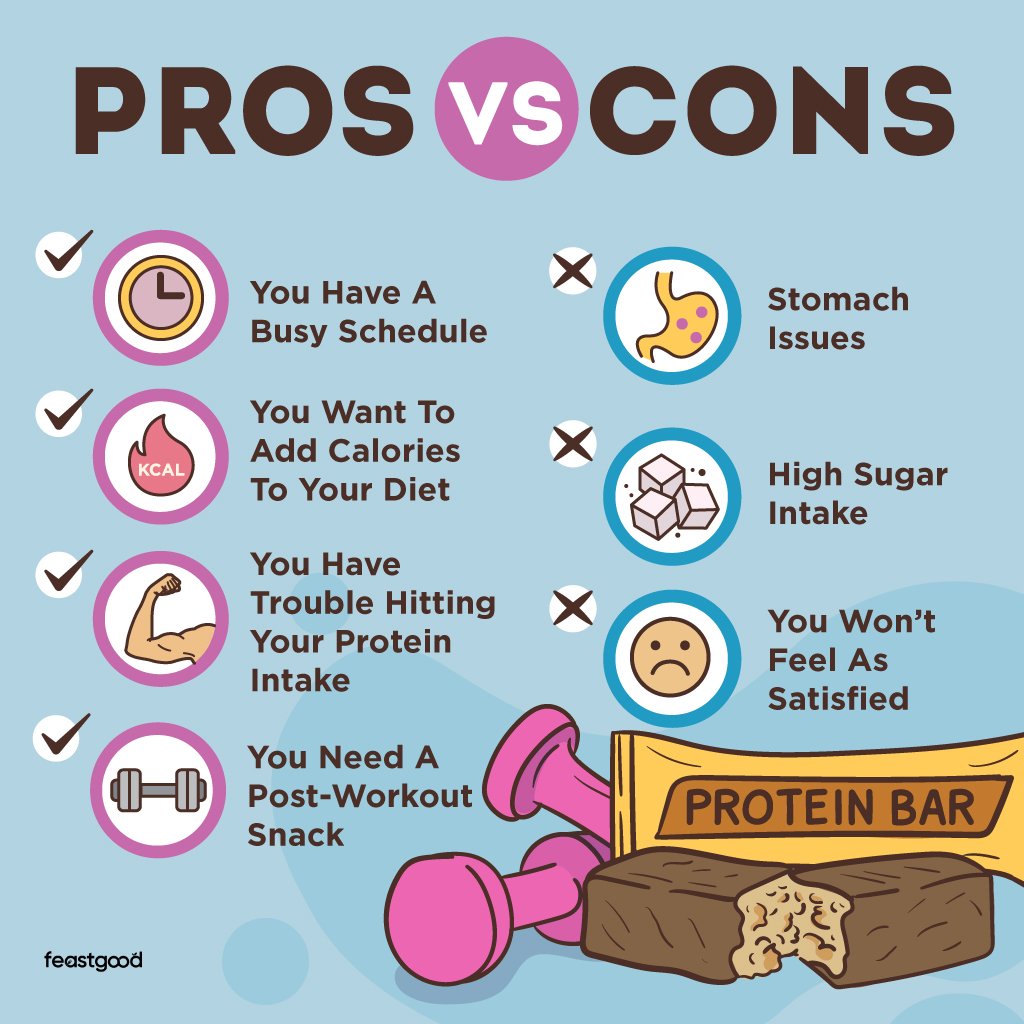
Digestive issues are another common reason to reduce intake. Large amounts of added fiber or sugar alcohols may cause bloating, gas, cramps, or loose stools in some people.

- ✦ Extra calories
Two bars can add several hundred calories, depending on the brand and size.
- ✦ Less food variety
Using bars too often may mean eating fewer fruits, vegetables, whole grains, beans, nuts, dairy foods, and other whole foods.
- ✦ Digestive discomfort
Sugar alcohols and large amounts of added fiber can bother some digestive systems.
- ✦ Added sugar
Some protein bars contain enough added sugar that two bars can take up a large share of a day’s limit.
- ✦ Sodium
Two bars may add more sodium than expected, especially when combined with other processed foods.
Can Two Protein Bars Cause Weight Gain?
They can if they consistently push your calorie intake above what your body uses. Protein itself does not make a person gain body fat simply because it is protein, but protein bars still contain calories.
For weight management, count the bars as part of your daily food intake. Replacing a higher-calorie snack with a well-chosen protein bar can be useful. Adding two bars on top of your normal meals may have the opposite effect.
- ✦ Replace, do not always add
A bar works better for weight control when it replaces another snack rather than becoming an extra food.
- ✦ Check calories
Two bars with very different calorie counts can have very different effects on your daily intake.
Are Two Protein Bars a Day Good for Weight Loss?
Two protein bars can fit into a weight-loss diet, but they do not cause weight loss by themselves. Weight change depends on the overall balance of energy intake and energy use, along with food quality, activity, sleep, and many other factors.
Protein can help with fullness and can make it easier to meet nutrition needs during a calorie deficit. But a bar should not replace all of the foods that provide fiber, vitamins, minerals, and healthy fats.
For many people, one bar may be enough for a snack. Two may make sense when they replace a meal or several less nutritious snacks and still fit the person’s calorie and protein plan.

- ✦ Use bars with a purpose
Decide whether the bar is replacing a snack, supporting a workout, or helping you meet a protein target.
- ✦ Add whole foods
Pair a bar with fruit, vegetables, yogurt, nuts, or another whole food when the bar alone does not make a balanced snack.
- ✦ Watch liquid calories too
Protein shakes, sweetened coffee, sports drinks, and other drinks can add calories that are easy to overlook.
A Better Weight-Loss Snack Combination
A protein bar can be more satisfying when paired with a whole food. For example, a bar with an apple can give you protein and fruit, while a bar with plain Greek yogurt may add protein and calcium.
The goal is not to make every snack perfect. The goal is to create a daily pattern that is filling, nutritious, and easy to maintain.
- ✦ Protein bar plus fruit
This adds a simple source of carbohydrates, water, and other nutrients.
- ✦ Protein bar plus yogurt
This can increase protein and provide calcium, depending on the yogurt.
Can You Eat Two Protein Bars Without Working Out?
Yes. You do not need to exercise to eat a protein bar. Protein is a basic nutrient, not a supplement reserved for athletes.
The question is whether you need the extra protein and calories. If your regular diet already meets your needs and you are not very active, two bars may simply add food that you do not need.
On the other hand, a person with a busy schedule may use a bar for convenience even without a workout. What matters most is how it fits the person’s total diet.

- ✦ No workout is required
Protein bars can be used as regular snacks or convenient food even on rest days.
- ✦ Protein still has a purpose
Your body uses protein for normal repair and maintenance, even when you do not exercise.
- ✦ Need matters
If you already get enough protein and calories, adding two bars may not provide a clear benefit.
When You Should Be More Careful With Two Protein Bars a Day
For most healthy adults, two protein bars can fit into a balanced diet. But some people need a more careful plan. This includes people with kidney disease and people who have been told to follow a special diet.
Kidney disease can change protein needs. Some people with chronic kidney disease who are not on dialysis may need less protein, while people on dialysis often need more. A doctor or renal dietitian can help set the right amount.
You should also pay attention if bars cause repeated bloating, diarrhea, constipation, headaches, or other symptoms. An ingredient may not agree with you, or the bars may be adding too much fiber or sugar alcohol.
- ✦ Kidney disease
Ask your clinician or renal dietitian about your protein target before making high-protein foods a daily habit.
- ✦ Food allergies
Check for milk, soy, peanuts, tree nuts, wheat, eggs, and other allergens listed on the label.
- ✦ Digestive problems
If bars repeatedly cause gas, bloating, cramps, or diarrhea, check the fiber and sugar alcohol content and consider stopping them.
- ✦ Special diets
People with diabetes, heart disease, pregnancy, eating disorders, or other medical nutrition needs may need individualized advice.
Protein Bars and Kidney Health
People with healthy kidneys and people with chronic kidney disease are not in the same situation. Protein produces waste products that healthy kidneys remove. When kidney function is reduced, the amount of protein a person should eat may need to change.
If you have kidney disease, do not use a general protein-bar rule as your personal target. Your stage of kidney disease, treatment, lab results, and overall nutrition needs all matter.
- ✦ Ask before increasing protein
A clinician or renal dietitian can help you set a protein goal that matches your kidney function.
- ✦ Check more than protein
People with kidney disease may also need to watch sodium, potassium, phosphorus, or other nutrients.
Two Protein Bars vs. Whole-Food Protein Sources
Protein bars are convenient, but whole foods offer more than protein. Beans, lentils, eggs, fish, poultry, dairy, nuts, seeds, tofu, and other protein foods can bring fiber, vitamins, minerals, healthy fats, and other useful nutrients.
That does not mean you must avoid bars. A practical diet can include both. The best approach is to let whole foods form the base of your eating pattern and use protein bars when they make your day easier.
For example, two bars may be useful on a long travel day. On a normal day at home, eggs at breakfast, beans at lunch, yogurt as a snack, and fish or tofu at dinner may give you more variety.
- ✦ Eggs
Eggs provide protein and several vitamins and minerals.
- ✦ Greek yogurt
Greek yogurt can provide protein and calcium, with options that contain little or no added sugar.
- ✦ Beans and lentils
These foods provide plant protein and fiber and can be part of a balanced diet.
- ✦ Fish and poultry
These can provide protein with different amounts of fat depending on the type and preparation.
- ✦ Nuts and seeds
They provide protein along with unsaturated fats and other nutrients, but they are also calorie-dense.
A Practical Rule for Daily Protein Bars
Think of a protein bar as a tool, not the foundation of your diet. If you use two each day, make sure the rest of your meals still contain a good mix of whole foods.
A useful test is simple: if removing the bars would leave your diet lacking protein or make your routine much harder, they may be serving a real purpose. If removing them changes very little, you may not need two every day.
- ✦ Base meals on food variety
Include different protein foods, fruits, vegetables, whole grains, and healthy fats across the week.
- ✦ Use bars for convenience
Keep them for work, travel, workouts, or other times when regular food is less practical.