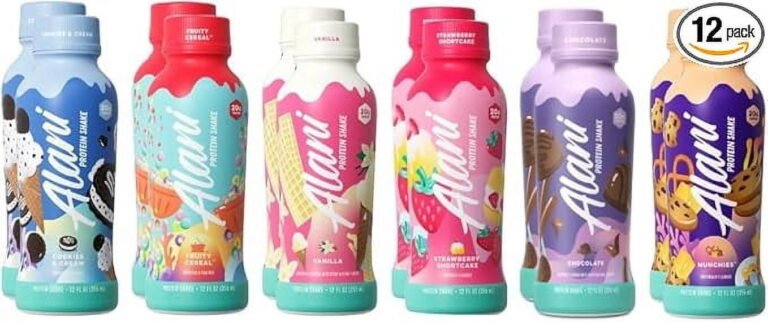
Yes, protein powder can taste good, especially when you choose a flavor and protein source that match your preferences. However, some powders taste chalky, bitter, overly sweet, or artificial.
Walk into an American grocery store, visit a Costco supplement aisle, or browse an online fitness store, and you will find protein powders in dozens of flavors. Chocolate, vanilla, strawberry, cookies and cream, and peanut butter are common choices. Some even taste like coffee or dessert. But a good-looking label does not always mean a good-tasting shake.
The actual taste depends on several things. These include the protein source, flavoring, sweeteners, added ingredients, and the liquid you use. Whey protein often has a mild dairy-like taste, while some plant-based powders have earthy or nutty notes. The texture can also range from smooth and creamy to thick, gritty, or chalky.
The good news is that you do not have to settle for a shake you dislike. Choosing the right flavor, using the correct amount of liquid, and blending the powder with everyday foods can make a major difference. This guide explainswhat protein powder really tastes like and how to find an option you will enjoy drinking.
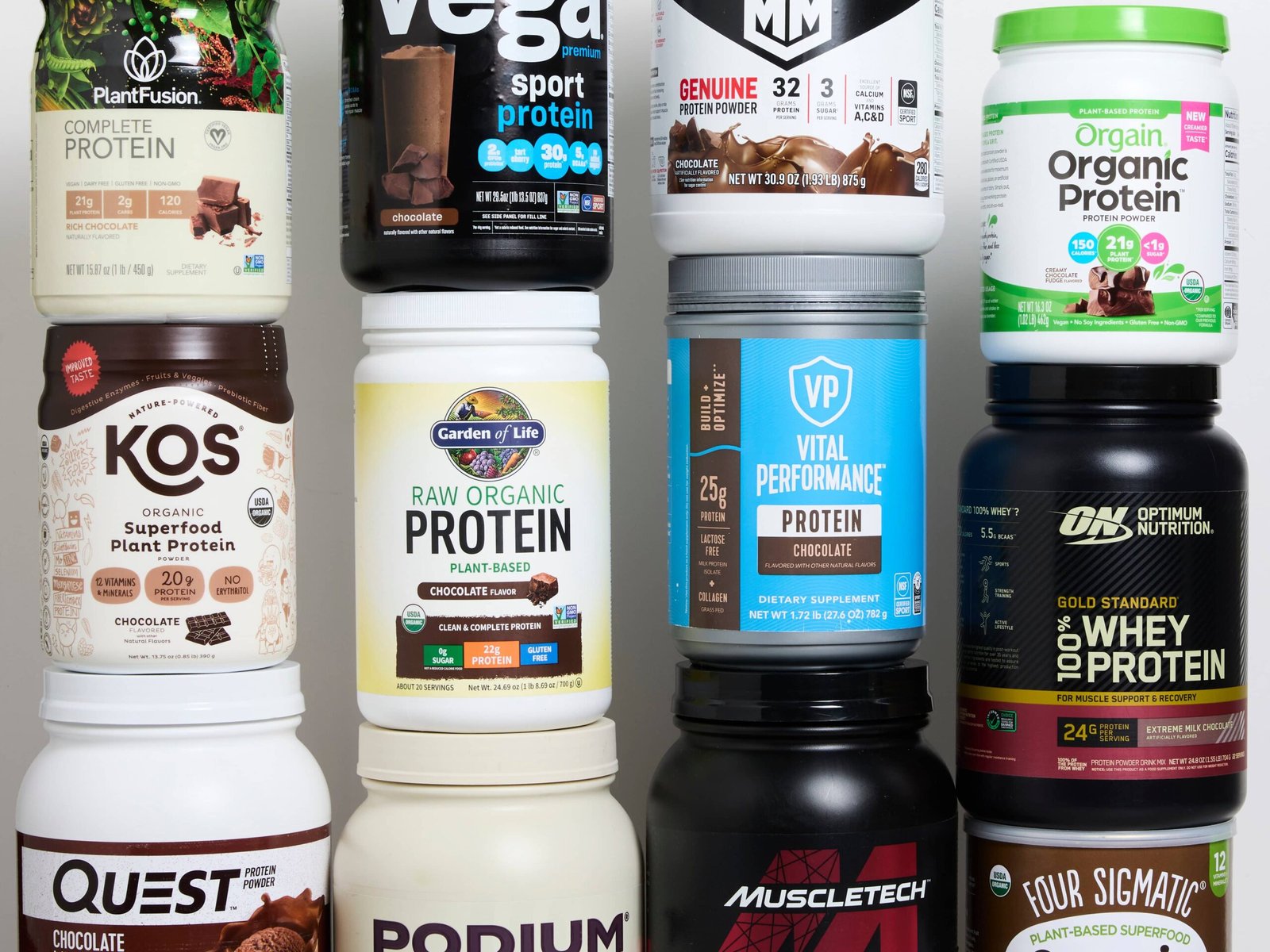
Source: torokhtiy.com
What Does Protein Powder Actually Taste Like?
Protein powder does not have one standard taste. Some products taste like a lightly sweet milkshake, while others have a mild cereal-like flavor or a noticeable protein aftertaste. The experience depends mainly on the ingredients and how you prepare the drink.
Flavored powders usually taste sweeter than unflavored varieties. Chocolate often has a cocoa or chocolate milk flavor, while vanilla may taste like a mild dessert drink. Strawberry products can taste like fruit milk, although some use strong artificial-style flavoring.
Unflavored protein powder is different. It may have a mild dairy, nutty, grain-like, or earthy taste, depending on its source. It is usually easier to hide in smoothies, oatmeal, and other foods than to drink by itself.
Texture matters just as much as flavor. A powder can smell pleasant but still feel unpleasant in your mouth if it does not mix well. This is why taste tests often consider flavor, smell, aftertaste, and texture separately.
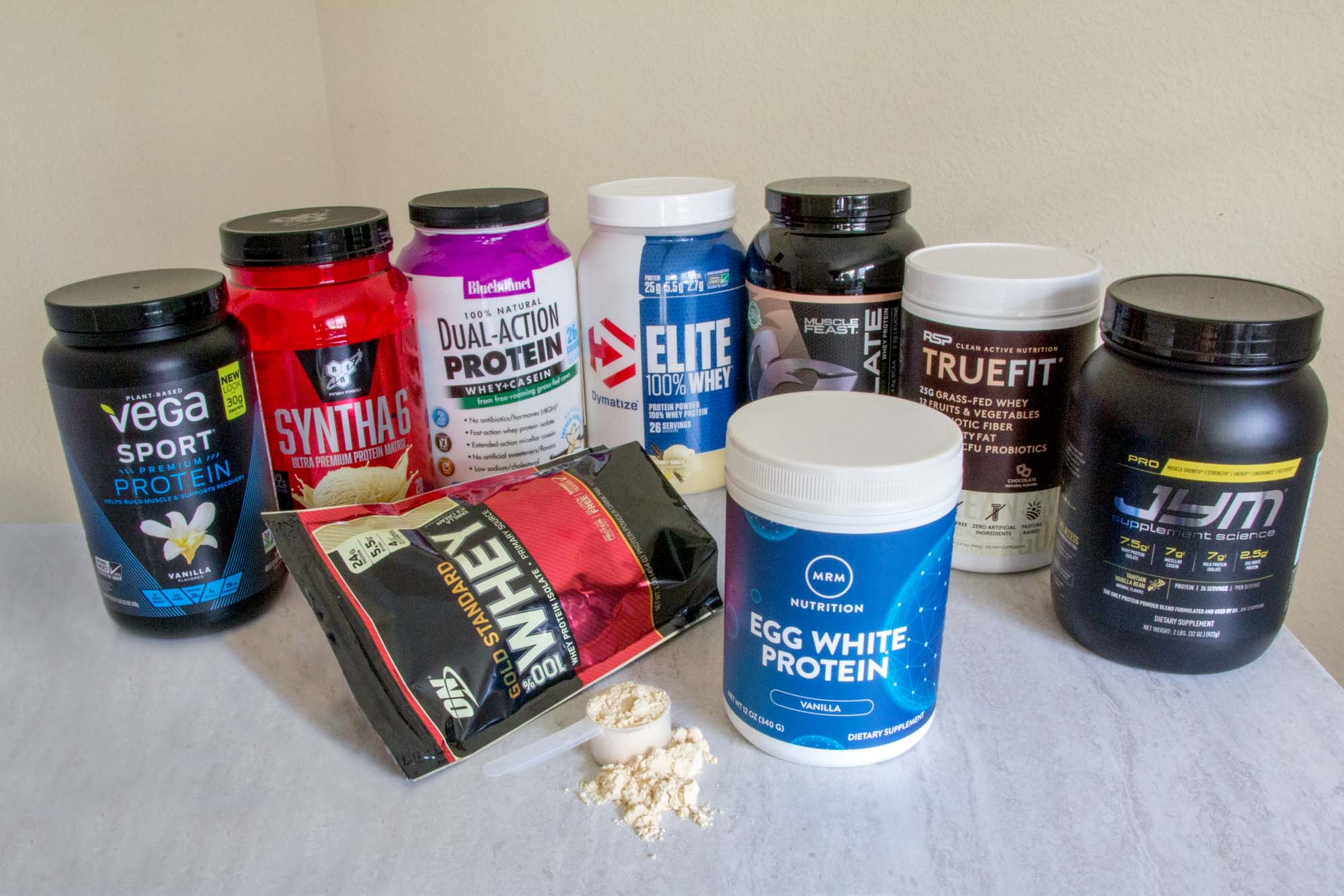
Source: sporked.com
Sweet and creamy
Many flavored whey powders have a sweet, milkshake-like taste, particularly when mixed with milk.
Mild and neutral
Unflavored products may have little added flavor, making them useful in recipes and blended drinks.
Earthy or nutty
Some plant-based powders have a natural taste linked to peas, soy, hemp, rice, or other plant sources.
Chalky or gritty
Some powders leave a dry or grainy feeling in the mouth, especially when mixed with too little liquid.
Does Protein Powder Taste Like Milk?
Some protein powders have a mild milk-like taste, especially those made from whey or casein. These proteins come from milk, so their natural flavor can resemble dairy products. However, the finished taste depends on the flavoring and other ingredients.
A chocolate whey shake mixed with regular milk may taste similar to chocolate milk. The same powder mixed with water can taste thinner and less creamy. Plant-based powders generally have a different flavor because they do not come from dairy.
Does Unflavored Protein Powder Taste Bad?
Not necessarily. Unflavored protein powder simply lacks added flavors such as chocolate, vanilla, or strawberry. It can still have a natural taste from its protein source.
Whey concentrate may have a mild milky flavor, while pea protein can taste earthy. Unflavored powder works well when you want to control the sweetness and flavor yourself. Adding banana, cocoa, cinnamon, or yogurt can make it more enjoyable.
Does Whey Protein Taste Better Than Plant-Based Protein?
Whey protein often has a milder and creamier flavor than some plant-based powders, but that does not mean everyone will prefer it. Your taste preferences, dietary needs, and the specific product all matter.
Whey comes from milk during cheese production. It is available in forms such as whey concentrate and whey isolate. Many flavored whey products have a familiar dairy-like taste that works well in shakes and smoothies.
Plant-based protein can come from peas, soybeans, rice, hemp, pumpkin seeds, and other sources. These ingredients can bring stronger natural flavors. Some blends combine several plant proteins to create a more balanced taste and nutritional profile.
A plant-based product can taste just as enjoyable as a dairy-based one when its flavoring and texture suit your preferences. Recent product taste tests also show that plant-based powders vary widely. Some are smooth and pleasant, while others have a bitter aftertaste or grainy texture.
Source: healthbeet.org
Whey protein
Often has a mild dairy flavor and works well with chocolate, vanilla, and fruit flavors. It is not suitable for people who need to avoid milk proteins.
Casein protein
Usually produces a thicker, creamier mixture. Its texture can be appealing in pudding-style recipes, although some people find it too thick for a regular shake.
Pea protein
Can have an earthy or slightly bean-like taste. Chocolate, cinnamon, and fruit can help balance its natural flavor.
Soy protein
Often has a mild beany or nutty taste. Flavored products may reduce the noticeable natural flavor.
Rice protein
May have a grain-like flavor and a slightly dry texture. It is sometimes blended with other plant proteins.
Hemp protein
Can have a noticeable earthy, nutty flavor and a more textured mouthfeel.
Why Some Plant-Based Powders Taste Earthy
Plant proteins contain natural flavor compounds that can affect the finished drink. Pea, hemp, and rice proteins may have noticeable earthy, grassy, or grain-like notes.
Processing and flavoring can reduce some of these flavors, but they do not always disappear. A blend may also taste different from a powder made from one plant source. If you dislike earthy flavors, try a small serving before buying a large container.
Which Type Should You Try First?
If you enjoy milkshakes and dairy products, a flavored whey powder may be a comfortable starting point. If you avoid animal products, consider a flavored soy or blended plant protein.
People with milk allergies should avoid whey and casein because both contain milk proteins. People with lactose intolerance may tolerate some whey isolates better than whey concentrates, but lactose content varies by product. A milk protein allergy is different from lactose intolerance, and an isolate is not a safe substitute for someone with that allergy.
Which Protein Powder Flavors Usually Taste Best?
Chocolate and vanilla are useful starting points because their flavors are familiar and easy to combine with other foods. However, there is no flavor that everyone will enjoy. A person’s preference for sweetness, richness, and artificial or natural flavoring can change the experience.
Chocolate is often a good option for people who enjoy cocoa and dessert-like drinks. It can also cover some of the earthy taste found in plant proteins. Vanilla is more flexible because it works with fruit, coffee, cinnamon, and other ingredients.
Strawberry and other fruit flavors can taste refreshing when mixed with cold water or milk. However, some fruit-flavored powders have a strong sweetener aftertaste. Cookies and cream, peanut butter, and cinnamon flavors may appeal to people who prefer richer drinks.
A useful way to choose is to think about the foods and drinks you already enjoy. If you rarely drink chocolate milk, buying a large tub of chocolate protein powder may not be a smart first purchase.
Source: yourbestdigs.com
Chocolate
A familiar choice for people who enjoy cocoa. It can work well with milk, banana, peanut butter, and coffee.
Vanilla
A flexible flavor that pairs with berries, bananas, cinnamon, oats, and other smoothie ingredients.
Strawberry
A fruit-inspired option that may taste pleasant in cold milk or a berry smoothie.
Cookies and cream
Usually designed for people who enjoy sweeter, dessert-like drinks.
Peanut butter
Offers a nutty flavor that pairs well with chocolate and banana.
Unflavored
Useful when you want to add protein without introducing a strong flavor to your food.
Is Chocolate Protein Powder Better Than Vanilla?
Chocolate may be more appealing if you enjoy rich drinks and want a flavor that can cover some natural protein notes. Vanilla may be better if you want one powder for several recipes.
Neither flavor is automatically healthier. Compare the protein content, serving size, added sugar, sweeteners, and other ingredients instead of judging a powder by its flavor name.
Can Protein Powder Taste Like a Milkshake?
Yes, some products can taste similar to a milkshake when mixed with milk and blended well. A thicker protein source, cold liquid, and a small amount of frozen fruit can create a richer texture.
Still, protein powder is not always the same as a regular milkshake. Its sweetness, thickness, and aftertaste depend on the formula. A powder mixed with water may taste much less creamy.
Why Does Some Protein Powder Taste Bad?
Protein powder can taste unpleasant because of its natural protein source, sweeteners, flavoring, texture, or preparation method. A product may also taste different from what its label suggests.
For example, a chocolate powder may smell rich but taste weak when mixed with too much water. A vanilla powder may seem pleasant at first but leave a strong sweetener aftertaste. These differences explain why the flavor name alone cannot tell you whether a product will taste good.
Research into plant protein ingredients has also examined sensory issues such as natural odors, off-flavors, and texture. These characteristics can affect how much people enjoy a finished drink.
If you dislike a powder, identify the problem before replacing it. A drink that tastes watery may need less liquid, while a gritty drink may need better mixing or a different protein source.
Source: developgoodhabits.com
Too much sweetness
Some powders contain intense sweeteners that create a lingering taste. This can be unpleasant if you prefer lightly sweet drinks.
Artificial-style flavor
Certain flavoring blends may taste different from the real food they are meant to represent.
Natural earthy notes
Plant-based protein sources can have strong flavors that some people find difficult to enjoy.
Dry or chalky texture
Poor dispersion, the type of protein, and the amount of liquid can affect mouthfeel.
Bitter aftertaste
Some protein ingredients and sweetener blends leave a lingering bitter or unusual taste.
Unpleasant smell
A strong natural ingredient smell can affect how the finished shake tastes and feels.
Why Does Protein Powder Leave a Chalky Feeling?
A chalky feeling often comes from the powder’s texture and how well it mixes with liquid. Some protein ingredients do not dissolve completely, so small particles remain in the drink.
A shaker bottle can help break up clumps, but a blender may produce a smoother result. Adding liquid gradually and shaking again can also help. If the powder remains unpleasantly gritty, the product itself may simply have a texture you do not enjoy.
Why Does Protein Powder Have a Strange Aftertaste?
Sweeteners and flavoring ingredients can influence the taste that remains after swallowing. Some people notice this more with certain sugar substitutes or strongly flavored products.
Check the ingredient list if aftertaste is your main concern. Trying an unsweetened product or a different sweetener blend may help. You can also choose a less intensely flavored powder and add your own ingredients.
How to Make Protein Powder Taste Better
You can improve many protein shakes with a few simple changes. The easiest approach is to adjust the liquid, temperature, and ingredients before deciding that you dislike the powder.
Start with the serving directions on the package. Add the recommended amount of powder and liquid to a shaker or blender. Then adjust the recipe in small steps until the flavor and texture suit you.
Do not add large amounts of sugar or other high-calorie ingredients just to hide an unpleasant flavor. A banana, unsweetened cocoa, cinnamon, or a small amount of nut butter can add flavor without turning a simple shake into a dessert.
Source: thenutritioninsider.com
Use milk or plant milk
Cow’s milk, soy milk, and other suitable alternatives can create a creamier drink than water. Check the label if you need to avoid particular allergens.
Add a frozen banana
A banana can add natural sweetness and a thicker texture. It works especially well with chocolate and vanilla powders.
Use unsweetened cocoa
Cocoa can strengthen a weak chocolate flavor without requiring a large amount of added sugar.
Blend with berries
Strawberries, blueberries, and other fruit can improve the flavor of vanilla or unflavored protein.
Add cinnamon
A small amount of cinnamon can make vanilla, banana, and oatmeal-based shakes more flavorful.
Serve it cold
Cold liquid and a few ice cubes can make many shakes feel more refreshing and enjoyable.
Simple Chocolate Banana Protein Shake
This basic recipe works with many chocolate whey or plant-based powders. It creates a thicker drink without requiring complicated ingredients.
Add one serving of chocolate protein powder, one small banana, one cup of milk or unsweetened plant milk, and a few ice cubes to a blender. Blend until smooth. If the shake is too thick, add a little more liquid.
Taste the mixture before adding anything else. Some protein powders are already quite sweet, so extra honey or sugar may not be needed. You can also add a small amount of unsweetened cocoa if you want a stronger chocolate flavor.
Preparation time
About 3 to 5 minutes.
Texture
Creamy and thicker than a shake mixed with water alone.
Adjustment
Use more liquid for a thinner drink or a few more ice cubes for a colder, thicker shake.
Mix Protein Powder Into Everyday Foods
Drinking protein powder is not your only option. You can mix suitable powders into oatmeal, yogurt, pancake batter, and smoothies. This approach is especially helpful if you dislike the taste of a plain protein shake.
For oatmeal, stir the powder into the cooked oats after removing them from the heat. Add a little milk if the mixture becomes too thick. For yogurt, mix in a small amount first and adjust the texture before adding the full serving.
If you bake with protein powder, remember that it can change moisture and texture. Replacing too much flour with protein powder may make baked foods dry or dense. Follow a recipe designed for protein powder rather than changing every ingredient at once.
Use the Right Mixing Method
A shaker bottle is convenient for basic drinks, but a blender is often better for recipes containing fruit, yogurt, or nut butter. A handheld milk frother can also help with smaller servings.
Follow the product’s mixing instructions and avoid adding dry powder to a nearly full bottle. This can make shaking difficult and increase the chance of clumps. If the drink still tastes gritty, try a different product rather than endlessly changing the recipe.
Does the Liquid You Use Change the Taste?
Yes. The liquid you use can change the sweetness, thickness, and overall flavor of a protein shake. Even the same powder may taste like two different drinks when mixed with water and milk.
Water is usually the simplest and least calorie-dense option. However, it does not add creaminess or much flavor. Milk adds a familiar dairy taste, while plant-based drinks can bring their own sweetness and texture.
The best liquid depends on your dietary needs and the flavor you want. If you are comparing products, use the same liquid and mixing method each time. Otherwise, it can be difficult to tell whether a difference comes from the powder or the recipe.
Source: cdn.apartmenttherapy.info
Water
Keeps the drink simple and avoids extra calories from milk. The flavor may seem thinner or less creamy.
Cow’s milk
Adds creaminess, natural sweetness, and additional protein. It is unsuitable for people with a milk allergy.
Unsweetened almond milk
Can create a light, mildly nutty drink. Protein content is usually lower than that of dairy or soy milk.
Soy milk
Provides a creamier plant-based option and generally contains more protein than many other plant milks.
Oat milk
Can add a mild grain-like sweetness and smooth texture. Check added sugar if that matters to your diet.
Is Protein Powder Better With Water or Milk?
Milk often tastes better to people who prefer creamy shakes. Water is useful when you want a lighter drink or do not want the additional calories and nutrients from milk.
Neither option is universally better. If you are watching your calorie intake, compare the nutrition information for the liquid as well as the powder. If you need to avoid dairy, choose a suitable alternative and check for cross-contact information when necessary.
How to Choose a Protein Powder You Will Enjoy
The easiest way to find a good-tasting protein powder is to consider flavor and nutrition together. A delicious shake is not automatically a good choice if its ingredients do not suit your dietary needs.
Start by identifying your preferred protein source. Then compare flavor options, protein per serving, added sugar, sweeteners, allergens, and other ingredients. The serving size matters too because one brand may use a larger scoop than another.
If possible, buy a single-serving packet or a small container before committing to a large tub. Taste is personal, and even well-reviewed products may not suit your preferences.
In the United States, protein powders are generally sold as dietary supplements. The FDA does not approve dietary supplements for safety and effectiveness before they reach the market. Reading the label and checking the manufacturer’s information are therefore important parts of choosing a product.
Source: yourbestdigs.com
Check the protein source
Look for a clearly identified source such as whey, casein, soy, pea, or rice protein.
Compare serving sizes
Do not judge protein content by scoop size alone. Compare the grams of protein with the stated serving size.
Review added sugar
Some flavored powders contain added sugar, while others use non-sugar sweeteners. Check the Nutrition Facts or Supplement Facts information.
Check the sweeteners
Look for ingredients such as sucralose, stevia, monk fruit, or sugar alcohols if their taste or effects matter to you.
Read allergen information
Check for milk, soy, egg, wheat, peanut, tree nuts, and other allergens relevant to your needs.
Consider independent testing
Recognized third-party certification programs can provide additional information about specific quality and testing standards. Check what the certification actually covers.
Should You Buy a Large Container First?
Buying a large tub before trying a flavor can be a costly mistake. A powder may have good reviews but still taste too sweet, too thick, or too earthy for you.
A sample packet is a practical way to test the product. Mix it according to the package directions and try it with your preferred liquid. If you enjoy the flavor and texture, consider buying a larger container.
Does Better Taste Mean Better Quality?
No. Flavor and nutritional quality are separate things. A highly sweetened product may taste like a dessert but contain ingredients you do not want in your daily diet.
A plain or mildly flavored powder may be less enjoyable on its own but still provide the protein you need. Compare the full label rather than assuming that the best-tasting product is the most nutritious.
Common Mistakes That Make Protein Shakes Less Enjoyable
Many disappointing protein shakes come from simple preparation mistakes. You may blame the powder when the real issue is the amount of liquid, mixing method, or extra ingredients.
A useful approach is to change one thing at a time. This helps you find the cause instead of making several changes that hide the problem.
Source: developgoodhabits.com
Using too much water
Excess liquid can make a shake taste weak and watery. Start with the package directions and adjust gradually.
Using too little liquid
A small amount of liquid can create an overly thick or pasty drink. Add more liquid until the texture is comfortable.
Adding too many ingredients
Combining several fruits, sweeteners, nut butters, and flavorings can create an unbalanced taste and add more calories than expected.
Ignoring the natural protein flavor
A pea protein powder may taste earthy even when labeled vanilla. Choose a flavor that can work with its natural notes.
Expecting every flavor to taste like dessert
A product’s flavor name does not guarantee that it will taste like the food it represents.
Buying based only on reviews
Taste preferences differ. Use reviews as helpful feedback, not a guarantee that you will enjoy the product.
When Should You Stop Using a Protein Powder?
A powder that simply tastes unpleasant may not be worth keeping if you cannot enjoy it in your usual recipes. However, a strange smell, unusual discoloration, damaged packaging, or signs of moisture may indicate a storage or product problem.
Do not try to cover up a suspicious smell or unusual appearance with fruit or sweeteners. Check the expiration or best-by information, storage instructions, and manufacturer’s guidance. When in doubt, do not consume the product.
If a protein powder causes an allergic reaction, stop using it. Seek emergency medical care for serious symptoms such as trouble breathing, throat swelling, or faintness. For repeated digestive symptoms, discuss the product and its ingredients with a healthcare professional.
Is Protein Powder Worth Drinking If You Dislike the Taste?
No one needs to force themselves to drink a shake they dislike. Protein powder is a convenient way to add protein, but it is not the only way to meet your daily needs.
Many common foods provide protein. Eggs, chicken, fish, Greek yogurt, cottage cheese, milk, beans, lentils, tofu, nuts, and seeds can all contribute to your daily intake.
If you need extra protein but dislike shakes, try adding a suitable powder to oatmeal, yogurt, pancake batter, or a smoothie. If those options still do not appeal to you, regular food may be a better fit.
Your overall eating pattern matters more than whether you drink a particular supplement. A protein powder should make your routine easier, not create a daily struggle.
Source: thenutritioninsider.com
Greek yogurt
Provides protein and has a naturally thick texture. It can be combined with fruit and nuts.
Eggs
Offer protein in a convenient whole-food form and can be prepared in several ways.
Provide plant protein along with fiber and other nutrients.
Tofu and soy foods
Offer versatile plant-based protein sources that can be used in meals.
Frequently Asked Questions
Q
Does protein powder taste good with water?
Yes, many protein powders taste good with water, especially flavored whey products. However, water does not add the creamy texture or extra flavor that milk provides. Some plant-based powders may also taste more earthy or grainy when mixed with water alone.
Follow the mixing instructions on the package. If the drink tastes too weak, adjust the liquid amount or try a suitable milk alternative.
Q
What is the best-tasting protein powder flavor for beginners?
Chocolate and vanilla are practical starting points because they are familiar and easy to combine with other ingredients. Chocolate may suit people who enjoy cocoa drinks, while vanilla works well with bananas, berries, and cinnamon.
The best choice depends on your preferences. Try a sample serving before buying a large container.
Q
Does protein powder taste better with milk?
Often, yes. Milk adds creaminess and natural sweetness, which can make a protein shake taste richer than one made with water. Soy milk and other plant-based drinks can also improve the texture.
However, milk adds calories and nutrients, so consider your dietary needs. People with milk allergies should avoid dairy-based liquids and check the protein powder itself for milk ingredients.
Q
Why does my protein powder taste bitter?
A bitter taste may come from the protein source, flavoring ingredients, or sweetener blend. Some plant proteins naturally have earthy or bitter notes, while certain sweeteners can leave a lingering aftertaste.
Try a different flavor or protein source if the taste remains unpleasant. You can also combine the powder with banana, cocoa, or yogurt, provided those ingredients suit your diet.
Q
Can you drink protein powder every day?
Many healthy adults can use protein powder as part of their regular diet, but daily use is not necessary for everyone. Your total protein needs depend on factors such as age, body size, activity level, and health status.
Protein powder should supplement food rather than automatically replace balanced meals. People with kidney disease, relevant medical conditions, or specific dietary restrictions should ask a qualified healthcare professional about their protein intake.
Q
Does protein powder taste like chalk?
Some protein powders have a chalky or gritty texture, but many are smooth when prepared correctly. The protein source, processing, added ingredients, and mixing method can all affect the mouthfeel.
A blender may help improve the texture. If the powder still feels gritty after proper mixing, another formula may suit your preferences better.
Q
Can I make protein powder taste like a milkshake?
You can make many protein shakes taste more like milkshakes by blending them with milk or a suitable plant-based alternative, frozen banana, and ice. Chocolate and vanilla powders are especially easy to use in these recipes.
Keep in mind that extra ingredients change the drink’s calorie, sugar, and nutrient content. Adjust the recipe to fit your needs.
Q
Is unflavored protein powder better than flavored protein powder?
Neither type is automatically better. Unflavored powder gives you more control over the taste of your recipes, while flavored powder is convenient when you want a ready-to-mix drink.
Compare the ingredients, protein content, serving size, and added sugars. Choose the option that fits your nutritional needs and that you can comfortably use.
✦ Wrapping Up
Conclusion
So, does protein powder taste good? Yes, many protein powders taste pleasant, but the experience depends on the protein source, flavor, sweeteners, texture, and preparation method. Some taste like creamy chocolate milk, while others have earthy flavors, artificial-style sweetness, or a chalky mouthfeel.
Whey products often provide a familiar dairy-like taste, while plant-based options offer different flavors and textures. Chocolate and vanilla are useful starting points, but your personal preferences should guide your choice.
You can also improve a shake with milk, plant milk, frozen fruit, cocoa, cinnamon, or yogurt. If you still dislike drinking protein powder, adding it to suitable foods or choosing regular protein-rich foods are reasonable alternatives.
Remember that taste is only one part of choosing a supplement. Check the ingredient list, protein amount, added sugar, allergens, and relevant quality information. A product that tastes good and fits your nutritional needs is more useful than one you buy because of its popularity.
💡 Key Takeaway
Start with a small serving of chocolate or vanilla protein powder that suits your dietary needs. Mix it according to the label, try it with water and your preferred milk or plant-based drink, and adjust the texture with fruit or ice. Compare the ingredients and protein content before purchasing a larger container. Choose a powder you enjoy, or use ordinary protein-rich foods instead.
You’ve probably stood in the protein bar aisle, held up a bar that says 20 grams of protein, and wondered if it’s actually healthy. The answer to what protein…