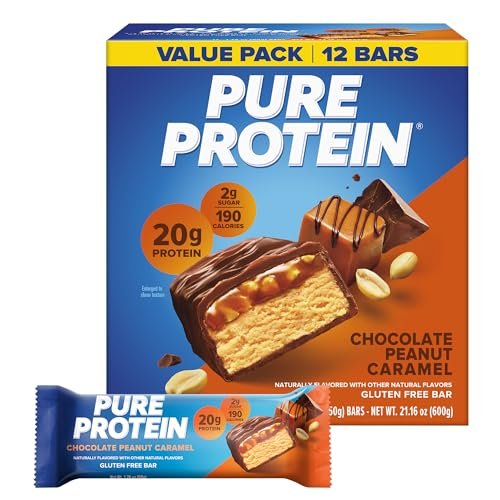
The best protein bars for people with diabetes are low in added sugar, contain plenty of fiber, provide at least 10 grams of protein, and fit individual carbohydrate goals. Bars made with nuts, seeds, whey, or soy can be useful choices.
For someone managing diabetes in the United States, a protein bar can be a handy snack during a busy workday, a long drive, or a trip to the grocery store. It can also help when there is little time to prepare food between meals. However, not every bar with a healthy label is a good choice for blood sugar management.
Some protein bars contain lots of added sugar, refined starch, or sweeteners that may affect blood glucose. Others offer more fiber, less added sugar, and a useful amount of protein. The trick is to look beyond the front of the package and read the nutrition Facts label.
A good starting point is a bar with 10 to 20 grams of protein, at least 3 to 5 grams of fiber, modest added sugar, and a total carbohydrate amount that fits your meal plan. These are practical shopping targets, not official medical limits. Your needs may differ based on your medication, activity, kidney health, and daily carbohydrate goals.
The American Diabetes Association recommends individualized eating plans that focus on nutrient quality and personal health goals. That means there is no single protein bar that works best for every person with type 1 diabetes, type 2 diabetes, or prediabetes.
Source: ihackeddiabetes.com
What Protein Bars Are Good for Diabetics?
Protein bars with low added sugar, useful fiber, moderate total carbohydrates, and a good protein source are generally better choices for people managing diabetes. The best options provide nutrition without adding a large amount of fast-digesting sugar or refined starch.
A practical shopping target is 10 to 20 grams of protein, 3 to 5 grams or more of fiber, and a modest amount of added sugar. A total carbohydrate amount of around 15 to 25 grams may fit some snack plans, but it is not a universal limit. Someone who counts carbohydrates should use the amount prescribed in their personal meal plan.
Protein bars made with almonds, peanuts, pumpkin seeds, chia seeds, whey protein, or soy protein can offer a useful mix of nutrients. The ingredient list and serving size matter just as much as the protein number.
Source: ihackeddiabetes.com
Low added sugar
Look for bars with little added sugar. A product with 0 to 5 grams may be worth comparing, but check total carbohydrates too.
Good protein content
Around 10 to 20 grams can make a bar a more filling snack. More protein is not always better for every person.
Useful fiber
Choose a bar with at least 3 grams of fiber when possible. Fiber supports digestive health and can help slow carbohydrate absorption.
Suitable total carbohydrates
Compare total carbohydrates with the amount you can include in your meal or snack plan.
Nuts and seeds provide unsaturated fats. Check saturated fat and calorie content as well.
Is There One Best Protein Bar for Every Person With Diabetes?
No. People with diabetes have different glucose targets, medication plans, food preferences, and nutrition needs. A bar that works well for one person may cause a higher glucose rise in another.
For example, someone who needs a quick snack before a long walk may prefer a bar with more carbohydrates than someone who wants a small snack between meals. A person with kidney disease may also need to limit certain nutrients under medical guidance.
For everyday snacking
Consider a moderate-calorie bar with protein, fiber, and a carbohydrate amount that fits your snack plan.
For active days
Choose based on exercise duration, medication, and planned carbohydrate intake rather than automatically selecting the lowest-carb bar.
Types of Protein Bars That May Be Good for Diabetics
Several types of protein bars can fit into a diabetes-friendly eating plan. The best type depends on its ingredients, carbohydrate content, fiber, and how much you plan to eat.
Rather than choosing a bar because its package says healthy or diabetic friendly, compare the nutrition facts of similar products. A simple bar made with nuts and seeds may be a better everyday snack than a heavily sweetened bar with a long ingredient list.
Source: realgoodeats.ca
Nut-based protein bars
Bars made with almonds, peanuts, cashews, or other nuts can provide protein, fiber, and unsaturated fats. Check whether the manufacturer adds honey, syrup, or chocolate coatings.
Seed-based protein bars
Pumpkin seeds, chia seeds, flaxseeds, and sunflower seeds can add fiber, healthy fats, and plant protein. These bars may suit people who prefer plant-based ingredients.
Whey protein bars
Whey is a milk protein that provides all essential amino acids. Look for a product with moderate carbohydrates and limited added sugar.
Soy protein bars
Soy protein offers a plant-based source of complete protein. Check for added sweeteners and any personal soy allergies.
High-fiber protein bars
These may contain oats, nuts, seeds, or added fibers. Check the amount of fiber and consider whether ingredients such as chicory root cause digestive discomfort.
Are Nut and Seed Protein Bars a Good Choice?
Nut and seed bars can be useful because they combine protein, fat, and fiber. These nutrients can make a snack more filling than a bar made mostly from refined grains and sugar.
However, nuts and seeds do not automatically make a product low in carbohydrates. Some bars use dates, honey, dried fruit, or sweet coatings in large amounts. Always compare the complete nutrition label.
Good ingredients
Almonds, peanuts, walnuts, pumpkin seeds, chia seeds, and flaxseeds.
Ingredients to check
Date paste, honey, rice syrup, chocolate coatings, and sweetened dried fruit.
Are Whey Protein Bars Suitable for Diabetes?
Whey protein bars can be suitable when their total carbohydrate and added sugar amounts fit your plan. Whey is a high-quality dairy protein that can help support muscle maintenance and normal body functions.
Some whey bars contain very little sugar but use sugar alcohols or added fibers to improve taste and texture. These ingredients may cause bloating or diarrhea in some people. Compare the full label before buying.
Best feature
A useful amount of complete protein in a compact snack.
Main limitation
Some products contain dairy ingredients, sugar alcohols, or substantial amounts of saturated fat.
Protein Bar Brands Worth Comparing
Several familiar protein bar brands offer products that people with diabetes may want to compare. However, a brand name does not guarantee that every flavor or product is suitable. Recipes, serving sizes, and nutrition values can differ across a brand’s product range.
The following examples are starting points for label checks, not medically approved recommendations. Check the current package in the store or the manufacturer’s product page before buying. Do not rely on an older nutrition figure or a different flavor’s label.
Source: medshun.com
Quest Protein Bars
Quest offers high-protein products, including flavors with low listed sugar and added fiber. Some varieties use sugar alcohols and added fibers, so check total carbohydrates and digestive tolerance.
KIND Protein Bars
KIND offers nut-based protein snacks. These may appeal to people who prefer nuts as a main ingredient, but some varieties contain honey, chocolate, or other sources of carbohydrates.
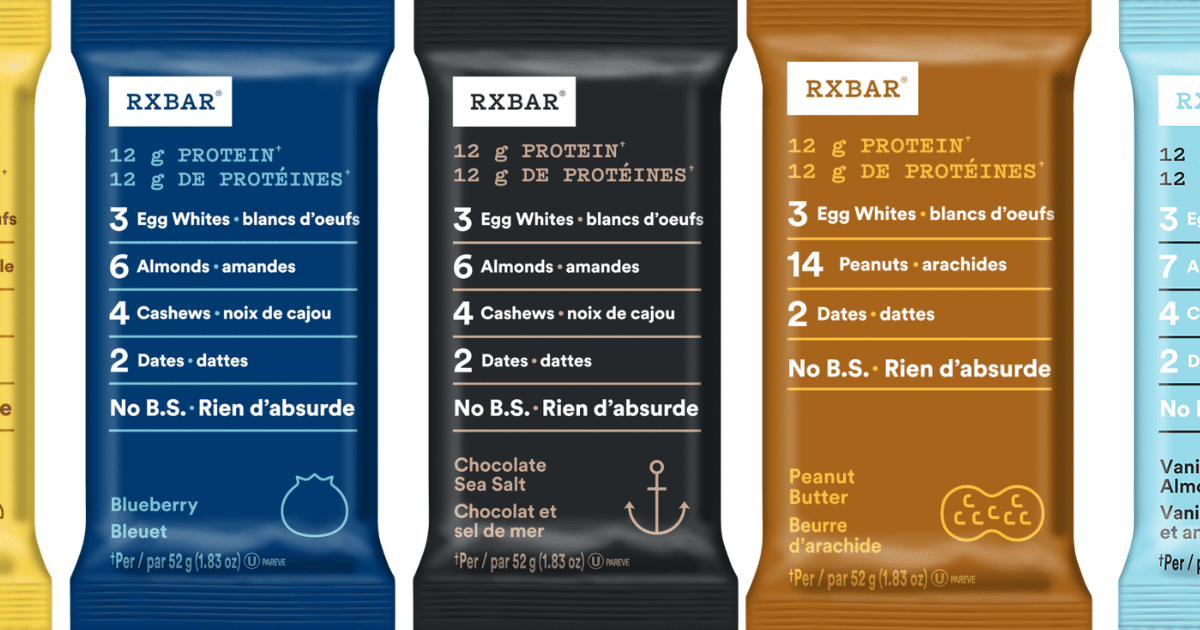
RXBAR
RXBAR products often use ingredients such as egg whites, nuts, and dates. Their simple ingredient lists may appeal to some shoppers, but dates contribute carbohydrates and natural sugars.
ONE Protein Bars
ONE bars are marketed as high-protein snacks with low listed sugar in many varieties. Check total carbohydrates, fiber, sugar alcohols, and serving size before choosing one.
Barebells Protein Bars
Barebells offers several high-protein flavors with low listed sugar. Some varieties use sweeteners and sugar alcohols, which may not suit everyone.
Kirkland Signature Protein Bars
Costco’s Kirkland Signature bars offer a high-protein snack option. Compare fiber, total carbohydrates, saturated fat, and sweeteners on the current package.
Extend Nutrition Bars
Extend makes products specifically marketed for people managing blood glucose. Read the intended use and nutrition information carefully. These bars are not a replacement for prescribed diabetes treatment.
How Should You Compare These Brands?
Start with the serving size, then compare total carbohydrates, fiber, added sugar, protein, calories, and saturated fat. A bar with 20 grams of protein is not automatically a better choice than one with 12 grams if it also contains much more carbohydrate or saturated fat.
For example, imagine two bars with the same 15 grams of total carbohydrates. One has 12 grams of protein and 5 grams of fiber, while the other has 5 grams of protein and 1 gram of fiber. The first may be more filling, but both still contain 15 grams of total carbohydrate for carbohydrate-counting purposes.
The better product is the one that fits your health goals and produces a manageable glucose response for you.
Compare identical serving sizes
A larger bar may appear to have more nutrients simply because it contains more food.
Check individual flavors
Different flavors within the same brand may have different carbohydrate, fiber, and sugar amounts.
Review the latest package
Manufacturers can change ingredients and nutrition information. Use the current label rather than an old online list.
How to Read a Protein Bar Nutrition Label
The Nutrition Facts label is the most useful tool when choosing a protein bar for diabetes. It tells you how much carbohydrate, sugar, fiber, protein, fat, and energy you get in the stated serving.
The American Diabetes Association advises readers to check total carbohydrates rather than relying on front-package claims such as sugar-free or net carbs. This matters because total carbohydrate includes sugars, starches, and fiber.
Source: dietitianjess.com
Serving size
Check whether the label describes one whole bar or only part of it. If a package contains two servings and you eat the whole package, you must account for both.
Total carbohydrates
This is the key number for carbohydrate counting. It includes sugar, starch, and fiber.
Added sugar
Look for a modest amount. Added sugar can contribute to a faster rise in blood glucose, especially when the product is low in fiber.
Dietary fiber
Fiber is part of total carbohydrates but is not digested in the same way as sugars and starches. A bar with 3 to 5 grams or more may be worth considering.
Protein
Around 10 to 20 grams may make a bar more filling. Your ideal amount depends on your overall protein needs.
Saturated fat
Check this number because some bars contain substantial amounts from chocolate, palm oil, or other fats.
Calories
Compare calories with your daily energy needs and the role of the snack in your meal plan.
Why Total Carbohydrates Matter More Than Sugar Alone
A protein bar can contain only 2 grams of sugar and still have 20 grams of total carbohydrates. The remaining carbohydrates may come from starches, fiber, and sugar alcohols.
Starches are broken down into glucose during digestion. Therefore, a low-sugar label does not necessarily mean the product will have little effect on blood glucose.
If you use carbohydrate counting, begin with the total carbohydrate amount on the label. Follow your diabetes care team’s instructions for accounting for fiber or sugar alcohols rather than applying a universal net-carb formula.
Example
A bar lists 22 grams of total carbohydrates, 5 grams of fiber, and 3 grams of sugar. The total carbohydrate amount remains 22 grams.
Should You Count Net Carbs?
Net carbs usually refers to total carbohydrates minus certain amounts of fiber and sometimes sugar alcohols. It is a marketing term rather than a standardized Nutrition Facts value.
The American Diabetes Association does not recommend using net carbs as a replacement for the total carbohydrate figure. Different fibers and sugar alcohols can affect digestion and glucose levels in different ways.
For safer meal planning, start with total carbohydrates. If your diabetes care team recommends adjusting for certain ingredients, follow its specific method.
Do not trust the front label alone
Check the Nutrition Facts panel even when a product advertises very low net carbs.
Use a consistent method
Avoid switching between different net-carb formulas when matching food to insulin.
Ingredients to Look for in Diabetes-Friendly Protein Bars
The ingredients list helps explain where a protein bar gets its nutrients. Products built around nuts, seeds, dairy proteins, soy, and whole grains may offer more nutritional value than bars made mainly from sweeteners and refined starch.
The first few ingredients deserve special attention because they often make up a large share of the product. A short ingredient list can be useful, but ingredient length alone does not prove that a bar is healthy.
Source: images.squarespace-cdn.com
Almonds and peanuts
These provide protein, fiber, and mostly unsaturated fats. They can make a snack more filling.
Chia and flaxseeds
These seeds provide fiber and unsaturated fats. They may also help improve the texture of a bar.
Whey and milk protein
These dairy-based ingredients provide complete protein and can help support muscle maintenance.
Soy protein
Soy provides plant-based complete protein and may suit people who avoid dairy.
Oats
Oats provide carbohydrates and fiber. Whole oats can be a useful ingredient when the total carbohydrate amount fits your plan.
Pea protein
This plant-based protein can suit people who avoid dairy or soy. Check the rest of the ingredient list for added sugar and starch.
Which Sweeteners Should You Watch?
Protein bars use different sweeteners to improve taste. Some contain sugar, honey, agave syrup, or date paste. Others use stevia, monk fruit, sucralose, or sugar alcohols.
No single sweetener makes a protein bar automatically suitable or unsuitable for diabetes. The amount, overall carbohydrate content, personal tolerance, and effect on blood glucose all matter.
Sugar alcohols deserve extra attention. Maltitol, in particular, can contribute to blood glucose increases, while several sugar alcohols may cause gas, bloating, or diarrhea when consumed in larger amounts.
Maltitol
This sugar alcohol is not completely free of carbohydrate effects and may raise blood glucose in some people.
Erythritol
It generally has little direct effect on blood glucose, but some people still experience digestive discomfort.
Stevia
This low-calorie sweetener usually contributes little carbohydrate, but the complete product still needs to be checked.
Monk fruit
This sweetener is often used in low-sugar foods. Check whether the product combines it with other ingredients.
Honey and date paste
These may sound natural, but they still contribute carbohydrates and can affect blood glucose.
Can Artificial Sweeteners Be Used in Protein Bars?
Many people with diabetes can include products containing approved nonnutritive sweeteners in their eating plans. These sweeteners can reduce added sugar, but they do not turn an otherwise high-carbohydrate product into a low-carbohydrate snack.
Look at the complete nutrition label and consider your personal response. If a bar causes stomach problems or an unexpected glucose change, another product may be a better fit.
Check the complete formula
Sweeteners are only one part of the product’s nutritional profile.
Watch digestive tolerance
Some sugar alcohols and added fibers may cause discomfort, especially when several servings are eaten.
How Much Protein and Carbohydrate Should a Diabetic Protein Bar Have?
There is no official protein bar nutrition formula for everyone with diabetes. The right amounts depend on your age, body size, activity, health conditions, medication, and daily food intake.
For an ordinary snack, a bar with 10 to 20 grams of protein and 3 to 5 grams of fiber can be a reasonable starting point for comparison. The carbohydrate amount should fit your personal snack target rather than a fixed number applied to everyone.
The American Diabetes Association’s 2026 Standards of Care support individualized meal planning. They do not establish one ideal percentage of calories from protein, carbohydrates, or fat for all people with diabetes.
Source: realgoodeats.ca
Protein
Around 10 to 20 grams may provide a useful snack portion, but a higher amount is not automatically healthier.
Fiber
Three to five grams or more is a useful shopping target for many snack choices.
Added sugar
Choose a lower amount when comparing similar products, while still checking total carbohydrates.
Carbohydrates
Use your prescribed snack or meal target. One carbohydrate serving is commonly counted as about 15 grams.
A Simple Example of Comparing Two Bars
Imagine you are choosing between two protein bars at an American grocery store. Both are similar in size, but their nutrition labels differ.
Bar A contains 15 grams of protein, 5 grams of fiber, 3 grams of added sugar, and 20 grams of total carbohydrates. Bar B contains 10 grams of protein, 1 gram of fiber, 10 grams of added sugar, and 24 grams of total carbohydrates.
Bar A may be the more useful everyday snack because it provides more protein and fiber with less added sugar and fewer total carbohydrates. However, the right serving still depends on your meal plan and personal glucose response.
Bar A
15 g protein, 5 g fiber, 3 g added sugar, and 20 g total carbohydrates.
Bar B
10 g protein, 1 g fiber, 10 g added sugar, and 24 g total carbohydrates.
Practical result
Bar A has a more favorable nutrition profile in this hypothetical comparison, but it is not automatically suitable for every diabetes meal plan.
When Is the Best Time to Eat a Protein Bar With Diabetes?
A protein bar can work as a planned snack between meals, a convenient option during travel, or a small food choice before or after physical activity. The best time depends on your eating schedule, glucose levels, and diabetes medication.
A protein bar should not become a reason to skip balanced meals. It is usually better to treat it as a convenient snack rather than a complete substitute for a meal containing vegetables, whole grains, fruit, and other nutrient-rich foods.
Between meals
A protein bar may help manage hunger when your planned snack includes protein and fiber.
During travel
A shelf-stable bar can be useful when healthy food choices are limited at airports, gas stations, or on long road trips.
Before exercise
The right snack depends on exercise intensity, duration, medication, and starting glucose level.
After exercise
A protein bar may provide protein and carbohydrates, but it should fit your recovery and meal plan.
Can You Eat a Protein Bar for Breakfast?
You can include a protein bar in breakfast, but a bar alone may not provide enough energy, fiber, vitamins, and minerals for a balanced morning meal.
A more complete breakfast might include a suitable protein bar with plain Greek yogurt or a serving of whole fruit, depending on your carbohydrate goals. You could also choose eggs, whole-grain toast, or unsweetened yogurt instead.
Check the total carbohydrates in everything you eat. Adding fruit or dairy can increase the carbohydrate amount, even when the meal contains no added sugar.
Add variety
Include foods from different food groups instead of relying on one packaged snack.
Plan portions
Account for the carbohydrates in yogurt, milk, fruit, or toast when building breakfast.
Can You Eat Protein Bars Before Bed?
Some people may include a planned bedtime snack, but not everyone with diabetes needs one. Your medication, glucose pattern, physical activity, and risk of overnight hypoglycemia all matter.
A protein bar is not a guaranteed way to prevent low blood sugar overnight. If you frequently experience nighttime lows, discuss your medication and snack plan with your diabetes care team rather than relying on a packaged bar.
Review overnight glucose patterns
Use your glucose meter or continuous glucose monitor as directed by your care team.
Avoid guessing
Do not add a large bedtime snack or change medication doses without appropriate medical guidance.
How to Find Out Whether a Protein Bar Affects Your Blood Sugar
The best way to learn how a particular protein bar affects you is to monitor your glucose according to your diabetes care plan. Two people can eat the same product and have different responses.
A food label gives useful information, but it cannot predict your exact glucose response. Medication, meal timing, physical activity, stress, sleep, and the foods eaten with the bar can all influence blood sugar.
Step 1: Record the product
Write down the brand, flavor, serving size, total carbohydrates, fiber, protein, and added sugar.
Step 2: Check your starting glucose
Use your usual monitoring method and follow the testing schedule recommended by your care team.
Step 3: Eat the planned portion
Avoid changing several other parts of your meal or routine if you want a useful comparison.
Step 4: Review the response
Check your glucose at the times recommended for you. If you use a continuous glucose monitor, review the trend as well.
Step 5: Compare other options
Repeat the process with another suitable bar when appropriate. Look for patterns instead of judging a product from one isolated reading.
What If Your Blood Sugar Rises After Eating a Protein Bar?
A rise may occur because the bar contains more digestible carbohydrates than expected. Starch, sugar, dried fruit, honey, and some sugar alcohols may all contribute to the glucose response.
First, check the serving size and total carbohydrates. Then review what else you ate, whether you were physically active, and whether you followed your prescribed medication plan.
If the same bar repeatedly causes glucose readings outside your target range, discuss the pattern with your healthcare professional. You may need a different snack or a change in your meal plan.
Check the full label
Do not focus only on the sugar number.
Review portion size
Eating two bars instead of one doubles the nutrition amounts.
Look for patterns
Compare readings over time rather than making a decision from one unusual result.
Protein Bars and Different Types of Diabetes
People with different forms of diabetes may use protein bars, but their nutritional needs and treatment plans can differ. The same product may fit one person’s routine and be unsuitable for another.
The key is to match the bar with the person’s carbohydrate needs, medication, kidney health, and overall eating plan.
Type 1 diabetes
People who use insulin generally need to count the carbohydrates in a protein bar and follow their prescribed insulin-to-carbohydrate plan.
Type 2 diabetes
People with type 2 diabetes may benefit from snacks that provide protein and fiber without excessive added sugar. Medication and activity still influence individual needs.
Prediabetes
People with prediabetes can compare bars using the same principles: whole-food ingredients, fiber, moderate carbohydrates, and limited added sugar.
Gestational diabetes
Pregnant people with gestational diabetes should follow their obstetric and diabetes care team’s meal plan. A protein bar should not replace individualized pregnancy nutrition advice.
What About Diabetes and Kidney Disease?
People with diabetes-related kidney disease may need an individualized protein plan. Some also need to monitor sodium, potassium, phosphorus, or other nutrients, depending on kidney function and treatment.
A high-protein bar may not be suitable simply because it contains little sugar. People with chronic kidney disease should ask their clinician or renal dietitian how much protein they need and which ingredients to limit.
Do not begin a high-protein diet or use protein bars as a major source of daily protein without reviewing your kidney health and nutrition needs.
Check protein amounts
Compare the bar with your daily protein allowance or target.
Review minerals
Look at sodium and any potassium or phosphorus additives when your renal care team advises monitoring them.
Are Sugar-Free and Keto Protein Bars Good for Diabetics?
Sugar-free and keto protein bars can fit some diabetes meal plans, but neither label guarantees a healthy choice. These products may contain sugar alcohols, concentrated fats, added fibers, or substantial calories.
A sugar-free bar may still contain starch that raises blood glucose. A keto bar may have fewer digestible carbohydrates but may also be high in saturated fat or contain ingredients that cause digestive problems.
The American Diabetes Association advises people to focus on an individualized eating pattern rather than assuming that one specific macronutrient approach is best for everyone.
Sugar-free bars
Check total carbohydrates, fiber, sugar alcohols, and serving size.
Keto bars
Compare saturated fat, calories, protein, and total carbohydrates instead of relying on the keto label.
Low-carb bars
Check whether the advertised carbohydrate figure excludes fiber or sugar alcohols.
High-protein bars
Remember that protein content does not cancel out the carbohydrates in the product.
Can a Sugar-Free Bar Still Raise Blood Sugar?
Yes. Sugar-free does not mean carbohydrate-free. Starches and some sugar substitutes can still contribute to the glucose response.
Under US food labeling rules, a sugar-free claim generally means less than 0.5 grams of sugars per labeled serving. It does not mean that the product contains no digestible carbohydrates.
Always check total carbohydrates and the serving size before adding the bar to your meal plan.
Read the nutrition panel
The total carbohydrate figure is more useful than the sugar-free claim alone.
Check the ingredient list
Look for starches, syrups, sugar alcohols, and added fibers.
Common Mistakes When Choosing Protein Bars for Diabetes
A common mistake is assuming that a product is suitable simply because its package says high protein, keto, natural, or sugar-free. These words describe only part of the product.
A better approach is to compare the whole nutrition profile and consider how the bar fits into your daily eating pattern.
Source: dietitianjess.com
Ignoring total carbohydrates
A low sugar number does not tell you how much starch or other carbohydrate the bar contains.
Eating more than one serving
Some bars are divided into multiple servings. Eating the whole package can increase carbohydrate and calorie intake.
Assuming all sugar alcohols are the same
Different sugar alcohols have different effects on digestion and glucose levels.
Choosing only by protein content
A bar with very high protein may also contain more calories, saturated fat, or other ingredients you need to limit.
Using a bar to treat low blood sugar
Protein bars are not a reliable first treatment for hypoglycemia because protein and fat can slow digestion.
Replacing meals every day
Most protein bars do not provide the full range of nutrients found in balanced meals.
Ignoring personal glucose results
A product that looks suitable on paper may still produce an unwanted response for an individual.
Why Protein Bars Should Not Replace Fast-Acting Sugar During Hypoglycemia
If your blood glucose falls below 70 mg/dL, follow your prescribed low-blood-sugar treatment plan. For many people who are conscious and able to swallow, the standard 15-15 approach uses 15 grams of fast-acting carbohydrate followed by another glucose check after 15 minutes.
Glucose tablets, glucose gel, or regular juice are examples of options that may work faster than a protein bar. Protein and fat can slow digestion, so a high-protein snack is not the right first choice for treating an active low.
If someone is unconscious, having a seizure, or unable to swallow safely, do not give food or drink by mouth. Use prescribed glucagon if available and seek emergency medical help.
Use fast-acting carbohydrate
Follow your care team’s instructions for treating a low reading.
Recheck glucose
Use the timing and treatment steps in your personal hypoglycemia plan.
Seek emergency help when needed
Severe hypoglycemia can require glucagon and emergency assistance.
Are Homemade Protein Bars Better for People With Diabetes?
Homemade protein bars can be a good option because you control the ingredients and portion sizes. You can reduce added sugar, use nuts and seeds, and choose a protein source that suits your food preferences.
However, homemade does not always mean low-carb. Ingredients such as oats, dates, dried fruit, honey, and nut butter all contribute calories and carbohydrates. Measure portions and calculate the nutrition information for the full recipe.
Unsweetened nut butter
Provides protein and unsaturated fat. Choose a variety without added sugar when possible.
Whey or plant protein powder
Adds protein, but check the powder for added sugars and carbohydrate content.
Chia or flaxseeds
Add fiber and help bind ingredients.
Rolled oats
Provide whole-grain carbohydrates and fiber. Measure the amount to keep portions consistent.
Unsweetened cocoa
Adds chocolate flavor without requiring a large amount of added sugar.
Simple Homemade Protein Bar Idea
For a simple no-bake recipe, combine unsweetened peanut butter, plain protein powder, ground flaxseed, chia seeds, and a small amount of unsweetened almond milk. Add a little cinnamon or unsweetened cocoa for flavor.
Mix the ingredients until they form a thick dough. Press the mixture into a lined container, chill until firm, and cut into small portions. Store the bars in the refrigerator in a covered container.
Calculate the nutrition information using the exact ingredients and quantities you use. Divide the total carbohydrates, protein, fiber, and calories by the number of portions. This helps you avoid guessing how much carbohydrate each homemade bar contains.
Measure ingredients
Use consistent quantities so each batch has a predictable nutrition profile.
Keep portions consistent
Cut the mixture into equal-sized bars and calculate nutrition per piece.
Store safely
Refrigerate homemade bars containing ingredients that need cold storage.
Healthier Alternatives to Protein Bars for Diabetics
Protein bars are convenient, but they are not the only way to get protein between meals. Whole foods can provide protein, fiber, vitamins, and minerals with less processing.
If you have access to a refrigerator or a place to prepare food, simple snacks may offer more variety than packaged bars. Choose portions based on your personal carbohydrate and calorie goals.
Plain Greek yogurt
Provides protein and calcium. Choose an unsweetened variety and account for its natural milk carbohydrates.
Boiled eggs
Offer protein and very little carbohydrate. They are useful for a simple snack at home or work.
Almonds or walnuts
Provide healthy fats, fiber, and some protein. Measure portions because nuts are calorie-dense.
Cottage cheese
Provides protein and can be paired with a suitable portion of vegetables or fruit.
Hummus and vegetables
Offer fiber and plant protein. Count carbohydrates from chickpeas and any accompanying vegetables.
Peanut butter with whole-grain crackers
Combines protein and fat with carbohydrates. Choose an unsweetened peanut butter and measure the serving.
Edamame
Provides plant protein and fiber. It can be a convenient alternative to a packaged snack.
When Should You Choose Whole Foods Instead?
Choose whole foods when you want more variety or need nutrients that a packaged bar may not provide. A snack made from plain yogurt, nuts, or eggs can also help reduce reliance on highly processed foods.
A protein bar may still be useful when you travel, work long shifts, or cannot store fresh food. Think of it as a convenient tool rather than a required part of diabetes nutrition.
At home
Try eggs, plain yogurt, cottage cheese, or a small serving of nuts.
At work
Pack shelf-stable nuts or a suitable protein bar for days when refrigeration is limited.
While traveling
Carry a bar that fits your carbohydrate plan and keep a separate fast-acting glucose source if you are at risk of hypoglycemia.
What the Reviewed Nutrition Guidance and Competing Articles Miss
The most useful guidance comes from combining current diabetes nutrition recommendations with practical product-label checks. The American Diabetes Association’s 2026 Standards of Care support individualized meal planning rather than one universal protein or carbohydrate target. Its food-label guidance also explains why total carbohydrates matter more than marketing terms such as net carbs.
The CDC’s carbohydrate-counting guidance explains that one carbohydrate serving is about 15 grams and that individual needs vary. These points are useful because many protein bar lists focus on sugar or net carbs without explaining how a person should fit the product into an actual meal plan.
A review of consumer-facing protein bar articles also shows different approaches. Some provide brand lists and numerical filters, while others offer general label-reading advice. These can help shoppers compare products, but fixed cutoffs should not be presented as official diabetes treatment rules.
A practical improvement is to connect product selection with serving size, carbohydrate counting, medication, kidney health, glucose monitoring, and the distinction between a regular snack and treatment for hypoglycemia.
OBSERVED QUESTION: Which protein bar brands are worth comparing?
Consumer product guides list specific brands and flavors. Their main limitation is that formulas can change, so the current package must be checked.
OBSERVED QUESTION: How should people read protein bar labels?
The ADA provides direct guidance on total carbohydrates, fiber, added sugar, and serving size. This is more reliable than judging a product from its front-package claims.
INFERRED NEXT NEED: How does a bar fit an insulin plan?
This follows from carbohydrate counting and the use of mealtime insulin. The reader benefits from knowing that protein does not cancel out carbohydrates.
INFERRED NEXT NEED: What if someone has diabetic kidney disease?
This follows from the high-protein positioning of many bars. The reader needs to understand that kidney-related nutrition needs can change the recommendation.
INFERRED NEXT NEED: Can a protein bar treat low blood sugar?
This is a safety issue that requires a clear distinction between an ordinary snack and fast-acting carbohydrate treatment.
Compact Next-Question Gap Map
The following map separates questions found in the reviewed guidance and product pages from questions inferred from the reader’s next decisions. It does not claim to represent search volume or every competing page on the internet.
Brand and flavor comparisons
Stage: Shopping. Basis: Observed in product-list pages. Reviewed coverage: Answered, with limitations. Benefit: Helps readers compare real products while avoiding outdated nutrition claims. Priority: High. Placement: Brand comparison section.
Total carbs versus net carbs
Stage: Shopping and meal planning. Basis: Observed in ADA guidance and product pages. Reviewed coverage: Shallow or inconsistent in some consumer lists. Benefit: Helps readers avoid inaccurate carbohydrate estimates. Priority: High. Placement: Nutrition label section.
Protein bars with insulin use
Stage: Before eating. Basis: Inferred from CDC carbohydrate-counting guidance. Reviewed coverage: Not consistently addressed in product lists. Benefit: Helps readers understand why total carbohydrates matter when dosing mealtime insulin. Priority: High. Placement: Diabetes types section.
Protein bars and kidney disease
Stage: Health screening. Basis: Inferred from the high-protein nature of the products and ADA nutrition guidance. Reviewed coverage: Not checked in all competing pages. Benefit: Reduces the risk of choosing an unsuitable high-protein product. Priority: High. Placement: Kidney disease section.
Protein bars for treating hypoglycemia
Stage: Safety and emergency preparation. Basis: Inferred from the common use of snack bars. Reviewed coverage: Shallow in ordinary shopping lists. Benefit: Prevents readers from relying on a slow-digesting snack during an active low. Priority: Very high. Placement: Common mistakes section.
Homemade protein bar portions
Stage: After shopping or meal planning. Basis: Inferred from the need for ingredient control. Reviewed coverage: Not checked across all reviewed product lists. Benefit: Shows readers how to calculate carbohydrates in homemade portions. Priority: Medium. Placement: Homemade bar section.
Frequently Asked Questions
Q
What is the best protein bar for someone with diabetes?
There is no single best protein bar for everyone with diabetes. Look for a product with around 10 to 20 grams of protein, at least 3 grams of fiber, modest added sugar, and total carbohydrates that fit your personal meal plan.
Quest, KIND Protein, RXBAR, ONE, Barebells, and Kirkland Signature are examples of brands shoppers can compare. Always check the exact flavor and current nutrition label before buying.
Q
Can diabetics eat protein bars every day?
Some people with diabetes can include a protein bar regularly if it fits their nutrition goals. However, eating one every day is not necessary, and whole foods often provide a wider range of nutrients.
Try to use protein bars as convenient snacks rather than replacing balanced meals. If you have kidney disease or specific dietary restrictions, discuss regular use with your healthcare professional.
Q
How many grams of sugar should a diabetic protein bar have?
A practical starting point is to compare bars with 0 to 5 grams of added sugar. However, there is no universal sugar limit for every protein bar or every person with diabetes.
Total carbohydrates matter more than sugar alone because they include starches and fiber as well as sugars. A product with very little sugar may still contain enough starch to affect blood glucose.
Q
Are Quest protein bars good for diabetics?
Some Quest protein bar varieties may fit a diabetes-friendly snack plan because they provide substantial protein and often have low listed sugar. However, different flavors have different nutrition profiles.
Check total carbohydrates, fiber, sugar alcohols, calories, and saturated fat. Some people may also experience digestive discomfort from added fibers or sweeteners.
Q
Are KIND protein bars good for people with diabetes?
Some KIND Protein products may suit people who prefer nut-based snacks. Nuts provide protein, fiber, and unsaturated fats, but the complete product can still contain carbohydrates from honey, dried fruit, or chocolate.
Compare the exact product’s total carbohydrates and added sugar with your personal snack target before choosing it.
Q
Can diabetics eat RXBAR protein bars?
People with diabetes may be able to include RXBAR products in their eating plans. These bars often contain ingredients such as egg whites, nuts, and dates.
Dates contribute natural sugars and carbohydrates, so a simple ingredient list does not mean a bar is low in carbohydrates. Check the serving size and total carbohydrate amount.
Q
Are protein bars better than granola bars for diabetics?
Not always. Protein bars often contain more protein, but some also have substantial saturated fat, calories, or sugar alcohols. Granola bars can contain useful whole grains and fiber, but some have a lot of added sugar.
Compare both products using the same criteria: total carbohydrates, fiber, added sugar, protein, calories, and serving size.
Q
Can protein bars raise blood sugar?
Yes. Protein bars contain carbohydrates from ingredients such as sugar, starch, oats, dried fruit, and some sweeteners. These carbohydrates can raise blood glucose.
Protein and fiber can influence how quickly food is digested, but they do not guarantee that a bar will have no effect on blood sugar. Your personal response can be checked through your usual glucose monitoring routine.
Q
Are high-protein, low-carb bars safe for people with diabetes?
They may fit some eating plans, but high protein and low carbohydrate claims do not guarantee suitability. People with kidney disease may need an individualized protein target, while others may need to account for sugar alcohols and saturated fat.
Check the complete nutrition label and ask your healthcare professional if you have kidney disease or other medical restrictions.
Q
Can a protein bar replace a meal for someone with diabetes?
Most ordinary protein bars are not complete meal replacements. They may lack enough calories, vegetables, whole grains, and other nutrients needed for a balanced meal.
If you need a meal replacement, choose a product specifically designed for that purpose and discuss its nutrition profile with a registered dietitian. Do not assume that a high-protein snack provides everything a meal should contain.
✦ Wrapping Up
Conclusion
The best protein bars for people with diabetes are those that provide useful protein and fiber without adding more carbohydrates, added sugar, or saturated fat than their eating plan allows. Nut-based, seed-based, whey, and soy protein bars can all be worth considering.
Remember that a low-sugar label does not tell the whole story. Check serving size, total carbohydrates, fiber, added sugar, protein, and sweeteners before buying. A bar with 15 grams of protein may look appealing, but its overall nutrition profile matters more than one number.
Your personal response also matters. A product that works well for someone else may not produce the same glucose result for you. Use your regular glucose monitoring plan and discuss repeated unexpected changes with your diabetes care team.
Protein bars can make busy days easier, especially when healthy food is not readily available. Still, whole foods such as eggs, plain Greek yogurt, nuts, seeds, and vegetables should remain important parts of a balanced eating pattern.
💡 Key Takeaway
Before buying your next protein bar, compare three products side by side. Choose the one with a useful amount of protein and fiber, modest added sugar, and total carbohydrates that fit your personal diabetes meal plan. Check the current package and monitor your individual glucose response.